

TPLO Surgery Cost in Washington DC
Explore TPLO surgery cost in Washington DC, including price ranges and factors like surgeon skill, dog size, and rehab that affect pricing.

This article is for informational purposes only and is not a substitute for professional veterinary advice. Every case is unique, so always consult your veterinarian for guidance specific to your pet.
This content is intended for veterinary professionals for educational purposes. It does not replace clinical judgment or tailored advice. Always rely on your training, expertise, and the specific context of your patients.
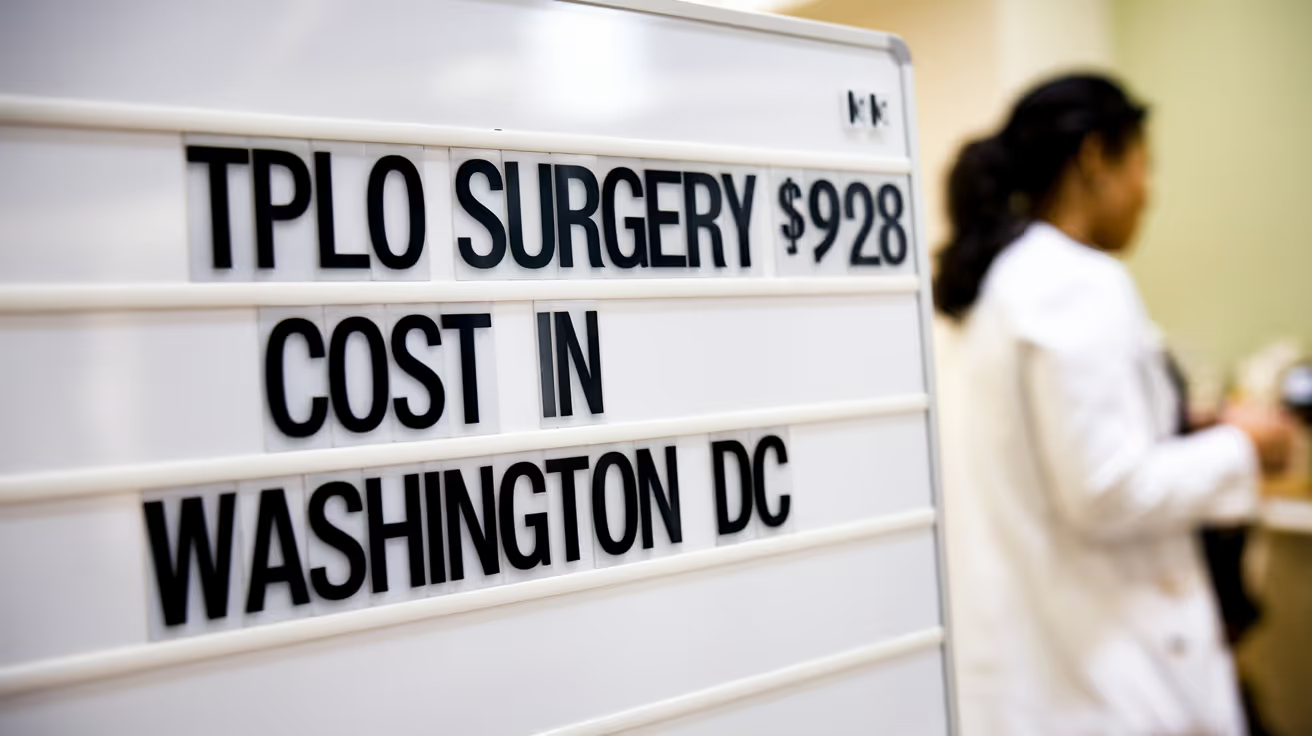
TPLO surgery is a common procedure to repair a torn cranial cruciate ligament (CCL) in dogs. This surgery stabilizes the knee joint, helping dogs regain mobility and reduce pain. Understanding the cost of TPLO surgery is essential for pet owners facing this important decision.
Costs vary widely based on location, surgeon experience, diagnostic tests, dog size, implants used, and rehabilitation needs. In Washington DC, this article covers typical price ranges, what is included and excluded, key cost drivers, and helpful tips for owners preparing for TPLO surgery.
Typical TPLO Surgery Cost in Washington DC
Prices for TPLO surgery in Washington DC vary depending on the clinic, surgeon expertise, and the size of your dog. Each factor influences the final cost significantly.
- Low estimate in Washington DC — Some veterinary clinics offer TPLO surgery at lower prices, often between $3,500 and $4,500. These clinics may have less experienced surgeons or fewer advanced diagnostic tools. While more affordable, lower-cost options might involve compromises in personalized care or implant quality.
- Average cost range in Washington DC — Most pet owners pay between $5,000 and $7,000 for TPLO surgery. This range typically includes experienced surgeons, standard implants, and basic post-operative care. It represents a balance between quality and affordability in the region.
- High-end TPLO specialists in Washington DC — Premium clinics with board-certified surgeons and state-of-the-art equipment may charge $7,500 or more. These facilities often provide advanced diagnostics, superior implants like titanium plates, and comprehensive rehabilitation programs.
What the Cost Usually Covers
The TPLO surgery package generally includes several key components essential for a successful outcome. Understanding these helps owners know what to expect.
- Surgery itself — The procedure involves cutting and rotating the tibia to stabilize the knee. This complex surgery requires specialized skills and equipment, contributing significantly to the cost.
- Anaesthesia + monitoring — Safe anesthesia and continuous monitoring during surgery are critical. These services ensure your dog’s safety and comfort, adding to the overall expense.
- Implants/plates — Stainless steel or titanium plates and screws are used to hold the bone in place. Titanium implants tend to be more expensive but offer better durability and biocompatibility.
- Post-op care and follow-up exams — Follow-up visits to monitor healing and manage pain are usually included. These appointments help detect complications early and support recovery.
What Might Not Be Included
Some costs are often overlooked by pet owners when budgeting for TPLO surgery. Being aware of these can prevent surprises.
- Pre-surgical diagnostics — X-rays, blood work, and other tests before surgery may be billed separately. These diagnostics are essential to assess your dog’s condition and plan the procedure properly.
- Post-surgical rehab therapy — Physical therapy or hydrotherapy sessions after surgery often incur additional charges. Rehab helps restore strength and mobility but is not always included in the initial quote. For more details, see the TPLO cost guide.
- Medications beyond standard pain control — Some dogs may require extra medications for infection prevention or inflammation, which add to the total cost.
- Additional cost if both legs need surgery — If your dog requires TPLO on both knees, expect roughly double the cost, though some clinics offer package discounts.
Key Cost Drivers in Washington DC
Even within Washington DC, TPLO surgery prices vary due to several local factors. Understanding these helps explain the range you might encounter.
- Dog size/weight — Larger dogs require bigger implants and longer surgery times, increasing costs. Smaller dogs often have simpler procedures and lower expenses.
- General vet vs board-certified surgeon — Board-certified surgeons typically charge more due to advanced training and expertise, but they may offer better outcomes.
- City living costs + overhead in Washington DC — Higher rent, staff salaries, and operational costs in Washington DC clinics contribute to elevated prices compared to other regions.
- Implant brand and surgical technology used — Clinics using premium implant brands or advanced surgical tools may charge more, reflecting higher quality materials and precision.
- Complication or infection risk — Cases with higher risk or complications require additional care, monitoring, and possibly revision surgery, increasing total costs.
Tips for Pet Owners in Washington DC
Careful financial planning and informed questions can help you manage TPLO surgery costs effectively in Washington DC.
- Ask for a detailed itemised estimate — Request a breakdown of all fees including surgery, diagnostics, implants, and follow-ups. This transparency helps avoid unexpected expenses.
- Clarify if quote is for one leg or both — Confirm whether the price covers one knee or both, especially if your dog has bilateral CCL tears.
- Explore pet insurance or financing options — Some pet insurance plans cover TPLO surgery. Financing plans may also be available to spread out payments. Learn more about pet insurance and TPLO coverage.
- Compare multiple clinics and ask about success rates — Getting several quotes and understanding each clinic’s track record can guide you to the best value and care quality.
- Ask about rehab or physiotherapy packages — Some clinics offer bundled rehab services which can save money and improve recovery. Check for these options before surgery.
Conclusion
TPLO surgery in Washington DC is a significant financial commitment. Costs vary widely depending on clinic, surgeon, dog size, and additional services. Planning ahead and understanding what influences pricing helps avoid surprises.
Comparing detailed quotes and confirming inclusions before deciding on a clinic ensures you get the best care for your dog’s needs and budget. Thoughtful preparation supports a smoother surgery and recovery journey.
Frequently Asked Questions
How much does TPLO surgery cost in Washington DC?
TPLO surgery in Washington DC typically ranges from $3,500 to over $7,500 depending on the clinic, surgeon expertise, and dog size. Most owners pay between $5,000 and $7,000 for quality care.
Is TPLO worth the cost for dogs with CCL tears?
TPLO is often worth the investment as it stabilizes the knee, reduces pain, and improves mobility. It can prevent arthritis and long-term joint damage, enhancing your dog’s quality of life.
Can pet insurance cover TPLO surgery in Washington DC?
Many pet insurance plans cover TPLO surgery, but coverage varies. It’s important to check your policy details and pre-authorization requirements to understand your benefits.
How do I know if a TPLO quote is reasonable?
A reasonable TPLO quote includes surgery, anesthesia, implants, and follow-up care. Comparing multiple estimates and asking for itemized costs helps ensure the price is fair and comprehensive.

Get a Free Poster
Enhance your workspace with a high-quality radiographs reference poster, designed for veterinary professionals. This free physical poster will be shipped directly to you—just fill out the form to request your copy.




Taking Great TPLO Radiographs
Click Below to Watch Live Video Demos


We'll send you a Free Wall Poster with all the steps
Step #1
Getting Ready
Ensuring a clean surgical field starts with proper skin preparation. This video demonstrates the best practices for:
- Shaving the patient – Achieving a close, even shave while minimizing skin irritation
- The Dirty Scrub – The initial skin prep step to remove surface debris and reduce bacterial load before the sterile scrub.
Following these techniques helps reduce infection risk and improve surgical outcomes. Watch the video to see how it’s done effectively!


Step #2
Reduce Your Risks
Many surgeons are shocked to find out that their patients are not protected from biofilms and resistant bacteria when they use saline and post-op antibiotics.
That’s Where Simini Comes In.
Why leave these risks and unmanaged? Just apply Simini Protect Lavage for one minute. Biofilms and resistant bacteria can be removed, and you can reduce two significant sources of infection.
Step #3
Take the Course
Preventing surgical infections is critical for patient safety and successful outcomes. This course covers:
- Aseptic techniques – Best practices to maintain a sterile field.
- Skin prep & draping – Proper methods to minimize contamination.
- Antibiotic stewardship – When and how to use perioperative antibiotics effectively.
Stay up to date with the latest evidence-based protocols. Click the link to start learning and earn CE credits!

Things to know
Non-Surgical Alternatives to TPLO Surgery for Dogs
Explore non-surgical alternatives to TPLO surgery for dogs, including therapy options, benefits, and when they are suitable.
When your dog suffers from a torn cranial cruciate ligament (CCL), you might worry about the need for TPLO surgery. TPLO, or tibial plateau leveling osteotomy, is a common surgical procedure to stabilize the knee joint. However, not every dog is an ideal candidate for surgery, and some owners seek non-surgical options.
This article explains the main non-surgical alternatives to TPLO surgery for dogs. You will learn about physical therapy, weight management, braces, and medications that can help manage your dog's condition without surgery.
What are the main non-surgical treatments for CCL injuries in dogs?
Non-surgical treatments aim to reduce pain, improve joint stability, and maintain mobility. These treatments are often recommended for dogs with mild to moderate ligament tears or those who cannot undergo surgery due to age or health issues.
Choosing the right treatment depends on your dog's size, activity level, and severity of the injury.
- Physical therapy benefits: Physical therapy helps strengthen muscles around the knee, improving joint support and reducing pain for better mobility.
- Weight management importance: Maintaining a healthy weight reduces stress on the knee joint, slowing arthritis progression and improving comfort.
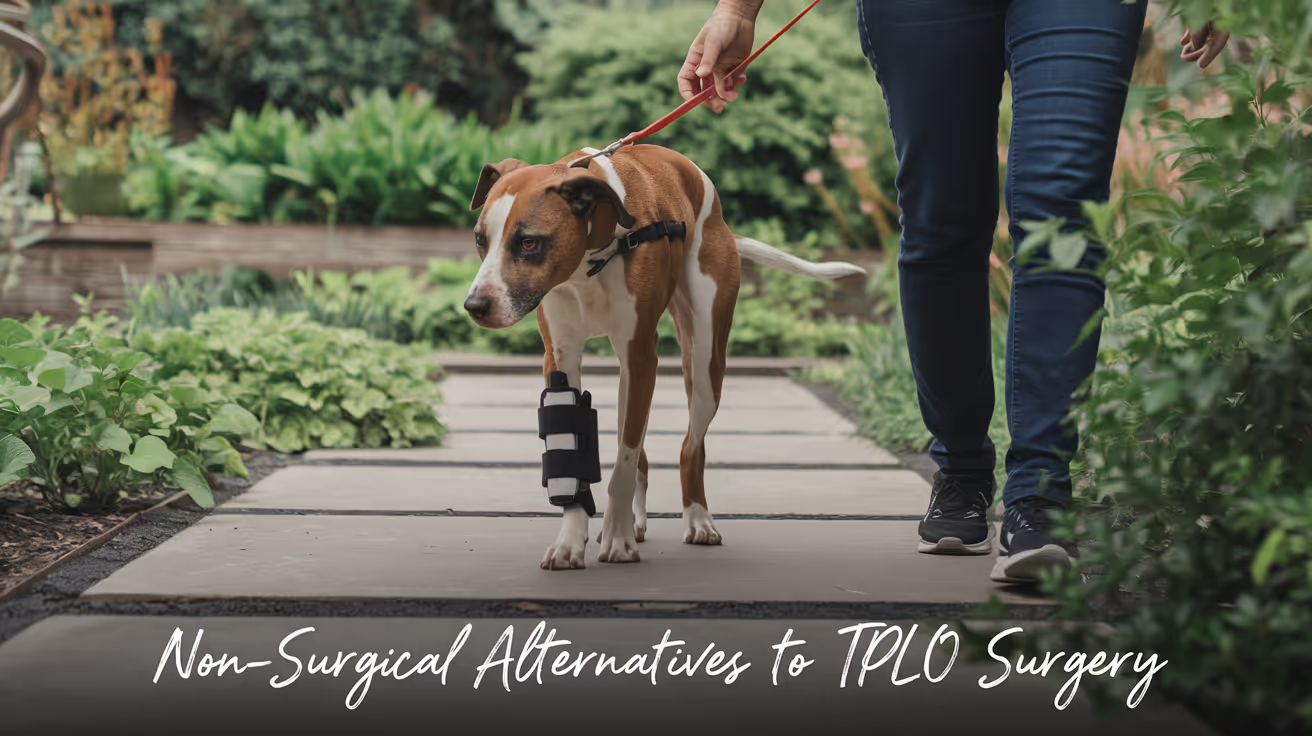
- Knee braces role: Custom knee braces stabilize the joint externally, limiting abnormal movement and providing pain relief during activity.
- Medications use: Anti-inflammatory drugs and pain relievers reduce swelling and discomfort, improving your dog's quality of life.
Combining these treatments often provides the best results for managing CCL injuries without surgery.
How effective is physical therapy compared to TPLO surgery?
Physical therapy focuses on muscle strengthening, joint flexibility, and pain management. It can improve your dog's function but may not fully stabilize the knee like surgery does.
Therapy is more effective in dogs with partial ligament tears or those with low activity demands.
- Muscle strengthening impact: Stronger muscles support the knee, reducing instability and helping your dog move more comfortably.
- Range of motion exercises: These exercises prevent stiffness and maintain joint flexibility, which is crucial for long-term mobility.
- Pain management techniques: Modalities like cold laser therapy and hydrotherapy reduce inflammation and promote healing.
- Limitations of therapy: Physical therapy cannot repair the ligament or fully prevent joint instability in severe tears.
Physical therapy can be a valuable part of recovery but may not replace TPLO surgery for all dogs.
When should a dog wear a knee brace instead of having surgery?
Knee braces provide external support to the injured joint. They are often used in dogs who cannot tolerate surgery or while waiting for surgery.
Braces can improve comfort and function but require proper fitting and regular monitoring.
- Suitable candidates: Small to medium dogs with partial tears or older dogs with health risks benefit most from braces.
- Bracing goals: The brace limits abnormal joint movement, reducing pain and preventing further injury.
- Fitting and adjustment: A custom brace fitted by a veterinary professional ensures comfort and effectiveness.
- Care and monitoring: Regular checks prevent skin irritation and ensure the brace remains supportive during activity.
While braces help manage symptoms, they do not heal the ligament and are often part of a broader treatment plan.
What role do medications play in managing CCL injuries without surgery?
Medications help control pain and inflammation associated with ligament injuries. They improve your dog's comfort and ability to participate in therapy.
Medications are usually combined with other treatments for best results.
- NSAIDs use: Non-steroidal anti-inflammatory drugs reduce joint swelling and pain, improving mobility.
- Pain relievers: Additional analgesics may be prescribed for severe discomfort or during flare-ups.
- Supplements benefits: Joint supplements like glucosamine and chondroitin support cartilage health and may slow arthritis progression.
- Medication risks: Long-term use requires veterinary supervision to avoid side effects like stomach upset or kidney issues.
Medications are an important part of non-surgical management but do not replace mechanical joint stabilization.
Can weight management alone improve a dog's CCL injury?
Excess weight increases stress on the knee joint, worsening pain and arthritis. Managing your dog's weight can significantly improve symptoms.
Weight control is essential whether your dog undergoes surgery or not.
- Reducing joint stress: Less body weight means less pressure on the injured ligament and joint surfaces.
- Improving mobility: A leaner dog moves more easily and participates better in therapy or exercise.
- Diet planning: A balanced, calorie-controlled diet helps achieve and maintain ideal weight safely.
- Regular monitoring: Frequent weight checks ensure your dog stays within a healthy range to protect joints.
Weight management is a cornerstone of non-surgical care and improves overall health.
What are the risks and limitations of non-surgical treatment for CCL tears?
While non-surgical options can help many dogs, they have limitations. Not all dogs will regain full function without surgery.
Understanding these risks helps you make informed decisions with your veterinarian.
- Incomplete joint stabilization: Non-surgical methods do not repair the ligament, so instability may persist.
- Progression of arthritis: Without surgery, joint wear may worsen over time, causing chronic pain.
- Activity restrictions: Dogs may need limited exercise to prevent further injury during healing.
- Variable outcomes: Success depends on injury severity, dog size, and owner compliance with treatment plans.
Discuss your dog's specific case with your vet to weigh the benefits and risks of non-surgical care.
Conclusion
Non-surgical alternatives to TPLO surgery for dogs include physical therapy, knee braces, medications, and weight management. These options can reduce pain and improve mobility, especially for dogs with mild injuries or those who cannot have surgery.
However, non-surgical treatments have limitations and may not fully stabilize the knee joint. Working closely with your veterinarian will help you choose the best approach for your dog's health and lifestyle.
FAQs
Can small dogs recover from CCL tears without surgery?
Yes, small dogs with partial tears often respond well to non-surgical treatments like physical therapy and braces, but close monitoring is essential to prevent worsening.
How long does it take to see improvement with non-surgical care?
Improvement usually begins within weeks of starting therapy and weight management, but full benefits may take several months depending on the dog's condition.
Are knee braces uncomfortable for dogs?
Properly fitted braces are generally comfortable, but dogs may need time to adjust. Regular checks prevent skin irritation and ensure proper fit.
Can supplements replace medications for pain relief?
Supplements support joint health but do not provide immediate pain relief like medications. They are best used alongside prescribed drugs.
Is non-surgical treatment cheaper than TPLO surgery?
Non-surgical care often costs less upfront but may require ongoing therapy and medications. Surgery has higher initial costs but may offer faster recovery.

Lameness After TPLO Surgery in Dogs
Learn about causes, diagnosis, and treatment of lameness after TPLO surgery in dogs to help your pet recover fully.
Lameness after TPLO surgery in dogs is a common concern for pet owners. TPLO, or Tibial Plateau Leveling Osteotomy, is a surgical procedure to stabilize the knee after a cranial cruciate ligament rupture. Sometimes, dogs show limping or difficulty walking after this surgery, which can worry owners.
This article explains why lameness happens after TPLO surgery, how veterinarians diagnose it, and what treatments help dogs recover. You will learn what signs to watch for and how to support your dog’s healing process effectively.
What causes lameness after TPLO surgery in dogs?
Lameness after TPLO surgery can arise from several factors. Understanding these causes helps you recognize if your dog’s limping is normal or needs veterinary attention. Some causes are related to surgery recovery, while others may indicate complications.
- Postoperative pain: Pain from surgery and inflammation can cause limping during the first weeks, which usually improves with pain management and rest.
- Soft tissue swelling: Swelling around the knee joint after surgery can limit movement and cause discomfort, leading to temporary lameness.
- Implant irritation: The metal plate and screws used in TPLO can sometimes irritate surrounding tissues, causing discomfort and limping.
- Infection risk: Surgical site infections can cause pain, swelling, and lameness, requiring prompt veterinary care.
Other causes include meniscal injury, implant failure, or improper bone healing. Monitoring your dog closely after surgery helps detect these issues early.
How do veterinarians diagnose lameness after TPLO surgery?
Diagnosing the cause of lameness after TPLO involves a thorough physical exam and diagnostic tests. Your veterinarian will assess your dog’s gait, pain level, and surgical site condition.
- Physical examination: Checking the operated leg for swelling, heat, pain, and range of motion helps identify inflammation or injury.
- Gait analysis: Observing how your dog walks or stands can reveal the severity and pattern of lameness.
- Radiographs (X-rays): X-rays evaluate bone healing, implant position, and detect complications like fractures or loosening.
- Joint fluid analysis: In some cases, sampling joint fluid helps detect infection or inflammation inside the knee.
These diagnostic steps guide the veterinarian in choosing the best treatment plan for your dog’s recovery.
What treatments help dogs with lameness after TPLO surgery?
Treatment depends on the cause and severity of lameness. Most dogs improve with conservative care, but some need additional interventions.
- Pain management: Using prescribed pain medications and anti-inflammatories reduces discomfort and supports healing.
- Restricted activity: Limiting running, jumping, and rough play during recovery prevents stress on the surgical site.
- Physical therapy: Controlled exercises and rehabilitation improve muscle strength and joint mobility, aiding recovery.
- Surgical revision: In cases of implant failure, infection, or meniscal injury, additional surgery may be necessary to correct problems.
Following your veterinarian’s instructions closely ensures the best outcome for your dog’s lameness after TPLO surgery.
When is lameness after TPLO surgery normal versus a concern?
Some lameness is expected after TPLO surgery, especially in the first few weeks. However, persistent or worsening limping needs evaluation.
- Normal recovery lameness: Mild limping that improves gradually over 6 to 12 weeks with rest and medication is typical.
- Warning signs: Increasing pain, swelling, heat, or inability to bear weight on the leg indicates complications.
- Delayed healing: If lameness does not improve after 3 months, further diagnostics are needed to check bone healing.
- Infection symptoms: Fever, discharge from the surgical site, or foul odor require urgent veterinary attention.
Early communication with your veterinarian helps address concerns and prevents long-term problems.
How can you support your dog’s recovery after TPLO surgery?
Supporting your dog’s recovery involves careful home care and following veterinary advice. Your role is vital to reduce lameness and promote healing.
- Follow medication schedule: Administer all prescribed painkillers and antibiotics exactly as directed to control pain and prevent infection.
- Limit exercise: Keep your dog confined to a small area and avoid stairs or slippery floors to protect the surgical site.
- Use supportive devices: Consider harnesses or slings to help your dog walk safely during early recovery stages.
- Attend follow-ups: Regular veterinary visits allow monitoring of healing progress and timely intervention if needed.
Patience and consistency in care improve your dog’s comfort and speed recovery after TPLO surgery.
What are the long-term outcomes for dogs with lameness after TPLO surgery?
Most dogs regain good function after TPLO surgery despite initial lameness. Long-term success depends on proper healing and rehabilitation.
- Improved mobility: Successful TPLO surgery stabilizes the knee, allowing dogs to return to normal activity levels over time.
- Arthritis risk: Some dogs develop arthritis in the operated joint, which may cause mild chronic lameness later.
- Rehabilitation benefits: Physical therapy improves muscle strength and joint health, reducing long-term lameness risks.
- Owner vigilance: Monitoring for new limping or pain helps catch problems early and maintain quality of life.
With proper care, dogs can enjoy active lives after recovering from lameness post-TPLO surgery.
Conclusion
Lameness after TPLO surgery in dogs is common but often temporary. It usually results from pain, swelling, or normal healing processes. Understanding the causes and treatments helps you support your dog’s recovery effectively.
If lameness persists or worsens, prompt veterinary evaluation is essential to identify complications like infection or implant issues. Following your veterinarian’s advice on medication, activity restriction, and rehabilitation maximizes your dog’s chances for a full recovery and return to normal activity.
FAQs
How long does lameness last after TPLO surgery?
Lameness usually improves gradually over 6 to 12 weeks after surgery with proper care. Some dogs may take longer depending on individual healing rates.
When should I contact my vet about lameness after TPLO?
Contact your vet if lameness worsens, your dog cannot bear weight, or you notice swelling, heat, discharge, or fever around the surgical site.
Can physical therapy help with lameness after TPLO?
Yes, physical therapy strengthens muscles and improves joint mobility, which helps reduce lameness and supports faster recovery.
Is infection common after TPLO surgery?
Infection is a possible but uncommon complication. Signs include redness, swelling, discharge, and fever, requiring prompt veterinary treatment.
Will my dog fully recover normal use of the leg?
Most dogs regain good leg function after TPLO surgery, especially with proper care and rehabilitation, though some may have mild long-term arthritis.
DeAngelis vs TPLO Surgery for Dogs
Compare DeAngelis and TPLO surgery for dogs, exploring benefits, risks, recovery, and costs to help pet owners choose the best treatment.
DeAngelis surgery also called lateral suture, extracapsular repair, or ELSS (extracapsular lateral suture stabilization) is one of the oldest and most widely performed CCL repair techniques.
TPLO is the most commonly recommended procedure by the ACVS for dogs over 60 lbs.
Decades of research strongly favor TPLO for larger, more active dogs while supporting extracapsular repair as a cost-effective option for smaller dogs.
Quick answer: TPLO produces superior outcomes in medium and large breed dogs: better limb loading at 8 weeks, higher 1-year function, and slower arthritis progression. DeAngelis surgery is effective for small dogs under 15 to 20 lbs and costs $800 to $1,500 vs $3,000 to $6,000 for TPLO.
Key takeaways
- TPLO produces superior outcomes at 8 weeks and 1 year in size-matched studies: more symmetric loading, higher vertical force, higher owner satisfaction
- DeAngelis surgery is effective in small dogs under 15 to 20 lbs: success rates above 90% reported; significantly worse in larger dogs
- Extracapsular repair relies on periarticular fibrosis for stability; the suture eventually stretches or fails in larger dogs
- DeAngelis surgery costs significantly less: $800 to $1,500 vs $3,000 to $6,000 for TPLO
- Arthritis progression is faster after extracapsular repair than TPLO in multiple studies; TPLO slows OA more effectively
- 10 to 20% of extracapsular repair dogs will require additional treatment for lameness during their lifetime per Today's Veterinary Practice
How each procedure works
DeAngelis surgery (lateral suture / extracapsular repair)
DeAngelis surgery uses a heavy monofilament nylon suture (or, in the TightRope variation, a fiber-tape through bone tunnels) placed outside the joint to mimic the function of the torn CCL.
The suture runs from the lateral fabella behind the femur around to the tibial crest, restraining the cranial drawer movement that occurs with CCL loss.
The suture is not a permanent replacement.
DVM360 confirms that extracapsular stabilization relies on periarticular fibrosis for long-term stability the suture eventually stretches or fails, and joint stability depends on scar tissue formed around the joint during recovery.
DeAngelis surgery does not require bone cutting, specialized equipment, or the steep learning curve associated with TPLO. It is technically accessible to general practice surgeons with appropriate training.
TPLO (Tibial Plateau Leveling Osteotomy)
TPLO addresses CCL rupture by changing joint geometry rotating the tibial plateau so the stifle is mechanically stable without any functioning CCL.
The stability provided by TPLO is bone-based and does not depend on scar tissue or suture integrity over time.
TPLO requires specialized equipment, a radiolucent table, intraoperative radiographs, and surgeon training in the procedure. It is primarily performed at specialty hospitals and by board-certified orthopedic surgeons.
What the clinical evidence shows
Short-term outcomes
DVM360's evidence review found TPLO dogs bear more weight sooner; extracapsular repair dogs hold the leg up for 1 to 2 weeks.
A force plate gait study (ECR n=23, TPLO n=15) found more symmetric limb loading at 8 weeks in TPLO patients compared to extracapsular repair patients at both walk and trot.
Long-term outcomes
Today's Veterinary Practice's evidence-based review reports:
- A randomized blinded clinical trial of 80 dogs found TPLO resulted in higher peak vertical force and higher owner satisfaction at 1 year post-surgery compared to lateral fabellar suture stabilization
- A more recent study showed TPLO outcomes were always better than lateral suture outcomes at any time point up to 1 year
DVM360 notes one early study found no difference at 2 years, but more recent studies consistently show TPLO outperforming extracapsular repair.
Arthritis progression
Today's Veterinary Practice confirms that extracapsular stabilization may result in increased progression of radiographic osteoarthritis compared to TPLO.
Restoring joint mechanics (TPLO) slows cartilage degradation more effectively than temporary stabilization with subsequent fibrosis (extracapsular repair).
Long-term failure
Today's Veterinary Practice reports that 10 to 20% of dogs with extracapsular stabilization will require treatment or reoperation for lameness during their lifetimes, sometimes years after original surgery.
This rate is higher than the expected rate of reoperation-requiring complications after TPLO.
Head-to-head comparison
Which dogs are best suited to each?
DeAngelis surgery is appropriate for:
- Small dogs under 15 to 20 lbs with CCL rupture
- Dogs with significant health conditions making a longer anesthetic or more invasive procedure higher risk
- Cases where cost is the primary determining factor
- Older, less active dogs with lower functional demands
TPLO is recommended for:
- Dogs over 30 lbs, especially active and large breeds
- Dogs where long-term joint function and minimal OA progression are the goals
- Working dogs, sport dogs, or highly active pets
- Dogs with steep tibial plateau angles that make extracapsular repair less reliable
For the full surgical alternatives overview, see alternatives to TPLO surgery for dogs. For the TPLO pros and cons, see TPLO surgery pros and cons for dogs.
For the lateral suture detailed comparison, see lateral suture vs TPLO: what's the difference?.
Frequently asked questions
Is DeAngelis surgery as good as TPLO?
For small dogs under 15 to 20 lbs, DeAngelis surgery can be as effective as TPLO.
For medium and large breed dogs, the evidence clearly favors TPLO: better short-term function, better 1-year outcomes, slower arthritis progression, and lower long-term reoperation rates.
How much less does DeAngelis surgery cost than TPLO?
Typically $2,000 to $4,500 less per leg. DeAngelis surgery costs approximately $800 to $1,500 at general practices vs $3,000 to $6,000 for TPLO at specialist centres.
For bilateral cases (both knees), the cost difference is doubled.
Does DeAngelis surgery fail more often than TPLO?
In large dogs, yes. The suture stretches and fails in larger, more active patients because the periarticular fibrosis cannot compensate for the higher joint forces.
Today's Veterinary Practice estimates 10 to 20% of extracapsular repair dogs will need further treatment for lameness during their lifetime.
Can my large dog have DeAngelis surgery instead of TPLO?
Technically yes, but the evidence does not support it as the primary recommendation for dogs over 30 lbs.
DVM360 confirms it is possible that larger dogs treated with lateral suture technique may have significantly worse outcomes than those treated with TPLO.
If DeAngelis surgery fails, can TPLO be done afterward?
Yes. TPLO is a standard revision option when extracapsular repair fails or when the dog develops ongoing instability and lameness.
Discuss this with a board-certified orthopedic surgeon if your dog's original repair has not produced adequate results.
Resources
- DVM360. Cranial Cruciate Ligament Repair: One Size Does NOT Fit All. dvm360.com
- Today's Veterinary Practice. Canine Cranial Cruciate Disease: An Evidence-Based Look at Current Treatment Modalities. todaysveterinarypractice.com
- DVM360. Journal Scan: Ruptured CCL Surgery: TPLO vs Extracapsular Repair. dvm360.com
- Walkerville Vet. Cruciate Surgery: TPLO, TTA, MMP, DeAngelis. walkervillevet.com.au
- ACVS. Cranial Cruciate Ligament Disease. acvs.org
Can a Dog Re-Tear ACL After TPLO Surgery?
Learn if a dog can re-tear the ACL after TPLO surgery, signs to watch for, and how to prevent re-injury effectively.
TPLO surgery does not repair or replace the torn CCL it changes the biomechanics of the stifle so the CCL is no longer needed. This means there is no ligament to re-tear.
The question most owners are really asking is: can the operated knee fail again? The answer requires separating the different ways a TPLO can stop working well.
Quick answer: Dogs cannot re-tear the CCL after TPLO because TPLO makes the ligament unnecessary. Late meniscal tears occur in 5% of dogs. Contralateral rupture is the biggest risk: 22 to 54% rupture the other knee within 6 to 17 months.
Key takeaways
- Dogs cannot re-tear the CCL after TPLO: TPLO changes joint geometry so the CCL is unnecessary; no ligament remains to re-tear
- Late meniscal tears affect approximately 5% of dogs with intact meniscus at TPLO; they are the most common cause of sudden lameness regression
- 30 to 40% of dogs have concurrent meniscal injury treated at TPLO surgery; this is not the same as a late post-operative tear
- Contralateral CCL rupture is the biggest re-injury risk: 22 to 54% of dogs rupture the other knee within 6 to 17 months
- Sudden non-weight-bearing after previous progress is the main warning sign for any post-TPLO complication it requires prompt veterinary evaluation
- Implant failure is a hardware problem, not a CCL re-tear; it presents with sudden lameness and is diagnosed on radiographs
Why dogs cannot re-tear the CCL after TPLO
TPLO surgery works by rotating the tibial plateau to approximately 5 degrees. At this angle, the stifle is mechanically stable during weight-bearing without the cranial cruciate ligament.
The torn CCL is not repaired, reconstructed, or replaced.
Because no ligament substitute is in place, there is nothing to re-tear.
The joint stability provided by TPLO is structural it comes from the new bone geometry, not from any biological or synthetic material that could fail.
This is different from human ACL surgery, which typically involves a ligament graft (autograft or allograft) that can be re-torn.
Dog owners familiar with human ACL surgery often incorrectly assume the same risk applies after TPLO.
What can go wrong with the operated knee after TPLO
Late meniscal tears
This is the most important cause of sudden lameness regression after successful TPLO recovery.
TPLO Austin confirms: approximately 5% of dogs with an intact meniscus at the time of surgery will develop a meniscal tear at some point in the future.
When this occurs, patients may become acutely lame. In some cases, a second surgery is needed to remove the torn portion of the meniscus.
Laguna Hills Animal Hospital notes that dogs with a meniscal tear frequently exhibit a meniscal click an audible clicking noise as one of the telltale signs of injury.
Signs of a late meniscal tear:
- Sudden regression to significant lameness after the dog was progressing well
- Clicking or clunking sound from the knee during movement
- Swelling of the stifle joint
- Reluctance to bear full weight on a leg that was previously well-recovered
Vetplayas confirms that early identification and intervention for meniscal tears after TPLO are crucial to prevent further damage, chronic pain, and decreased joint function.
Tibial tuberosity fracture
This is a rare but serious complication occurring in 1 to 9% of TPLO cases (Laguna Hills Animal Hospital).
The tibial tuberosity the bony prominence where the patellar tendon inserts can fracture if placed under excessive stress, particularly in large, active dogs during the early healing phase.
Sudden severe lameness in the first weeks after surgery is the presentation. Radiographs confirm the diagnosis.
Implant failure (plate or screw problems)
If the TPLO plate bends, breaks, or screws loosen, the osteotomy site loses support and the bone may shift. This produces sudden or progressive lameness and is confirmed on radiographs.
Premature return to activity, obesity, and overexertion during the healing phase are the main risk factors for implant failure. For the full guide, see TPLO implant failure signs and causes.
The most important re-injury risk: the other knee
The operated knee rarely fails after successful TPLO recovery. The far greater risk is the other knee.
PMC (NCBi 2014) confirms that among dogs with unilateral CCL rupture, a large proportion will develop contralateral CCL rupture within 12 to 24 months.
The risk is 22 to 54% at 6 to 17 months of initial diagnosis.
This is because both CCLs are affected by the same systemic risk factors: genetics, body weight, conformation, and hormonal environment.
The degeneration that caused one CCL to fail is almost certainly affecting the other.
Weight management is the most impactful owner action for reducing the risk of contralateral rupture. Maintaining a lean body condition score reduces mechanical load on both stifle joints simultaneously.
Signs that the operated knee has a new problem
Contact your veterinarian if you notice:
- Sudden regression to non-weight-bearing or severe lameness after the dog was progressing well
- A new clicking or popping sound from the operated knee
- New swelling or heat at the operated knee months after surgery
- Progressive rather than improving lameness between weeks 8 and 16
Contact your veterinarian about the other knee if you notice:
- New hind limb lameness on the opposite side
- Bilateral stiffness, especially in the morning
- Sitting with one leg extended to the side (the opposite leg from the TPLO)
For the TPLO failure rate context, see TPLO failure rate in dogs explained. For the meniscal complication guide, see dog meniscus tear after TPLO: symptoms and solutions.
For the full complications reference, see 15 common complications after TPLO surgery in dogs. For signs of lameness and their causes, see lameness after TPLO surgery in dogs.
For guidance on return-to-activity, see when can dogs resume agility training post-TPLO?.
Frequently asked questions
My dog had TPLO and is suddenly limping badly again. Did they re-tear their ACL?
Not in the literal sense TPLO does not leave a CCL to re-tear.
Sudden regression after successful initial recovery is most likely a late meniscal tear, though implant complications, infection, or patellar issues can also present this way.
Any sudden regression to severe lameness after TPLO warrants same-day or next-day veterinary evaluation.
How can I tell if it's a meniscal tear vs. a plate problem?
A meniscal click or clunk during movement is more characteristic of meniscal injury. Implant failure is more likely to show subtle progressive changes visible on radiographs.
A vet cannot reliably distinguish them on clinical examination alone radiographs and often arthroscopy are needed.
Can TPLO surgery fail entirely?
Complete failure where the joint reverts to pre-surgical instability is uncommon. Partial complications (late meniscal tear, infection, implant issues) are more typical. The overall reoperation rate for TPLO complications is below 10%.
Most dogs that have successful initial recovery maintain good long-term function.
How do I reduce my dog's risk of a late meniscal tear after TPLO?
Strict activity restriction for the full 8 to 12 weeks minimizes abnormal forces on the healing meniscus. Maintaining healthy body weight reduces meniscal loading throughout the dog's life.
The surgeon assesses the meniscus at TPLO if it was already damaged and removed, a late tear in that knee is no longer possible.
Should I worry about my dog's other knee after TPLO?
Yes the contralateral CCL rupture risk of 22 to 54% within 6 to 17 months is substantial.
Weight management, consistent controlled exercise, and watching for new lameness on the opposite side are the appropriate responses.
Early diagnosis and surgery on the second knee (when it ruptures) produce the same good outcomes as the first.
Resources
- TPLO Austin. Step 6: TPLO Surgery Recovery. tploaustin.com
- Laguna Hills Animal Hospital. TPLO Surgery Complications. lhah.com
- Vetplayas. Dog Meniscus Tear After TPLO: Understanding and Managing the Complication. vetplayas.com
- PMC. Radiographic Risk Factors for Contralateral Rupture in Dogs with Unilateral CCL Rupture. ncbi.nlm.nih.gov
- ACVS. Cranial Cruciate Ligament Disease. acvs.org
TPLO Surgery for Older Dogs: Is It a Worthwhile Option?
Considering TPLO surgery for your old dog? Learn the benefits, risks, and alternatives to ensure the best decision for their joint health
Age alone does not disqualify a dog from TPLO surgery.
The decision for an older or senior dog depends on overall health status, concurrent conditions, quality of life goals, and individual assessment -- not a chronological cutoff.
Many senior dogs benefit substantially from TPLO, while some older dogs are better managed conservatively. Understanding how to approach this decision is essential.
Quick answer: TPLO is viable for most older dogs with CCL rupture who are medically suitable for anesthesia. Published data estimates 85 to 90% of senior dogs regain near-normal or improved limb function. Age increases anesthetic risk and slows recovery -- manageable factors, not contraindications. Pre-surgical bloodwork and cardiac evaluation reduce risk.
Key takeaways
- Age alone is not a contraindication for TPLO: a comprehensive veterinary assessment is essential; the decision is based on health status, not chronological age
- 85 to 90% of senior dogs regain near-normal or improved limb function: comparable to the 90 to 95% general TPLO population; older dogs achieve similar success with appropriate post-operative care
- The primary risk factors for senior dogs are anesthetic risk and comorbidities: older dogs are more likely to have heart disease, kidney disease, or arthritis complicating anesthesia; pre-surgical screening manages these risks
- Recovery takes longer in older dogs: senior dogs need a longer recovery with extra monitoring and rehabilitation; timelines should be extended and expectations adjusted
- Conservative management is appropriate for some older dogs: very elderly dogs with limited activity needs, multiple health concerns, or advanced concurrent arthritis may benefit more from conservative management
- The quality of life cost of not operating is significant: untreated CCL rupture means chronic joint pain, progressive arthritis, and severe mobility impairment; TPLO offers a better quality of remaining life for many senior dogs
What changes with age in TPLO candidates
Anesthetic risk
General anesthesia in older dogs carries higher risk than in young adults. The primary reasons:
Cardiovascular function: cardiac output typically decreases with age. Dogs with occult cardiomyopathy, valve disease, or arrhythmias have reduced ability to compensate for the cardiovascular demands of general anesthesia. Pre-surgical cardiac evaluation (auscultation, chest radiographs, echocardiography if indicated) identifies and quantifies this risk.
Renal function: anesthesia and NSAIDs both affect renal perfusion. Dogs with reduced GFR are at risk for acute kidney injury. Pre-surgical blood chemistry (BUN, creatinine, SDMA) establishes baseline renal function and guides anesthetic protocol choices.
Hepatic function: the liver metabolizes most anesthetic agents. Hepatic insufficiency prolongs drug effect and increases toxicity risk. Pre-surgical liver enzyme panel and bile acids test if enzymes are elevated.
Thermoregulation: older dogs lose body heat more quickly during anesthesia. Active warming protocols (circulating warm water blankets, warm IV fluids, warm recovery environment) are particularly important.
Healing and regeneration
Bone healing takes longer in older dogs. The osteotomy that consolidates in 8 weeks in a 3-year-old Labrador may take 10 to 14 weeks in a 10-year-old dog.
Radiographic confirmation of healing before lifting restrictions is therefore even more critical in senior dogs.
Muscle rebuilding is also slower. Full muscle recovery may take 6 to 9 months rather than 4 to 6 months in older dogs.
Pre-existing arthritis
Most older dogs with CCL disease have concurrent arthritis in the affected stifle at the time of presentation.
This does not prevent TPLO from providing benefit, but it affects the baseline from which the dog recovers.
Upland Animal Hospital confirms: dogs with advanced degenerative joint disease may not be ideal candidates; existing joint damage could limit improvement in mobility.
The realistic expectation is not a return to young-dog mobility, but elimination of instability pain and slowing of further arthritis progression -- both of which meaningfully improve quality of life.
Pre-surgical assessment for older dogs
The pre-surgical workup for a senior dog should include:
Complete blood count: rule out anemia, infection, and thrombocytopenia.
Blood chemistry panel: kidney function (BUN, creatinine, SDMA), liver function (ALT, ALP, GGT), albumin, glucose.
Urinalysis: assess renal concentrating ability and rule out urinary tract infection (a source of bacteremia that can seed the implant).
Chest radiographs: assess cardiac silhouette and pulmonary fields for occult cardiac disease or pulmonary abnormalities.
Electrocardiography: if cardiac auscultation reveals arrhythmia or murmur.
Echocardiography: if the cardiac evaluation suggests significant structural disease; quantifies severity and guides anesthetic protocol.
Blood pressure: hypertension is common in older dogs and affects anesthetic management.
Companion Animal Hospital confirms: older patients are more likely to have heart disease, kidney problems, or arthritis complicating anesthesia and recovery. Each patient is evaluated thoroughly to weigh complications against expected benefits.
When TPLO is appropriate for older dogs
TPLO is generally appropriate when:
- Pre-surgical assessment confirms the dog is medically suitable for general anesthesia
- The dog has a good quality of life before the CCL rupture
- The owner is committed to the post-operative care demands
- Life expectancy is at least 1 to 2 years (enough time to benefit from the recovery period)
- Pain from CCL instability is significantly reducing the dog's quality of life
SustainableVet.org confirms: 85 to 90% of senior dogs regain near-normal or improved limb function. Older dogs achieve similar success rates when conditions like arthritis are managed well.
When conservative management may be more appropriate
Conservative management (strict rest, NSAIDs, physical therapy, weight management) may be more appropriate when:
- The dog has severe concurrent cardiac, renal, or hepatic disease that significantly elevates anesthetic mortality risk
- Pre-existing arthritis is so advanced that functional improvement from TPLO is unlikely
- The dog has very limited mobility needs (sedentary older dog in minimal pain before the CCL event)
- Life expectancy is significantly limited by a concurrent condition
Chewy confirms: TPLO can be performed in dogs of any age, but your veterinarian will consider overall health in senior dogs.
Upland Animal Hospital confirms: very elderly dogs might benefit more from conservative management if they have limited activity needs and multiple health concerns.
Adjusting expectations and the recovery plan for older dogs
For older dogs undergoing TPLO:
- The restriction period is the same (8 to 12 weeks) but radiographic healing may take longer; follow-up imaging should be extended if healing is not confirmed at the standard 6 and 12 week timepoints
- Recovery plans should include additional physiotherapy support, hydrotherapy, and pain management beyond the standard protocol
- Concurrent arthritis management (joint supplements, periodic NSAIDs, hydrotherapy) continues long-term after recovery
- Body condition monitoring is critical -- older dogs are more likely to gain weight during restriction
SustainableVet.org confirms: senior dogs need a longer recovery with extra monitoring and rehabilitation. Physical therapy helps, but patience and adjusted expectations are essential.
For the surgery overview, see what is TPLO surgery in dogs?. For recovery, see post-surgery recovery after TPLO in dogs. For long-term outcomes, see long-term outcomes of TPLO surgery.
For anesthesia protocol, see TPLO anesthesia protocol in dogs.
Frequently asked questions
My dog is 11 years old with a torn CCL. Should I get TPLO?
Age 11 is not a contraindication. The decision depends on your dog's overall health. Schedule a thorough pre-surgical assessment including bloodwork, urinalysis, and chest radiographs.
If your dog is medically suitable for anesthesia and has a reasonable life expectancy, TPLO will likely provide a better quality of remaining life than conservative management of an unstable stifle.
Does TPLO take longer to heal in older dogs?
Yes. Bone healing in older dogs typically takes 2 to 4 weeks longer than in young adults.
Muscle recovery also takes longer -- expect 6 to 9 months rather than 4 to 6 months. Radiographic follow-up should reflect this extended timeline.
Is the anesthetic risk for TPLO too high in senior dogs?
This depends entirely on the individual dog's health status. Pre-surgical assessment quantifies anesthetic risk. Many senior dogs in good health tolerate TPLO anesthesia well.
Dogs with significant cardiac or renal disease have elevated risk that must be weighed against the benefit of surgical stabilization. There is no population-level answer -- only individual assessments.
Can conservative management work for an older dog with CCL rupture?
For some older dogs, yes.
For most medium and large dogs over 15 kg with complete CCL rupture, conservative management does not restore normal joint stability, and chronic pain with progressive OA is the expected outcome.
Whether conservative management is appropriate depends on the dog's baseline activity level, severity of rupture, concurrent health status, and owner goals.
What is the recovery quality like for older dogs after TPLO?
With appropriate rehabilitation and arthritis management, most older dogs achieve meaningful improvement in mobility and pain control after TPLO.
The realistic goal is not the function of a young adult dog but rather elimination of the pain of joint instability and a return to comfortable daily activity.
SustainableVet.org confirms: when combined with weight management and physical therapy, TPLO offers lasting relief, often keeping dogs active well into their senior years.
Resources
- SustainableVet. TPLO Surgery for Older Dogs. sustainablevet.org
- Companion Animal Hospital Maize. Senior Dogs and TPLO. maizevet.com
- Upland Animal Hospital. What Is TPLO Surgery in Dogs? uplandanimalhospital.com
- ACVS. Cranial Cruciate Ligament Disease. acvs.org

PROM Exercises for Dogs After TPLO Surgery
Learn safe and effective PROM exercises for dogs after TPLO surgery to aid recovery and improve joint mobility.
PROM passive range of motion is one of the first rehabilitation exercises prescribed after TPLO surgery in dogs.
It prevents joint stiffness, reduces scar tissue formation, and keeps the stifle flexible during the weeks when your dog cannot yet bear full weight on the operated leg.
Done correctly, it is safe, gentle, and straightforward. Done incorrectly, it risks disrupting the healing osteotomy.
Quick answer: Start PROM 2 to 5 days post-TPLO. Dog on their side, operated leg up — flex and extend the stifle gently for 10 reps, 3 times daily. Never force the joint. Ice for 5 to 10 minutes after each session.
Key takeaways
- PROM begins 2 to 5 days after TPLO: starting too early stresses the healing osteotomy; follow your surgeon's timeline
- Correct position: dog on their side, operated leg up; support the leg above and below the stifle with both hands
- 10 repetitions, 3 times daily: the standard protocol recommended by Veterinary Specialty Center and Midwest Veterinary Specialists
- Never force the joint: move only within the pain-free range; stop if your dog vocalizes, flinches, or tenses
- Follow PROM with a cold pack: 5 to 10 minutes of icing after each session reduces post-exercise swelling
- Discontinue PROM around weeks 6 to 8 when your dog approaches near-full range of motion
What is PROM and why does it matter after TPLO?
Passive range of motion means you move your dog's leg through its natural range of motion your dog's muscles are completely relaxed.
This is different from active exercises where the dog uses their own muscles.
After TPLO surgery, the stifle joint is swollen, painful, and protected by surrounding muscles that naturally tighten to guard the injury.
Without gentle movement, this guarding leads to stiffness, scar tissue adhesion, and reduced joint flexibility that can persist long after the bone has healed.
Midwest Veterinary Specialists explains that for the first two weeks after TPLO, the main rehabilitation goals are to decrease pain and maintain range of motion in the stifle joint.
PROM is one of the primary tools for achieving this in the early phase.
PROM also improves local circulation to the healing tissues, reduces swelling, and maintains the nerve pathways that control normal limb movement all of which support faster recovery.
When to start PROM after TPLO
Most surgeons prescribe PROM beginning 2 to 5 days after surgery. TPLO Info recommends starting passive range of motion exercises and icing as early-phase rehabilitation cornerstones in the first two weeks.
Veterinary Specialty Center's post-TPLO protocol specifies PROM starting in the early post-operative period with 10 slow repetitions 3 times daily, followed by an ice pack.
Do not begin earlier than your surgeon advises. The osteotomy site needs initial stability before mechanical stress is introduced. Your surgeon's discharge instructions take priority over general guidelines.
How to perform PROM: step-by-step
Setup
Position your dog lying on a comfortable, non-slip surface a yoga mat or folded blanket works well. The operated leg should be facing up.
If your dog is uncomfortable lying on their side, some surgeons allow PROM with the dog standing, though lying down is generally more controlled.
Hand position
Place one hand above the stifle (on the thigh) and your other hand below the stifle (around the lower leg/hock area).
This two-hand support prevents any rotation or twisting of the joint during movement.
Edmonton West Animal Hospital advises supporting the leg with one hand to prevent twisting, using the other to gently bend and straighten the leg.
The movement
Flex the stifle by gently bringing the lower leg toward the body (bending the knee), then extend it back to a neutral position.
The motion should be smooth, slow, and continuous a gentle bicycle-pedaling motion as described by Veterinary Specialty Center.
Move only to the point where you feel natural resistance. The goal is to maintain and gradually improve range not to force progress.
Each cycle (one flex and one extension) counts as one repetition.
Repetitions and frequency
- 10 repetitions per session
- 3 sessions per day
- Space sessions throughout the day: morning, afternoon, and evening
TPLO Info confirms PROM can be performed three times daily for 10 to 15 repetitions each.
After each session
Apply a cold pack (frozen peas wrapped in a thin towel work well) over the stifle for 5 to 10 minutes after PROM.
Veterinary Specialty Center specifies icing after PROM for 5 to 10 minutes, 3 times daily for at least the first 3 days.
Cold therapy reduces the local inflammation that gentle exercise naturally produces, keeping the joint comfortable between sessions.
Warm packs before PROM (weeks 2 onward)
After the first 5 days, Midwest Veterinary Specialists recommends applying warm packs before PROM sessions to relax the tissues and increase blood flow.
Warming before exercise improves the flexibility of the surrounding muscles and makes the movement more comfortable for your dog.
Apply a warm (not hot) damp towel or heat pack for 5 minutes before beginning. Do not apply heat in the first 5 days when active inflammation is at its peak.
What NOT to do during PROM
- Do not push past the point of resistance forcing the joint can damage healing tissue
- Do not perform PROM if your dog is acutely distressed or in significant pain
- Do not skip the cold pack afterward this step reduces unnecessary post-exercise swelling
- Do not perform PROM with the dog standing in the first 2 weeks unless specifically instructed
- Do not increase repetitions or speed without veterinary guidance
When to stop PROM
PROM is discontinued when your dog achieves near-full range of motion typically around weeks 6 to 8. At this point, your dog transitions to active weight-bearing exercises that build muscle strength.
Veterinary Specialty Center's protocol specifies discontinuing PROM sometime during the 3- to 6-week phase when achieving almost full range of motion, transitioning to slow leash walks and sit-to-stand exercises.
For the full range of motion exercise progression that follows PROM, see TPLO range of motion exercises for dogs.
For the broader rehabilitation program that PROM fits into, see TPLO rehab exercises for dogs. For the physical therapy timeline, see when to start physical therapy after TPLO surgery.
Frequently asked questions
How do I know if I'm doing PROM correctly?
Your dog should remain relaxed throughout. A correctly performed PROM session produces no tensing, flinching, or vocalization.
If your dog stiffens or reacts, you have either gone too far in range or are moving too quickly. Slow down and reduce the range.
Ask your vet or rehabilitation therapist to demonstrate the technique at the first post-op recheck.
My dog won't stay still for PROM. What should I do?
This is common, especially in the first few days when the dog is in pain and confused. Keep sessions short, use a calm voice, and try high-value treats to hold attention.
Some dogs respond better to PROM immediately after a short leash walk when they are slightly tired.
If your dog is too distressed to cooperate, contact your surgeon adequate pain management is essential for PROM compliance.
Can PROM hurt my dog's TPLO repair?
When performed correctly within the pain-free range of motion, PROM does not stress the osteotomy.
The forces generated during gentle passive flexion and extension are far below what would disrupt the fixation plate.
The key safeguard is never forcing the joint stay within comfortable range and stop if resistance is met.
Should I do PROM on the other (unaffected) legs too?
Yes. Post-TPLO Info notes that PROM can also be performed on the other three limbs, as they compensate for the injured leg and are under increased load during recovery.
Gentle range of motion work on all limbs supports overall flexibility and comfort.
What happens if I miss PROM sessions?
Occasional missed sessions are not catastrophic, but consistency matters. Regular PROM prevents the progressive stiffening and scar tissue formation that makes rehabilitation harder as weeks pass.
Aim to complete all three daily sessions, and communicate with your surgeon if you are struggling to keep up with the protocol.
Resources
- Veterinary Specialty Center. TPLO Aftercare for Pets. vetspecialty.com
- Midwest Veterinary Specialists. Post-Operative Care and Rehabilitation Following TPLO. midwestveterinaryspecialists.com
- TPLO Info. Rehab for Dogs After TPLO Surgery. tploinfo.com
- Edmonton West Animal Hospital. TPLO Rehabilitation Guide. vetinedmonton.com
- PMC. Effects of Underwater Treadmill Programme on Canine Joint Range of Motion. ncbi.nlm.nih.gov

What Does TPLO Stand For in Veterinary Medicine?
Learn what TPLO stands for in veterinary medicine and how this surgical procedure helps dogs with cruciate ligament injuries.
If your dog has been diagnosed with a torn cranial cruciate ligament, you have likely encountered the acronym TPLO possibly before you knew what it meant or why it was being recommended.
TPLO is the most commonly performed CCL surgery in the US. Understanding what the acronym means helps demystify why the surgery works the way it does.
Quick answer: TPLO stands for Tibial Plateau Leveling Osteotomy: Tibial (shin bone), Plateau (upper surface forming the knee), Leveling (making the plateau closer to horizontal), Osteotomy (controlled bone cut). The surgery stabilizes the knee by rotating the tibia, making the CCL biomechanically unnecessary.
Key takeaways
- T = Tibial: the tibia, the shin bone below the knee (stifle) joint
- P = Plateau: the upper tibial surface forming the knee joint; in dogs it has a significant slope called the tibial plateau angle
- L = Leveling: reducing the tibial plateau angle to closer to parallel with the ground, changing joint biomechanics
- O = Osteotomy: a controlled surgical bone cut that allows the tibial segment to be repositioned and fixed
- TPLO does not repair the torn CCL: it changes joint geometry so the ligament becomes biomechanically unnecessary
- TPLO was first described in the early 1980s by Dr. Barclay Slocum and is now the most reliable procedure for CCL disease in dogs
Breaking down each word
T Tibial
The tibia is the main weight-bearing bone of the lower leg, running from the knee (stifle) joint to the ankle (tarsus).
In dogs, the tibia is not perfectly vertical it angles slightly forward relative to the femur above it. This angle contributes to the mechanical forces that act on the stifle during weight-bearing.
Veterinary Partner (VIN) explains: tibial refers to the shin bone.
P Plateau
The tibial plateau is the upper, relatively flat surface of the tibia that contacts the bottom of the femur to form the stifle joint.
Unlike in humans, where the tibial plateau is nearly horizontal, in dogs it has a significant slope the tibial plateau angle (TPA).
A steeper TPA creates more cranial tibial thrust during weight-bearing, which is the force that normally the CCL resists.
Veterinary Partner (VIN) defines it as: the upper surface of the shin bone; the bottom of the knee joint.
L Leveling
Leveling refers to the goal of the surgery: reducing the tibial plateau angle to approximately 5 degrees, making it closer to parallel with the ground.
When the tibial plateau is leveled, the femur no longer tends to slide forward relative to the tibia during weight-bearing the cranial tibial thrust is neutralized.
This is why a functioning CCL is no longer required after TPLO.
Veterinary Partner (VIN) defines it as: making the plateau more parallel to the ground.
O Osteotomy
An osteotomy is a controlled surgical cut through a bone a deliberate, planned fracture performed under anesthesia to allow repositioning of a bone segment.
TPLO involves a curved osteotomy through the proximal tibia, creating a segment that is rotated to the new angle and fixed with a bone plate and screws during healing.
Veterinary Partner (VIN) defines it as: a bone-cutting procedure like a controlled fracture of the bone.
Why TPLO was developed
Before TPLO, the dominant approach to CCL repair was extracapsular stabilization placing sutures outside the joint to mimic the CCL's function.
While effective in small dogs, this approach was unreliable in large, active dogs because the suture material eventually stretched or failed, and the joint depended on periarticular scar tissue for long-term stability.
Veterinary Specialty Center explains: TPLO changes the biomechanics of the knee so the joint can remain stable without relying on the damaged CCL.
Instead of replacing the torn ligament, it changes the mechanics of the knee entirely.
DVM360 confirms: TPLO alters the mechanical forces acting on the stifle, rendering the cranial cruciate ligament unnecessary.
Dr. Barclay Slocum first described TPLO in the early 1980s.
Veterinary Partner (VIN) notes that much research has been done since to refine the technique, and it has emerged as the most reliable technique for CCL disease management in dogs.
How TPLO differs from human ACL surgery
This is one of the most common points of confusion for owners.
In humans, ACL surgery typically involves replacing the torn ligament with a graft (taken from the patient's hamstring, patellar tendon, or a donor).
The new ligament is reconstructed to restore normal joint function.
TPLO does not reconstruct the CCL. It bypasses the need for a functioning CCL entirely by changing joint geometry.
Veterinary Specialty Center confirms: in people, ACL surgery replaces the torn ligament; in dogs, TPLO changes knee mechanics so the joint functions without the CCL.
This is why dogs cannot "re-tear" their CCL after TPLO there is no ligament replacement to fail. The stability provided by TPLO is structural and permanent.
What TPLO treats and who it is for
TPLO is used to treat cranial cruciate ligament (CCL) rupture the canine equivalent of the human ACL.
CCL rupture is the most common cause of hind limb lameness in dogs and costs US dog owners over $1 billion annually.
The ACVS recommends TPLO as the most commonly performed procedure for dogs over 60 lbs. It is also recommended for smaller dogs where long-term mechanical stability and minimal arthritis progression are priorities.
For the surgical causes guide, see what causes TPLO surgery to be needed in dogs. For the full surgical overview, see what is TPLO surgery in dogs?.
For the pros and cons of the procedure, see TPLO surgery pros and cons for dogs.
Frequently asked questions
Does TPLO stand for the same thing in all dogs?
Yes. The acronym and the procedure are the same regardless of breed, size, or the specific implant system used (Arthrex or Synthes).
The variation between cases is in the amount of tibial rotation required (based on the individual TPA), the plate size selected, and the post-operative protocol.
Is TPLO the same as TTA?
No. TTA (Tibial Tuberosity Advancement) is a different procedure with a similar goal both change knee biomechanics rather than replacing the CCL.
TTA advances the tibial tuberosity cranially rather than rotating the tibial plateau. They achieve knee stabilization through different geometric approaches.
Why is it called leveling if the bone is rotated?
The rotation of the tibial bone segment achieves the leveling.
When the proximal tibial segment is rotated, the angle of the tibial plateau changes it becomes less sloped, i.e., more level relative to the ground.
The procedure is named for the result (leveling) rather than the method (rotation).
Was TPLO invented for dogs?
Yes. TPLO was developed specifically for veterinary use in dogs in the early 1980s by Dr. Barclay Slocum.
It was developed because the canine stifle's anatomy and biomechanics differ significantly from the human knee particularly the steep tibial plateau angle that is uniquely problematic in dogs.
Why is TPLO preferred over other CCL surgeries for large dogs?
Large, active dogs generate higher joint forces than small dogs.
Extracapsular repair (lateral suture) provides stability through scar tissue formation adequate for small dogs but inadequate for the forces generated by large, active breeds.
TPLO provides bone-based mechanical stability that is not dependent on scar tissue, making it more durable and reliable for larger patients.
Resources
- Veterinary Partner (VIN). TPLO Surgery. veterinarypartner.vin.com
- VCA Animal Hospitals. Tibial Plateau Leveling Osteotomy (TPLO). vcahospitals.com
- DVM360. Understanding Tibial Plateau Leveling Osteotomies in Dogs. dvm360.com
- Veterinary Specialty Center. TPLO Surgery for Dogs. vetspecialty.com
- ACVS. Cranial Cruciate Ligament Disease. acvs.org
TPLO Plate Removal Recovery Guide
Learn about TPLO plate removal recovery, including healing time, care tips, risks, and what to expect after surgery.
The TPLO plate is designed to stay in permanently. TPLO Info confirms that implants are designed to stay in for life they only need to be removed if a problem develops.
When plate removal is necessary, it is generally a less complex procedure than the original TPLO, and most dogs recover well.
Understanding when removal is needed, what recovery involves, and what to watch for helps owners navigate this phase confidently.
Quick answer: TPLO plate removal is performed when the plate causes infection, chronic pain, or implant failure. Recovery takes 6 to 12 weeks: 2 weeks for wound healing, 6 to 8 weeks for bone remodeling at the screw holes. Activity restriction for at least 6 weeks is required.
Key takeaways
- The TPLO plate does not routinely need to be removed: designed for permanent placement; removal is only indicated when it causes a problem
- The three main reasons for plate removal are: infection, chronic implant-associated pain causing ongoing lameness, and implant failure requiring revision
- Removal is only safe after the osteotomy has healed: typically 6 to 12 months post-TPLO once radiographs confirm bone union
- Recovery after plate removal takes 6 to 12 weeks: 2 weeks for wound healing; 6 to 8 weeks for bone remodeling
- Screw holes take 6 to 8 weeks to remodel: cortical defects temporarily weaken the bone; activity restriction prevents fracture
- Most dogs improve significantly after plate removal: implant irritation-related lameness typically resolves within weeks of removal
When is TPLO plate removal necessary?
Infection involving the implant (most common indication)
Bacterial biofilm colonizing the implant surface is the most common reason for plate removal.
Implant-associated infections often fail to resolve with antibiotics alone because bacteria form protective biofilms on the metal surface that antibiotics cannot penetrate adequately.
Once the osteotomy has healed typically at 6 to 12 months post-TPLO the plate can be safely removed, the bone is debrided, and the infection treated without the implant present.
Veterinary Orthopaedic and Mobility Center (VOMC) confirms that infection is the most common reason for implant removal.
For the full infection guide, see TPLO plate infection signs and treatment and when does a TPLO implant need to be removed due to infection.
Implant-associated pain without infection
Some dogs develop chronic lameness caused by the plate irritating surrounding soft tissues rather than infection.
The plate may irritate the periosteum, cause a local inflammatory reaction to the metal, or become symptomatic once the dog returns to activity.
TPLO Austin confirms: in rare instances, patients may simply be uncomfortable with the presence of the plate. In these cases, removal of the plate after bone healing will typically resolve the lameness.
Implant failure
If the plate bends, breaks, or screws loosen or fail, structural revision may be required.
Depending on the degree of bone healing at the time of failure, revision may involve plate removal and replacement, or removal alone once healing is sufficient.
TPLO Austin notes this is a very rare complication (under 1%) when activity restriction protocols are followed.
When is plate removal safe?
Plate removal requires confirmed radiographic bone healing the osteotomy must be fully bridged before the plate is removed.
The plate is the only structure holding the osteotomy in place; removing it before healing is complete risks the bone segments displacing.
Sustainablevet.org confirms: the plate can be removed once the bone is fully healed, typically 6 to 12 months after the operation.
SustainableVet's clinical guide for post-removal recovery confirms: removing hardware too early or in cases with incomplete healing increases the risk of delayed union or fracture. Careful radiographic assessment before surgery is essential.
The plate removal procedure
Plate removal is performed under general anesthesia. The original incision is reopened, the plate and screws are removed, and the wound is closed.
The procedure is significantly shorter and simpler than the original TPLO there is no bone cutting or rotation involved.
Vetplayas explains that the procedure involves removing the metal plate and screws from the tibia, with the wound closed in layers after removal.
If the indication was infection, the bone surface around the screw holes is debrided and the area flushed thoroughly. Bacterial culture is obtained to guide antibiotic selection.
Recovery timeline after TPLO plate removal
Weeks 1 to 2: wound healing
The incision heals similarly to the original TPLO incision. Pain management with NSAIDs and, in many cases, gabapentin is prescribed. The dog is confined and leash-walked only. Cold packing reduces post-surgical swelling.
SustainableVet's recovery guide confirms: the first 2 weeks focus on wound healing and pain management after surgery.
Weeks 2 to 8: bone remodeling
The primary recovery challenge after plate removal is the screw holes left in the tibia. These cortical defects temporarily reduce bone strength at those sites.
The bone requires 6 to 8 weeks to remodel and fill in these defects before normal activity loads can be tolerated.
SustainableVet's clinical guide confirms: bone typically requires 6 to 8 weeks post-plate removal to regain sufficient strength; high-impact activities must be limited during this critical period to prevent fracture.
Activity restrictions during recovery
- Leash walks only for the first 6 weeks minimum
- No running, jumping, stairs, or off-leash activity
- Rehabilitation exercises (PROM, sit-to-stand, controlled leash walks) as prescribed
- 8-week radiographs typically required to confirm screw hole remodeling before return to normal activity
Weeks 8 to 12: return to activity
If radiographs at week 8 confirm adequate bone remodeling, the surgeon approves progressive return to normal activity. Most dogs return to full activity by 10 to 12 weeks post-removal.
Complications of plate removal
Infection: the surgical site can develop a new infection during the removal procedure. Strict aseptic technique and sometimes antibiotic prophylaxis reduce this risk.
Fracture through screw holes: the cortical defects from screw removal temporarily weaken the bone. Activity restriction during the remodeling phase is essential to prevent fracture through these sites.
Delayed union: rare, but can occur if the bone at the surgical site is already compromised by chronic infection.
Incomplete resolution: if implant irritation was the indication and lameness persists after removal, additional investigation (nerve involvement, joint pathology) is warranted.
For related guides, see TPLO plate rejection symptoms in dogs, can a dog heal normally after TPLO plate removal, and TPLO implant loosening causes and treatment.
For the cost of plate removal, see TPLO plate removal cost.
Frequently asked questions
Does every TPLO dog eventually need the plate removed?
No. Most dogs retain the plate for life without problems. TPLO Info confirms that implants are designed to stay in place permanently.
Plate removal is only performed when there is a clinical indication: infection, persistent lameness from implant irritation, or implant failure.
How long does it take to recover from plate removal?
Generally 6 to 12 weeks, depending on the indication and the individual dog. Infection cases may take longer because bone debridement and antibiotic treatment add complexity.
Straightforward irritation-related removals with no infection typically have the shorter end of this timeline.
Is plate removal surgery serious?
It is a general anesthetic procedure and carries the standard risks of any surgical intervention, but it is significantly simpler than the original TPLO.
The main specific risk is fracture through the screw holes if activity restriction is not followed. Most dogs do well with appropriate post-operative care.
Can the plate be removed too early?
Yes, and this is dangerous. Removing the plate before the osteotomy has fully healed causes the bone segments to lose their only structural support, potentially leading to displacement or fracture.
Radiographic confirmation of bone healing is mandatory before plate removal is scheduled.
Will my dog need another round of rehabilitation after plate removal?
Typically a milder version, yes controlled leash walks, PROM if stiffness is present, and gradual return to activity over 6 to 12 weeks.
Dogs that had ongoing lameness from implant irritation often improve quickly once the plate is removed, but the bone still requires the restricted activity period regardless of how well the dog feels.
Resources
- TPLO Info. Step 6: TPLO Surgery Recovery Process. tploinfo.com
- TPLO Austin. Step 6: TPLO Surgery Recovery. tploaustin.com
- Vetplayas. Ensuring a Successful TPLO Plate Removal Recovery. vetplayas.com
- VOMC. TPLO Veterinary Orthopaedic and Mobility Center. vomcvet.com
- VCA Animal Hospitals. Tibial Plateau Leveling Osteotomy (TPLO) in Dogs. vcahospitals.com
Non-Surgical Alternatives to TPLO Surgery for Dogs
Explore non-surgical alternatives to TPLO surgery for dogs, including therapy options, benefits, and when they are suitable.
When your dog suffers from a torn cranial cruciate ligament (CCL), you might worry about the need for TPLO surgery. TPLO, or tibial plateau leveling osteotomy, is a common surgical procedure to stabilize the knee joint. However, not every dog is an ideal candidate for surgery, and some owners seek non-surgical options.
This article explains the main non-surgical alternatives to TPLO surgery for dogs. You will learn about physical therapy, weight management, braces, and medications that can help manage your dog's condition without surgery.
What are the main non-surgical treatments for CCL injuries in dogs?
Non-surgical treatments aim to reduce pain, improve joint stability, and maintain mobility. These treatments are often recommended for dogs with mild to moderate ligament tears or those who cannot undergo surgery due to age or health issues.
Choosing the right treatment depends on your dog's size, activity level, and severity of the injury.
- Physical therapy benefits: Physical therapy helps strengthen muscles around the knee, improving joint support and reducing pain for better mobility.
- Weight management importance: Maintaining a healthy weight reduces stress on the knee joint, slowing arthritis progression and improving comfort.
- Knee braces role: Custom knee braces stabilize the joint externally, limiting abnormal movement and providing pain relief during activity.
- Medications use: Anti-inflammatory drugs and pain relievers reduce swelling and discomfort, improving your dog's quality of life.
Combining these treatments often provides the best results for managing CCL injuries without surgery.
How effective is physical therapy compared to TPLO surgery?
Physical therapy focuses on muscle strengthening, joint flexibility, and pain management. It can improve your dog's function but may not fully stabilize the knee like surgery does.
Therapy is more effective in dogs with partial ligament tears or those with low activity demands.
- Muscle strengthening impact: Stronger muscles support the knee, reducing instability and helping your dog move more comfortably.
- Range of motion exercises: These exercises prevent stiffness and maintain joint flexibility, which is crucial for long-term mobility.
- Pain management techniques: Modalities like cold laser therapy and hydrotherapy reduce inflammation and promote healing.
- Limitations of therapy: Physical therapy cannot repair the ligament or fully prevent joint instability in severe tears.
Physical therapy can be a valuable part of recovery but may not replace TPLO surgery for all dogs.
When should a dog wear a knee brace instead of having surgery?
Knee braces provide external support to the injured joint. They are often used in dogs who cannot tolerate surgery or while waiting for surgery.
Braces can improve comfort and function but require proper fitting and regular monitoring.
- Suitable candidates: Small to medium dogs with partial tears or older dogs with health risks benefit most from braces.
- Bracing goals: The brace limits abnormal joint movement, reducing pain and preventing further injury.
- Fitting and adjustment: A custom brace fitted by a veterinary professional ensures comfort and effectiveness.
- Care and monitoring: Regular checks prevent skin irritation and ensure the brace remains supportive during activity.
While braces help manage symptoms, they do not heal the ligament and are often part of a broader treatment plan.
What role do medications play in managing CCL injuries without surgery?
Medications help control pain and inflammation associated with ligament injuries. They improve your dog's comfort and ability to participate in therapy.
Medications are usually combined with other treatments for best results.
- NSAIDs use: Non-steroidal anti-inflammatory drugs reduce joint swelling and pain, improving mobility.
- Pain relievers: Additional analgesics may be prescribed for severe discomfort or during flare-ups.
- Supplements benefits: Joint supplements like glucosamine and chondroitin support cartilage health and may slow arthritis progression.
- Medication risks: Long-term use requires veterinary supervision to avoid side effects like stomach upset or kidney issues.
Medications are an important part of non-surgical management but do not replace mechanical joint stabilization.
Can weight management alone improve a dog's CCL injury?
Excess weight increases stress on the knee joint, worsening pain and arthritis. Managing your dog's weight can significantly improve symptoms.
Weight control is essential whether your dog undergoes surgery or not.
- Reducing joint stress: Less body weight means less pressure on the injured ligament and joint surfaces.
- Improving mobility: A leaner dog moves more easily and participates better in therapy or exercise.
- Diet planning: A balanced, calorie-controlled diet helps achieve and maintain ideal weight safely.
- Regular monitoring: Frequent weight checks ensure your dog stays within a healthy range to protect joints.
Weight management is a cornerstone of non-surgical care and improves overall health.
What are the risks and limitations of non-surgical treatment for CCL tears?
While non-surgical options can help many dogs, they have limitations. Not all dogs will regain full function without surgery.
Understanding these risks helps you make informed decisions with your veterinarian.
- Incomplete joint stabilization: Non-surgical methods do not repair the ligament, so instability may persist.
- Progression of arthritis: Without surgery, joint wear may worsen over time, causing chronic pain.
- Activity restrictions: Dogs may need limited exercise to prevent further injury during healing.
- Variable outcomes: Success depends on injury severity, dog size, and owner compliance with treatment plans.
Discuss your dog's specific case with your vet to weigh the benefits and risks of non-surgical care.
Conclusion
Non-surgical alternatives to TPLO surgery for dogs include physical therapy, knee braces, medications, and weight management. These options can reduce pain and improve mobility, especially for dogs with mild injuries or those who cannot have surgery.
However, non-surgical treatments have limitations and may not fully stabilize the knee joint. Working closely with your veterinarian will help you choose the best approach for your dog's health and lifestyle.
FAQs
Can small dogs recover from CCL tears without surgery?
Yes, small dogs with partial tears often respond well to non-surgical treatments like physical therapy and braces, but close monitoring is essential to prevent worsening.
How long does it take to see improvement with non-surgical care?
Improvement usually begins within weeks of starting therapy and weight management, but full benefits may take several months depending on the dog's condition.
Are knee braces uncomfortable for dogs?
Properly fitted braces are generally comfortable, but dogs may need time to adjust. Regular checks prevent skin irritation and ensure proper fit.
Can supplements replace medications for pain relief?
Supplements support joint health but do not provide immediate pain relief like medications. They are best used alongside prescribed drugs.
Is non-surgical treatment cheaper than TPLO surgery?
Non-surgical care often costs less upfront but may require ongoing therapy and medications. Surgery has higher initial costs but may offer faster recovery.
Modified Maquet Procedure vs TPLO Surgery
Compare Modified Maquet Procedure and TPLO surgery for canine cruciate ligament rupture treatment, including benefits, risks, and recovery.
The Modified Maquet Procedure (MMP) is an evolution of the Tibial Tuberosity Advancement (TTA) that uses a titanium foam wedge instead of a cage to advance the tibial tuberosity.
It has been positioned as a less invasive, faster-to-perform alternative to TPLO for dogs with CCL rupture.
Published clinical evidence shows both procedures produce good outcomes, with TPLO demonstrating a slight advantage in objective gait analysis at 3 months.
Quick answer: A prospective randomized study found TPLO achieves 93.9% of normal peak vertical force vs 89.4% for MMP at 6 months — no significant difference in complications or OA progression. MMP is less invasive, faster, and generally less expensive. Both are appropriate for medium-to-large breed dogs.
Key takeaways
- TPLO achieves 93.9% of normal ground reaction force at 6 months vs 89.4% for MMP — numerically superior but not statistically significant
- No significant difference in major complications or OA progression was found between TPLO and MMP in the comparative study
- MMP is less invasive and faster to perform: a titanium foam wedge and partial osteotomy instead of TPLO's full proximal tibial cut
- MMP is generally less expensive than TPLO: shorter surgical time and different implant costs reduce the procedure price
- Early partial weight-bearing may occur sooner after MMP due to less invasive fixation and the partial osteotomy
- TPLO has a much larger evidence base: 25+ years of data vs limited MMP evidence
How each procedure works
TPLO (Tibial Plateau Leveling Osteotomy)
TPLO addresses CCL rupture by making a curved osteotomy through the proximal tibia and rotating the tibial plateau to approximately 5 degrees.
This changes joint biomechanics so the stifle is stable during weight-bearing without a functioning CCL. The osteotomy is held in place with a bone plate and screws.
Modified Maquet Procedure (MMP)
MMP is an adaptation of TTA in which the tibial tuberosity is advanced cranially by making a partial osteotomy in the tibial crest.
A porous titanium foam wedge is inserted into the gap and a fixation staple holds the construct in position.
The cranial advancement of the tuberosity repositions the patellar tendon to neutralize the cranial thrust that occurs in the CCL-deficient stifle the same biomechanical principle as TTA, with different implants.
Animal Works Veterinary Surgery describes MMP as using improved implants and surgical techniques designed to reduce operating time and minimize complications compared to standard TTA.
The titanium foam wedge promotes bone ingrowth and healing without the need for a cage or plate system. Bone healing in the MMP osteotomy site is typically complete at 90 days radiographically.
Clinical evidence: TPLO vs MMP
Primary comparative study
PubMed (prospective randomized controlled study, 61 dogs, 76 joints): dogs were treated with TPLO (n=30, 41 joints) or MMP (n=31, 35 joints) and compared with healthy controls.
Outcomes were assessed by clinical examination, radiography, and treadmill force plate gait analysis at 6 weeks, 3 months, and 6 months.
Results at 6 months:
- TPLO: 93.9% of normal peak vertical force (PVF), 85.9% of normal vertical impulse (VI)
- MMP: 89.4% of normal PVF, 79.9% of normal VI
At 3 months, significantly more TPLO patients were within the reference range for healthy dogs on peak vertical force. By 6 months, the difference was not statistically significant.
No significant difference was found in major complications or OA progression at any time point.
Conclusion from the study: "Although no significant differences were found between the surgical methods, TPLO patients showed superiority with regard to clinical outcome."
MMP standalone study
PMC (35 dogs, unilateral CCL rupture, MMP): significant improvement in ground reaction forces at all time intervals. At 90 days, 54.2% of patients had a Symmetry Index suggesting normal gait.
Complete bone healing on radiographs at 90 days. Major complication rate: 8.5% (3 of 35), minor complication rate: 2.8%.
Practical comparison
Which dogs are best suited to each?
MMP is often chosen for:
- Medium and large breed dogs where a less invasive approach is preferred
- Cases where surgical time is a clinical consideration
- Practices experienced in MMP technique
- Dogs where cost is a factor
TPLO is typically recommended for:
- Large and giant breed dogs with high joint loads
- Dogs with steep tibial plateau angles where TPLO provides more precise biomechanical correction
- Cases where the largest available evidence base is preferred
- Surgeons with established TPLO experience
Animal Hospital of Adel notes that both surgeries are effective, with MMP being less invasive, less expensive, and quicker to perform.
Walkerville Vet's evidence review concludes that TPLO gives slightly better objective results and that MMP is expected to outperform standard TTA, though more evidence is needed.
For the full TPLO pros and cons, see TPLO surgery pros and cons for dogs. For the full alternatives overview, see alternatives to TPLO surgery for dogs.
Frequently asked questions
Is MMP as effective as TPLO for large dogs?
The evidence suggests TPLO has a slight advantage at 3 months, with equivalent outcomes by 6 months in the primary comparative study.
Most surgeons still prefer TPLO for large and giant breeds due to the larger evidence base and slightly superior short-term objective results. MMP is appropriate for many large dogs in experienced hands.
How much cheaper is MMP than TPLO?
MMP is generally less expensive than TPLO due to shorter surgical time and different implant costs. The specific difference varies by practice, region, and surgeon.
Ask your veterinarian for a direct cost comparison for your dog's specific case.
What is the complication rate for MMP compared to TPLO?
The MMP standalone study reported an 8.5% major complication rate. TPLO complication rates across the literature range from 14 to 34%.
However, these figures come from different study populations and settings, making direct comparison difficult. Neither procedure is free of risk.
How long does MMP recovery take compared to TPLO?
Both procedures require 8 to 12 weeks of restricted activity, though MMP's less invasive partial osteotomy may allow earlier partial weight-bearing in some dogs.
Full activity return for both procedures is typically at 4 to 6 months.
Can a dog have TPLO if MMP fails?
Yes. TPLO can be performed as a revision if MMP results in ongoing instability or poor function. The converse is less common.
Discuss revision options with an orthopedic specialist if your dog is not progressing as expected after MMP.
Resources
- PubMed. Outcome after Tibial Plateau Levelling Osteotomy and Modified Maquet Procedure in Dogs with CCL Rupture. pubmed.ncbi.nlm.nih.gov
- PMC. Outcome after Modified Maquet Procedure in Dogs: Force Plate Gait Analysis. ncbi.nlm.nih.gov
- Animal Works Veterinary Surgery. MMP vs TPLO. animalworksvets.com
- Dog Knee Injury. Modified Maquet Procedure (MMP Surgery) for Dogs. dogkneeinjury.com
- Walkerville Vet. Which ACL Surgery Is Best for Dogs? walkervillevet.com.au
When Can I Bathe My Dog After TPLO Surgery?
Learn when it is safe to bathe your dog after TPLO surgery and how to care for their incision during recovery.
After your dog undergoes TPLO surgery, you may wonder when it is safe to bathe them. TPLO surgery is a common procedure to repair a torn cranial cruciate ligament in dogs. Proper post-operative care, including bathing, is essential to ensure a smooth recovery and avoid complications.
This article explains when you can bathe your dog after TPLO surgery, how to protect the surgical site, and what precautions to take during the healing process. You will learn practical tips to keep your dog clean without risking infection or delayed healing.
When Can I Bathe My Dog After TPLO Surgery?
The general recommendation is to avoid bathing your dog for at least 10 to 14 days after TPLO surgery. This time allows the incision to begin healing and reduces the risk of infection. Bathing too early can expose the wound to moisture and bacteria, which can cause complications.
Once the incision is fully closed and your veterinarian gives the go-ahead, you can bathe your dog carefully. It is important to keep the surgical site dry and clean during the initial healing phase.
- Healing time frame: Most veterinarians advise waiting 10 to 14 days before bathing to allow the incision to close properly and reduce infection risk.
- Veterinary approval: Always consult your vet before bathing to ensure the wound has healed enough for water exposure.
- Incision protection: Keep the surgical site dry and avoid direct water contact until fully healed to prevent complications.
- Signs of healing: Look for a dry, closed incision without redness or discharge before considering a bath.
Following these guidelines helps protect your dog’s surgical site and supports a healthy recovery.
How Should I Protect My Dog’s Incision When Bathing?
When your vet approves bathing, protecting the incision is crucial. You want to avoid water, soap, or shampoo reaching the surgical site. Using gentle methods can keep your dog clean without risking infection or irritation.
Proper protection also helps prevent your dog from licking or scratching the incision, which can delay healing.
- Use waterproof covers: Apply a waterproof bandage or plastic wrap over the incision to keep it dry during baths.
- Gentle cleaning: Use a damp cloth to clean areas away from the incision instead of full baths initially.
- Mild shampoos: Choose vet-recommended, gentle shampoos to avoid skin irritation around the surgery site.
- Dry thoroughly: After bathing, dry your dog carefully, especially near the incision, to prevent moisture buildup.
These steps help maintain cleanliness while protecting the surgical site during recovery.
What Are the Risks of Bathing Too Soon After TPLO Surgery?
Bathing your dog too soon after TPLO surgery can lead to several complications. The main concern is infection, which can delay healing or require additional treatment. Moisture can also weaken the incision and cause the sutures or staples to loosen.
Understanding these risks helps you avoid mistakes that could harm your dog’s recovery.
- Infection risk: Water exposure can introduce bacteria into the incision, causing infection and inflammation.
- Delayed healing: Moisture can soften the skin and slow the natural healing process of the wound.
- Suture damage: Wet sutures or staples may loosen or fall out prematurely, risking wound reopening.
- Increased discomfort: Bathing too early can cause pain or irritation at the surgery site, stressing your dog.
Waiting the recommended time and following vet advice reduces these risks significantly.
How Can I Keep My Dog Clean Without Bathing After Surgery?
Since full baths are not recommended immediately after TPLO surgery, there are alternative ways to keep your dog clean. These methods help maintain hygiene without exposing the incision to water.
Using gentle cleaning techniques and monitoring your dog’s activity can keep them comfortable and clean during recovery.
- Spot cleaning: Use a damp cloth or pet wipes to clean dirty areas away from the incision gently.
- Dry shampoo: Apply vet-approved dry shampoo powders or sprays to absorb oils and dirt without water.
- Limit outdoor exposure: Avoid muddy or wet areas to keep your dog cleaner between cleanings.
- Regular brushing: Brush your dog’s coat to remove dirt and loose hair, promoting cleanliness without bathing.
These alternatives help maintain hygiene while protecting the surgical site during healing.
What Signs Should I Watch for Around the Incision?
Monitoring your dog’s incision daily is important to catch any problems early. Knowing what signs indicate infection or delayed healing can help you seek veterinary care promptly.
Early detection of issues can prevent complications and support a faster recovery.
- Redness and swelling: Persistent or worsening redness and swelling around the incision may signal infection.
- Discharge or odor: Any pus, blood, or foul smell from the wound requires immediate veterinary attention.
- Excessive licking: If your dog licks or chews the incision excessively, it can cause damage and delay healing.
- Opening of the wound: If the incision starts to open or bleed, contact your vet right away.
Keeping a close eye on these signs ensures timely care and prevents serious complications.
How Can I Help My Dog Stay Comfortable During Recovery?
Comfort is key to a smooth recovery after TPLO surgery. Managing pain, limiting activity, and protecting the incision all contribute to your dog’s well-being.
Taking simple steps can reduce stress and support healing during this critical time.
- Pain management: Follow your vet’s instructions on pain medications to keep your dog comfortable.
- Restricted activity: Limit running, jumping, and rough play to prevent strain on the surgery site.
- Use an Elizabethan collar: Prevent your dog from licking or biting the incision with a cone or collar.
- Provide a clean resting area: Keep your dog’s bedding clean and dry to avoid contamination of the wound.
These measures help your dog heal faster and reduce the chance of complications.
Conclusion
Bathing your dog after TPLO surgery requires careful timing and protection of the surgical site. Waiting at least 10 to 14 days before bathing helps prevent infection and supports proper healing. Always follow your veterinarian’s advice and watch the incision closely for any signs of problems.
Using alternative cleaning methods and protecting the incision during baths ensures your dog stays clean and comfortable throughout recovery. With proper care, your dog can heal well and return to normal activities safely.
FAQs
Can I use a wet cloth to clean my dog before the incision heals?
Yes, you can use a damp cloth to gently clean areas away from the incision, but avoid touching or wetting the surgical site until fully healed.
When can my dog swim again after TPLO surgery?
Swimming should be avoided until the incision is fully healed and your vet approves, usually several weeks after surgery to prevent infection and injury.
What should I do if the incision gets wet accidentally?
If the incision gets wet, dry it gently with a clean towel and contact your vet for advice to prevent infection or complications.
Are there special shampoos recommended after TPLO surgery?
Use mild, vet-approved shampoos that are gentle on sensitive skin and avoid harsh chemicals that could irritate the incision area.
How often should I check my dog’s incision during recovery?
Check the incision at least once daily for redness, swelling, discharge, or other signs of infection to catch problems early and seek veterinary care if needed.
TPLO Recovery Exercises for Dogs
Learn effective TPLO recovery exercises for dogs to ensure safe healing and regain mobility after surgery.
TPLO recovery exercises for dogs are essential to help your pet regain strength and mobility after surgery. Tibial Plateau Leveling Osteotomy (TPLO) is a common procedure to repair cruciate ligament injuries, but proper rehabilitation is key to success.
This article explains the best exercises for dogs recovering from TPLO surgery. You will learn safe ways to support your dog's healing, improve joint function, and avoid complications during recovery.
What is TPLO surgery and why is recovery important?
TPLO surgery stabilizes a dog's knee joint after a torn cranial cruciate ligament. The procedure changes the angle of the tibia to reduce stress on the ligament. Recovery is critical because the joint needs time to heal and regain normal function.
Without proper recovery exercises, dogs may develop stiffness, muscle loss, or abnormal gait. Controlled rehabilitation helps restore strength and prevents long-term problems.
- TPLO purpose: TPLO surgery corrects knee instability caused by ligament tears, allowing dogs to walk and run without pain.
- Healing time: Bone healing after TPLO usually takes 8 to 12 weeks, during which exercises must be carefully managed.
- Muscle maintenance: Recovery exercises prevent muscle wasting and improve joint support for better mobility.
- Preventing stiffness: Gentle movement reduces joint stiffness and promotes healthy cartilage and ligament healing.
Following a structured exercise plan after TPLO surgery is essential for your dog's full recovery and long-term joint health.
When can I start TPLO recovery exercises for my dog?
Starting recovery exercises depends on your veterinarian's advice and your dog's healing progress. Typically, gentle exercises begin within a few days after surgery, progressing gradually over weeks.
Early movement helps reduce swelling and maintain circulation, but high-impact activities must be avoided until the bone fully heals.
- Initial rest period: Dogs usually require strict rest for the first 1 to 2 weeks to allow initial bone healing.
- Vet approval: Always consult your vet before starting any exercise to ensure it is safe for your dog's stage of recovery.
- Gradual progression: Exercises increase in intensity and duration over 8 to 12 weeks based on healing and pain levels.
- Signs to watch: Stop exercises if your dog shows limping, swelling, or pain, and contact your vet immediately.
Following a vet-approved timeline for exercises ensures your dog recovers safely and avoids setbacks.
What are the best passive TPLO recovery exercises for dogs?
Passive exercises involve moving your dog's leg without active muscle use. These help maintain joint flexibility and reduce stiffness early in recovery.
They are safe to perform soon after surgery and do not stress the healing bone or ligament.
- Range of motion: Gently bend and straighten the knee joint within a pain-free range to keep it flexible.
- Massage therapy: Light massage around the surgical site improves circulation and reduces swelling.
- Cold therapy: Applying cold packs after passive exercises reduces inflammation and discomfort.
- Leg lifts: Carefully lift and lower the leg to encourage gentle movement without weight bearing.
These passive exercises prepare your dog for more active rehabilitation phases while protecting the surgical repair.
Which active exercises help dogs regain strength after TPLO?
Active exercises require your dog to use muscles and support weight on the operated leg. These are introduced gradually to rebuild strength and coordination.
They improve muscle tone, joint stability, and overall limb function as healing progresses.
- Leash walking: Short, controlled walks on a leash encourage weight bearing and muscle use without overexertion.
- Sit-to-stand: Encouraging your dog to sit and stand repeatedly strengthens thigh muscles supporting the knee.
- Balance exercises: Using a wobble board or soft surface challenges your dog's balance and joint control.
- Controlled stairs: Slowly climbing and descending stairs helps improve joint range and muscle power.
Active exercises should be supervised and adjusted based on your dog's comfort and recovery stage.
How can hydrotherapy support TPLO recovery in dogs?
Hydrotherapy uses water to provide low-impact exercise that supports healing after TPLO surgery. The buoyancy reduces joint stress while allowing muscle strengthening.
This therapy is often recommended by vets and rehabilitation specialists to speed recovery and improve outcomes.
- Water treadmill: Walking on a submerged treadmill helps build strength with less pain and swelling.
- Swimming sessions: Swimming provides full-body exercise without weight bearing on the knee joint.
- Hydro massage: Water jets can massage muscles and reduce stiffness around the surgical area.
- Temperature control: Warm water improves circulation and relaxes muscles during therapy.
Hydrotherapy is a safe and effective way to enhance recovery when combined with other rehabilitation exercises.
What precautions should I take during TPLO recovery exercises?
Safety is critical when performing recovery exercises after TPLO surgery. Incorrect or excessive activity can cause pain, swelling, or damage to the surgical repair.
Following guidelines and monitoring your dog closely helps prevent complications and ensures steady progress.
- Follow vet instructions: Always adhere to your veterinarian's exercise plan and timelines for safe recovery.
- Monitor pain signs: Watch for limping, whining, or reluctance to move, which indicate discomfort or injury.
- Limit off-leash activity: Avoid running, jumping, or rough play until fully healed to protect the knee joint.
- Use supportive devices: Consider braces or slings if recommended to assist mobility and reduce strain.
Taking these precautions helps your dog heal efficiently and return to normal activity safely.
How long does full TPLO recovery take with exercises?
Full recovery from TPLO surgery usually takes 3 to 6 months with proper rehabilitation exercises. The timeline varies depending on the dog's age, size, and overall health.
Consistent exercise and veterinary follow-up are essential to achieve the best outcome and prevent future injuries.
- Bone healing: The bone typically heals within 8 to 12 weeks, allowing gradual increase in exercise intensity.
- Muscle rebuilding: Muscle strength improves over several months with regular active exercises.
- Joint function: Full joint mobility and stability may take up to 6 months to restore completely.
- Long-term care: Maintaining a healthy weight and regular low-impact exercise helps prevent re-injury after recovery.
Patience and commitment to the exercise plan are key to your dog's successful TPLO recovery and long-term mobility.
Conclusion
TPLO recovery exercises for dogs are vital to help your pet heal safely and regain full function after surgery. Starting with passive movements and progressing to active exercises supports bone healing and muscle strength.
Consult your veterinarian regularly and follow a structured rehabilitation plan to ensure the best outcome. With proper care and patience, your dog can enjoy a healthy, active life after TPLO surgery.
FAQs
How soon after TPLO surgery can my dog start walking?
Most dogs begin short, controlled leash walks within 1 to 2 weeks after surgery, depending on veterinary advice and healing progress.
Can I do TPLO recovery exercises at home?
Yes, many passive and active exercises can be safely done at home following your vet's instructions and supervision.
Is hydrotherapy necessary for TPLO recovery?
Hydrotherapy is not mandatory but highly beneficial for low-impact strengthening and faster recovery when available.
What signs mean I should stop exercises and call my vet?
Stop exercises if your dog shows increased limping, swelling, pain, or reluctance to move and contact your veterinarian promptly.
How long do I need to restrict my dog's activity after TPLO?
Activity restriction usually lasts 8 to 12 weeks, gradually easing as bone healing progresses and exercises increase.

