DeAngelis vs TPLO Surgery for Dogs
TPLO
X min read
Owners
Compare DeAngelis and TPLO surgery for dogs, exploring benefits, risks, recovery, and costs to help pet owners choose the best treatment.

When a dog suffers a torn cranial cruciate ligament (CCL), choosing the right surgery is crucial for recovery. Many pet owners face the decision between DeAngelis surgery and TPLO surgery for dogs. Understanding these options helps you make the best choice for your pet’s health and mobility.
This article explains the differences between DeAngelis and TPLO surgeries, including how each works, their benefits, risks, recovery times, and costs. You will learn what to expect and how to care for your dog after surgery.
What is DeAngelis surgery for dogs?
DeAngelis surgery is a technique to stabilize a dog's knee after a CCL tear. It uses a suture to mimic the ligament's function and prevent joint instability. This method is less invasive than some alternatives and is often chosen for smaller or less active dogs.
- Surgical method: DeAngelis surgery uses a strong suture placed outside the joint to stabilize the knee, avoiding bone cutting or implants.
- Purpose: It aims to restore knee stability by replacing the damaged ligament’s function with a synthetic ligament substitute.
- Suitability: Best for small to medium dogs or those with lower activity levels who need less aggressive repair.
- Recovery time: Typically shorter than TPLO, with less post-operative pain and quicker return to normal activities.
DeAngelis surgery is a simpler option that can work well for many dogs. However, it may not be ideal for larger or very active dogs because the suture can stretch or break over time.
What is TPLO surgery for dogs?
TPLO (Tibial Plateau Leveling Osteotomy) surgery is a more advanced procedure to fix CCL tears. It changes the angle of the tibia bone to stabilize the knee without relying on the ligament itself. This method is common for larger or active dogs needing strong, long-term support.
- Surgical method: TPLO involves cutting and rotating the tibia bone to change its slope, then fixing it with a metal plate and screws.
- Purpose: It stabilizes the knee by altering joint mechanics, reducing the need for the ligament to prevent slipping.
- Suitability: Ideal for large, active dogs or those with severe ligament damage requiring strong mechanical support.
- Recovery time: Longer than DeAngelis surgery, often 8 to 12 weeks, with strict rest and rehabilitation needed.
TPLO surgery is more invasive but provides durable stability. It is often recommended for dogs that put high stress on their knees or have complex injuries.
How do DeAngelis and TPLO surgeries compare in effectiveness?
Both surgeries aim to restore knee stability and reduce pain. Their effectiveness depends on the dog’s size, activity level, and injury severity. Studies show TPLO often provides better long-term outcomes for large dogs, while DeAngelis works well for smaller dogs.
- Long-term stability: TPLO offers stronger, more reliable knee stability for active or large dogs compared to DeAngelis sutures.
- Risk of re-injury: DeAngelis surgery has a higher chance of suture failure or stretching, increasing re-injury risk in active dogs.
- Functional recovery: Both surgeries improve mobility, but TPLO may allow dogs to return to high-impact activities more safely.
- Complication rates: TPLO carries higher surgical risks due to bone cutting, but DeAngelis may have more late failures needing revision.
Choosing the right surgery depends on balancing these factors with your dog’s lifestyle and health. Your veterinarian can help decide which option fits best.
What are the risks and complications of DeAngelis and TPLO surgeries?
All surgeries carry some risks. Understanding potential complications helps you prepare and watch for problems during recovery. Both DeAngelis and TPLO surgeries have unique risks related to their techniques.
- Infection risk: Both surgeries can cause infection, but TPLO’s longer surgery time and implants increase this risk slightly.
- Implant issues: TPLO uses metal plates and screws that may loosen or cause irritation, sometimes requiring removal.
- Suture failure: DeAngelis surgery sutures can stretch or break, leading to joint instability and possible repeat surgery.
- Delayed healing: TPLO’s bone cutting requires time to heal, and some dogs may have delayed or poor bone healing.
Close post-operative monitoring and following veterinary advice reduce risks. Early detection of complications improves outcomes.
How long is recovery after DeAngelis vs TPLO surgery?
Recovery time varies between the two surgeries. DeAngelis surgery generally allows faster healing, while TPLO requires more time and rehabilitation. Knowing what to expect helps you plan care and support for your dog.
- Initial rest period: DeAngelis dogs usually need 4 to 6 weeks of restricted activity, while TPLO dogs require 8 to 12 weeks.
- Physical therapy: Both surgeries benefit from controlled exercises, but TPLO often needs more intensive rehab to regain full function.
- Return to activity: DeAngelis dogs may resume normal walks sooner, but high-impact activities should wait longer.
- Follow-up visits: TPLO patients need regular X-rays to monitor bone healing, while DeAngelis follow-up focuses on joint stability.
Patience and careful management during recovery improve success for both surgeries. Avoiding early overuse prevents setbacks.
How much do DeAngelis and TPLO surgeries cost for dogs?
Cost is a major factor for many owners. DeAngelis surgery is generally less expensive than TPLO because it is less complex and requires fewer implants. Knowing typical costs helps you prepare financially.
- DeAngelis surgery cost: Usually ranges from $1,200 to $2,500 depending on location and clinic fees.
- TPLO surgery cost: Typically costs between $3,500 and $5,000 due to implants, longer surgery, and follow-up care.
- Additional expenses: Both surgeries may require pre-surgical tests, pain medications, and physical therapy adding to total cost.
- Insurance coverage: Some pet insurance plans cover part of the surgery and rehab costs, reducing out-of-pocket expenses.
Discuss costs upfront with your veterinarian and consider financing or insurance options to manage expenses.
What factors should influence choosing DeAngelis or TPLO surgery?
Choosing the best surgery depends on several factors related to your dog’s condition and lifestyle. Understanding these helps you make an informed decision with your vet.
- Dog’s size and weight: Larger dogs often benefit more from TPLO due to stronger knee stabilization needs.
- Activity level: Active or working dogs usually require TPLO for durable repair, while less active dogs may do well with DeAngelis.
- Severity of injury: Complex or chronic ligament tears may need TPLO, while fresh, simple tears can be treated with DeAngelis.
- Owner budget and resources: DeAngelis is less costly and has shorter recovery, which may suit some owners better.
Discuss these factors with your veterinarian to choose the surgery that best fits your dog’s needs and your situation.
Conclusion
DeAngelis and TPLO surgeries both treat cranial cruciate ligament tears in dogs but differ in technique, recovery, and cost. DeAngelis is less invasive and cheaper, suited for smaller or less active dogs. TPLO is more complex, offering stronger stability for large or active dogs.
Choosing the right surgery depends on your dog’s size, activity, injury severity, and your budget. Working closely with your veterinarian ensures the best outcome and helps your dog return to a happy, active life.
FAQs
Is DeAngelis surgery painful for dogs?
DeAngelis surgery causes some pain, but it is generally less painful than TPLO. Pain management and proper care help dogs recover comfortably.
Can dogs fully recover after TPLO surgery?
Yes, most dogs fully recover after TPLO surgery with proper rest and rehabilitation, often returning to normal or high activity levels.
How long should I restrict my dog's activity after DeAngelis surgery?
Activity should be limited for about 4 to 6 weeks after DeAngelis surgery to allow healing and prevent suture failure.
Are there any long-term problems after TPLO surgery?
Some dogs may develop arthritis or implant-related issues after TPLO, but many live active lives with minimal problems.
Can both surgeries be done on the same dog if needed?
In rare cases, if one surgery fails, the other may be performed later. Your vet will evaluate the best option based on your dog's condition.
Get a Free Poster
Enhance your workspace with a high-quality radiographs reference poster, designed for veterinary professionals. This free physical poster will be shipped directly to you—just fill out the form to request your copy.
Related posts

13 Long-Term Effects of TPLO Surgery on Dogs
Tibial Plateau Leveling Osteotomy (TPLO) surgery is a common procedure used to treat a torn cranial cruciate ligament (CCL) in dogs. This ligament is crucial for stabilizing the knee joint, and when it's damaged, it can cause pain, lameness, and arthritis.
TPLO surgery is very effective in restoring mobility, but many pet owners are curious about its long-term effects. Knowing what to expect years after the surgery can help you provide better care for your dog and make informed health decisions.
In this article, we’ll discuss the potential long-term effects of TPLO surgery, including the benefits, risks, and challenges. By the end, you’ll have a clear understanding of how this surgery affects your dog’s quality of life and what you can do to help them thrive.
1. Improved Mobility and Quality of Life
One of the biggest long-term benefits of TPLO surgery is improved mobility. After recovery, most dogs regain full use of the affected leg and return to activities they enjoyed before the injury. This improvement usually lasts a long time, and many dogs stay active for years after the surgery.
If your dog has trouble walking or playing because of a torn CCL, TPLO surgery can often make a big difference. With less pain and more stability, they can move comfortably. However, it's important to keep an eye on their activity levels, as too much exertion can lead to other joint issues. You might also notice your dog slightly favoring the surgical leg less than the other one as they age, which is completely normal.
2. Risk of Arthritis in the Affected Joint
Arthritis is a common concern after TPLO surgery. While the procedure stabilizes the knee and slows down the progression of arthritis, it doesn't completely eliminate the risk. Dogs with a history of CCL tears often develop arthritis in the affected joint over time, which can lead to stiffness, discomfort, and reduced flexibility.
To reduce the impact of arthritis, it's important to manage your dog's weight, provide joint supplements like glucosamine, and ensure they get regular, low-impact exercise. Activities like swimming or gentle walks can help keep their joints healthy without putting too much stress on the repaired knee.
You can also discuss long-term pain management options with your veterinarian, such as anti-inflammatory medications or physical therapy.
3. Potential for Opposite Leg Injuries
A less-discussed long-term effect of TPLO surgery is the increased risk of a CCL tear in the opposite leg. Studies suggest that up to 50% of dogs who have had TPLO surgery on one leg may experience a similar injury on the other leg within a few years. This often happens because the opposite leg compensates for the injured one during recovery, leading to extra strain.
To reduce this risk, focus on balanced physical therapy and muscle-strengthening exercises after surgery. Keeping your dog at a healthy weight is also important, as extra weight puts more stress on the joints. If your dog does tear the other CCL, the good news is that TPLO surgery can also be performed on the second leg with similar success rates.
4. Long-Term Scar Tissue and Stiffness
Scar tissue formation is a natural part of healing after TPLO surgery. Usually, this tissue helps stabilize the joint and doesn't cause major problems. However, some dogs might feel stiff occasionally, especially in colder weather or after being inactive for a long time.
You can help reduce stiffness by keeping your dog warm in the winter and encouraging gentle movement throughout the day. Joint massages and passive range-of-motion exercises can also improve flexibility. If the stiffness continues or gets worse, consult your veterinarian to check for any complications.
5. Implant-Related Complications
During TPLO surgery, a metal plate and screws are used to stabilize the knee. These implants are meant to stay in place permanently, but in rare cases, they can cause problems. For example, some dogs may develop infections around the implant or experience loosening of the hardware over time.
Signs of implant-related issues include swelling, redness, or limping long after the surgery has healed. If you notice any of these symptoms, it’s important to have your dog checked by a veterinarian. In some cases, the implant may need to be removed, but this is uncommon when the surgery is done correctly.
6. Weight Management Challenges
As we discussed in the sections above, maintaining your dog’s ideal weight is one of the most important long-term considerations after TPLO surgery. Excess weight can strain the repaired knee and increase the risk of arthritis and other joint problems. Unfortunately, some dogs become less active during their recovery, which can lead to weight gain.
To manage this, ensure your dog has a balanced diet with controlled portions. Your veterinarian can recommend a weight management plan tailored to your dog’s needs. Regular exercise, such as swimming or short walks, can also help keep them fit without putting too much pressure on their joints.
7. Joint Mechanics and Biomechanics Over Time
After TPLO surgery, the way your dog's knee joint works changes a lot. The surgery changes the angle of the tibial plateau to stop instability, which can affect how your dog moves. Over time, these changes might lead to different posture or walking patterns.
While these adjustments are usually well-tolerated, it's important to keep an eye on your dog's movement. Any noticeable changes in walking or weight distribution should be checked by a veterinarian to catch potential issues early.
8. Age-Related Factors
Your dog's age at the time of TPLO surgery significantly affects their recovery and long-term outcomes. Younger dogs usually heal faster and regain full mobility more easily. Their bodies are more resilient, making them less likely to develop complications like arthritis or stiffness.
Older dogs, however, may heal more slowly and have a higher chance of developing age-related conditions such as arthritis or joint issues. If your dog is older, your veterinarian might suggest additional pre-surgical tests to check their overall health and customize the recovery plan.
Supplements, weight management, and ongoing physical therapy can further enhance their long-term quality of life, even if they encounter age-related challenges.
9. Infection Risks and Chronic Inflammation
Infections after TPLO surgery are rare but can happen, especially around the surgical implants. Chronic or delayed infections may cause inflammation, discomfort, and even joint instability if not treated.
However, many surgeons now use surgical lavage solutions like Simini Protect Lavage to significantly reduce the risk of infections. These advanced solutions help keep the surgical area sterile, resulting in safer outcomes.
Signs of infection include redness, swelling, warmth, or ongoing limping near the surgical site. If you see any of these symptoms, contact your veterinarian right away. Early treatment can stop infections from getting worse and help ensure a smoother recovery.
10. Ongoing Rehabilitation Needs
TPLO surgery is just the first step in your dog’s recovery. Long-term success often relies on regular rehabilitation and strengthening exercises. Physiotherapy and hydrotherapy are especially effective for improving mobility, rebuilding muscle mass, and reducing joint stiffness.
Your veterinarian might suggest a customized rehabilitation plan that includes specific exercises like sit-to-stand repetitions, controlled leash walks, or underwater treadmill sessions. These activities can help restore muscle strength and balance, ensuring your dog fully uses the affected leg.
Regular follow-ups with a canine physical therapist or vet will ensure the plan adjusts to your dog’s changing needs.
11. Nutritional Considerations for Joint Health
Nutrition is crucial for supporting your dog's joints after TPLO surgery. Veterinarians often suggest adding supplements like glucosamine, chondroitin, and omega-3 fatty acids to your dog's diet. These supplements help maintain cartilage health, improve joint lubrication, and reduce inflammation.
A balanced diet with high-quality protein is also important for rebuilding muscle and supporting overall recovery. If your dog is overweight, a weight management plan guided by a veterinarian is essential to reduce stress on the repaired knee. Always consult your vet before adding any new supplements to make sure they are suitable for your dog's specific needs.
12. Behavioral Adjustments and Anxiety
It's common for dogs to experience behavioral changes, like anxiety or reduced activity levels, after TPLO surgery. Limited mobility during recovery can cause frustration, boredom, or even depression. Dogs that were very active before may find it hard to adjust to temporary restrictions.
To keep your dog mentally engaged, try using puzzle toys, treat-dispensing games, or gentle training exercises that don't strain their knee. Spending quality time with your dog during recovery can also help reduce anxiety. If your dog shows signs of ongoing stress or behavioral changes, consult your veterinarian for advice or consider working with an animal behaviorist.
13. Genetic Predispositions
Certain breeds are genetically more prone to joint problems, which can affect their long-term outcomes after TPLO surgery. For example, large breeds like Labrador Retrievers, Golden Retrievers, and Rottweilers often have a higher risk of developing arthritis or degenerative joint issues as they age. These genetic factors can impact their recovery and increase the chance of future joint instability.
If your dog is a high-risk breed, taking preventive steps is crucial. These include keeping a healthy weight, providing joint supplements, and following a regular, low-impact exercise routine. Regular check-ups with your vet will help detect potential issues early, ensuring your dog remains active and comfortable for as long as possible.
Conclusion
That's all you need to know about the long-term effects of TPLO surgery, which include both benefits and challenges, such as improved mobility and the risk of arthritis or joint degeneration. By actively managing your dog's care—through weight control, balanced exercise, and regular vet visits—you can help them enjoy a high quality of life.
Although challenges like implant wear, muscle loss, or age-related changes may occur, ongoing care and rehabilitation can significantly help in keeping your dog happy and active for years to come.
Sources:
- Six Risk Factors for Arthritis in Dogs - Dog Arthritis Aware
- Arthritis in Dogs: Information and Advice - Guide Dogs UK
X min read

How to Keep a Dog Calm After TPLO Surgery
Why Keeping Your Dog Calm After TPLO Surgery Is So Important
After TPLO surgery, keeping your dog calm is one of the most critical parts of recovery. The bone, plate, and screws need several weeks to heal securely, and any sudden movement or overactivity can disrupt that process. Rest allows tissues to rebuild and the surgical site to stabilize without extra strain.
- Prevents Implant Failure: The metal plate and screws hold the bone in position during healing. Jumping or running too early can loosen or shift these implants, leading to painful setbacks or revision surgery.
- Reduces Swelling and Inflammation: Controlled rest limits joint stress and prevents excess fluid buildup that delays bone fusion.
- Supports Safe Bone Healing: The tibia needs time for callus formation and proper alignment. Calm, limited movement ensures consistent recovery.
- Avoids Reinjury: Dogs often feel better before the bone fully heals, making them eager to move. Restricting activity keeps them from damaging soft tissue or undoing surgical repairs.
- Promotes Mental Stability: A calm environment lowers stress hormones, which supports both physical and emotional healing.
Maintaining your dog’s calm behavior after TPLO surgery is not just about obedience — it’s about protecting the repair and ensuring a smooth, complication-free recovery.
How Long Dogs Need to Stay Calm After TPLO Surgery
The healing process after TPLO surgery requires strict control of movement. Dogs typically need 6–8 weeks of restricted activity before returning to light exercise, though this can vary depending on size, age, and overall health. Remaining calm during this period ensures the bone plate stabilizes and heals properly.
- Initial Rest Period (Weeks 0–6): Dogs should stay confined to a crate or pen with only brief, supervised leash walks for bathroom breaks.
- Gradual Activity Increase (Weeks 6–10): Once X-rays confirm bone healing, your vet may approve gentle walking or light physical therapy.
- Long-Term Transition (After 10 Weeks): Controlled movement replaces full restriction. Activities like swimming or slow leash walks promote strength safely.
- Recovery Variations: Large or older dogs may need longer rest, while smaller breeds often heal faster due to lower joint stress.
- Vet-Guided Plan: Always follow your veterinarian’s recovery schedule and delay activity until your dog’s gait and confidence improve.
Patience during the calm phase prevents reinjury and ensures the surgical repair remains stable throughout the healing process.
Preparing a Safe Recovery Space Before Bringing Your Dog Home
Setting up a calm, controlled environment before your dog returns home is key to a smooth recovery. A secure space prevents accidental slips, jumping, or overexcitement while your dog adjusts to limited movement.
- Choose a Confined Area: Use a crate, playpen, or small gated room to limit running or climbing. Ensure there’s enough room to lie down comfortably.
- Provide Non-Slip Flooring: Mats or rugs prevent your dog from slipping on tiles or hardwood, reducing strain on the surgical leg.
- Use Soft Bedding: Thick, supportive bedding cushions the joint and prevents pressure sores during long rest periods.
- Keep Essentials Close: Place food, water, and toys within easy reach so your dog doesn’t need to move around unnecessarily.
- Minimize Noise and Distractions: Keep the space quiet and away from household traffic to maintain calm behavior.
A well-prepared environment helps your dog feel secure and relaxed, supporting both emotional and physical healing after surgery.
Crate Rest and Confinement Tips After TPLO Surgery
Crate rest is one of the safest ways to control your dog’s activity after TPLO surgery. When used correctly, it supports proper bone healing while reducing stress and the temptation to move too much.
- Purpose of Crate Rest: It restricts movement, preventing your dog from jumping, twisting, or running, which could damage the surgical site.
- Make the Crate Comfortable: Add soft bedding, a familiar blanket, and safe chew toys to make the space relaxing.
- Reduce Stress: Use calming scents or gentle music near the crate to create a peaceful environment.
- Positive Association: Feed meals or offer treats inside the crate so your dog views it as a safe, comforting space.
- Gradual Out-of-Crate Time: Once cleared by your vet, increase supervised movement slowly—starting with short walks or passive exercises.
Proper crate management helps your dog stay calm, safe, and comfortable throughout recovery without feeling isolated.
Using Calming Techniques and Tools After TPLO Surgery
Keeping your dog emotionally calm is as important as restricting physical activity. Calming tools and consistent routines help reduce anxiety during recovery.
- Soothing Sounds: Soft music or white noise masks outside distractions and helps anxious dogs relax.
- Natural Calming Aids: Pheromone diffusers, herbal sprays, or vet-approved supplements can reduce restlessness naturally.
- Predictable Routine: Regular feeding, potty breaks, and gentle interactions give structure and reassurance.
- Gentle Reassurance: Stay near your dog, speak calmly, and avoid sudden handling that could trigger anxiety or pain.
- Avoid Overstimulation: Limit visitors, children, or other pets from crowding your dog during recovery.
Combining environmental control with emotional support keeps your dog relaxed, promoting steady healing and preventing stress-related complications.
Managing Pain and Discomfort to Keep Dogs Calm
Unmanaged pain can make even the calmest dog restless after TPLO surgery. Pain relief not only promotes comfort but also prevents agitation and unwanted movement that could slow recovery.
- Follow Medication Instructions: Administer pain relievers and anti-inflammatories exactly as prescribed by your veterinarian.
- Watch for Signs of Pain: Whining, panting, or licking the surgical site may signal discomfort or medication wearing off.
- Monitor Activity Levels: A calm, comfortable dog rests easily; pacing or agitation may mean dosage adjustment is needed.
- Communicate with Your Vet: If pain persists despite medication, contact your vet before changing any drug schedule.
- Comfort Measures: Provide soft bedding, maintain room temperature, and ensure your dog rests undisturbed.
Consistent pain control encourages relaxation and speeds up healing by keeping stress levels low and mobility safe.
Mental Stimulation Without Physical Strain After TPLO Surgery
A calm mind leads to a calmer body. Mental enrichment keeps your dog engaged during rest without risking physical strain on the operated leg.
- Puzzle Feeders: Interactive feeding toys make mealtime mentally stimulating and extend eating time for restless dogs.
- Low-Impact Toys: Offer safe chew toys that keep your dog occupied without encouraging jumping or chasing.
- Gentle Obedience Training: Teach stationary cues like “stay,” “touch,” or “watch me” using treats and calm praise.
- Scent Games: Hide treats within reach to engage your dog’s nose and brain while keeping activity minimal.
- Supervised Interaction: Spend time nearby to provide emotional comfort and prevent boredom-related anxiety.
Mental stimulation helps reduce frustration during confinement and keeps your dog emotionally balanced throughout recovery.
Walking and Potty Breaks During the Recovery Period
Bathroom breaks must be short, calm, and strictly supervised during TPLO recovery. Controlled leash walks prevent slips, overexcitement, or sudden pulling that could harm the healing leg.
- Use a Short Leash and Harness: A well-fitted harness offers better control without straining the neck or back.
- Keep Walks Brief: Limit outings to 3–5 minutes, just long enough for your dog to relieve itself.
- Stable Ground: Choose grass or rubber mats over slippery concrete or tile surfaces.
- Avoid Stimulation: Steer clear of other dogs, loud noises, or distractions that might trigger sudden movement.
- Assist with Support: Some dogs benefit from a rear-end support sling during early recovery to maintain balance.
Calm, structured potty breaks maintain consistency while protecting the joint from unnecessary stress.
When to Seek Help for Restlessness After TPLO Surgery
Even with care, some dogs may struggle to stay calm during recovery. Persistent anxiety, restlessness, or agitation can interfere with healing and should not be ignored.
- Signs of Anxiety: Constant whining, pacing, or trying to escape confinement may indicate emotional distress.
- Excessive Movement: If your dog repeatedly gets up, circles, or limps after short walks, contact your vet for evaluation.
- Pain-Related Restlessness: Discomfort often shows as panting, licking the leg, or refusing to settle. Pain management adjustments may be necessary.
- Sedation Support: Vets can prescribe mild sedatives or calming medications for dogs who remain overly anxious.
- Separation Anxiety: If your dog becomes distressed when left alone, consider gradual desensitization or temporary companionship support.
Prompt veterinary guidance ensures your dog stays comfortable, safe, and mentally at ease throughout recovery.
Conclusion
Keeping your dog calm after TPLO surgery is just as important as the surgery itself. Controlled rest allows the bone, joint, and surrounding tissues to heal without stress or strain.
- Patience and Structure: A calm, predictable routine reduces anxiety and prevents sudden movements that can harm recovery.
- Balanced Care: Combine physical confinement with emotional comfort—soft bedding, quiet space, and gentle reassurance.
- Veterinary Support: Regular check-ins ensure pain and stress are properly managed throughout the healing period.
By creating a structured, peaceful recovery environment, you’ll help your dog heal faster, stay comfortable, and return to normal activity safely and confidently.
Would you like me to create the meta title, meta description, and SEO slug next for this article, brother?
FAQs
How long should my dog stay confined after TPLO?
Most dogs need to remain confined for 6–8 weeks following TPLO surgery. During this time, movement should be limited to short, supervised leash walks for potty breaks. Your vet will confirm when it’s safe to expand your dog’s space or start physical therapy based on bone healing progress.
Can I leave my dog alone after TPLO surgery?
It’s best to avoid leaving your dog alone for long periods during the first few weeks. Dogs recovering from surgery can become anxious, restless, or try to move too much. If you must step out, keep your dog securely crated or in a small, safe area and use calming aids if recommended.
What if my dog keeps trying to run or jump?
Sudden movements can damage the surgical repair. Redirect energy through mental stimulation—like puzzle feeders or scent games—and keep your dog leashed when outside the crate. If restlessness continues, ask your vet about temporary calming supplements or mild sedatives to prevent setbacks.
Are sedatives safe to help my dog rest?
Yes, but only under veterinary supervision. Your vet may prescribe mild sedatives or anxiety-relief medications for dogs that struggle with confinement. These drugs are safe when dosed correctly and can prevent harmful overactivity that delays recovery.
How can I tell if my dog is in pain or anxious?
Signs include panting, whining, trembling, excessive licking of the incision, or refusing food. Pain and anxiety can look similar, so if you notice these behaviors, contact your vet. They can adjust pain medication or suggest additional calming support to help your dog relax.
X min read

Dog Meniscus Tear After TPLO: Symptoms and Solutions
The meniscus is a C-shaped cartilage in a dog's knee (stifle) joint that cushions and stabilizes movement. It absorbs shock and spreads weight evenly across the joint, preventing excessive wear on the bones. Each knee has two menisci—medial (inner) and lateral (outer). The medial meniscus is more prone to injury because it is firmly attached to the tibia.
After TPLO (Tibial Plateau Leveling Osteotomy) surgery, meniscal tears can still happen, even though the procedure stabilizes the knee. This can occur due to ongoing joint instability before surgery, direct trauma, or degenerative changes. In some cases, the meniscus was already damaged before TPLO but went unnoticed.
Meniscal tears often cause pain, limping, and clicking sounds in the knee. Some surgeons perform a meniscal release during TPLO to lower post-op risks, but this may affect joint function. Early detection and treatment are crucial to prevent long-term mobility issues.
Causes of Meniscal Tears After TPLO Surgery
Meniscal tears after TPLO surgery can happen due to several reasons, even though the knee is surgically stabilized. While TPLO aims to prevent further damage, certain conditions can still stress the meniscus, causing injury.
- Excessive or abnormal force during healing – After TPLO surgery, the knee joint still bears weight. If a dog is too active too soon, too much stress on the meniscus can lead to tearing. Sudden movements, slipping, or jumping before full recovery can put abnormal pressure on the cartilage.
- Pre-existing meniscal damage – Sometimes, the meniscus is already torn before TPLO but isn't visible during surgery. A partial tear can become a full tear over time, especially if the joint stays irritated or inflamed.
- Abnormal tibial alignment after surgery – If the tibia isn't properly aligned during TPLO, leftover instability may continue, causing repeated stress on the meniscus. Poor surgical technique or individual anatomical differences can lead to this problem, resulting in ongoing joint damage even after the procedure.
Symptoms of a Meniscal Tear in Dogs
A meniscal tear after TPLO surgery can cause significant discomfort and mobility issues. While some symptoms overlap with general knee problems, certain signs strongly suggest meniscal damage.
- Limping or lameness – A dog with a torn meniscus often shows a sudden return of limping after initial TPLO recovery. The lameness may come and go, worsening after activity.
- Difficulty bearing weight on the affected leg – Dogs may hesitate to put full weight on the injured leg, sometimes lifting it when standing still. Some dogs shift weight to the opposite leg, leading to uneven posture.
- Swelling around the knee joint – Inflammation in the stifle joint can occur, making the area around the knee appear swollen or warm to the touch. This often indicates irritation or internal damage.
- Pain or sensitivity when the joint is touched – Affected dogs may react when the knee is examined, showing discomfort by pulling away, whining, or licking the joint.
- Reluctance to engage in physical activity – A previously active dog may become less willing to walk, run, or climb stairs due to pain. If untreated, this can lead to muscle loss and further joint complications.
Diagnosing a Meniscus Tear After TPLO Surgery
Identifying a meniscal tear after TPLO surgery involves a combination of clinical examination and advanced diagnostic tools. Since symptoms can mimic other knee issues, a thorough assessment is essential for an accurate diagnosis.
- Physical Examination and Manual Manipulation – A veterinarian will evaluate the affected limb by observing gait, joint swelling, and pain response. A key test is the "meniscal click" sign, where a clicking or popping sound is felt when flexing and extending the knee. However, not all tears produce this sign, so further diagnostics may be needed.
- Arthrotomy or Arthroscopy (Direct Visualization) – If a meniscal tear is highly suspected, direct visualization is the most reliable way to confirm it. Arthrotomy involves surgically opening the joint, while arthroscopy is a minimally invasive technique using a small camera. Arthroscopy allows for greater precision and faster recovery, making it the preferred method in many cases.
- Advanced Imaging Techniques (MRI, CT Scans) – While X-rays do not show soft tissues, MRI or CT scans can help detect meniscal injuries. MRI provides the best soft tissue detail, though its availability in veterinary medicine is limited. CT scans with contrast can sometimes help but are less effective than MRI for diagnosing meniscal damage.
Treatment Options for a Meniscal Tear
The treatment for a meniscal tear after TPLO surgery depends on how severe the injury is. Mild cases might improve with conservative management, but severe tears often need surgery to restore joint function and relieve pain.
Conservative Management (For Mild Cases)
For minor meniscal injuries, non-surgical treatments can help manage pain and prevent further damage:
- Rest and restricted activity – Strict crate rest or controlled leash walking for several weeks prevents the tear from getting worse.
- Physical therapy and rehabilitation – Gentle exercises, hydrotherapy, and laser therapy improve mobility without putting stress on the joint.
- Pain management (NSAIDs, joint supplements) – Nonsteroidal anti-inflammatory drugs (NSAIDs) reduce swelling, while glucosamine and chondroitin support cartilage health.
This approach works best for small, stable tears and requires close monitoring for any worsening symptoms.
Surgical Treatment (For Severe Cases)
Severe meniscal tears often need surgery to restore function and prevent chronic pain:
- Partial meniscectomy – The damaged part of the meniscus is removed to eliminate pain and mechanical obstruction.
- Meniscal repair – In rare cases, suturing the tear is possible, though outcomes are less predictable.
- Expected recovery timeline after surgery – Most dogs recover within 8–12 weeks, with physical therapy helping to improve mobility and muscle strength.
Postoperative Care and Recovery
Proper postoperative care is crucial for a successful recovery after meniscal tear surgery. A structured rehabilitation plan helps reduce pain, restore mobility, and prevent further joint damage.
- Controlled Leash Walks and Restricted Movement – Dogs should avoid running, jumping, or rough play for several weeks after surgery. Short, leashed walks on flat surfaces help maintain circulation while preventing too much stress on the knee. Crate rest or a confined space is recommended when unsupervised.
- Passive Range of Motion Exercises – Once approved by the veterinarian, gentle bending and straightening of the knee help maintain joint flexibility. This should be done slowly and without forcing movement to avoid discomfort.
- Ice and Heat Therapy for Pain Relief – Applying ice packs (wrapped in a towel) to the knee for 10–15 minutes several times a day reduces swelling in the first few weeks. Later, warm compresses can be used to improve blood flow and relax stiff muscles.
- Gradual Return to Normal Activity – Around 8–12 weeks after surgery, supervised activity can increase. Hydrotherapy, slow stair climbing, and controlled treadmill walking are beneficial. A full return to normal activity typically takes 3–4 months, depending on healing progress.
Signs to Watch for During Recovery
Monitoring your dog’s recovery after meniscal tear surgery is crucial to ensure proper healing. While some discomfort is expected, certain signs may indicate complications that require veterinary attention.
- Swelling Lasting Longer Than 5–7 Days – Mild swelling around the knee is normal after surgery, but it should gradually decrease. Persistent or worsening swelling beyond a week may indicate inflammation, infection, or fluid buildup in the joint.
- Persistent Pain Despite Medication – Pain should decrease over time with prescribed NSAIDs and other pain relief medications. If your dog continues to show signs of discomfort, such as whining, excessively licking the knee, or avoiding movement, it may suggest ongoing joint irritation or surgical complications.
- Inability to Bear Weight 5–7 Days Post-Surgery – While some dogs may take a few days to regain full weight-bearing ability, complete reluctance to use the affected leg beyond a week could signal continued meniscal issues, improper healing, or implant complications.
- Any Unusual or Concerning Symptoms – Signs like discharge from the incision, fever, or a sudden increase in limping warrant immediate veterinary attention. Catching these issues early can prevent long-term mobility problems and ensure a smooth recovery.
How to Prevent Meniscal Tears After TPLO
Preventing a meniscal tear after TPLO surgery involves careful post-surgery management and ongoing joint care. While TPLO stabilizes the knee, extra precautions help protect the meniscus and support full recovery.
- Proper Post-Surgical Rehabilitation – A structured rehab plan is essential to avoid putting too much stress on the knee. Controlled leash walks, passive range-of-motion exercises, and hydrotherapy strengthen the joint without overloading the meniscus. Sudden, unapproved activities can increase the risk of injury.
- Avoiding High-Impact Activities Too Soon – Running, jumping, or playing too early in recovery can strain the healing knee and harm the meniscus. Gradually reintroducing activity, based on veterinary advice, reduces the risk of re-injury.
- Regular Vet Checkups to Monitor Healing – Follow-up visits allow the vet to check joint stability, swelling, and pain levels. If instability or discomfort continues, early intervention can prevent further meniscal damage.
- Supplements or Therapies to Support Joint Health – Glucosamine, chondroitin, and omega-3 fatty acids help maintain cartilage health and reduce inflammation. Physical therapy, including laser treatment or acupuncture, can improve mobility and prevent additional joint issues. Proper joint care ensures long-term knee function and minimizes re-injury risks.
Also Read about:
- TPLO surgery complications
- Bilateral TPLO surgery
- How to treat MRSP in dogs
- Staph infection after TPLO surgery
Conclusion
Early detection and treatment of a meniscal tear after TPLO surgery are crucial for preventing long-term joint damage and ensuring a successful recovery. Recognizing symptoms like limping, pain, and difficulty bearing weight allows for timely intervention, reducing the risk of further complications.
A structured rehabilitation plan is essential for recovery. Controlled leash walks, physical therapy, and gradually reintroducing activity help protect the knee joint and prevent additional injuries. Proper post-operative care, including pain management, restricted movement, and joint-supporting supplements, contributes to long-term stability and comfort.
If your dog shows persistent pain, swelling, or reluctance to use the affected leg beyond the expected healing period, consult a veterinarian immediately. Unaddressed meniscal damage can lead to chronic discomfort and reduced mobility. With careful monitoring, rehabilitation, and veterinary guidance, dogs can regain full function and enjoy an active, pain-free life after TPLO surgery.
FAQs
What happens if a dog tears the meniscus after TPLO?
If a dog tears the meniscus after TPLO, it can cause pain, lameness, and joint instability. The knee may produce a clicking sound when moving. If left untreated, it can lead to chronic discomfort and arthritis. Treatment options include pain management, restricted activity, or surgery to remove the damaged meniscus.
Can a torn meniscus in a dog heal on its own?
No, a torn meniscus does not heal on its own because it has limited blood supply, preventing natural regeneration. Small tears may be managed with rest, NSAIDs, and joint supplements, but severe cases often require surgical intervention, such as a partial meniscectomy, to remove the damaged portion and restore knee function.
How to know if a dog ruined TPLO surgery?
Signs of a failed TPLO surgery include persistent limping, swelling, reluctance to bear weight, and worsening pain beyond the expected recovery period. A sudden decline in mobility or unusual clicking sounds may indicate complications like implant failure, infection, or a meniscal tear. A veterinary exam, X-rays, or arthroscopy can confirm the issue.
How to fix a meniscus tear in dogs?
Treatment depends on severity. Mild tears may be managed with pain relief, restricted activity, and joint therapy. Severe tears often require surgery, such as a partial meniscectomy, where the damaged meniscal portion is removed. In rare cases, meniscal repair may be attempted, though its success rate is lower than removal.
Why is my dog limping 4 months after TPLO?
Limping four months post-TPLO could indicate a meniscal tear, incomplete healing, implant issues, or arthritis. While mild stiffness is normal, worsening lameness, pain, or joint clicking requires veterinary evaluation. X-rays or arthroscopy can help identify complications, and treatment may involve physical therapy, pain management, or additional surgery if needed.
X min read

TPLO Plate Rejection Symptoms in Dogs
When your dog undergoes a TPLO surgery, the goal is to stabilize the knee joint and help them return to normal activity. However, sometimes the body may react negatively to the metal plate used in the procedure. This reaction is called TPLO plate rejection, and it can cause discomfort and complications for your dog.
Understanding the symptoms of TPLO plate rejection is crucial for early detection and treatment. This article explains what TPLO plate rejection is, how to spot its signs, and what steps you should take if you suspect your dog is affected.
What is TPLO plate rejection in dogs?
TPLO (Tibial Plateau Leveling Osteotomy) surgery uses a metal plate to stabilize the knee after ligament injury. Plate rejection happens when the dog's immune system reacts against the implant. This can cause inflammation, pain, and delayed healing.
Plate rejection is not very common but can lead to serious problems if untreated. It is important to know the signs and understand why it occurs.
- Immune response: The dog's body may identify the metal plate as a foreign object and trigger inflammation to fight it off, causing swelling and pain.
- Material sensitivity: Some dogs may be allergic or sensitive to the metal used in the plate, increasing the risk of rejection symptoms.
- Infection risk: Plate rejection can sometimes be confused with infection, but both conditions require different treatments.
- Healing interference: Rejection can slow down or prevent proper bone healing after surgery, leading to instability.
Knowing what TPLO plate rejection means helps you understand why monitoring your dog after surgery is essential.
What are the common symptoms of TPLO plate rejection in dogs?
Recognizing the symptoms early can prevent complications. Symptoms usually appear weeks to months after surgery and may vary in severity.
Watch your dog closely for any unusual signs around the surgery site or changes in behavior.
- Swelling and redness: Persistent swelling or redness around the surgical area may indicate inflammation caused by plate rejection.
- Pain and discomfort: Your dog may show signs of pain such as limping, reluctance to walk, or sensitivity when touching the knee.
- Warmth at site: The area around the plate may feel warm to the touch, signaling ongoing inflammation.
- Drainage or discharge: Fluid or pus leaking from the incision can be a sign of rejection or infection and needs veterinary attention.
These symptoms require prompt veterinary evaluation to determine the cause and appropriate treatment.
How is TPLO plate rejection diagnosed in dogs?
Diagnosis involves a combination of physical exams, imaging, and laboratory tests. Your veterinarian will assess the symptoms and perform tests to confirm plate rejection.
Early diagnosis helps avoid worsening problems and guides treatment decisions.
- Physical examination: The vet will check for swelling, pain, and signs of infection around the surgical site.
- X-rays: Imaging helps evaluate bone healing and detect any loosening or shifting of the plate.
- Blood tests: These can reveal inflammation markers or infection indicators that support diagnosis.
- Culture and sensitivity: If discharge is present, samples may be taken to identify bacteria and guide antibiotic use.
Combining these methods ensures an accurate diagnosis and appropriate care plan.
What causes TPLO plate rejection in dogs?
Several factors can contribute to plate rejection. Understanding these helps in prevention and management.
Knowing the causes also helps you discuss risks with your veterinarian before surgery.
- Metal allergy: Some dogs have allergic reactions to metals like stainless steel or titanium used in plates.
- Infection: Bacterial contamination during or after surgery can trigger inflammation that mimics or worsens rejection.
- Poor surgical technique: Improper placement or handling of the plate can increase tissue irritation and rejection risk.
- Immune system issues: Dogs with immune disorders may be more prone to reacting against implants.
Addressing these causes can reduce the chance of rejection and improve surgical outcomes.
What treatment options are available for TPLO plate rejection?
Treatment depends on the severity of symptoms and the underlying cause. Early intervention improves the chances of recovery without removing the plate.
Your veterinarian will tailor the treatment plan to your dog's specific condition.
- Anti-inflammatory medication: Drugs like NSAIDs reduce inflammation and relieve pain associated with rejection.
- Antibiotics: If infection is present or suspected, antibiotics help clear bacterial contamination.
- Plate removal: In severe or persistent cases, removing the plate may be necessary after bone healing.
- Supportive care: Restricted activity and physical therapy can support healing and reduce stress on the knee.
Following your vet’s advice closely is essential for successful treatment and recovery.
How can TPLO plate rejection be prevented in dogs?
While not all cases are preventable, there are steps to reduce the risk of plate rejection after TPLO surgery.
Prevention focuses on surgical technique, material choice, and post-operative care.
- Pre-surgical testing: Screening for metal allergies can help select the best implant material for your dog.
- Strict aseptic technique: Maintaining cleanliness during surgery minimizes infection risk and inflammation.
- Post-op monitoring: Regular check-ups help detect early signs of rejection or infection for prompt treatment.
- Owner education: Understanding symptoms and care instructions ensures you can support your dog’s recovery effectively.
Good communication with your veterinary team is key to preventing complications.
What should I do if I suspect my dog has TPLO plate rejection?
If you notice any symptoms like swelling, pain, or discharge after TPLO surgery, contact your veterinarian immediately. Early diagnosis and treatment improve outcomes.
Do not delay veterinary care, as untreated rejection can lead to serious complications.
- Observe symptoms: Keep a detailed record of any changes in your dog’s behavior or surgical site appearance.
- Schedule vet visit: Arrange an appointment promptly for physical examination and diagnostic tests.
- Follow treatment plan: Administer medications and care as prescribed to support healing.
- Limit activity: Restrict your dog’s movement to prevent further injury or stress on the knee.
Timely action helps protect your dog’s health and comfort during recovery.
Conclusion
TPLO plate rejection in dogs is a rare but serious complication that can affect recovery after knee surgery. Recognizing symptoms like swelling, pain, and discharge early is essential to get proper treatment.
Understanding the causes, diagnosis, and treatment options empowers you to support your dog’s healing journey. Always work closely with your veterinarian to ensure the best care and prevent complications related to TPLO plate rejection.
FAQs
How soon after TPLO surgery can plate rejection symptoms appear?
Symptoms can appear weeks to months after surgery, often once the initial healing phase is over and the immune response develops.
Can TPLO plate rejection be mistaken for infection?
Yes, symptoms like swelling and discharge overlap, so veterinary tests are needed to differentiate between rejection and infection.
Is plate removal always necessary if rejection occurs?
No, mild cases may respond to medication, but severe or persistent rejection might require plate removal after bone healing.
Are some dog breeds more prone to TPLO plate rejection?
No specific breeds are known to be more prone, but individual immune responses vary regardless of breed.
Can metal allergy tests be done before TPLO surgery?
Yes, allergy testing can be performed to help choose the safest implant material and reduce rejection risk.
X min read

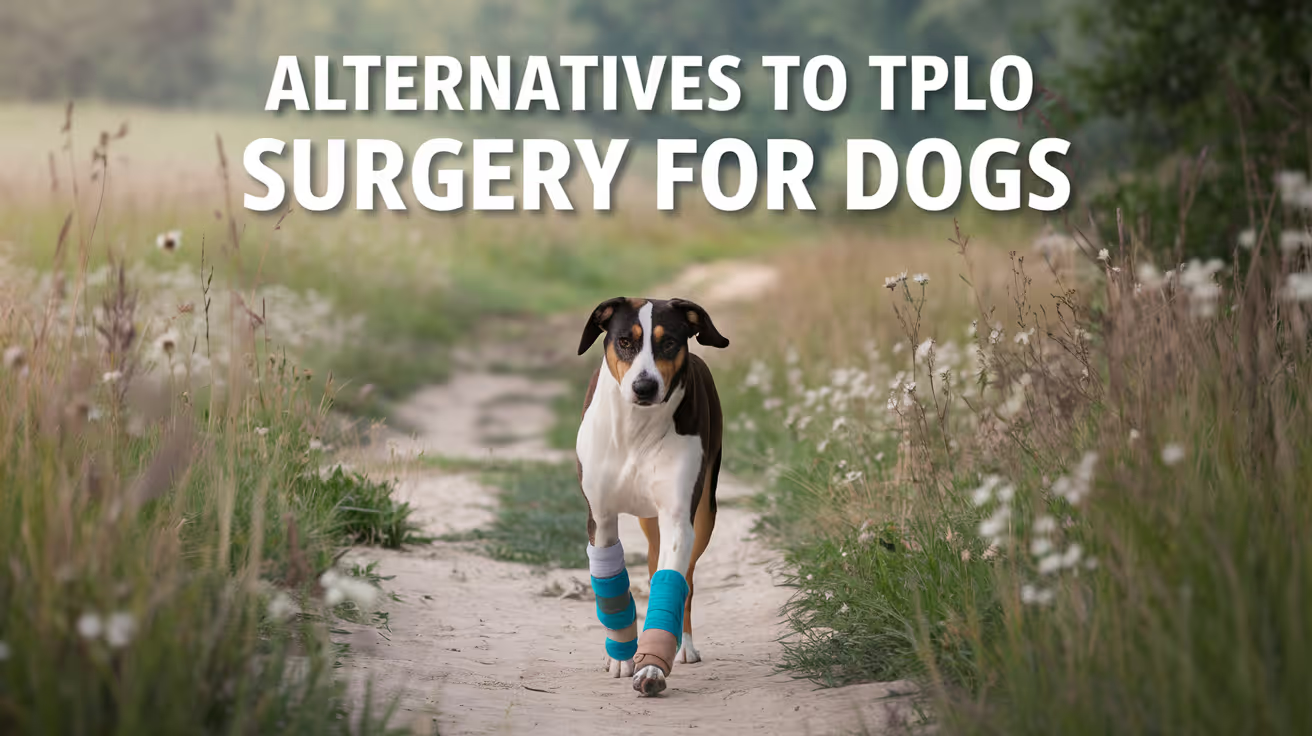
Alternatives to TPLO Surgery for Dogs
When your dog suffers a torn cranial cruciate ligament (CCL), TPLO surgery often comes up as a common treatment option. However, many pet owners want to know if there are alternatives to TPLO surgery for dogs that can help their pets recover without invasive procedures. Understanding these options can guide you to the best care for your furry friend.
This article explains what TPLO surgery is and explores other treatments available. You will learn about non-surgical methods, different surgical techniques, and how to decide the best approach for your dog's knee injury.
What is TPLO surgery and why is it used for dogs?
TPLO stands for Tibial Plateau Leveling Osteotomy. It is a surgical procedure designed to stabilize the knee joint after a cranial cruciate ligament tear. This injury is common in active dogs and causes pain and lameness.
The surgery changes the angle of the tibia bone to prevent the knee from slipping forward during movement. This helps dogs regain mobility and reduces arthritis risk.
- Purpose of TPLO: TPLO surgery stabilizes the knee by altering bone alignment, which helps dogs walk without pain after ligament injury.
- Common candidates: Medium to large breed dogs with complete CCL tears often benefit most from TPLO surgery due to their size and activity level.
- Recovery time: Dogs usually need 8 to 12 weeks of restricted activity and physical therapy after TPLO to heal properly.
- Success rate: TPLO has a high success rate, with most dogs returning to normal activity within months after surgery.
While TPLO is effective, it is not the only option for treating CCL injuries in dogs. Other alternatives may suit different dogs depending on their size, age, and health.
What non-surgical treatments can help dogs with CCL injuries?
Not all dogs require surgery for a torn CCL. Some dogs, especially smaller or less active ones, may improve with conservative management. This approach focuses on reducing pain and improving joint function without surgery.
Non-surgical treatments can be a good choice for dogs with partial tears, older dogs, or those with other health issues that make surgery risky.
- Rest and restricted activity: Limiting your dog’s movement helps reduce inflammation and prevents further injury during healing.
- Weight management: Maintaining a healthy weight reduces stress on the injured knee and supports recovery.
- Physical therapy: Controlled exercises and hydrotherapy improve muscle strength and joint stability without surgery.
- Pain medications: Anti-inflammatory drugs and pain relievers help manage discomfort during healing.
Non-surgical care requires patience and close monitoring. Your vet will guide you on the best plan and watch for signs that surgery might become necessary.
What other surgical options exist besides TPLO for dogs?
Besides TPLO, veterinarians offer several other surgical techniques to treat CCL injuries. Each has its advantages and is chosen based on the dog's size, activity, and specific injury.
Understanding these alternatives can help you discuss the best surgical plan with your vet.
- Tibial Tuberosity Advancement (TTA): This surgery changes the knee mechanics by moving the tibial tuberosity forward to stabilize the joint, suitable for medium to large dogs.
- Extracapsular Repair: A less invasive surgery using sutures outside the joint to mimic ligament function, often used in small or less active dogs.
- TPLO vs TTA comparison: Both surgeries stabilize the knee but use different bone cuts; your vet will recommend based on your dog’s anatomy and lifestyle.
- Arthroscopy-assisted repair: Minimally invasive technique that allows better visualization and treatment of joint damage during surgery.
Each surgical option has different recovery times and risks. Discuss these thoroughly with your veterinary surgeon to choose the best fit for your dog.
How do rehabilitation and physical therapy support recovery without TPLO?
Rehabilitation plays a vital role in helping dogs recover from CCL injuries, whether or not they have surgery. Physical therapy strengthens muscles, improves joint function, and reduces pain.
Therapy can be tailored to your dog’s needs and helps speed up recovery while preventing future injuries.
- Hydrotherapy benefits: Swimming or underwater treadmill exercises reduce weight on joints while building muscle strength safely.
- Controlled exercises: Specific movements improve range of motion and stabilize the knee joint during healing.
- Massage therapy: Helps reduce muscle tension and improve circulation around the injured area.
- Home exercise plans: Simple daily exercises you can do at home to maintain progress and support recovery.
Working with a certified canine rehabilitation therapist ensures your dog receives the right therapy plan and progresses safely.
When should you consider alternatives to TPLO surgery for your dog?
Choosing alternatives to TPLO depends on your dog’s condition, age, and lifestyle. Some dogs do well without surgery, while others need surgical stabilization for a good quality of life.
Knowing when to consider other options helps you make informed decisions with your vet.
- Partial ligament tears: Dogs with incomplete tears may recover well with rest and therapy without surgery.
- Small or older dogs: These dogs often tolerate less invasive treatments better than major surgery.
- Health risks: Dogs with other medical conditions may face higher risks from anesthesia and surgery.
- Owner preference and budget: Surgery costs and recovery demands may influence choosing non-surgical or alternative surgical options.
Discuss all factors with your vet to find the safest and most effective treatment for your dog’s knee injury.
What are the long-term outcomes of non-TPLO treatments for dogs?
Long-term results vary depending on the treatment chosen and the dog’s individual response. Some dogs recover fully without surgery, while others may develop arthritis or chronic lameness.
Understanding these outcomes helps set realistic expectations for your dog’s recovery and quality of life.
- Non-surgical success rates: Many small dogs improve with conservative care but may need surgery if symptoms worsen over time.
- Arthritis risk: Untreated or partially treated CCL injuries can lead to joint degeneration and arthritis later in life.
- Activity limitations: Dogs treated without surgery may need ongoing activity restrictions to prevent re-injury.
- Regular monitoring: Follow-up exams and imaging help track joint health and guide adjustments in care plans.
With proper management, many dogs live happy, active lives even without TPLO surgery. Your vet will help you monitor progress and adjust treatment as needed.
Conclusion
Alternatives to TPLO surgery for dogs offer a range of options depending on your dog’s size, injury severity, and health. Non-surgical treatments, other surgical techniques, and rehabilitation can all support recovery from CCL injuries.
Choosing the best treatment requires careful discussion with your veterinarian. Understanding these options helps you make informed decisions to keep your dog comfortable and active for years to come.
FAQs
Can small dogs recover from CCL tears without TPLO surgery?
Yes, small dogs often respond well to non-surgical treatments like rest, physical therapy, and extracapsular repair, avoiding the need for TPLO surgery.
How long does recovery take after alternative surgeries like TTA?
Recovery from TTA surgery usually takes 8 to 12 weeks, similar to TPLO, with restricted activity and physical therapy recommended during this time.
Is physical therapy effective without surgery for CCL injuries?
Physical therapy can improve strength and joint function in dogs with partial tears or those not undergoing surgery, but results vary based on injury severity.
What are the risks of choosing non-surgical treatment for a torn CCL?
Non-surgical treatment may lead to ongoing instability, pain, and arthritis if the ligament tear is complete or the dog is very active.
Can older dogs safely undergo TPLO surgery?
Older dogs can have TPLO surgery safely if they are otherwise healthy, but vets assess risks carefully before recommending surgery.
X min read

Taking Great TPLO Radiographs
Sign up for a free wall poster
of all the TPLO Rad Steps
Click Below to Watch a Live Video Demos
We'll send you a Free Wall Poster with all the steps
I Want The Poster
Now that you are a pro
at TPLO rads
Let's take your
infection control to
the next level
Watch these videos!
Step #1
Getting Ready
Ensuring a clean surgical field starts with proper skin preparation. This video demonstrates the best practices for:
Shaving the patient – Achieving a close, even shave while minimizing skin irritation
The Dirty Scrub – The initial skin prep step to remove surface debris and reduce bacterial load before the sterile scrub.
Following these techniques helps reduce infection risk and improve surgical outcomes. Watch the video to see how it’s done effectively!
Step #2
Reduce Your Risks
Many surgeons are shocked to find out that their patients are not protected from biofilms and resistant bacteria when they use saline and post-op antibiotics.
That’s Where Simini Comes In.
Why leave these risks and unmanaged? Just apply Simini Protect Lavage for one minute. Biofilms and resistant bacteria can be removed, and you can reduce two significant sources of infection.
Protect Your Patients
Step #3
Take the Course
Preventing surgical infections is critical for patient safety and successful outcomes. This course covers:
Aseptic techniques – Best practices to maintain a sterile field.
Skin prep & draping – Proper methods to minimize contamination.
Antibiotic stewardship – When and how to use perioperative antibiotics effectively.
Stay up to date with the latest evidence-based protocols. Click the link to start learning and earn CE credits!
Sign Up Today
Simini Technologies Product.
All Rights Reserved © 2021-2024.
103 Sato Street, Whitby Ontario L1R 1V8.
Privacy Policy
X min read

When Can I Bathe My Dog After TPLO Surgery?
After your dog undergoes TPLO surgery, you may wonder when it is safe to bathe them. TPLO surgery is a common procedure to repair a torn cranial cruciate ligament in dogs. Proper post-operative care, including bathing, is essential to ensure a smooth recovery and avoid complications.
This article explains when you can bathe your dog after TPLO surgery, how to protect the surgical site, and what precautions to take during the healing process. You will learn practical tips to keep your dog clean without risking infection or delayed healing.
When Can I Bathe My Dog After TPLO Surgery?
The general recommendation is to avoid bathing your dog for at least 10 to 14 days after TPLO surgery. This time allows the incision to begin healing and reduces the risk of infection. Bathing too early can expose the wound to moisture and bacteria, which can cause complications.
Once the incision is fully closed and your veterinarian gives the go-ahead, you can bathe your dog carefully. It is important to keep the surgical site dry and clean during the initial healing phase.
- Healing time frame: Most veterinarians advise waiting 10 to 14 days before bathing to allow the incision to close properly and reduce infection risk.
- Veterinary approval: Always consult your vet before bathing to ensure the wound has healed enough for water exposure.
- Incision protection: Keep the surgical site dry and avoid direct water contact until fully healed to prevent complications.
- Signs of healing: Look for a dry, closed incision without redness or discharge before considering a bath.
Following these guidelines helps protect your dog’s surgical site and supports a healthy recovery.
How Should I Protect My Dog’s Incision When Bathing?
When your vet approves bathing, protecting the incision is crucial. You want to avoid water, soap, or shampoo reaching the surgical site. Using gentle methods can keep your dog clean without risking infection or irritation.
Proper protection also helps prevent your dog from licking or scratching the incision, which can delay healing.
- Use waterproof covers: Apply a waterproof bandage or plastic wrap over the incision to keep it dry during baths.
- Gentle cleaning: Use a damp cloth to clean areas away from the incision instead of full baths initially.
- Mild shampoos: Choose vet-recommended, gentle shampoos to avoid skin irritation around the surgery site.
- Dry thoroughly: After bathing, dry your dog carefully, especially near the incision, to prevent moisture buildup.
These steps help maintain cleanliness while protecting the surgical site during recovery.
What Are the Risks of Bathing Too Soon After TPLO Surgery?
Bathing your dog too soon after TPLO surgery can lead to several complications. The main concern is infection, which can delay healing or require additional treatment. Moisture can also weaken the incision and cause the sutures or staples to loosen.
Understanding these risks helps you avoid mistakes that could harm your dog’s recovery.
- Infection risk: Water exposure can introduce bacteria into the incision, causing infection and inflammation.
- Delayed healing: Moisture can soften the skin and slow the natural healing process of the wound.
- Suture damage: Wet sutures or staples may loosen or fall out prematurely, risking wound reopening.
- Increased discomfort: Bathing too early can cause pain or irritation at the surgery site, stressing your dog.
Waiting the recommended time and following vet advice reduces these risks significantly.
How Can I Keep My Dog Clean Without Bathing After Surgery?
Since full baths are not recommended immediately after TPLO surgery, there are alternative ways to keep your dog clean. These methods help maintain hygiene without exposing the incision to water.
Using gentle cleaning techniques and monitoring your dog’s activity can keep them comfortable and clean during recovery.
- Spot cleaning: Use a damp cloth or pet wipes to clean dirty areas away from the incision gently.
- Dry shampoo: Apply vet-approved dry shampoo powders or sprays to absorb oils and dirt without water.
- Limit outdoor exposure: Avoid muddy or wet areas to keep your dog cleaner between cleanings.
- Regular brushing: Brush your dog’s coat to remove dirt and loose hair, promoting cleanliness without bathing.
These alternatives help maintain hygiene while protecting the surgical site during healing.
What Signs Should I Watch for Around the Incision?
Monitoring your dog’s incision daily is important to catch any problems early. Knowing what signs indicate infection or delayed healing can help you seek veterinary care promptly.
Early detection of issues can prevent complications and support a faster recovery.
- Redness and swelling: Persistent or worsening redness and swelling around the incision may signal infection.
- Discharge or odor: Any pus, blood, or foul smell from the wound requires immediate veterinary attention.
- Excessive licking: If your dog licks or chews the incision excessively, it can cause damage and delay healing.
- Opening of the wound: If the incision starts to open or bleed, contact your vet right away.
Keeping a close eye on these signs ensures timely care and prevents serious complications.
How Can I Help My Dog Stay Comfortable During Recovery?
Comfort is key to a smooth recovery after TPLO surgery. Managing pain, limiting activity, and protecting the incision all contribute to your dog’s well-being.
Taking simple steps can reduce stress and support healing during this critical time.
- Pain management: Follow your vet’s instructions on pain medications to keep your dog comfortable.
- Restricted activity: Limit running, jumping, and rough play to prevent strain on the surgery site.
- Use an Elizabethan collar: Prevent your dog from licking or biting the incision with a cone or collar.
- Provide a clean resting area: Keep your dog’s bedding clean and dry to avoid contamination of the wound.
These measures help your dog heal faster and reduce the chance of complications.
Conclusion
Bathing your dog after TPLO surgery requires careful timing and protection of the surgical site. Waiting at least 10 to 14 days before bathing helps prevent infection and supports proper healing. Always follow your veterinarian’s advice and watch the incision closely for any signs of problems.
Using alternative cleaning methods and protecting the incision during baths ensures your dog stays clean and comfortable throughout recovery. With proper care, your dog can heal well and return to normal activities safely.
FAQs
Can I use a wet cloth to clean my dog before the incision heals?
Yes, you can use a damp cloth to gently clean areas away from the incision, but avoid touching or wetting the surgical site until fully healed.
When can my dog swim again after TPLO surgery?
Swimming should be avoided until the incision is fully healed and your vet approves, usually several weeks after surgery to prevent infection and injury.
What should I do if the incision gets wet accidentally?
If the incision gets wet, dry it gently with a clean towel and contact your vet for advice to prevent infection or complications.
Are there special shampoos recommended after TPLO surgery?
Use mild, vet-approved shampoos that are gentle on sensitive skin and avoid harsh chemicals that could irritate the incision area.
How often should I check my dog’s incision during recovery?
Check the incision at least once daily for redness, swelling, discharge, or other signs of infection to catch problems early and seek veterinary care if needed.
X min read

Bilateral TPLO Surgery Explained
What Is Bilateral TPLO Surgery?
Tibial Plateau Leveling Osteotomy (TPLO) is a surgical procedure used to treat cranial cruciate ligament (CCL) rupture in dogs. Instead of replacing the torn ligament, TPLO alters the tibial plateau angle, stabilizing the knee joint and reducing abnormal movement.
Bilateral TPLO surgery is performed when both knees require correction. Some dogs suffer CCL injuries in both hind limbs, either simultaneously or within a short period. In such cases, a surgeon may recommend performing TPLO on both knees in a single procedure or as staged surgeries.
Large, active breeds like Labrador Retrievers, Rottweilers, Golden Retrievers, and German Shepherds are more prone to CCL injuries due to their size and activity level. Obesity, genetics, and structural predisposition also contribute to ligament degeneration, making bilateral TPLO necessary for some dogs. Early intervention helps restore mobility and prevent long-term joint damage.
When Is Double or Bilateral TPLO Surgery Necessary?
Some dogs develop cranial cruciate ligament (CCL) injuries in both knees, either at the same time or within a few months. This often occurs due to genetic factors, excessive strain on the healthy limb after an initial injury, or progressive ligament wear in both knees. When both knees are unstable, bilateral TPLO surgery is necessary to restore mobility and prevent further joint damage.
Dogs needing bilateral TPLO often show signs like severe limping, difficulty standing up, reluctance to walk or play, and an unusual sitting posture. They may shift their weight excessively, struggling to support themselves on either leg.
Veterinarians determine the need for bilateral TPLO through a detailed orthopedic exam, gait analysis, and imaging tests like X-rays. If both knees are significantly unstable, vets may recommend simultaneous TPLO to correct both knees in one procedure.
However, for older dogs or those with other health issues, a staged approach—operating on one leg first and the other after recovery—may be safer to reduce surgical risks.
Simultaneous vs. Staged TPLO Surgery: What’s the Best Choice?
When a dog needs TPLO on both knees, veterinarians consider two approaches: simultaneous TPLO (operating on both legs at once) or staged TPLO (operating on one leg first and the other after recovery).
Simultaneous TPLO
Simultaneous TPLO offers the advantage of a single anesthesia event and a shorter overall recovery period. Dogs regain balanced mobility faster since both knees heal together.
However, post-surgical care is more challenging because the dog cannot rely on a strong leg for support, requiring owners to provide intensive assistance. Risks include increased surgical stress and a higher chance of post-operative complications like swelling or infection.
Staged TPLO
Staged TPLO involves operating on one knee first, allowing recovery before addressing the second leg. This approach reduces surgical risk, making it ideal for older dogs, those with other health issues, or those struggling with post-surgical pain. However, the overall treatment period is longer, and the dog may continue to experience discomfort in the untreated leg during the recovery phase.
Veterinarians decide the best approach based on factors like the dog’s overall health, weight, pain tolerance, and the owner’s ability to manage post-surgical care.
Large dogs with strong front limbs may handle simultaneous TPLO better, while smaller or weaker dogs may benefit from a staged approach.
Benefits of Doing Bilateral TPLO Surgery at Once
For dogs needing TPLO on both knees, opting for simultaneous bilateral TPLO surgery has several advantages compared to staging the procedures months apart.
- One major benefit is a faster overall recovery period. When both knees are corrected in a single surgery, the dog undergoes just one healing phase rather than two separate ones. This means they can return to normal activity sooner compared to waiting for two rounds of surgery and rehabilitation.
- Another advantage is lower long-term costs. While simultaneous TPLO may have a higher upfront expense, it often reduces overall costs by avoiding duplicate anesthesia, hospitalization, and post-operative care fees associated with two separate surgeries. Pet owners also save on pain medications and follow-up appointments.
- Bilateral TPLO also helps prevent excessive strain on the unoperated leg. When only one knee is repaired first, the dog must rely heavily on the untreated leg, which can worsen ligament damage or lead to muscle imbalances. Simultaneous TPLO eliminates this risk by addressing both knees at once, ensuring balanced weight distribution during recovery.
- Lastly, dogs who undergo bilateral TPLO often experience better mobility post-recovery. When both knees heal together, they regain strength and stability more evenly, allowing for a smoother transition back to normal activities. This approach minimizes long-term joint issues and improves overall quality of life.
For young, healthy, and active dogs, bilateral TPLO surgery can be the best option for a quicker and more effective recovery.
Read more about - Long-Term Outcomes of TPLO Surgery
How Double TPLO Surgery Is Performed
Step 1: Pre-Surgery Preparation
Before bilateral TPLO surgery, veterinarians perform a thorough evaluation, including X-rays to assess the tibial plateau angle and confirm the need for surgery.
Bloodwork ensures the dog is healthy enough for anesthesia. The dog is then sedated, intubated, and placed under general anesthesia. The surgical area on both knees is shaved and disinfected to minimize infection risk.
Step 2: Surgical Process
During the procedure, the surgeon makes an incision over each knee to access the tibia. A specialized oscillating saw is used to cut and rotate the tibial plateau, adjusting its angle to stabilize the joint and eliminate abnormal motion caused by cranial cruciate ligament (CCL) rupture. Once repositioned, a metal plate and screws are secured to hold the bone in place, ensuring proper healing and function.
To reduce the risk of biofilm formation and post-surgical infections, many surgeons use advanced solutions like Simini Protect Lavage. This non-antibiotic lavage solution helps flush out bacteria and prevent biofilm development, significantly lowering the chances of infection and promoting a safer recovery.
Combined with sterile surgical techniques and post-operative antibiotics, these measures enhance healing outcomes and minimize complications.
Step 3: Post-Surgical Stabilization and Suturing
Once both knees are stabilized, the surgeon checks for proper alignment. Soft tissues and muscles are carefully repositioned before closing the incision with sutures or staples. A sterile bandage may be applied to protect the area.
Step 4: Immediate Post-Op Monitoring at the Vet Clinic
After surgery, the dog is moved to recovery and closely monitored for pain, bleeding, or complications. Pain medications and antibiotics are administered, and vets ensure the dog is stable before planning the transition home. Owners receive detailed post-op care instructions for managing pain, mobility, and incision care.
Risks and Potential Complications of Double TPLO Surgery
While bilateral TPLO surgery is highly effective, it comes with risks and potential complications that pet owners should be aware of.
- One significant concern is the risk of infection, which can occur at the surgical site or internally around the implants. Infection risk is minimized by using sterile surgical techniques, prescribing antibiotics, and ensuring proper at-home wound care. Keeping the incision site clean and preventing the dog from licking or biting the sutures is essential for avoiding post-operative infections.
- Another risk is delayed healing, as both legs are recovering at the same time. Unlike a staged TPLO, where the healthy leg supports weight during recovery, dogs undergoing bilateral TPLO may struggle with mobility. Strict activity restrictions, proper pain management, and joint-supporting supplements can help promote faster healing.
- Implant failure or loosening is another complication that may arise, especially in highly active dogs or those with improper post-op care. Excessive movement or jumping can put stress on the surgical plates and screws, potentially leading to implant shifting or breakage. This can require additional surgery to correct.
- Lastly, anesthesia-related risks and post-operative pain are concerns with any major surgery. Though modern anesthetics are generally safe, dogs with underlying health conditions may face complications. Post-op pain is managed with medications, but owners must monitor for signs of discomfort, swelling, or limping.
Following the vet’s post-op care instructions, including strict rest and controlled rehabilitation, significantly reduces these risks and ensures a smoother recovery.
What to Expect After Double TPLO Surgery
First 24–48 Hours: Managing Pain, Limited Movement
Immediately after surgery, your dog will experience grogginess from anesthesia and discomfort from the procedure. Pain management is crucial, with vets prescribing anti-inflammatory medications and opioids for relief.
Movement should be extremely limited, and your dog may need assistance standing or going outside for bathroom breaks. Using a harness or sling can help support their weight. Swelling around the incisions is normal, but excessive redness, oozing, or heat could indicate infection.
First 2 Weeks: Strict Rest, Keeping the Dog Confined
During this period, strict crate rest or confinement in a small, quiet space is essential. Jumping, running, or sudden movements should be avoided to prevent stress on the healing bones.
Short, controlled leash walks for bathroom breaks are allowed, but no excessive movement. The surgical site should be monitored daily for any signs of infection or swelling.
Weeks 3–6: Gradual Improvement, Light Movement
By the third week, mild weight-bearing on both legs should improve, but full activity is still restricted. Short, controlled leash walks (5-10 minutes) may be introduced if the vet approves. Most dogs begin regaining stability, but muscle weakness is common.
Weeks 6–12: Rehab Starts, Monitoring for Complications
With vet approval, rehabilitation exercises such as slow leash walks, underwater treadmill therapy, or passive range-of-motion exercises can begin. Any signs of excessive limping, pain, or swelling should be reported to the vet immediately.
Full Recovery Timeline: When the Dog Can Walk, Run, and Return to Normal
By 12–16 weeks, most dogs can walk comfortably, and by 4–6 months, they regain full mobility, including running and playing. However, high-impact activities should be reintroduced cautiously under veterinary guidance to prevent re-injury.
Read more about - Post-Surgery Recovery After TPLO in Dogs
Pain Management and Medications After Surgery
Managing pain effectively after bilateral TPLO surgery is crucial for a smooth recovery. Veterinarians typically prescribe a combination of NSAIDs (non-steroidal anti-inflammatory drugs), opioids, and supplements to control pain and inflammation.
- NSAIDs (e.g., Carprofen, Meloxicam) help reduce inflammation and swelling. These should always be given with food to prevent stomach irritation.
- Opioids (e.g., Tramadol, Buprenorphine) provide stronger pain relief in the first few days post-surgery, especially when discomfort is severe.
- Joint supplements (e.g., glucosamine, chondroitin, omega-3 fatty acids) support long-term joint health and aid in recovery.
To manage swelling and discomfort, cold therapy (icing the surgical area for 10–15 minutes, 2–3 times a day) can help reduce inflammation. Anti-inflammatory treatments, including prescribed medications and natural supplements, may further support healing.
It’s important to monitor for signs of excessive pain, such as persistent whining, heavy panting, restlessness, refusal to move, or loss of appetite. If your dog shows these symptoms despite medication, or if swelling and redness worsen, contact your vet immediately. Proper pain management not only ensures comfort but also promotes faster recovery and prevents complications.
Importance of Physical Therapy and Rehabilitation
Physical therapy plays a critical role in speeding up healing and restoring mobility after bilateral TPLO surgery. Without proper rehabilitation, dogs may experience muscle atrophy, stiffness, or prolonged discomfort.
Controlled movement helps strengthen the muscles around the knee joints, improves flexibility, and ensures a smoother recovery.
Recommended Rehab Exercises:
- Passive stretching – Gentle range-of-motion exercises help prevent stiffness and improve flexibility. These should be done 2–3 times daily with slow, controlled movements.
- Water therapy (underwater treadmill or swimming) – This is an excellent low-impact exercise that builds strength while reducing stress on the joints. Typically introduced 4–6 weeks post-surgery, if approved by the vet.
- Controlled leash walks – Short, slow walks (starting at 5 minutes per session) encourage weight-bearing and muscle engagement. Walk duration is gradually increased over time.
When to Start Rehab and Frequency:
Most rehab exercises begin around 2–3 weeks post-surgery, depending on the dog’s progress. Sessions should be daily but short to avoid fatigue. A structured rehabilitation plan, guided by a veterinarian or certified canine rehab therapist, ensures the safest and most effective recovery. Proper rehab improves strength, reduces re-injury risks, and helps dogs regain full mobility faster.
Home Care and Activity Restrictions for Recovery
Creating a safe and controlled recovery space is essential after bilateral TPLO surgery. A quiet, confined area with non-slip flooring, soft bedding, and limited space to move helps prevent accidental injuries. Using a crate or a small enclosed area with baby gates ensures your dog stays in a controlled environment while healing.
Restricting movement is crucial in the first 8–12 weeks. Jumping, running, or climbing stairs must be avoided, as sudden movements can put stress on healing bones and implants. Furniture should be blocked off, and leash walks should be strictly supervised.
For mobility assistance, supportive slings or harnesses (such as a rear-lift harness) help dogs stand up, walk for bathroom breaks, and shift weight safely. This is particularly important in the first few weeks when both legs are weak.
Since physical activity is limited, mental stimulation is key to preventing boredom and restlessness. Provide interactive toys, puzzle feeders, and scent-based games to keep your dog engaged without physical strain.
Spending extra time with your dog through gentle petting and calm interaction helps keep them relaxed and comfortable throughout recovery. Careful management ensures a smoother healing process and reduces complications.
Cost of Double or Bilateral TPLO Surgery and Financial Considerations
The cost of bilateral TPLO surgery varies depending on location, veterinary expertise, and hospital fees. In the U.S., the average cost for a single TPLO ranges from $3,500 to $6,000 per knee, meaning bilateral TPLO can cost $7,000 to $12,000. In other regions, such as Canada, the U.K., or Australia, prices may be slightly lower or higher based on veterinary costs and currency differences.
Factors affecting cost include:
- Geographic location – Urban areas with higher living costs tend to have more expensive veterinary services.
- Veterinarian experience – Board-certified surgeons may charge higher fees due to their expertise.
- Hospital fees – Costs for anesthesia, post-op care, medications, and follow-up visits add to the total.
Does pet insurance cover TPLO surgery? Coverage depends on the policy. Many comprehensive pet insurance plans cover TPLO if it’s not a pre-existing condition. Some require a waiting period before covering ligament injuries.
Financing options include payment plans through veterinary clinics, CareCredit, Scratchpay, or pet-specific credit programs to help spread out the cost. Some non-profits and crowdfunding platforms also assist pet owners facing high medical expenses.
Read more about - How Much Does TPLO Surgery Cost?
Final Thoughts on Double or Bilateral TPLO Surgery
Bilateral TPLO surgery is a highly effective solution for dogs with cranial cruciate ligament injuries in both knees. While the procedure requires a significant commitment in terms of cost, recovery time, and post-op care, the long-term benefits—restored mobility, reduced pain, and improved quality of life—make it worth considering for most dogs.
If your dog is struggling with severe knee instability but surgery isn’t an immediate option, consult your vet about alternative treatments like physical therapy, joint supplements, weight management, or custom braces. However, these may only provide temporary relief rather than a permanent solution.
For pet owners navigating this process, patience and commitment are key. Recovery may feel overwhelming, but with proper care and rehabilitation, most dogs return to an active, happy life. Stay in close contact with your vet, follow post-op guidelines, and trust the healing process.
Read more about -
- TPLO failure symptoms
- Common causes of limping in dogs post-TPLO surgery
- Before and after TPLO surgery: Dog health & recovery timeline
- TPLO surgery for older dogs: Is it a worthwhile option?
FAQs
Can a dog have TPLO surgery on both legs?
Yes, a dog can undergo bilateral TPLO surgery if both cranial cruciate ligaments (CCLs) are torn or unstable. This can be done simultaneously or in a staged approach. Simultaneous TPLO addresses both knees in one procedure, while staged TPLO repairs one knee first, followed by the second after recovery. The choice depends on the dog’s health and the surgeon’s recommendation.
How much does bilateral TPLO surgery cost?
The cost of bilateral TPLO surgery varies by location and veterinary clinic. In the U.S., it typically ranges from $7,000 to $12,000 for both knees. Factors such as surgeon expertise, hospital fees, medications, and follow-up care affect the final price. Some pet insurance policies may cover TPLO if it is not a pre-existing condition, and financing options are available at many clinics.
What is the recovery time for bilateral TPLO surgery in dogs?
Full recovery from bilateral TPLO surgery typically takes 12 to 16 weeks. In the first 2 weeks, strict rest and pain management are essential. By weeks 3 to 6, controlled movement starts. Around weeks 6 to 12, rehab exercises begin, gradually improving strength. Most dogs return to normal activity by 4 to 6 months, but high-impact activities should be reintroduced cautiously.
What is bilateral TPLO?
Bilateral TPLO refers to Tibial Plateau Leveling Osteotomy surgery performed on both knees to treat cranial cruciate ligament (CCL) tears. It stabilizes the knee joint by altering the tibial plateau angle, preventing excessive movement. This procedure is common in large, active dogs or those genetically prone to CCL injuries. It can be done simultaneously or in two separate surgeries.
What happens if a dog tears both CCLs?
If a dog tears both cranial cruciate ligaments (CCLs), it may experience severe pain, difficulty standing, and an unstable gait. Without surgery, arthritis and joint degeneration can develop quickly. Treatment options include bilateral TPLO surgery, custom knee braces, weight management, and physical therapy. Surgery is typically the best option for restoring long-term mobility and preventing further joint damage.
X min read

TPLO Recovery Exercises for Dogs
TPLO recovery exercises for dogs are essential to help your pet regain strength and mobility after surgery. Tibial Plateau Leveling Osteotomy (TPLO) is a common procedure to repair cruciate ligament injuries, but proper rehabilitation is key to success.
This article explains the best exercises for dogs recovering from TPLO surgery. You will learn safe ways to support your dog's healing, improve joint function, and avoid complications during recovery.
What is TPLO surgery and why is recovery important?
TPLO surgery stabilizes a dog's knee joint after a torn cranial cruciate ligament. The procedure changes the angle of the tibia to reduce stress on the ligament. Recovery is critical because the joint needs time to heal and regain normal function.
Without proper recovery exercises, dogs may develop stiffness, muscle loss, or abnormal gait. Controlled rehabilitation helps restore strength and prevents long-term problems.
- TPLO purpose: TPLO surgery corrects knee instability caused by ligament tears, allowing dogs to walk and run without pain.
- Healing time: Bone healing after TPLO usually takes 8 to 12 weeks, during which exercises must be carefully managed.
- Muscle maintenance: Recovery exercises prevent muscle wasting and improve joint support for better mobility.
- Preventing stiffness: Gentle movement reduces joint stiffness and promotes healthy cartilage and ligament healing.
Following a structured exercise plan after TPLO surgery is essential for your dog's full recovery and long-term joint health.
When can I start TPLO recovery exercises for my dog?
Starting recovery exercises depends on your veterinarian's advice and your dog's healing progress. Typically, gentle exercises begin within a few days after surgery, progressing gradually over weeks.
Early movement helps reduce swelling and maintain circulation, but high-impact activities must be avoided until the bone fully heals.
- Initial rest period: Dogs usually require strict rest for the first 1 to 2 weeks to allow initial bone healing.
- Vet approval: Always consult your vet before starting any exercise to ensure it is safe for your dog's stage of recovery.
- Gradual progression: Exercises increase in intensity and duration over 8 to 12 weeks based on healing and pain levels.
- Signs to watch: Stop exercises if your dog shows limping, swelling, or pain, and contact your vet immediately.
Following a vet-approved timeline for exercises ensures your dog recovers safely and avoids setbacks.
What are the best passive TPLO recovery exercises for dogs?
Passive exercises involve moving your dog's leg without active muscle use. These help maintain joint flexibility and reduce stiffness early in recovery.
They are safe to perform soon after surgery and do not stress the healing bone or ligament.
- Range of motion: Gently bend and straighten the knee joint within a pain-free range to keep it flexible.
- Massage therapy: Light massage around the surgical site improves circulation and reduces swelling.
- Cold therapy: Applying cold packs after passive exercises reduces inflammation and discomfort.
- Leg lifts: Carefully lift and lower the leg to encourage gentle movement without weight bearing.
These passive exercises prepare your dog for more active rehabilitation phases while protecting the surgical repair.
Which active exercises help dogs regain strength after TPLO?
Active exercises require your dog to use muscles and support weight on the operated leg. These are introduced gradually to rebuild strength and coordination.
They improve muscle tone, joint stability, and overall limb function as healing progresses.
- Leash walking: Short, controlled walks on a leash encourage weight bearing and muscle use without overexertion.
- Sit-to-stand: Encouraging your dog to sit and stand repeatedly strengthens thigh muscles supporting the knee.
- Balance exercises: Using a wobble board or soft surface challenges your dog's balance and joint control.
- Controlled stairs: Slowly climbing and descending stairs helps improve joint range and muscle power.
Active exercises should be supervised and adjusted based on your dog's comfort and recovery stage.
How can hydrotherapy support TPLO recovery in dogs?
Hydrotherapy uses water to provide low-impact exercise that supports healing after TPLO surgery. The buoyancy reduces joint stress while allowing muscle strengthening.
This therapy is often recommended by vets and rehabilitation specialists to speed recovery and improve outcomes.
- Water treadmill: Walking on a submerged treadmill helps build strength with less pain and swelling.
- Swimming sessions: Swimming provides full-body exercise without weight bearing on the knee joint.
- Hydro massage: Water jets can massage muscles and reduce stiffness around the surgical area.
- Temperature control: Warm water improves circulation and relaxes muscles during therapy.
Hydrotherapy is a safe and effective way to enhance recovery when combined with other rehabilitation exercises.
What precautions should I take during TPLO recovery exercises?
Safety is critical when performing recovery exercises after TPLO surgery. Incorrect or excessive activity can cause pain, swelling, or damage to the surgical repair.
Following guidelines and monitoring your dog closely helps prevent complications and ensures steady progress.
- Follow vet instructions: Always adhere to your veterinarian's exercise plan and timelines for safe recovery.
- Monitor pain signs: Watch for limping, whining, or reluctance to move, which indicate discomfort or injury.
- Limit off-leash activity: Avoid running, jumping, or rough play until fully healed to protect the knee joint.
- Use supportive devices: Consider braces or slings if recommended to assist mobility and reduce strain.
Taking these precautions helps your dog heal efficiently and return to normal activity safely.
How long does full TPLO recovery take with exercises?
Full recovery from TPLO surgery usually takes 3 to 6 months with proper rehabilitation exercises. The timeline varies depending on the dog's age, size, and overall health.
Consistent exercise and veterinary follow-up are essential to achieve the best outcome and prevent future injuries.
- Bone healing: The bone typically heals within 8 to 12 weeks, allowing gradual increase in exercise intensity.
- Muscle rebuilding: Muscle strength improves over several months with regular active exercises.
- Joint function: Full joint mobility and stability may take up to 6 months to restore completely.
- Long-term care: Maintaining a healthy weight and regular low-impact exercise helps prevent re-injury after recovery.
Patience and commitment to the exercise plan are key to your dog's successful TPLO recovery and long-term mobility.
Conclusion
TPLO recovery exercises for dogs are vital to help your pet heal safely and regain full function after surgery. Starting with passive movements and progressing to active exercises supports bone healing and muscle strength.
Consult your veterinarian regularly and follow a structured rehabilitation plan to ensure the best outcome. With proper care and patience, your dog can enjoy a healthy, active life after TPLO surgery.
FAQs
How soon after TPLO surgery can my dog start walking?
Most dogs begin short, controlled leash walks within 1 to 2 weeks after surgery, depending on veterinary advice and healing progress.
Can I do TPLO recovery exercises at home?
Yes, many passive and active exercises can be safely done at home following your vet's instructions and supervision.
Is hydrotherapy necessary for TPLO recovery?
Hydrotherapy is not mandatory but highly beneficial for low-impact strengthening and faster recovery when available.
What signs mean I should stop exercises and call my vet?
Stop exercises if your dog shows increased limping, swelling, pain, or reluctance to move and contact your veterinarian promptly.
How long do I need to restrict my dog's activity after TPLO?
Activity restriction usually lasts 8 to 12 weeks, gradually easing as bone healing progresses and exercises increase.
X min read

How Much Does TPLO Surgery Cost?
TPLO (Tibial Plateau Leveling Osteotomy) is a special surgery used to treat cranial cruciate ligament (CCL) injuries in dogs. By adjusting the tibial plateau angle, TPLO stabilizes the knee joint, allowing for better weight distribution, reducing pain, and improving mobility. It is considered one of the most effective treatments for CCL tears, especially in large or active dogs.
The cost of TPLO surgery can vary widely, usually ranging from $3,500 to $7,000 (or even more). Several factors affect the price, including:
- the location of the veterinary clinic
- the surgeon's expertise
- preoperative diagnostics
- hospitalization
- anesthesia
- post-surgical care
Additional costs may include medications, follow-up visits, rehabilitation, and potential complications.
Specialist hospitals and board-certified surgeons often charge more due to their advanced training and high success rates. Additionally, regional differences in veterinary care costs can affect pricing, making TPLO surgery more expensive in urban areas than in smaller towns.
Factors That Influence TPLO Surgery Costs
Dog’s Size and Weight
Larger dogs need stronger, more durable implants, which raises material costs. They also require higher doses of anesthesia, longer surgeries, and more monitoring during recovery. The complexity of handling a large dog's knee joint makes the surgery more technically challenging, leading to higher fees.
Smaller dogs, while still needing precise surgery, usually have lower implant costs and reduced medication expenses. Veterinary clinics adjust their pricing based on the dog's weight, as it directly impacts the surgery's difficulty, recovery time, and post-operative care, causing variations in overall TPLO surgery costs.
Geographic Location
TPLO surgery costs can vary greatly depending on the clinic's location. In urban areas, prices are usually higher because of increased overhead costs, like facility expenses, staff salaries, and the demand for specialized services. Rural clinics might offer lower prices, but they may not have access to board-certified surgeons or advanced surgical equipment.
Costs also vary between states and countries, affected by regional economic conditions, veterinary licensing fees, and medical supply costs. Pet owners in areas with a high cost of living should expect to pay more, while those in smaller towns might find more affordable options.
Veterinary Clinic’s Pricing Strategy
The type of veterinary clinic also affects TPLO surgery costs. Corporate-owned clinics often have set prices, which may be higher due to overhead and administrative expenses. Private practices might offer more flexible pricing but can also charge higher rates if they have a strong reputation.
Clinics with high demand, advanced equipment, and top-notch facilities usually charge more. Some hospitals include follow-up care in their pricing, while others list these costs separately, impacting the total amount pet owners need to pay. Choosing between different clinic types can significantly influence the final surgery bill.
Severity of the Injury
The extent of ligament damage directly impacts TPLO surgery costs. A partial tear might need less surgical work and result in lower costs, while a complete rupture usually requires more complex reconstruction.
Additional issues like meniscus tears, osteoarthritis, or joint inflammation make the surgery more difficult and increase post-operative care, raising overall expenses.
In severe cases, longer hospital stays, extra imaging, and specialized rehabilitation may be necessary, further increasing costs. Veterinary surgeons evaluate each dog's condition individually, deciding on the level of intervention needed and adjusting the treatment plan as necessary.
Necessary Implants and Materials Used
The type and quality of implants, plates, and screws used in TPLO surgery can greatly affect costs. High-grade titanium or stainless steel implants are more expensive but offer better durability and a lower risk of complications. Customized implants, made for larger or more active dogs, also increase costs due to their specialized design.
Some clinics might use generic implants to keep costs down, while others choose premium, brand-name materials for better long-term results. The choice of implants impacts not only the price but also post-surgery stability, healing time, and overall success rates.
Surgeon’s Expertise and Qualifications
Board-certified veterinary surgeons usually charge more than general veterinarians because of their specialized training and higher success rates. These experts have a lot of experience in orthopedic procedures, which leads to better surgical results.
While general veterinarians can perform TPLO surgery at a lower cost, they might not have the same level of expertise, which could affect recovery and complication rates.
Some pet owners choose experienced surgeons despite the higher cost, focusing on safety, precision, and long-term joint health for their dogs. Selecting a skilled surgeon often results in faster recovery and fewer post-surgical problems.
Regional Cost Comparison
The cost of TPLO surgery varies significantly by country and location due to differences in veterinary fees, cost of living, and availability of specialized surgeons. Below is a general comparison of TPLO surgery costs in different regions:
| Region | Average Cost Range (Per Knee) | Key Factors Affecting Cost |
|---|---|---|
| United States | $3,500 – $10,000 | Higher costs in major cities like New York and Los Angeles due to demand and overhead; rural clinics may charge less. |
| Canada | $3,500 – $8,000 | Urban centers like Toronto and Vancouver have higher fees; fewer specialists in remote areas may drive up costs. |
| United Kingdom | £3,000 – £6,500 ($3,800 – $8,200) | London and other metropolitan areas charge more; the availability of pet insurance can impact affordability. |
| Australia | AUD 4,000 – AUD 9,000 ($2,600 – $5,900) | Higher in cities like Sydney and Melbourne; regional clinics may offer lower rates but limited specialist availability. |
Urban clinics usually charge more because of higher operating costs and greater demand for specialist services. In contrast, rural clinics often have lower prices but may not have board-certified surgeons.
Additionally, pet insurance can greatly affect out-of-pocket costs, as some policies cover part or all of the TPLO surgery expenses, depending on the region and the plan.
Cost Variations by Dog Size
The cost of TPLO surgery varies based on the size of the dog, mainly because of differences in implant needs, anesthesia dosage, and surgical complexity. Here's a breakdown of approximate costs by weight category:
- Small Dogs (<40 lbs) – Approximately $4,450
Smaller dogs need smaller implants and less anesthesia, making their surgery a bit less complex. However, the cost is similar to larger dogs because specialized skills and equipment are still necessary. - Medium Dogs (40–70 lbs) – Approximately $4,450
Dogs in this weight range usually need standard-sized TPLO plates, keeping costs similar to small dogs. The surgical method and recovery care are also similar. - Large Dogs (70–100 lbs) – Varies Based on Plate Size
Costs increase for larger dogs due to the need for stronger, larger TPLO plates. Some clinics charge extra for custom implants that offer better durability and long-term joint support. - Extra-Large Dogs (>100 lbs) – $4,450 to $5,950
Giant breeds require reinforced implants, more anesthesia, and longer surgery time, which raises the overall cost. Post-surgical care and rehabilitation may also be more intensive, further affecting expenses.
Larger dogs often have higher long-term care costs, including pain management and physical therapy, making post-operative planning crucial for their recovery.
What’s Included in the TPLO Surgery Cost?
The total cost of TPLO surgery usually includes several components to ensure a safe procedure, proper recovery, and post-operative care. Here is a breakdown of what is typically included:
- Pre-Surgical Bloodwork: Before surgery, veterinarians perform blood tests to check the dog’s overall health, making sure they can safely handle anesthesia and recover without issues.
- X-Rays for Diagnosis and Surgical Planning: Preoperative X-rays are needed to confirm the severity of the CCL tear and determine the exact tibial angle for surgical correction. Post-surgical X-rays may also be taken to ensure the implant is properly placed.
- Anesthesia and Surgical Monitoring: TPLO surgery requires general anesthesia, which is carefully given and monitored throughout the procedure. The cost includes oxygen support, IV fluids, and continuous tracking of vital signs to ensure the dog's safety.
- Actual TPLO Surgical Procedure: This includes the orthopedic surgery itself, where the surgeon makes a precise bone cut, repositions the tibial plateau, and secures it with plates and screws.
- Post-Operative Pain Medications: Pain management is crucial for recovery. The cost typically includes anti-inflammatory drugs, antibiotics, and pain relievers to prevent infection and discomfort.
- Follow-Up Visits and Check-Ups: Most clinics include at least one or two post-surgery appointments to monitor healing and assess the dog's progress. Additional visits may be needed if there are complications.
- Physical Therapy or Rehabilitation Sessions (If Included): Some veterinary clinics offer rehabilitation programs like hydrotherapy or therapeutic exercises to help improve recovery. However, not all clinics include these services in the base surgery cost.
Each clinic has its own pricing structure, so it's important to check what is included to avoid unexpected costs during recovery.
Hidden or Unexpected Costs of TPLO Surgery
While TPLO surgery is highly effective, some additional expenses may arise depending on the dog's recovery process and the clinic’s pricing structure.
- Emergency Care for Complications: Although rare, complications such as implant loosening, poor bone healing, or excessive swelling may require extra treatment. Even with lower infection risks using Simini Protect Lavage, issues like implant irritation or allergic reactions might still occur, needing additional veterinary care.
- Additional Pain Management Medications: While most TPLO surgery packages include standard pain medications, some dogs might need stronger or longer-term pain relief, especially if they have pre-existing joint issues or heal slowly.
- Post-Surgery X-Rays for Recovery Monitoring: Some veterinary clinics charge separately for follow-up X-rays at 6-8 weeks post-surgery to confirm proper bone healing. If not included, these can cost $150 to $300 per session.
- Rehabilitation and Therapy (If Not Included in Base Cost): Hydrotherapy, laser therapy, or guided rehabilitation exercises can enhance recovery but may add $50 to $100 per session.
With advanced infection control measures like Simini Protect Lavage, unexpected costs related to post-operative infections are minimized, making TPLO recovery more predictable and reducing financial uncertainties.
Payment and Financing Options for TPLO Surgery
TPLO surgery is a significant financial commitment, but various payment and financing options can help manage the cost. Pet owners should explore different ways to reduce financial strain while ensuring their dog gets the necessary treatment.
- Flexible Payment Plans Offered by Some Clinics: Many veterinary clinics offer in-house payment plans, allowing owners to pay in installments instead of a lump sum. These plans typically require a deposit upfront, with the remaining balance spread over several months.
- Discounts for Upfront Payments: Some clinics provide discounts for paying in full before the surgery. This option can help save money, as interest fees from financing plans are avoided. It's worth asking if a prepayment discount is available.
- Third-Party Financing or Personal Loans: Veterinary financing companies like CareCredit and Scratchpay offer low-interest or interest-free short-term loans for pet medical expenses. Personal loans or credit cards can also be an option, but they may come with higher interest rates.
- Pet Insurance Coverage Considerations: Not all pet insurance plans cover TPLO surgery. Policies that include orthopedic conditions or CCL injuries may reimburse a portion of the cost. Companies like Trupanion, Healthy Paws, and Embrace often cover TPLO surgery, but pre-existing conditions are typically excluded. Pet owners should check waiting periods and coverage limits before proceeding.
Discussing these options with the veterinary clinic can help find the best financial solution for your dog’s surgery.
Additional Considerations Before Committing to TPLO
Before proceeding with TPLO surgery, it’s important to consider potential risks, unexpected costs, and pricing differences between clinics to ensure you are fully prepared for the financial and medical aspects of the procedure.
Risks of Unexpected Complications and Added Cost
While TPLO surgery has a high success rate, complications such as implant failure, delayed bone healing, or improper post-operative care can lead to additional expenses. Some dogs may require extended rehabilitation, extra pain management, or revision surgery, increasing costs beyond the initial estimate.
While infection risks are lower when using Simini Protect Lavage, other factors like poor post-op care or underlying health conditions may still affect recovery.
Comparing Quotes from Different Veterinary Clinics
Prices for TPLO surgery can vary significantly between clinics based on location, surgeon expertise, and included services. It’s recommended to get multiple quotes, ensuring you compare what’s included, such as pre-op tests, X-rays, follow-up visits, and rehabilitation. Some clinics offer payment plans or discounts, making it essential to explore all financial options before committing.
Taking the time to understand potential costs and evaluate different providers can help ensure the best possible care for your dog while managing expenses effectively.
Is TPLO Worth the Cost? Long-Term Financial Benefits
While TPLO surgery is expensive, it is often a cost-effective investment in a dog’s long-term health. Choosing not to proceed with TPLO can lead to chronic pain, progressive arthritis, and long-term medical expenses that may exceed the cost of surgery.
Cost of Not Doing TPLO
Without surgical intervention, a torn cranial cruciate ligament (CCL) leads to joint instability, inflammation, and arthritis progression. Managing these issues requires lifelong pain medications, anti-inflammatory drugs, physical therapy, and joint supplements—costs that add up over time. Many dogs that do not undergo TPLO eventually experience injury in the opposite knee, further increasing medical expenses.
TPLO as an Investment in Mobility and Health
TPLO surgery restores knee stability, reduces pain, and allows for full weight-bearing movement, enabling dogs to return to normal activity levels. Unlike conservative management, TPLO prevents further joint deterioration, reducing the need for ongoing medical intervention.
How TPLO Saves Money in the Long Run
While conservative treatments like bracing, pain management, and therapy may seem cheaper initially, they often require years of continuous care.
TPLO, on the other hand, is a one-time surgical cost that provides a permanent solution, minimizing future expenses and improving a dog’s quality of life.
Read more about:
TPLO Surgery for Older Dogs: Is It a Worthwhile Option?
Post-Surgery Recovery After TPLO in Dogs
Common Myths About TPLO Surgery Explained
Long-Term Outcomes of TPLO Surgery
What is Bilateral TPLO Surgery?
Conclusion
TPLO surgery is a major financial commitment, with costs usually ranging from $3,500 to $10,000 per knee. This price covers pre-surgery diagnostics, anesthesia, the surgery itself, post-operative care, and follow-up visits. However, there may be extra costs for rehabilitation, post-surgery X-rays, and emergency care for any complications.
Before deciding on TPLO, pet owners should think about their dog's size, the severity of the injury, the surgeon's expertise, and their location, as these factors significantly affect the total cost. Comparing quotes from different clinics, checking pet insurance coverage, and looking into financing options can help manage expenses.
Although the initial cost is high, TPLO offers a long-term solution, lowering the risk of arthritis and removing the need for lifelong pain management. In the long run, it is often more cost-effective than conservative treatments. Investing in TPLO means better mobility, pain relief, and an improved quality of life for your dog.
FAQs
How much does TPLO surgery cost on average?
The average cost of TPLO surgery ranges from $3,500 to $10,000 per knee, depending on clinic location, surgeon expertise, diagnostic tests, anesthesia, and post-operative care. Urban clinics and specialty hospitals tend to charge more. Additional costs may arise from follow-up visits, rehabilitation, and pain management, which are sometimes not included in the base price.
How much does it cost to remove a TPLO plate?
The cost of TPLO plate removal varies depending on factors such as the veterinary clinic, location, and the complexity of the procedure. On average, the cost ranges from $800 to $2,500. This typically includes anesthesia, surgical fees, and post-operative care. Plate removal is usually recommended only if complications arise, such as infection, irritation, or persistent pain. Some clinics may offer a lower cost if the removal is performed at the same facility where the TPLO surgery was originally done. Always consult your veterinarian for an accurate estimate based on your dog's specific case.
Why is TPLO surgery so expensive?
TPLO surgery is costly due to its complex nature and specialized equipment. It requires advanced surgical skills, high-quality implants, general anesthesia, and extensive post-operative care. Additionally, board-certified veterinary surgeons charge more due to their expertise and success rates. Factors like pre-surgical diagnostics, follow-up X-rays, and rehabilitation therapy further increase the total cost.
Can pet insurance cover TPLO surgery?
Yes, some pet insurance plans cover TPLO surgery, but coverage depends on the policy terms and pre-existing condition exclusions. Companies like Trupanion, Healthy Paws, and Embrace often reimburse part of the cost if the injury was not diagnosed before the policy started. Owners should check waiting periods, deductibles, and reimbursement limits before relying on insurance.
Are there cheaper alternatives to TPLO surgery?
Alternatives include lateral suture stabilization (Extracapsular Repair) and TTA (Tibial Tuberosity Advancement), which may be cheaper but are less effective for larger, active dogs. Conservative management with medications, weight control, and bracing can temporarily relieve symptoms but does not fully restore joint function and may lead to long-term arthritis.
What are the hidden costs of TPLO?
Hidden costs may include post-surgical X-rays ($150–$300 per session), extended pain management, rehabilitation therapy ($50–$100 per session), and emergency care for complications. While infection risks are lower with Simini Protect Lavage, some dogs may still require additional medications or follow-up procedures, adding to the overall cost.
How can I save money on TPLO surgery?
Pet owners can save money by comparing quotes from different clinics, asking about payment plans, checking pet insurance coverage, and looking for upfront payment discounts. Some veterinary schools offer lower-cost surgeries performed by supervised students. Financing options like CareCredit and Scratchpay also help spread out payments.
Does the cost of TPLO include physical therapy?
Not always. Some veterinary clinics bundle rehabilitation sessions in the total cost, but many charge separately. Physical therapy, including hydrotherapy, laser therapy, and therapeutic exercises, can cost $50 to $100 per session. It is essential to confirm with the clinic whether post-operative rehab is included.
Is TPLO surgery a one-time cost, or will my dog need additional procedures?
TPLO surgery is generally a one-time procedure, but additional costs may arise for post-surgery check-ups, pain management, and rehabilitation. In rare cases, complications like implant failure or infections may require revision surgery, adding to the expenses. However, with proper post-operative care, most dogs recover well without further surgical intervention.
X min read
Get a Free Poster for Your Clinic
Enhance your workspace with a high-quality radiographs reference poster, designed for veterinary professionals. This free physical poster will be shipped directly to you—just fill out the form to request your copy.

Taking Great TPLO Radiographs
Click Below to Watch Live Video Demos
We'll send you a Free Wall Poster with all the steps
Now that you are a pro at TPLO rads
Let's take your infection control to the next level
Watch these videos!
Step #1
Getting Ready
Ensuring a clean surgical field starts with proper skin preparation. This video demonstrates the best practices for:
- Shaving the patient – Achieving a close, even shave while minimizing skin irritation
- The Dirty Scrub – The initial skin prep step to remove surface debris and reduce bacterial load before the sterile scrub.
Following these techniques helps reduce infection risk and improve surgical outcomes. Watch the video to see how it’s done effectively!
Step #2
Reduce Your Risks
Many surgeons are shocked to find out that their patients are not protected from biofilms and resistant bacteria when they use saline and post-op antibiotics.
That’s Where Simini Comes In.
Why leave these risks and unmanaged? Just apply Simini Protect Lavage for one minute. Biofilms and resistant bacteria can be removed, and you can reduce two significant sources of infection.
Step #3
Take the Course
Preventing surgical infections is critical for patient safety and successful outcomes. This course covers:
- Aseptic techniques – Best practices to maintain a sterile field.
- Skin prep & draping – Proper methods to minimize contamination.
- Antibiotic stewardship – When and how to use perioperative antibiotics effectively.
Stay up to date with the latest evidence-based protocols. Click the link to start learning and earn CE credits!

Related articles

TPLO
5 min read
TPLO Plate Infection Signs and Treatment
Learn to recognize TPLO plate infection signs and effective treatments to protect your dog's recovery after surgery.
When your dog undergoes TPLO surgery, monitoring for any signs of infection around the surgical plate is crucial. TPLO plate infection can delay healing and cause serious complications if not caught early. Understanding what to watch for helps you act quickly to protect your pet's health.
This article explains the common signs of TPLO plate infection and outlines the best treatment options. You will learn how to identify symptoms, when to contact your vet, and what therapies are available to ensure your dog recovers safely and comfortably.
What are the common signs of TPLO plate infection?
Recognizing infection early is key to preventing serious problems after TPLO surgery. Infections usually appear near the incision site or around the plate implanted to stabilize the bone.
Watch your dog carefully for these warning signs:
- Redness and swelling: The area around the incision or plate may become red, swollen, and warm, indicating inflammation and possible infection.
- Discharge or pus: Any fluid, especially yellow or green pus, leaking from the incision is a strong infection indicator requiring immediate attention.
- Increased pain or limping: If your dog suddenly shows more pain or worsened limping after initial improvement, infection may be causing discomfort.
- Fever and lethargy: Systemic signs like fever, low energy, or loss of appetite can accompany local infection and signal the need for veterinary care.
Noticing these signs early allows your vet to intervene before the infection worsens or spreads.
How is a TPLO plate infection diagnosed?
Diagnosing infection involves a combination of physical examination and diagnostic tests. Your vet will assess the surgical site and overall health.
Common diagnostic steps include:
- Physical exam: The vet checks for redness, swelling, discharge, and pain around the plate and incision.
- Blood tests: Bloodwork can reveal elevated white blood cells or markers of infection in the body.
- X-rays: Imaging helps detect bone changes or loosening of the plate caused by infection.
- Culture and sensitivity: Samples of discharge or tissue may be cultured to identify the bacteria and find the best antibiotic.
These tests guide the treatment plan and help monitor recovery progress.
What are the treatment options for TPLO plate infection?
Treatment depends on the infection severity and your dog's overall condition. Early infections may respond well to medical therapy, while advanced infections might require surgery.
Typical treatments include:
- Antibiotic therapy: Targeted antibiotics are prescribed based on culture results to fight the specific bacteria causing infection.
- Wound care: Cleaning and dressing the incision site helps remove debris and promotes healing.
- Plate removal or replacement: In severe cases, the infected plate may need removal or replacement after infection control.
- Supportive care: Pain relief, anti-inflammatory medications, and restricted activity support recovery during treatment.
Following your vet’s instructions carefully improves the chance of a full recovery without complications.
How can TPLO plate infections be prevented?
Preventing infection starts before surgery and continues through recovery. Proper care reduces the risk of complications around the surgical plate.
Key prevention strategies include:
- Surgical sterility: Ensuring a clean, sterile environment during surgery minimizes bacterial contamination risks.
- Post-op wound care: Keeping the incision clean and dry, and preventing your dog from licking or chewing the site, helps avoid infection.
- Antibiotic use: Prophylactic antibiotics may be given around surgery to reduce bacterial growth.
- Follow-up visits: Regular veterinary check-ups allow early detection and management of any issues.
Good communication with your vet and careful home care are essential for infection prevention.
When should you contact your vet about TPLO plate infection?
Timely veterinary consultation is critical if you suspect infection. Do not wait for symptoms to worsen.
Contact your vet immediately if you notice:
- Persistent redness or swelling: If inflammation does not improve or worsens after surgery, it may signal infection.
- Discharge from incision: Any fluid leaking from the surgical site requires prompt evaluation.
- Increased pain or lameness: Sudden or worsening discomfort should be assessed by a professional.
- Fever or lethargy: Signs of systemic illness need urgent veterinary attention.
Early intervention improves treatment success and reduces complications.
What is the recovery outlook after TPLO plate infection treatment?
Recovery depends on how quickly the infection is diagnosed and treated. Many dogs recover fully with proper care.
Important recovery facts include:
- Early treatment success: Prompt antibiotics and wound care often resolve infection without surgery.
- Possible surgery: Some dogs require plate removal or revision, which may extend recovery time.
- Physical therapy: Controlled exercise and rehabilitation support healing and restore limb function.
- Long-term monitoring: Regular vet visits ensure no recurrence and proper bone healing.
With attentive care, most dogs regain normal activity and quality of life after infection treatment.
Conclusion
TPLO plate infection is a serious but manageable complication after surgery. Knowing the signs helps you act quickly to protect your dog's health and comfort. Early redness, swelling, discharge, pain, or fever should prompt a veterinary visit.
Treatment ranges from antibiotics to surgery depending on severity. Preventing infection with good surgical and home care is essential. Following your vet’s advice closely ensures the best recovery outcome for your pet after TPLO surgery.
What causes TPLO plate infections?
TPLO plate infections usually result from bacteria entering the surgical site during or after surgery. Poor wound care or contamination increases risk.
Can TPLO plate infections heal without surgery?
Yes, mild infections often respond to antibiotics and wound care, but severe cases may require surgical plate removal.
How long does antibiotic treatment last for TPLO infections?
Antibiotic courses typically last 4 to 6 weeks, depending on infection severity and response to treatment.
Is it safe for my dog to walk after TPLO infection treatment?
Controlled, limited activity is usually recommended during recovery to prevent stress on the healing bone and plate.
Can TPLO plate infections cause permanent damage?
If untreated, infections can cause bone loss or implant failure, potentially leading to long-term mobility issues.

TPLO
5 min read
Synthes TPLO Plate Overview and Use
Learn about Synthes TPLO plates, their design, surgical use, and benefits in canine cruciate ligament repair.
Cruciate ligament injuries are common in dogs, often requiring surgical repair to restore joint stability. The Synthes TPLO plate is a specialized orthopedic implant designed to support tibial plateau leveling osteotomy (TPLO) surgeries, which correct knee joint mechanics in affected dogs.
This article explains what the Synthes TPLO plate is, how it works, and why it is widely used in veterinary orthopedic surgery. You will learn about its design features, surgical application, and postoperative care to understand its role in successful cruciate ligament repair.
What is a Synthes TPLO Plate?
The Synthes TPLO plate is a metal implant used in veterinary surgery to stabilize the tibia after a TPLO procedure. It is specifically designed to fit the anatomy of a dog's tibia and support the bone during healing.
This plate helps maintain the new angle of the tibial plateau after osteotomy, allowing the knee to function without abnormal stress on the cruciate ligament.
- Purpose-built design: The plate is contoured to match the shape of the canine tibia, ensuring a precise fit and optimal stability during healing.
- Material strength: Made from stainless steel or titanium, the plate provides durable support to withstand the forces on the knee joint during recovery.
- Locking screw technology: It uses locking screws that secure the plate firmly to the bone, reducing the risk of loosening or shifting after surgery.
- Varied sizes: Available in multiple sizes to accommodate different dog breeds and sizes, allowing customized surgical repair.
These features make the Synthes TPLO plate a reliable choice for orthopedic surgeons treating cruciate ligament injuries in dogs.
How Does the Synthes TPLO Plate Work in Surgery?
During a TPLO surgery, the tibial plateau is cut and rotated to change its slope, reducing the strain on the cruciate ligament. The Synthes TPLO plate is then applied to stabilize the bone segments.
The plate holds the bone in the new position while it heals, allowing the dog to regain normal knee function without instability.
- Osteotomy stabilization: The plate bridges the cut bone, maintaining alignment and preventing movement during healing.
- Load distribution: It evenly distributes mechanical forces across the bone to reduce stress concentration and promote bone growth.
- Secure fixation: Locking screws anchor the plate firmly, preventing micromovements that could delay healing or cause implant failure.
- Facilitates early mobility: By stabilizing the joint, the plate allows controlled weight-bearing soon after surgery, aiding recovery.
Proper placement and fixation of the Synthes TPLO plate are critical for surgical success and long-term joint health.
What Are the Benefits of Using Synthes TPLO Plates?
The Synthes TPLO plate offers several advantages over other fixation methods in TPLO surgery. These benefits contribute to improved outcomes and faster recovery for dogs.
Understanding these benefits helps pet owners appreciate why this implant is often recommended by veterinary surgeons.
- Enhanced stability: The plate provides rigid fixation, reducing the risk of postoperative complications like implant loosening or bone displacement.
- Improved healing: Stable fixation promotes faster bone healing and reduces inflammation around the surgical site.
- Reduced pain: By stabilizing the joint, the plate minimizes abnormal joint movement that causes pain during recovery.
- Long-term joint function: Proper alignment and healing help restore normal knee mechanics, reducing the chance of arthritis development.
These benefits make the Synthes TPLO plate a preferred choice for treating cranial cruciate ligament rupture in dogs.
What Are the Surgical Steps for Using a Synthes TPLO Plate?
Successful use of the Synthes TPLO plate requires careful surgical technique. The procedure involves precise bone cutting, plate selection, and screw placement.
Following these steps helps ensure the implant functions correctly and the dog recovers well.
- Preoperative planning: Surgeons measure the tibial plateau and select the appropriate plate size to match the dog's anatomy.
- Performing osteotomy: The tibial plateau is cut using specialized saws to allow rotation and slope adjustment.
- Plate application: The Synthes TPLO plate is positioned on the bone and temporarily fixed with screws to confirm alignment.
- Final fixation: Locking screws are inserted to secure the plate firmly, ensuring stable fixation of the bone segments.
Each step requires precision and experience to minimize complications and optimize healing.
What Are the Postoperative Care Guidelines After Synthes TPLO Plate Surgery?
After surgery, proper care is essential to support healing and prevent implant-related problems. Owners must follow veterinary instructions closely.
Postoperative care focuses on activity restriction, pain management, and monitoring for complications.
- Restricted activity: Limit the dog's movement to prevent stress on the surgical site and allow bone healing.
- Pain control: Administer prescribed analgesics to keep the dog comfortable during recovery.
- Wound monitoring: Check the incision regularly for signs of infection such as redness, swelling, or discharge.
- Follow-up visits: Schedule regular veterinary appointments for X-rays to assess bone healing and implant position.
Adhering to these guidelines improves the chances of a successful outcome and full return to function.
What Are the Potential Complications of Synthes TPLO Plate Use?
While the Synthes TPLO plate is effective, some complications can occur. Awareness of these risks helps owners and surgeons manage them promptly.
Most complications relate to surgical technique, implant issues, or postoperative care.
- Infection risk: Surgical site infections can occur, requiring antibiotics or implant removal in severe cases.
- Implant failure: Plate or screw loosening or breakage may happen if the dog is too active or bone healing is poor.
- Delayed healing: Factors like poor blood supply or infection can slow bone repair, prolonging recovery time.
- Joint stiffness: Inadequate rehabilitation may cause reduced knee mobility and muscle wasting.
Close monitoring and timely intervention reduce the impact of these complications on the dog's recovery.
Conclusion
The Synthes TPLO plate is a key tool in veterinary orthopedic surgery for repairing cruciate ligament injuries in dogs. Its design and locking screw technology provide stable fixation that supports effective bone healing and joint function.
Understanding the plate's use, benefits, and care requirements helps pet owners support their dog's recovery and improve surgical outcomes. With proper surgical technique and postoperative management, the Synthes TPLO plate offers a reliable solution for restoring knee stability and mobility in affected dogs.
FAQs
How long does it take for a dog to heal after TPLO surgery with a Synthes plate?
Healing typically takes 8 to 12 weeks, depending on the dog's size and health. Regular veterinary check-ups monitor bone healing and implant stability during this period.
Can the Synthes TPLO plate be removed after healing?
Plate removal is usually not necessary unless complications arise. Most dogs keep the implant permanently without issues once healing is complete.
Is the Synthes TPLO plate suitable for all dog breeds?
The plate comes in various sizes to fit most breeds, but very small or very large dogs may require customized implants or alternative treatments.
What signs indicate complications after TPLO surgery?
Watch for swelling, redness, discharge, increased pain, or lameness worsening. These signs warrant prompt veterinary evaluation to address possible infection or implant problems.
How soon can a dog bear weight on the leg after Synthes TPLO plate surgery?
Most dogs begin partial weight-bearing within days after surgery, progressing to full weight-bearing over weeks as healing advances under veterinary guidance.

TPLO
5 min read
CORA-Based Leveling Osteotomy vs TPLO in Dogs
Compare CORA-Based Leveling Osteotomy and TPLO for canine cruciate ligament surgery, including techniques, benefits, and recovery.
When dogs suffer from cranial cruciate ligament (CCL) rupture, surgical options like CORA-Based Leveling Osteotomy (CBLO) and Tibial Plateau Leveling Osteotomy (TPLO) are common. Choosing the right surgery can be confusing for pet owners. This article explains the differences between CBLO and TPLO clearly.
Both surgeries aim to stabilize the knee and reduce pain, but they use different techniques. Understanding these can help you decide the best treatment for your dog. You will learn how each surgery works, their benefits, risks, and recovery expectations.
What is CORA-Based Leveling Osteotomy (CBLO)?
CBLO is a newer surgical method designed to correct the knee joint angle by cutting and rotating the tibia bone. It uses the Center of Rotation of Angulation (CORA) to plan the correction precisely. This technique aims to restore normal joint mechanics and reduce arthritis progression.
The surgery involves measuring the tibial plateau angle and calculating the exact bone cut needed. This precision helps improve joint stability and function after surgery.
- Precise correction planning: CBLO uses detailed imaging to calculate the exact bone cut angle, improving surgical accuracy and joint alignment.
- Restores joint mechanics: By correcting the tibial angle precisely, CBLO helps the knee function more naturally, reducing abnormal stresses.
- Reduces arthritis risk: Better joint alignment may slow arthritis development compared to other techniques.
- Suitable for various dogs: CBLO can be adapted for different breeds and sizes, making it versatile for many patients.
CBLO is gaining popularity because it focuses on restoring the knee’s natural biomechanics. This can lead to better long-term outcomes for dogs with CCL injuries.
What is Tibial Plateau Leveling Osteotomy (TPLO)?
TPLO is a well-established surgery that changes the slope of the tibial plateau to stabilize the knee without relying on ligament repair. It involves cutting the tibia and rotating the bone to a flatter angle. This reduces the forward thrust that causes instability in CCL injuries.
TPLO has been used for decades and is considered a gold standard for many surgeons treating CCL rupture. It is effective in restoring function and reducing pain.
- Changes tibial slope: TPLO flattens the tibial plateau angle to prevent the femur from sliding forward during movement.
- Improves joint stability: By altering bone geometry, TPLO stabilizes the knee without needing ligament reconstruction.
- Proven track record: TPLO has decades of clinical use with good success rates in many dog breeds.
- Requires specialized equipment: The surgery needs specific saws and plates designed for the procedure.
TPLO remains a trusted option for many veterinarians due to its consistent results and ability to restore mobility in affected dogs.
How do CBLO and TPLO differ in surgical technique?
Both CBLO and TPLO involve cutting and rotating the tibia, but their planning and goals differ. CBLO uses the CORA method for precise angle correction, while TPLO focuses on leveling the tibial plateau to a standard angle.
These differences affect how the bone is cut, rotated, and fixed with plates and screws during surgery.
- Planning approach: CBLO uses CORA calculations for individualized correction; TPLO uses a fixed target angle for leveling.
- Bone cut shape: CBLO often uses an angled cut based on CORA; TPLO uses a curved cut around the tibial plateau.
- Rotation amount: CBLO rotation varies by dog’s anatomy; TPLO rotation aims for a 5-degree tibial plateau slope.
- Implant fixation: Both use plates and screws, but implant design may differ based on osteotomy shape.
Understanding these technical differences helps surgeons choose the best method for each patient’s anatomy and needs.
What are the benefits of CBLO compared to TPLO?
CBLO offers several advantages due to its precise correction method. It aims to restore normal joint mechanics more closely than TPLO, which may improve long-term joint health.
These benefits can influence recovery speed, pain levels, and arthritis progression after surgery.
- Individualized correction: CBLO tailors the bone cut to each dog’s unique anatomy, potentially improving joint function.
- Potentially less arthritis: Better joint alignment may reduce abnormal wear and slow arthritis development.
- Preserves bone stock: CBLO may remove less bone compared to TPLO, preserving more natural structure.
- Improved biomechanics: Restoring the natural joint angle can lead to better limb use and comfort.
While CBLO is newer, early studies suggest it may offer improved outcomes for some dogs compared to TPLO.
What are the risks and complications of CBLO and TPLO?
Both surgeries carry risks common to orthopedic procedures, including infection, implant failure, and delayed healing. Some risks vary based on technique and patient factors.
Knowing these risks helps owners prepare and monitor their dogs after surgery.
- Infection risk: Both surgeries involve bone cuts and implants, which can become infected if not properly managed.
- Implant complications: Plates or screws may loosen or break, requiring revision surgery in some cases.
- Delayed bone healing: Healing time can vary, and some dogs may experience slower recovery.
- Postoperative pain: Both procedures cause pain that needs management with medication and care.
Choosing a skilled surgeon and following postoperative instructions reduce these risks significantly.
How do recovery and rehabilitation compare between CBLO and TPLO?
Recovery after CBLO and TPLO involves rest, controlled activity, and physical therapy. Both surgeries require careful management to ensure proper bone healing and joint function.
Rehabilitation protocols may differ slightly based on the surgery type and surgeon preference.
- Initial rest period: Both require strict rest for 6 to 8 weeks to allow bone healing without stress.
- Physical therapy: Controlled exercises help regain strength and range of motion gradually.
- Pain management: Medications and cold therapy reduce pain and swelling during recovery.
- Long-term outcome: Most dogs regain good limb function within 3 to 6 months post-surgery.
Following the veterinarian’s rehabilitation plan is crucial for a successful recovery regardless of the surgery chosen.
Which dogs are best suited for CBLO or TPLO?
Dog size, breed, age, and anatomy influence which surgery is most appropriate. Both CBLO and TPLO can treat CCL rupture effectively but may be better suited to different patients.
Veterinarians evaluate each dog’s knee anatomy and lifestyle before recommending surgery.
- Large breeds: TPLO has a long history of success in large and active breeds like Labradors and German Shepherds.
- Variable anatomy: CBLO’s precise correction suits dogs with unusual tibial angles or complex deformities.
- Older dogs: Both surgeries can be performed safely, but recovery may be slower in senior dogs.
- Activity level: Active dogs may benefit from the biomechanical advantages of CBLO or TPLO depending on anatomy.
Discussing your dog’s specific case with a veterinary surgeon helps determine the best surgical option.
Conclusion
Choosing between CORA-Based Leveling Osteotomy and TPLO depends on your dog’s anatomy, breed, and lifestyle. Both surgeries aim to stabilize the knee and reduce pain from cruciate ligament rupture.
CBLO offers precise correction tailored to the dog’s unique bone structure, potentially improving joint mechanics and reducing arthritis risk. TPLO is a proven, reliable surgery with decades of success in many breeds. Consulting your veterinarian will help you decide the best option for your dog’s health and recovery.
FAQs
What is the main difference between CBLO and TPLO?
CBLO uses precise angle correction based on the CORA method, while TPLO levels the tibial plateau to a fixed angle to stabilize the knee.
Is one surgery better for small dogs?
Both surgeries can be used in small dogs, but CBLO’s individualized correction may be more suitable for unusual bone shapes.
How long does recovery take after these surgeries?
Recovery typically takes 3 to 6 months, with strict rest and physical therapy essential for proper healing.
Are there risks of arthritis after CBLO or TPLO?
Both surgeries reduce arthritis risk by stabilizing the knee, but CBLO may better preserve joint mechanics, potentially slowing arthritis progression.
Can dogs return to normal activity after surgery?
Most dogs regain good limb function and return to normal activity levels with proper rehabilitation after either CBLO or TPLO.

TPLO
5 min read
When Can I Bathe My Dog After TPLO Surgery?
Learn when it is safe to bathe your dog after TPLO surgery and how to care for their incision during recovery.
After your dog undergoes TPLO surgery, you may wonder when it is safe to bathe them. TPLO surgery is a common procedure to repair a torn cranial cruciate ligament in dogs. Proper post-operative care, including bathing, is essential to ensure a smooth recovery and avoid complications.
This article explains when you can bathe your dog after TPLO surgery, how to protect the surgical site, and what precautions to take during the healing process. You will learn practical tips to keep your dog clean without risking infection or delayed healing.
When Can I Bathe My Dog After TPLO Surgery?
The general recommendation is to avoid bathing your dog for at least 10 to 14 days after TPLO surgery. This time allows the incision to begin healing and reduces the risk of infection. Bathing too early can expose the wound to moisture and bacteria, which can cause complications.
Once the incision is fully closed and your veterinarian gives the go-ahead, you can bathe your dog carefully. It is important to keep the surgical site dry and clean during the initial healing phase.
- Healing time frame: Most veterinarians advise waiting 10 to 14 days before bathing to allow the incision to close properly and reduce infection risk.
- Veterinary approval: Always consult your vet before bathing to ensure the wound has healed enough for water exposure.
- Incision protection: Keep the surgical site dry and avoid direct water contact until fully healed to prevent complications.
- Signs of healing: Look for a dry, closed incision without redness or discharge before considering a bath.
Following these guidelines helps protect your dog’s surgical site and supports a healthy recovery.
How Should I Protect My Dog’s Incision When Bathing?
When your vet approves bathing, protecting the incision is crucial. You want to avoid water, soap, or shampoo reaching the surgical site. Using gentle methods can keep your dog clean without risking infection or irritation.
Proper protection also helps prevent your dog from licking or scratching the incision, which can delay healing.
- Use waterproof covers: Apply a waterproof bandage or plastic wrap over the incision to keep it dry during baths.
- Gentle cleaning: Use a damp cloth to clean areas away from the incision instead of full baths initially.
- Mild shampoos: Choose vet-recommended, gentle shampoos to avoid skin irritation around the surgery site.
- Dry thoroughly: After bathing, dry your dog carefully, especially near the incision, to prevent moisture buildup.
These steps help maintain cleanliness while protecting the surgical site during recovery.
What Are the Risks of Bathing Too Soon After TPLO Surgery?
Bathing your dog too soon after TPLO surgery can lead to several complications. The main concern is infection, which can delay healing or require additional treatment. Moisture can also weaken the incision and cause the sutures or staples to loosen.
Understanding these risks helps you avoid mistakes that could harm your dog’s recovery.
- Infection risk: Water exposure can introduce bacteria into the incision, causing infection and inflammation.
- Delayed healing: Moisture can soften the skin and slow the natural healing process of the wound.
- Suture damage: Wet sutures or staples may loosen or fall out prematurely, risking wound reopening.
- Increased discomfort: Bathing too early can cause pain or irritation at the surgery site, stressing your dog.
Waiting the recommended time and following vet advice reduces these risks significantly.
How Can I Keep My Dog Clean Without Bathing After Surgery?
Since full baths are not recommended immediately after TPLO surgery, there are alternative ways to keep your dog clean. These methods help maintain hygiene without exposing the incision to water.
Using gentle cleaning techniques and monitoring your dog’s activity can keep them comfortable and clean during recovery.
- Spot cleaning: Use a damp cloth or pet wipes to clean dirty areas away from the incision gently.
- Dry shampoo: Apply vet-approved dry shampoo powders or sprays to absorb oils and dirt without water.
- Limit outdoor exposure: Avoid muddy or wet areas to keep your dog cleaner between cleanings.
- Regular brushing: Brush your dog’s coat to remove dirt and loose hair, promoting cleanliness without bathing.
These alternatives help maintain hygiene while protecting the surgical site during healing.
What Signs Should I Watch for Around the Incision?
Monitoring your dog’s incision daily is important to catch any problems early. Knowing what signs indicate infection or delayed healing can help you seek veterinary care promptly.
Early detection of issues can prevent complications and support a faster recovery.
- Redness and swelling: Persistent or worsening redness and swelling around the incision may signal infection.
- Discharge or odor: Any pus, blood, or foul smell from the wound requires immediate veterinary attention.
- Excessive licking: If your dog licks or chews the incision excessively, it can cause damage and delay healing.
- Opening of the wound: If the incision starts to open or bleed, contact your vet right away.
Keeping a close eye on these signs ensures timely care and prevents serious complications.
How Can I Help My Dog Stay Comfortable During Recovery?
Comfort is key to a smooth recovery after TPLO surgery. Managing pain, limiting activity, and protecting the incision all contribute to your dog’s well-being.
Taking simple steps can reduce stress and support healing during this critical time.
- Pain management: Follow your vet’s instructions on pain medications to keep your dog comfortable.
- Restricted activity: Limit running, jumping, and rough play to prevent strain on the surgery site.
- Use an Elizabethan collar: Prevent your dog from licking or biting the incision with a cone or collar.
- Provide a clean resting area: Keep your dog’s bedding clean and dry to avoid contamination of the wound.
These measures help your dog heal faster and reduce the chance of complications.
Conclusion
Bathing your dog after TPLO surgery requires careful timing and protection of the surgical site. Waiting at least 10 to 14 days before bathing helps prevent infection and supports proper healing. Always follow your veterinarian’s advice and watch the incision closely for any signs of problems.
Using alternative cleaning methods and protecting the incision during baths ensures your dog stays clean and comfortable throughout recovery. With proper care, your dog can heal well and return to normal activities safely.
FAQs
Can I use a wet cloth to clean my dog before the incision heals?
Yes, you can use a damp cloth to gently clean areas away from the incision, but avoid touching or wetting the surgical site until fully healed.
When can my dog swim again after TPLO surgery?
Swimming should be avoided until the incision is fully healed and your vet approves, usually several weeks after surgery to prevent infection and injury.
What should I do if the incision gets wet accidentally?
If the incision gets wet, dry it gently with a clean towel and contact your vet for advice to prevent infection or complications.
Are there special shampoos recommended after TPLO surgery?
Use mild, vet-approved shampoos that are gentle on sensitive skin and avoid harsh chemicals that could irritate the incision area.
How often should I check my dog’s incision during recovery?
Check the incision at least once daily for redness, swelling, discharge, or other signs of infection to catch problems early and seek veterinary care if needed.

TPLO
5 min read
Dog Meniscus Tear After TPLO: Symptoms and Solutions
Learn the causes, symptoms, and treatment options for dog meniscus tears after TPLO surgery. Find out how to aid recovery and prevent complications
The meniscus is a C-shaped cartilage in a dog's knee (stifle) joint that cushions and stabilizes movement. It absorbs shock and spreads weight evenly across the joint, preventing excessive wear on the bones. Each knee has two menisci—medial (inner) and lateral (outer). The medial meniscus is more prone to injury because it is firmly attached to the tibia.
After TPLO (Tibial Plateau Leveling Osteotomy) surgery, meniscal tears can still happen, even though the procedure stabilizes the knee. This can occur due to ongoing joint instability before surgery, direct trauma, or degenerative changes. In some cases, the meniscus was already damaged before TPLO but went unnoticed.
Meniscal tears often cause pain, limping, and clicking sounds in the knee. Some surgeons perform a meniscal release during TPLO to lower post-op risks, but this may affect joint function. Early detection and treatment are crucial to prevent long-term mobility issues.
Causes of Meniscal Tears After TPLO Surgery
Meniscal tears after TPLO surgery can happen due to several reasons, even though the knee is surgically stabilized. While TPLO aims to prevent further damage, certain conditions can still stress the meniscus, causing injury.
- Excessive or abnormal force during healing – After TPLO surgery, the knee joint still bears weight. If a dog is too active too soon, too much stress on the meniscus can lead to tearing. Sudden movements, slipping, or jumping before full recovery can put abnormal pressure on the cartilage.
- Pre-existing meniscal damage – Sometimes, the meniscus is already torn before TPLO but isn't visible during surgery. A partial tear can become a full tear over time, especially if the joint stays irritated or inflamed.
- Abnormal tibial alignment after surgery – If the tibia isn't properly aligned during TPLO, leftover instability may continue, causing repeated stress on the meniscus. Poor surgical technique or individual anatomical differences can lead to this problem, resulting in ongoing joint damage even after the procedure.
Symptoms of a Meniscal Tear in Dogs
A meniscal tear after TPLO surgery can cause significant discomfort and mobility issues. While some symptoms overlap with general knee problems, certain signs strongly suggest meniscal damage.
- Limping or lameness – A dog with a torn meniscus often shows a sudden return of limping after initial TPLO recovery. The lameness may come and go, worsening after activity.
- Difficulty bearing weight on the affected leg – Dogs may hesitate to put full weight on the injured leg, sometimes lifting it when standing still. Some dogs shift weight to the opposite leg, leading to uneven posture.
- Swelling around the knee joint – Inflammation in the stifle joint can occur, making the area around the knee appear swollen or warm to the touch. This often indicates irritation or internal damage.
- Pain or sensitivity when the joint is touched – Affected dogs may react when the knee is examined, showing discomfort by pulling away, whining, or licking the joint.
- Reluctance to engage in physical activity – A previously active dog may become less willing to walk, run, or climb stairs due to pain. If untreated, this can lead to muscle loss and further joint complications.
Diagnosing a Meniscus Tear After TPLO Surgery
Identifying a meniscal tear after TPLO surgery involves a combination of clinical examination and advanced diagnostic tools. Since symptoms can mimic other knee issues, a thorough assessment is essential for an accurate diagnosis.
- Physical Examination and Manual Manipulation – A veterinarian will evaluate the affected limb by observing gait, joint swelling, and pain response. A key test is the "meniscal click" sign, where a clicking or popping sound is felt when flexing and extending the knee. However, not all tears produce this sign, so further diagnostics may be needed.
- Arthrotomy or Arthroscopy (Direct Visualization) – If a meniscal tear is highly suspected, direct visualization is the most reliable way to confirm it. Arthrotomy involves surgically opening the joint, while arthroscopy is a minimally invasive technique using a small camera. Arthroscopy allows for greater precision and faster recovery, making it the preferred method in many cases.
- Advanced Imaging Techniques (MRI, CT Scans) – While X-rays do not show soft tissues, MRI or CT scans can help detect meniscal injuries. MRI provides the best soft tissue detail, though its availability in veterinary medicine is limited. CT scans with contrast can sometimes help but are less effective than MRI for diagnosing meniscal damage.
Treatment Options for a Meniscal Tear
The treatment for a meniscal tear after TPLO surgery depends on how severe the injury is. Mild cases might improve with conservative management, but severe tears often need surgery to restore joint function and relieve pain.
Conservative Management (For Mild Cases)
For minor meniscal injuries, non-surgical treatments can help manage pain and prevent further damage:
- Rest and restricted activity – Strict crate rest or controlled leash walking for several weeks prevents the tear from getting worse.
- Physical therapy and rehabilitation – Gentle exercises, hydrotherapy, and laser therapy improve mobility without putting stress on the joint.
- Pain management (NSAIDs, joint supplements) – Nonsteroidal anti-inflammatory drugs (NSAIDs) reduce swelling, while glucosamine and chondroitin support cartilage health.
This approach works best for small, stable tears and requires close monitoring for any worsening symptoms.
Surgical Treatment (For Severe Cases)
Severe meniscal tears often need surgery to restore function and prevent chronic pain:
- Partial meniscectomy – The damaged part of the meniscus is removed to eliminate pain and mechanical obstruction.
- Meniscal repair – In rare cases, suturing the tear is possible, though outcomes are less predictable.
- Expected recovery timeline after surgery – Most dogs recover within 8–12 weeks, with physical therapy helping to improve mobility and muscle strength.
Postoperative Care and Recovery
Proper postoperative care is crucial for a successful recovery after meniscal tear surgery. A structured rehabilitation plan helps reduce pain, restore mobility, and prevent further joint damage.
- Controlled Leash Walks and Restricted Movement – Dogs should avoid running, jumping, or rough play for several weeks after surgery. Short, leashed walks on flat surfaces help maintain circulation while preventing too much stress on the knee. Crate rest or a confined space is recommended when unsupervised.
- Passive Range of Motion Exercises – Once approved by the veterinarian, gentle bending and straightening of the knee help maintain joint flexibility. This should be done slowly and without forcing movement to avoid discomfort.
- Ice and Heat Therapy for Pain Relief – Applying ice packs (wrapped in a towel) to the knee for 10–15 minutes several times a day reduces swelling in the first few weeks. Later, warm compresses can be used to improve blood flow and relax stiff muscles.
- Gradual Return to Normal Activity – Around 8–12 weeks after surgery, supervised activity can increase. Hydrotherapy, slow stair climbing, and controlled treadmill walking are beneficial. A full return to normal activity typically takes 3–4 months, depending on healing progress.
Signs to Watch for During Recovery
Monitoring your dog’s recovery after meniscal tear surgery is crucial to ensure proper healing. While some discomfort is expected, certain signs may indicate complications that require veterinary attention.
- Swelling Lasting Longer Than 5–7 Days – Mild swelling around the knee is normal after surgery, but it should gradually decrease. Persistent or worsening swelling beyond a week may indicate inflammation, infection, or fluid buildup in the joint.
- Persistent Pain Despite Medication – Pain should decrease over time with prescribed NSAIDs and other pain relief medications. If your dog continues to show signs of discomfort, such as whining, excessively licking the knee, or avoiding movement, it may suggest ongoing joint irritation or surgical complications.
- Inability to Bear Weight 5–7 Days Post-Surgery – While some dogs may take a few days to regain full weight-bearing ability, complete reluctance to use the affected leg beyond a week could signal continued meniscal issues, improper healing, or implant complications.
- Any Unusual or Concerning Symptoms – Signs like discharge from the incision, fever, or a sudden increase in limping warrant immediate veterinary attention. Catching these issues early can prevent long-term mobility problems and ensure a smooth recovery.
How to Prevent Meniscal Tears After TPLO
Preventing a meniscal tear after TPLO surgery involves careful post-surgery management and ongoing joint care. While TPLO stabilizes the knee, extra precautions help protect the meniscus and support full recovery.
- Proper Post-Surgical Rehabilitation – A structured rehab plan is essential to avoid putting too much stress on the knee. Controlled leash walks, passive range-of-motion exercises, and hydrotherapy strengthen the joint without overloading the meniscus. Sudden, unapproved activities can increase the risk of injury.
- Avoiding High-Impact Activities Too Soon – Running, jumping, or playing too early in recovery can strain the healing knee and harm the meniscus. Gradually reintroducing activity, based on veterinary advice, reduces the risk of re-injury.
- Regular Vet Checkups to Monitor Healing – Follow-up visits allow the vet to check joint stability, swelling, and pain levels. If instability or discomfort continues, early intervention can prevent further meniscal damage.
- Supplements or Therapies to Support Joint Health – Glucosamine, chondroitin, and omega-3 fatty acids help maintain cartilage health and reduce inflammation. Physical therapy, including laser treatment or acupuncture, can improve mobility and prevent additional joint issues. Proper joint care ensures long-term knee function and minimizes re-injury risks.
Also Read about:
- TPLO surgery complications
- Bilateral TPLO surgery
- How to treat MRSP in dogs
- Staph infection after TPLO surgery
Conclusion
Early detection and treatment of a meniscal tear after TPLO surgery are crucial for preventing long-term joint damage and ensuring a successful recovery. Recognizing symptoms like limping, pain, and difficulty bearing weight allows for timely intervention, reducing the risk of further complications.
A structured rehabilitation plan is essential for recovery. Controlled leash walks, physical therapy, and gradually reintroducing activity help protect the knee joint and prevent additional injuries. Proper post-operative care, including pain management, restricted movement, and joint-supporting supplements, contributes to long-term stability and comfort.
If your dog shows persistent pain, swelling, or reluctance to use the affected leg beyond the expected healing period, consult a veterinarian immediately. Unaddressed meniscal damage can lead to chronic discomfort and reduced mobility. With careful monitoring, rehabilitation, and veterinary guidance, dogs can regain full function and enjoy an active, pain-free life after TPLO surgery.
FAQs
What happens if a dog tears the meniscus after TPLO?
If a dog tears the meniscus after TPLO, it can cause pain, lameness, and joint instability. The knee may produce a clicking sound when moving. If left untreated, it can lead to chronic discomfort and arthritis. Treatment options include pain management, restricted activity, or surgery to remove the damaged meniscus.
Can a torn meniscus in a dog heal on its own?
No, a torn meniscus does not heal on its own because it has limited blood supply, preventing natural regeneration. Small tears may be managed with rest, NSAIDs, and joint supplements, but severe cases often require surgical intervention, such as a partial meniscectomy, to remove the damaged portion and restore knee function.
How to know if a dog ruined TPLO surgery?
Signs of a failed TPLO surgery include persistent limping, swelling, reluctance to bear weight, and worsening pain beyond the expected recovery period. A sudden decline in mobility or unusual clicking sounds may indicate complications like implant failure, infection, or a meniscal tear. A veterinary exam, X-rays, or arthroscopy can confirm the issue.
How to fix a meniscus tear in dogs?
Treatment depends on severity. Mild tears may be managed with pain relief, restricted activity, and joint therapy. Severe tears often require surgery, such as a partial meniscectomy, where the damaged meniscal portion is removed. In rare cases, meniscal repair may be attempted, though its success rate is lower than removal.
Why is my dog limping 4 months after TPLO?
Limping four months post-TPLO could indicate a meniscal tear, incomplete healing, implant issues, or arthritis. While mild stiffness is normal, worsening lameness, pain, or joint clicking requires veterinary evaluation. X-rays or arthroscopy can help identify complications, and treatment may involve physical therapy, pain management, or additional surgery if needed.

TPLO
5 min read
10 Essential TPLO Recovery Tips for Pet Owners
Help your dog heal faster after TPLO surgery with these 10 simple, vet-approved recovery tips every pet owner should know
What to Expect After TPLO Surgery
TPLO (Tibial Plateau Leveling Osteotomy) is a surgery used to treat a torn cranial cruciate ligament (CCL) in a dog’s knee. It involves cutting and rotating the top of the tibia to stabilize the joint without needing the ligament.
In the first few days, your dog may have swelling, mild pain, and limited movement. Strict rest is needed during this time. Your vet may also provide pain medication and antibiotics.
In the first few weeks, your dog will start putting more weight on the leg. Short, slow walks and controlled exercises may begin under vet guidance.
By 8 to 12 weeks, most dogs show good improvement, though full bone healing may take up to 4 months.
Every dog heals differently, so regular vet check-ups and follow-up X-rays are important to make sure everything is on track.
Week 1: The Critical Rest Period
1. Keep Your Dog Rested and Safe
The first week after TPLO surgery is all about strict rest. Your dog’s body needs time to start healing the bone and soft tissues. Keep your dog in a crate or a small room with soft bedding to prevent movement.
Avoid stairs, running, or jumping on and off furniture, as these can damage the surgical site. Calm, quiet surroundings help lower stress and reduce the chance of injury. Limiting movement now supports a stronger, smoother recovery later.
2. Manage Pain and Swelling
Your vet will prescribe pain and anti-inflammatory medications—give them exactly as directed to keep your dog comfortable. Never skip doses, even if your dog seems fine. To reduce swelling, use a cold pack wrapped in a towel and gently apply it to the surgical area for 10–15 minutes, 2–3 times a day during the first 48–72 hours.
This helps ease inflammation and supports healing. Always monitor your dog’s response and stop if discomfort increases.
3. Help Your Dog Walk Safely
Only allow your dog to walk when absolutely needed, such as going outside for bathroom breaks. Always use a short leash and walk slowly. You can support your dog’s rear end using a towel or sling under the belly, especially for larger dogs.
This reduces strain on the healing leg. Avoid any sudden movements, pulling, or distractions during walks. Controlled support prevents accidents and keeps pressure off the surgical site while your dog gains confidence in using the leg again.
4. Protect the Surgical Site
To protect the incision, your dog should wear an E-collar (cone) at all times. Licking or chewing at the stitches can lead to infection or wound opening. Check the surgical site daily. Signs of infection include redness, swelling, warmth, discharge, or a bad smell.
If you notice any of these symptoms, contact your vet right away. Keep the area clean and dry—don’t bathe your dog or allow the wound to get wet during this week. Healing starts with protection.
Weeks 2–4: Keeping Recovery on Track
5. Stick to a Calm Routine
During weeks 2 to 4, your dog may start feeling better—but they still need to stay calm. Keep them confined to a crate or small room and always use a leash when taking them outside. Even small bursts of excitement or sudden movements can stress the healing joint.
Try to keep daily routines predictable. Calm, steady days help your dog stay relaxed and reduce the risk of re-injury while the bone and tissues continue to heal.
6. Keep Their Mind Busy
Your dog’s body needs rest, but their brain still needs activity. Use safe, vet-approved chew toys or treat puzzles to keep them mentally engaged. Gentle training with simple commands can also help. Mental stimulation reduces boredom, lowers stress, and can prevent behaviors like barking, whining, or trying to escape confinement.
A mentally calm dog is less likely to make sudden movements, helping their body heal more smoothly during the recovery process.
7. Feed a Healthy Diet
Since your dog’s activity is limited, weight gain can happen quickly. Extra weight puts stress on the healing leg and can slow recovery. Feed a balanced, healthy diet and avoid giving too many treats. Use portion control based on your vet’s advice, and consider switching to a lower-calorie or recovery-specific food if recommended.
Fresh water should always be available. Keeping your dog at a healthy weight supports joint health and makes walking easier as they recover.
8. Create a Healing Environment
Set up a quiet, cozy space for your dog that supports healing. Use soft bedding to cushion their joints and prevent pressure sores. Keep this space away from slippery floors, loud noises, or other pets that may cause stress or excitement.
Avoid busy areas of the home where your dog might feel the need to move around or follow you. A peaceful environment keeps your dog calm, safe, and focused on healing.
After Week 4: Slowly Getting Back to Normal
9. Gradually Increase Movement
After week 4, your dog may start gentle movement, but only with your vet’s approval. Short leash walks and light exercises can begin once healing is confirmed. Signs your dog may be ready include steady walking, good weight-bearing on the leg, and no signs of pain.
Always go slow—avoid running, stairs, or off-leash activity. Controlled movement helps build strength and balance without risking damage to the healing bone or implant. Your vet will guide the right pace.
10. Follow-Up Appointments Matter
Follow-up vet visits are key to a safe recovery. These appointments usually include a physical exam and sometimes X-rays to check how well the bone is healing and if the implant is stable. Your vet will look for signs of infection, swelling, or joint issues like meniscus damage.
They’ll also assess how your dog moves and how much weight they put on the leg. These checkups help decide when to safely increase activity or start physical therapy.
Also read about:
- Common Myths About TPLO Surgery Explained
- TPLO Surgery for Older Dogs: Is It a Worthwhile Option
- Post-Operative Infection in Dogs: Symptoms and Solutions
Conclusion
Recovery after TPLO surgery takes time, patience, and care—but you’re not alone in this journey. The clicking sound you hear may seem worrying, but in most cases, it’s a normal part of healing. With proper rest, safe movement, and regular vet checkups, your dog has a strong chance of making a full recovery.
By following the tips in each stage—from strict rest in week 1 to gentle activity after week 4—you’re giving your dog the best support possible. Watching their behavior, protecting the surgical site, and keeping their mind and body healthy all play a role in a smooth recovery.
Stay consistent, stay observant, and don’t hesitate to reach out to your vet with any questions. With time and the right care, your dog can return to a happy, active life—stronger and healthier than before.
FAQs
How long does TPLO recovery take for most dogs?
Most dogs take about 8 to 12 weeks to recover from TPLO surgery. Full bone healing can take up to 4 months. During this time, rest, follow-up vet visits, and slow return to activity are important to ensure the leg heals properly and gains strength.
Can I leave my dog alone during recovery?
Yes, but only if your dog is safely confined in a crate or small room. Avoid leaving them unsupervised in open spaces where they might jump or move too much. Keep their environment calm and secure to prevent injury during the critical healing period.
What if my dog refuses to rest or stay confined?
If your dog is restless, use calming toys, puzzle feeders, or light training to keep them busy without moving much. Speak to your vet about safe calming aids if needed. Rest is key, so finding ways to reduce energy and stress will help healing.
Is physical therapy needed after TPLO surgery?
Physical therapy isn’t always required but can help many dogs regain strength and movement faster. Gentle exercises, guided walks, or professional rehab sessions improve recovery. Ask your vet if therapy is right for your dog’s age, size, and healing progress.
What signs of infection should I watch for at home?
Watch for redness, swelling, warmth, discharge, or a bad smell at the incision site. Other signs include licking the area, limping, or changes in behavior. If you notice any of these symptoms, contact your vet right away for treatment. Early care prevents bigger issues.

TPLO
5 min read
13 Long-Term Effects of TPLO Surgery on Dogs
Discover the 13 long-term effects of TPLO surgery in dogs, including benefits, risks, and care tips for optimal recovery and joint health
Tibial Plateau Leveling Osteotomy (TPLO) surgery is a common procedure used to treat a torn cranial cruciate ligament (CCL) in dogs. This ligament is crucial for stabilizing the knee joint, and when it's damaged, it can cause pain, lameness, and arthritis.
TPLO surgery is very effective in restoring mobility, but many pet owners are curious about its long-term effects. Knowing what to expect years after the surgery can help you provide better care for your dog and make informed health decisions.
In this article, we’ll discuss the potential long-term effects of TPLO surgery, including the benefits, risks, and challenges. By the end, you’ll have a clear understanding of how this surgery affects your dog’s quality of life and what you can do to help them thrive.
1. Improved Mobility and Quality of Life
One of the biggest long-term benefits of TPLO surgery is improved mobility. After recovery, most dogs regain full use of the affected leg and return to activities they enjoyed before the injury. This improvement usually lasts a long time, and many dogs stay active for years after the surgery.
If your dog has trouble walking or playing because of a torn CCL, TPLO surgery can often make a big difference. With less pain and more stability, they can move comfortably. However, it's important to keep an eye on their activity levels, as too much exertion can lead to other joint issues. You might also notice your dog slightly favoring the surgical leg less than the other one as they age, which is completely normal.
2. Risk of Arthritis in the Affected Joint
Arthritis is a common concern after TPLO surgery. While the procedure stabilizes the knee and slows down the progression of arthritis, it doesn't completely eliminate the risk. Dogs with a history of CCL tears often develop arthritis in the affected joint over time, which can lead to stiffness, discomfort, and reduced flexibility.
To reduce the impact of arthritis, it's important to manage your dog's weight, provide joint supplements like glucosamine, and ensure they get regular, low-impact exercise. Activities like swimming or gentle walks can help keep their joints healthy without putting too much stress on the repaired knee.
You can also discuss long-term pain management options with your veterinarian, such as anti-inflammatory medications or physical therapy.
3. Potential for Opposite Leg Injuries
A less-discussed long-term effect of TPLO surgery is the increased risk of a CCL tear in the opposite leg. Studies suggest that up to 50% of dogs who have had TPLO surgery on one leg may experience a similar injury on the other leg within a few years. This often happens because the opposite leg compensates for the injured one during recovery, leading to extra strain.
To reduce this risk, focus on balanced physical therapy and muscle-strengthening exercises after surgery. Keeping your dog at a healthy weight is also important, as extra weight puts more stress on the joints. If your dog does tear the other CCL, the good news is that TPLO surgery can also be performed on the second leg with similar success rates.
4. Long-Term Scar Tissue and Stiffness
Scar tissue formation is a natural part of healing after TPLO surgery. Usually, this tissue helps stabilize the joint and doesn't cause major problems. However, some dogs might feel stiff occasionally, especially in colder weather or after being inactive for a long time.
You can help reduce stiffness by keeping your dog warm in the winter and encouraging gentle movement throughout the day. Joint massages and passive range-of-motion exercises can also improve flexibility. If the stiffness continues or gets worse, consult your veterinarian to check for any complications.
5. Implant-Related Complications
During TPLO surgery, a metal plate and screws are used to stabilize the knee. These implants are meant to stay in place permanently, but in rare cases, they can cause problems. For example, some dogs may develop infections around the implant or experience loosening of the hardware over time.
Signs of implant-related issues include swelling, redness, or limping long after the surgery has healed. If you notice any of these symptoms, it’s important to have your dog checked by a veterinarian. In some cases, the implant may need to be removed, but this is uncommon when the surgery is done correctly.
6. Weight Management Challenges
As we discussed in the sections above, maintaining your dog’s ideal weight is one of the most important long-term considerations after TPLO surgery. Excess weight can strain the repaired knee and increase the risk of arthritis and other joint problems. Unfortunately, some dogs become less active during their recovery, which can lead to weight gain.
To manage this, ensure your dog has a balanced diet with controlled portions. Your veterinarian can recommend a weight management plan tailored to your dog’s needs. Regular exercise, such as swimming or short walks, can also help keep them fit without putting too much pressure on their joints.
7. Joint Mechanics and Biomechanics Over Time
After TPLO surgery, the way your dog's knee joint works changes a lot. The surgery changes the angle of the tibial plateau to stop instability, which can affect how your dog moves. Over time, these changes might lead to different posture or walking patterns.
While these adjustments are usually well-tolerated, it's important to keep an eye on your dog's movement. Any noticeable changes in walking or weight distribution should be checked by a veterinarian to catch potential issues early.
8. Age-Related Factors
Your dog's age at the time of TPLO surgery significantly affects their recovery and long-term outcomes. Younger dogs usually heal faster and regain full mobility more easily. Their bodies are more resilient, making them less likely to develop complications like arthritis or stiffness.
Older dogs, however, may heal more slowly and have a higher chance of developing age-related conditions such as arthritis or joint issues. If your dog is older, your veterinarian might suggest additional pre-surgical tests to check their overall health and customize the recovery plan.
Supplements, weight management, and ongoing physical therapy can further enhance their long-term quality of life, even if they encounter age-related challenges.
9. Infection Risks and Chronic Inflammation
Infections after TPLO surgery are rare but can happen, especially around the surgical implants. Chronic or delayed infections may cause inflammation, discomfort, and even joint instability if not treated.
However, many surgeons now use surgical lavage solutions like Simini Protect Lavage to significantly reduce the risk of infections. These advanced solutions help keep the surgical area sterile, resulting in safer outcomes.
Signs of infection include redness, swelling, warmth, or ongoing limping near the surgical site. If you see any of these symptoms, contact your veterinarian right away. Early treatment can stop infections from getting worse and help ensure a smoother recovery.
10. Ongoing Rehabilitation Needs
TPLO surgery is just the first step in your dog’s recovery. Long-term success often relies on regular rehabilitation and strengthening exercises. Physiotherapy and hydrotherapy are especially effective for improving mobility, rebuilding muscle mass, and reducing joint stiffness.
Your veterinarian might suggest a customized rehabilitation plan that includes specific exercises like sit-to-stand repetitions, controlled leash walks, or underwater treadmill sessions. These activities can help restore muscle strength and balance, ensuring your dog fully uses the affected leg.
Regular follow-ups with a canine physical therapist or vet will ensure the plan adjusts to your dog’s changing needs.
11. Nutritional Considerations for Joint Health
Nutrition is crucial for supporting your dog's joints after TPLO surgery. Veterinarians often suggest adding supplements like glucosamine, chondroitin, and omega-3 fatty acids to your dog's diet. These supplements help maintain cartilage health, improve joint lubrication, and reduce inflammation.
A balanced diet with high-quality protein is also important for rebuilding muscle and supporting overall recovery. If your dog is overweight, a weight management plan guided by a veterinarian is essential to reduce stress on the repaired knee. Always consult your vet before adding any new supplements to make sure they are suitable for your dog's specific needs.
12. Behavioral Adjustments and Anxiety
It's common for dogs to experience behavioral changes, like anxiety or reduced activity levels, after TPLO surgery. Limited mobility during recovery can cause frustration, boredom, or even depression. Dogs that were very active before may find it hard to adjust to temporary restrictions.
To keep your dog mentally engaged, try using puzzle toys, treat-dispensing games, or gentle training exercises that don't strain their knee. Spending quality time with your dog during recovery can also help reduce anxiety. If your dog shows signs of ongoing stress or behavioral changes, consult your veterinarian for advice or consider working with an animal behaviorist.
13. Genetic Predispositions
Certain breeds are genetically more prone to joint problems, which can affect their long-term outcomes after TPLO surgery. For example, large breeds like Labrador Retrievers, Golden Retrievers, and Rottweilers often have a higher risk of developing arthritis or degenerative joint issues as they age. These genetic factors can impact their recovery and increase the chance of future joint instability.
If your dog is a high-risk breed, taking preventive steps is crucial. These include keeping a healthy weight, providing joint supplements, and following a regular, low-impact exercise routine. Regular check-ups with your vet will help detect potential issues early, ensuring your dog remains active and comfortable for as long as possible.
Conclusion
That's all you need to know about the long-term effects of TPLO surgery, which include both benefits and challenges, such as improved mobility and the risk of arthritis or joint degeneration. By actively managing your dog's care—through weight control, balanced exercise, and regular vet visits—you can help them enjoy a high quality of life.
Although challenges like implant wear, muscle loss, or age-related changes may occur, ongoing care and rehabilitation can significantly help in keeping your dog happy and active for years to come.
Sources:
- Six Risk Factors for Arthritis in Dogs - Dog Arthritis Aware
- Arthritis in Dogs: Information and Advice - Guide Dogs UK

TPLO
5 min read
TPLO Surgery for Older Dogs: Is It a Worthwhile Option?
Considering TPLO surgery for your old dog? Learn the benefits, risks, and alternatives to ensure the best decision for their joint health
As dogs get older, joint health often becomes a major concern, especially when issues like a torn cranial cruciate ligament (CCL) affect their movement and quality of life. Tibial Plateau Leveling Osteotomy (TPLO) surgery is commonly recommended to treat CCL injuries by stabilizing the knee and restoring function.
For senior dogs, choosing invasive surgery is tough. Consider recovery time, risks, and benefits. Alternatives like therapy, braces, or pain management may not offer the same long-term results. Can older dogs benefit from TPLO surgery, or is a less invasive approach better? Understanding their challenges helps owners decide.
In this article, we will explain why your older dog might need TPLO surgery and why it might not.
What Is TPLO Surgery and How Does It Work?
Tibial Plateau Leveling Osteotomy (TPLO) is a surgery used to treat cranial cruciate ligament (CCL) injuries in dogs. The CCL is crucial for keeping the knee joint stable and preventing the tibia (shinbone) from moving forward relative to the femur (thighbone). When this ligament tears, it leads to instability, pain, and difficulty moving.
In TPLO surgery, the angle of the tibial plateau is adjusted to remove the knee's dependence on the damaged ligament. This involves making a precise cut in the tibia, rotating it to a more stable position, and securing it with metal plates and screws. By realigning the bone, the forces within the joint are spread out, allowing the knee to work properly without causing further damage or pain.
Now let's take a look at some benefits of TPLO.
Benefits of TPLO Surgery for Older Dogs
For older dogs, TPLO surgery provides several life-enhancing benefits, even in their senior years. While age can bring unique challenges, the advantages of this procedure often outweigh the concerns when carefully considered.
1. Improved Mobility and Reduced Pain
TPLO surgery stabilizes the knee joint, significantly reducing the pain caused by a torn cranial cruciate ligament (CCL). For senior dogs, regaining stable and pain-free movement can be transformative. Many older dogs return to activities like walking, climbing stairs, and playing within weeks of recovery, giving them a new lease on life.
2. Prevention of Arthritis Progression
Untreated CCL injuries often lead to arthritis in the knee due to ongoing instability and inflammation. By restoring joint stability, TPLO surgery helps slow or even stop the progression of arthritis. This is especially important for senior dogs, as arthritis can greatly affect their comfort and ability to move.
3. Enhanced Quality of Life
Even for older dogs, maintaining an active lifestyle is crucial to their overall health. TPLO surgery allows them to stay mobile and engaged with their families, improving their mental well-being along with their physical health. Owners often report that their senior dogs show renewed energy and enthusiasm after recovery.
Potential Risks and Complications for Older Dogs
While TPLO surgery provides significant benefits, it's important to consider the potential risks, especially for senior dogs. Understanding these challenges helps us make informed decisions that are tailored to the unique needs of older pets.
Surgical Risks
As with any major surgery, TPLO carries certain risks:
- Infection: The surgical site can get infected. To reduce this risk, many surgeons use advanced techniques like Simini Protect Lavage, a non-antibiotic solution that helps control infection without causing antibiotic resistance.
- Anesthesia Complications: Older dogs are more prone to anesthesia-related issues because of underlying health conditions like heart, liver, or kidney disease. Pre-surgical screenings help reduce these risks.
- Implant Issues: In rare cases, the metal plates and screws used to stabilize the bone might loosen or cause irritation, which may require further treatment.
Post-Surgical Risks
- Stiffness and Reduced Range of Motion: Older dogs might feel stiff after surgery, which can slow down their return to full movement.
- Prolonged Recovery: Healing can take longer in senior dogs due to slower tissue regeneration and age-related issues like arthritis or obesity.
- Age-Related Complications: Conditions like diabetes or chronic inflammation can affect recovery and may need more intensive care.
Slower Recovery Compared to Younger Dogs
Senior dogs often need a longer recovery time, with extra monitoring and rehabilitation. Physical therapy and a controlled exercise plan can help improve results, but patience is essential. Adjusting expectations for the recovery timeline is important to ensure a positive post-surgical experience.
By carefully evaluating these risks and collaborating closely with a veterinary team, we can help older dogs go through surgery and recovery safely, enhancing their quality of life in the long run.
Recovery Expectations and Timeline for Older Dogs
Recovery from TPLO surgery can take longer for older dogs than for younger ones. Understanding the process and setting realistic expectations are important for a successful outcome.
Typical Recovery Stages
- Initial Rest (Weeks 1–2): In the first two weeks, strict rest is crucial to help the bone and surgical site start healing. Dogs may need to be kept in a confined space, like a crate, to prevent too much movement. Swelling and mild discomfort are normal but can be managed with prescribed pain relief and anti-inflammatory medications.
- Controlled Mobility (Weeks 3–6): Gradually reintroduce activity with short, leash-controlled walks. Older dogs might need more encouragement and patience during this stage, as stiffness can make moving difficult at first.
- Strengthening and Full Recovery (Weeks 7–12): By this time, dogs usually regain better mobility. Physical therapy, including range-of-motion exercises, is very helpful for older dogs to rebuild strength and flexibility.
Tips for a Smooth Recovery
- Maintain a Safe Environment: Use non-slip mats and remove obstacles to prevent slips and falls.
- Support Mobility: Ramps and orthopedic beds can help reduce joint strain during recovery.
- Limit Movement: Leash walks and avoiding stairs are crucial to prevent stress on the healing joint.
With proper care and by following the recovery plan, many older dogs can greatly improve their mobility and comfort after TPLO surgery.
Cost of TPLO Surgery: Is It Justified for Older Dogs?
TPLO surgery is a significant financial investment, but it is especially beneficial for active older dogs or those with manageable pre-existing conditions.
Average Costs
The cost of TPLO surgery usually ranges from $3,000 to $6,000, depending on factors like the surgeon’s experience, location, and included services. This cost often includes pre-surgical diagnostics, anesthesia, surgical materials, hospitalization, and follow-up appointments.
Comparing Costs: Surgery vs. Long-Term Alternatives
While non-surgical treatments like braces, medications, or physical therapy might seem cheaper at first, their long-term costs can add up. Managing chronic pain with medications alone can cost $500–$1,000 annually, and braces may require frequent replacements or adjustments.
For dogs with severe CCL injuries, surgery often offers a better cost-benefit ratio. TPLO addresses the root cause of knee instability, potentially removing the need for ongoing medical management and improving the dog’s quality of life.
Success Rates and Real-Life Outcomes
TPLO surgery has high success rates, even for senior dogs. Studies estimate that 85–90% of dogs who undergo TPLO surgery regain near-normal or improved limb function, including senior pets. Although older dogs might take longer to recover, their overall surgical outcomes are similar to those of younger dogs when given proper post-operative care.
We have observed that while younger dogs tend to heal faster, older dogs can achieve similar success rates if conditions like arthritis are managed well. The key is to customize recovery plans to fit each dog's specific needs and abilities.
Signs TPLO Surgery Might Not Be Suitable for an Older Dog
While TPLO surgery can greatly improve mobility for many dogs, it might not be the best choice in certain situations. Recognizing these signs helps us select the safest and most suitable option for older pets.
Indicators Surgery May Not Be Suitable
- Advanced Arthritis: Severe arthritis in the affected joint can limit the benefits of TPLO surgery, as the underlying degenerative changes may still cause discomfort even after stabilization.
- Significant Health Issues: Chronic conditions like heart disease, kidney failure, or uncontrolled diabetes can increase surgical risks and prolong recovery.
- Limited Mobility: If a dog is already frail and has difficulty moving due to age or other conditions, surgery might place unnecessary strain on their overall health.
- Shortened Life Expectancy: In cases where a dog’s life expectancy is significantly reduced due to age or illness, less invasive options may be more humane and practical.
Alternatives to TPLO Surgery for Older Dogs
When surgery isn’t suitable for an older dog, there are several non-invasive alternatives to consider. These options focus on managing pain, improving stability, and enhancing quality of life.
Rest and Physical Therapy
Conservative management often begins with rest, combined with specific physical therapy exercises. These therapies can strengthen the surrounding muscles, improve joint stability, and reduce pain. Hydrotherapy is particularly helpful, as it allows dogs to build strength with minimal strain on their joints.
Braces and Supportive Devices
Knee braces can help stabilize the joint, reducing the sliding motion that causes pain. While braces don’t fix the underlying injury, they can provide immediate relief and are a cost-effective option for less active dogs.
Injections and Medications
- Pain Management: Nonsteroidal anti-inflammatory drugs (NSAIDs) and other pain relievers can reduce inflammation and improve mobility, as prescribed by a surgeon.
- Joint Injections: Treatments like hyaluronic acid or platelet-rich plasma (PRP) injections may help alleviate joint pain and slow degenerative changes. This should be decided by your vet after assessing your dog's health.
Choosing the right approach depends on the dog’s overall health, activity level, and long-term needs.
Conclusion
TPLO surgery can offer significant benefits for many older dogs, including better mobility, less pain, and an improved quality of life. However, it does carry risks, especially for dogs with severe arthritis, major health problems, or limited mobility.
For dogs that aren't good candidates for surgery, alternatives like physical therapy, braces, and pain management can still provide comfort and stability, though with some limitations. Each option has its own considerations regarding effectiveness, cost, and long-term effects.
Ultimately, every dog is unique, and the most important thing is to choose the approach that best supports your pet's health and happiness. Consult your veterinarian to create a plan tailored to your dog's needs and situation, ensuring their later years are as comfortable and fulfilling as possible.
Sources:

TPLO
5 min read
Synthes TPLO Plate Overview and Use
Learn about Synthes TPLO plates, their design, surgical use, and benefits in canine cruciate ligament repair.
Cruciate ligament injuries are common in dogs, often requiring surgical repair to restore joint stability. The Synthes TPLO plate is a specialized orthopedic implant designed to support tibial plateau leveling osteotomy (TPLO) surgeries, which correct knee joint mechanics in affected dogs.
This article explains what the Synthes TPLO plate is, how it works, and why it is widely used in veterinary orthopedic surgery. You will learn about its design features, surgical application, and postoperative care to understand its role in successful cruciate ligament repair.
What is a Synthes TPLO Plate?
The Synthes TPLO plate is a metal implant used in veterinary surgery to stabilize the tibia after a TPLO procedure. It is specifically designed to fit the anatomy of a dog's tibia and support the bone during healing.
This plate helps maintain the new angle of the tibial plateau after osteotomy, allowing the knee to function without abnormal stress on the cruciate ligament.
- Purpose-built design: The plate is contoured to match the shape of the canine tibia, ensuring a precise fit and optimal stability during healing.
- Material strength: Made from stainless steel or titanium, the plate provides durable support to withstand the forces on the knee joint during recovery.
- Locking screw technology: It uses locking screws that secure the plate firmly to the bone, reducing the risk of loosening or shifting after surgery.
- Varied sizes: Available in multiple sizes to accommodate different dog breeds and sizes, allowing customized surgical repair.
These features make the Synthes TPLO plate a reliable choice for orthopedic surgeons treating cruciate ligament injuries in dogs.
How Does the Synthes TPLO Plate Work in Surgery?
During a TPLO surgery, the tibial plateau is cut and rotated to change its slope, reducing the strain on the cruciate ligament. The Synthes TPLO plate is then applied to stabilize the bone segments.
The plate holds the bone in the new position while it heals, allowing the dog to regain normal knee function without instability.
- Osteotomy stabilization: The plate bridges the cut bone, maintaining alignment and preventing movement during healing.
- Load distribution: It evenly distributes mechanical forces across the bone to reduce stress concentration and promote bone growth.
- Secure fixation: Locking screws anchor the plate firmly, preventing micromovements that could delay healing or cause implant failure.
- Facilitates early mobility: By stabilizing the joint, the plate allows controlled weight-bearing soon after surgery, aiding recovery.
Proper placement and fixation of the Synthes TPLO plate are critical for surgical success and long-term joint health.
What Are the Benefits of Using Synthes TPLO Plates?
The Synthes TPLO plate offers several advantages over other fixation methods in TPLO surgery. These benefits contribute to improved outcomes and faster recovery for dogs.
Understanding these benefits helps pet owners appreciate why this implant is often recommended by veterinary surgeons.
- Enhanced stability: The plate provides rigid fixation, reducing the risk of postoperative complications like implant loosening or bone displacement.
- Improved healing: Stable fixation promotes faster bone healing and reduces inflammation around the surgical site.
- Reduced pain: By stabilizing the joint, the plate minimizes abnormal joint movement that causes pain during recovery.
- Long-term joint function: Proper alignment and healing help restore normal knee mechanics, reducing the chance of arthritis development.
These benefits make the Synthes TPLO plate a preferred choice for treating cranial cruciate ligament rupture in dogs.
What Are the Surgical Steps for Using a Synthes TPLO Plate?
Successful use of the Synthes TPLO plate requires careful surgical technique. The procedure involves precise bone cutting, plate selection, and screw placement.
Following these steps helps ensure the implant functions correctly and the dog recovers well.
- Preoperative planning: Surgeons measure the tibial plateau and select the appropriate plate size to match the dog's anatomy.
- Performing osteotomy: The tibial plateau is cut using specialized saws to allow rotation and slope adjustment.
- Plate application: The Synthes TPLO plate is positioned on the bone and temporarily fixed with screws to confirm alignment.
- Final fixation: Locking screws are inserted to secure the plate firmly, ensuring stable fixation of the bone segments.
Each step requires precision and experience to minimize complications and optimize healing.
What Are the Postoperative Care Guidelines After Synthes TPLO Plate Surgery?
After surgery, proper care is essential to support healing and prevent implant-related problems. Owners must follow veterinary instructions closely.
Postoperative care focuses on activity restriction, pain management, and monitoring for complications.
- Restricted activity: Limit the dog's movement to prevent stress on the surgical site and allow bone healing.
- Pain control: Administer prescribed analgesics to keep the dog comfortable during recovery.
- Wound monitoring: Check the incision regularly for signs of infection such as redness, swelling, or discharge.
- Follow-up visits: Schedule regular veterinary appointments for X-rays to assess bone healing and implant position.
Adhering to these guidelines improves the chances of a successful outcome and full return to function.
What Are the Potential Complications of Synthes TPLO Plate Use?
While the Synthes TPLO plate is effective, some complications can occur. Awareness of these risks helps owners and surgeons manage them promptly.
Most complications relate to surgical technique, implant issues, or postoperative care.
- Infection risk: Surgical site infections can occur, requiring antibiotics or implant removal in severe cases.
- Implant failure: Plate or screw loosening or breakage may happen if the dog is too active or bone healing is poor.
- Delayed healing: Factors like poor blood supply or infection can slow bone repair, prolonging recovery time.
- Joint stiffness: Inadequate rehabilitation may cause reduced knee mobility and muscle wasting.
Close monitoring and timely intervention reduce the impact of these complications on the dog's recovery.
Conclusion
The Synthes TPLO plate is a key tool in veterinary orthopedic surgery for repairing cruciate ligament injuries in dogs. Its design and locking screw technology provide stable fixation that supports effective bone healing and joint function.
Understanding the plate's use, benefits, and care requirements helps pet owners support their dog's recovery and improve surgical outcomes. With proper surgical technique and postoperative management, the Synthes TPLO plate offers a reliable solution for restoring knee stability and mobility in affected dogs.
FAQs
How long does it take for a dog to heal after TPLO surgery with a Synthes plate?
Healing typically takes 8 to 12 weeks, depending on the dog's size and health. Regular veterinary check-ups monitor bone healing and implant stability during this period.
Can the Synthes TPLO plate be removed after healing?
Plate removal is usually not necessary unless complications arise. Most dogs keep the implant permanently without issues once healing is complete.
Is the Synthes TPLO plate suitable for all dog breeds?
The plate comes in various sizes to fit most breeds, but very small or very large dogs may require customized implants or alternative treatments.
What signs indicate complications after TPLO surgery?
Watch for swelling, redness, discharge, increased pain, or lameness worsening. These signs warrant prompt veterinary evaluation to address possible infection or implant problems.
How soon can a dog bear weight on the leg after Synthes TPLO plate surgery?
Most dogs begin partial weight-bearing within days after surgery, progressing to full weight-bearing over weeks as healing advances under veterinary guidance.

TPLO
5 min read
Fluid Buildup After TPLO Surgery in Dogs
Learn about fluid buildup after TPLO surgery in dogs, its causes, symptoms, treatment, and prevention to ensure your pet's smooth recovery.
Fluid buildup after TPLO surgery in dogs is a common concern for pet owners. This condition can cause swelling and discomfort around the surgical site, making recovery more challenging. Understanding why this happens and how to manage it is essential for your dog's health.
This article explains what fluid buildup is, why it occurs after TPLO surgery, how to recognize it, and what treatments are available. You will also learn tips to prevent complications and support your dog's healing process effectively.
What causes fluid buildup after TPLO surgery in dogs?
Fluid buildup, also called seroma or edema, often occurs after TPLO surgery due to the body's natural response to tissue injury. The surgery involves cutting and repositioning bones, which can trigger inflammation and fluid accumulation.
Several factors can increase the risk of fluid buildup, including surgical technique, post-operative care, and the dog's individual health. Recognizing these causes helps you understand the condition better.
- Surgical trauma: The cutting and manipulation of tissues during TPLO surgery cause inflammation, leading to fluid leaking into surrounding spaces.
- Dead space formation: Surgery can create pockets where fluid collects because tissues are separated or removed, making fluid accumulation more likely.
- Inflammatory response: The body reacts to surgery by sending immune cells and fluids to the area, which can cause swelling and fluid buildup.
- Excessive movement: If the dog moves too much soon after surgery, it can worsen tissue damage and increase fluid leakage.
Understanding these causes helps you follow your vet's advice carefully to reduce fluid buildup risks after surgery.
How can you recognize fluid buildup after TPLO surgery?
Recognizing fluid buildup early is important to prevent complications. Fluid accumulation usually appears as swelling near the surgical site and may feel soft or squishy to the touch.
Other signs can include discomfort, warmth, or changes in the dog's behavior. Monitoring your dog closely after surgery helps you spot these symptoms quickly.
- Visible swelling: A noticeable lump or puffiness near the incision site often indicates fluid accumulation under the skin.
- Soft texture: The swollen area may feel soft or fluctuant, which means it moves slightly when pressed, typical of fluid pockets.
- Discomfort or pain: Your dog might lick, bite, or show sensitivity around the swollen area due to irritation or pressure.
- Warmth and redness: The skin over the fluid buildup can feel warmer or appear red, signaling inflammation or possible infection.
If you notice these signs, contact your veterinarian promptly for evaluation and treatment recommendations.
What treatments are available for fluid buildup after TPLO surgery?
Treatment depends on the severity and cause of the fluid buildup. Mild cases may resolve with conservative care, while more significant accumulations might require veterinary intervention.
Your vet will assess the swelling and decide the best approach to help your dog heal safely and comfortably.
- Cold compresses: Applying cold packs can reduce swelling and inflammation in the early days after surgery.
- Drainage procedures: For large fluid pockets, your vet may use a needle to remove fluid safely under sterile conditions.
- Compression bandages: These can help prevent further fluid accumulation by applying gentle pressure around the surgical site.
- Medications: Anti-inflammatory drugs or antibiotics may be prescribed if infection or severe inflammation is present.
Following your vet’s instructions carefully ensures the best outcome and reduces the risk of complications from fluid buildup.
How can you prevent fluid buildup after TPLO surgery in your dog?
Preventing fluid buildup starts with good surgical care and proper post-operative management. You play a key role in helping your dog recover smoothly.
Taking precautions and following your veterinarian’s advice can minimize swelling and support healing after TPLO surgery.
- Limit activity: Restrict your dog's movement during recovery to avoid stressing the surgical site and causing excess fluid leakage.
- Use an Elizabethan collar: Prevent your dog from licking or biting the incision, which can irritate tissues and increase fluid buildup risk.
- Follow wound care instructions: Keep the incision clean and dry as directed to reduce infection and inflammation chances.
- Attend follow-up visits: Regular veterinary check-ups allow early detection and management of any fluid accumulation or other complications.
By taking these steps, you help your dog heal faster and avoid problems related to fluid buildup.
When should you contact your veterinarian about fluid buildup after TPLO?
Not all swelling after surgery is serious, but some signs require prompt veterinary attention. Knowing when to seek help protects your dog from worsening conditions.
Contact your vet if you observe any unusual or severe symptoms related to fluid buildup after TPLO surgery.
- Rapidly increasing swelling: Sudden or large growth of the swollen area may indicate excessive fluid or bleeding that needs urgent care.
- Signs of infection: Redness, warmth, pus, or foul odor around the incision suggest infection requiring medical treatment.
- Severe pain or distress: If your dog shows intense discomfort, limps excessively, or refuses to bear weight, seek veterinary advice immediately.
- Fever or lethargy: General signs of illness alongside fluid buildup can signal systemic infection or complications.
Early intervention improves outcomes and prevents more serious problems after TPLO surgery.
What are the long-term effects of fluid buildup after TPLO surgery?
Most fluid buildups resolve without lasting harm if treated properly. However, untreated or severe cases can lead to complications affecting your dog’s recovery.
Understanding potential long-term effects helps you appreciate the importance of monitoring and managing fluid accumulation after surgery.
- Delayed healing: Excess fluid can stretch tissues and slow down the normal repair process around the surgical site.
- Infection risk: Fluid pockets can become infected, leading to abscess formation or systemic illness if not addressed promptly.
- Scar tissue formation: Chronic swelling may cause fibrosis, which can reduce joint mobility or cause discomfort.
- Need for additional surgery: In some cases, persistent fluid buildup requires surgical drainage or revision to correct the problem.
Timely treatment and good post-operative care minimize these risks and support your dog’s full recovery after TPLO surgery.
Conclusion
Fluid buildup after TPLO surgery in dogs is a common but manageable issue. It results from the body's response to surgery and can cause swelling and discomfort around the knee.
By recognizing the signs early, following your veterinarian’s advice, and providing proper care, you can help your dog recover smoothly. Preventive measures and prompt treatment reduce complications and support your pet’s long-term joint health.
What is fluid buildup after TPLO surgery in dogs?
Fluid buildup is swelling caused by excess fluid collecting near the surgical site after TPLO, often due to inflammation or tissue trauma.
How long does fluid buildup last after TPLO surgery?
Fluid buildup usually decreases within a few weeks but may last longer depending on severity and treatment effectiveness.
Can fluid buildup cause infection after TPLO surgery?
Yes, fluid pockets can become infected if bacteria enter the area, requiring prompt veterinary care to prevent serious complications.
Is it safe to drain fluid buildup at home after TPLO surgery?
No, draining fluid should only be done by a veterinarian under sterile conditions to avoid infection and injury.
How can I reduce swelling after TPLO surgery in my dog?
Limit activity, use cold compresses, follow wound care instructions, and give prescribed medications to help reduce swelling safely.

TPLO
5 min read
Before and After TPLO Surgery: Dog Health and Recovery Timeline
Discover how TPLO surgery restores mobility in dogs with torn CCL. Learn about recovery timelines, post-op care, and expected outcomes for your pet
A torn cranial cruciate ligament (CCL) can make a dog limp, feel pain, and have trouble moving. TPLO (Tibial Plateau Leveling Osteotomy) surgery is one of the best and most reliable ways to restore mobility and reduce long-term joint damage. It is highly effective for stabilizing the knee, especially in active or large-breed dogs.
Many pet owners worry: Will my dog walk normally again? How long does recovery take? What improvements can I expect? The good news is that most dogs regain full function within months, often returning to their favorite activities without pain.
However, TPLO is a major surgery that requires careful pre-op planning and dedicated post-op care. This guide will walk you through everything you need to know before, during, and after surgery, based on real insights from veterinary surgeons, helping you make informed decisions for your dog’s health.
Dog's Condition Before and After TPLO Surgery
Knowing what to expect before and after surgery helps you provide the best care and set realistic expectations. Here’s a simple overview of the process.
Before Surgery
Before surgery, your dog probably limps or avoids putting weight on the injured leg. You might see swelling around the knee, difficulty getting up or lying down, and a general reluctance to move. Over time, the affected leg loses muscle, making it even harder to move. If left untreated, the instability in the joint can lead to arthritis, worsening the pain.
Immediately After Surgery
Right after TPLO surgery, your dog will be groggy from anesthesia and need rest. The operated leg will be swollen and stiff, and movement will be very limited. Pain medication and anti-inflammatories will help manage discomfort, but your dog will need assistance with bathroom breaks and must be kept in a confined, quiet space to prevent injury.
2 Weeks Post-Surgery
By the second week, your dog may begin to carefully put some weight on the operated leg. The incision should be healed, but there might still be some swelling. Short, controlled leash walks aid recovery, but running, jumping, or playing is still not allowed. Keeping your dog calm during this time is crucial for proper healing.
6-8 Weeks Post-Surgery
This is when you'll see significant progress. Your dog's strength and stability improve, and they can walk more comfortably. A follow-up X-ray will confirm if the bone is healing correctly. Rehab exercises and controlled movement help rebuild muscle, but unrestricted activity is still not permitted.
3-6 Months Post-Surgery
By this stage, most dogs regain full function. They can run, play, and return to their normal activities without pain. Continued strengthening exercises and weight management are essential to prevent future injuries. If both knees needed surgery, recovery might take a bit longer, but the long-term outcome is excellent.
Now that you have a basic understanding of your dog's condition before and after TPLO surgery, let's explore the details further.
Pre-Surgical Condition of the Dog
Before undergoing TPLO surgery, dogs with a torn CCL face serious mobility issues and discomfort, which get worse over time without treatment.
Limping or Avoiding Putting Weight on the Leg
One of the first and most noticeable signs of a CCL tear is limping. Dogs may initially show mild lameness that worsens with activity and improves with rest. As the ligament damage progresses, they often avoid putting weight on the affected leg entirely.
Instead, they may "toe-touch" or hold the leg off the ground to reduce pain. This altered gait puts extra strain on the healthy leg, increasing the risk of further injury.
Difficulty Standing Up or Lying Down
Dogs with a torn CCL struggle with basic movements like standing up from a resting position or lying down comfortably. They may take longer to rise, hesitate before sitting, or shift their weight awkwardly to avoid pain. Some dogs may resist exercise, preferring to stay in one spot rather than move around. Over time, reluctance to move can lead to stiffness and worsening joint pain.
Progressive Muscle Loss in the Affected Leg
When a dog avoids using the injured leg, the muscles begin to weaken and shrink due to inactivity. This muscle atrophy becomes more visible over time, making the affected leg appear thinner compared to the healthy leg. The loss of muscle mass further reduces knee stability, making movement more painful and recovery more challenging if left untreated.
Signs of Chronic Pain and Discomfort
Chronic pain affects not only a dog's mobility but also its overall behavior. Some dogs become restless and may frequently lick or chew at the knee due to discomfort. Others might become withdrawn, less playful, or even irritable.
Changes in appetite and sleep patterns can also signal ongoing pain. Without treatment, chronic discomfort can lead to arthritis, greatly reducing a dog's quality of life.
What to Expect Immediately After Surgery?
The first few days after TPLO surgery are crucial for recovery. Understanding what's normal and what's not can help you manage your dog's healing process effectively.
First 24 Hours Post-Surgery
After surgery, your dog will be groggy from the anesthesia and may seem disoriented. It's normal for them to be drowsy, sleep more than usual, and have a reduced appetite. The operated leg will probably be swollen and bruised, but this should get better over the next few days.
Managing pain is very important. Vets usually prescribe anti-inflammatory medications (like carprofen or meloxicam) and pain relievers (such as tramadol or gabapentin) to help reduce discomfort and swelling. Some dogs may also receive antibiotics to prevent infection.
First Week: What to Expect
- Strict Crate Rest: Your dog should remain in a confined, safe area, like a crate or small room, to prevent unnecessary movement. Sudden movements can interfere with healing and cause complications. Provide comfortable bedding and keep the area quiet. If your dog is restless, calming aids might be helpful.
- Limited Leash Walks: During the first week, keep leash walks short and slow, only for bathroom breaks. Avoid stairs, slippery floors, and rough terrain. Use a sling or towel under the belly if needed. Running, jumping, and playing are not allowed to prevent re-injury.
Incision Care: Keeping the Wound Clean, Preventing Licking
Proper incision care is essential to prevent infection. Check the wound daily for any redness, swelling, or discharge. The stitches or staples should stay intact, and there should be no excessive bleeding. Avoid bathing your dog or letting the wound get wet until the vet approves.
To prevent licking or chewing, which can lead to infection, your dog must wear an Elizabethan collar (E-collar) or another protective device. If your dog is still too interested in the wound despite the collar, talk to your vet about other protective options, like bandaging or surgical recovery suits.
When to Call the Vet
Contact your veterinarian if you notice:
- Excessive Swelling: Mild swelling is normal, but if the leg appears significantly larger, it might indicate a problem.
- No Weight-Bearing at All: Many dogs avoid using the leg at first, but by 10-14 days, they should begin toe-touching or putting some weight on it.
- Signs of Infection: Redness, warmth, oozing, or a bad smell around the incision may suggest an infection and need immediate attention.
Recovery Timeline & Milestones (Week-by-Week)
Recovery from TPLO surgery happens in stages, and patience is key. Each phase builds on the previous one, ensuring your dog regains full mobility safely.
Weeks 1-2: Strict Rest (Foundation Phase)
The first two weeks focus on rest and healing. Your dog should stay in a confined space, like a crate or small room, to prevent sudden movements that might disrupt healing. Short, controlled leash walks are only for bathroom breaks, and all other activities should be avoided.
Some dogs may start to touch their toes with the operated leg, but full weight-bearing is unlikely at this stage. If your vet advises, passive range-of-motion exercises can help prevent stiffness. It's also important to check the incision site daily for redness, swelling, or discharge that could indicate an infection.
Weeks 3-4: Gradual Activity Increase
By the third week, your dog may begin to put slight weight on the operated leg, but movement should still be limited. Leash walks can be slightly longer, but they must remain slow and controlled.
Running, jumping, and rough play are still not allowed. Ice packs can be used to reduce swelling after activity, and mild rehab exercises may start under veterinary supervision. If your dog shows discomfort or if swelling worsens, reduce activity.
Weeks 5-6: Building Strength
At this stage, your dog's mobility should be improving, and controlled leash walks can be increased to 10-15 minutes. Some dogs benefit from low-impact rehab exercises like balance training or hydrotherapy to help rebuild muscle strength.
Weight-bearing should be more consistent, though it may still be uneven. Any signs of limping, reluctance to walk, or pain should be reported to your veterinarian. Jumping, running, and sudden movements must still be avoided to prevent setbacks.
Weeks 7-8: Regaining Mobility
Most dogs will show significant progress by this point. They should be bearing weight on the leg with minimal difficulty and walking more confidently. Depending on your vet’s recommendation, off-leash movement in a controlled environment may be introduced, but high-impact activities should still be limited.
A follow-up X-ray is usually taken around this time to confirm proper bone healing. If everything looks good, activity levels can be increased gradually under supervision.
3-6 Months: Full Recovery
By the three-month mark, most dogs can return to normal activities, including running and playing. Strength and muscle mass should be fully restored, though ongoing low-impact exercises like swimming or controlled play can help maintain joint health.
Some dogs may still show mild stiffness after long periods of rest, but this usually improves over time. If any lingering discomfort or difficulty is noticed, a veterinary follow-up may be needed.
Following the recovery plan provided by your vet ensures your dog heals safely and returns to a happy, active life without complications. Patience, consistency, and careful monitoring throughout the process will give your dog the best possible outcome.
Common Setbacks & Complications
While most dogs recover well from TPLO surgery, setbacks can occur. Understanding potential complications and knowing when to seek veterinary help can prevent long-term issues and ensure a smooth recovery.
Dog Still Limping After 4 Weeks – Normal or Not?
Mild limping four weeks after surgery is normal since your dog is still recovering. Many dogs continue to favor the operated leg, especially after resting or extended activity. However, if the limp gets worse, stays severe, or your dog refuses to put weight on the leg at all, it might indicate delayed healing, pain, or implant issues. Signs to watch for include:
- Increased swelling or tenderness around the knee
- Yelping or whining when putting weight on the leg
- Sudden reluctance to walk after showing previous improvement
If any of these symptoms appear, a veterinary check-up is necessary to rule out complications like implant irritation, improper healing, or infection.
Infection Risks and How to Spot Them
Post-surgical infections can occur at the incision site or internally. Infections are more likely if a dog licks the wound too much, is in an unclean environment, or has a weak immune system. Look out for these warning signs:
- Redness, swelling, or warmth around the incision
- Discharge (clear fluid is normal, but pus or blood is concerning)
- Foul odor from the wound
- Lethargy, fever, or decreased appetite
As we discussed earlier, to prevent infection, keep the incision clean and dry, ensure your dog wears an E-collar, and follow all prescribed medication instructions. If an infection occurs, your vet may prescribe antibiotics or additional wound care measures. In severe cases, surgery might be needed to clean the area.
Implant Issues – When Does a Plate Need to Be Removed?
The TPLO surgery involves placing a metal plate and screws to stabilize the knee. While most dogs handle this well, some complications can occur, including:
- Implant irritation – Some dogs may react to the metal plate, causing swelling, discomfort, or stiffness in the leg.
- Implant failure – Although rare, this serious issue happens when screws loosen or the plate shifts, requiring corrective surgery.
- Infection involving the implant – If the implant site gets infected, the implant might need to be removed after the bone has healed.
If your dog experiences ongoing pain, lameness, or swelling around the implant site months after surgery, your vet may suggest X-rays to check the implant's condition. If needed, the plate can be removed once the bone is fully healed, typically 6-12 months after the operation.
When to Restart Physical Therapy If Recovery Stalls
Rehabilitation is essential for a dog’s recovery after TPLO surgery. If progress slows or mobility is still limited after six weeks, your vet may recommend starting a structured physical therapy plan. Rehab options include:
- Hydrotherapy (underwater treadmill or swimming) to build strength with little joint stress
- Balance training using wobble boards or uneven surfaces to enhance stability
- Laser therapy to reduce inflammation and speed up healing
- Massage and stretching exercises to prevent stiffness and muscle loss
If your dog has trouble bearing weight, limps often, or seems unwilling to walk even after resting, a tailored rehab program can help significantly. Lack of progress after two months may suggest joint stiffness, muscle loss, or lingering pain, all of which need professional evaluation.
Preventing Long-Term Complications
Most TPLO surgeries are very successful, but long-term care is crucial to keep your dog pain-free. To prevent future knee problems:
- Keep your dog at a healthy weight to reduce stress on the joints.
- Continue low-impact exercises like swimming or gentle walks to maintain strength.
- Avoid excessive jumping or high-impact activities, especially for older dogs.
- Provide joint supplements like glucosamine and chondroitin to support cartilage health.
By staying proactive and watching for potential issues, you can ensure your dog has the best possible outcome after TPLO surgery.
Conclusion
Recovering from TPLO surgery requires time, patience, and dedication, but the results are truly rewarding. While the first few weeks need strict rest and careful monitoring, you will start to see gradual improvements. By following a structured recovery plan, your dog can regain full mobility and return to an active, pain-free life.
Regular veterinary check-ups and, if needed, physical therapy are crucial for proper healing. Controlled exercise, a balanced diet, and long-term joint care help prevent complications and support overall joint health.
Trust the process, stay consistent with post-op care, and don’t hesitate to seek veterinary advice if you have concerns. With time and the right approach, your dog will be back to running, playing, and enjoying life again—stronger than ever.
FAQs
How long does it take for a dog to fully recover from TPLO surgery?
Full recovery from TPLO surgery usually takes 3 to 6 months. Most dogs regain significant mobility by 8 weeks, but complete bone healing and muscle strength restoration take several months. Regular follow-ups, controlled exercise, and rehabilitation are important for a smooth recovery. High-impact activities should only resume once the vet confirms proper healing through X-rays.
Can my dog walk right after TPLO surgery?
Most dogs will be unable or reluctant to walk immediately after surgery due to the effects of anesthesia and post-operative pain. However, within a few days, they usually begin toe-touching. By 2 weeks, light weight-bearing starts, and controlled short leash walks are allowed. Full, unrestricted walking takes several weeks, depending on healing progress and physical therapy.
When can my dog start running again?
Running should be avoided until at least 12 to 16 weeks post-surgery, and only with vet approval. By 3 to 6 months, most dogs can resume normal activities, but high-impact play should be introduced gradually. Sudden sprinting, jumping, or rough play too early can cause setbacks or issues with the implant.
How can I prevent complications after TPLO surgery?
Strict crate rest, controlled leash walks, and proper incision care are essential in the first few weeks. Use an E-collar to stop licking and follow all medication and rehab instructions. Look out for signs of infection, swelling, or limping. Keep your dog at a healthy weight and stick to a structured physical therapy plan for the best results.
Does TPLO surgery prevent arthritis in dogs?
TPLO surgery does not completely prevent arthritis, but it slows down its progression by stabilizing the knee joint and reducing abnormal movement. Dogs who undergo TPLO have better long-term joint function and experience less pain compared to untreated CCL injuries. Maintaining a healthy weight and providing joint supplements can further slow the development of arthritis.

TPLO
5 min read
TPLO Anesthesia Protocol in Dogs Explained
Learn about the TPLO anesthesia protocol in dogs, including preparation, drugs used, monitoring, and recovery steps for safe surgery.
Tibial Plateau Leveling Osteotomy (TPLO) is a common surgical procedure to treat cranial cruciate ligament injuries in dogs. Proper anesthesia management is crucial to ensure the safety and comfort of your dog during this surgery. Understanding the TPLO anesthesia protocol helps pet owners know what to expect before, during, and after the procedure.
This article explains the anesthesia steps used in TPLO surgery, including pre-anesthetic preparation, drug choices, monitoring during surgery, and recovery care. You will learn how veterinarians keep your dog safe and pain-free throughout the process.
What is the TPLO anesthesia protocol in dogs?
The TPLO anesthesia protocol is a set of guidelines veterinarians follow to safely sedate and anesthetize dogs undergoing TPLO surgery. It includes pre-anesthetic assessment, drug selection, intraoperative monitoring, and post-operative pain control.
This protocol aims to minimize risks and ensure smooth anesthesia tailored to each dog's health status and surgical needs.
- Pre-anesthetic evaluation: A thorough physical exam and blood tests help assess your dog's health and identify any anesthesia risks before surgery.
- Premedication drugs: Sedatives and analgesics are given to calm your dog and reduce pain before anesthesia induction.
- Anesthetic induction: Injectable drugs are used to quickly and safely induce unconsciousness for intubation.
- Maintenance anesthesia: Inhalant anesthetics keep your dog unconscious and pain-free during surgery, with continuous monitoring.
- Intraoperative monitoring: Vital signs like heart rate, blood pressure, oxygen levels, and temperature are closely watched to detect any problems early.
- Post-operative analgesia: Pain relief medications are administered to ensure comfort during recovery.
Following this protocol helps reduce anesthesia complications and supports a successful TPLO surgery outcome.
What pre-anesthetic preparations are needed for TPLO surgery?
Before TPLO surgery, your dog needs careful preparation to ensure anesthesia safety. This includes health checks and fasting instructions.
Proper preparation reduces anesthesia risks and helps the veterinary team plan the best anesthesia approach.
- Physical examination: A complete exam checks your dog's heart, lungs, and overall condition to detect any issues that may affect anesthesia.
- Blood work: Tests evaluate organ function and detect hidden diseases that could increase anesthesia risks.
- Fasting guidelines: Dogs should fast for 8-12 hours before anesthesia to prevent vomiting and aspiration during surgery.
- Hydration status: Ensuring your dog is well-hydrated helps maintain blood pressure and organ perfusion during anesthesia.
Following these steps prepares your dog’s body for anesthesia and surgery, improving safety and recovery.
Which drugs are commonly used in TPLO anesthesia protocols?
Veterinarians select drugs based on your dog's health, size, and surgical needs. The protocol usually involves several drug classes for sedation, induction, maintenance, and pain control.
Each drug plays a specific role to ensure your dog remains calm, unconscious, and pain-free throughout the procedure.
- Premedication agents: Drugs like acepromazine or dexmedetomidine calm your dog and provide mild pain relief before anesthesia induction.
- Opioids: Medications such as morphine or methadone offer strong pain relief and sedation during premedication and post-op phases.
- Induction agents: Propofol or alfaxalone are commonly used to induce anesthesia quickly and smoothly for intubation.
- Maintenance anesthetics: Isoflurane or sevoflurane gases keep your dog unconscious and pain-free during surgery with easy control over anesthesia depth.
Using a combination of these drugs ensures balanced anesthesia with minimal side effects and good pain management.
How is anesthesia monitored during TPLO surgery in dogs?
Continuous monitoring during TPLO surgery is vital to detect any anesthesia complications early. The veterinary team uses specialized equipment and clinical signs to track your dog's status.
Monitoring helps adjust anesthesia depth and supports your dog’s vital functions throughout the operation.
- Heart rate and rhythm: Electrocardiogram (ECG) monitors detect abnormal heartbeats or arrhythmias during anesthesia.
- Blood pressure: Non-invasive or invasive methods measure blood pressure to ensure adequate organ perfusion.
- Oxygen saturation: Pulse oximetry tracks oxygen levels in the blood, preventing hypoxia.
- Respiratory rate and CO2: Capnography measures breathing rate and carbon dioxide levels to assess ventilation quality.
These monitoring tools allow the anesthetist to respond quickly to any changes and maintain stable anesthesia.
What pain management strategies are used after TPLO surgery?
Effective pain control after TPLO surgery is essential for your dog's comfort and faster recovery. Veterinarians use a multimodal approach combining different medications and techniques.
Managing pain well reduces stress, improves mobility, and helps prevent complications.
- Opioid analgesics: Drugs like buprenorphine or fentanyl patches provide strong pain relief during the immediate post-op period.
- Non-steroidal anti-inflammatory drugs (NSAIDs): Medications such as carprofen reduce inflammation and pain after surgery.
- Local anesthetics: Nerve blocks or local infiltration with lidocaine or bupivacaine numb the surgical area for targeted pain relief.
- Physical therapy: Controlled exercises and cold therapy help reduce pain and swelling during recovery.
Combining these methods ensures your dog remains comfortable and heals well after TPLO surgery.
What are the risks and complications of anesthesia in TPLO surgery?
While anesthesia is generally safe, it carries some risks, especially in older or sick dogs. Knowing potential complications helps you prepare and recognize warning signs.
Veterinarians minimize risks by thorough evaluation, monitoring, and careful drug selection.
- Cardiovascular issues: Anesthesia can cause low blood pressure or arrhythmias, which require prompt treatment to avoid organ damage.
- Respiratory problems: Breathing difficulties or low oxygen levels may occur, needing oxygen support or ventilation.
- Hypothermia: Body temperature can drop during surgery, so warming devices are used to maintain normal temperature.
- Delayed recovery: Some dogs may take longer to wake up or show signs of pain, requiring additional monitoring and care.
Understanding these risks helps you work with your vet to ensure the safest anesthesia experience for your dog.
How should dogs be cared for after TPLO anesthesia?
Post-anesthesia care is critical to help your dog recover smoothly from TPLO surgery. This includes monitoring, pain management, and gradual return to activity.
Proper care after anesthesia reduces complications and supports healing.
- Close monitoring: Watch for breathing, heart rate, and responsiveness as your dog wakes from anesthesia.
- Pain assessment: Regularly check for signs of pain and give prescribed analgesics as directed by your vet.
- Hydration and nutrition: Offer water and small meals once fully awake to prevent dehydration and support recovery.
- Restricted activity: Limit running and jumping to protect the surgical site until cleared by your veterinarian.
Following these care steps helps your dog regain strength and return to normal activities safely after TPLO surgery.
Conclusion
The TPLO anesthesia protocol in dogs is a carefully designed process to ensure safe sedation, pain control, and monitoring during this important orthopedic surgery. Understanding the steps involved can ease your concerns and help you prepare your dog for surgery.
From pre-anesthetic evaluation to post-operative care, each phase plays a vital role in minimizing risks and promoting a smooth recovery. Working closely with your veterinary team ensures the best outcome for your dog’s TPLO procedure and overall health.
FAQs
How long does anesthesia last during TPLO surgery?
Anesthesia typically lasts 1 to 2 hours during TPLO surgery, depending on the procedure length and your dog's response to anesthetic drugs.
Is TPLO anesthesia safe for older dogs?
Yes, with proper pre-anesthetic evaluation and monitoring, anesthesia can be safely managed in older dogs undergoing TPLO surgery.
What signs indicate pain after TPLO surgery?
Signs include whining, limping, reluctance to move, panting, and restlessness. Report these to your vet for pain management adjustments.
Can dogs eat before TPLO surgery?
No, dogs should fast for 8-12 hours before anesthesia to reduce the risk of vomiting and aspiration during surgery.
How soon can dogs walk after TPLO surgery?
Most dogs begin gentle walking within a few days post-surgery, but strict activity restriction is essential for 6-8 weeks to allow healing.