

TPLO Surgery Cost in Houston
Discover the TPLO surgery cost in Houston, ranging widely based on dog size, surgeon expertise, and rehab needs. Learn what affects pricing here.

This article is for informational purposes only and is not a substitute for professional veterinary advice. Every case is unique, so always consult your veterinarian for guidance specific to your pet.
This content is intended for veterinary professionals for educational purposes. It does not replace clinical judgment or tailored advice. Always rely on your training, expertise, and the specific context of your patients.

TPLO surgery is a specialized procedure to repair a torn cranial cruciate ligament (CCL) in dogs, restoring knee stability and mobility. This surgery is often recommended for active or larger dogs suffering from CCL injuries, which can cause pain and lameness.
Understanding the cost of TPLO surgery is crucial for Houston pet owners. Prices vary due to factors like the dog's size, surgeon experience, diagnostic tests, implants used, and post-operative rehabilitation. In this article, we explore the typical price ranges in Houston, what the cost includes and excludes, key cost drivers, and helpful tips for owners planning this important surgery.
Typical TPLO Surgery Cost in Houston
TPLO surgery costs in Houston vary depending on the veterinary clinic, surgeon skill level, and the size of the dog. Each factor influences the final price significantly.
- Low estimate in Houston — Some clinics offer TPLO surgery at the lower end of the price spectrum, often ranging from $3,000 to $4,000. These clinics may have less experienced surgeons or fewer advanced diagnostic tools, which can reduce costs but might affect the level of personalized care or post-op support.
- Average cost range in Houston — Most dog owners in Houston pay between $4,500 and $6,000 for TPLO surgery. This range typically includes experienced surgeons, standard implants, and basic post-operative care, reflecting the city's average veterinary service pricing.
- High-end TPLO specialists in Houston — Premium clinics with board-certified surgeons and state-of-the-art equipment may charge $6,500 or more. These facilities often provide comprehensive diagnostic testing, advanced implants like titanium plates, and extensive rehabilitation services.
What the Cost Usually Covers
The TPLO surgery package generally includes several key components essential for a successful outcome. Understanding these helps owners know what they are paying for.
- Surgery itself — The core of the cost covers the surgical procedure, which involves cutting and rotating the tibial plateau to stabilize the knee. This complex operation requires specialized skills and equipment, justifying the significant expense.
- Anaesthesia + monitoring — Safe anaesthesia and continuous monitoring during surgery are critical to prevent complications. This includes pre-anaesthetic blood work, the anaesthetic drugs, and monitoring equipment operated by trained staff.
- Implants/plates — The surgery requires implants such as plates and screws to hold the bone in place. Stainless steel is common, but titanium implants, which are lighter and more durable, may increase costs.
- Post-op care and follow-up exams — Initial recovery care, including pain management and follow-up visits to check healing progress, is usually part of the package. These visits ensure the surgery was successful and help detect any early complications.
What Might Not Be Included
Several additional costs often surprise pet owners because they are not included in the initial surgery quote. Being aware of these helps with budgeting.
- Pre-surgical diagnostics — X-rays, blood tests, and other diagnostics before surgery may be billed separately. These tests assess the dog's overall health and the extent of the injury.
- Post-surgical rehab therapy — Physical therapy or hydrotherapy to aid recovery is often an extra expense but can significantly improve outcomes. Many clinics offer these services as add-ons.
- Medications beyond standard pain control — Additional medications like antibiotics or anti-inflammatories prescribed after surgery may not be included in the initial cost.
- Additional cost if both legs need surgery — If the dog requires TPLO on both knees, the cost can nearly double, though some clinics offer package discounts for bilateral surgeries.
Key Cost Drivers in Houston
Even within Houston, TPLO surgery prices vary widely due to several important factors. Understanding these helps owners make informed decisions.
- Dog size/weight — Larger dogs require bigger implants and longer surgery times, increasing costs. Smaller dogs generally incur lower fees.
- General vet vs board-certified surgeon — Board-certified surgeons usually charge more due to advanced training and expertise, which can improve surgical outcomes.
- City living costs + overhead in Houston — Houston’s veterinary clinics face varying overhead costs, including rent and staff salaries, which influence pricing.
- Implant brand and surgical technology used — Premium implant brands and newer surgical technologies add to the cost but may offer better durability and faster recovery.
- Complication or infection risk — Cases with higher complication risks may require additional care, increasing overall expenses.
Tips for Pet Owners in Houston
Careful financial planning can ease the burden of TPLO surgery costs. Here are some practical tips for Houston pet owners.
- Ask for a detailed itemised estimate — Request a breakdown of all costs, including surgery, diagnostics, implants, and follow-up care, to avoid surprises.
- Clarify if quote is for one leg or both — Ensure you know whether the estimate covers a single knee or both, as this significantly affects the total cost.
- Explore pet insurance or financing options — Check if your pet insurance covers TPLO surgery or consider payment plans offered by clinics to manage expenses.
- Compare multiple clinics and ask about success rates — Research different Houston clinics, their surgeons’ experience, and patient outcomes to find the best value.
- Ask about rehab or physiotherapy packages — Inquire if clinics offer bundled rehab services, which can improve recovery and sometimes reduce overall costs.
Conclusion
TPLO surgery is a significant financial commitment for Houston pet owners. Costs vary widely depending on clinic choice, surgeon expertise, and dog-specific factors. Planning ahead and understanding what influences pricing helps avoid unexpected expenses.
Comparing quotes from multiple clinics and confirming exactly what is included in the price ensures you make the best decision for your dog’s health and your budget. Proper preparation leads to better outcomes and peace of mind.
Frequently Asked Questions
How much does TPLO surgery cost in Houston?
TPLO surgery in Houston typically costs between $3,000 and $6,500, depending on the clinic, surgeon experience, and dog size. Premium services and advanced implants can push prices higher.
Is TPLO worth the cost for dogs with CCL tears?
Yes, TPLO surgery often provides the best long-term outcome for dogs with CCL tears, restoring mobility and reducing arthritis risk. The cost reflects the complexity and benefits of the procedure.
Can pet insurance cover TPLO surgery in Houston?
Many pet insurance plans cover TPLO surgery, but coverage varies. Owners should review their policy details or consult resources like pet insurance and TPLO coverage before surgery.
How do I know if a TPLO quote is reasonable?
A reasonable TPLO quote includes surgery, anaesthesia, implants, and follow-up care. Comparing multiple estimates and asking for itemized costs helps ensure fair pricing.

Get a Free Poster
Enhance your workspace with a high-quality radiographs reference poster, designed for veterinary professionals. This free physical poster will be shipped directly to you—just fill out the form to request your copy.






Taking Great TPLO Radiographs
Click Below to Watch Live Video Demos


We'll send you a Free Wall Poster with all the steps
Step #1
Getting Ready
Ensuring a clean surgical field starts with proper skin preparation. This video demonstrates the best practices for:
- Shaving the patient – Achieving a close, even shave while minimizing skin irritation
- The Dirty Scrub – The initial skin prep step to remove surface debris and reduce bacterial load before the sterile scrub.
Following these techniques helps reduce infection risk and improve surgical outcomes. Watch the video to see how it’s done effectively!


Step #2
Reduce Your Risks
Many surgeons are shocked to find out that their patients are not protected from biofilms and resistant bacteria when they use saline and post-op antibiotics.
That’s Where Simini Comes In.
Why leave these risks and unmanaged? Just apply Simini Protect Lavage for one minute. Biofilms and resistant bacteria can be removed, and you can reduce two significant sources of infection.
Step #3
Take the Course
Preventing surgical infections is critical for patient safety and successful outcomes. This course covers:
- Aseptic techniques – Best practices to maintain a sterile field.
- Skin prep & draping – Proper methods to minimize contamination.
- Antibiotic stewardship – When and how to use perioperative antibiotics effectively.
Stay up to date with the latest evidence-based protocols. Click the link to start learning and earn CE credits!

Things to know
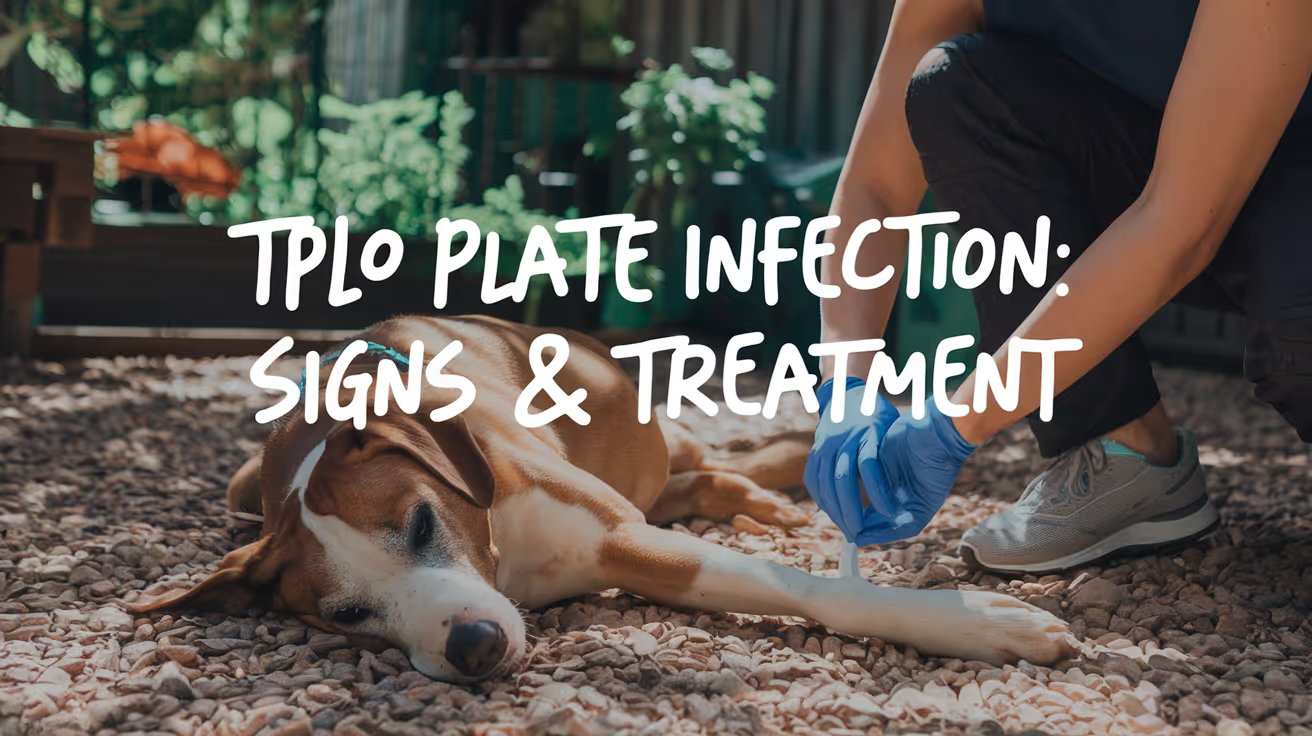
TPLO Plate Infection Signs and Treatment
Learn to recognize TPLO plate infection signs and effective treatments to protect your dog's recovery after surgery.
Surgical site infection (SSI) after TPLO is reported in 0.8 to 14.3% of cases depending on the study.
Infections range from superficial incision complications that resolve with oral antibiotics to deep implant-associated infections that require surgical intervention.
Distinguishing between these two categories is the most important clinical decision in TPLO infection management.
Quick answer: TPLO plate infection signs include spreading redness, warmth, swelling, purulent discharge, and increased lameness. Superficial infections appear in the first 30 days; deep and implant-associated infections appear weeks to months later. Both require culture-directed antibiotic treatment.
Key takeaways
- TPLO SSI rate ranges from 0.8 to 14.3% across published studies; superficial infections are more common than deep infections
- Superficial SSIs appear within 30 days: peak risk is days 5 to 14 post-surgery
- Deep and implant infections emerge weeks to months after surgery: new firm swelling over the plate 6 weeks post-TPLO warrants same-day vet contact
- Culture and sensitivity before antibiotics is critical: post-TPLO bacteria resistant to cefalexin found in PMC studies
- Postoperative prophylactic antibiotics do not prevent all SSIs: a 308-dog retrospective study found postoperative antibiotics were not protective against SSI
- Plate removal is required for persistent deep infections: safely performed once the osteotomy heals, typically 6 to 12 months post-TPLO
How TPLO infections are classified
Veterinary SSI classification follows the CDC framework, adapted for veterinary patients:
Superficial incisional SSI: infection involving only the skin and subcutaneous tissues of the incision. Diagnosed within 30 days of surgery. The implant is not involved.
Deep incisional SSI: infection involving deep soft tissues (fascia, muscle) of the incision site. Diagnosed within 30 days of surgery or within 1 year if an implant is in place. This category captures implant-associated infections that may appear months after the original TPLO.
Organ/space SSI: infection involving deeper structures such as bone (osteomyelitis). The most severe category, requiring prolonged treatment and often implant removal.
A wound is classified as infected when purulent discharge, an abscess, or a fistula is present; when redness, heat, fever, or dehiscence is identified; or when an organism is isolated on culture.
Signs of TPLO plate infection
Early signs (days 5 to 14)
The highest-risk window for superficial SSI is days 5 to 14 post-surgery. A wound that looks good on day 5 can develop infection signs by day 8 to 9.
SustainableVet.org's staph infection guide confirms: post-surgical infections follow recognizable patterns. Superficial ones announce themselves in the first two weeks. Daily monitoring at minimum through day 14 is essential.
Early infection signs:
- Redness spreading outward from the incision margins (not confined to the wound edge)
- Local warmth beyond expected mild post-surgical heat
- Mild discharge initially clear to yellow, progressing to cloudy or purulent
- Increased lameness compared to the previous day
- The dog licking or chewing the incision more than usual
Signs of deep or implant-associated infection
Deep infections and implant infections may appear after the surface looks healed weeks to months post-surgery.
Signs specific to deep or implant infection:
- A new firm swelling developing directly over the plate site after apparent healing
- A draining tract (fistula) a small hole in the skin near the incision that produces persistent discharge
- Lameness that was improving and then regresses
- Radiographic changes around the implant (periimplant bone loss, implant migration)
- Systemic signs: fever, lethargy, loss of appetite
The SustainableVet.org staph guide confirms: deep infections appear later, often after the surface looks healed. Implant infections can emerge months later.
A new firm swelling over a bone plate 6 weeks after apparent healing is a significant concern contact your vet the same day.
Diagnosis
Clinical examination: systematic palpation of the wound, assessment of discharge character and odor, measurement of wound margins, lameness grade.
Radiographs: check implant position, osteotomy healing status, and periimplant bone quality. Bone loss around screws is a radiographic sign of implant-associated infection.
Culture and sensitivity testing: this is the critical diagnostic step. Samples of wound discharge or surgically obtained tissue are cultured to identify the causative organism and determine which antibiotics will be effective.
PMC (SSI rate study, 2024) confirmed: two dogs developed superficial SSI infections in which the cultured bacteria were sensitive to enrofloxacin and resistant to cefalexin.
Using empirical cefalexin without culture would have produced treatment failure.
Do not start antibiotics before culture whenever possible. Culture-directed therapy is consistently more effective and contributes to antimicrobial stewardship.
Treatment
Superficial SSI
Most superficial infections respond to culture-directed oral antibiotics for 3 to 6 weeks. Local wound care gentle cleaning, keeping the incision dry, maintaining E-collar use is essential alongside antibiotic therapy.
The PMC antibiotic protocol study confirmed no benefit from extending antibiotics beyond the perioperative period.
Culture-directed targeted treatment of established infections is more effective than prolonged empirical prophylaxis.
Deep incisional SSI (fascia and muscle involvement)
Deep SSIs require longer antibiotic treatment (typically 6 to 12 weeks) guided by culture and sensitivity results.
Surgical debridement of infected tissue may be necessary if the infection does not respond to antibiotics alone.
If the implant is still required for osteotomy stability (bone not yet healed), it cannot be removed.
The goal is to control the infection with antibiotics and local measures until healing is sufficient to permit plate removal.
Implant-associated infection requiring plate removal
When infection involves the implant surface directly (periprosthetic infection), biofilm forms on the metal and renders antibiotic therapy insufficient alone.
Once the osteotomy is confirmed healed on radiographs (typically 6 to 12 months post-TPLO), plate removal is performed.
After removal, the area is debrided, flushed thoroughly, and systemic antibiotic therapy continues based on culture results. Most dogs recover well after plate removal for infection when the osteotomy is confirmed healed.
For the plate removal recovery guide, see TPLO plate removal recovery guide.
For when plate removal due to infection is indicated, see when does a TPLO implant need to be removed due to infection.
For the antibiotics guide specific to TPLO infections, see what antibiotics are commonly used for TPLO infections. For the full incision infection guide, see TPLO incision infection symptoms and prevention.
Frequently asked questions
How do I know if my dog's TPLO wound is infected or just healing normally?
Normal healing redness is mild, confined to the wound edge, and improving by day 3 to 5. Infected redness is spreading outward, deepening in color, warm to the touch, and producing discharge.
The key distinguishing feature is the trend: normal redness fades, infected redness worsens.
Should I start antibiotics as soon as I suspect infection?
Contact your veterinarian first. Ideally, wound swabs for culture and sensitivity should be taken before antibiotics are started, so the organism and its antibiotic susceptibilities can be identified.
Starting the wrong antibiotic can allow a resistant organism to thrive.
Can TPLO plate infections be cured without removing the plate?
Superficial and early deep infections often resolve with antibiotics and wound care, without plate removal. Established implant-associated biofilm infections typically require plate removal for definitive cure.
The plate can be safely removed once the osteotomy has healed, which takes a minimum of 6 to 12 months.
How long does antibiotic treatment take for a TPLO infection?
Superficial infections: typically 3 to 6 weeks of culture-directed antibiotics. Deep infections: 6 to 12 weeks, and sometimes longer for complex cases. Follow-up culture after treatment completion confirms resolution.
My dog had TPLO six months ago and now has a lump near the plate. Should I be worried?
Yes, this warrants prompt veterinary evaluation. A new firm swelling over the plate site 6 months post-TPLO is a significant concern for a late-onset deep or implant-associated infection.
Contact your vet the same day for examination and radiographs. Do not wait to see if it resolves.
Resources
- PMC. Comparison of SSI Rates in Dogs Undergoing TPLO Using Perioperative vs. Peri- and Postoperative Antimicrobial Prophylaxis. ncbi.nlm.nih.gov
- PMC. Clinical Relevance of Positive Intraoperative Bacterial Culture in TPLO in Dogs. ncbi.nlm.nih.gov
- PubMed. Influence of Antimicrobial Medications After TPLO on SSI: Retrospective Study of 308 Dogs. pubmed.ncbi.nlm.nih.gov
- Laguna Hills Animal Hospital. TPLO Surgery Complications. lhah.com
- ACVS. Cranial Cruciate Ligament Disease. acvs.org

Ankle Swelling After TPLO Surgery in Dogs
Learn about causes, symptoms, and treatment of ankle swelling after TPLO surgery in dogs to ensure proper recovery and care.
Many owners are surprised to find their dog's ankle swollen after TPLO surgery especially when the surgery was performed on the knee, which is well above the ankle.
This gravity-dependent swelling is one of the most common post-TPLO findings, and in most cases it is a completely normal part of recovery.
Knowing what causes it, when it is expected, and when it becomes a reason to call your vet puts you in a much better position during recovery.
Quick answer: Ankle swelling 3 to 5 days post-TPLO is normal — gravity pools post-surgical fluid at the ankle. Resolves in 1 to 2 weeks with rest and cold packing. Call your vet if swelling is hot, fast-growing, or discharging.
Key takeaways
- Ankle swelling at 3 to 5 days post-TPLO is normal: fluid from the knee surgical site tracks down the leg; TPLO Info confirms this is routine
- Gravity pulls fluid to the ankle: dogs do not elevate the leg during recovery, so post-surgical fluid migrates downward
- Normal ankle swelling is mild, soft, and non-painful: not hot, red, rapidly growing, or producing any discharge
- Cold packing and gentle massage help resolve ankle swelling: they reduce inflammation and encourage fluid movement
- Excessive activity worsens ankle swelling: running, jumping, or sustained weight-bearing beyond short leash walks increases fluid accumulation
- Infection is the main abnormal cause: infected swelling is warm, painful, and accompanied by fever or lethargy
Why does ankle swelling happen after TPLO?
TPLO surgery is performed at the proximal tibia just below the knee. However, the inflammatory response and fluid production that result from surgery are not confined to the exact surgical site.
Gravity-dependent fluid migration: post-surgical serum and inflammatory fluid produced at the knee level migrate downward along tissue planes. Because dogs do not elevate their legs during recovery unlike a human keeping a leg raised on a pillow this fluid pools in the lower leg and ankle region.
TPLO Info confirms ankle swelling at 3 to 5 days post-TPLO is completely normal and recommends massage and icing if this occurs.
Lymphatic disruption: the surgery disrupts local lymphatic vessels that normally drain fluid from the lower leg. Until these pathways regenerate or compensate, fluid accumulation in the lower leg is common.
Reduced movement: when a dog is resting with the leg dependent (hanging down), fluid accumulates. Brief controlled leash walks stimulate the lymphatic pump and muscle contractions that help move fluid back up the leg.
Normal ankle swelling: what to expect
Normal post-TPLO ankle swelling typically:
- Appears at day 3 to 5 post-surgery
- Is soft and pitting (you can press on it and it indents temporarily)
- Is not warm to the touch
- Does not produce any discharge
- Does not cause significant additional pain beyond the expected post-operative discomfort
- Gradually reduces over 1 to 2 weeks with rest and activity restriction
VCA Animal Hospitals notes that mild to moderate swelling is expected after TPLO surgery as the body responds to tissue trauma and the healing process begins.
Abnormal ankle swelling: warning signs
Contact your veterinarian if you observe:
- Swelling that is rapidly increasing especially in the first 1 to 2 weeks
- Warmth or heat in the swollen area beyond mild
- Redness or skin discoloration around the ankle or lower leg
- Discharge or pus from the surgical incision or surrounding skin
- Your dog refusing to bear any weight on the leg
- Fever, lethargy, or loss of appetite alongside the swelling
- Swelling that is growing rather than shrinking after the first week
These signs suggest infection, hematoma, or a complication beyond normal gravity-dependent fluid pooling.
How to manage ankle swelling at home
Cold packing: apply a cold pack (frozen peas wrapped in a thin towel) to the ankle for 10 to 15 minutes, 2 to 3 times daily. Cold reduces local inflammation and provides mild pain relief. Always wrap the cold pack never apply ice directly to skin.
Gentle massage: TPLO Info recommends gentle massage if ankle swelling develops. Using a light hand, massage from the ankle upward toward the knee to encourage fluid to move back toward the body. Do not massage the surgical incision site itself.
Activity restriction: the most important intervention. Every unnecessary step the dog takes increases fluid production and worsens swelling. Strict confinement with leash-only bathroom walks is essential for the first 6 to 8 weeks.
Short controlled leash walks: paradoxically, very short leash walks (5 to 10 minutes) are better than complete immobility. Gentle controlled movement stimulates the lymphatic pump and helps clear fluid more effectively than prolonged rest. Do not allow the dog to run, jump, or play.
Timeline: when should ankle swelling resolve?
Most normal ankle swelling resolves within 1 to 2 weeks of surgery when activity restriction is maintained.
Vetplayas notes that swelling is a common response to surgical intervention and typically improves as healing progresses.
Persistent ankle swelling beyond 2 to 3 weeks, or swelling that worsens rather than improves, warrants a veterinary recheck.
This may indicate a seroma has formed in the lower leg, or that the dog is more active than recommended.
For the full fluid buildup and seroma guide, see fluid buildup after TPLO surgery in dogs.
For the full swelling timeline and duration guide, see how long does swelling last after TPLO surgery. For the complete complications overview, see 15 common complications after TPLO surgery in dogs.
For the incision infection guide, see TPLO incision infection symptoms and prevention.
Frequently asked questions
Is ankle swelling after TPLO always from the surgery?
In the first 1 to 3 weeks post-surgery, yes ankle swelling almost always relates directly to the procedure.
Rarely, a dog might develop an unrelated issue (insect sting, foreign body, contact dermatitis) but the timing overwhelmingly points to post-surgical fluid migration in most cases.
Should I wrap my dog's ankle if it's swollen after TPLO?
Only if your vet specifically recommends it. Improper bandaging can cut off circulation or cause pressure sores.
If you are concerned about the ankle swelling, contact your vet before applying any bandage or wrap at home.
My dog's ankle is swollen but the knee looks fine. Is that normal?
Yes. The surgical site at the knee may look relatively normal while the ankle is more visibly swollen because gravity pulls fluid downward.
This pattern is completely consistent with normal post-TPLO fluid migration and is not a sign that something is wrong at the ankle itself.
Can I use a compression sock on my dog's ankle?
Not without veterinary guidance. Human compression garments are not designed for canine anatomy and can cause pressure injury, especially around the hock joint.
If compression is indicated, your vet will apply an appropriate veterinary bandage.
When should I take my dog back to the vet for ankle swelling?
If the swelling appears within the first 1 to 2 weeks and is mild, soft, and not causing distress monitor at home with cold packing and massage.
If it is growing, warm, accompanied by redness or discharge, or if your dog is in significant pain, contact your vet promptly rather than waiting for a scheduled recheck.
Resources
- TPLO Info. Recovery FAQs. tploinfo.com
- VCA Animal Hospitals. Tibial Plateau Leveling Osteotomy (TPLO) in Dogs. vcahospitals.com
- Vetplayas. Understanding Swelling After TPLO Surgery. vetplayas.com
- Midwest Veterinary Specialists. Post-Operative Care Following TPLO. midwestveterinaryspecialists.com
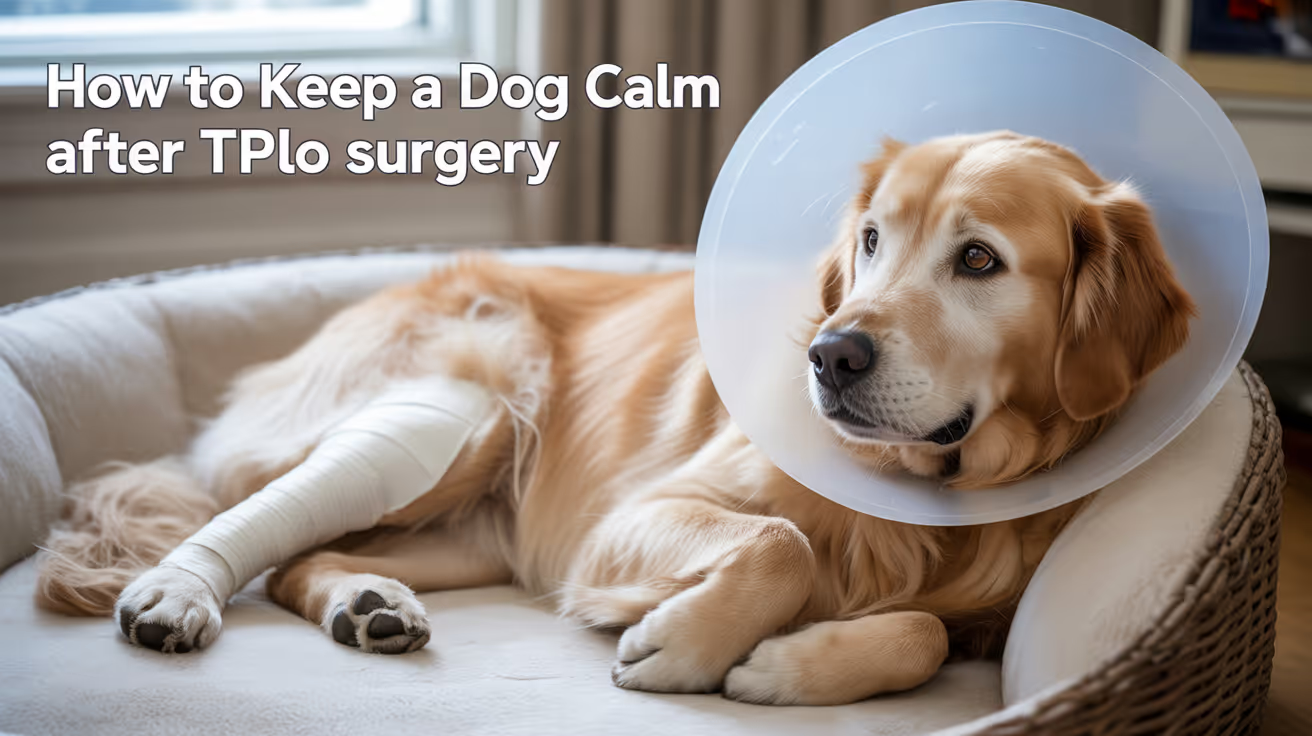
How to Keep a Dog Calm After TPLO Surgery
Learn how to keep your dog calm after TPLO surgery using rest, crate training, and soothing techniques for safe, stress-free recovery.
Keeping a dog calm during TPLO recovery is one of the hardest parts of the process -- and one of the most important.
A dog that feels physically capable of running at week 3 is not biologically ready to run at week 3. The osteotomy has not consolidated. The plate can fail.
Activity restriction is not optional.
Quick answer: Most effective strategies for keeping a dog calm after TPLO surgery: crate confinement during unsupervised periods, food puzzles and scent games, consistent pain management, a quiet low-stimulus environment, and trazodone or gabapentin for highly anxious dogs. Keep a leash on the dog indoors.
Key takeaways
- Crate confinement is the foundation of activity control: large enough to stand and turn but not pace; prevents the spontaneous running, jumping, and spinning that cause plate failure
- Mental stimulation substitutes for physical activity: food puzzles, lick mats, frozen Kongs, and scent games provide neural reward without physical impact
- Pain management compliance directly affects calmness: uncontrolled pain causes restlessness; giving NSAIDs and gabapentin on schedule keeps the dog comfortable enough to rest
- The environment must be actively managed: loud TV, visitors, and other pets cause arousal and movement; a quiet, predictable low-stimulus space reduces arousal
- Trazodone and gabapentin can be prescribed for highly anxious dogs: VetSurgInfo confirms trazodone is inexpensive, safe, and effective for anxiety and sedation during TPLO recovery
- Always use a leash indoors during early recovery: a dog that slips or startles can displace the plate; a house leash gives the owner control at all times
The crate: foundation of confinement
A crate is the safest confinement tool for TPLO recovery.
It limits the movements that risk plate failure -- spontaneous jumping, running to the door, sudden pivoting -- and gives the dog a defined, safe space.
Crate selection:
- Large enough for the dog to stand, turn, and lie down comfortably
- Not so large the dog can pace or run inside
- Soft bedding on non-slip material
- Location in the household main area, not isolated -- isolation increases anxiety
SustainableVet.org confirms: use a crate, pen, or small room with non-slip flooring. Crates prevent jumping, running, and twisting. Choose a crate large enough to stand and turn.
Exercise pen alternative: for dogs that do not tolerate crates, an exercise pen (X-pen) provides a larger confined space while still restricting free movement. Place the X-pen in the main living area so the dog is not isolated.
Small room alternative: a bathroom, laundry room, or small bedroom with a baby gate can work. Remove furniture the dog could jump on.
Mental stimulation: the most underused tool
A dog confined physically but not cognitively engaged becomes frustrated, which leads to escape attempts and activity that risks the repair.
Mental stimulation provides the same dopamine reward as physical activity with zero mechanical risk.
Effective mental stimulation options:
Food puzzles and slow feeders: scatter meals in a puzzle feeder or across a lick mat instead of in a bowl. A meal that takes 15 minutes to eat provides significant cognitive engagement.
Frozen Kongs: stuff with wet food, peanut butter (xylitol-free), or kibble soaked in broth; freeze for several hours. A frozen Kong can occupy a dog for 20 to 30 minutes.
Sniff games: hide small treats in a folded towel, a muffin tin covered with tennis balls, or a scatter across the crate bedding. Sniffing is cognitively tiring -- it is physiologically equivalent to sustained physical exercise in terms of neural engagement.
Chew toys: long-duration chews (bully sticks, raw bones appropriate for the dog's size, frozen chicken necks) keep the dog occupied without movement.
Animal Outpatient Surgery confirms: soft music, white noise, or pheromone diffusers create a serene atmosphere. Mental engagement through food puzzles and scent games reduces frustration from limited mobility.
Environmental management
The dog's immediate environment directly controls arousal level.
Reduce auditory stimuli: loud TV, doorbell sounds, and street noise cause the dog to alert and attempt to move. White noise machines or calm background music reduce stimulus peaks.
Manage household traffic: visitors who excite the dog, children who rough-house nearby, and other pets that want to interact all cause arousal. Limit access to the dog during early recovery.
Manage other pets: other dogs and cats approaching the recovering dog cause arousal and can trigger sudden jumping or running. Keep them separated during the early weeks, particularly unsupervised.
Non-slip flooring: rugs and yoga mats in the dog's movement area prevent slipping, which generates uncontrolled leg movements that can stress the plate.
Laveen Vet Center confirms: set up a quiet, confined area free from loud noises, active children, and other pets. White noise or soft music helps create a serene atmosphere.
Pain management and its role in calmness
An undertreated dog is a restless dog. Pain creates the exact behaviors -- panting, pacing, inability to settle, licking the leg -- that also indicate anxiety.
Distinguishing pain from anxiety is important because the response is different.
Pain management checklist:
- Give NSAIDs and gabapentin on the exact schedule prescribed, not as needed
- Never skip doses because the dog appears comfortable -- the medication is maintaining that comfort
- Give medications approximately 30 minutes before walks (TPLO home recovery protocols recommend this timing)
- Contact your vet if the dog cannot settle despite correct medication administration
VetSurgInfo confirms: gabapentin provides both analgesia and sedation; the sedating effect facilitates recovery and rest, particularly in the first 7 days.
Prescribed calming medications
For dogs with high anxiety, separation anxiety, or an inability to settle despite environmental and mental stimulation management, veterinary-prescribed medications are appropriate and safe.
Trazodone: a serotonin modulator used off-label in dogs for anxiety and sedation. VetSurgInfo confirms: dogs do very well on trazodone for anxiety and sedation during TPLO recovery; it is inexpensive and can facilitate recovery, rest, and calm during vet visits.
Gabapentin: the analgesic side effect of sleepiness helps with calmness in addition to pain control.
Alprazolam or other benzodiazepines: may be appropriate for situational anxiety (specific triggers like thunder).
SustainableVet.org confirms: vets can prescribe mild sedatives or calming medications for dogs who remain overly anxious; these drugs are safe when dosed correctly and can prevent harmful overactivity.
Never give human anxiety medications to dogs. Never use human supplements without vet approval -- some contain xylitol or other ingredients toxic to dogs.
Owner behavior and management
Owners unintentionally promote activity.
Do not excitedly greet the dog: excited greetings cause the dog to jump and spin. Calm, quiet greetings reduce arousal.
Leash the dog indoors: a house leash (a short, light leash attached to the collar) gives the owner control when the dog is out of the crate. If the dog startles or tries to move suddenly, the leash prevents uncontrolled movement.
Maintain a predictable routine: dogs are routine-oriented. Predictable meal times, bathroom walk times, and crate times reduce anticipatory anxiety. Variation creates excitement; routine creates calm.
Keep visits short: sitting with the dog is good. Prolonged exciting interaction is not. Brief, calm contact several times daily is better than one long exciting session.
For the recovery timeline, see what to expect after TPLO surgery in dogs. For infection prevention, see post-operative care mistakes that increase TPLO infection risk.
For swelling management, see fluid buildup after TPLO surgery in dogs. For exercise, see TPLO recovery exercises for dogs.
Frequently asked questions
My dog screams and cries in the crate for hours. What do I do?
Contact your vet. Sustained, intense crate distress may indicate: inadequate pain control (the dog is in pain, not just anxious), genuine severe separation anxiety, or insufficient mental stimulation.
Ask about trazodone or gabapentin for anxiety management. Do not give up on crate confinement -- the alternative is uncontrolled movement that risks the repair.
Is it okay to let my dog out of the crate to sit with me on the sofa?
Only if the dog is on a leash and cannot jump. Allow the dog to lie next to you on the floor or on a low dog bed beside you.
Do not allow the dog onto the sofa -- falling or jumping off generates the same plate-failure risk as running.
My dog seems much better at 3 weeks. Can I relax the restrictions?
No. Clinical improvement does not mean bone healing is complete. The osteotomy is not confirmed healed until radiographs at 8 to 12 weeks.
Plate failure typically happens when owners relax restrictions based on the dog appearing well. Maintain full restrictions until vet clearance.
What is the best medication for a high-energy dog that can't settle?
Trazodone is the most commonly prescribed agent for activity restriction in TPLO dogs. It is effective, safe, inexpensive, and can be used for the full restriction period.
Discuss with your vet at or before surgery -- it is easier to start early than to address a crisis at week 2.
Can I take my dog to visit friends or family during recovery?
Very limited visits in controlled, quiet environments where the dog is leashed and confined.
No visits to households with other active dogs, children who will excite the dog, or any environment where the dog cannot be kept calm. Unfamiliar environments increase anxiety and exploration behavior.
Resources
- SustainableVet. How to Keep a Dog Calm After TPLO Surgery. sustainablevet.org
- VetSurgInfo. TPLO Recovery Tips. vetsurginfo.com
- Animal Outpatient Surgery. How to Keep a Dog Calm After TPLO Surgery. animaloutpatientsurgery.com
- Laveen Vet Center. How to Keep a Dog Calm After TPLO Surgery. laveenvetcenter.com
Arthrex TPLO Weight Chart Explained
Understand the Arthrex TPLO weight chart and how it guides post-op care for dogs after TPLO surgery.
After TPLO surgery, one of the most important questions owners and rehabilitation teams ask is: how much weight should my dog be putting on the operated leg right now?
The Arthrex TPLO weight chart provides a structured, week-by-week answer to that question, giving both surgeons and owners a shared reference point for tracking recovery progress.
Quick answer: The Arthrex TPLO weight chart tracks the percentage of body weight a dog bears on the operated leg at each recovery stage — from 0 to 10% in the first weeks to 100% by 8 to 12 weeks post-surgery.
Key takeaways
- The weight chart tracks weight-bearing percentage at each stage, from 0 to 10% in weeks 1 to 2 to 100% by weeks 8 to 12
- It is a rehabilitation monitoring tool, not a surgical planning tool: the rotation chart governs intraoperative correction; this tracks recovery
- Progression must be gradual: advancing too fast risks implant failure; too slow leads to atrophy and stiffness
- The chart integrates with clinical examination: 8-week radiographs, gait assessment, and muscle mass evaluation are considered alongside chart milestones
- Individual dogs vary: the chart provides population-level benchmarks; your surgeon's instructions take precedence
- The chart is used alongside the plate size and rotation charts: together they form the Arthrex TPLO system framework
What the weight chart is and what it is not
The Arthrex TPLO weight chart is a post-operative rehabilitation tool.
It shows recommended weight-bearing percentages at specific time points after surgery a reference guide that helps veterinarians, rehabilitation therapists, and owners track whether a dog's recovery is progressing appropriately.
It is not the same as the rotation chart (which guides intraoperative tibial rotation) or the plate size chart (which guides implant selection before surgery).
These three charts together form the Arthrex TPLO planning and monitoring system.
For the rotation chart guide, see Arthrex TPLO rotation chart explained. For the plate overview, see Arthrex TPLO plate overview and use.
Understanding the weight-bearing percentages
The chart uses percentage of body weight as its unit of measurement.
This is a more useful measure than time alone because it relates directly to the mechanical load placed on the healing osteotomy and implant.
0 to 10% weight-bearing (weeks 1 to 2): toe-touching and minimal contact only. The dog is not actively loading the leg during this phase. Bathroom trips on leash are permitted, but no sustained weight-bearing.
10 to 30% (weeks 2 to 4): the dog begins placing meaningful weight on the leg during slow leash walks. This corresponds to the short 5 to 10 minute leash walks prescribed at this stage. The healing osteotomy is starting to consolidate but is not yet ready for full load.
30 to 60% (weeks 4 to 8): progressive loading during longer walks, sit-to-stand exercises, and early rehabilitation activities. Most dogs are visibly improving in gait symmetry during this phase.
60 to 100% (weeks 8 to 12): full weight-bearing is approached and typically achieved after the radiographic recheck at week 8 confirms adequate osteotomy healing. Activity levels increase under veterinary guidance.
How to use the chart in practice
As a clinical benchmark
Surgeons use the weight chart to assess whether a dog is progressing as expected at each recheck visit.
A dog that is well below the expected weight-bearing percentage for their stage may have inadequate pain control, implant complications, or infection.
A dog exceeding the expected percentage may be at risk of mechanical overload if the bone has not yet consolidated enough to tolerate the load.
As an owner reference
Owners are not expected to measure exact weight-bearing percentages at home this requires force plate analysis or pressure-sensitive walkway equipment.
The chart provides a conceptual framework: early recovery shows only toe-touching; by weeks 4 to 6, the dog places meaningful weight during walks; by weeks 10 to 12, gait symmetry improves steadily.
What affects weight-bearing progress
Bone healing rate: younger dogs and smaller breeds typically consolidate the osteotomy faster than older or giant breed dogs.
Pain control: inadequate analgesia is the most common cause of delayed weight-bearing. A dog in pain will protect the operated leg regardless of how well the surgery went. Contact your surgeon if your dog is significantly below expected weight-bearing benchmarks.
Muscle atrophy: dogs that enter surgery with significant muscle atrophy from prolonged pre-surgical lameness progress more slowly and benefit most from structured rehabilitation.
Body weight: heavier dogs place more absolute load on the healing osteotomy at any given percentage. This is one reason weight management is emphasized throughout the TPLO recovery period.
Rehabilitation: dogs receiving structured rehabilitation (PROM, sit-to-stand, hydrotherapy) consistently achieve better weight-bearing progression than those managed with rest alone.
When the chart says one thing and your dog does another
The weight chart represents population-level expectations. Individual dogs routinely deviate from the expected timeline for reasons that are often identifiable and manageable.
If your dog is significantly under-progressing: contact your surgeon to rule out infection, implant problems, or inadequate pain management before assuming slow healing.
If your dog appears to be weight-bearing well ahead of schedule: this does not mean the osteotomy is healed faster than expected.
Radiographic confirmation at week 8 is still required regardless of how the dog looks clinically. Apparent early function does not mean the bone has consolidated enough to withstand full unrestricted activity.
For the full weight-bearing recovery timeline guide, see how soon can a dog walk after TPLO surgery.
For the rotation chart that is used alongside the weight chart in the Arthrex system, see Arthrex TPLO rotation chart explained.
For the plate size chart used in conjunction with both, see TPLO plate size chart explained.
Frequently asked questions
Is the Arthrex TPLO weight chart the same as a standard recovery timeline?
Not exactly. A recovery timeline tells you what activities to do and avoid at each stage.
The weight chart specifically tracks how much weight the dog is placing on the operated leg at each stage, expressed as a percentage of body weight.
The two are related but provide different information.
Can I measure my dog's weight-bearing at home?
Not precisely. Force plate and pressure-sensitive walkway systems that measure actual weight distribution require specialist veterinary equipment.
At home, you can observe whether the dog is toe-touching, placing the foot flat, and walking with increasing symmetry which approximates the chart's progression categories without exact percentages.
What if my dog refuses to use the leg at all two weeks after TPLO?
Non-weight-bearing at two weeks is a warning sign. TPLO Austin confirms that if your pet is not bearing weight within two weeks of surgery, contact your veterinarian.
The most common causes are inadequate pain control, infection, or implant positioning concerns all of which are addressable if caught early.
Do all TPLO surgeons use the Arthrex weight chart?
No. The Arthrex system is one of the two major TPLO implant systems in the US (alongside Synthes). Surgeons using Synthes implants use Synthes-specific planning tools.
Some surgeons use individualized rehabilitation protocols rather than system-specific charts. The underlying recovery milestones are similar regardless of which chart or system is used.
What happens at the 8-week recheck in terms of weight-bearing?
At the 8-week recheck, radiographs assess osteotomy healing. If healing is adequate, the surgeon approves increased activity typically 20 to 30 minute leash walks and the beginning of return-to-normal activity.
The weight chart at this point expects the dog to be approaching or achieving 100% weight-bearing on the operated leg.
Resources
- Arthrex Veterinary. TPLO Surgical Technique. arthrex.com
- VCA Animal Hospitals. Tibial Plateau Leveling Osteotomy (TPLO) in Dogs. vcahospitals.com
- TPLO Austin. Step 6: TPLO Surgery Recovery. tploaustin.com
- ACVS. Cranial Cruciate Ligament Disease. acvs.org
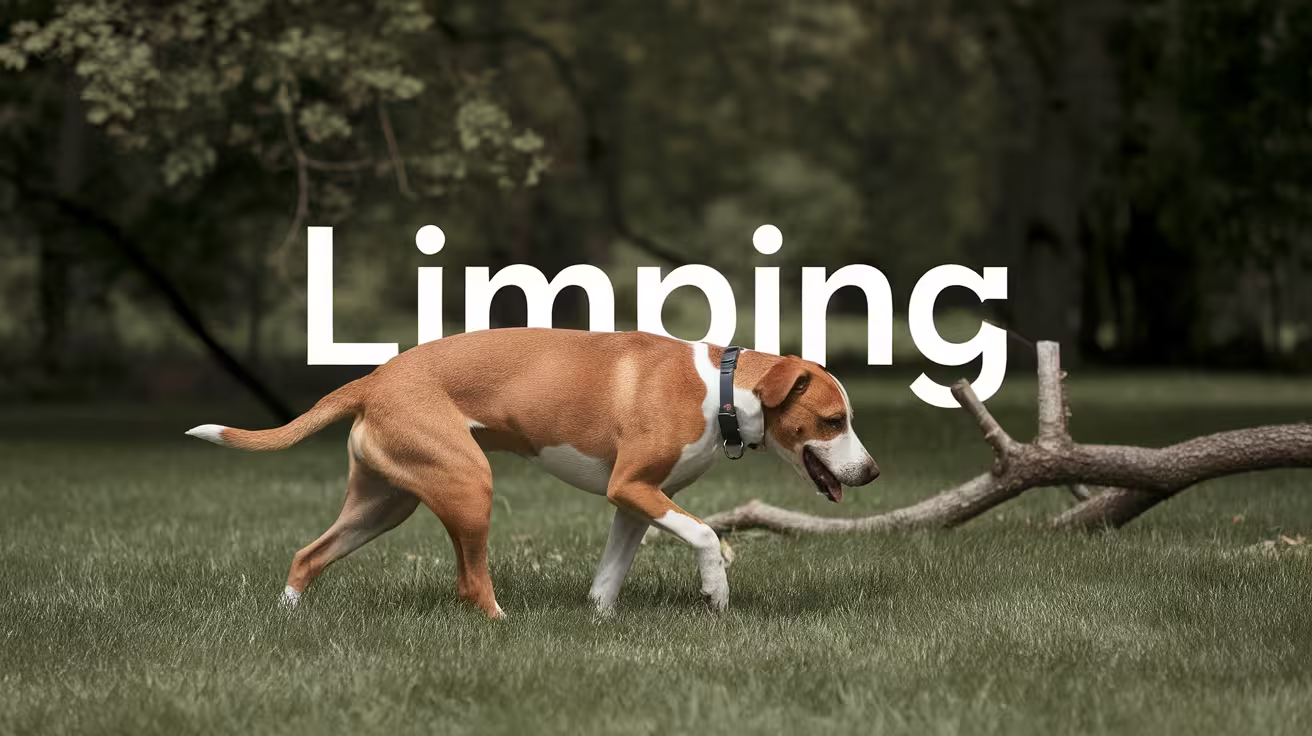
Common Causes of Limping in Dogs Post-TPLO Surgery
Discover common causes of dog limping post-TPLO surgery and explore solutions for regaining your dog's comfort and mobility a year later
Some degree of lameness after TPLO surgery is expected. The surgery involves a bone cut and plate fixation, and the dog's leg needs weeks to heal.
The clinical challenge for owners is distinguishing between normal post-surgical lameness (which requires patience) and lameness that indicates a complication (which requires prompt veterinary attention).
The answer depends heavily on timing, trajectory, and accompanying signs.
Quick answer: Normal post-TPLO lameness should show consistent week-over-week improvement. The most common pathological causes are: surgical site infection, late meniscal tear, implant loosening, muscle atrophy, delayed bone healing, and progressive osteoarthritis. The key signal is trajectory reversal -- lameness worsening after improvement or failing to improve for 2 or more weeks.
Key takeaways
- Some lameness is normal throughout the first 8 to 12 weeks of TPLO recovery: mild limping that improves gradually over 6 to 12 weeks is typical; the key variable is trajectory
- Trajectory reversal is the key warning sign: lameness that worsens after improvement, or fails to improve for 2 or more consecutive weeks, warrants veterinary evaluation before the next appointment
- Late meniscal tear is a recognized cause of sudden lameness regression: recurrence of lameness after initial resolution can indicate meniscal injury; it occurs in 2 to 22% of TPLO cases
- Muscle atrophy is a commonly underappreciated cause of persistent lameness: the affected leg loses muscle mass during restriction; inadequate rehabilitation leaves an asymmetric gait
- Progressive osteoarthritis is the most common cause of chronic mild lameness starting months after surgery; TPLO slows but does not stop this process
- Implant failure and infection must be ruled out for lameness that is worsening or not responding to conservative management; radiographs and culture are required for diagnosis
Normal post-surgical lameness: what to expect
Week 1 to 2
Most dogs are significantly lame in the first 1 to 2 weeks. They may toe-touch only or hold the leg off the ground entirely.
This is the acute post-surgical inflammatory phase combined with the effects of anesthesia wearing off.
SustainableVet.org confirms: some lameness is expected after TPLO surgery, especially in the first few weeks; normal recovery lameness is mild limping that improves gradually over 6 to 12 weeks.
Week 2 to 6
Consistent improvement should be visible week over week. By week 4, most dogs should be bearing significant weight on the operated leg during slow walking.
Three-legged walking during activity is still common but should be decreasing.
Week 6 to 12
Most dogs should be consistently weight-bearing on the operated leg. By week 12, most are nearly normal for household activities.
Radiographic confirmation of bone healing at weeks 6 to 8 and 12 guides when activity can increase.
Pathological causes of post-TPLO lameness
1. Surgical site infection (SSI)
Timing: most commonly weeks 1 to 4, but can occur at any stage (including months later for deep implant-associated infections).
Mechanism: bacterial contamination of the incision or implant causes inflammation and pain at the plate site, which produces or worsens lameness.
Signs accompanying lameness: redness, warmth, swelling, or discharge at the incision or plate site.
Action required: same-day veterinary contact for any infection signs alongside lameness.
2. Late meniscal tear
Timing: typically weeks 4 to 12 post-surgery, though it can occur months later.
Mechanism: the meniscus, which may have been structurally weakened before surgery or had a small tear not detected at surgery, fails under load during the recovery period.
Signs accompanying lameness: audible or palpable meniscal click; pain on stifle manipulation; sudden lameness regression in a dog that had been improving.
Animal Outpatient Surgery confirms: if lameness resolves after TPLO and recurs at a later time, this can be an indication of meniscal injury.
Action required: veterinary evaluation within 24 to 48 hours; arthroscopy or arthrotomy for diagnosis and partial meniscectomy for treatment.
3. Implant loosening or failure
Timing: most common in the first 6 to 12 weeks when the osteotomy is still healing and the plate bears the full load. Can also occur later from chronic infection or late trauma.
Mechanism: excessive activity before the osteotomy heals applies forces that exceed the plate's tolerance; screws pull out or the plate bends.
Signs accompanying lameness: sudden severe lameness; pain at the plate site; sometimes audible clicking or grinding; radiographic evidence of screw loosening or plate migration.
SustainableVet.org confirms: signs of implant failure include ongoing limping, pain, swelling around the implant site, and unusual clicking or grinding sounds from the joint.
Action required: same-day emergency veterinary contact for sudden severe lameness; radiographs urgently required.
4. Muscle atrophy and weakness
Timing: most prominent from weeks 4 to 12; persists for months if rehabilitation is inadequate.
Mechanism: during activity restriction, the operated leg muscles (quadriceps, hamstrings, hip extensors) atrophy rapidly. Asymmetric muscle mass leads to asymmetric weight distribution and abnormal gait patterns that present as persistent limping.
Vetplayas confirms: limited mobility during recovery leads to muscle loss and decreased strength. This imbalance results in abnormal gait patterns and subsequent limping.
Signs: visible muscle asymmetry (operated thigh smaller than opposite); lameness that worsens with activity and improves with rest; no accompanying warmth, redness, or plate-site changes.
Action required: rehabilitation assessment; physiotherapy to rebuild muscle mass.
5. Delayed bone healing
Timing: identified at the 6 to 8 week radiographic assessment.
Mechanism: the osteotomy is not showing expected callus formation and cortical bridging. Common causes include infection, excessive activity, poor blood supply, or systemic factors (NSAIDs at high dose for extended periods, nutritional deficiencies).
Signs: persistent lameness at a level that does not match the expected trajectory; confirmed radiographically.
Action required: veterinary investigation for underlying cause; extended activity restriction; sometimes additional diagnostics (culture to rule out occult infection).
6. Delayed union or non-union
Timing: identified at 12+ weeks when bone healing should be complete.
Mechanism: the osteotomy fails to heal. The plate is subject to continued cyclic loading without the protection of consolidated bone, increasing implant failure risk.
Action required: specialist reassessment; may require bone grafting, implant revision, or extended medical management.
7. Progressive osteoarthritis
Timing: typically becomes clinically apparent after 6 to 12 months.
Mechanism: CCL disease initiates an irreversible arthritis process in the stifle. TPLO reduces but does not eliminate arthritis progression. Over months and years, arthritis produces chronic mild lameness, particularly after rest and exercise.
Signs: stiffness that improves with movement; lameness worse in cold weather or after long periods of rest; gradual worsening over months; bilateral involvement common.
SustainableVet.org (failure symptoms article) confirms: limping 2 years post-TPLO may result from arthritis, implant irritation, meniscal damage, or muscle atrophy.
Action required: long-term management (joint supplements, weight management, NSAIDs for flares, hydrotherapy, physiotherapy).
8. Contralateral CCL rupture
Timing: any time during or after recovery from the first TPLO.
Mechanism: the contralateral CCL, subject to the same degenerative process and bearing extra load during recovery, may rupture. The dog appears to start limping on the opposite leg.
Signs: what appears to be recovery from one side suddenly accompanied by new lameness on the opposite side; the dog may be lame on a different leg or bilateral.
Action required: veterinary evaluation; bilateral CCL disease may require staged or simultaneous bilateral TPLO.
How to assess the trajectory at home
Create a simple weekly log: note the leg-use pattern (full bearing, toe-touching, three-legged) and the dog's willingness to walk at each prescribed walk time.
Compare week 4 to week 3, week 6 to week 5. If the pattern is consistently improving, continue the protocol. If it is static or worsening, contact your vet.
For the lameness guide, see lameness after TPLO surgery in dogs. For the TPLO failure signs guide, see signs of TPLO failure in dogs and when to see a vet.
For the meniscal tear guide, see dog meniscus tear after TPLO surgery. For the infection guide, see earliest signs of TPLO infection.
Frequently asked questions
My dog was progressing well at week 4 but is limping more at week 5. What do I do?
A single week of regression after a period of progress is not necessarily pathological -- increased activity, weather changes, or an off day can cause temporary setbacks.
But if the worsening persists for 2 weeks, or is accompanied by any infection signs, contact your vet.
Monitor closely and reduce activity to the week 2 level for 24 to 48 hours to see if the leg settles.
My dog is still limping 4 months after TPLO surgery. Is this normal?
Mild residual lameness can persist to 4 months, particularly in older dogs or those with significant muscle atrophy.
However, lameness at 4 months that is not showing week-over-week improvement warrants a veterinary assessment.
A radiograph will confirm bone healing status; physical examination will assess muscle mass and stifle range of motion.
My dog is limping on the opposite leg during TPLO recovery. What does that mean?
This raises concern for contralateral CCL disease. The opposite leg is bearing extra load during recovery and may have already been compromised.
A new limp on the opposite leg during recovery warrants veterinary evaluation, including assessment and radiographs of the contralateral stifle.
Can physiotherapy reduce long-term limping?
Yes, significantly. Rebuilding the atrophied quadriceps and hip extensor muscles through controlled hydrotherapy, cavaletti exercises, and progressive strength work reduces the compensatory gait patterns that produce chronic post-TPLO lameness.
Weight management is equally important -- every additional kilogram of body weight increases stifle load.
When is limping after TPLO an emergency?
Sudden complete non-weight bearing (holding the leg entirely off the ground) after a period of normal improvement is an emergency call. Same-day emergency veterinary contact is appropriate for this presentation.
Gradual worsening that does not resolve within 24 to 48 hours is a next-day call.
Resources
- SustainableVet. Common Causes of Limping in Dogs Post-TPLO Surgery. sustainablevet.org
- Animal Outpatient Surgery. What Are the Most Common Complications of TPLO Surgery in Dogs? animaloutpatientsurgery.com
- SustainableVet. Lameness After TPLO Surgery in Dogs. sustainablevet.org
- Laveen Vet Center. Dog Limping 1 Year After TPLO Surgery. laveenvetcenter.com
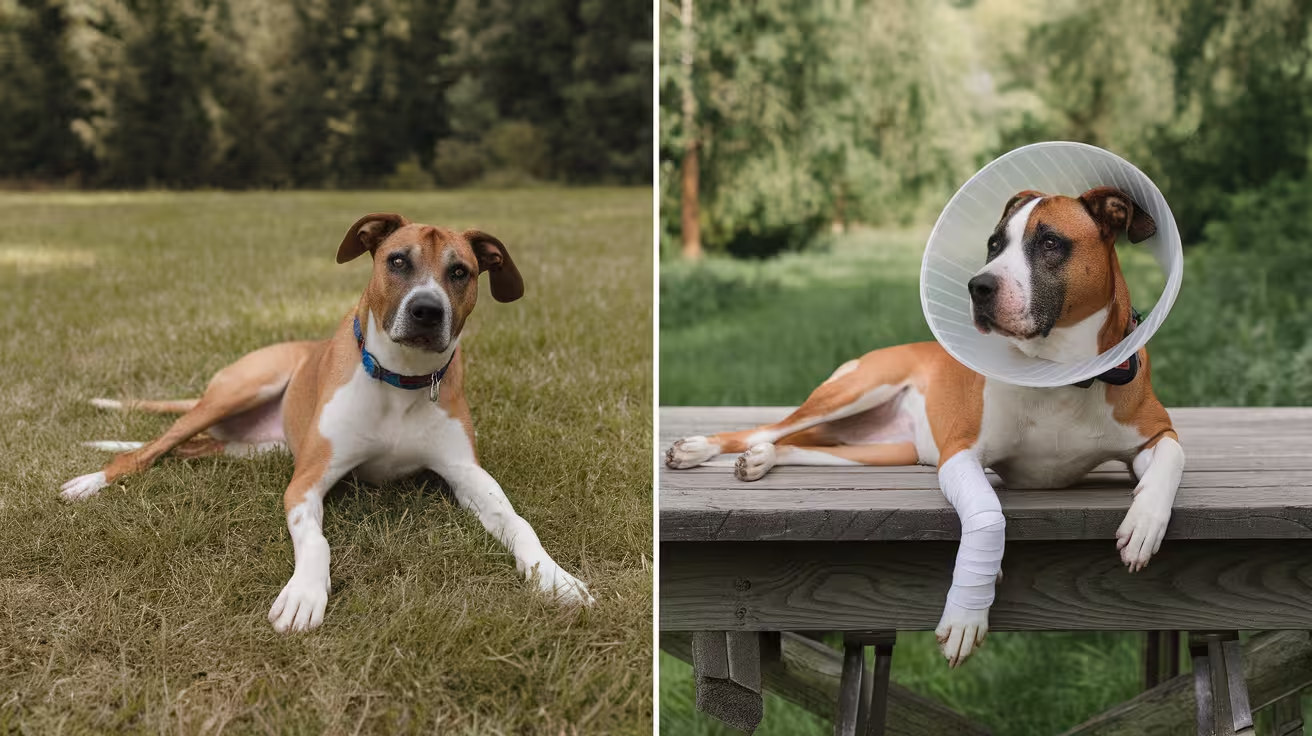
Before and After TPLO Surgery: Dog Health and Recovery Timeline
Discover how TPLO surgery restores mobility in dogs with torn CCL. Learn about recovery timelines, post-op care, and expected outcomes for your pet
TPLO surgery is a major orthopedic procedure that requires careful preparation before surgery and structured management after.
The recovery period -- 8 to 12 weeks of graduated activity restriction, multiple vet visits, and daily wound monitoring -- is as important as the surgery itself.
Most owners who struggle with recovery do so because they underestimated what the post-operative period involves. This guide walks through every phase.
Quick answer: Before TPLO surgery: complete pre-surgical bloodwork, fast 8 to 12 hours, prepare a crate and non-slip mats, fill prescriptions. After TPLO: crate rest weeks 1 to 2, progressive walking weeks 2 to 6, radiographic assessment weeks 6 to 8, activity increase after healing. Muscle recovery takes 4 to 6 months.
Key takeaways
- The home environment must be set up before surgery day: crate, non-slip mats, baby gates, low bedding, and supplies must be in place before the dog arrives home
- Fasting is required before surgery: no food for 8 to 12 hours before general anesthesia; water rules vary by facility
- The first 2 weeks are the most critical and restrictive: no running, jumping, stairs, or off-leash activity; bathroom trips on a short leash only; incision checked daily
- Radiographic assessment at 6 to 8 weeks is the gate that controls activity increase: without imaging confirmation, activity must not increase; radiographs are the only reliable confirmation
- Food intake should be reduced by approximately 30% during recovery: activity restriction rapidly leads to weight gain; extra weight stresses the healing osteotomy
- Full muscle recovery takes 4 to 6 months after bone healing is confirmed: bone healing at 12 weeks and full functional recovery are different endpoints
Before surgery: preparation checklist
Medical preparation (weeks before surgery)
Pre-surgical examination and bloodwork: your vet will perform a full physical examination and order a complete blood count and blood chemistry panel. These confirm the dog can safely handle anesthesia and healing. Senior dogs or those with health conditions may need additional testing.
Medication review: tell your vet all current medications and supplements. NSAIDs, certain supplements, and some other drugs need to be stopped before surgery. Never discontinue a prescription medication without vet instruction.
Weight management: if your dog is overweight, weight reduction before surgery reduces anesthetic and surgical risk. Even a 5 to 10% body weight reduction before surgery is beneficial.
Pre-surgical bathing: bathe 1 to 2 days before surgery if you wish; post-surgical bathing is restricted for 10 to 14 days.
Home preparation (day before surgery)
The recovery space:
- Crate (correctly sized: stand, turn, lie comfortably, not pace) in the main family living area
- Non-slip mats or yoga mats over all hard flooring in the recovery area
- Soft, washable bedding in the crate
- Water and food bowls at floor level
- Baby gates on stairs
- All furniture inaccessible to prevent jumping
Supplies to have ready:
- E-collar (confirm with the surgical facility whether one will be provided)
- Ice pack or bag of frozen peas for cold therapy
- Sling or lifting harness for larger dogs
- Short leash (4 to 6 foot, not retractable)
- Medications filled at the pharmacy before surgery day
SustainableVet.org confirms: before your dog comes home, prepare a safe and quiet recovery space with a crate or small room, soft bedding, good airflow, and away from stairs or slippery floors.
Fasting
No food for 8 to 12 hours before surgery. Water rules vary by facility -- confirm with your vet. Give no food the morning of surgery even if the dog appears hungry.
Surgery day: what to expect
Drop-off: typically early morning. The dog is admitted, weighed, examined, and an IV catheter is placed. IV antibiotics are given before the incision.
The procedure: the surgeon makes a medial incision over the proximal tibia, performs a small arthrotomy to assess the meniscus, makes the curved osteotomy cut, rotates the tibial plateau to approximately 5 degrees, and secures the plate and screws. The wound is closed in layers.
Duration: typically 1.5 to 2 hours.
Post-surgical care: the dog spends several hours in recovery before discharge (same day at some facilities; overnight at others).
Discharge: written instructions for medications, wound care, activity restrictions, and follow-up appointments are provided.
After surgery: week-by-week recovery timeline
Weeks 1 to 2: acute post-surgical phase
Activity: crate rest at all times except bathroom trips. Leash walks of 5 minutes maximum, 3 to 5 times daily. No stairs, no furniture, no off-leash time.
Weight bearing: most dogs begin toe-touching within the first few days. Some do not bear weight for the full 2 weeks -- both presentations are within normal range.
Wound care: e-collar on at all times except supervised eating. Inspect the incision daily at the same time. No bathing or wet incision exposure.
Cold therapy: 10 to 15 minutes of ice pack (wrapped in cloth) applied to the incision, 3 to 4 times daily for the first 3 to 5 days.
Medications: NSAIDs and gabapentin on the exact prescribed schedule. Give NSAIDs with food.
SustainableVet.org confirms: the first two weeks focus on rest and healing; the dog stays confined; short controlled leash walks are for bathroom breaks; check the incision daily for redness, swelling, or discharge.
2-week recheck: incision assessment, suture or staple removal if healing is confirmed, early mobility and pain management review.
Weeks 3 to 6: graduated activity phase
Activity: leash walk duration increases progressively. TPLO Info recommends increasing by up to 5 minutes per week. No off-leash activity. No stairs without guidance. No playing with other pets.
Weight bearing: most dogs should be bearing increasing weight through the operated leg. Three-legged walking during activity is still common but should be decreasing.
Passive range-of-motion exercises: gentle flexion and extension of the stifle, 5 to 10 repetitions, 2 to 3 times daily if the vet has approved.
Veterinary Healthcare Associates confirms: weeks 3 to 4, swelling should decrease; gradual increase in leash walking; passive range-of-motion exercises may begin.
Food management: Medcovet confirms reducing food intake by approximately 30% during the restriction period to prevent weight gain from inactivity.
Weeks 6 to 8: radiographic checkpoint
6-week radiograph (critical): images confirm whether the osteotomy is healing as expected. If healing is progressing, activity can be increased. If healing is delayed, restrictions continue.
If healing is confirmed: leash walks increase to 15 to 20 minutes, physiotherapy begins, short controlled hill walking may begin.
If healing is delayed: investigate for infection or non-union; extend restrictions; consider additional diagnostics.
Veterinary Healthcare Associates confirms: weeks 5 to 6, recheck X-rays may be taken to evaluate healing; improvement in weight-bearing and stability should be evident.
Weeks 8 to 12: consolidation and return to activity
8 to 10 week radiograph (in many protocols): confirms continued healing progression.
12-week radiograph (final major milestone): confirms bone union before lifting restrictions. After this confirmation:
- Running and off-leash play can gradually resume
- Stairs without support
- Normal household access
Post-12-week activity return: progressive reintroduction of activity over the following 4 to 6 weeks rather than an immediate full return.
Animal Outpatient Surgery confirms: in the final phase, your dog can return to normal activity levels, including running, jumping, and playing; continue monitoring for discomfort and maintain a balanced exercise routine.
Long-term: months 3 to 6
Full muscle recovery takes 4 to 6 months after bone healing. During this period:
- Progressive strengthening continues
- Hydrotherapy, balance work, and controlled running rebuild the atrophied operated leg
- Joint supplements (omega-3 fatty acids, glucosamine) are typically started or continued
- Weight management remains critical
Most dogs reach 90 to 95% of pre-injury function by 6 months with a compliant recovery.
For the recovery tips guide, see 10 essential TPLO recovery tips for pet owners. For confinement, see how to confine your dog after TPLO surgery.
For physical therapy, see when to start physical therapy after TPLO surgery. For long-term outcomes, see long-term outcomes of TPLO surgery.
Frequently asked questions
How strict does the activity restriction need to be in the first 2 weeks?
Very strict. No exceptions for stairs, sofa access, running, jumping, or unsupervised time without confinement.
A single running or jumping episode in the first 2 weeks can displace the plate before the osteotomy has any mechanical strength.
The restriction is designed to protect a bone that cannot yet protect itself.
My dog is eating less and seems depressed after surgery. Is this normal?
Yes, in the first 3 to 5 days. Anesthesia, post-surgical pain, and opioid medications can reduce appetite and alter behavior.
If the dog is not eating at all by day 3 or shows signs of significant distress, contact your vet.
Most dogs gradually return to normal eating and behavior within the first week.
When can my dog go swimming after TPLO?
Controlled hydrotherapy (underwater treadmill) can begin after the incision is confirmed healed at the 2-week recheck. Open water swimming (lakes, rivers) is typically not recommended until after the 12-week radiographic clearance.
Confirm with your vet in both cases.
Should I put my dog on a diet during recovery?
Reduce caloric intake rather than switching to a formal diet. Medcovet recommends approximately 30% reduction in food intake during the restriction period to prevent weight gain from inactivity.
If your dog was already at an ideal weight, a modest reduction (10 to 20%) is appropriate. Discuss with your vet.
My dog seems completely fine at week 4 and is pulling on the leash. Should I increase activity?
No. Continue the restriction protocol until the 6-week radiograph confirms bone healing progression.
The dog feeling well at week 4 is a positive sign, but bone healing lags significantly behind the dog's perceived comfort.
Dogs routinely feel ready to run before the osteotomy is safe to run on.
Resources
- SustainableVet. Before and After TPLO Surgery. sustainablevet.org
- Veterinary Healthcare Associates. TPLO Surgery in Dogs: Before and After. vhavets.com
- Medcovet. Essential Guide to Dog Recovery TPLO Surgery. medcovet.com
- TPLO Info. Preparing for Your Dog's TPLO Surgery. tploinfo.com
Zlig vs TPLO: Which Surgery Is Better for Dogs?
Compare Zlig and TPLO surgeries for dogs to understand which is better for cruciate ligament injuries and recovery outcomes.
Zlig (STIF-VETLIG) is an intra-articular synthetic implant used to reconstruct the cranial cruciate ligament inside the joint a conceptually different approach from TPLO, which changes joint mechanics rather than replacing the ligament.
Both are valid surgical options for CCL rupture in dogs, and the evidence base for Zlig, while smaller than for TPLO, is growing.
Quick answer: Zlig replaces the torn CCL inside the joint using a synthetic fiber implant through small bone tunnels. A 107-case prospective study reported good to excellent results in 97 cases. TPLO has a much larger evidence base and is the ACVS first-choice for large dogs.
Key takeaways
- Zlig reconstructs the CCL inside the joint using a synthetic fiber implant through small bone tunnels; TPLO changes joint geometry instead
- A 107-case prospective study reported good to excellent results in 97 cases: the largest Zlig dataset, single-centre, without controlled TPLO comparison
- TPLO has a significantly larger evidence base: 25+ years of RCTs and ACVS first-choice status for dogs over 60 lbs
- Zlig requires only small bone tunnels, no osteotomy: bone-cutting complications such as delayed union are not relevant
- Implant failure is the primary Zlig-specific risk: the synthetic ligament may stretch or fail over time in large or very active dogs
- Zlig suits bilateral CCL cases in small to medium dogs: both knees can sometimes be addressed in one procedure
How Zlig works
Zlig stands for Z-Ligament. The procedure uses a synthetic fiber implant (marketed as STIF-VETLIG GLOBAL) placed intra-articularly inside the joint capsule to replace the torn CCL.
Unlike extracapsular techniques (lateral suture, Tightrope) which place material outside the joint, Zlig anatomically reproduces the CCL's position within the joint.
The procedure involves drilling small bone tunnels through the femur and tibia at the anatomical insertion points of the CCL.
The synthetic implant is passed through these tunnels and secured, providing immediate mechanical stability similar to the original ligament.
Because there is no bone cutting or tibial rotation, Zlig is less invasive than TPLO and significantly faster to perform.
Recovery may be faster in the early post-operative period for the same reason.
The hund-kreuzbandriss.de clinical commentary (German veterinary reference site) notes: TPLO is a fairly invasive technique that causes irreversible changes.
Intra-articular reconstruction with synthetic fibers only requires small bone tunnels, and complications from osteotomy when they occur are not always easy to correct.
Who makes the Zlig implant?
The Zlig system uses the STIF-VETLIG GLOBAL implant, manufactured in France.
The procedure was developed primarily in France and Germany. It is gaining awareness in other countries but remains far less available than the major TPLO systems.
The highly porous intra-articular fiber design promotes fibroblast penetration and collagen fiber ingrowth over time, which the manufacturers propose increases implant longevity by improving resistance to flexion and torsional forces.
What the evidence shows
Primary Zlig outcome study
A prospective study by Le Doze, Paris, and Pages (2012 to 2021, 107 cases) found good to excellent results in 97 of 107 cases.
The study was conducted at two veterinary clinics in France. This is the most comprehensive Zlig-specific outcome dataset in the veterinary literature.
The hund-kreuzbandriss.de review confirms: Reconstruction of the CCL using the intra-articular synthetic implant STIF-VETLIG GLOBAL leads to good to excellent results in 97 cases in this prospective study from 2012 to 2021.
Limitations of current Zlig evidence
- The primary study is single-centre, non-randomized, and lacks a direct comparison control group
- Long-term data beyond the study's follow-up period is limited
- The procedure has not been evaluated in large-scale randomized controlled trials comparable to those available for TPLO and TTA
- The evidence base is substantially smaller than for TPLO (25+ years of multi-centre data)
TPLO evidence in context
TPLO has been evaluated in prospective randomized studies, force plate gait analysis trials, and multi-year cohort studies across dozens of institutions.
The ACVS recommends TPLO as the most commonly performed procedure for dogs over 60 lbs based on this evidence base.
Zlig vs TPLO: key differences
Patient selection
Zlig may be preferred when:
- Small to medium breed dogs (primary candidate group in current evidence)
- Bilateral CCL rupture in a small dog where simultaneous correction in one anaesthesia event is desired
- Dog owner prefers to avoid the irreversible tibial changes of an osteotomy
- The surgeon is specifically trained in the Zlig technique
TPLO is typically recommended when:
- Dogs over 30 to 40 lbs, especially large and giant breeds
- Dogs with steep tibial plateau angle (TPA) some are not suitable candidates for Zlig due to concurrent patellar luxation or excessive tibial ridge concavity
- The ACVS first-choice recommendation is preferred, with the largest evidence base
- General specialty practice context where Zlig expertise is not available
Hund-kreuzbandriss.de notes: dogs with a steep tibial plateau angle, concurrent patellar luxation, or excessive concavity of the tibial ridge are not good candidates for Zlig.
In these cases, TPLO represents an excellent and often the only alternative.
For the full surgical alternatives overview, see alternatives to TPLO surgery for dogs. For the TPLO vs Tightrope comparison, see Tightrope vs TPLO surgery for dogs.
Frequently asked questions
Is Zlig as effective as TPLO?
For small to medium dogs, the single-centre prospective study shows good to excellent results in the majority of cases.
A direct head-to-head randomized comparison with TPLO in matched patient populations has not been published, so direct effectiveness comparison is not currently possible.
TPLO has a much stronger and broader evidence base overall.
Can large dogs have Zlig surgery?
The current evidence base for Zlig is strongest in small to medium dogs. Large dogs generate higher joint forces that place more demand on the synthetic implant over time.
Many surgeons with Zlig experience reserve it for smaller patients, though there is no absolute size cutoff in the literature.
What happens if the Zlig implant fails?
The synthetic ligament can stretch or rupture over time. If this occurs, the stifle returns to instability and lameness.
Revision surgery would typically involve a different approach TPLO or TTA since the anatomy has not been altered by the Zlig procedure, making revision more straightforward than after an osteotomy.
How long does Zlig surgery take?
Shorter than TPLO in most cases, because no osteotomy is performed.
The exact duration varies by surgeon experience and patient anatomy, but the minimally invasive nature of the procedure is one of its practical advantages.
Where can I find a surgeon who performs Zlig?
Zlig is performed by veterinary surgeons specifically trained in the technique, primarily in France and Germany where the procedure was developed, and increasingly in other countries.
Board-certified veterinary orthopedic surgeons can advise whether the technique is available in your region.
Resources
- Hund-Kreuzbandriss. Zlig Method: A Study. (Le Doze et al., 2012 to 2021 prospective study summary.) hund-kreuzbandriss.de
- Hund-Kreuzbandriss. TPLO vs TTA vs ZLig vs Suture Retraction: 6 Methods. hund-kreuzbandriss.de
- ACVS. Cranial Cruciate Ligament Disease. acvs.org
- Vetamac. TPLO Surgery for Dogs: Success Rates and Alternative Options. vetamac.com
Arthrex TPLO Weight Chart Explained
Understand the Arthrex TPLO weight chart and how it guides post-op care for dogs after TPLO surgery.
After TPLO surgery, one of the most important questions owners and rehabilitation teams ask is: how much weight should my dog be putting on the operated leg right now?
The Arthrex TPLO weight chart provides a structured, week-by-week answer to that question, giving both surgeons and owners a shared reference point for tracking recovery progress.
Quick answer: The Arthrex TPLO weight chart tracks the percentage of body weight a dog bears on the operated leg at each recovery stage — from 0 to 10% in the first weeks to 100% by 8 to 12 weeks post-surgery.
Key takeaways
- The weight chart tracks weight-bearing percentage at each stage, from 0 to 10% in weeks 1 to 2 to 100% by weeks 8 to 12
- It is a rehabilitation monitoring tool, not a surgical planning tool: the rotation chart governs intraoperative correction; this tracks recovery
- Progression must be gradual: advancing too fast risks implant failure; too slow leads to atrophy and stiffness
- The chart integrates with clinical examination: 8-week radiographs, gait assessment, and muscle mass evaluation are considered alongside chart milestones
- Individual dogs vary: the chart provides population-level benchmarks; your surgeon's instructions take precedence
- The chart is used alongside the plate size and rotation charts: together they form the Arthrex TPLO system framework
What the weight chart is and what it is not
The Arthrex TPLO weight chart is a post-operative rehabilitation tool.
It shows recommended weight-bearing percentages at specific time points after surgery a reference guide that helps veterinarians, rehabilitation therapists, and owners track whether a dog's recovery is progressing appropriately.
It is not the same as the rotation chart (which guides intraoperative tibial rotation) or the plate size chart (which guides implant selection before surgery).
These three charts together form the Arthrex TPLO planning and monitoring system.
For the rotation chart guide, see Arthrex TPLO rotation chart explained. For the plate overview, see Arthrex TPLO plate overview and use.
Understanding the weight-bearing percentages
The chart uses percentage of body weight as its unit of measurement.
This is a more useful measure than time alone because it relates directly to the mechanical load placed on the healing osteotomy and implant.
0 to 10% weight-bearing (weeks 1 to 2): toe-touching and minimal contact only. The dog is not actively loading the leg during this phase. Bathroom trips on leash are permitted, but no sustained weight-bearing.
10 to 30% (weeks 2 to 4): the dog begins placing meaningful weight on the leg during slow leash walks. This corresponds to the short 5 to 10 minute leash walks prescribed at this stage. The healing osteotomy is starting to consolidate but is not yet ready for full load.
30 to 60% (weeks 4 to 8): progressive loading during longer walks, sit-to-stand exercises, and early rehabilitation activities. Most dogs are visibly improving in gait symmetry during this phase.
60 to 100% (weeks 8 to 12): full weight-bearing is approached and typically achieved after the radiographic recheck at week 8 confirms adequate osteotomy healing. Activity levels increase under veterinary guidance.
How to use the chart in practice
As a clinical benchmark
Surgeons use the weight chart to assess whether a dog is progressing as expected at each recheck visit.
A dog that is well below the expected weight-bearing percentage for their stage may have inadequate pain control, implant complications, or infection.
A dog exceeding the expected percentage may be at risk of mechanical overload if the bone has not yet consolidated enough to tolerate the load.
As an owner reference
Owners are not expected to measure exact weight-bearing percentages at home this requires force plate analysis or pressure-sensitive walkway equipment.
The chart provides a conceptual framework: early recovery shows only toe-touching; by weeks 4 to 6, the dog places meaningful weight during walks; by weeks 10 to 12, gait symmetry improves steadily.
What affects weight-bearing progress
Bone healing rate: younger dogs and smaller breeds typically consolidate the osteotomy faster than older or giant breed dogs.
Pain control: inadequate analgesia is the most common cause of delayed weight-bearing. A dog in pain will protect the operated leg regardless of how well the surgery went. Contact your surgeon if your dog is significantly below expected weight-bearing benchmarks.
Muscle atrophy: dogs that enter surgery with significant muscle atrophy from prolonged pre-surgical lameness progress more slowly and benefit most from structured rehabilitation.
Body weight: heavier dogs place more absolute load on the healing osteotomy at any given percentage. This is one reason weight management is emphasized throughout the TPLO recovery period.
Rehabilitation: dogs receiving structured rehabilitation (PROM, sit-to-stand, hydrotherapy) consistently achieve better weight-bearing progression than those managed with rest alone.
When the chart says one thing and your dog does another
The weight chart represents population-level expectations. Individual dogs routinely deviate from the expected timeline for reasons that are often identifiable and manageable.
If your dog is significantly under-progressing: contact your surgeon to rule out infection, implant problems, or inadequate pain management before assuming slow healing.
If your dog appears to be weight-bearing well ahead of schedule: this does not mean the osteotomy is healed faster than expected.
Radiographic confirmation at week 8 is still required regardless of how the dog looks clinically. Apparent early function does not mean the bone has consolidated enough to withstand full unrestricted activity.
For the full weight-bearing recovery timeline guide, see how soon can a dog walk after TPLO surgery.
For the rotation chart that is used alongside the weight chart in the Arthrex system, see Arthrex TPLO rotation chart explained.
For the plate size chart used in conjunction with both, see TPLO plate size chart explained.
Frequently asked questions
Is the Arthrex TPLO weight chart the same as a standard recovery timeline?
Not exactly. A recovery timeline tells you what activities to do and avoid at each stage.
The weight chart specifically tracks how much weight the dog is placing on the operated leg at each stage, expressed as a percentage of body weight.
The two are related but provide different information.
Can I measure my dog's weight-bearing at home?
Not precisely. Force plate and pressure-sensitive walkway systems that measure actual weight distribution require specialist veterinary equipment.
At home, you can observe whether the dog is toe-touching, placing the foot flat, and walking with increasing symmetry which approximates the chart's progression categories without exact percentages.
What if my dog refuses to use the leg at all two weeks after TPLO?
Non-weight-bearing at two weeks is a warning sign. TPLO Austin confirms that if your pet is not bearing weight within two weeks of surgery, contact your veterinarian.
The most common causes are inadequate pain control, infection, or implant positioning concerns all of which are addressable if caught early.
Do all TPLO surgeons use the Arthrex weight chart?
No. The Arthrex system is one of the two major TPLO implant systems in the US (alongside Synthes). Surgeons using Synthes implants use Synthes-specific planning tools.
Some surgeons use individualized rehabilitation protocols rather than system-specific charts. The underlying recovery milestones are similar regardless of which chart or system is used.
What happens at the 8-week recheck in terms of weight-bearing?
At the 8-week recheck, radiographs assess osteotomy healing. If healing is adequate, the surgeon approves increased activity typically 20 to 30 minute leash walks and the beginning of return-to-normal activity.
The weight chart at this point expects the dog to be approaching or achieving 100% weight-bearing on the operated leg.
Resources
- Arthrex Veterinary. TPLO Surgical Technique. arthrex.com
- VCA Animal Hospitals. Tibial Plateau Leveling Osteotomy (TPLO) in Dogs. vcahospitals.com
- TPLO Austin. Step 6: TPLO Surgery Recovery. tploaustin.com
- ACVS. Cranial Cruciate Ligament Disease. acvs.org
Preparing for Your Dog’s TPLO Surgery
Discover simple, stress-free ways to prepare your dog for TPLO surgery. Practical tips for a safe procedure and smooth recovery at home
The better prepared you are before your dog's TPLO surgery, the smoother the procedure and the early recovery will be.
Preparation covers two distinct areas: medical preparation managed with your vet in the days and weeks before surgery, and home preparation completed before your dog comes home.
Both matter and both require specific actions.
Quick answer: Key TPLO surgery preparation steps: complete pre-surgical bloodwork; adjust or discontinue medications as directed; fast the dog 8 to 12 hours before surgery; set up the crate, non-slip mats, and e-collar before surgery day; fill prescriptions in advance; brief all household members.
Key takeaways
- Pre-surgical bloodwork is standard: a CBC and blood chemistry panel confirm the dog can safely handle anesthesia; senior dogs or those with health conditions may need additional testing
- Fasting is non-negotiable: dogs are fasted the night before surgery to prevent anesthetic complications; typically 8 to 12 hours; follow your vet's specific instructions
- Some medications must be stopped before surgery: NSAIDs, certain supplements, and other drugs can increase bleeding or interfere with anesthesia; discuss all medications with your vet at least 1 week before
- The recovery space must be ready before the dog comes home: have the crate, non-slip mats, and supplies in place before surgery day
- Post-surgical medications must be filled before surgery day: NSAID prescriptions and gabapentin should be ready when the dog arrives home
- Household members including children need briefing: educate children about activity restrictions before surgery so they do not inadvertently excite or disturb the recovering dog
Medical preparation: weeks before surgery
Pre-surgical health assessment
Your vet or the surgical team will schedule a pre-surgical examination. This typically includes:
Physical examination: auscultation (heart and lungs), body weight assessment (obesity increases anesthetic and surgical risk), orthopedic examination of the affected limb, and general health screening.
Pre-surgical bloodwork: SustainableVet.org confirms that pre-surgery blood tests usually include a complete blood count and blood chemistry panel to check for anemia, kidney or liver problems, and signs of infection; these tests confirm organs can safely handle anesthesia and healing.
Additional testing for senior or compromised dogs: dogs over 7 to 8 years, those with known health conditions, or those with abnormal screening results may need urinalysis, chest radiographs (to assess cardiac and pulmonary health), or electrocardiography. Cainhoy Vet confirms: for senior pets or those with underlying conditions, additional diagnostics such as X-rays or ECGs may be recommended.
Weight management before surgery
If your dog is overweight, weight reduction before TPLO reduces surgical and anesthetic risk. Midvalley Animal Clinic confirms: increased weight exerts more stress on implants and is an additional hurdle to recovery.
If your vet identifies obesity as a concern, follow their dietary guidance in the weeks leading up to surgery.
Medication review and adjustment
At the pre-surgical consultation, provide a complete list of all medications, supplements, and herbal products the dog is currently taking.
SustainableVet.org confirms: some medications, such as NSAIDs or steroids, may need to be paused before the procedure.
Typical medication guidance:
- NSAIDs (carprofen, meloxicam, aspirin, ibuprofen): typically stopped 5 to 7 days before surgery to reduce bleeding risk
- Steroids (prednisone, prednisolone): typically stopped 5 to 14 days before surgery
- Fish oil and some supplements: may be stopped 1 week before surgery
- Gabapentin and opioids: usually continued as directed
Never stop a prescribed medication without explicit vet instruction.
Pre-surgical bathing
Virginia Vet Centers confirms: your vet may recommend bathing before surgery if you wish, since post-surgical wound care restricts bathing for 10 to 14 days.
Give a bath 1 to 2 days before surgery -- close enough to reduce skin bacteria counts while allowing full drying.
Fasting instructions: the night before surgery
Fasting prevents regurgitation and aspiration of stomach contents under anesthesia -- a potentially fatal complication.
Highlands Vet Hospital confirms: most dogs should stop eating 8 to 12 hours before surgery; always follow your vet's specific instructions.
Standard guidance:
- No food from approximately 10 PM the night before a morning surgery
- Water: rules vary by facility; many allow water until midnight or 6 hours before surgery; follow your vet's specific instructions
- Medications on the morning of surgery: ask your vet specifically which medications (if any) can be given with a very small amount of food or water on the surgery morning
Home preparation: before surgery day
Setting up the recovery space
SustainableVet.org confirms: before your dog comes home, prepare a safe, quiet recovery space with a crate or small room, soft bedding, good airflow, and away from stairs or slippery floors.
Recovery space checklist:
- Crate (sized correctly: stand, turn, lie; not pace) or X-pen in place
- Non-slip mats or yoga mats covering all hard flooring in the recovery area
- Soft, washable bedding inside the crate
- Water bowl accessible at ground level
- Food bowl accessible at ground level
- Baby gates blocking stairs, kitchen, and any rooms the dog should not access
- Furniture blocked or inaccessible to prevent jumping
TPLO Info confirms: you can invest in a gate or large crate to limit movement; educate children in the household as much as possible about the pet's surgery ahead of time.
Supplies to have ready before surgery
Essential:
- E-collar (typically provided by the surgical facility, but confirm in advance)
- Ice pack or bag of frozen peas (cold therapy for the first 3 to 5 days)
- Sling or towel harness for helping the dog rise and walk (for large dogs)
- Leash (4 to 6 foot, not retractable) for all outdoor trips
Nice to have:
- Food puzzle or lick mat (for mental stimulation during confinement)
- Frozen Kong treats prepared and in freezer
- Dog ramp or steps for the car (to load and unload without jumping)
Maplewood Vet confirms: having the right supplies ready before surgery day can help reduce stress and ensure your pet's transition home is as comfortable as possible.
Medication pickup
Prescriptions for post-surgical pain management (NSAIDs, gabapentin) are typically sent to a pharmacy before surgery or dispensed at discharge.
Confirm with your surgical team whether prescriptions need to be filled before surgery day -- this prevents a scramble on discharge day when the dog is in pain and waiting.
Surgery day: what to bring and expect
What to bring:
- Your dog (fasted, no food since the designated cutoff)
- Prior medical records if visiting a new facility (vaccination records, prior bloodwork, medication list)
- The e-collar if provided in advance
- Your contact phone number -- the team will call you during and after surgery
What to expect:
- Drop-off: typically early morning; the dog is admitted, weighed, examined, and IV catheter placed
- Surgery duration: typically 1.5 to 2 hours for TPLO
- Post-surgical hospitalization: most dogs stay overnight; some facilities discharge same day
- Discharge call: your vet will call to update you on how surgery went before discharge
Virginia Vet Centers confirms: most dogs stay at the hospital overnight after TPLO surgery; the veterinary team will provide detailed discharge instructions explaining medications, activity restrictions, wound care, and rehabilitation.
Discharge: what to review before leaving the hospital
At discharge, review:
- Medication schedule (when, how, with or without food)
- Wound care instructions (what to look for, how to manage)
- Activity restrictions (what is and is not allowed)
- Signs that require a call to the vet
- Schedule of follow-up appointments (2-week recheck, 6-week radiograph)
For the full recovery guide, see what to expect after TPLO surgery in dogs. For confinement setup, see how to confine your dog after TPLO surgery.
For keeping your dog calm, see how to keep a dog calm after TPLO surgery. For infection prevention, see how can TPLO infections be prevented post-operatively?.
Frequently asked questions
What happens if my dog ate something before surgery?
Call your surgical team immediately. Even a small amount of food can increase anesthetic risk. In most cases the surgery will be rescheduled. Do not wait until surgery day to inform them.
Can I give my dog medications the morning of surgery?
Ask your vet specifically about each medication. Some (like thyroid medications) should be given; others (like NSAIDs) should not. Never assume -- confirm before surgery day.
How do I transport my dog home from surgery?
Line the car with clean towels or a mat. Bring a helper if possible -- one person drives, one sits with the dog.
For large dogs, use a sling or lifting harness to assist getting in and out of the car. Do not let the dog jump in or out of the vehicle.
How long after surgery before I can leave my dog alone?
The first 24 to 48 hours are the highest-risk period. If possible, arrange for someone to be with the dog for the first day and night at home.
After 48 hours, crated dogs can be left alone for reasonable durations (up to 4 to 6 hours). Never leave the dog unsupervised without confinement.
Do I need to prepare other pets in the household?
Keep other pets separated from the recovering dog for at least the first 2 weeks. Excited greetings from other dogs can cause the TPLO dog to jump or spin.
Have a plan for where other pets will be confined when the recovering dog is out of the crate.
Resources
- SustainableVet. Preparing for Your Dog's TPLO Surgery. sustainablevet.org
- TPLO Info. Preparing for Your Dog's TPLO Surgery. tploinfo.com
- Virginia Veterinary Centers. What Dog Owners Should Know About TPLO Surgery. virginiaveterinarycenters.com
- Maplewood Vet. What to Buy Before TPLO Surgery for Your Dog. maplewood.vet

Does Pet Insurance Cover TPLO Surgery in Dogs?
Find out if pet insurance covers TPLO surgery, what affects eligibility, and how to get reimbursed for your dog’s treatment.
Understanding TPLO Surgery and Why It’s Needed
Tibial Plateau Leveling Osteotomy (TPLO) is a surgical procedure used to repair a torn cranial cruciate ligament (CCL) in dogs — a common injury that causes pain and hind limb instability. The surgery reshapes the tibia bone to restore stable joint movement without depending on the damaged ligament.
- Purpose of TPLO Surgery: Recommended for active or large-breed dogs where conservative treatments cannot restore function.
- Recovery Period: Most dogs need 8–12 weeks for bone healing, followed by controlled physical therapy for full recovery.
- Cost Overview: TPLO surgery is one of the more expensive orthopedic procedures, often ranging from $3,000 to $6,000 depending on clinic and location.
Understanding these basics sets the stage for evaluating insurance coverage options.
Average Cost of TPLO Surgery for Dogs
TPLO surgery is a complex orthopedic procedure, and its cost varies widely based on case difficulty, hospital standards, and regional pricing. Understanding the range helps owners plan financially before exploring insurance options.
- National Cost Range: In the U.S., TPLO surgery typically costs between $3,000 and $6,000 for a single leg. In some specialty hospitals or metropolitan areas, costs can exceed $7,000, especially for large breeds.
- Simple vs. Complex Cases: Minor ligament tears with minimal complications are less costly, while complex fractures, bilateral surgeries, or infections increase total expenses significantly.
- Influence of Dog Size: Larger dogs require stronger plates, longer anesthesia, and extended recovery monitoring, leading to higher bills.
- Hospital and Surgeon Type: Referral centers and board-certified surgeons charge more due to specialized equipment and experience.
- Follow-Up and Rehabilitation: Post-surgical care, including X-rays and physiotherapy, can add $500–$1,500.
Because of these high expenses, many pet owners consider insurance coverage essential to make TPLO surgery affordable without compromising care quality.
Does Pet Insurance Cover TPLO Surgery?
Most modern pet insurance plans do cover TPLO surgery, but eligibility depends on policy terms and your dog’s medical history. The key factor is whether the cruciate ligament injury is considered pre-existing.
- General Coverage Rule: If your dog’s CCL injury occurs after the waiting period and is not pre-existing, TPLO surgery is usually included under accident or illness coverage.
- Waiting Periods: Many insurers enforce a 6–12 month waiting period for cruciate ligament coverage to prevent claims on undiagnosed injuries.
- Plan Type Differences: Comprehensive plans with illness and injury coverage are most likely to include TPLO, while accident-only policies may exclude it.
- Common Exclusions: Some policies do not cover congenital joint disorders or prior CCL injuries in the opposite leg.
- Importance of Documentation: Detailed veterinary records proving the injury is new are often required for claim approval.
In most cases, TPLO is covered when the policy is active before the injury, making early insurance enrollment a smart preventive decision.
How Pre-Existing Conditions Affect TPLO Coverage
Pre-existing conditions are the most common reason pet insurance denies TPLO-related claims. Understanding what qualifies as “pre-existing” helps you protect your dog’s future eligibility.
- Definition of Pre-Existing Conditions: Any medical issue diagnosed or showing symptoms before policy activation or during the waiting period is considered pre-existing.
- Prior Cruciate Ligament Injuries: If your dog previously tore a CCL or ACL in either leg, many insurers exclude future coverage for both knees under a bilateral condition clause.
- Breed Predisposition: Large or active breeds prone to ligament tears may face stricter review before approval.
- Importance of Early Enrollment: Getting insurance while your dog is young and injury-free ensures eligibility for full cruciate coverage later in life.
- Proof of Clean Health Record: Regular vet visits and medical documentation help verify no pre-existing issues existed at policy start.
Early planning and transparent medical history are crucial for securing TPLO coverage when unexpected injuries occur.
What Pet Insurance Typically Covers for TPLO Surgery
When TPLO surgery is approved under your insurance, most plans cover a wide range of medical services related to diagnosis, treatment, and recovery. This support can significantly reduce financial stress.
- Diagnostic Imaging: X-rays, CT scans, or MRIs used to confirm ligament rupture are usually included in coverage.
- Surgery and Hospitalization: The main surgical procedure, anesthesia, and hospitalization costs are covered up to policy limits.
- Post-Surgery Medications: Pain relievers, antibiotics, and anti-inflammatories prescribed during recovery are typically reimbursable.
- Physical Therapy: Many plans include hydrotherapy or physiotherapy sessions for rehabilitation under extended recovery benefits.
- Follow-Up Visits and Complications: Recheck exams, wound care, or treatment of infections that occur after surgery are generally included within your policy’s time and cost caps.
Comprehensive coverage ensures your dog’s TPLO treatment is managed safely from diagnosis through recovery, minimizing both physical and financial strain.
What’s Not Covered by Pet Insurance for TPLO Surgery
Even though many pet insurance plans include TPLO coverage, certain conditions and costs fall outside standard policies. Knowing these exclusions helps prevent surprises during reimbursement.
- Pre-Existing Injuries: If your dog showed signs of a cruciate tear before enrollment or during the waiting period, TPLO surgery won’t be covered.
- Bilateral Exclusion Clauses: Some insurers exclude the second knee once one cruciate injury occurs, even if it happens years later.
- Preventive or Elective Procedures: Pre-surgical screenings, optional rehab sessions, or supplements are often excluded from reimbursement.
- Rehabilitation Limits: Physiotherapy or hydrotherapy may only be covered for a set number of weeks or up to a cost cap.
- Deductibles and Co-Pays: Owners are responsible for annual deductibles, coinsurance percentages, and any charges beyond policy limits.
- Waiting Period Restrictions: Claims made before the orthopedic waiting period ends are automatically denied.
Understanding these exclusions helps you plan better and choose insurance that aligns with your dog’s long-term orthopedic needs.
Best Pet Insurance Providers That Cover TPLO Surgery
Several leading pet insurance companies offer coverage for TPLO surgery, but each has unique rules for cruciate ligament injuries. Comparing policies ensures you find the best fit for your dog’s medical and financial needs.
- Healthy Paws: Covers TPLO if the injury occurs after enrollment and the waiting period. Offers unlimited annual payouts but no coverage for pre-existing conditions.
- Trupanion: Known for 90% reimbursement on eligible costs and direct vet payments, but has a 30-day waiting period for orthopedic claims.
- Embrace: Includes TPLO surgery under illness coverage, with the option to reduce or waive the orthopedic waiting period through a vet exam.
- Spot and Fetch: Both cover cruciate ligament injuries after the waiting period, with flexible reimbursement and deductible options.
- ASPCA Pet Health Insurance: Offers comprehensive coverage but applies a 14-day illness waiting period for orthopedic procedures.
Selecting a provider with transparent cruciate coverage and high reimbursement rates ensures better financial protection for major surgeries like TPLO.
How to File a TPLO Surgery Claim
Filing a TPLO surgery claim correctly helps speed up reimbursement and avoids processing delays. Most insurers require detailed veterinary documentation and itemized invoices.
- Collect Required Documents: Obtain a full medical report, diagnostic imaging results, itemized invoices, and proof of payment from your veterinarian.
- Submit Through the Portal: Most insurance providers allow online submissions through their official portals or mobile apps for faster review.
- Attach Medical History: Include your dog’s previous health records to confirm the cruciate injury isn’t pre-existing.
- Timeline for Reimbursement: Claims are typically processed within 10–15 business days, though some complex cases may take longer.
- Follow Up Promptly: Contact your insurer if documentation requests arise or delays occur. Keeping communication open prevents claim rejection.
- Save Copies: Always keep digital or printed copies of every document for future claims.
Timely, organized submission of records ensures smoother claim approval and quicker financial relief after TPLO surgery.
Tips for Choosing the Right Pet Insurance for Orthopedic Coverage
Choosing the right insurance plan can make a major difference in managing expensive orthopedic procedures like TPLO surgery. Understanding policy details beforehand prevents financial stress later.
- Avoid Bilateral Exclusions: Choose insurers that cover both knees even if one is previously injured. This is critical for breeds prone to cruciate tears.
- Check Waiting Periods: Some plans have 6–12 month orthopedic waiting periods. Early enrollment ensures coverage is active when needed.
- Customizable Reimbursement Options: Plans allowing flexible deductibles and payout percentages help control monthly premiums.
- Understand Policy Limits: Review annual and lifetime caps to ensure coverage remains adequate for long-term orthopedic care.
- Read Fine Print Carefully: Always confirm whether physical therapy, imaging, and post-surgical complications are included.
- Ask About Direct Payments: Some insurers pay veterinarians directly, saving you from covering full costs upfront.
Selecting a policy that combines comprehensive coverage with transparency ensures peace of mind when facing orthopedic surgeries like TPLO.
Conclusion
TPLO surgery is one of the costliest orthopedic procedures for dogs, making strong insurance coverage essential. While most insurers cover the operation for non-pre-existing injuries, exclusions and waiting periods can greatly affect eligibility.
- Coverage Essentials: Understand plan inclusions, orthopedic waiting times, and bilateral condition policies.
- Early Enrollment: Starting coverage before injuries occur ensures full eligibility for TPLO claims.
- Policy Comparison: Review reimbursement rates, deductibles, and annual caps to choose the best protection for your dog’s long-term health.
- Consultation: Discuss all coverage details with your insurer before scheduling surgery to avoid claim denial or hidden costs.
With the right pet insurance plan and proper timing, you can manage TPLO expenses confidently while securing the best surgical outcome for your dog.
FAQs
Will insurance cover both legs if both cruciate ligaments tear?
Most pet insurance plans cover both legs only if the policy doesn’t include a bilateral exclusion clause. Some insurers consider cruciate injuries as linked conditions, meaning if one leg tears before enrollment, the other may not be covered. Always confirm your insurer’s bilateral coverage terms in writing before surgery.
Can I get coverage if my dog already tore one ligament?
If your dog had a previous cruciate ligament injury before the policy began, most insurers will treat future TPLO claims as pre-existing and deny coverage. However, enrolling early or choosing a plan without bilateral exclusions ensures future injuries can still qualify for reimbursement.
How long is the waiting period for TPLO coverage?
Orthopedic waiting periods vary by provider, typically ranging from 6 to 12 months after policy activation. Some companies allow a vet exam waiver to shorten this period. Starting insurance early ensures your dog’s coverage is active before any ligament injury occurs.
What if my dog needs a second TPLO later?
If both legs require TPLO surgery and your policy includes bilateral coverage, the second operation is usually covered as long as it occurs after the waiting period. Keep consistent records and ensure premiums remain active to avoid claim rejection for the second procedure.
Which pet insurance companies cover TPLO the best?
Top-rated providers for TPLO coverage include Trupanion, Embrace, Healthy Paws, and Fetch. These plans typically offer 80–90% reimbursement on approved orthopedic claims with clear terms for cruciate ligament injuries. Always compare waiting periods, bilateral rules, and annual payout limits before finalizing your plan.
TPLO Surgery for Older Dogs: Is It a Worthwhile Option?
Considering TPLO surgery for your old dog? Learn the benefits, risks, and alternatives to ensure the best decision for their joint health
Age alone does not disqualify a dog from TPLO surgery.
The decision for an older or senior dog depends on overall health status, concurrent conditions, quality of life goals, and individual assessment -- not a chronological cutoff.
Many senior dogs benefit substantially from TPLO, while some older dogs are better managed conservatively. Understanding how to approach this decision is essential.
Quick answer: TPLO is viable for most older dogs with CCL rupture who are medically suitable for anesthesia. Published data estimates 85 to 90% of senior dogs regain near-normal or improved limb function. Age increases anesthetic risk and slows recovery -- manageable factors, not contraindications. Pre-surgical bloodwork and cardiac evaluation reduce risk.
Key takeaways
- Age alone is not a contraindication for TPLO: a comprehensive veterinary assessment is essential; the decision is based on health status, not chronological age
- 85 to 90% of senior dogs regain near-normal or improved limb function: comparable to the 90 to 95% general TPLO population; older dogs achieve similar success with appropriate post-operative care
- The primary risk factors for senior dogs are anesthetic risk and comorbidities: older dogs are more likely to have heart disease, kidney disease, or arthritis complicating anesthesia; pre-surgical screening manages these risks
- Recovery takes longer in older dogs: senior dogs need a longer recovery with extra monitoring and rehabilitation; timelines should be extended and expectations adjusted
- Conservative management is appropriate for some older dogs: very elderly dogs with limited activity needs, multiple health concerns, or advanced concurrent arthritis may benefit more from conservative management
- The quality of life cost of not operating is significant: untreated CCL rupture means chronic joint pain, progressive arthritis, and severe mobility impairment; TPLO offers a better quality of remaining life for many senior dogs
What changes with age in TPLO candidates
Anesthetic risk
General anesthesia in older dogs carries higher risk than in young adults. The primary reasons:
Cardiovascular function: cardiac output typically decreases with age. Dogs with occult cardiomyopathy, valve disease, or arrhythmias have reduced ability to compensate for the cardiovascular demands of general anesthesia. Pre-surgical cardiac evaluation (auscultation, chest radiographs, echocardiography if indicated) identifies and quantifies this risk.
Renal function: anesthesia and NSAIDs both affect renal perfusion. Dogs with reduced GFR are at risk for acute kidney injury. Pre-surgical blood chemistry (BUN, creatinine, SDMA) establishes baseline renal function and guides anesthetic protocol choices.
Hepatic function: the liver metabolizes most anesthetic agents. Hepatic insufficiency prolongs drug effect and increases toxicity risk. Pre-surgical liver enzyme panel and bile acids test if enzymes are elevated.
Thermoregulation: older dogs lose body heat more quickly during anesthesia. Active warming protocols (circulating warm water blankets, warm IV fluids, warm recovery environment) are particularly important.
Healing and regeneration
Bone healing takes longer in older dogs. The osteotomy that consolidates in 8 weeks in a 3-year-old Labrador may take 10 to 14 weeks in a 10-year-old dog.
Radiographic confirmation of healing before lifting restrictions is therefore even more critical in senior dogs.
Muscle rebuilding is also slower. Full muscle recovery may take 6 to 9 months rather than 4 to 6 months in older dogs.
Pre-existing arthritis
Most older dogs with CCL disease have concurrent arthritis in the affected stifle at the time of presentation.
This does not prevent TPLO from providing benefit, but it affects the baseline from which the dog recovers.
Upland Animal Hospital confirms: dogs with advanced degenerative joint disease may not be ideal candidates; existing joint damage could limit improvement in mobility.
The realistic expectation is not a return to young-dog mobility, but elimination of instability pain and slowing of further arthritis progression -- both of which meaningfully improve quality of life.
Pre-surgical assessment for older dogs
The pre-surgical workup for a senior dog should include:
Complete blood count: rule out anemia, infection, and thrombocytopenia.
Blood chemistry panel: kidney function (BUN, creatinine, SDMA), liver function (ALT, ALP, GGT), albumin, glucose.
Urinalysis: assess renal concentrating ability and rule out urinary tract infection (a source of bacteremia that can seed the implant).
Chest radiographs: assess cardiac silhouette and pulmonary fields for occult cardiac disease or pulmonary abnormalities.
Electrocardiography: if cardiac auscultation reveals arrhythmia or murmur.
Echocardiography: if the cardiac evaluation suggests significant structural disease; quantifies severity and guides anesthetic protocol.
Blood pressure: hypertension is common in older dogs and affects anesthetic management.
Companion Animal Hospital confirms: older patients are more likely to have heart disease, kidney problems, or arthritis complicating anesthesia and recovery. Each patient is evaluated thoroughly to weigh complications against expected benefits.
When TPLO is appropriate for older dogs
TPLO is generally appropriate when:
- Pre-surgical assessment confirms the dog is medically suitable for general anesthesia
- The dog has a good quality of life before the CCL rupture
- The owner is committed to the post-operative care demands
- Life expectancy is at least 1 to 2 years (enough time to benefit from the recovery period)
- Pain from CCL instability is significantly reducing the dog's quality of life
SustainableVet.org confirms: 85 to 90% of senior dogs regain near-normal or improved limb function. Older dogs achieve similar success rates when conditions like arthritis are managed well.
When conservative management may be more appropriate
Conservative management (strict rest, NSAIDs, physical therapy, weight management) may be more appropriate when:
- The dog has severe concurrent cardiac, renal, or hepatic disease that significantly elevates anesthetic mortality risk
- Pre-existing arthritis is so advanced that functional improvement from TPLO is unlikely
- The dog has very limited mobility needs (sedentary older dog in minimal pain before the CCL event)
- Life expectancy is significantly limited by a concurrent condition
Chewy confirms: TPLO can be performed in dogs of any age, but your veterinarian will consider overall health in senior dogs.
Upland Animal Hospital confirms: very elderly dogs might benefit more from conservative management if they have limited activity needs and multiple health concerns.
Adjusting expectations and the recovery plan for older dogs
For older dogs undergoing TPLO:
- The restriction period is the same (8 to 12 weeks) but radiographic healing may take longer; follow-up imaging should be extended if healing is not confirmed at the standard 6 and 12 week timepoints
- Recovery plans should include additional physiotherapy support, hydrotherapy, and pain management beyond the standard protocol
- Concurrent arthritis management (joint supplements, periodic NSAIDs, hydrotherapy) continues long-term after recovery
- Body condition monitoring is critical -- older dogs are more likely to gain weight during restriction
SustainableVet.org confirms: senior dogs need a longer recovery with extra monitoring and rehabilitation. Physical therapy helps, but patience and adjusted expectations are essential.
For the surgery overview, see what is TPLO surgery in dogs?. For recovery, see post-surgery recovery after TPLO in dogs. For long-term outcomes, see long-term outcomes of TPLO surgery.
For anesthesia protocol, see TPLO anesthesia protocol in dogs.
Frequently asked questions
My dog is 11 years old with a torn CCL. Should I get TPLO?
Age 11 is not a contraindication. The decision depends on your dog's overall health. Schedule a thorough pre-surgical assessment including bloodwork, urinalysis, and chest radiographs.
If your dog is medically suitable for anesthesia and has a reasonable life expectancy, TPLO will likely provide a better quality of remaining life than conservative management of an unstable stifle.
Does TPLO take longer to heal in older dogs?
Yes. Bone healing in older dogs typically takes 2 to 4 weeks longer than in young adults.
Muscle recovery also takes longer -- expect 6 to 9 months rather than 4 to 6 months. Radiographic follow-up should reflect this extended timeline.
Is the anesthetic risk for TPLO too high in senior dogs?
This depends entirely on the individual dog's health status. Pre-surgical assessment quantifies anesthetic risk. Many senior dogs in good health tolerate TPLO anesthesia well.
Dogs with significant cardiac or renal disease have elevated risk that must be weighed against the benefit of surgical stabilization. There is no population-level answer -- only individual assessments.
Can conservative management work for an older dog with CCL rupture?
For some older dogs, yes.
For most medium and large dogs over 15 kg with complete CCL rupture, conservative management does not restore normal joint stability, and chronic pain with progressive OA is the expected outcome.
Whether conservative management is appropriate depends on the dog's baseline activity level, severity of rupture, concurrent health status, and owner goals.
What is the recovery quality like for older dogs after TPLO?
With appropriate rehabilitation and arthritis management, most older dogs achieve meaningful improvement in mobility and pain control after TPLO.
The realistic goal is not the function of a young adult dog but rather elimination of the pain of joint instability and a return to comfortable daily activity.
SustainableVet.org confirms: when combined with weight management and physical therapy, TPLO offers lasting relief, often keeping dogs active well into their senior years.
Resources
- SustainableVet. TPLO Surgery for Older Dogs. sustainablevet.org
- Companion Animal Hospital Maize. Senior Dogs and TPLO. maizevet.com
- Upland Animal Hospital. What Is TPLO Surgery in Dogs? uplandanimalhospital.com
- ACVS. Cranial Cruciate Ligament Disease. acvs.org
TPLO Plate Infection Signs and Treatment
Learn to recognize TPLO plate infection signs and effective treatments to protect your dog's recovery after surgery.
Surgical site infection (SSI) after TPLO is reported in 0.8 to 14.3% of cases depending on the study.
Infections range from superficial incision complications that resolve with oral antibiotics to deep implant-associated infections that require surgical intervention.
Distinguishing between these two categories is the most important clinical decision in TPLO infection management.
Quick answer: TPLO plate infection signs include spreading redness, warmth, swelling, purulent discharge, and increased lameness. Superficial infections appear in the first 30 days; deep and implant-associated infections appear weeks to months later. Both require culture-directed antibiotic treatment.
Key takeaways
- TPLO SSI rate ranges from 0.8 to 14.3% across published studies; superficial infections are more common than deep infections
- Superficial SSIs appear within 30 days: peak risk is days 5 to 14 post-surgery
- Deep and implant infections emerge weeks to months after surgery: new firm swelling over the plate 6 weeks post-TPLO warrants same-day vet contact
- Culture and sensitivity before antibiotics is critical: post-TPLO bacteria resistant to cefalexin found in PMC studies
- Postoperative prophylactic antibiotics do not prevent all SSIs: a 308-dog retrospective study found postoperative antibiotics were not protective against SSI
- Plate removal is required for persistent deep infections: safely performed once the osteotomy heals, typically 6 to 12 months post-TPLO
How TPLO infections are classified
Veterinary SSI classification follows the CDC framework, adapted for veterinary patients:
Superficial incisional SSI: infection involving only the skin and subcutaneous tissues of the incision. Diagnosed within 30 days of surgery. The implant is not involved.
Deep incisional SSI: infection involving deep soft tissues (fascia, muscle) of the incision site. Diagnosed within 30 days of surgery or within 1 year if an implant is in place. This category captures implant-associated infections that may appear months after the original TPLO.
Organ/space SSI: infection involving deeper structures such as bone (osteomyelitis). The most severe category, requiring prolonged treatment and often implant removal.
A wound is classified as infected when purulent discharge, an abscess, or a fistula is present; when redness, heat, fever, or dehiscence is identified; or when an organism is isolated on culture.
Signs of TPLO plate infection
Early signs (days 5 to 14)
The highest-risk window for superficial SSI is days 5 to 14 post-surgery. A wound that looks good on day 5 can develop infection signs by day 8 to 9.
SustainableVet.org's staph infection guide confirms: post-surgical infections follow recognizable patterns. Superficial ones announce themselves in the first two weeks. Daily monitoring at minimum through day 14 is essential.
Early infection signs:
- Redness spreading outward from the incision margins (not confined to the wound edge)
- Local warmth beyond expected mild post-surgical heat
- Mild discharge initially clear to yellow, progressing to cloudy or purulent
- Increased lameness compared to the previous day
- The dog licking or chewing the incision more than usual
Signs of deep or implant-associated infection
Deep infections and implant infections may appear after the surface looks healed weeks to months post-surgery.
Signs specific to deep or implant infection:
- A new firm swelling developing directly over the plate site after apparent healing
- A draining tract (fistula) a small hole in the skin near the incision that produces persistent discharge
- Lameness that was improving and then regresses
- Radiographic changes around the implant (periimplant bone loss, implant migration)
- Systemic signs: fever, lethargy, loss of appetite
The SustainableVet.org staph guide confirms: deep infections appear later, often after the surface looks healed. Implant infections can emerge months later.
A new firm swelling over a bone plate 6 weeks after apparent healing is a significant concern contact your vet the same day.
Diagnosis
Clinical examination: systematic palpation of the wound, assessment of discharge character and odor, measurement of wound margins, lameness grade.
Radiographs: check implant position, osteotomy healing status, and periimplant bone quality. Bone loss around screws is a radiographic sign of implant-associated infection.
Culture and sensitivity testing: this is the critical diagnostic step. Samples of wound discharge or surgically obtained tissue are cultured to identify the causative organism and determine which antibiotics will be effective.
PMC (SSI rate study, 2024) confirmed: two dogs developed superficial SSI infections in which the cultured bacteria were sensitive to enrofloxacin and resistant to cefalexin.
Using empirical cefalexin without culture would have produced treatment failure.
Do not start antibiotics before culture whenever possible. Culture-directed therapy is consistently more effective and contributes to antimicrobial stewardship.
Treatment
Superficial SSI
Most superficial infections respond to culture-directed oral antibiotics for 3 to 6 weeks. Local wound care gentle cleaning, keeping the incision dry, maintaining E-collar use is essential alongside antibiotic therapy.
The PMC antibiotic protocol study confirmed no benefit from extending antibiotics beyond the perioperative period.
Culture-directed targeted treatment of established infections is more effective than prolonged empirical prophylaxis.
Deep incisional SSI (fascia and muscle involvement)
Deep SSIs require longer antibiotic treatment (typically 6 to 12 weeks) guided by culture and sensitivity results.
Surgical debridement of infected tissue may be necessary if the infection does not respond to antibiotics alone.
If the implant is still required for osteotomy stability (bone not yet healed), it cannot be removed.
The goal is to control the infection with antibiotics and local measures until healing is sufficient to permit plate removal.
Implant-associated infection requiring plate removal
When infection involves the implant surface directly (periprosthetic infection), biofilm forms on the metal and renders antibiotic therapy insufficient alone.
Once the osteotomy is confirmed healed on radiographs (typically 6 to 12 months post-TPLO), plate removal is performed.
After removal, the area is debrided, flushed thoroughly, and systemic antibiotic therapy continues based on culture results. Most dogs recover well after plate removal for infection when the osteotomy is confirmed healed.
For the plate removal recovery guide, see TPLO plate removal recovery guide.
For when plate removal due to infection is indicated, see when does a TPLO implant need to be removed due to infection.
For the antibiotics guide specific to TPLO infections, see what antibiotics are commonly used for TPLO infections. For the full incision infection guide, see TPLO incision infection symptoms and prevention.
Frequently asked questions
How do I know if my dog's TPLO wound is infected or just healing normally?
Normal healing redness is mild, confined to the wound edge, and improving by day 3 to 5. Infected redness is spreading outward, deepening in color, warm to the touch, and producing discharge.
The key distinguishing feature is the trend: normal redness fades, infected redness worsens.
Should I start antibiotics as soon as I suspect infection?
Contact your veterinarian first. Ideally, wound swabs for culture and sensitivity should be taken before antibiotics are started, so the organism and its antibiotic susceptibilities can be identified.
Starting the wrong antibiotic can allow a resistant organism to thrive.
Can TPLO plate infections be cured without removing the plate?
Superficial and early deep infections often resolve with antibiotics and wound care, without plate removal. Established implant-associated biofilm infections typically require plate removal for definitive cure.
The plate can be safely removed once the osteotomy has healed, which takes a minimum of 6 to 12 months.
How long does antibiotic treatment take for a TPLO infection?
Superficial infections: typically 3 to 6 weeks of culture-directed antibiotics. Deep infections: 6 to 12 weeks, and sometimes longer for complex cases. Follow-up culture after treatment completion confirms resolution.
My dog had TPLO six months ago and now has a lump near the plate. Should I be worried?
Yes, this warrants prompt veterinary evaluation. A new firm swelling over the plate site 6 months post-TPLO is a significant concern for a late-onset deep or implant-associated infection.
Contact your vet the same day for examination and radiographs. Do not wait to see if it resolves.
Resources
- PMC. Comparison of SSI Rates in Dogs Undergoing TPLO Using Perioperative vs. Peri- and Postoperative Antimicrobial Prophylaxis. ncbi.nlm.nih.gov
- PMC. Clinical Relevance of Positive Intraoperative Bacterial Culture in TPLO in Dogs. ncbi.nlm.nih.gov
- PubMed. Influence of Antimicrobial Medications After TPLO on SSI: Retrospective Study of 308 Dogs. pubmed.ncbi.nlm.nih.gov
- Laguna Hills Animal Hospital. TPLO Surgery Complications. lhah.com
- ACVS. Cranial Cruciate Ligament Disease. acvs.org

