TPLO Surgery Cost in Darwin
TPLO
X min read
Owners
Explore TPLO surgery cost in Darwin, including price ranges and factors like dog size, surgeon skill, and rehab needs affecting pricing.

TPLO surgery is a specialized procedure to repair a torn cranial cruciate ligament (CCL) in dogs. This surgery stabilizes the knee joint, reducing pain and improving mobility. Understanding the cost of TPLO surgery is crucial for pet owners to plan financially and ensure the best care for their dogs.
Costs vary widely based on factors such as the city, surgeon's experience, diagnostic tests, dog size, implants used, and rehabilitation services. In Darwin, this article covers typical price ranges, what is included and excluded, key cost drivers, and helpful tips for owners considering TPLO surgery.
Typical TPLO Surgery Cost in Darwin
Pricing for TPLO surgery in Darwin varies depending on the clinic, the surgeon's expertise, and the size of the dog. These factors influence the overall cost and quality of care.
- Low estimate in Darwin — Some veterinary clinics in Darwin offer TPLO surgery at a lower cost, often ranging from AUD 3,500 to 4,500. These clinics may have less specialized equipment or less experienced surgeons, which can affect the surgical outcome or post-operative care quality.
- Average cost range in Darwin — Most pet owners in Darwin pay between AUD 4,500 and 6,000 for TPLO surgery. This range typically includes surgery by experienced veterinarians, standard implants, and basic post-operative care, representing a balanced option for quality and affordability.
- High-end TPLO specialists in Darwin — Premium clinics with board-certified surgeons and advanced surgical technology may charge AUD 6,000 to 8,000 or more. These facilities often provide comprehensive care, including advanced diagnostics and personalized rehabilitation plans.
What the Cost Usually Covers
TPLO surgery packages generally include several key components essential for a successful procedure and recovery.
- Surgery itself — This involves cutting and rotating the tibia to stabilize the knee joint, requiring specialized skills and equipment. The complexity and precision needed contribute significantly to the cost.
- Anaesthesia + monitoring — Safe anaesthesia administration and continuous monitoring during surgery are critical to minimize risks and ensure the dog's well-being throughout the procedure.
- Implants/plates — Surgical implants such as plates and screws, often made from stainless steel or titanium, are used to secure the bone. Titanium implants tend to be more expensive but offer better biocompatibility and durability.
- Post-op care and follow-up exams — This includes pain management, wound checks, and follow-up visits to monitor healing and address any complications, which are vital for a smooth recovery.
What Might Not Be Included
Some costs related to TPLO surgery may not be included in the initial quote, leading to unexpected expenses.
- Pre-surgical diagnostics — X-rays, blood tests, and other diagnostics to assess the dog's health and injury severity may be charged separately, adding to the overall cost.
- Post-surgical rehab therapy — Physical therapy sessions to restore mobility and strength are often an additional expense but are important for optimal recovery. Learn more about physical therapy after TPLO.
- Medications beyond standard pain control — Additional medications for infection prevention or inflammation may not be included in the surgery package.
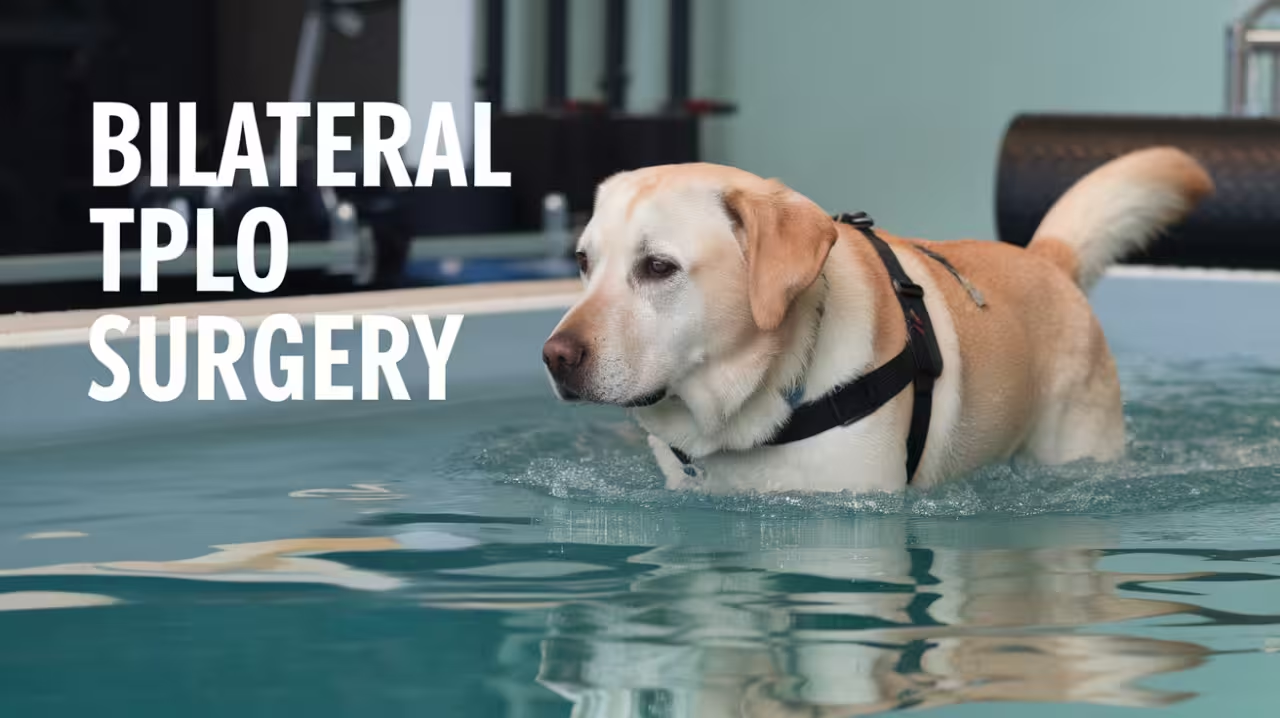
- Additional cost if both legs need surgery — If the dog requires TPLO surgery on both knees, costs will roughly double, and some clinics may offer package deals or staged surgeries.
Key Cost Drivers in Darwin
Even within Darwin, TPLO surgery prices vary due to several important factors influencing the final bill.
- Dog size/weight — Larger dogs often require bigger implants and longer surgery times, increasing costs compared to smaller breeds.
- General vet vs board-certified surgeon — Board-certified surgeons have advanced training and expertise, often charging higher fees but providing specialized care.
- City living costs + overhead in Darwin — Operating costs such as rent, staff salaries, and equipment maintenance in Darwin impact clinic pricing.
- Implant brand and surgical technology used — Clinics using premium implant brands or advanced surgical tools may charge more for these enhanced materials and techniques.
- Complication or infection risk — Cases with higher risk of complications may require additional care, monitoring, or revision surgery, increasing overall expenses.
Tips for Pet Owners in Darwin
Careful financial planning and research can help pet owners in Darwin manage TPLO surgery costs effectively.
- Ask for a detailed itemised estimate — Request a breakdown of all expected costs to understand what you are paying for and avoid surprises.
- Clarify if quote is for one leg or both — Ensure you know whether the price covers surgery on one knee or both, as this significantly affects the total cost.
- Explore pet insurance or financing options — Investigate if your pet insurance covers TPLO surgery or if clinics offer payment plans to ease financial burden. See more on pet insurance and TPLO coverage.
- Compare multiple clinics and ask about success rates — Research different providers in Darwin, their experience, and outcomes to choose the best value for your dog’s care.
- Ask about rehab or physiotherapy packages — Some clinics offer bundled rehab services that can improve recovery while managing costs. Check out TPLO recovery tips for more guidance.
Conclusion
TPLO surgery in Darwin is a significant financial decision with costs varying widely based on multiple factors. Understanding these variables and planning ahead can help pet owners avoid unexpected expenses and ensure quality care for their dogs.
Comparing quotes from different clinics and confirming what is included in the price are essential steps before proceeding. This approach helps owners make informed choices and secure the best outcome for their pets.
Frequently Asked Questions
How much does TPLO surgery cost in Darwin?
TPLO surgery in Darwin typically ranges from AUD 3,500 to 8,000 depending on the clinic, surgeon expertise, and dog size. Most owners pay around AUD 4,500 to 6,000 for standard care including surgery and basic post-op services.
Is TPLO worth the cost for dogs with CCL tears?
TPLO surgery is often considered the best option for dogs with CCL tears as it stabilizes the knee and improves long-term mobility. While costly, it can prevent arthritis and improve quality of life, making it worthwhile for many pet owners.
Can pet insurance cover TPLO surgery in Darwin?
Many pet insurance plans cover TPLO surgery, but coverage varies. Owners should check their policy details and consider insurance before surgery to help offset costs. More information is available on pet insurance and TPLO coverage.
How do I know if a TPLO quote is reasonable?
A reasonable TPLO quote should include detailed costs for surgery, anaesthesia, implants, and post-op care. Comparing multiple estimates and checking surgeon credentials can help ensure the price reflects quality care without hidden fees.
Get a Free Poster
Enhance your workspace with a high-quality radiographs reference poster, designed for veterinary professionals. This free physical poster will be shipped directly to you—just fill out the form to request your copy.
Related posts

TPLO Surgery Cost in Stockholm
TPLO surgery is a specialized procedure to repair a torn cranial cruciate ligament (CCL) in dogs. This surgery stabilizes the knee joint, helping dogs regain mobility and reduce pain. Understanding the cost of TPLO surgery is important for pet owners planning their pet’s care.
Costs vary widely based on factors like the city, surgeon experience, diagnostic tests, dog size, implants used, and post-operative rehabilitation. In Stockholm, this article covers typical price ranges, what the cost includes and excludes, key cost drivers, and tips for pet owners.
Typical TPLO Surgery Cost in Stockholm
Prices for TPLO surgery in Stockholm vary depending on the clinic, the surgeon’s expertise, and the size of the dog. Different facilities offer a range of pricing options to accommodate various needs.
- Low estimate in Stockholm — Some clinics offer TPLO surgery at a lower cost, often between 25,000 and 35,000 SEK. These prices may reflect less experienced surgeons or fewer included services. While affordable, lower-cost options might involve compromises in implant quality or post-op care.
- Average cost range in Stockholm — Most pet owners pay between 35,000 and 50,000 SEK for TPLO surgery. This range typically includes a skilled surgeon, standard implants, anesthesia, and basic post-operative care. It represents a balance of quality and affordability.
- High-end TPLO specialists in Stockholm — Premium clinics with board-certified surgeons and advanced surgical equipment may charge 50,000 to 70,000 SEK or more. These facilities often provide comprehensive care, including advanced diagnostics and rehabilitation services.
What the Cost Usually Covers
The TPLO surgery package generally includes several critical components necessary for a successful outcome. Understanding these helps owners know what they are paying for.
- Surgery itself — The procedure involves cutting and rotating the tibia to stabilize the knee joint. It requires specialized surgical skills and equipment, contributing significantly to the overall cost.
- Anaesthesia + monitoring — Safe anesthesia administration and continuous monitoring during surgery are vital to prevent complications. This requires trained staff and specialized equipment.
- Implants/plates — Stainless steel or titanium plates and screws are used to hold the bone in place. Titanium implants tend to be more expensive but offer better biocompatibility and durability.
- Post-op care and follow-up exams — Follow-up visits to monitor healing and manage pain are usually included. These ensure the surgery’s success and address any complications early.
What Might Not Be Included
Some costs are often overlooked when budgeting for TPLO surgery. These can add significantly to the total expense if not anticipated.
- Pre-surgical diagnostics — X-rays, blood tests, and other imaging may be charged separately. These tests are essential to assess the dog’s condition before surgery.
- Post-surgical rehab therapy — Physical therapy or hydrotherapy to aid recovery is often not included in the initial quote. Rehab improves outcomes but can be costly.
- Medications beyond standard pain control — Additional medications for infection or inflammation might incur extra charges depending on the dog’s needs.
- Additional cost if both legs need surgery — Bilateral TPLO surgeries require separate fees for each leg, nearly doubling the cost and recovery time.
Key Cost Drivers in Stockholm
Even within Stockholm, TPLO surgery prices vary due to several important factors. Understanding these helps owners make informed decisions.
- Dog size/weight — Larger dogs require bigger implants and longer surgery times, increasing costs. Smaller dogs generally incur lower fees.
- General vet vs board-certified surgeon — Specialists with advanced training charge more but often provide better outcomes and fewer complications.
- City living costs + overhead in Stockholm — Higher rent, staff salaries, and equipment costs in Stockholm contribute to increased surgery prices compared to smaller cities.
- Implant brand and surgical technology used — Premium implant brands and modern surgical tools raise the price but may improve healing and reduce complications.
- Complication or infection risk — Cases with higher risk may require additional care, longer hospital stays, or revision surgeries, increasing overall expenses.
Tips for Pet Owners in Stockholm
Careful financial planning and research can help pet owners manage TPLO surgery costs effectively. Here are some useful tips.
- Ask for a detailed itemised estimate — Request a breakdown of all expected costs to avoid surprises. This helps understand what is included and what may be extra.
- Clarify if quote is for one leg or both — Some dogs need surgery on both knees, which doubles the cost. Confirm whether the estimate covers one or both legs.
- Explore pet insurance or financing options — Insurance may cover part of the surgery cost. Financing plans can spread payments over time, easing financial burden.
- Compare multiple clinics and ask about success rates — Research different surgeons and facilities to find the best balance of cost, experience, and outcomes.
- Ask about rehab or physiotherapy packages — Some clinics offer bundled rehab services at discounted rates. Early rehab improves recovery and long-term joint health. For more on recovery, see TPLO recovery tips.
Conclusion
TPLO surgery is a significant financial decision for dog owners in Stockholm. Costs vary widely based on clinic, surgeon, and dog factors. Planning ahead and understanding pricing helps prevent unexpected expenses.
Comparing quotes and confirming what is included before choosing a clinic ensures the best care for your dog and peace of mind. Thoughtful preparation supports a successful surgery and recovery.
Frequently Asked Questions
How much does TPLO surgery cost in Stockholm?
TPLO surgery in Stockholm typically costs between 25,000 and 70,000 SEK. The price depends on the clinic, surgeon experience, dog size, and included services. Most owners pay around 35,000 to 50,000 SEK for a standard procedure.
Is TPLO worth the cost for dogs with CCL tears?
TPLO surgery is often worth the investment as it stabilizes the knee and improves mobility. It reduces pain and arthritis risk, offering a better quality of life compared to non-surgical treatments.
Can pet insurance cover TPLO surgery in Stockholm?
Many pet insurance plans cover TPLO surgery partially or fully, depending on the policy. Owners should check their coverage details and consider insurance before surgery. More info is available in the pet insurance and TPLO coverage article.
How do I know if a TPLO quote is reasonable?
A reasonable TPLO quote includes detailed costs for surgery, anesthesia, implants, and follow-up care. Comparing multiple estimates and checking surgeon credentials helps ensure fair pricing and quality care.
X min read

TPLO Incision Infection? Symptoms & Prevention
TPLO (Tibial Plateau Leveling Osteotomy) surgery is a common procedure to stabilize a dog's knee after a cranial cruciate ligament (CCL) rupture. It involves cutting and repositioning the tibia to reduce strain on the ligament, allowing for better joint function. Like any surgery, TPLO has a risk of complications, with incision infections being a primary concern.
Infections can happen due to bacterial contamination during surgery, improper post-op care, excessive licking or chewing of the incision, or underlying conditions like diabetes or a weakened immune system. Signs of infection include redness, swelling, warmth, discharge, and delayed healing.
The risk of infection after TPLO is relatively low, occurring in about 3-10% of cases. Factors like surgical technique, sterile conditions, and strict post-operative management greatly affect the outcome. Early detection and quick treatment with antibiotics and wound care are crucial to prevent complications and ensure a successful recovery.
Symptoms and Warning Signs of TPLO Incision Infection
Recognizing the symptoms of an infection early is crucial for preventing complications after TPLO (Tibial Plateau Leveling Osteotomy) surgery. Infections can range from mild to severe, potentially affecting healing and the long-term success of the procedure. Understanding the difference between early and advanced signs can help ensure timely intervention.
Early Signs of Infection
In the initial stages, an infection may present with mild symptoms that can sometimes be mistaken for normal healing. These include:
- Redness and swelling around the incision site, which may be slightly warm to the touch.
- Mild pain or tenderness, which persists beyond the expected post-surgical discomfort.
- Clear or slightly yellow discharge, which may indicate the presence of bacteria.
If detected at this stage, infections are often manageable with topical treatments, antibiotics, and proper wound care.
Advanced Signs of Infection
As an infection worsens, more severe symptoms may develop, indicating deeper tissue involvement and potential systemic infection. These include:
- Thick, pus-like discharge from the incision, often accompanied by a foul odor.
- Significant swelling and warmth, which may extend beyond the incision area.
- Fever and lethargy, as the body mounts an immune response.
- Increased lameness or reluctance to bear weight, signaling pain or joint involvement.
Advanced infections require urgent veterinary care, as untreated cases can lead to delayed healing, implant complications, or systemic illness. Immediate intervention, such as antibiotics, wound debridement, or even surgical revision, may be necessary.
Monitoring the incision closely in the weeks following TPLO surgery is essential. Any changes in the wound’s appearance, excessive discomfort, or behavioral changes in your dog should be reported to a veterinarian promptly to prevent complications.
Causes of TPLO Incision Infection
A TPLO (Tibial Plateau Leveling Osteotomy) incision infection can occur due to various factors, either during the surgery or in the post-operative recovery period. Identifying and minimizing these risks is essential for ensuring a smooth healing process.
Bacterial Contamination During or After Surgery
Despite strict sterile protocols, bacteria can sometimes enter the surgical site during the procedure. This can happen due to contamination from the skin, surgical instruments, or even the surrounding environment. Post-operatively, improper wound care or exposure to unclean surfaces can introduce bacteria, increasing infection risk.
Poor Post-Op Wound Care
Proper post-operative care is critical to prevent infection. Failure to keep the incision clean and dry, skipping prescribed antibiotics, or neglecting follow-up visits can allow bacteria to proliferate. Owners must follow all veterinary instructions carefully, including cleaning protocols and medication administration.
Licking or Chewing the Incision Site
Dogs instinctively lick their wounds, which can introduce bacteria from their mouths into the incision. Excessive licking or chewing can also cause trauma to the site, delaying healing. The use of an Elizabethan collar (E-collar) or medical pet shirt is essential to prevent self-inflicted wound contamination.
Moisture Buildup Around the Incision
A damp environment around the incision can promote bacterial growth. Moisture can accumulate from bathing, wet bedding, or excessive sweating, making it essential to keep the area dry until fully healed.
Underlying Health Conditions
Dogs with pre-existing conditions such as diabetes, Cushing’s disease, or immune disorders have a higher risk of infection due to impaired wound healing. Such cases require extra vigilance in monitoring for signs of infection.
Implants and Their Role in Infection Risk
The metal implants used in TPLO surgery can serve as a surface for bacterial adhesion. If bacteria form a biofilm on the implant, it can lead to a deep-seated infection that may require implant removal or surgical revision.
To minimize this risk, many surgeons use Simini Protect Lavage, a non-antibiotic surgical lavage designed to reduce bacterial contamination and prevent biofilm formation. Unlike traditional solutions, Simini Protect Lavage actively disrupts bacterial adhesion, helping to lower infection risks without contributing to antibiotic resistance. Its use in TPLO and other orthopedic procedures has shown promising results in enhancing post-surgical outcomes.
Preventing infection requires a combination of strict surgical protocols, diligent post-op care, and close monitoring of the incision site for any signs of complications.
How TPLO Infections Are Diagnosed
Diagnosing a TPLO incision infection requires a thorough evaluation by a veterinarian to determine the severity and appropriate treatment plan. Early detection is key to preventing complications such as delayed healing, deep tissue infections, or implant failure.
Physical Examination
The first step in diagnosing an infection is a detailed physical examination of the incision site. The veterinarian will check for common signs of infection, including:
- Redness and swelling around the incision.
- Abnormal discharge (pus, thick yellow fluid, or foul-smelling secretions).
- Increased warmth in the surrounding tissue.
- Pain response when the area is gently palpated.
- Signs of systemic illness, such as fever or lethargy.
Diagnostic Tests
If an infection is suspected, further diagnostic tests help confirm the presence and extent of the infection.
- Wound Culture and Sensitivity Test - A swab of the incision site is collected to identify the specific bacterial strain causing the infection. This helps determine the most effective antibiotic treatment.
- Complete Blood Count (CBC) - Blood tests check for elevated white blood cell counts (WBCs), which indicate an immune response to infection. Other markers, such as increased neutrophils, may suggest a bacterial infection.
- X-rays or Advanced Imaging - If the infection has progressed or involves the surgical implants, X-rays or ultrasound imaging may be used to assess deep tissue involvement. In some cases, an infection can lead to osteomyelitis (bone infection) or implant loosening, requiring further surgical intervention.
Prompt and accurate diagnosis ensures that treatment is initiated quickly, reducing the risk of complications and improving the chances of a full recovery.
Potential Complications of an Untreated TPLO Incision Infection
If a TPLO incision infection is left untreated, it can lead to serious complications that may jeopardize the success of the surgery and the dog’s long-term mobility. Early intervention is crucial to prevent these risks.
Implant Failure and the Need for Removal or Revision Surgery
TPLO surgery involves the placement of metal implants (plates and screws) to stabilize the tibia. If bacteria colonize the implant, they can form a biofilm, making the infection difficult to treat with antibiotics alone. This can lead to implant loosening or failure, requiring removal or revision surgery to replace the affected hardware. A second surgery increases recovery time and risk of further complications.
Read more about - Signs of TPLO Failure in Dogs & When to See a Vet
Deep Bone Infection (Osteomyelitis)
When an infection spreads beyond the incision site into the bone tissue, it can cause osteomyelitis, a severe and persistent infection. Bone infections are challenging to treat and often require long-term antibiotics, surgical debridement, or even partial bone removal in extreme cases. Osteomyelitis can significantly delay healing and may compromise limb function.
Delayed Healing, Prolonged Pain, and Lameness
An untreated infection slows down wound healing, leading to persistent inflammation, chronic pain, and prolonged lameness. Infections interfere with the body’s natural healing process, increasing the risk of poor scar formation and weakening the stability of the joint. This can result in long-term mobility issues, affecting the dog’s quality of life.
Risk of Systemic Infection (Sepsis)
If bacteria enter the bloodstream, the infection can become systemic, leading to sepsis, a life-threatening condition. Sepsis causes widespread inflammation, organ dysfunction, and severe illness. Immediate hospitalization, intravenous antibiotics, and aggressive supportive care are required in such cases.
Preventing complications requires early diagnosis, strict post-op care, and immediate treatment of any signs of infection to ensure a smooth recovery.
Treatment Options for TPLO Incision Infections
A TPLO incision infection requires prompt and appropriate treatment to prevent complications and ensure proper healing. The treatment plan depends on the severity of the infection, the presence of bacterial colonization on the implants, and the dog’s overall health.
Antibiotic Therapy
Antibiotics are the first line of treatment for a TPLO incision infection. The choice of antibiotic depends on wound culture and sensitivity testing, ensuring effective targeting of the bacteria.
- Oral antibiotics (e.g., cephalexin, clindamycin, or enrofloxacin) are commonly prescribed for mild to moderate infections.
- Topical antibiotics (e.g., silver sulfadiazine or mupirocin) may be used to manage surface-level infections.
- If the infection is deep-seated or spreading, intravenous (IV) antibiotics may be required for better systemic control.
Wound Cleaning and Care
Proper wound care helps clear bacteria and promote healing. This includes:
- Cleaning the incision with veterinary-approved antiseptic solutions (chlorhexidine or diluted povidone-iodine).
- Avoiding excessive moisture buildup around the wound.
- Preventing licking or chewing with an Elizabethan collar (E-collar) or medical pet shirt.
- Ensuring the bandage (if used) is clean and changed as recommended by the veterinarian.
Pain Management
Infections cause inflammation and discomfort, so pain relief is an important part of treatment.
- Non-steroidal anti-inflammatory drugs (NSAIDs) such as carprofen or meloxicam may be prescribed to reduce pain and swelling.
- If severe discomfort persists, stronger pain relievers may be necessary.
Surgical Intervention
For infections that do not respond to antibiotics or involve the implants, surgical intervention may be needed:
- Flushing and debridement – The vet may clean and remove infected tissue under anesthesia to prevent further bacterial spread.
- Implant removal or revision – If bacteria have colonized the TPLO plate and screws, implant removal may be necessary, followed by a prolonged course of antibiotics to clear the infection.
Timely and appropriate treatment is essential to prevent long-term complications and ensure a smooth recovery. Close veterinary supervision and adherence to post-op care instructions significantly improve outcomes.
When to Call Your Veterinarian
Recognizing the signs of a TPLO incision infection early and seeking veterinary care promptly can prevent serious complications. Certain symptoms indicate the need for immediate medical attention:
- Excessive swelling, redness, or warmth around the incision.
- Thick, pus-like discharge or a foul odor from the wound.
- Persistent pain or worsening lameness beyond the expected healing period.
- Fever, lethargy, or loss of appetite, which may indicate a systemic infection.
- Sudden changes in behavior, such as reluctance to move or increased sensitivity around the incision.
How Quickly Should an Infection Be Addressed?
If you notice any signs of infection, contact your veterinarian immediately. Mild infections caught early may be treated with antibiotics and wound care, but delays in treatment can lead to deeper infections, increasing the risk of implant failure or systemic illness.
What to Expect During a Vet Visit
Your veterinarian will:
- Perform a physical examination of the incision.
- Conduct diagnostic tests (wound cultures, blood tests, or X-rays) if needed.
- Prescribe antibiotics or pain medication based on the infection’s severity.
- Recommend wound cleaning protocols or, in severe cases, surgical intervention to remove infected tissue or implants.
Prompt veterinary care ensures a smoother recovery and reduces the risk of long-term complications.
Preventing TPLO Incision Infections
Preventing infection after TPLO surgery is crucial for ensuring a smooth recovery and avoiding complications. Proper post-operative care significantly reduces the risk of infection and promotes faster healing.
Proper At-Home Wound Care Routine
A clean and well-maintained incision site is essential for preventing bacterial growth. Follow these steps to ensure proper wound care:
- Inspect the incision daily for redness, swelling, or discharge.
- Use vet-approved antiseptic solutions if cleaning is necessary.
- Avoid touching the wound with unclean hands to prevent contamination.
- Follow the prescribed antibiotic regimen to eliminate any potential bacterial infections.
Importance of E-Collars to Prevent Licking
Dogs instinctively lick wounds, but their mouths contain bacteria that can introduce infection.
- An Elizabethan collar (E-collar) or medical pet shirt should be used at all times until the incision fully heals.
- Even brief periods of licking can introduce bacteria, delaying healing and increasing infection risk.
Keeping the Incision Dry and Clean
Moisture creates an ideal environment for bacterial growth, so it’s important to:
- Prevent the incision from getting wet—no bathing or swimming until cleared by the vet.
- Keep the bedding clean and dry to avoid contamination.
- If the incision gets wet, gently pat it dry with a clean, soft cloth.
Following Post-Op Care Instructions Strictly
Veterinary post-op guidelines should be followed precisely, including:
- Restricted activity to prevent excessive movement that could stress the incision.
- Proper medication schedules, including antibiotics and pain relievers.
- Scheduled follow-up visits to monitor healing progress.
Monitoring for Any Early Signs of Infection
Even with proper care, infections can still develop. Watch for:
- Redness, swelling, or discharge from the incision.
- Excessive licking or signs of discomfort around the area.
- Changes in behavior, such as lethargy or reluctance to move.
By taking proactive steps in at-home care, pet owners can significantly reduce the chances of post-operative infections and support a successful TPLO recovery.
Read more about:
- TPLO Failure Symptoms
- TPLO Surgery Cost Guide
- Long-Term Outcomes of TPLO Surgery
- Common Causes of Limping in Dogs Post-TPLO Surgery
Conclusion
A TPLO incision infection can slow down healing and cause serious problems if not treated. It's important to notice early signs of infection, like redness, swelling, discharge, or increased pain, to prevent further issues. Quick veterinary care can greatly improve recovery results.
Proper post-operative wound care, such as keeping the incision clean and dry, using an E-collar to prevent licking, and following all prescribed medications, helps reduce the risk of infection. Watching for any changes in the incision site or behavior allows for early action if needed.
If an infection happens, quick diagnosis and treatment with antibiotics, wound care, or surgery ensure the best recovery possible. By being watchful and proactive in post-op care, pet owners can support a smooth healing process and help their dog regain mobility safely.
FAQs
How do I know if my TPLO incision is infected?
A TPLO incision infection may show signs such as redness, swelling, warmth, and abnormal discharge (yellow, pus-like, or foul-smelling fluid). The incision may become painful, and your dog might show increased licking, lethargy, fever, or reluctance to walk. If you notice any of these symptoms, contact your veterinarian immediately for evaluation and treatment.
How do you treat a TPLO infection?
Treatment depends on the severity of the infection. Mild cases may be managed with oral antibiotics and wound cleaning, while severe infections might require intravenous antibiotics, wound flushing, or even implant removal if bacteria form a biofilm. Pain management and restricted movement are also essential for recovery. Early treatment ensures the best outcomes and prevents complications like deep bone infections or implant failure.
What to do if my dog's incision is infected?
If you suspect an infection, contact your veterinarian immediately. Avoid cleaning the wound with unapproved solutions, and prevent your dog from licking the incision by using an E-collar or protective covering. The vet may prescribe antibiotics, pain relief, or wound debridement depending on the infection's severity. Delaying treatment can worsen the infection and lead to complications.
How common is infection after TPLO surgery?
Infections after TPLO surgery are relatively uncommon, occurring in about 3-10% of cases. The risk increases with factors like poor post-op care, excessive licking, moisture exposure, or underlying health issues such as diabetes or immune suppression. Following strict wound care protocols and monitoring for early signs of infection significantly reduces the risk.
What is the infection rate for TPLO?
The infection rate for TPLO surgery ranges from 3-10%, depending on factors such as surgical technique, sterility, and post-operative care. Using advanced infection prevention methods, such as Simini Protect Lavage, proper antibiotic use, and strict wound monitoring, can help minimize infection risks. Prompt intervention at the first sign of infection is essential.
What does the start of an infected incision look like?
The early signs of an infected TPLO incision include increased redness, mild swelling, warmth, and clear to yellow discharge. The area may become more painful than expected during normal healing, and your dog may lick or chew the incision excessively. If left untreated, symptoms can worsen, leading to pus formation, odor, and systemic illness. Any suspicious changes should be evaluated by a veterinarian immediately.
X min read

When to Start Physical Therapy After TPLO Surgery
Understanding the Role of Physical Therapy After TPLO Surgery
Physical therapy plays a critical role in helping dogs recover safely after TPLO surgery. It supports joint healing, improves muscle strength, and restores normal walking patterns without stressing the repaired tibia. A structured therapy plan, guided by your vet, ensures controlled progress and prevents complications.
- Promotes Recovery and Strength: Gentle exercises improve circulation, prevent stiffness, and rebuild muscle mass lost during rest.
- Restores Flexibility and Motion: Controlled movements help the stifle joint regain its natural range of motion over time.
- Reduces Pain and Swelling: Physical therapy techniques like passive motion and hydrotherapy aid healing while minimizing inflammation.
- Prevents Long-Term Weakness: Without therapy, muscle loss or uneven weight-bearing may delay full recovery.
Properly timed therapy ensures balanced healing, reducing risks of reinjury or joint strain.
Typical Timeline: When to Start Physical Therapy After TPLO Surgery
Starting physical therapy at the right time is crucial for a dog’s recovery after TPLO surgery. Most dogs can begin gentle rehab once the incision is healed and swelling has reduced, typically around 7–14 days post-surgery. However, every case differs depending on age, breed, and healing progress.
- Vet-Guided Start: Physical therapy should always begin under your veterinarian’s guidance to avoid stressing the surgical site too soon.
- Early Readiness Signs: Once the incision is dry, pain is controlled, and your dog bears limited weight on the operated leg, it’s usually safe to start mild exercises.
- Customized Timing: Puppies and smaller breeds often heal faster than older or larger dogs, so rehab schedules should match individual recovery speeds.
- Progress-Based Approach: Therapy intensity increases gradually—from passive motion to active exercises—based on how your dog responds to early movements.
- Avoiding Setbacks: Starting too early or overexerting the limb can cause inflammation or jeopardize the bone plate’s stability.
Proper timing ensures muscles strengthen safely, the joint regains mobility, and your dog avoids complications during recovery.
Early Recovery Phase (Days 1–14) After TPLO Surgery
The first two weeks after TPLO surgery focus entirely on rest, incision care, and controlled movement. This period allows bone and tissue healing to begin without strain on the surgical plate or sutures.
- Strict Rest and Confinement: Dogs should remain in a confined, quiet area with minimal movement to avoid accidental slips or jumps.
- Short Leash Walks: Only brief walks for bathroom breaks—less than five minutes at a time—are allowed under full supervision.
- Cold Compresses: Applying ice packs to the knee for 10–15 minutes several times a day reduces swelling and pain.
- Incision Monitoring: Owners should check the surgical site daily for redness, discharge, or swelling before therapy begins.
- Avoid Exercise or Play: Running, jumping, or climbing stairs can delay bone healing and increase inflammation.
During this phase, the goal is to protect the repair site while maintaining comfort. Once the incision fully heals, your vet may approve gentle range-of-motion therapy.
Intermediate Phase (Weeks 2–6): Gentle Physical Therapy Begins
Between weeks two and six, structured physical therapy typically starts. The focus shifts from passive healing to controlled movement that encourages flexibility, strength, and improved limb use.
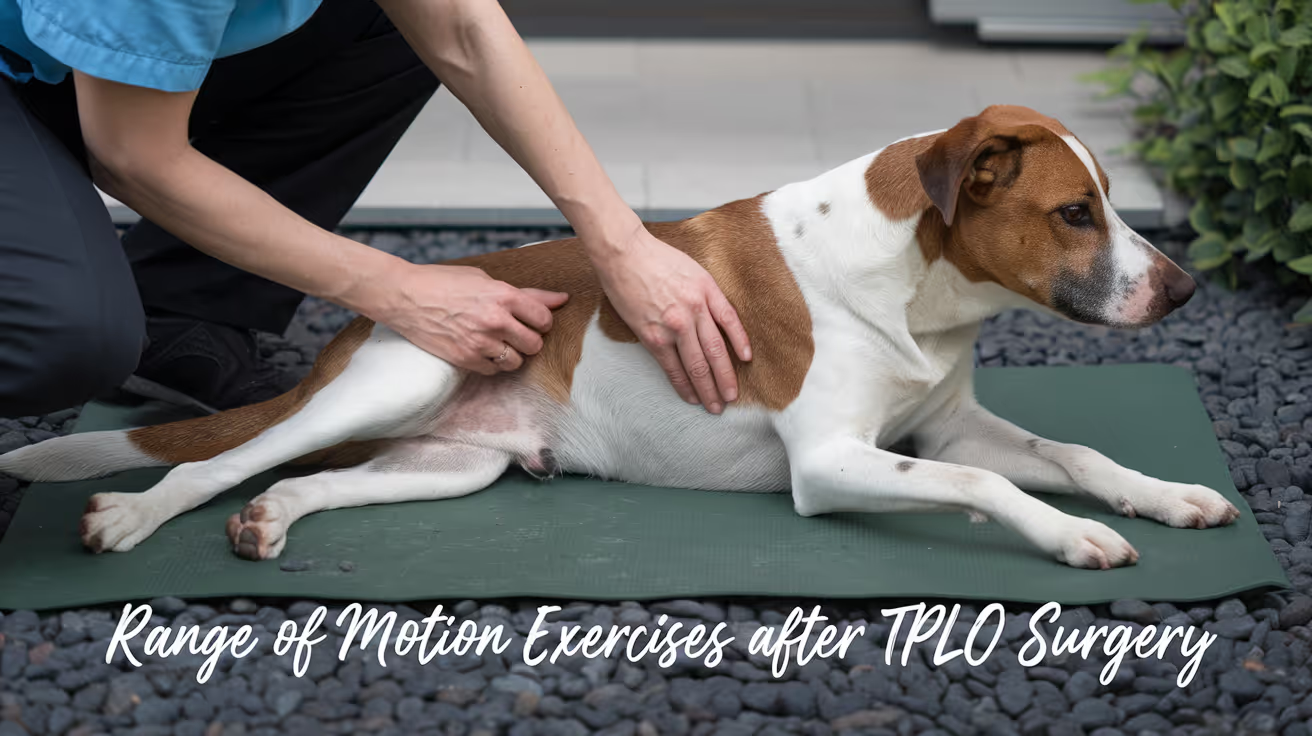
- Passive Range-of-Motion (PROM): Gentle joint movement helps prevent stiffness and promotes healthy cartilage recovery when done under professional supervision.
- Assisted Standing: Supported standing exercises help dogs gradually bear weight on the surgical leg without stressing the joint.
- Short Leash Walks: Walks of 5–10 minutes, two to three times daily, build muscle endurance safely.
- Hydrotherapy Option: Underwater treadmill therapy, when approved by your vet, provides resistance without joint strain, improving strength faster.
- Pain and Swelling Checks: Each session should be followed by light icing and monitoring for signs of fatigue or discomfort.
This stage is where progress becomes visible. Regular consistency ensures a steady transition from limited movement to controlled mobility without risking re-injury.
Advanced Recovery Phase (Weeks 6–12): Strength and Balance Work
By the 6–12 week mark, most dogs regain stable bone healing, allowing more advanced exercises to rebuild strength, coordination, and balance. The aim is to restore natural gait and confidence in limb use.
- Active Strength Exercises: Sit-to-stand drills and slow, controlled walking help rebuild thigh and core muscles.
- Balance and Coordination Work: Balance pads or gentle inclines improve proprioception and even weight distribution across all legs.
- Stair Climbing (Controlled): Supervised, slow stair work helps develop joint stability and flexibility.
- Hydrotherapy or Swimming: Low-impact water exercises maintain endurance without stressing healing tissues.
- Ongoing Vet Evaluation: Regular X-rays or physical assessments confirm proper bone union before increasing intensity.
This phase focuses on steady muscle recovery and posture correction to prepare the dog for normal daily movement. Patience and consistency are key to safe progress.
Late Phase (After 12 Weeks): Return to Normal Activity
After three months, most dogs are ready to transition toward normal life. However, this final stage must be gradual to prevent relapse or strain on the healing knee.
- Resuming Normal Walks: Begin with short, consistent outdoor walks before returning to pre-surgery activity levels.
- Gradual Play Reintroduction: Controlled play sessions on soft ground help test endurance without risking overexertion.
- Agility and Sports: Dogs involved in sports or agility should reintroduce jumps and running only after veterinary clearance.
- Muscle Conditioning: Continued exercises like swimming or uphill walking maintain muscle tone and joint flexibility.
- Final Vet Check: A full assessment ensures bone healing, muscle symmetry, and joint stability before releasing all restrictions.
By this stage, your dog should move comfortably and confidently. Continued low-impact exercise helps preserve joint health and prevent future ligament strain.
Signs You May Need to Delay Physical Therapy After TPLO Surgery
Starting physical therapy too soon after TPLO can cause more harm than good. The body needs time for bone healing and incision recovery before introducing movement. Recognizing warning signs early helps prevent complications and ensures your dog’s safety during rehabilitation.
- Redness or Swelling Around the Incision: Any inflammation, heat, or discharge from the surgical site means healing isn’t complete. Physical activity could reopen the wound or cause infection.
- Pain During or After Mild Activity: Whimpering, licking the surgical area, or avoiding movement signals discomfort and may indicate tissue irritation or joint inflammation.
- Limping or Sudden Lameness: If your dog starts limping after short walks, it’s a sign the leg isn’t ready for increased activity yet.
- Fluid or Seroma Formation: Swelling under the incision may suggest fluid buildup, which requires veterinary attention before resuming exercises.
- Reluctance to Bear Weight: Dogs that hesitate to use the operated leg may still be in the early recovery phase and need more rest.
Pausing therapy until your vet confirms readiness helps protect bone healing, avoid reinjury, and ensure long-term recovery success.
Benefits of Starting Physical Therapy at the Right Time After TPLO Surgery
Starting physical therapy at the correct stage makes all the difference in how quickly and effectively your dog regains normal function. Proper timing promotes muscle recovery, strengthens the joint, and enhances overall mobility without risking surgical damage.
- Accelerated Muscle Recovery: Gentle, timely exercises prevent muscle atrophy and help rebuild strength lost during the rest phase.
- Better Joint Stability: Controlled movements restore balance between supporting muscles, protecting the stifle joint from future strain or instability.
- Reduced Risk of Complications: Appropriate rehab timing prevents swelling, incision reopening, and plate stress while improving blood circulation to healing tissues.
- Improved Range of Motion: Gradual stretching and weight-bearing help regain flexibility and prevent long-term stiffness or gait imbalance.
- Enhanced Long-Term Mobility: Well-timed therapy strengthens both legs, minimizing compensation-related injuries and supporting lifelong mobility.
Physical therapy started under veterinary guidance not only speeds recovery but also ensures your dog regains strength, comfort, and confidence safely.
Working With a Certified Canine Rehabilitation Specialist After TPLO Surgery
Professional canine rehabilitation offers a safer, structured, and evidence-based approach to TPLO recovery compared to unsupervised home exercises. A certified specialist customizes therapy to match your dog’s condition, age, and progress.
- Customized Recovery Plans: Specialists assess your dog’s muscle tone, joint movement, and surgical healing to create personalized exercises for safe progression.
- Advanced Equipment and Techniques: Clinics may use underwater treadmills, laser therapy, or balance tools that provide resistance training without joint stress.
- Supervised Progress Tracking: Each session is monitored for pain response, mobility improvement, and healing consistency to prevent overexertion.
- Education for Owners: Rehabilitation professionals teach correct exercise techniques so owners can safely continue therapy at home between visits.
- Comprehensive Evaluation: Regular assessments help modify the plan based on progress, ensuring efficient recovery and reduced reinjury risk.
Working with a certified canine rehab specialist ensures your dog receives expert-guided therapy, improving outcomes, safety, and confidence during every phase of recovery.
Conclusion
Physical therapy is essential for restoring your dog’s strength, balance, and confidence after TPLO surgery. When started at the right time, it prevents stiffness, builds muscle, and protects the joint from future injury.
- Ideal Timeline: Begin light exercises around 7–14 days post-surgery once the incision heals and your vet confirms readiness.
- Gradual Progression: Each rehab phase—passive motion, gentle walking, and strength building—should progress slowly to avoid setbacks.
- Professional Guidance: Always consult your veterinarian or a certified rehab specialist before changing activity levels or adding new exercises.
- Long-Term Benefit: Consistent, structured physical therapy not only speeds recovery but also ensures lifelong joint health and improved mobility.
A patient, guided approach to physical therapy ensures your dog heals stronger, moves better, and enjoys a full, active life after TPLO surgery.
FAQs
When should I start exercises after TPLO surgery?
Most dogs begin gentle physical therapy 7–14 days after TPLO surgery, once the incision is fully healed and swelling has subsided. Your vet will assess bone stability before clearing you to start. Beginning too early can strain the surgical plate or cause inflammation, so always follow veterinary advice.
What type of therapy helps my dog recover faster?
Hydrotherapy, passive range-of-motion exercises, and short, controlled leash walks are most effective during early rehab. As recovery progresses, balance training, strengthening drills, and swimming improve muscle tone and stability without stressing the joint.
Can I do therapy at home or should I visit a rehab center?
Simple exercises like gentle walking and passive stretching can be done at home under veterinary guidance. However, a certified canine rehabilitation specialist offers professional monitoring, hydrotherapy access, and advanced modalities for faster, safer progress.
How long does TPLO physical therapy last?
Most dogs complete a structured therapy plan within 8–12 weeks, but recovery time varies with age, size, and healing rate. Some high-energy or large breeds may need continued conditioning for up to four months before returning to full activity.
What signs show my dog is ready for more activity?
Improved weight-bearing, smoother walking, and equal use of both hind legs indicate readiness for advanced exercises. Your vet may also perform stability checks or follow-up X-rays before approving increased activity or off-leash play.
X min read

TPLO Surgery Cost in Hobart
TPLO surgery is a specialized procedure to repair a torn cranial cruciate ligament (CCL) in dogs. This surgery stabilizes the knee joint, helping dogs regain mobility and reduce pain. Understanding the cost is important for pet owners facing this significant treatment decision.
Costs vary widely in Hobart due to factors like surgeon experience, diagnostic tests, dog size, implant type, and rehabilitation needs. This article covers typical price ranges, what is included and excluded, key cost drivers, and tips for pet owners in Hobart.
Typical TPLO Surgery Cost in Hobart
Prices for TPLO surgery in Hobart vary depending on the clinic, surgeon expertise, and the size of your dog. Each factor influences the final cost significantly.
- Low estimate in Hobart — Some veterinary clinics offer TPLO surgery starting around $3,500. These lower prices may reflect less experienced surgeons or fewer included services. While more affordable, owners should verify the quality of care and post-op support.
- Average cost range in Hobart — Most dog owners pay between $4,500 and $5,500 for TPLO surgery. This range typically includes surgery, anesthesia, implants, and basic post-operative care, representing the standard quality level in the city.
- High-end TPLO specialists in Hobart — Premium clinics with board-certified surgeons and advanced surgical technology may charge $6,000 to $6,500 or more. These providers often offer comprehensive care packages and specialized rehabilitation services.
What the Cost Usually Covers
TPLO surgery pricing generally includes several key components essential for a successful outcome. Understanding these helps owners know what to expect.
- Surgery itself — The procedure involves cutting and rotating the tibia to stabilize the knee. This complex surgery requires skill and specialized equipment, contributing significantly to the cost.
- Anaesthesia + monitoring — General anesthesia is critical for pain-free surgery. Continuous monitoring ensures your dog’s safety throughout the procedure, adding to the overall expense.
- Implants/plates — Stainless steel or titanium plates and screws are used to secure the bone. Titanium implants tend to be more expensive but offer better biocompatibility and durability.
- Post-op care and follow-up exams — Follow-up visits to monitor healing and manage pain are typically included. These appointments are vital for a smooth recovery and help detect complications early.
What Might Not Be Included
Some costs are often overlooked by pet owners when budgeting for TPLO surgery. Being aware can prevent unexpected expenses.
- Pre-surgical diagnostics — X-rays, blood tests, and other diagnostics before surgery may be billed separately. These tests assess your dog’s overall health and surgical suitability.
- Post-surgical rehab therapy — Physical therapy or hydrotherapy can improve recovery but is usually an additional cost. Rehab sessions help restore strength and mobility after surgery.
- Medications beyond standard pain control — Some dogs require antibiotics or anti-inflammatory drugs beyond the initial prescription, which can add to expenses.
- Additional cost if both legs need surgery — If your dog requires TPLO on both knees, expect the cost to roughly double, though some clinics may offer package discounts.
Key Cost Drivers in Hobart
Even within Hobart, TPLO surgery prices vary due to several important factors. Understanding these helps owners make informed decisions.
- Dog size/weight — Larger dogs often require bigger implants and longer surgery time, increasing costs. Smaller dogs may have less expensive procedures.
- General vet vs board-certified surgeon — Board-certified surgeons have advanced training and may charge more, but often provide higher success rates and fewer complications.
- City living costs + overhead in Hobart — Clinic rent, staff salaries, and equipment maintenance in Hobart influence pricing. Higher overhead leads to higher surgery costs.
- Implant brand and surgical technology used — Premium implant brands and modern surgical tools add to expenses but can improve outcomes and reduce recovery time.
- Complication or infection risk — If complications arise, additional treatments or surgeries may be needed, increasing the total cost significantly.
Tips for Pet Owners in Hobart
Careful financial planning and research can help pet owners manage TPLO surgery costs effectively in Hobart.
- Ask for a detailed itemised estimate — Request a breakdown of all expected costs to understand what you are paying for and avoid surprises.
- Clarify if quote is for one leg or both — Confirm whether the price covers one knee or both, especially if your dog may need bilateral surgery.
- Explore pet insurance or financing options — Some policies cover TPLO surgery. Financing plans can also help spread out payments over time.
- Compare multiple clinics and ask about success rates — Research different providers’ experience and outcomes to choose the best option for your dog’s needs.
- Ask about rehab or physiotherapy packages — Inquire if clinics offer bundled rehab services, which can improve recovery and sometimes reduce overall costs.
Conclusion
TPLO surgery is a major financial commitment for dog owners in Hobart. Costs vary widely depending on clinic, surgeon, and dog-specific factors. Planning ahead and understanding pricing details can help avoid unexpected expenses.
Comparing quotes and confirming what is included before choosing a clinic ensures you get the best value and care for your dog’s TPLO surgery. Proper preparation supports a smoother recovery and better outcome.
Frequently Asked Questions
How much does TPLO surgery cost in Hobart?
TPLO surgery in Hobart typically ranges from $3,500 to $6,500. The final price depends on the clinic, surgeon expertise, dog size, and included services. Most owners pay around $4,500 to $5,500 for a comprehensive package.
Is TPLO worth the cost for dogs with CCL tears?
Yes, TPLO surgery is often worth the investment as it stabilizes the knee and improves mobility. It reduces long-term arthritis risk and pain, offering a better quality of life for dogs with CCL tears.
Can pet insurance cover TPLO surgery in Hobart?
Many pet insurance plans cover TPLO surgery, but coverage varies. It’s important to check your policy details and pre-authorization requirements to understand what costs will be reimbursed.
How do I know if a TPLO quote is reasonable?
A reasonable TPLO quote includes surgery, anesthesia, implants, and post-op care. Comparing multiple estimates and asking for itemized costs helps ensure the price matches the quality of care offered.
X min read

TPLO Surgery Cost in Nottingham
TPLO surgery is a common procedure to repair a torn cranial cruciate ligament (CCL) in dogs. This surgery stabilizes the knee joint, helping dogs regain mobility and reduce pain. Understanding the cost of TPLO surgery is important for pet owners facing this decision.
Costs vary widely based on location, surgeon experience, diagnostic tests, dog size, implants used, and rehabilitation needs. In Nottingham, this article covers typical price ranges, what is included or excluded, key cost drivers, and tips for owners planning TPLO surgery.
Typical TPLO Surgery Cost in Nottingham
Prices for TPLO surgery in Nottingham vary depending on the clinic, the surgeon’s expertise, and the size of your dog. Different practices may offer varying levels of service and technology, affecting the final cost.
- Low estimate in Nottingham — Some veterinary clinics offer TPLO surgery at a lower price point, often between £2,000 and £2,500. These clinics may have less experienced surgeons or use more basic implants. While affordable, the lower cost might mean fewer included services or less advanced post-op care.
- Average cost range in Nottingham — Most pet owners in Nottingham pay between £2,500 and £3,500 for TPLO surgery. This range typically includes surgery by experienced surgeons, standard implants, and basic post-operative care. This is considered the standard pricing for quality treatment.
- High-end TPLO specialists in Nottingham — Premium clinics with board-certified surgeons and advanced surgical equipment may charge £3,500 to £4,500 or more. These clinics often provide comprehensive care packages, including advanced diagnostics and rehabilitation services.
What the Cost Usually Covers
TPLO surgery packages generally include several key components essential for a successful outcome. Understanding what is covered helps owners plan financially.
- Surgery itself — The main procedure involves cutting and rotating the tibia to stabilize the knee. This complex surgery requires specialized skills and equipment, which contribute significantly to the cost.
- Anaesthesia + monitoring — General anaesthesia is necessary for TPLO surgery. Continuous monitoring during the procedure ensures your dog’s safety, adding to the overall expense.
- Implants/plates — Stainless steel or titanium plates and screws are used to secure the bone. Titanium implants tend to be more expensive but may offer better biocompatibility and durability.
- Post-op care and follow-up exams — Follow-up visits to check healing progress and manage pain are usually included. This care is vital to ensure a successful recovery.
What Might Not Be Included
Some costs are often overlooked by owners when budgeting for TPLO surgery. These additional expenses can add up.
- Pre-surgical diagnostics — X-rays, blood tests, and other diagnostics before surgery may be billed separately. These tests are important to assess your dog’s overall health and plan the surgery.
- Post-surgical rehab therapy — Physical therapy or hydrotherapy after surgery is often not included. These services can improve recovery but may increase total costs.
- Medications beyond standard pain control — Additional medications for infection or inflammation might be needed and are usually extra.
- Additional cost if both legs need surgery — If your dog requires TPLO on both knees, the cost will roughly double, though some clinics may offer package discounts.
Key Cost Drivers in Nottingham
Even within Nottingham, TPLO surgery prices can vary due to several factors. Understanding these helps owners make informed choices.
- Dog size/weight — Larger dogs often require bigger implants and longer surgery times, increasing costs.
- General vet vs board-certified surgeon — Specialists with advanced training typically charge more but may offer better outcomes.
- City living costs + overhead in Nottingham — Clinics in central Nottingham may have higher fees due to rent and staffing expenses.
- Implant brand and surgical technology used — High-quality implants and modern surgical tools can raise prices but improve success rates.
- Complication or infection risk — If complications arise, additional treatments and longer hospital stays will increase the total cost.
Tips for Pet Owners in Nottingham
Careful financial planning can ease the burden of TPLO surgery costs. Here are some tips for Nottingham pet owners.
- Ask for a detailed itemised estimate — Request a full breakdown of costs to understand what you are paying for and avoid surprises.
- Clarify if quote is for one leg or both — Ensure you know whether the estimate covers surgery on one or both knees, as this significantly affects cost.
- Explore pet insurance or financing options — Insurance may cover part of the surgery, and some clinics offer payment plans to spread costs.
- Compare multiple clinics and ask about success rates — Research different providers in Nottingham and inquire about their experience and outcomes.
- Ask about rehab or physiotherapy packages — Some clinics offer bundled rehab services that can support recovery and may be more cost-effective.
Conclusion
TPLO surgery is a significant financial commitment for dog owners in Nottingham. Costs vary widely based on many factors, so planning ahead is essential to avoid unexpected expenses. Understanding typical price ranges and what is included helps owners prepare effectively.
Comparing quotes from multiple clinics and confirming exactly what services are covered ensures you make the best choice for your dog’s health and your budget. Thoughtful preparation leads to better outcomes and peace of mind.
Frequently Asked Questions
How much does TPLO surgery cost in Nottingham?
TPLO surgery in Nottingham typically costs between £2,000 and £4,500. The price depends on the clinic, surgeon expertise, dog size, and included services. Most owners pay around £2,500 to £3,500 for quality care.
Is TPLO worth the cost for dogs with CCL tears?
TPLO is often considered the best surgical option for CCL tears, providing stability and reducing arthritis risk. While costly, it can significantly improve your dog’s quality of life and mobility.
Can pet insurance cover TPLO surgery in Nottingham?
Many pet insurance plans cover TPLO surgery, but coverage varies. It’s important to check your policy details and pre-authorization requirements before surgery.
How do I know if a TPLO quote is reasonable?
A reasonable TPLO quote should include surgery, anaesthesia, implants, and follow-up care. Comparing multiple estimates and checking surgeon credentials helps ensure fair pricing.
X min read

Does Pet Insurance Cover TPLO Surgery in Dogs?
Understanding TPLO Surgery and Why It’s Needed
Tibial Plateau Leveling Osteotomy (TPLO) is a surgical procedure used to repair a torn cranial cruciate ligament (CCL) in dogs — a common injury that causes pain and hind limb instability. The surgery reshapes the tibia bone to restore stable joint movement without depending on the damaged ligament.
- Purpose of TPLO Surgery: Recommended for active or large-breed dogs where conservative treatments cannot restore function.
- Recovery Period: Most dogs need 8–12 weeks for bone healing, followed by controlled physical therapy for full recovery.
- Cost Overview: TPLO surgery is one of the more expensive orthopedic procedures, often ranging from $3,000 to $6,000 depending on clinic and location.
Understanding these basics sets the stage for evaluating insurance coverage options.
Average Cost of TPLO Surgery for Dogs
TPLO surgery is a complex orthopedic procedure, and its cost varies widely based on case difficulty, hospital standards, and regional pricing. Understanding the range helps owners plan financially before exploring insurance options.
- National Cost Range: In the U.S., TPLO surgery typically costs between $3,000 and $6,000 for a single leg. In some specialty hospitals or metropolitan areas, costs can exceed $7,000, especially for large breeds.
- Simple vs. Complex Cases: Minor ligament tears with minimal complications are less costly, while complex fractures, bilateral surgeries, or infections increase total expenses significantly.
- Influence of Dog Size: Larger dogs require stronger plates, longer anesthesia, and extended recovery monitoring, leading to higher bills.
- Hospital and Surgeon Type: Referral centers and board-certified surgeons charge more due to specialized equipment and experience.
- Follow-Up and Rehabilitation: Post-surgical care, including X-rays and physiotherapy, can add $500–$1,500.
Because of these high expenses, many pet owners consider insurance coverage essential to make TPLO surgery affordable without compromising care quality.
Does Pet Insurance Cover TPLO Surgery?
Most modern pet insurance plans do cover TPLO surgery, but eligibility depends on policy terms and your dog’s medical history. The key factor is whether the cruciate ligament injury is considered pre-existing.
- General Coverage Rule: If your dog’s CCL injury occurs after the waiting period and is not pre-existing, TPLO surgery is usually included under accident or illness coverage.
- Waiting Periods: Many insurers enforce a 6–12 month waiting period for cruciate ligament coverage to prevent claims on undiagnosed injuries.
- Plan Type Differences: Comprehensive plans with illness and injury coverage are most likely to include TPLO, while accident-only policies may exclude it.
- Common Exclusions: Some policies do not cover congenital joint disorders or prior CCL injuries in the opposite leg.
- Importance of Documentation: Detailed veterinary records proving the injury is new are often required for claim approval.
In most cases, TPLO is covered when the policy is active before the injury, making early insurance enrollment a smart preventive decision.
How Pre-Existing Conditions Affect TPLO Coverage
Pre-existing conditions are the most common reason pet insurance denies TPLO-related claims. Understanding what qualifies as “pre-existing” helps you protect your dog’s future eligibility.
- Definition of Pre-Existing Conditions: Any medical issue diagnosed or showing symptoms before policy activation or during the waiting period is considered pre-existing.
- Prior Cruciate Ligament Injuries: If your dog previously tore a CCL or ACL in either leg, many insurers exclude future coverage for both knees under a bilateral condition clause.
- Breed Predisposition: Large or active breeds prone to ligament tears may face stricter review before approval.
- Importance of Early Enrollment: Getting insurance while your dog is young and injury-free ensures eligibility for full cruciate coverage later in life.
- Proof of Clean Health Record: Regular vet visits and medical documentation help verify no pre-existing issues existed at policy start.
Early planning and transparent medical history are crucial for securing TPLO coverage when unexpected injuries occur.
What Pet Insurance Typically Covers for TPLO Surgery
When TPLO surgery is approved under your insurance, most plans cover a wide range of medical services related to diagnosis, treatment, and recovery. This support can significantly reduce financial stress.
- Diagnostic Imaging: X-rays, CT scans, or MRIs used to confirm ligament rupture are usually included in coverage.
- Surgery and Hospitalization: The main surgical procedure, anesthesia, and hospitalization costs are covered up to policy limits.
- Post-Surgery Medications: Pain relievers, antibiotics, and anti-inflammatories prescribed during recovery are typically reimbursable.
- Physical Therapy: Many plans include hydrotherapy or physiotherapy sessions for rehabilitation under extended recovery benefits.
- Follow-Up Visits and Complications: Recheck exams, wound care, or treatment of infections that occur after surgery are generally included within your policy’s time and cost caps.
Comprehensive coverage ensures your dog’s TPLO treatment is managed safely from diagnosis through recovery, minimizing both physical and financial strain.
What’s Not Covered by Pet Insurance for TPLO Surgery
Even though many pet insurance plans include TPLO coverage, certain conditions and costs fall outside standard policies. Knowing these exclusions helps prevent surprises during reimbursement.
- Pre-Existing Injuries: If your dog showed signs of a cruciate tear before enrollment or during the waiting period, TPLO surgery won’t be covered.
- Bilateral Exclusion Clauses: Some insurers exclude the second knee once one cruciate injury occurs, even if it happens years later.
- Preventive or Elective Procedures: Pre-surgical screenings, optional rehab sessions, or supplements are often excluded from reimbursement.
- Rehabilitation Limits: Physiotherapy or hydrotherapy may only be covered for a set number of weeks or up to a cost cap.
- Deductibles and Co-Pays: Owners are responsible for annual deductibles, coinsurance percentages, and any charges beyond policy limits.
- Waiting Period Restrictions: Claims made before the orthopedic waiting period ends are automatically denied.
Understanding these exclusions helps you plan better and choose insurance that aligns with your dog’s long-term orthopedic needs.
Best Pet Insurance Providers That Cover TPLO Surgery
Several leading pet insurance companies offer coverage for TPLO surgery, but each has unique rules for cruciate ligament injuries. Comparing policies ensures you find the best fit for your dog’s medical and financial needs.
- Healthy Paws: Covers TPLO if the injury occurs after enrollment and the waiting period. Offers unlimited annual payouts but no coverage for pre-existing conditions.
- Trupanion: Known for 90% reimbursement on eligible costs and direct vet payments, but has a 30-day waiting period for orthopedic claims.
- Embrace: Includes TPLO surgery under illness coverage, with the option to reduce or waive the orthopedic waiting period through a vet exam.
- Spot and Fetch: Both cover cruciate ligament injuries after the waiting period, with flexible reimbursement and deductible options.
- ASPCA Pet Health Insurance: Offers comprehensive coverage but applies a 14-day illness waiting period for orthopedic procedures.
Selecting a provider with transparent cruciate coverage and high reimbursement rates ensures better financial protection for major surgeries like TPLO.
How to File a TPLO Surgery Claim
Filing a TPLO surgery claim correctly helps speed up reimbursement and avoids processing delays. Most insurers require detailed veterinary documentation and itemized invoices.
- Collect Required Documents: Obtain a full medical report, diagnostic imaging results, itemized invoices, and proof of payment from your veterinarian.
- Submit Through the Portal: Most insurance providers allow online submissions through their official portals or mobile apps for faster review.
- Attach Medical History: Include your dog’s previous health records to confirm the cruciate injury isn’t pre-existing.
- Timeline for Reimbursement: Claims are typically processed within 10–15 business days, though some complex cases may take longer.
- Follow Up Promptly: Contact your insurer if documentation requests arise or delays occur. Keeping communication open prevents claim rejection.
- Save Copies: Always keep digital or printed copies of every document for future claims.
Timely, organized submission of records ensures smoother claim approval and quicker financial relief after TPLO surgery.
Tips for Choosing the Right Pet Insurance for Orthopedic Coverage
Choosing the right insurance plan can make a major difference in managing expensive orthopedic procedures like TPLO surgery. Understanding policy details beforehand prevents financial stress later.
- Avoid Bilateral Exclusions: Choose insurers that cover both knees even if one is previously injured. This is critical for breeds prone to cruciate tears.
- Check Waiting Periods: Some plans have 6–12 month orthopedic waiting periods. Early enrollment ensures coverage is active when needed.
- Customizable Reimbursement Options: Plans allowing flexible deductibles and payout percentages help control monthly premiums.
- Understand Policy Limits: Review annual and lifetime caps to ensure coverage remains adequate for long-term orthopedic care.
- Read Fine Print Carefully: Always confirm whether physical therapy, imaging, and post-surgical complications are included.
- Ask About Direct Payments: Some insurers pay veterinarians directly, saving you from covering full costs upfront.
Selecting a policy that combines comprehensive coverage with transparency ensures peace of mind when facing orthopedic surgeries like TPLO.
Conclusion
TPLO surgery is one of the costliest orthopedic procedures for dogs, making strong insurance coverage essential. While most insurers cover the operation for non-pre-existing injuries, exclusions and waiting periods can greatly affect eligibility.
- Coverage Essentials: Understand plan inclusions, orthopedic waiting times, and bilateral condition policies.
- Early Enrollment: Starting coverage before injuries occur ensures full eligibility for TPLO claims.
- Policy Comparison: Review reimbursement rates, deductibles, and annual caps to choose the best protection for your dog’s long-term health.
- Consultation: Discuss all coverage details with your insurer before scheduling surgery to avoid claim denial or hidden costs.
With the right pet insurance plan and proper timing, you can manage TPLO expenses confidently while securing the best surgical outcome for your dog.
FAQs
Will insurance cover both legs if both cruciate ligaments tear?
Most pet insurance plans cover both legs only if the policy doesn’t include a bilateral exclusion clause. Some insurers consider cruciate injuries as linked conditions, meaning if one leg tears before enrollment, the other may not be covered. Always confirm your insurer’s bilateral coverage terms in writing before surgery.
Can I get coverage if my dog already tore one ligament?
If your dog had a previous cruciate ligament injury before the policy began, most insurers will treat future TPLO claims as pre-existing and deny coverage. However, enrolling early or choosing a plan without bilateral exclusions ensures future injuries can still qualify for reimbursement.
How long is the waiting period for TPLO coverage?
Orthopedic waiting periods vary by provider, typically ranging from 6 to 12 months after policy activation. Some companies allow a vet exam waiver to shorten this period. Starting insurance early ensures your dog’s coverage is active before any ligament injury occurs.
What if my dog needs a second TPLO later?
If both legs require TPLO surgery and your policy includes bilateral coverage, the second operation is usually covered as long as it occurs after the waiting period. Keep consistent records and ensure premiums remain active to avoid claim rejection for the second procedure.
Which pet insurance companies cover TPLO the best?
Top-rated providers for TPLO coverage include Trupanion, Embrace, Healthy Paws, and Fetch. These plans typically offer 80–90% reimbursement on approved orthopedic claims with clear terms for cruciate ligament injuries. Always compare waiting periods, bilateral rules, and annual payout limits before finalizing your plan.
X min read

Common Myths About TPLO Surgery Explained
TPLO (Tibial Plateau Leveling Osteotomy) surgery is known as one of the best treatments for cranial cruciate ligament (CCL) tears in dogs, similar to ACL injuries in humans. This surgery has greatly improved outcomes for dogs, allowing them to move freely and live without pain.
Despite its success, there are several myths about TPLO surgery. These misconceptions can cause hesitation in recommending or choosing this procedure, which might delay the best care for dogs in need.
Knowing the facts about TPLO surgery is important for making informed decisions about your dog's health. In this article, we will clear up common myths, providing clear and evidence-based information to help pet owners confidently choose the best care for their furry friends.
Myth 1 - TPLO Surgery Isn't Always Necessary for ACL Tears
While TPLO surgery is the best treatment for CCL tears, it isn't necessary for every case. For mild or partial tears in less active dogs, alternatives like the lateral suture technique or conservative management, including physical therapy and weight management, can be effective. These options are often best for smaller breeds or older dogs with minimal joint instability.
In our experience, TPLO surgery is the best option for active dogs or those with complete ligament tears. This procedure stabilizes the knee by changing the joint's biomechanics, preventing further damage and greatly reducing the risk of degenerative joint disease. For highly active dogs, this stability is essential for maintaining long-term function and quality of life.
Myth 2 - TPLO Surgery is Only for Large Breed Dogs
A common myth we often hear is that TPLO surgery is mainly for large or giant breeds. While it's true that TPLO was initially developed for these dogs due to the biomechanical challenges their size presents, we have found it to be just as effective for small and toy breeds.
For smaller dogs, we adjust the procedure to meet their specific anatomical needs, ensuring precise results. The core principles of TPLO remain the same: restoring joint stability, reducing pain, and preventing further damage. Whether the patient is a 5-pound Chihuahua or a 100-pound Labrador Retriever, the goal is the same—helping them regain full function and enjoy a pain-free life.
Myth 3 - TPLO Surgery is Only Necessary for Show or Performance Dogs
Some pet owners mistakenly believe that TPLO surgery is only for show dogs or high-performance athletes. While these dogs do benefit from the procedure to maintain their competitive edge, the truth is that TPLO is valuable for any dog needing long-term knee stability and pain relief.
In our practice, we perform TPLO surgery on a wide range of canine patients, from household companions to working dogs. This procedure isn't about a dog's role or lifestyle; it's about ensuring they can walk, run, and play without pain. For active family pets, TPLO surgery greatly improves mobility, helping them enjoy a better quality of life well into their senior years.
Myth 4 - Recovery From TPLO is Extremely Difficult
It's natural for pet owners to worry about recovery, but we assure you that with proper care, the process is manageable and the outcomes are very positive. Most dogs start putting weight on the operated leg within a few days after surgery, and most return to nearly normal activity levels by the 12-week mark.
The recovery process follows a structured plan, including controlled activity, regular check-ups, and physical therapy if needed. During the first two weeks, we recommend strict rest to ensure the surgical site heals properly.
Gradual reintroduction of activity follows, guided by specific milestones at 4, 8, and 12 weeks after surgery. Following these protocols reduces the risk of complications and increases the success of the procedure.
In our experience, pet owners who closely follow post-operative instructions often see their dogs recover faster and with fewer challenges.
Myth 5 - TPLO Surgery Carries Significant Risks
One of the most common worries about TPLO surgery is the belief that it carries significant risks. While no surgery is completely without risk, advancements in veterinary medicine have greatly reduced complications, making TPLO surgery a safe and effective option. Improved surgical techniques, advanced tools, and strict cleanliness protocols have significantly improved outcomes for dogs.
To further reduce risks like bacterial contamination and biofilm formation, many surgeons use solutions such as Simini Protect Lavage. This innovative surgical lavage keeps the operating area clean by actively removing contaminants, reducing bacteria, and preventing complications that could slow recovery. By using these advancements, we can confidently provide safer procedures with excellent results.
Myth 6 - Postoperative Pain is Severe
It is a misconception that dogs experience severe pain after TPLO surgery. Postoperative pain is carefully managed using a multimodal approach to ensure patients remain comfortable throughout their recovery. We use a combination of pain-relief methods, including non-steroidal anti-inflammatory drugs (NSAIDs), local anesthetics, and sometimes opioids for short-term relief.
In our practice, postoperative care goes beyond just managing pain. Regular follow-ups, client education, and personalized recovery plans ensure that both the dog and their family feel supported at every stage. With these measures in place, most patients recover comfortably and return to normal activities within the expected timeframe.
Myth 7 - TPLO Surgery is Unreasonably Expensive
A common concern among pet owners is that TPLO surgery is too expensive. While the initial cost of TPLO surgery can range from $3,000 to $6,000, it's important to consider the benefits it offers for a dog's long-term mobility and quality of life. Compared to other procedures like the lateral suture technique, which may cost less initially (around $1,000 to $2,500), TPLO provides much better results, especially for active dogs or those with complete cranial cruciate ligament (CCL) tears.
The cost reflects the procedure's complexity, the surgeon's expertise, and the use of advanced tools. Unlike less durable options that may cause complications or require additional surgeries, TPLO ensures long-term joint stability, slows arthritis, and helps dogs return to an active, pain-free life. Therefore, TPLO is a cost-effective investment in your dog's health and happiness.
Proactive Steps to Ensure a Successful TPLO Surgery
Ensuring a successful outcome from TPLO surgery requires proactive steps and careful attention. Here are the key measures we recommend to pet owners:
Follow Post-Operative Care Instructions
It's crucial to follow the post-surgery care plan provided by your veterinary team. This usually includes managing your pet's activity levels, checking the surgical site for signs of infection, and attending scheduled follow-up appointments. Being consistent and attentive during recovery is essential for optimal healing.
Prevent Infections with Proper Wound Care
Preventing infections is vital for a smooth recovery. If your vet surgeon has used advanced solutions like Simini Protect Lavage during surgery, it can greatly reduce the risk of bacterial contamination and biofilm formation. At home, regularly inspect and clean the incision site as instructed by your veterinarian.
Manage the Dog’s Activity Level During Recovery
Limiting your dog’s physical activity during the first few weeks after surgery is crucial. Keep movement to short, supervised leash walks and avoid running, jumping, or climbing stairs. Gradually reintroduce activity under your veterinarian’s guidance to ensure your dog rebuilds strength safely without risking the surgical repair.
Conclusion
Misconceptions about TPLO surgery can cause unnecessary fear and hesitation, stopping dogs from getting the care they need. By addressing these myths with evidence-based facts, we aim to empower pet owners and professionals to make informed decisions.
Advancements in surgical practices have greatly improved outcomes, reducing risks and enhancing recovery. TPLO surgery continues to be a reliable and effective option for dogs of all sizes and activity levels, offering a path to a pain-free, active life. Always consult your veterinarian for personalized guidance tailored to your dog’s specific needs.
X min read

Long-Term Outcomes of TPLO Surgery
Many pet owners choose Tibial Plateau Leveling Osteotomy (TPLO) to help their dogs regain mobility, but years later, they may question if it was the right decision. The main concerns are about arthritis, implant issues, and long-term joint function.
Studies show that over 90% of dogs regain full limb function within a year, and the long-term results are generally positive. However, mild arthritis is expected, even in successful cases.
Some owners reconsider TPLO because of implant rejection or ongoing lameness, but these cases are rare with proper post-op care. When combined with weight management and physical therapy, TPLO offers lasting relief, often keeping dogs active well into their senior years.
Understanding TPLO Surgery and Its Long-Term Impact
TPLO surgery is designed to stabilize the knee and restore mobility after a cranial cruciate ligament (CCL) tear. Unlike traditional repairs, TPLO permanently changes the knee’s biomechanics by altering the tibial plateau angle, which reduces strain on the joint.
While most dogs regain almost normal function, there are long-term factors to consider. Arthritis develops in nearly all cases, but its severity can vary. Implant wear or loosening is rare but can happen, especially in very active dogs. Another concern is compensatory injury; dogs that undergo TPLO on one leg have up to a 50% chance of tearing the CCL in the opposite knee within a few years.
Despite these risks, long-term studies confirm TPLO’s effectiveness in maintaining mobility and reducing chronic pain. With proper care, many dogs remain active for 8–10 years after surgery.
Long-Term Success Rates and Mobility
For most dogs, TPLO isn't just a short-term solution—it offers long-lasting improvements in mobility, keeping them active well into their senior years.
How Well Do Dogs Recover 5–10 Years After TPLO?
Long-term studies indicate that over 90% of dogs undergoing TPLO surgery regain normal limb function within a year, with sustained mobility for up to 6.8 years post-surgery. Younger dogs (under 5 years) often experience full recovery with minimal arthritis, while older dogs may develop mild stiffness but continue to lead active lives.
A long-term study on large breeds found that 76% showed no significant lameness a decade after surgery.
As Dr. David Dycus, DVM, highlights, managing weight and caring for joints are vital for the best results. He supports a patient-focused approach, stressing the importance of communication and personalized treatment plans to ensure the best quality of life for dogs.
Gait and Limb Function Studies
Long-term studies show that most dogs undergoing TPLO surgery regain almost normal gait and weight distribution within a year, with continued improvements over time. For example, research comparing TPLO to extracapsular repair found that dogs achieved normal limb loading faster after TPLO, with the operated limb functioning similarly to control groups by one year after surgery.
However, subtle changes can persist. Some dogs may slightly favor the surgical leg, especially in colder weather or after long periods of rest. A study evaluating recovery of limb function post-TPLO noted that while significant improvements were observed, certain gait changes could remain, particularly under specific conditions.
These findings suggest that while TPLO effectively restores function, individual variations in recovery and gait adaptations can occur.
Does TPLO Prevent Arthritis in the Long Run?
Arthritis is a common concern after any knee surgery. TPLO helps slow down arthritis by stabilizing the joint and reducing abnormal movement, but it doesn't completely remove the risk. Over time, most dogs develop some arthritis, but it's usually less severe than in knees that are untreated or not properly repaired.
TPLO vs. Other Procedures (TTA, Lateral Suture) for Arthritis Prevention
When comparing surgical options, TPLO has a lower rate of arthritis progression than lateral suture surgeries, which depend on external stabilization that can stretch over time. Studies show that dogs undergoing TPLO have better long-term mobility and less joint inflammation.
When comparing TTA (Tibial Tuber osity Advancement) to TPLO, research suggests similar long-term arthritis outcomes, but TPLO patients usually recover faster and regain function sooner.
No matter the procedure, managing weight, using joint supplements, and engaging in regular low-impact exercise are crucial for slowing arthritis progression.
TPLO Implant Longevity & Failure Rates
One of the main concerns with TPLO surgery is the long-term durability of the metal plate and screws used to stabilize the knee. Although TPLO is meant to be a permanent solution, implant-related issues can occur in a small number of cases.
Do TPLO Plates & Screws Last a Lifetime?
For 90–95% of dogs, TPLO implants stay intact and functional for life. The titanium or stainless steel plates are biocompatible and rarely cause problems. However, implant failure happens in 5–10% of cases, often due to:
- Screw loosening from too much activity or poor bone healing
- Irritation from cold weather or pressure on the plate
- Infection, which may develop months or years after surgery
Signs of implant failure include ongoing limping, localized swelling, or heat around the knee. If problems occur, implant removal or replacement might be needed.
Risk of TPLO on the Opposite Leg
One of the most significant long-term concerns after TPLO surgery is the risk of a cranial cruciate ligament (CCL) tear in the opposite leg. As dogs rely on their healthy leg during recovery, it often takes on more stress, which can speed up ligament wear.
What Are the Chances of Needing TPLO on the Other Leg?
Studies show that 30–50% of dogs need TPLO on the opposite leg within 2–5 years. Risk factors include:
- Obesity, which puts extra strain on joints
- High activity levels, causing wear and tear
- Poor muscle balance, affecting joint stability
To lower the risk, controlled exercise, muscle-strengthening therapy, and strict weight management are crucial. Joint supplements and physical therapy can also help maintain long-term knee health. While a second TPLO might be needed, early intervention and proper care can delay or prevent another surgery.
Long-Term Satisfaction: Are Owners Happy Years After TPLO?
For most pet owners, TPLO surgery is a valuable investment in their dog's mobility and quality of life. Years after the surgery, most report significant improvements in their pet's activity levels, with only a few long-term concerns.
What Pet Owners Say About TPLO Years Later
Studies show that 80–90% of owners are satisfied with their dog's long-term recovery. Many dogs return to running, hiking, and playing without noticeable lameness. However, some owners have concerns, particularly due to:
- Arthritis development, which is common but varies in severity
- Implant issues, such as irritation or the rare need for removal
- A second TPLO surgery, as 30–50% of dogs eventually need the procedure on the other knee
Dogs that undergo structured rehabilitation, maintain an ideal weight, and stay active with controlled exercise tend to have the best long-term results. Proper post-op care and regular vet checkups can maximize mobility and minimize complications, ensuring TPLO remains a lasting solution.
Late-onset lameness & Joint Stiffness
While TPLO provides excellent long-term outcomes, some dogs develop mild lameness or stiffness years after surgery. This can occur due to arthritis progression, muscle imbalances, or implant irritation, even in otherwise successful cases.
Why Do Some Dogs Develop Lameness Years Later?
Several factors contribute to late-onset lameness after TPLO:
- Arthritis progression: TPLO slows but doesn't stop joint degeneration. Over time, cartilage wear leads to stiffness, especially in older dogs.
- Scar tissue formation: Some dogs develop fibrotic tissue around the knee, which reduces flexibility and changes movement patterns.
- Muscle weakness from inadequate rehab: A lack of structured post-surgery rehabilitation can lead to ongoing muscle imbalances, putting strain on the joint.
Solutions for Maintaining Mobility
To reduce long-term stiffness, consistent low-impact exercise (like swimming or controlled walking) is crucial. Joint supplements (glucosamine, omega-3s) can help slow arthritis progression, and regular vet check-ups ensure early detection of any issues.
For dogs showing signs of discomfort, physical therapy and anti-inflammatory management can greatly improve their quality of life.
How Well Does TPLO Hold Up in Active & Working Dogs?
For working dogs, agility competitors, and high-energy breeds, long-term durability is a major concern after TPLO surgery. While the procedure restores knee stability, the intense physical activity these dogs engage in can increase the risk of re-injury and joint strain over time.
Can Working & Sporting Dogs Perform Well After TPLO?
Many agility, service, and hunting dogs successfully return to full activity after TPLO. A study on sporting breeds found that over 80% regained their pre-injury performance levels with proper rehabilitation. However, working dogs face a higher risk of reinjury or implant stress, especially if they resume activity too soon.
Key factors for long-term success include:
- Gradual reconditioning with structured rehab
- Hydrotherapy for low-impact muscle strengthening
- Targeted strength training to prevent imbalances
While some stiffness or mild arthritis may develop over time, most active dogs remain highly functional for 5–10+ years post-surgery with proper care. Regular joint supplements, vet check-ups, and monitored exercise can help protect their long-term mobility.
Comparing TPLO to No Surgery: Is It Worth It?
Some pet owners wonder if TPLO is truly necessary or if their dog could recover naturally. While there are non-surgical options, studies consistently show that dogs undergoing TPLO have better long-term outcomes in terms of mobility, pain management, and quality of life.
What Happens to Dogs Who Don’t Get TPLO?
Without surgery, a cranial cruciate ligament (CCL) tear leads to chronic instability, causing:
- Severe arthritis due to ongoing joint wear
- Chronic pain that worsens over time
- Progressive loss of mobility, often requiring lifelong pain management
Alternatives like bracing, physical therapy, and pain medications can provide some relief but rarely restore full function. A study comparing TPLO to non-surgical treatment found that over 90% of TPLO dogs regained normal mobility, while non-surgical cases had a much higher risk of long-term lameness and reduced activity levels.
When comparing lifespan and activity, TPLO-treated dogs remain more active for longer, often enjoying 5–10+ years of quality mobility post-surgery. For most dogs, TPLO remains the gold standard for CCL injuries.
Does TPLO Surgery Help Dogs Live Longer?
While TPLO is mainly done to restore mobility, its long-term effects can affect a dog’s overall lifespan by improving their quality of life and reducing chronic joint pain.
Longevity & Lifespan Impact
There are no direct studies showing TPLO extends lifespan, but research indicates that dogs with untreated CCL tears have higher risks of arthritis, chronic pain, and reduced activity levels—factors that can indirectly affect longevity. Chronic joint pain leads to less exercise, weight gain, and muscle loss, which may contribute to other health issues like heart disease or metabolic disorders.
In contrast, TPLO restores stable movement, allowing dogs to stay active for years. With proper weight control, joint supplements, and post-surgical rehab, TPLO-treated dogs enjoy a higher quality of life well into their senior years. While the surgery itself doesn’t guarantee a longer lifespan, it significantly improves mobility and comfort, contributing to better long-term health.
Final Thoughts
TPLO is widely seen as the gold standard for CCL injuries, providing strong, lasting mobility improvements for most dogs. Studies show that 85–90% of dogs regain near-normal function after surgery, with benefits lasting well into their senior years.
However, arthritis remains a common concern, even in successful TPLO cases. Implant-related issues, like irritation or screw loosening, happen in a small percentage of dogs (5–10%), but these can often be managed with proper care.
Dogs that undergo structured rehabilitation, maintain a healthy weight, and receive joint supplements tend to have the best long-term results. Regular vet check-ups help detect and address potential issues early.
While TPLO doesn’t eliminate every risk, it significantly improves mobility and quality of life, making it the preferred choice for long-term knee stability. Lifelong joint care is essential for maximizing success.
X min read

Staph Infection After TPLO Surgery: Signs & Risks
A Staph infection after TPLO surgery is a bacterial infection caused by Staphylococcus species at the surgical site. These infections happen when bacteria enter the incision, leading to inflammation, pain, swelling, and, in severe cases, delayed healing or implant issues.
The most common bacteria involved are
- Staphylococcus pseudintermedius (S. pseudintermedius is naturally found on a dog's skin and can become problematic after surgery.)
- Staphylococcus aureus (S. aureus is less common in dogs but can still cause serious infections, sometimes resistant to antibiotics like MRSA.)
TPLO surgeries are particularly prone to infection because of the metal implants, which provide a surface for bacteria to stick to and form biofilms. Additionally, open incisions, surgical trauma, and a dog's licking or scratching increase the risk of infection.
Using proper sterile techniques, taking care of the wound after surgery, and detecting infections early are crucial for preventing complications and ensuring a smooth recovery.
TL;DR
- Staph infections after TPLO surgery are rare but can happen, with Staphylococcus pseudintermedius being the most common culprit.
- Early treatment with antibiotics is crucial as infections typically won't heal on their own and can lead to serious complications.
- Untreated infections may cause osteomyelitis, implant failure, or systemic illness, requiring more invasive treatments.
- Proper post-op care and monitoring the incision site are key to preventing infections.
- If an infection is severe, the TPLO plate may need to be removed to prevent further complications.
Causes of Staph Infection After TPLO Surgery
Staph infections after TPLO surgery occur when Staphylococcus bacteria enter the surgical site, multiply, and trigger an inflammatory response. These infections can develop due to various factors, often related to contamination, improper wound care, or the dog's overall health.
Surgical Site Contamination - Even with strict sterile protocols, bacteria from the skin, surgical instruments, or operating room can enter the incision. Staphylococcus pseudintermedius is naturally found on a dog's skin and may infect the site if proper antiseptic measures are not followed.
Improper Wound Care - After surgery, poor wound management increases infection risk. If bandages are not changed regularly, the incision is exposed to dirt, or the dog licks the wound, bacteria can enter. Delayed healing also creates an opportunity for bacterial overgrowth.
Weakened Immunity - Dogs with weakened immune systems due to age, chronic illnesses (like diabetes or Cushing’s disease), or prolonged use of immunosuppressive medications are more vulnerable to infections. Their bodies struggle to fight bacteria, increasing the risk of severe complications.
Hospital-Acquired vs. Environmental Bacteria - Hospital-acquired infections, often resistant to antibiotics (e.g., MRSA), pose a serious threat. Environmental bacteria, from bedding, floors, or other animals, can also infect wounds if hygiene is inadequate. Proper post-op care and monitoring are essential for prevention.
Risk Factors for Developing Infections Post-TPLO
Several factors increase the risk of Staph infection after TPLO surgery, including dog-related, surgical, and post-op care factors. Understanding these risks helps in preventing complications and ensuring a smooth recovery.
Dog-Related Factors
Certain dogs are more prone to infections. Older dogs, immunocompromised pets (diabetes, Cushing’s disease), and breeds with skin folds (like Bulldogs) are at higher risk due to weaker immune defenses or bacterial colonization. Overweight dogs also have reduced blood flow to the incision, slowing healing.
Surgical Factors
Implant contamination is a major concern, as metal plates provide a surface for bacteria to form biofilms, making infections harder to treat. Prolonged surgery times, non-sterile conditions, and inadequate antibiotic prophylaxis increase infection risk.
To minimize this, many surgeons use Simini Protect Lavage, a non-antibiotic surgical lavage that helps reduce bacterial contamination and biofilm formation on implants, lowering the chances of post-op infections.
Post-Op Care Factors
Excessive licking, poor hygiene, and delayed wound healing significantly raise infection risks. Dogs licking their incision introduce bacteria, while unclean bedding and surroundings expose wounds to environmental contaminants. Owners must follow strict post-op wound care guidelines and monitor for early signs of infection.
Symptoms of a Staph Infection After TPLO Surgery
Recognizing the early signs of Staph infection after TPLO surgery is crucial for timely treatment. Infections can range from mild to severe, potentially leading to implant complications or systemic illness if left untreated.
Early Signs - In the initial stages, the infection may cause redness, swelling, and warmth around the incision site. Mild discomfort is normal post-surgery, but persistent inflammation or increasing pain could indicate bacterial activity. Some dogs may start licking or chewing the incision, further worsening the condition.
Moderate Symptoms - As the infection progresses, pus or thick discharge may develop, often accompanied by a foul odor. The incision may start to separate or appear moist and inflamed. Dogs might also show signs of discomfort, such as limping, stiffness, or reluctance to bear weight on the affected leg. These symptoms suggest that the infection is spreading deeper into the tissue.
Severe Symptoms - In advanced cases, the infection can lead to systemic illness, causing fever, lethargy, loss of appetite, and general weakness. If bacteria spread to the bone or implant, it can result in implant loosening or failure, requiring urgent medical intervention. Immediate veterinary attention is needed to prevent complications and ensure proper healing.
How Staph Infections Are Diagnosed After TPLO Surgery
Diagnosing a Staph infection after TPLO surgery requires a thorough veterinary examination, laboratory tests, and sometimes imaging to assess the severity of the infection and its impact on the surgical site.
Veterinary Examination and Wound Assessment
A veterinarian will start by visually inspecting the incision site for signs of infection, such as redness, swelling, pus, or a foul odor. They will also check for pain, heat, and any abnormal discharge. If the dog is limping, lethargic, or showing signs of discomfort, it may indicate a deeper infection affecting the bone or implant.
Lab Tests: Bacterial Culture and Antibiotic Sensitivity
To confirm a Staph infection, a bacterial culture is performed by collecting a sample from the infected area. This test identifies the specific bacteria causing the infection, typically Staphylococcus pseudintermedius or Staphylococcus aureus.
Antibiotic sensitivity testing is then conducted to determine which antibiotics will be most effective, especially important for resistant strains like MRSP (Methicillin-Resistant Staphylococcus pseudintermedius).
Imaging Methods for Implant-Associated Infections
If an infection is suspected to have spread to the bone or implant, X-rays or advanced imaging like CT scans may be used. These help detect signs of bone lysis, implant loosening, or deep tissue infection, which could require additional surgical intervention. Early diagnosis is crucial to prevent complications and improve treatment outcomes.
The Role of Multidrug-Resistant Bacteria in TPLO Infections
One of the biggest challenges in treating Staph infections after TPLO surgery is the presence of multidrug-resistant bacteria, particularly Methicillin-Resistant Staphylococcus pseudintermedius (MRSP). This bacterial strain has developed resistance to many commonly used antibiotics, making infections harder to treat and increasing the risk of complications.
What is MRSP?
MRSP is a resistant form of Staphylococcus pseudintermedius, a bacterium normally found on a dog’s skin. In healthy dogs, it rarely causes issues, but after TPLO surgery, it can infect the surgical incision and implants, leading to persistent infections. MRSP is similar to MRSA (Methicillin-Resistant Staphylococcus aureus) in humans, making it difficult to eliminate with standard antibiotics.
Why Traditional Antibiotics May Not Work
Since MRSP is resistant to beta-lactam antibiotics (penicillins and cephalosporins), commonly prescribed antibiotics may be ineffective. Inappropriate antibiotic use can worsen resistance, making treatment options more limited. Infected implants and biofilm formation further protect the bacteria, requiring alternative treatments.
Impact on Treatment Complexity and Recovery Time
Resistant infections prolong recovery, as stronger antibiotics, prolonged treatment, or even implant removal may be necessary. In severe cases, advanced antimicrobial therapies, surgical debridement, or alternative infection-control measures like Simini Protect Lavage may be required to manage the infection and prevent recurrence. Early culture and sensitivity testing is essential for selecting the most effective treatment.
How Biofilms on Implants Worsen Staph Infections
Biofilms are colonies of bacteria that form a protective layer on surfaces, such as TPLO plates and screws. In post-surgical infections, Staphylococcus pseudintermedius and other bacteria can attach to the metal implant, creating a slimy, protective matrix that shields them from antibiotics and the immune system.
How Biofilms Form on TPLO Implants
After TPLO surgery, bacteria from the skin, surgical instruments, or environment can adhere to the implant. Once attached, they produce a sticky extracellular substance, allowing them to grow and form a dense bacterial community. These biofilms anchor bacteria to the implant surface, making infections harder to eradicate.
Why Biofilms Resist Antibiotics and Immune Responses
Biofilms create a physical and chemical barrier that prevents antibiotics from fully reaching the bacteria. Additionally, bacteria within biofilms enter a dormant state, reducing their susceptibility to drugs that typically target active bacterial growth. The immune system also struggles to clear biofilms, as white blood cells cannot penetrate the bacterial layer effectively.
Treatment Challenges and Surgical Interventions
Because biofilm-associated infections are difficult to treat, prolonged antibiotic therapy alone is often ineffective. In severe cases, surgical debridement or implant removal may be required.
Many surgeons use Simini Protect Lavage during TPLO procedures to reduce bacterial adhesion and biofilm formation, helping to lower the risk of persistent infections.
Complications of Staph Infection After TPLO Surgery
A Staph infection after TPLO surgery can lead to severe complications if not treated promptly. The presence of metal implants, biofilm formation, and antibiotic-resistant bacteria make these infections particularly challenging.
- Implant Rejection or Failure - When bacteria colonize the TPLO plate, they can cause loosening of the implant, preventing proper bone healing. The immune system may recognize the infection as a foreign threat, triggering chronic inflammation and implant rejection. In severe cases, implant removal and revision surgery are required.
- Chronic Infections Leading to Osteomyelitis - Untreated or persistent infections can spread to the bone, causing osteomyelitis (bone infection). This condition leads to bone destruction, pain, and ongoing inflammation. Osteomyelitis often requires long-term antibiotics, surgical debridement, and sometimes implant removal to eliminate infected tissue.
- Increased Surgical Costs and Prolonged Recovery - Managing an infection often involves extended hospitalization, additional lab tests, imaging, and stronger antibiotics, significantly increasing treatment costs. The healing process is also delayed, prolonging the dog's discomfort and recovery timeline.
- When Amputation Might Become Necessary - In rare and extreme cases, if the infection is severe, untreatable, or has caused significant bone damage, limb amputation may be the only option to prevent systemic infection and further suffering. Early intervention is critical to avoid this drastic measure.
Treatment Options for Staph Infection Post-TPLO Surgery
Antibiotic Therapy
Common antibiotics for Staph infections include Clindamycin and Cephalexin, but resistant strains like MRSP require targeted antibiotics based on culture and sensitivity testing. If standard treatments fail, fluoroquinolones or chloramphenicol may be necessary. Completing the full antibiotic course is essential to prevent recurrence and resistance. Improper use of antibiotics can worsen resistance, making future infections harder to treat.
Surgical Interventions
If the infection is severe or antibiotics fail, surgical debridement is required to remove infected tissue and biofilm. In persistent infections, implant removal or revision surgery may be necessary. Surgeons may use antibiotic-impregnated beads to deliver localized medication directly to the infected site. This approach helps manage deep infections while preserving limb function, reducing the need for implant removal.
Supportive Care & Wound Management
Topical treatments like chlorhexidine and silver-based dressings help control bacterial growth at the incision. Proper wound cleaning, bandaging, and preventing licking are essential for recovery. Pain management with NSAIDs or opioids reduces discomfort, while anti-inflammatory medications control swelling. Supportive care ensures healing and prevents the infection from worsening or spreading further.
Why Early Detection and Intervention Are Crucial
Early detection and intervention are essential in preventing serious complications from Staph infections after TPLO surgery. The longer an infection goes untreated, the more likely it is to spread and cause severe complications such as osteomyelitis (bone infection), implant failure, or systemic illness. Timely treatment helps limit the damage, reduce recovery time, and avoid costly surgical interventions.
How Early Treatment Prevents Serious Complications - When infections are caught early, antibiotics can effectively control the bacteria before it forms a biofilm on the implant, making it resistant to treatment. Early intervention reduces the chances of bone destruction, chronic infections, and the need for implant removal or amputation.
When to Consult a Vet Immediately - If your dog shows any signs of infection, such as increased swelling, redness, warmth, or pus at the incision site, limping, lethargy, or fever, contact your vet immediately. Foul-smelling discharge or worsening symptoms require urgent attention, as they indicate that the infection is spreading.
The Importance of Regular Follow-Ups After TPLO Surgery - Post-surgery follow-ups are crucial for monitoring the surgical site and identifying early signs of infection. Regular check-ups help ensure that any issues are detected before they develop into more severe problems, ensuring the best possible recovery and reducing the risk of complications.
How to Prevent Staph Infections After TPLO Surgery
Pre-Surgical Prevention
Preventing Staph infections starts before surgery with proper planning. The sterile surgical environment is crucial in minimizing contamination during the procedure. Surgeons should follow strict sterilization protocols to prevent bacteria from entering the wound.
For high-risk dogs, pre-operative antibiotic protocols are recommended, especially if the dog has underlying health conditions like diabetes or is older, as these factors can weaken the immune system and increase infection susceptibility.
Post-Surgical Care Guidelines
Post-surgery, wound monitoring and cleaning are essential for preventing infection. Keep the surgical site dry and clean, changing bandages as instructed. Using an e-collar (cone of shame) can help prevent your dog from licking or biting the wound, which can introduce bacteria.
Avoid exposing your dog to contaminated environments, such as dog parks, dirty floors, or areas with other animals, until the wound is fully healed. This minimizes the risk of external contamination.
Long-Term Prevention Strategies
To maintain your dog’s health after surgery, ensure they have a well-balanced diet and consider supplements that support immune function, such as omega-3 fatty acids. Regular vet checkups help monitor recovery and prevent potential infections.
Even months after surgery, look for signs like swelling, redness, or changes in behavior that could indicate infection risks. Early intervention can prevent complications and ensure your dog’s full recovery.
Read more about:
- Post-Surgery Recovery After TPLO in Dogs
- TPLO Surgery for Older Dogs: Is It a Worthwhile Option?
- Common Myths About TPLO Surgery Explained
- 13 Long-Term Effects of TPLO Surgery on Dogs
Final Thoughts
Staph infections after TPLO surgery can be very serious, leading to implant failure, bone infections, and longer recovery times. Early signs like redness, swelling, or discharge around the incision should never be ignored. Quick treatment with antibiotics and, if needed, surgery is vital to avoid serious problems.
Catching these infections early is crucial to stopping them from getting worse. Noticing the signs early and getting veterinary care right away can lead to better results and lower the risk of long-term harm. Proper post-surgery care, like cleaning the wound, using e-collars, and avoiding dirty areas, is key to preventing infections.
Pet owners should actively monitor their dog’s recovery and keep up with regular vet visits. If any issues arise, consult a vet without delay. Prevention and quick action are the best ways to ensure a smooth recovery and reduce the risk of Staph infections after TPLO surgery.
FAQs
How common is a staph infection after TPLO surgery?
Staph infections after TPLO surgery are relatively uncommon but still a risk, especially in high-risk dogs. Approximately 5-10% of dogs undergoing TPLO may develop infections, with Staphylococcus pseudintermedius being the most common bacterial culprit. Proper sterile technique during surgery, post-op care, and infection prevention strategies can reduce the chances of infection.
Can a staph infection after TPLO surgery heal on its own?
A staph infection after TPLO surgery typically does not heal on its own. Bacterial infections require medical treatment, such as antibiotics, to clear up. Without proper treatment, the infection can spread, causing serious complications like bone infection or implant failure. Seeking veterinary care immediately for proper diagnosis and treatment is essential.
What happens if a TPLO infection is left untreated?
If a TPLO infection is left untreated, it can lead to severe complications such as osteomyelitis (bone infection), implant failure, or systemic illness. The infection may spread deeper, causing chronic pain and delayed healing. In some cases, untreated infections may require surgical intervention, including implant removal or even amputation in extreme situations.
How long does it take for an infection to clear up after TPLO?
The time it takes for an infection to clear up after TPLO surgery depends on the severity of the infection and treatment method. Mild infections may clear up in 2-4 weeks with antibiotics, while severe infections can take several months and may require additional surgeries. Follow-up care is crucial to monitor progress and ensure full recovery.
Are certain dog breeds more prone to infections after TPLO?
Certain dog breeds are more prone to infections after TPLO surgery due to factors like skin folds, immune system strength, or breed-specific health issues. Breeds like Bulldogs, Pugs, and Boxers with compromised immune systems or skin conditions may have a higher risk of infection. Additionally, older dogs or those with chronic conditions like diabetes are more vulnerable.
What should I do if my dog’s TPLO incision looks infected?
If your dog’s TPLO incision looks infected, such as showing redness, swelling, pus, or a foul odor, you should consult your vet immediately. Early intervention with antibiotics or surgical debridement is essential to prevent the infection from spreading. Avoid letting your dog lick the wound and keep the incision clean while awaiting professional care.
Can a TPLO plate be removed if it causes infection?
Yes, a TPLO plate can be removed if it causes infection. In cases where the infection is persistent or deep, or if the implant becomes loose or infected, removal of the plate may be necessary to eliminate the source of the infection. The veterinarian will assess the situation and determine whether removal or revision surgery is the best option for recovery.
X min read

Post-Surgery Recovery After TPLO in Dogs
If your dog has recently had TPLO (Tibial Plateau Leveling Osteotomy) surgery, you've already taken an important step to help them recover from a torn cranial cruciate ligament (CCL). This common injury causes pain and makes walking difficult, but TPLO surgery stabilizes the knee joint and improves movement.
Now that the surgery is done, your role in their recovery is crucial. Proper aftercare ensures the surgical site heals well and helps prevent complications like infections or re-injury. Over the next few weeks, your dog will rely on you for controlled activity, a clean and safe environment, and pain management. Rehabilitation exercises and rest will help them regain strength and confidence.
The recovery process may feel overwhelming, but with patience and the right guidance, your dog can return to an active, pain-free life. This guide will walk you through the essential steps of post-surgery care to ensure your furry friend heals successfully.
What to Expect with Your Dog’s Leg After TPLO Surgery
After TPLO surgery, your dog’s leg will go through several changes as part of the natural healing process, including stiffness, swelling, and gradual muscle recovery.
Common Post-Surgery Changes
- Stiffness and Limited Mobility: Stiffness is common in the first few weeks due to swelling and the healing process. Your dog may hesitate to put weight on the leg or show discomfort when moving.
- Muscle Atrophy: Reduced use of the leg during recovery may cause muscle atrophy, especially in the thigh and calf. This weakening can look concerning but can be improved with rehabilitation exercises.
- Scar Tissue Formation: A firm ridge of scar tissue near the surgical site is a normal part of healing. This usually decreases as the incision heals completely.
The Role of Physical Therapy
Physical therapy is crucial for rebuilding strength, reducing stiffness, and restoring mobility. Passive range-of-motion exercises, guided by your vet, can prevent joint stiffness early in the recovery process. As healing progresses, controlled leash walks and low-impact exercises, like swimming, help improve flexibility and strengthen muscles.
A certified canine rehabilitation therapist (CCRT) or veterinarian can create a personalized recovery plan tailored to your dog’s needs. These sessions help your dog regain confidence, balance, and mobility while minimizing the risk of overexertion.
Recovery Milestones
- Weeks 1–4: Focus on rest and limited movement. Swelling and stiffness gradually improve, and your dog may start putting light weight on the leg.
- Weeks 4–8: Begin supervised exercise and physical therapy to strengthen muscles and improve walking.
- Weeks 8–12: Increase activity levels with longer walks to help restore full function. Many dogs regain most of their mobility by the end of this phase.
- 3–6 Months: Full recovery is usually achieved, though timelines may vary. Follow-up exams and X-rays confirm progress.
Managing Swelling After TPLO Surgery
Swelling is a natural part of the healing process, but it needs proper management to prevent discomfort or complications.
Why Swelling Happens
Swelling occurs as the body sends blood, nutrients, and immune cells to the surgical site for repair. This inflammatory response causes redness, warmth, and puffiness around the incision. While mild swelling is normal, excessive or prolonged inflammation may indicate complications like infection or joint strain.
Tips for Managing Swelling
- Icing the Area: Use a cold pack wrapped in a soft cloth to reduce swelling and discomfort. Apply it for 10–15 minutes every 4–6 hours during the first 48–72 hours. Avoid direct skin contact to prevent frostbite.
- Rest and Restricted Activity: Limit your dog’s movement to prevent overexertion. Use a crate or small confined area to avoid jumping or running.
- Medications: Your vet may prescribe anti-inflammatory drugs or pain relievers. Follow their instructions carefully and never use over-the-counter medications without approval.
- Elevating the Leg: When your dog is lying down, elevate the affected leg on a soft cushion to reduce fluid buildup.
Warning Signs That Require a Vet Visit
Contact your vet right away if you notice:
- The swelling is getting worse after 3–4 days.
- Intense redness, warmth, or discharge from the incision.
- Signs of severe pain, fever, or unwillingness to move.
- The incision opening up or looking infected.
When Can My Dog Climb Stairs After TPLO Surgery?
Your dog can usually begin climbing stairs 6–8 weeks post-surgery, but only under strict supervision and with your vet’s approval. Attempting stairs too early can strain the healing joint and delay recovery.
Why Stairs Are Risky
Climbing requires your dog to put weight on the healing leg, while descending adds extra strain on the knee joint due to impact. Both actions can interfere with healing, increase swelling, or harm surgical implants.
Timeline for Reintroducing Stairs
- First 4–6 Weeks: Avoid stairs completely. Carry smaller dogs and block access with baby gates.
- Weeks 6–8: Limited, supervised stair use may be allowed. Start with one or two steps, using a leash and harness for support.
- Weeks 8–12: Gradual, independent stair use may be possible with your vet’s approval. Monitor progress closely.
Tips for Assisting Dogs with Stairs
- Use a Leash or Harness: Guide your dog’s movements to prevent strain or falls.
- Install a Ramp: A ramp offers a safer alternative for homes with multiple flights of stairs.
- Block Access: Use gates to restrict unsupervised access to stairs.
- Pace Yourself: Allow your dog to take their time without rushing or forcing them.
When Can My Dog Jump on the Couch After TPLO Surgery?
Your dog can usually jump on the couch 12 weeks or more after surgery, but only with your vet’s approval. Jumping on furniture stresses the knee joint, which can risk implant failure or re-injury. Prevent jumping during recovery to protect your dog’s surgical site.
The Healing Process and Phases
- Early Recovery (0–6 Weeks): Bones and tissues are still fragile. Limit activity to short, controlled leash walks.
- Mid-Recovery (6–12 Weeks): Bone healing progresses, but high-impact activities like jumping are still unsafe.
- Long-Term (12+ Weeks): With a smooth recovery, jumping can be gradually reintroduced if cleared by your vet.
Tips for Preventing Jumping
- Block Access: Use baby gates or furniture covers to deter jumping.
- Provide Alternatives: Use ramps or pet stairs to make climbing safer.
- Crate Training: Set up a comfortable crate or playpen to restrict movement.
- Training Commands: Teach “stay” or “off” to discourage jumping.
Conclusion
Recovering from TPLO surgery requires patience, commitment, and careful attention. Your role is vital in helping your dog heal properly and avoid complications. Proper aftercare, such as keeping the surgical site clean, limiting activity, and giving prescribed medications, lays the groundwork for a smooth recovery. Regular check-ups with your vet help track progress and address any concerns early.
Rehabilitation exercises, approved by your vet, are important for rebuilding strength and mobility over time. By sticking to your dog’s care plan and watching for signs of progress or setbacks, you’ll help them return to an active, pain-free life.
Recovery might take weeks or months, but each step forward brings your furry friend closer to full recovery. Your dedication and love truly make a difference in their healing journey.
Source:
Vet Playas: When Can My Dog Climb Stairs After ACL Surgery? Vet-Approved Facts & FAQ
Atlantic Coast Veterinary Specialists: TPLO Surgery for Dogs: When Can My Dog Jump?
X min read
Get a Free Poster for Your Clinic
Enhance your workspace with a high-quality radiographs reference poster, designed for veterinary professionals. This free physical poster will be shipped directly to you—just fill out the form to request your copy.

Taking Great TPLO Radiographs
Click Below to Watch Live Video Demos
We'll send you a Free Wall Poster with all the steps
Now that you are a pro at TPLO rads
Let's take your infection control to the next level
Watch these videos!
Step #1
Getting Ready
Ensuring a clean surgical field starts with proper skin preparation. This video demonstrates the best practices for:
- Shaving the patient – Achieving a close, even shave while minimizing skin irritation
- The Dirty Scrub – The initial skin prep step to remove surface debris and reduce bacterial load before the sterile scrub.
Following these techniques helps reduce infection risk and improve surgical outcomes. Watch the video to see how it’s done effectively!
Step #2
Reduce Your Risks
Many surgeons are shocked to find out that their patients are not protected from biofilms and resistant bacteria when they use saline and post-op antibiotics.
That’s Where Simini Comes In.
Why leave these risks and unmanaged? Just apply Simini Protect Lavage for one minute. Biofilms and resistant bacteria can be removed, and you can reduce two significant sources of infection.
Step #3
Take the Course
Preventing surgical infections is critical for patient safety and successful outcomes. This course covers:
- Aseptic techniques – Best practices to maintain a sterile field.
- Skin prep & draping – Proper methods to minimize contamination.
- Antibiotic stewardship – When and how to use perioperative antibiotics effectively.
Stay up to date with the latest evidence-based protocols. Click the link to start learning and earn CE credits!

Related articles

TPLO
5 min read
TPLO Surgery Cost in Atlanta
Explore TPLO surgery cost in Atlanta, ranging from $3,500 to $6,500. Factors like surgeon skill, dog size, and rehab affect pricing.
TPLO surgery is a specialized procedure to repair a torn cranial cruciate ligament (CCL) in dogs. This surgery stabilizes the knee joint, improving mobility and reducing pain. Understanding the cost is crucial for pet owners planning this treatment.
Costs vary widely based on location, surgeon experience, diagnostic tests, dog size, implants, and rehabilitation needs. In Atlanta, we will cover typical price ranges, what is included or excluded, key cost drivers, and tips for owners.
Typical TPLO Surgery Cost in Atlanta
Pricing for TPLO surgery in Atlanta varies depending on the clinic, surgeon expertise, and your dog's size. These factors influence the overall cost significantly.
- Low estimate in Atlanta — Some clinics offer TPLO surgery starting around $3,500. These lower prices may reflect less experienced surgeons or fewer included services. While affordable, owners should verify what is covered and ensure quality care to avoid complications.
- Average cost range in Atlanta — Most pet owners pay between $4,500 and $5,500 for TPLO surgery. This range typically includes surgery, anesthesia, implants, and basic post-op care. It represents a balance of quality and affordability common in the city.
- High-end TPLO specialists in Atlanta — Premium clinics with board-certified surgeons and advanced surgical technology may charge $6,000 or more. These facilities often provide comprehensive care, including detailed diagnostics and extensive rehabilitation options.
What the Cost Usually Covers
TPLO surgery packages generally include several key components essential for a successful outcome. Understanding these helps owners know what to expect.
- Surgery itself — The procedure involves cutting and rotating the tibia to stabilize the knee. This complex surgery requires specialized skills and equipment, contributing to its cost.
- Anaesthesia + monitoring — General anesthesia is necessary for pain-free surgery. Continuous monitoring ensures your dog’s safety during the procedure, adding to the overall expense.
- Implants/plates — Stainless steel or titanium plates and screws are used to hold the bone in place. Titanium implants tend to be more expensive but offer better durability and lower rejection risk.
- Post-op care and follow-up exams — Follow-up visits to check healing and remove sutures are typically included. These visits are vital to monitor recovery and prevent complications.
What Might Not Be Included
Some costs are often overlooked by pet owners but can significantly add to the total expense of TPLO surgery.
- Pre-surgical diagnostics — X-rays, blood tests, and other diagnostics before surgery may not be included. These tests are essential to assess your dog’s overall health and surgical suitability.
- Post-surgical rehab therapy — Physical therapy or hydrotherapy to aid recovery is usually extra. These services improve mobility and reduce recovery time but increase costs.
- Medications beyond standard pain control — Additional medications for infection or inflammation may be needed after surgery, adding to expenses.
- Additional cost if both legs need surgery — If your dog requires TPLO on both knees, expect roughly double the cost, though some clinics offer package discounts.
Key Cost Drivers in Atlanta
Even within Atlanta, TPLO surgery prices vary due to several important factors. Understanding these can help you plan better financially.
- Dog size/weight — Larger dogs require bigger implants and longer surgery time, increasing costs. Smaller dogs generally cost less to treat.
- General vet vs board-certified surgeon — Board-certified surgeons charge more due to advanced training and expertise, often resulting in better outcomes.
- City living costs + overhead in Atlanta — Clinics in high-rent or affluent neighborhoods may have higher fees to cover overhead expenses.
- Implant brand and surgical technology used — Premium implant brands and modern surgical tools raise costs but can improve success rates and recovery.
- Complication or infection risk — If complications arise, additional treatments and longer care increase the total cost significantly.
Tips for Pet Owners in Atlanta
Careful financial planning and research can help you manage TPLO surgery costs effectively in Atlanta.
- Ask for a detailed itemised estimate — Request a full breakdown of all expected costs to avoid surprises. This helps you understand what you are paying for and compare clinics.
- Clarify if quote is for one leg or both — Some dogs need surgery on both knees. Confirm if the estimate covers one or both legs to budget correctly.
- Explore pet insurance or financing options — Many insurers cover TPLO surgery. Financing plans or credit options can also help spread out payments.
- Compare multiple clinics and ask about success rates — Don’t settle for the first quote. Research different surgeons’ experience and outcomes to ensure quality care.
- Ask about rehab or physiotherapy packages — Some clinics offer bundled rehab services at a discount. These packages can improve recovery and reduce long-term costs.
Conclusion
TPLO surgery is a significant financial commitment for dog owners in Atlanta. Costs vary widely based on clinic, surgeon, and dog-specific factors. Planning ahead and understanding pricing details can prevent unexpected expenses.
Always compare quotes carefully and confirm what is included before choosing a clinic. This approach helps ensure your dog receives the best care at a fair price.
Frequently Asked Questions
How much does TPLO surgery cost in Atlanta?
TPLO surgery in Atlanta typically costs between $3,500 and $6,500. Prices depend on the clinic, surgeon expertise, dog size, and included services. Most owners pay around $4,500 to $5,500 for a standard procedure.
Is TPLO worth the cost for dogs with CCL tears?
Yes, TPLO surgery is often worth the cost as it stabilizes the knee, reduces pain, and improves mobility. It can prevent arthritis progression and enhance your dog’s quality of life long-term.
Can pet insurance cover TPLO surgery in Atlanta?
Many pet insurance plans cover TPLO surgery, but coverage varies. It’s important to check your policy details and pre-authorization requirements to understand benefits and out-of-pocket costs.
How do I know if a TPLO quote is reasonable?
A reasonable TPLO quote includes surgery, anesthesia, implants, and follow-up care. Comparing multiple estimates and checking surgeon credentials helps ensure fair pricing and quality care.

TPLO
5 min read
TPLO Surgery Cost in San Francisco
Explore TPLO surgery cost in San Francisco, ranging from $4,500 to $8,000, influenced by surgeon skill, diagnostics, dog size, and rehab needs.
TPLO surgery is a common procedure to repair a torn cranial cruciate ligament (CCL) in dogs. This surgery stabilizes the knee joint, helping dogs regain mobility and reduce pain. Understanding the cost of TPLO surgery is important for pet owners facing this decision.
Costs vary widely based on factors like the city, surgeon experience, diagnostic tests, dog size, implants used, and rehabilitation. In San Francisco, this article covers typical price ranges, what is included and excluded, key cost drivers, and tips for pet owners.
Typical TPLO Surgery Cost in San Francisco
Pricing for TPLO surgery in San Francisco varies significantly depending on the clinic, the surgeon's expertise, and the size of the dog. These factors influence the overall cost and quality of care.
- Low estimate in San Francisco — Some clinics offer TPLO surgery starting around $4,500. These lower prices may reflect less experienced surgeons or fewer included services. While more affordable, owners should consider potential compromises in post-op care or implant quality.
- Average cost range in San Francisco — Most pet owners pay between $5,500 and $7,000 for TPLO surgery. This range typically covers surgery by experienced veterinarians, standard implants, and basic post-operative care, representing the local market standard.
- High-end TPLO specialists in San Francisco — Premium clinics with board-certified surgeons and advanced surgical technology may charge $7,500 to $8,000 or more. These facilities often provide comprehensive care, including sophisticated implants and extensive rehabilitation services.
What the Cost Usually Covers
The TPLO surgery package generally includes several essential components that ensure the procedure's success and the dog's recovery.
- Surgery itself — The core of the cost covers the surgical procedure to stabilize the knee by cutting and rotating the tibia. This complex operation requires specialized skills and equipment, justifying its significant expense.
- Anaesthesia + monitoring — Safe anaesthesia and continuous monitoring during surgery are critical to prevent complications. This includes pre-anaesthetic evaluation and post-surgical recovery monitoring.
- Implants/plates — Stainless steel or titanium plates and screws are used to secure the bone. Titanium implants are more expensive but offer better biocompatibility and durability, affecting the overall cost.
- Post-op care and follow-up exams — Initial recovery care, including pain management and follow-up visits to assess healing, are usually included in the surgery package to ensure proper recovery.
What Might Not Be Included
Some costs are often overlooked by pet owners but can add significantly to the total expense of TPLO surgery.
- Pre-surgical diagnostics — X-rays, blood tests, and other diagnostics to assess the dog's condition before surgery may be billed separately. These tests are essential for surgical planning but can increase upfront costs.
- Post-surgical rehab therapy — Physical therapy or hydrotherapy to aid recovery is often an additional expense. These therapies improve mobility and reduce recovery time but are not always included in the initial quote. For more on recovery, see TPLO recovery tips.
- Medications beyond standard pain control — Extra medications for infections or complications may not be included in the base price, adding to the final bill.
- Additional cost if both legs need surgery — If a dog requires TPLO on both knees, costs can nearly double, as each surgery involves separate procedures and recovery periods.
Key Cost Drivers in San Francisco
Even within San Francisco, TPLO surgery costs vary due to several local factors that impact pricing and service quality.
- Dog size/weight — Larger dogs require bigger implants and longer surgery times, increasing costs. Smaller dogs generally incur lower expenses due to less complex procedures.
- General vet vs board-certified surgeon — Board-certified surgeons command higher fees due to specialized training and expertise, often resulting in better outcomes but at a premium price.
- City living costs + overhead in San Francisco — High rent, staff wages, and operational costs in San Francisco clinics contribute to higher surgery prices compared to other cities.
- Implant brand and surgical technology used — Clinics using advanced implants or cutting-edge surgical tools may charge more, reflecting investment in quality and innovation.
- Complication or infection risk — Cases with higher risk of complications may require additional care and monitoring, increasing the total cost of treatment.
Tips for Pet Owners in San Francisco
Careful financial planning and research can help pet owners manage TPLO surgery costs effectively in San Francisco.
- Ask for a detailed itemised estimate — Request a breakdown of all expected costs to avoid surprises. Knowing what each charge covers helps in budgeting and comparing clinics.
- Clarify if quote is for one leg or both — Confirm whether the estimate covers surgery on one knee or both, as this significantly affects the total cost and recovery plan.
- Explore pet insurance or financing options — Many insurers cover TPLO surgery partially or fully. Financing plans can also ease the financial burden. Learn more about pet insurance and TPLO coverage.
- Compare multiple clinics and ask about success rates — Research different providers, their experience, and outcomes to ensure quality care within your budget.
- Ask about rehab or physiotherapy packages — Some clinics offer bundled rehab services that can improve recovery and may be more cost-effective than paying separately. See physical therapy after TPLO for guidance.
Conclusion
TPLO surgery is a significant financial decision for dog owners in San Francisco. Costs vary widely based on many factors, making it important to plan ahead and understand what influences pricing to avoid unexpected expenses.
Comparing quotes from multiple clinics and confirming exactly what is included in the price can help owners make informed choices. Proper planning ensures the best outcome for both the dog’s health and the owner’s budget.
Frequently Asked Questions
How much does TPLO surgery cost in San Francisco?
TPLO surgery in San Francisco typically ranges from $4,500 to $8,000. The final cost depends on the clinic, surgeon expertise, dog size, and included services such as diagnostics and rehab.
Is TPLO worth the cost for dogs with CCL tears?
Yes, TPLO is often worth the investment as it provides better joint stability and faster recovery compared to other treatments. It helps dogs regain mobility and reduces arthritis risk long-term.
Can pet insurance cover TPLO surgery in San Francisco?
Many pet insurance plans cover TPLO surgery partially or fully, depending on the policy. Owners should check coverage details and pre-authorization requirements before surgery.
How do I know if a TPLO quote is reasonable?
A reasonable quote includes surgery, anaesthesia, implants, and post-op care. Comparing multiple estimates and asking for itemized costs helps ensure the price matches the quality and services offered.

TPLO
5 min read
When to Start Physical Therapy After TPLO Surgery
Learn when to start physical therapy after TPLO surgery, which exercises help recovery, and how to avoid early-stage complications.
Understanding the Role of Physical Therapy After TPLO Surgery
Physical therapy plays a critical role in helping dogs recover safely after TPLO surgery. It supports joint healing, improves muscle strength, and restores normal walking patterns without stressing the repaired tibia. A structured therapy plan, guided by your vet, ensures controlled progress and prevents complications.
- Promotes Recovery and Strength: Gentle exercises improve circulation, prevent stiffness, and rebuild muscle mass lost during rest.
- Restores Flexibility and Motion: Controlled movements help the stifle joint regain its natural range of motion over time.
- Reduces Pain and Swelling: Physical therapy techniques like passive motion and hydrotherapy aid healing while minimizing inflammation.
- Prevents Long-Term Weakness: Without therapy, muscle loss or uneven weight-bearing may delay full recovery.
Properly timed therapy ensures balanced healing, reducing risks of reinjury or joint strain.
Typical Timeline: When to Start Physical Therapy After TPLO Surgery
Starting physical therapy at the right time is crucial for a dog’s recovery after TPLO surgery. Most dogs can begin gentle rehab once the incision is healed and swelling has reduced, typically around 7–14 days post-surgery. However, every case differs depending on age, breed, and healing progress.
- Vet-Guided Start: Physical therapy should always begin under your veterinarian’s guidance to avoid stressing the surgical site too soon.
- Early Readiness Signs: Once the incision is dry, pain is controlled, and your dog bears limited weight on the operated leg, it’s usually safe to start mild exercises.
- Customized Timing: Puppies and smaller breeds often heal faster than older or larger dogs, so rehab schedules should match individual recovery speeds.
- Progress-Based Approach: Therapy intensity increases gradually—from passive motion to active exercises—based on how your dog responds to early movements.
- Avoiding Setbacks: Starting too early or overexerting the limb can cause inflammation or jeopardize the bone plate’s stability.
Proper timing ensures muscles strengthen safely, the joint regains mobility, and your dog avoids complications during recovery.
Early Recovery Phase (Days 1–14) After TPLO Surgery
The first two weeks after TPLO surgery focus entirely on rest, incision care, and controlled movement. This period allows bone and tissue healing to begin without strain on the surgical plate or sutures.
- Strict Rest and Confinement: Dogs should remain in a confined, quiet area with minimal movement to avoid accidental slips or jumps.
- Short Leash Walks: Only brief walks for bathroom breaks—less than five minutes at a time—are allowed under full supervision.
- Cold Compresses: Applying ice packs to the knee for 10–15 minutes several times a day reduces swelling and pain.
- Incision Monitoring: Owners should check the surgical site daily for redness, discharge, or swelling before therapy begins.
- Avoid Exercise or Play: Running, jumping, or climbing stairs can delay bone healing and increase inflammation.
During this phase, the goal is to protect the repair site while maintaining comfort. Once the incision fully heals, your vet may approve gentle range-of-motion therapy.
Intermediate Phase (Weeks 2–6): Gentle Physical Therapy Begins
Between weeks two and six, structured physical therapy typically starts. The focus shifts from passive healing to controlled movement that encourages flexibility, strength, and improved limb use.
- Passive Range-of-Motion (PROM): Gentle joint movement helps prevent stiffness and promotes healthy cartilage recovery when done under professional supervision.
- Assisted Standing: Supported standing exercises help dogs gradually bear weight on the surgical leg without stressing the joint.
- Short Leash Walks: Walks of 5–10 minutes, two to three times daily, build muscle endurance safely.
- Hydrotherapy Option: Underwater treadmill therapy, when approved by your vet, provides resistance without joint strain, improving strength faster.
- Pain and Swelling Checks: Each session should be followed by light icing and monitoring for signs of fatigue or discomfort.
This stage is where progress becomes visible. Regular consistency ensures a steady transition from limited movement to controlled mobility without risking re-injury.
Advanced Recovery Phase (Weeks 6–12): Strength and Balance Work
By the 6–12 week mark, most dogs regain stable bone healing, allowing more advanced exercises to rebuild strength, coordination, and balance. The aim is to restore natural gait and confidence in limb use.
- Active Strength Exercises: Sit-to-stand drills and slow, controlled walking help rebuild thigh and core muscles.
- Balance and Coordination Work: Balance pads or gentle inclines improve proprioception and even weight distribution across all legs.
- Stair Climbing (Controlled): Supervised, slow stair work helps develop joint stability and flexibility.
- Hydrotherapy or Swimming: Low-impact water exercises maintain endurance without stressing healing tissues.
- Ongoing Vet Evaluation: Regular X-rays or physical assessments confirm proper bone union before increasing intensity.
This phase focuses on steady muscle recovery and posture correction to prepare the dog for normal daily movement. Patience and consistency are key to safe progress.
Late Phase (After 12 Weeks): Return to Normal Activity
After three months, most dogs are ready to transition toward normal life. However, this final stage must be gradual to prevent relapse or strain on the healing knee.
- Resuming Normal Walks: Begin with short, consistent outdoor walks before returning to pre-surgery activity levels.
- Gradual Play Reintroduction: Controlled play sessions on soft ground help test endurance without risking overexertion.
- Agility and Sports: Dogs involved in sports or agility should reintroduce jumps and running only after veterinary clearance.
- Muscle Conditioning: Continued exercises like swimming or uphill walking maintain muscle tone and joint flexibility.
- Final Vet Check: A full assessment ensures bone healing, muscle symmetry, and joint stability before releasing all restrictions.
By this stage, your dog should move comfortably and confidently. Continued low-impact exercise helps preserve joint health and prevent future ligament strain.
Signs You May Need to Delay Physical Therapy After TPLO Surgery
Starting physical therapy too soon after TPLO can cause more harm than good. The body needs time for bone healing and incision recovery before introducing movement. Recognizing warning signs early helps prevent complications and ensures your dog’s safety during rehabilitation.
- Redness or Swelling Around the Incision: Any inflammation, heat, or discharge from the surgical site means healing isn’t complete. Physical activity could reopen the wound or cause infection.
- Pain During or After Mild Activity: Whimpering, licking the surgical area, or avoiding movement signals discomfort and may indicate tissue irritation or joint inflammation.
- Limping or Sudden Lameness: If your dog starts limping after short walks, it’s a sign the leg isn’t ready for increased activity yet.
- Fluid or Seroma Formation: Swelling under the incision may suggest fluid buildup, which requires veterinary attention before resuming exercises.
- Reluctance to Bear Weight: Dogs that hesitate to use the operated leg may still be in the early recovery phase and need more rest.
Pausing therapy until your vet confirms readiness helps protect bone healing, avoid reinjury, and ensure long-term recovery success.
Benefits of Starting Physical Therapy at the Right Time After TPLO Surgery
Starting physical therapy at the correct stage makes all the difference in how quickly and effectively your dog regains normal function. Proper timing promotes muscle recovery, strengthens the joint, and enhances overall mobility without risking surgical damage.
- Accelerated Muscle Recovery: Gentle, timely exercises prevent muscle atrophy and help rebuild strength lost during the rest phase.
- Better Joint Stability: Controlled movements restore balance between supporting muscles, protecting the stifle joint from future strain or instability.
- Reduced Risk of Complications: Appropriate rehab timing prevents swelling, incision reopening, and plate stress while improving blood circulation to healing tissues.
- Improved Range of Motion: Gradual stretching and weight-bearing help regain flexibility and prevent long-term stiffness or gait imbalance.
- Enhanced Long-Term Mobility: Well-timed therapy strengthens both legs, minimizing compensation-related injuries and supporting lifelong mobility.
Physical therapy started under veterinary guidance not only speeds recovery but also ensures your dog regains strength, comfort, and confidence safely.
Working With a Certified Canine Rehabilitation Specialist After TPLO Surgery
Professional canine rehabilitation offers a safer, structured, and evidence-based approach to TPLO recovery compared to unsupervised home exercises. A certified specialist customizes therapy to match your dog’s condition, age, and progress.
- Customized Recovery Plans: Specialists assess your dog’s muscle tone, joint movement, and surgical healing to create personalized exercises for safe progression.
- Advanced Equipment and Techniques: Clinics may use underwater treadmills, laser therapy, or balance tools that provide resistance training without joint stress.
- Supervised Progress Tracking: Each session is monitored for pain response, mobility improvement, and healing consistency to prevent overexertion.
- Education for Owners: Rehabilitation professionals teach correct exercise techniques so owners can safely continue therapy at home between visits.
- Comprehensive Evaluation: Regular assessments help modify the plan based on progress, ensuring efficient recovery and reduced reinjury risk.
Working with a certified canine rehab specialist ensures your dog receives expert-guided therapy, improving outcomes, safety, and confidence during every phase of recovery.
Conclusion
Physical therapy is essential for restoring your dog’s strength, balance, and confidence after TPLO surgery. When started at the right time, it prevents stiffness, builds muscle, and protects the joint from future injury.
- Ideal Timeline: Begin light exercises around 7–14 days post-surgery once the incision heals and your vet confirms readiness.
- Gradual Progression: Each rehab phase—passive motion, gentle walking, and strength building—should progress slowly to avoid setbacks.
- Professional Guidance: Always consult your veterinarian or a certified rehab specialist before changing activity levels or adding new exercises.
- Long-Term Benefit: Consistent, structured physical therapy not only speeds recovery but also ensures lifelong joint health and improved mobility.
A patient, guided approach to physical therapy ensures your dog heals stronger, moves better, and enjoys a full, active life after TPLO surgery.
FAQs
When should I start exercises after TPLO surgery?
Most dogs begin gentle physical therapy 7–14 days after TPLO surgery, once the incision is fully healed and swelling has subsided. Your vet will assess bone stability before clearing you to start. Beginning too early can strain the surgical plate or cause inflammation, so always follow veterinary advice.
What type of therapy helps my dog recover faster?
Hydrotherapy, passive range-of-motion exercises, and short, controlled leash walks are most effective during early rehab. As recovery progresses, balance training, strengthening drills, and swimming improve muscle tone and stability without stressing the joint.
Can I do therapy at home or should I visit a rehab center?
Simple exercises like gentle walking and passive stretching can be done at home under veterinary guidance. However, a certified canine rehabilitation specialist offers professional monitoring, hydrotherapy access, and advanced modalities for faster, safer progress.
How long does TPLO physical therapy last?
Most dogs complete a structured therapy plan within 8–12 weeks, but recovery time varies with age, size, and healing rate. Some high-energy or large breeds may need continued conditioning for up to four months before returning to full activity.
What signs show my dog is ready for more activity?
Improved weight-bearing, smoother walking, and equal use of both hind legs indicate readiness for advanced exercises. Your vet may also perform stability checks or follow-up X-rays before approving increased activity or off-leash play.

TPLO
5 min read
TPLO Surgery Cost in Manchester
Explore TPLO surgery cost in Manchester, including price ranges and factors like dog size, surgeon skill, and rehab affecting pricing.
TPLO surgery is a specialized procedure to repair a torn cranial cruciate ligament (CCL) in dogs. It stabilizes the knee joint by reshaping the tibia, helping dogs regain mobility and reduce pain. This surgery is often recommended for active or larger dogs with CCL injuries.
Understanding the cost of TPLO surgery is important for pet owners in Manchester. Prices vary based on factors such as the surgeon's experience, diagnostic tests, dog size, implants used, and post-operative rehabilitation. This article covers typical price ranges, what costs include and exclude, key cost drivers, and tips for owners in Manchester.
Typical TPLO Surgery Cost in Manchester
TPLO surgery pricing in Manchester varies widely depending on the clinic, the surgeon's expertise, and the size of your dog. Each factor influences the final cost significantly.
- Low estimate in Manchester — Some veterinary clinics offer TPLO surgery at a lower price point, often between $2,500 and $3,500. These clinics may have less experienced surgeons or use more basic implants. While affordable, lower-cost options might compromise on personalized care or advanced diagnostics.
- Average cost range in Manchester — Most pet owners in Manchester pay between $3,500 and $5,000 for TPLO surgery. This range typically includes experienced surgeons, standard implants, and necessary diagnostics. It represents a balance between quality care and affordability.
- High-end TPLO specialists in Manchester — Premium clinics with board-certified surgeons and state-of-the-art equipment can charge $5,000 to $7,000 or more. These specialists often provide advanced diagnostics, custom implants, and comprehensive rehab services for optimal recovery.
What the Cost Usually Covers
The TPLO surgery package generally includes several critical components necessary for a successful outcome. Understanding these helps clarify the pricing.
- Surgery itself — The procedure involves cutting and rotating the tibia to stabilize the knee. This complex surgery requires skill and precision, contributing significantly to the overall cost.
- Anaesthesia + monitoring — Safe anaesthesia and continuous monitoring during surgery are vital. These services ensure your dog remains stable and pain-free throughout the procedure.
- Implants/plates — Stainless steel or titanium plates and screws are used to hold the bone in place. Titanium implants are more expensive but may offer better biocompatibility and durability.
- Post-op care and follow-up exams — Follow-up visits to monitor healing and manage pain are usually included. These appointments help detect complications early and support recovery.
What Might Not Be Included
Some costs are often overlooked by owners when budgeting for TPLO surgery. Being aware of these helps avoid surprises.
- Pre-surgical diagnostics — X-rays, blood work, and other tests before surgery may be billed separately. These are essential to assess your dog’s health and plan the procedure.
- Post-surgical rehab therapy — Physical therapy or hydrotherapy after surgery is usually an additional expense but critical for full recovery. Many clinics offer rehab packages at extra cost.
- Medications beyond standard pain control — Additional medications for infection or inflammation might be needed and are not always included in the initial quote.
- Additional cost if both legs need surgery — If your dog requires TPLO on both knees, expect roughly double the cost, though some clinics offer discounts for bilateral procedures.
Key Cost Drivers in Manchester
Even within Manchester, TPLO surgery costs can vary due to several factors. Understanding these helps you make informed decisions.
- Dog size/weight — Larger dogs require bigger implants and longer surgery times, increasing costs. Smaller dogs may have lower fees due to simpler procedures.
- General vet vs board-certified surgeon — Board-certified surgeons command higher fees due to specialized training and expertise, often resulting in better outcomes.
- City living costs + overhead in Manchester — Clinics in central Manchester may have higher prices reflecting rent, staff wages, and other overhead expenses.
- Implant brand and surgical technology used — High-quality implants and advanced surgical tools raise costs but can improve recovery and reduce complications.
- Complication or infection risk — If complications arise, additional treatments and longer hospital stays increase overall expenses.
Tips for Pet Owners in Manchester
Careful financial planning can ease the burden of TPLO surgery costs. Here are some tips for pet owners in Manchester.
- Ask for a detailed itemised estimate — Request a breakdown of all expected costs to understand what you are paying for and avoid hidden fees.
- Clarify if quote is for one leg or both — Ensure you know whether the price covers surgery on one or both knees, as this greatly affects the total cost.
- Explore pet insurance or financing options — Many insurers cover TPLO surgery. Financing plans can also help spread out payments over time.
- Compare multiple clinics and ask about success rates — Research different providers, their experience, and patient outcomes to find the best value for your dog.
- Ask about rehab or physiotherapy packages — Inquire if clinics offer bundled rehab services, which can improve recovery and sometimes reduce overall costs. For more on recovery, see TPLO recovery tips.
Conclusion
TPLO surgery is a significant financial commitment for dog owners in Manchester. Costs vary widely depending on clinic, surgeon, and dog-specific factors. Planning ahead and understanding pricing helps avoid unexpected expenses.
Comparing quotes and confirming what is included before proceeding ensures you choose the best care for your pet. This approach supports your dog’s recovery and your peace of mind.
Frequently Asked Questions
How much does TPLO surgery cost in Manchester?
TPLO surgery in Manchester typically ranges from $2,500 to $7,000. The final price depends on factors like surgeon expertise, dog size, and clinic facilities.
Is TPLO worth the cost for dogs with CCL tears?
Yes, TPLO often provides better long-term joint stability and mobility than other treatments, making it a worthwhile investment for many dogs.
Can pet insurance cover TPLO surgery in Manchester?
Many pet insurance plans cover TPLO surgery, but coverage varies. Check your policy details or visit pet insurance and TPLO coverage for more information.
How do I know if a TPLO quote is reasonable?
Compare itemized estimates from multiple clinics, consider surgeon experience, and verify what services and materials are included to assess if a quote is fair.

TPLO
5 min read
TPLO Surgery Cost in Seattle
Discover TPLO surgery cost in Seattle, ranging widely due to dog size, surgeon skill, and rehab needs. Learn what affects pricing and how to plan.
TPLO surgery is a common procedure to repair cranial cruciate ligament (CCL) tears in dogs. This surgery stabilizes the knee joint, helping dogs regain mobility and reduce pain. Understanding the cost of TPLO surgery is crucial for pet owners facing this decision.
Costs vary significantly based on factors like the city, surgeon experience, diagnostic tests, dog size, implants used, and rehabilitation needs. In Seattle, this article covers typical price ranges, what costs include or exclude, key cost drivers, and helpful tips for owners.
Typical TPLO Surgery Cost in Seattle
Pricing for TPLO surgery in Seattle varies by veterinary clinic, surgeon expertise, and the size of the dog. Different facilities offer a range of options to fit various budgets and needs.
- Low estimate in Seattle — Some clinics offer TPLO surgery at the lower end of the price spectrum, often between $3,000 and $4,500. These clinics may have less experienced surgeons or fewer advanced diagnostic tools, which can reduce costs but might affect the overall care quality or recovery speed.
- Average cost range in Seattle — Most pet owners in Seattle pay between $4,500 and $6,500 for TPLO surgery. This range typically includes surgery by experienced veterinarians, standard implants, and basic post-operative care, representing the standard level of care expected for this procedure.
- High-end TPLO specialists in Seattle — Premium veterinary centers with board-certified surgeons and advanced surgical equipment may charge $6,500 to $8,500 or more. These facilities often provide comprehensive diagnostics, custom implants, and extensive rehabilitation services.
What the Cost Usually Covers
TPLO surgery packages generally include several key components essential for a successful outcome. Understanding these helps owners know what to expect.
- Surgery itself — The core of the cost is the surgical procedure, which involves cutting and rotating the tibia to stabilize the knee. This complex operation requires specialized skills and equipment, justifying its significant portion of the price.
- Anaesthesia + monitoring — Safe anaesthesia and continuous monitoring during surgery are critical. These services ensure the dog remains pain-free and stable, contributing to the overall cost.
- Implants/plates — Stainless steel or titanium plates and screws are used to hold the bone in place. Titanium implants tend to be more expensive but may offer better biocompatibility and durability.
- Post-op care and follow-up exams — Follow-up visits and basic post-operative care, including wound checks and suture removal, are typically included to monitor healing progress.
What Might Not Be Included
Some costs are often overlooked by owners when budgeting for TPLO surgery. These can add significantly to the total expense.
- Pre-surgical diagnostics — X-rays, blood work, and other tests needed before surgery may not be included in the initial quote, increasing the total cost.
- Post-surgical rehab therapy — Physical therapy or hydrotherapy to aid recovery is usually an additional expense but can improve outcomes significantly. Learn more about physical therapy after TPLO.
- Medications beyond standard pain control — Some dogs require extra medications for infection prevention or inflammation, which may not be covered in the basic package.
- Additional cost if both legs need surgery — If your dog requires TPLO on both knees, expect roughly double the cost, though some clinics may offer package discounts.
Key Cost Drivers in Seattle
Even within Seattle, TPLO surgery prices vary due to several important factors. Understanding these helps owners make informed choices.
- Dog size/weight — Larger dogs often require bigger implants and longer surgery times, increasing costs compared to smaller breeds.
- General vet vs board-certified surgeon — Board-certified surgeons usually charge more due to their specialized training and expertise, which can improve surgical outcomes.
- City living costs + overhead in Seattle — Seattle's higher cost of living and clinic overhead expenses contribute to elevated prices compared to smaller cities.
- Implant brand and surgical technology used — Premium implant brands and advanced surgical tools increase costs but may enhance recovery and durability.
- Complication or infection risk — Surgeries with complications or infections require additional treatment and monitoring, raising the total cost.
Tips for Pet Owners in Seattle
Careful financial planning can help Seattle pet owners manage the costs of TPLO surgery effectively. Consider these tips before proceeding.
- Ask for a detailed itemised estimate — Request a full breakdown of all expected costs to avoid surprises and understand what you are paying for.
- Clarify if quote is for one leg or both — Confirm whether the estimate covers surgery on one knee or both, as this significantly affects the total price.
- Explore pet insurance or financing options — Some insurance plans cover TPLO surgery, and many clinics offer payment plans to ease financial burden. See more on pet insurance and TPLO coverage.
- Compare multiple clinics and ask about success rates — Research different providers in Seattle, inquire about their experience, and choose one with proven outcomes.
- Ask about rehab or physiotherapy packages — Some clinics offer bundled rehab services that can improve recovery while saving money overall. Check out TPLO recovery tips for guidance.
Conclusion
TPLO surgery is a significant financial commitment for Seattle pet owners. Costs vary widely depending on clinic, surgeon, and dog-specific factors. Planning ahead and understanding what influences pricing helps avoid unexpected expenses.
Comparing quotes carefully and confirming what is included in the price ensures you select the best option for your dog’s health and your budget. Proper preparation leads to better outcomes and peace of mind.
Frequently Asked Questions
How much does TPLO surgery cost in Seattle?
TPLO surgery in Seattle typically costs between $3,000 and $8,500. The price depends on factors like the clinic, surgeon expertise, dog size, and whether rehab services are included.
Is TPLO worth the cost for dogs with CCL tears?
Yes, TPLO surgery is often worth the cost as it provides better joint stability and faster recovery compared to other treatments. It can significantly improve a dog’s quality of life.
Can pet insurance cover TPLO surgery in Seattle?
Many pet insurance plans cover TPLO surgery, but coverage varies. It is important to check your policy details and consider insurance before surgery to help manage costs.
How do I know if a TPLO quote is reasonable?
A reasonable TPLO quote includes detailed costs for surgery, implants, anesthesia, and follow-up care. Comparing multiple estimates and checking surgeon credentials helps ensure fair pricing.

TPLO
5 min read
TPLO Surgery Cost in Charlotte
Explore TPLO surgery cost in Charlotte, including price ranges and factors like dog size, surgeon skill, and rehab that affect pricing.
TPLO surgery is a common procedure to repair a torn cranial cruciate ligament (CCL) in dogs. This surgery stabilizes the knee joint, helping dogs regain mobility and reduce pain. Understanding the costs involved is important for pet owners facing this decision.
Costs vary widely based on factors such as the city, surgeon experience, diagnostic tests, dog size, implants used, and rehabilitation needs. In Charlotte, this article covers typical price ranges, what is included and excluded, key cost drivers, and tips for pet owners.
Typical TPLO Surgery Cost in Charlotte
Pricing for TPLO surgery in Charlotte varies depending on the clinic, surgeon’s expertise, and the size of your dog. Different facilities offer a range of fees reflecting these factors.
- Low estimate in Charlotte — Some clinics offer TPLO surgery starting around $3,000. These lower prices may reflect less experienced surgeons or fewer included services. While affordable, pet owners should confirm what is covered to avoid unexpected expenses.
- Average cost range in Charlotte — Most dog owners pay between $4,000 and $6,000. This range typically includes surgery, anesthesia, implants, and basic post-op care. It represents a balance of quality and affordability common in the area.
- High-end TPLO specialists in Charlotte — Premium clinics with board-certified surgeons and advanced surgical technology may charge $7,000 or more. These providers often offer comprehensive care and specialized implants for optimal outcomes.
What the Cost Usually Covers
TPLO surgery packages generally include several key components essential for a successful procedure and recovery.
- Surgery itself — The core of the cost is the surgical procedure, which involves cutting and rotating the tibia to stabilize the knee. This complex operation requires skill and precision, justifying the price.
- Anaesthesia + monitoring — General anesthesia is necessary to keep your dog pain-free and still during surgery. Continuous monitoring ensures safety throughout the procedure, adding to the overall cost.
- Implants/plates — Stainless steel or titanium plates and screws are implanted to hold the bone in place. Titanium implants usually cost more but offer better durability and biocompatibility.
- Post-op care and follow-up exams — Initial recovery care, including bandage changes and follow-up visits to check healing progress, is typically included in the surgery package.
What Might Not Be Included
Some costs are often overlooked by owners but can significantly impact the total expense of TPLO surgery.
- Pre-surgical diagnostics — X-rays, blood tests, and other diagnostics before surgery may be billed separately. These tests ensure your dog is healthy enough for anesthesia and surgery.
- Post-surgical rehab therapy — Physical therapy or hydrotherapy to aid recovery is usually an additional expense. Rehab can improve outcomes but is not always included in initial quotes. More on TPLO recovery tips.
- Medications beyond standard pain control — Some dogs require extra medications for infection prevention or inflammation, which may not be part of the standard package.
- Additional cost if both legs need surgery — Bilateral TPLO surgeries double many costs and may require staged procedures, increasing overall expenses.
Key Cost Drivers in Charlotte
Even within Charlotte, TPLO surgery prices vary due to multiple factors influencing the complexity and resources needed.
- Dog size/weight — Larger dogs often require bigger implants and longer surgery times, increasing costs compared to smaller breeds.
- General vet vs board-certified surgeon — Board-certified surgeons typically charge more due to specialized training and experience, which can improve outcomes.
- City living costs + overhead in Charlotte — Clinic rent, staff wages, and local economy affect pricing. Charlotte’s moderate living costs influence fees compared to larger metro areas.
- Implant brand and surgical technology used — Premium implant brands and advanced surgical tools raise costs but may enhance recovery and durability.
- Complication or infection risk — If complications arise, additional treatments and extended care increase the total cost significantly.
Tips for Pet Owners in Charlotte
Careful financial planning and research can help pet owners manage TPLO surgery costs effectively.
- Ask for a detailed itemised estimate — Request a full breakdown of all fees to understand what you are paying for and avoid surprises.
- Clarify if quote is for one leg or both — Ensure you know whether the estimate covers unilateral or bilateral surgery to budget accordingly.
- Explore pet insurance or financing options — Some pet insurance plans cover TPLO surgery. Financing plans can also help spread out payments. Learn more about pet insurance and TPLO coverage.
- Compare multiple clinics and ask about success rates — Research different providers’ reputations and outcomes to choose the best value and care quality.
- Ask about rehab or physiotherapy packages — Some clinics offer bundled rehab services at discounted rates, which can improve your dog’s recovery experience.
Conclusion
TPLO surgery in Charlotte is a significant financial commitment with costs varying widely based on many factors. Planning ahead and understanding what influences pricing can help pet owners avoid unexpected expenses.
Comparing quotes from multiple clinics and confirming exactly what is included in the price ensures you make an informed choice for your dog’s health and your budget.
Frequently Asked Questions
How much does TPLO surgery cost in Charlotte?
TPLO surgery in Charlotte typically ranges from $3,000 to over $7,000 depending on the clinic, surgeon expertise, and dog size. Most owners pay between $4,000 and $6,000 for a comprehensive surgery package.
Is TPLO worth the cost for dogs with CCL tears?
Yes, TPLO is often considered the best surgical option for CCL tears, providing better joint stability and faster recovery compared to other methods. The cost reflects the complexity and benefits of the procedure.
Can pet insurance cover TPLO surgery in Charlotte?
Many pet insurance plans cover TPLO surgery, but coverage varies by policy. It is important to check your plan’s details and pre-authorization requirements before surgery.
How do I know if a TPLO quote is reasonable?
A reasonable TPLO quote includes a detailed breakdown of surgery, anesthesia, implants, and post-op care. Comparing multiple estimates and checking surgeon credentials helps ensure fair pricing.

TPLO
5 min read
Before and After TPLO Surgery: Dog Health and Recovery Timeline
Discover how TPLO surgery restores mobility in dogs with torn CCL. Learn about recovery timelines, post-op care, and expected outcomes for your pet
A torn cranial cruciate ligament (CCL) can make a dog limp, feel pain, and have trouble moving. TPLO (Tibial Plateau Leveling Osteotomy) surgery is one of the best and most reliable ways to restore mobility and reduce long-term joint damage. It is highly effective for stabilizing the knee, especially in active or large-breed dogs.
Many pet owners worry: Will my dog walk normally again? How long does recovery take? What improvements can I expect? The good news is that most dogs regain full function within months, often returning to their favorite activities without pain.
However, TPLO is a major surgery that requires careful pre-op planning and dedicated post-op care. This guide will walk you through everything you need to know before, during, and after surgery, based on real insights from veterinary surgeons, helping you make informed decisions for your dog’s health.
Dog's Condition Before and After TPLO Surgery
Knowing what to expect before and after surgery helps you provide the best care and set realistic expectations. Here’s a simple overview of the process.
Before Surgery
Before surgery, your dog probably limps or avoids putting weight on the injured leg. You might see swelling around the knee, difficulty getting up or lying down, and a general reluctance to move. Over time, the affected leg loses muscle, making it even harder to move. If left untreated, the instability in the joint can lead to arthritis, worsening the pain.
Immediately After Surgery
Right after TPLO surgery, your dog will be groggy from anesthesia and need rest. The operated leg will be swollen and stiff, and movement will be very limited. Pain medication and anti-inflammatories will help manage discomfort, but your dog will need assistance with bathroom breaks and must be kept in a confined, quiet space to prevent injury.
2 Weeks Post-Surgery
By the second week, your dog may begin to carefully put some weight on the operated leg. The incision should be healed, but there might still be some swelling. Short, controlled leash walks aid recovery, but running, jumping, or playing is still not allowed. Keeping your dog calm during this time is crucial for proper healing.
6-8 Weeks Post-Surgery
This is when you'll see significant progress. Your dog's strength and stability improve, and they can walk more comfortably. A follow-up X-ray will confirm if the bone is healing correctly. Rehab exercises and controlled movement help rebuild muscle, but unrestricted activity is still not permitted.
3-6 Months Post-Surgery
By this stage, most dogs regain full function. They can run, play, and return to their normal activities without pain. Continued strengthening exercises and weight management are essential to prevent future injuries. If both knees needed surgery, recovery might take a bit longer, but the long-term outcome is excellent.
Now that you have a basic understanding of your dog's condition before and after TPLO surgery, let's explore the details further.
Pre-Surgical Condition of the Dog
Before undergoing TPLO surgery, dogs with a torn CCL face serious mobility issues and discomfort, which get worse over time without treatment.
Limping or Avoiding Putting Weight on the Leg
One of the first and most noticeable signs of a CCL tear is limping. Dogs may initially show mild lameness that worsens with activity and improves with rest. As the ligament damage progresses, they often avoid putting weight on the affected leg entirely.
Instead, they may "toe-touch" or hold the leg off the ground to reduce pain. This altered gait puts extra strain on the healthy leg, increasing the risk of further injury.
Difficulty Standing Up or Lying Down
Dogs with a torn CCL struggle with basic movements like standing up from a resting position or lying down comfortably. They may take longer to rise, hesitate before sitting, or shift their weight awkwardly to avoid pain. Some dogs may resist exercise, preferring to stay in one spot rather than move around. Over time, reluctance to move can lead to stiffness and worsening joint pain.
Progressive Muscle Loss in the Affected Leg
When a dog avoids using the injured leg, the muscles begin to weaken and shrink due to inactivity. This muscle atrophy becomes more visible over time, making the affected leg appear thinner compared to the healthy leg. The loss of muscle mass further reduces knee stability, making movement more painful and recovery more challenging if left untreated.
Signs of Chronic Pain and Discomfort
Chronic pain affects not only a dog's mobility but also its overall behavior. Some dogs become restless and may frequently lick or chew at the knee due to discomfort. Others might become withdrawn, less playful, or even irritable.
Changes in appetite and sleep patterns can also signal ongoing pain. Without treatment, chronic discomfort can lead to arthritis, greatly reducing a dog's quality of life.
What to Expect Immediately After Surgery?
The first few days after TPLO surgery are crucial for recovery. Understanding what's normal and what's not can help you manage your dog's healing process effectively.
First 24 Hours Post-Surgery
After surgery, your dog will be groggy from the anesthesia and may seem disoriented. It's normal for them to be drowsy, sleep more than usual, and have a reduced appetite. The operated leg will probably be swollen and bruised, but this should get better over the next few days.
Managing pain is very important. Vets usually prescribe anti-inflammatory medications (like carprofen or meloxicam) and pain relievers (such as tramadol or gabapentin) to help reduce discomfort and swelling. Some dogs may also receive antibiotics to prevent infection.
First Week: What to Expect
- Strict Crate Rest: Your dog should remain in a confined, safe area, like a crate or small room, to prevent unnecessary movement. Sudden movements can interfere with healing and cause complications. Provide comfortable bedding and keep the area quiet. If your dog is restless, calming aids might be helpful.
- Limited Leash Walks: During the first week, keep leash walks short and slow, only for bathroom breaks. Avoid stairs, slippery floors, and rough terrain. Use a sling or towel under the belly if needed. Running, jumping, and playing are not allowed to prevent re-injury.
Incision Care: Keeping the Wound Clean, Preventing Licking
Proper incision care is essential to prevent infection. Check the wound daily for any redness, swelling, or discharge. The stitches or staples should stay intact, and there should be no excessive bleeding. Avoid bathing your dog or letting the wound get wet until the vet approves.
To prevent licking or chewing, which can lead to infection, your dog must wear an Elizabethan collar (E-collar) or another protective device. If your dog is still too interested in the wound despite the collar, talk to your vet about other protective options, like bandaging or surgical recovery suits.
When to Call the Vet
Contact your veterinarian if you notice:
- Excessive Swelling: Mild swelling is normal, but if the leg appears significantly larger, it might indicate a problem.
- No Weight-Bearing at All: Many dogs avoid using the leg at first, but by 10-14 days, they should begin toe-touching or putting some weight on it.
- Signs of Infection: Redness, warmth, oozing, or a bad smell around the incision may suggest an infection and need immediate attention.
Recovery Timeline & Milestones (Week-by-Week)
Recovery from TPLO surgery happens in stages, and patience is key. Each phase builds on the previous one, ensuring your dog regains full mobility safely.
Weeks 1-2: Strict Rest (Foundation Phase)
The first two weeks focus on rest and healing. Your dog should stay in a confined space, like a crate or small room, to prevent sudden movements that might disrupt healing. Short, controlled leash walks are only for bathroom breaks, and all other activities should be avoided.
Some dogs may start to touch their toes with the operated leg, but full weight-bearing is unlikely at this stage. If your vet advises, passive range-of-motion exercises can help prevent stiffness. It's also important to check the incision site daily for redness, swelling, or discharge that could indicate an infection.
Weeks 3-4: Gradual Activity Increase
By the third week, your dog may begin to put slight weight on the operated leg, but movement should still be limited. Leash walks can be slightly longer, but they must remain slow and controlled.
Running, jumping, and rough play are still not allowed. Ice packs can be used to reduce swelling after activity, and mild rehab exercises may start under veterinary supervision. If your dog shows discomfort or if swelling worsens, reduce activity.
Weeks 5-6: Building Strength
At this stage, your dog's mobility should be improving, and controlled leash walks can be increased to 10-15 minutes. Some dogs benefit from low-impact rehab exercises like balance training or hydrotherapy to help rebuild muscle strength.
Weight-bearing should be more consistent, though it may still be uneven. Any signs of limping, reluctance to walk, or pain should be reported to your veterinarian. Jumping, running, and sudden movements must still be avoided to prevent setbacks.
Weeks 7-8: Regaining Mobility
Most dogs will show significant progress by this point. They should be bearing weight on the leg with minimal difficulty and walking more confidently. Depending on your vet’s recommendation, off-leash movement in a controlled environment may be introduced, but high-impact activities should still be limited.
A follow-up X-ray is usually taken around this time to confirm proper bone healing. If everything looks good, activity levels can be increased gradually under supervision.
3-6 Months: Full Recovery
By the three-month mark, most dogs can return to normal activities, including running and playing. Strength and muscle mass should be fully restored, though ongoing low-impact exercises like swimming or controlled play can help maintain joint health.
Some dogs may still show mild stiffness after long periods of rest, but this usually improves over time. If any lingering discomfort or difficulty is noticed, a veterinary follow-up may be needed.
Following the recovery plan provided by your vet ensures your dog heals safely and returns to a happy, active life without complications. Patience, consistency, and careful monitoring throughout the process will give your dog the best possible outcome.
Common Setbacks & Complications
While most dogs recover well from TPLO surgery, setbacks can occur. Understanding potential complications and knowing when to seek veterinary help can prevent long-term issues and ensure a smooth recovery.
Dog Still Limping After 4 Weeks – Normal or Not?
Mild limping four weeks after surgery is normal since your dog is still recovering. Many dogs continue to favor the operated leg, especially after resting or extended activity. However, if the limp gets worse, stays severe, or your dog refuses to put weight on the leg at all, it might indicate delayed healing, pain, or implant issues. Signs to watch for include:
- Increased swelling or tenderness around the knee
- Yelping or whining when putting weight on the leg
- Sudden reluctance to walk after showing previous improvement
If any of these symptoms appear, a veterinary check-up is necessary to rule out complications like implant irritation, improper healing, or infection.
Infection Risks and How to Spot Them
Post-surgical infections can occur at the incision site or internally. Infections are more likely if a dog licks the wound too much, is in an unclean environment, or has a weak immune system. Look out for these warning signs:
- Redness, swelling, or warmth around the incision
- Discharge (clear fluid is normal, but pus or blood is concerning)
- Foul odor from the wound
- Lethargy, fever, or decreased appetite
As we discussed earlier, to prevent infection, keep the incision clean and dry, ensure your dog wears an E-collar, and follow all prescribed medication instructions. If an infection occurs, your vet may prescribe antibiotics or additional wound care measures. In severe cases, surgery might be needed to clean the area.
Implant Issues – When Does a Plate Need to Be Removed?
The TPLO surgery involves placing a metal plate and screws to stabilize the knee. While most dogs handle this well, some complications can occur, including:
- Implant irritation – Some dogs may react to the metal plate, causing swelling, discomfort, or stiffness in the leg.
- Implant failure – Although rare, this serious issue happens when screws loosen or the plate shifts, requiring corrective surgery.
- Infection involving the implant – If the implant site gets infected, the implant might need to be removed after the bone has healed.
If your dog experiences ongoing pain, lameness, or swelling around the implant site months after surgery, your vet may suggest X-rays to check the implant's condition. If needed, the plate can be removed once the bone is fully healed, typically 6-12 months after the operation.
When to Restart Physical Therapy If Recovery Stalls
Rehabilitation is essential for a dog’s recovery after TPLO surgery. If progress slows or mobility is still limited after six weeks, your vet may recommend starting a structured physical therapy plan. Rehab options include:
- Hydrotherapy (underwater treadmill or swimming) to build strength with little joint stress
- Balance training using wobble boards or uneven surfaces to enhance stability
- Laser therapy to reduce inflammation and speed up healing
- Massage and stretching exercises to prevent stiffness and muscle loss
If your dog has trouble bearing weight, limps often, or seems unwilling to walk even after resting, a tailored rehab program can help significantly. Lack of progress after two months may suggest joint stiffness, muscle loss, or lingering pain, all of which need professional evaluation.
Preventing Long-Term Complications
Most TPLO surgeries are very successful, but long-term care is crucial to keep your dog pain-free. To prevent future knee problems:
- Keep your dog at a healthy weight to reduce stress on the joints.
- Continue low-impact exercises like swimming or gentle walks to maintain strength.
- Avoid excessive jumping or high-impact activities, especially for older dogs.
- Provide joint supplements like glucosamine and chondroitin to support cartilage health.
By staying proactive and watching for potential issues, you can ensure your dog has the best possible outcome after TPLO surgery.
Conclusion
Recovering from TPLO surgery requires time, patience, and dedication, but the results are truly rewarding. While the first few weeks need strict rest and careful monitoring, you will start to see gradual improvements. By following a structured recovery plan, your dog can regain full mobility and return to an active, pain-free life.
Regular veterinary check-ups and, if needed, physical therapy are crucial for proper healing. Controlled exercise, a balanced diet, and long-term joint care help prevent complications and support overall joint health.
Trust the process, stay consistent with post-op care, and don’t hesitate to seek veterinary advice if you have concerns. With time and the right approach, your dog will be back to running, playing, and enjoying life again—stronger than ever.
FAQs
How long does it take for a dog to fully recover from TPLO surgery?
Full recovery from TPLO surgery usually takes 3 to 6 months. Most dogs regain significant mobility by 8 weeks, but complete bone healing and muscle strength restoration take several months. Regular follow-ups, controlled exercise, and rehabilitation are important for a smooth recovery. High-impact activities should only resume once the vet confirms proper healing through X-rays.
Can my dog walk right after TPLO surgery?
Most dogs will be unable or reluctant to walk immediately after surgery due to the effects of anesthesia and post-operative pain. However, within a few days, they usually begin toe-touching. By 2 weeks, light weight-bearing starts, and controlled short leash walks are allowed. Full, unrestricted walking takes several weeks, depending on healing progress and physical therapy.
When can my dog start running again?
Running should be avoided until at least 12 to 16 weeks post-surgery, and only with vet approval. By 3 to 6 months, most dogs can resume normal activities, but high-impact play should be introduced gradually. Sudden sprinting, jumping, or rough play too early can cause setbacks or issues with the implant.
How can I prevent complications after TPLO surgery?
Strict crate rest, controlled leash walks, and proper incision care are essential in the first few weeks. Use an E-collar to stop licking and follow all medication and rehab instructions. Look out for signs of infection, swelling, or limping. Keep your dog at a healthy weight and stick to a structured physical therapy plan for the best results.
Does TPLO surgery prevent arthritis in dogs?
TPLO surgery does not completely prevent arthritis, but it slows down its progression by stabilizing the knee joint and reducing abnormal movement. Dogs who undergo TPLO have better long-term joint function and experience less pain compared to untreated CCL injuries. Maintaining a healthy weight and providing joint supplements can further slow the development of arthritis.

TPLO
5 min read
How to Confine Your Dog Post-TPLO Surgery
Keep your dog safe after TPLO surgery with smart confinement tips. Learn crate setup, barriers, and daily care for smooth healing
Why Confinement Matters After TPLO Surgery
Confinement is one of the most important parts of TPLO recovery. After surgery, your dog’s knee is healing and not yet stable. Limiting movement protects the surgical site and gives the bone, soft tissues, and implant time to settle and heal properly.
Without proper confinement, your dog may jump, run, or twist the leg—movements that can cause serious problems. These actions can lead to re-injury, implant failure, or delayed healing. Even a short burst of energy during the early weeks can undo the surgical repair.
Use a crate, pen, or small room with non-slip flooring to keep your dog calm and safe. Always use a leash when outside, even for bathroom breaks. Proper confinement supports faster healing, reduces pain, and lowers the risk of complications, helping your dog return to normal life sooner.
Choosing the Right Confinement Setup
Crate or Small Room
A crate is one of the safest ways to confine your dog after TPLO surgery. It limits movement while allowing rest in a cozy, secure space. Crates help prevent jumping, running, or sudden twisting that can damage the healing leg.
Choose a crate that’s large enough for your dog to stand, turn around, and lie down comfortably, but not so big that they can run inside it. Use soft bedding and avoid wire flooring. A small, quiet room can also work if the crate feels too restrictive for your dog.
Exercise Pen (X-pen) as an Alternative
An exercise pen (X-pen) is a good option for dogs who don’t do well in crates. It allows more room to stretch while still limiting unsafe movement. Use it only if your dog is calm and not likely to jump or push against the sides.
To make it secure, place it on non-slip flooring and anchor the panels so they don’t move. Avoid putting toys that may cause too much excitement inside. An X-pen works best when placed in a quiet corner of the home, away from distractions.
Baby Gates and Physical Barriers
Baby gates or other barriers can help block off areas like stairs, hallways, or rooms where your dog may try to run or jump. They’re useful when using a small room as a recovery space or to limit access within your home.
Make sure gates are tall enough and securely installed to prevent your dog from pushing them over. Combine gates with closed doors or blocked furniture to create a safe recovery zone that’s quiet, has soft bedding, and keeps your dog close to you while staying confined.
Making the Space Safe and Comfortable
Use Non-Slip Floors
Slick floors like tile or hardwood can be dangerous after TPLO surgery. Dogs recovering from surgery may slip easily, which can strain the healing leg or even damage the implant. To prevent falls, cover the floor with non-slip rugs, yoga mats, or rubber-backed runners.
These give your dog better grip when walking or shifting positions. Make sure mats lie flat to avoid tripping. A stable, slip-free surface gives your dog more confidence to move safely and supports better recovery during the early healing stages.
Remove Hazards and Obstacles
To keep your dog’s recovery area safe, remove anything that could cause injury or discomfort. Take away slippery throw rugs, which can slide underfoot. Watch out for sharp corners, unstable furniture, or clutter your dog could bump into or trip over.
Keep electrical cords out of reach and make sure the area is free from chewable or breakable items. A hazard-free zone gives your dog a calm, injury-free space to rest and heal without the risk of accidents or stress.
Prevent Access to Furniture and Stairs
Jumping on or off furniture and climbing stairs is risky after TPLO surgery. These movements can place too much pressure on the healing leg and lead to setbacks. Use baby gates or closed doors to block off stairs and rooms with couches or beds.
If your dog must use stairs to access the outdoors, consider using a ramp or carry them with proper support. Keeping your dog grounded and away from heights protects the surgical site and helps prevent reinjury.
Add Soft Bedding and Essentials
Comfort is key during recovery. Use soft, supportive bedding to cushion your dog’s joints and help them relax. Orthopedic dog beds or thick blankets work well. Place food and water bowls within easy reach, so your dog doesn’t need to walk far.
Keep the area clean by washing bedding often and wiping up spills. Good hygiene prevents infections and keeps the recovery space fresh. A comfortable, well-stocked setup reduces stress, supports healing, and helps your dog feel calm and cared for.
Managing Daily Routines in Confinement
Always Use a Leash Outside the Confinement Area
After TPLO surgery, always keep your dog on a short leash, even indoors, when outside the recovery space. This includes bathroom breaks or short walks across the house. Dogs can get excited quickly and make sudden movements that may harm the healing leg.
Using a leash helps you control their speed and direction. It also prevents jumping, running, or slipping on smooth floors. Calm, guided movement keeps your dog safe and reduces the risk of re-injury during recovery.
Stick to a Strict Potty Schedule
Maintaining a consistent potty routine helps reduce stress for both you and your dog. Take your dog out at the same times each day using a leash. Always go to the same spot, so they recognize it as their bathroom area. Avoid long walks or distractions.
A set schedule helps regulate their body, keeps outings short, and makes it easier to control their movement. Staying consistent also reduces the chances of indoor accidents and supports a calm recovery environment.
Supervise Whenever Out of Confinement
Your dog should never be out of the recovery area without supervision, even for short periods. No off-leash time is allowed during the early weeks. Watch closely for signs of restlessness, like pacing, whining, or sudden bursts of energy.
These can lead to unsafe movement that may damage the healing leg. Always stay nearby and use a leash to guide them. Close supervision ensures your dog stays calm and safe, giving the surgery site time to heal properly.
Final Tips for a Smooth Recovery
A calm mind is just as important as a healing body. Keep your dog mentally calm by creating a peaceful environment with limited noise and stimulation. If needed, you can introduce safe mental enrichment later in recovery, like puzzle toys or slow feeders, but only with your vet’s approval.
If you have concerns about confinement, such as anxiety or restlessness, talk to your vet. They can suggest calming aids, safe adjustments, or behavior tips to help your dog settle.
As your dog heals, you may need to adjust the recovery space. For example, you can allow more room to stretch or reposition food and water bowls as mobility improves. Always make changes based on your vet’s guidance. Recovery takes time, but with patience, proper care, and the right setup, your dog will be on the path to a healthy, active life again.
Read more about:
- TPLO failure symptoms
- Long-term outcomes of TPLO surgery
- Common causes of limping in dogs post-TPLO surgery
- Preparing for your dog’s TPLO surgery
FAQs
How to keep a dog calm after TPLO surgery?
Keep your dog in a quiet, confined space like a crate or small room. Avoid visitors, loud noises, and playtime. Use soft bedding and stick to a calm routine. If needed, ask your vet about safe calming aids or anxiety support during the early recovery period.
Can I leave my dog alone after TPLO surgery?
Yes, but only if your dog is safely confined in a crate or pen where they can’t jump or move around too much. Make sure they have food, water, and can’t reach the incision. Avoid leaving them alone for long periods, especially during the first week.
Can my dog walk around the house after TPLO?
No, free movement around the house is not safe during early recovery. Your dog should only walk on a leash for short bathroom breaks. Letting them walk freely can risk injury, implant damage, or slower healing. Always supervise and limit movement as advised by your vet.
How long is a dog in pain after TPLO?
Most dogs experience some pain or discomfort for the first 7–10 days after surgery. Pain is usually well managed with vet-prescribed medications. If your dog seems uncomfortable beyond that or shows signs of distress, contact your vet for a recheck or medication adjustment.

TPLO
5 min read
Preparing for Your Dog’s TPLO Surgery
Discover simple, stress-free ways to prepare your dog for TPLO surgery. Practical tips for a safe procedure and smooth recovery at home
Schedule a Vet Check-up and Pre-surgery Tests
Before TPLO surgery, your dog needs a full health check-up to make sure they’re strong enough for anesthesia and recovery. This exam helps your vet spot any hidden health issues, such as heart problems or infections, that could increase the risk during surgery.
Your vet will also recommend pre-surgery blood tests. These usually include a complete blood count (CBC) and blood chemistry panel to check for anemia, kidney or liver problems, and signs of infection. These tests help confirm that your dog’s organs are functioning well and can safely handle anesthesia and healing.
In some cases, additional tests like a urinalysis or chest X-rays may be needed, especially for older dogs or those with ongoing health conditions. A thorough pre-surgery check helps avoid complications and gives your dog the best chance for a smooth, successful recovery.
Adjust Your Dog’s Lifestyle Before Surgery
In the weeks before TPLO surgery, it’s important to limit your dog’s movement. Avoid running, jumping, or long walks to prevent further injury to the damaged knee. Too much activity can make the joint more unstable and harder to repair.
Also, focus on managing your dog’s weight. Extra weight puts more stress on the joint and can increase surgical risks. Feed a balanced diet, avoid treats, and follow portion guidelines from your vet. A lighter, calmer dog will have a smoother surgery and faster recovery.
Set Up a Comfortable Recovery Space
Before your dog comes home from TPLO surgery, prepare a safe and quiet recovery space. A crate or small room with limited movement is ideal. Make sure it has soft bedding, good airflow, and is away from stairs or slippery floors.
Keep your dog’s food, water, and any needed supplies within easy reach. Remove furniture or objects they might try to jump on. The goal is to create a calm, low-stress area where your dog can rest, heal, and avoid reinjury during the early recovery weeks.
Read more about:
Safety-Proof Your Home
After TPLO surgery, your dog’s movement will be limited and unsteady, so it’s important to safety-proof your home. Place non-slip rugs or mats on smooth floors like tile or hardwood to prevent slipping and falling. These provide traction and reduce the risk of injury.
Also, remove household hazards such as toys, loose cords, or clutter in walking paths. Block access to stairs using baby gates or closed doors. Creating a safe, simple environment helps your dog move around with less risk and supports a smooth recovery.
Essential Supplies for TPLO Surgery Recovery
Having the right supplies ready can make recovery after TPLO surgery much smoother. A supportive dog harness with a handle helps you safely guide your dog during short walks or bathroom breaks without putting stress on the healing leg.
An Elizabethan collar (cone) is essential to stop your dog from licking or chewing the surgical site, which helps prevent infection.
To keep your dog mentally engaged, use interactive toys like treat puzzles or slow feeders. These keep their mind busy while their body rests, reducing boredom and stress during recovery.
The Night Before Surgery
The night before TPLO surgery, follow your vet’s feeding instructions carefully. Most dogs should not eat for 8–12 hours before surgery to prevent vomiting under anesthesia. However, water is usually allowed up until a few hours before—ask your vet for exact timing.
Prepare any medications your dog will need after surgery, such as pain relievers or antibiotics. Having them ready at home saves time and stress. Make sure your dog’s recovery space is set up, and double-check your appointment time to ensure a smooth, calm start to surgery day.
Planning for Post-surgery Care
Proper planning makes a big difference in your dog’s TPLO recovery. Start by scheduling follow-up vet visits—these are key to tracking healing, checking the surgical site, and adjusting the care plan if needed.
Follow all medication instructions carefully. Giving pain meds and antibiotics on time helps manage discomfort and lowers the risk of infection.
Also, restrict your dog’s activity strictly. No jumping, running, or climbing stairs for several weeks. Always use a leash outside and keep your dog in a confined space indoors to protect the healing knee.
Read more about:
FAQs
How soon can my dog walk after TPLO surgery?
Most dogs can take short, controlled bathroom walks within 24–48 hours after surgery. Always use a leash and follow your vet’s instructions. Avoid free movement, running, or long walks during the first several weeks to protect the healing joint.
Can my dog sleep without the Elizabethan collar?
Only if your dog cannot reach or lick the surgical site. In most cases, the collar should stay on at all times, even during sleep, for at least 10–14 days. Removing it early can lead to licking, which increases the risk of infection.
When should I call my vet after TPLO surgery?
Call your vet if you notice swelling, discharge, foul odor, loss of appetite, vomiting, or signs of pain like whining or limping. Also contact them if your dog stops using the leg completely or if the incision looks red, warm, or irritated.
How long does full TPLO recovery typically take?
Most dogs recover well within 8–12 weeks. However, full bone healing and return to normal activity may take up to 4 months. Follow-up visits and a gradual increase in activity are key to a successful, long-term recovery.

TPLO
5 min read
Does Pet Insurance Cover TPLO Surgery in Dogs?
Find out if pet insurance covers TPLO surgery, what affects eligibility, and how to get reimbursed for your dog’s treatment.
Understanding TPLO Surgery and Why It’s Needed
Tibial Plateau Leveling Osteotomy (TPLO) is a surgical procedure used to repair a torn cranial cruciate ligament (CCL) in dogs — a common injury that causes pain and hind limb instability. The surgery reshapes the tibia bone to restore stable joint movement without depending on the damaged ligament.
- Purpose of TPLO Surgery: Recommended for active or large-breed dogs where conservative treatments cannot restore function.
- Recovery Period: Most dogs need 8–12 weeks for bone healing, followed by controlled physical therapy for full recovery.
- Cost Overview: TPLO surgery is one of the more expensive orthopedic procedures, often ranging from $3,000 to $6,000 depending on clinic and location.
Understanding these basics sets the stage for evaluating insurance coverage options.
Average Cost of TPLO Surgery for Dogs
TPLO surgery is a complex orthopedic procedure, and its cost varies widely based on case difficulty, hospital standards, and regional pricing. Understanding the range helps owners plan financially before exploring insurance options.
- National Cost Range: In the U.S., TPLO surgery typically costs between $3,000 and $6,000 for a single leg. In some specialty hospitals or metropolitan areas, costs can exceed $7,000, especially for large breeds.
- Simple vs. Complex Cases: Minor ligament tears with minimal complications are less costly, while complex fractures, bilateral surgeries, or infections increase total expenses significantly.
- Influence of Dog Size: Larger dogs require stronger plates, longer anesthesia, and extended recovery monitoring, leading to higher bills.
- Hospital and Surgeon Type: Referral centers and board-certified surgeons charge more due to specialized equipment and experience.
- Follow-Up and Rehabilitation: Post-surgical care, including X-rays and physiotherapy, can add $500–$1,500.
Because of these high expenses, many pet owners consider insurance coverage essential to make TPLO surgery affordable without compromising care quality.
Does Pet Insurance Cover TPLO Surgery?
Most modern pet insurance plans do cover TPLO surgery, but eligibility depends on policy terms and your dog’s medical history. The key factor is whether the cruciate ligament injury is considered pre-existing.
- General Coverage Rule: If your dog’s CCL injury occurs after the waiting period and is not pre-existing, TPLO surgery is usually included under accident or illness coverage.
- Waiting Periods: Many insurers enforce a 6–12 month waiting period for cruciate ligament coverage to prevent claims on undiagnosed injuries.
- Plan Type Differences: Comprehensive plans with illness and injury coverage are most likely to include TPLO, while accident-only policies may exclude it.
- Common Exclusions: Some policies do not cover congenital joint disorders or prior CCL injuries in the opposite leg.
- Importance of Documentation: Detailed veterinary records proving the injury is new are often required for claim approval.
In most cases, TPLO is covered when the policy is active before the injury, making early insurance enrollment a smart preventive decision.
How Pre-Existing Conditions Affect TPLO Coverage
Pre-existing conditions are the most common reason pet insurance denies TPLO-related claims. Understanding what qualifies as “pre-existing” helps you protect your dog’s future eligibility.
- Definition of Pre-Existing Conditions: Any medical issue diagnosed or showing symptoms before policy activation or during the waiting period is considered pre-existing.
- Prior Cruciate Ligament Injuries: If your dog previously tore a CCL or ACL in either leg, many insurers exclude future coverage for both knees under a bilateral condition clause.
- Breed Predisposition: Large or active breeds prone to ligament tears may face stricter review before approval.
- Importance of Early Enrollment: Getting insurance while your dog is young and injury-free ensures eligibility for full cruciate coverage later in life.
- Proof of Clean Health Record: Regular vet visits and medical documentation help verify no pre-existing issues existed at policy start.
Early planning and transparent medical history are crucial for securing TPLO coverage when unexpected injuries occur.
What Pet Insurance Typically Covers for TPLO Surgery
When TPLO surgery is approved under your insurance, most plans cover a wide range of medical services related to diagnosis, treatment, and recovery. This support can significantly reduce financial stress.
- Diagnostic Imaging: X-rays, CT scans, or MRIs used to confirm ligament rupture are usually included in coverage.
- Surgery and Hospitalization: The main surgical procedure, anesthesia, and hospitalization costs are covered up to policy limits.
- Post-Surgery Medications: Pain relievers, antibiotics, and anti-inflammatories prescribed during recovery are typically reimbursable.
- Physical Therapy: Many plans include hydrotherapy or physiotherapy sessions for rehabilitation under extended recovery benefits.
- Follow-Up Visits and Complications: Recheck exams, wound care, or treatment of infections that occur after surgery are generally included within your policy’s time and cost caps.
Comprehensive coverage ensures your dog’s TPLO treatment is managed safely from diagnosis through recovery, minimizing both physical and financial strain.
What’s Not Covered by Pet Insurance for TPLO Surgery
Even though many pet insurance plans include TPLO coverage, certain conditions and costs fall outside standard policies. Knowing these exclusions helps prevent surprises during reimbursement.
- Pre-Existing Injuries: If your dog showed signs of a cruciate tear before enrollment or during the waiting period, TPLO surgery won’t be covered.
- Bilateral Exclusion Clauses: Some insurers exclude the second knee once one cruciate injury occurs, even if it happens years later.
- Preventive or Elective Procedures: Pre-surgical screenings, optional rehab sessions, or supplements are often excluded from reimbursement.
- Rehabilitation Limits: Physiotherapy or hydrotherapy may only be covered for a set number of weeks or up to a cost cap.
- Deductibles and Co-Pays: Owners are responsible for annual deductibles, coinsurance percentages, and any charges beyond policy limits.
- Waiting Period Restrictions: Claims made before the orthopedic waiting period ends are automatically denied.
Understanding these exclusions helps you plan better and choose insurance that aligns with your dog’s long-term orthopedic needs.
Best Pet Insurance Providers That Cover TPLO Surgery
Several leading pet insurance companies offer coverage for TPLO surgery, but each has unique rules for cruciate ligament injuries. Comparing policies ensures you find the best fit for your dog’s medical and financial needs.
- Healthy Paws: Covers TPLO if the injury occurs after enrollment and the waiting period. Offers unlimited annual payouts but no coverage for pre-existing conditions.
- Trupanion: Known for 90% reimbursement on eligible costs and direct vet payments, but has a 30-day waiting period for orthopedic claims.
- Embrace: Includes TPLO surgery under illness coverage, with the option to reduce or waive the orthopedic waiting period through a vet exam.
- Spot and Fetch: Both cover cruciate ligament injuries after the waiting period, with flexible reimbursement and deductible options.
- ASPCA Pet Health Insurance: Offers comprehensive coverage but applies a 14-day illness waiting period for orthopedic procedures.
Selecting a provider with transparent cruciate coverage and high reimbursement rates ensures better financial protection for major surgeries like TPLO.
How to File a TPLO Surgery Claim
Filing a TPLO surgery claim correctly helps speed up reimbursement and avoids processing delays. Most insurers require detailed veterinary documentation and itemized invoices.
- Collect Required Documents: Obtain a full medical report, diagnostic imaging results, itemized invoices, and proof of payment from your veterinarian.
- Submit Through the Portal: Most insurance providers allow online submissions through their official portals or mobile apps for faster review.
- Attach Medical History: Include your dog’s previous health records to confirm the cruciate injury isn’t pre-existing.
- Timeline for Reimbursement: Claims are typically processed within 10–15 business days, though some complex cases may take longer.
- Follow Up Promptly: Contact your insurer if documentation requests arise or delays occur. Keeping communication open prevents claim rejection.
- Save Copies: Always keep digital or printed copies of every document for future claims.
Timely, organized submission of records ensures smoother claim approval and quicker financial relief after TPLO surgery.
Tips for Choosing the Right Pet Insurance for Orthopedic Coverage
Choosing the right insurance plan can make a major difference in managing expensive orthopedic procedures like TPLO surgery. Understanding policy details beforehand prevents financial stress later.
- Avoid Bilateral Exclusions: Choose insurers that cover both knees even if one is previously injured. This is critical for breeds prone to cruciate tears.
- Check Waiting Periods: Some plans have 6–12 month orthopedic waiting periods. Early enrollment ensures coverage is active when needed.
- Customizable Reimbursement Options: Plans allowing flexible deductibles and payout percentages help control monthly premiums.
- Understand Policy Limits: Review annual and lifetime caps to ensure coverage remains adequate for long-term orthopedic care.
- Read Fine Print Carefully: Always confirm whether physical therapy, imaging, and post-surgical complications are included.
- Ask About Direct Payments: Some insurers pay veterinarians directly, saving you from covering full costs upfront.
Selecting a policy that combines comprehensive coverage with transparency ensures peace of mind when facing orthopedic surgeries like TPLO.
Conclusion
TPLO surgery is one of the costliest orthopedic procedures for dogs, making strong insurance coverage essential. While most insurers cover the operation for non-pre-existing injuries, exclusions and waiting periods can greatly affect eligibility.
- Coverage Essentials: Understand plan inclusions, orthopedic waiting times, and bilateral condition policies.
- Early Enrollment: Starting coverage before injuries occur ensures full eligibility for TPLO claims.
- Policy Comparison: Review reimbursement rates, deductibles, and annual caps to choose the best protection for your dog’s long-term health.
- Consultation: Discuss all coverage details with your insurer before scheduling surgery to avoid claim denial or hidden costs.
With the right pet insurance plan and proper timing, you can manage TPLO expenses confidently while securing the best surgical outcome for your dog.
FAQs
Will insurance cover both legs if both cruciate ligaments tear?
Most pet insurance plans cover both legs only if the policy doesn’t include a bilateral exclusion clause. Some insurers consider cruciate injuries as linked conditions, meaning if one leg tears before enrollment, the other may not be covered. Always confirm your insurer’s bilateral coverage terms in writing before surgery.
Can I get coverage if my dog already tore one ligament?
If your dog had a previous cruciate ligament injury before the policy began, most insurers will treat future TPLO claims as pre-existing and deny coverage. However, enrolling early or choosing a plan without bilateral exclusions ensures future injuries can still qualify for reimbursement.
How long is the waiting period for TPLO coverage?
Orthopedic waiting periods vary by provider, typically ranging from 6 to 12 months after policy activation. Some companies allow a vet exam waiver to shorten this period. Starting insurance early ensures your dog’s coverage is active before any ligament injury occurs.
What if my dog needs a second TPLO later?
If both legs require TPLO surgery and your policy includes bilateral coverage, the second operation is usually covered as long as it occurs after the waiting period. Keep consistent records and ensure premiums remain active to avoid claim rejection for the second procedure.
Which pet insurance companies cover TPLO the best?
Top-rated providers for TPLO coverage include Trupanion, Embrace, Healthy Paws, and Fetch. These plans typically offer 80–90% reimbursement on approved orthopedic claims with clear terms for cruciate ligament injuries. Always compare waiting periods, bilateral rules, and annual payout limits before finalizing your plan.

TPLO
5 min read
How Long Does Swelling Last After TPLO Surgery
Find out how long swelling lasts after TPLO surgery, what’s normal, and when to call your vet for possible infection or complications.
Understanding Swelling After TPLO Surgery
Swelling is one of the most common post-surgical effects after TPLO surgery and a normal response to bone and soft-tissue manipulation. It’s part of the body’s natural repair process, helping deliver immune cells and nutrients to the surgical site. Understanding how much swelling is normal helps you track healing progress and detect problems early.
- Why Swelling Happens: During TPLO surgery, tissues are cut and repositioned around the tibia. The body reacts by sending inflammatory fluids and white blood cells to protect the area, causing temporary puffiness or firmness.
- Healing Function: Controlled inflammation aids recovery by clearing damaged cells and promoting tissue repair. It’s a key part of early bone healing in orthopedic surgeries.
- Types of Swelling: Mild swelling looks soft and reduces within a week with rest and cold compresses. Moderate swelling may cause mild warmth or stiffness but remains non-painful. Severe swelling, redness, or oozing signals infection or internal bleeding and needs urgent veterinary evaluation.
Recognizing normal versus abnormal swelling ensures timely intervention and supports a smoother, safer recovery after TPLO surgery.
Normal Timeline: How Long Swelling Lasts After TPLO Surgery
Mild to moderate swelling is expected after TPLO surgery, as the body responds to tissue trauma and healing begins. Understanding the normal timeline helps you distinguish healthy inflammation from potential complications.
- Typical Duration: Most dogs experience visible swelling for 3–7 days after surgery, peaking around day two or three. It gradually decreases as tissues start healing.
- Improvement Signs: Swelling should reduce noticeably by the end of the first week, with the incision area looking less puffy and the leg regaining flexibility.
- Extended Swelling Causes: Persistent swelling beyond a week may occur if the dog is overactive, licks the incision, or experiences friction from bandages.
- Influencing Factors: Large breeds, older dogs, or those with delayed healing may show prolonged swelling, especially without adequate rest.
- Monitoring Daily: Measuring or photographing the incision area helps track recovery progress and detect abnormal changes early.
As a general rule, swelling should lessen steadily each day. Any worsening or lack of improvement after one week warrants a call to your veterinarian.
What Normal Post-Operative Swelling Looks Like
Recognizing what healthy swelling looks like helps prevent unnecessary concern during your dog’s recovery. Normal post-operative inflammation is mild, symmetrical, and typically improves with basic care.
- Mild Puffiness: A soft, localized swelling around the knee joint or incision area is expected. The tissue may feel slightly firm but not painful when gently touched.
- Slight Warmth and Color Change: A light pink tone and mild warmth indicate good blood flow supporting healing. It should not feel hot or tender.
- Visible Improvement: Swelling starts to subside within several days as fluid drains naturally through the lymphatic system.
- Effect on Movement: Dogs may walk stiffly or limp slightly due to mild discomfort but should still bear some weight on the leg.
- Response to Care: Cold compresses, prescribed anti-inflammatory medication, and controlled rest help visible improvement appear within a week.
These mild signs of swelling represent the body’s healthy inflammatory phase and are an important part of tissue repair after TPLO surgery.
When Swelling Becomes a Concern After TPLO Surgery
While some inflammation is normal, excessive or worsening swelling can signal infection, seroma formation, or implant-related problems. Recognizing warning signs early is critical to prevent complications.
- Heat and Redness: If the surgical area feels hot, reddened, or painful to touch, infection or deeper inflammation may be developing.
- Discharge or Odor: Fluid leakage, pus, or foul smell from the incision suggests bacterial contamination that requires immediate veterinary care.
- Swelling Spreading Up the Leg: Puffy tissue moving toward the thigh or ankle indicates fluid buildup (seroma) or poor lymph drainage.
- Pain and Reluctance to Move: If your dog avoids using the leg, vocalizes when touched, or becomes lethargic, inflammation may be extending beyond normal levels.
- Fever or Appetite Loss: Systemic infection signs, such as fever or lack of appetite, mean urgent medical attention is needed.
Contact your veterinarian immediately if swelling increases after the first week or if any of these red flags appear. Prompt treatment prevents serious post-surgical complications.
Factors That Affect How Long Swelling Lasts After TPLO Surgery
Every dog heals differently, and several factors determine how long swelling persists after TPLO surgery. Paying attention to these variables helps guide proper recovery management.
- Dog’s Size and Age: Larger and older dogs often experience longer healing periods because their tissues repair more slowly.
- Surgical Technique: Advanced surgical precision and proper implant placement reduce post-operative trauma and minimize inflammation duration.
- Implant Type: Stainless steel or titanium plates can influence swelling based on how the body responds to foreign materials.
- Post-Surgery Care: Following activity restrictions, preventing licking, and maintaining crate rest are crucial for controlling inflammation.
- Use of Medication: Anti-inflammatory drugs and prescribed cold therapy shorten swelling duration by controlling tissue fluid buildup.
- Underlying Health: Dogs with obesity, arthritis, or poor circulation tend to show delayed recovery and prolonged swelling.
By understanding these factors, owners can set realistic expectations and work with their vet to customize an effective recovery plan.
How to Reduce Swelling After TPLO Surgery
Proper aftercare plays a key role in controlling swelling and supporting bone healing. Consistent management helps reduce discomfort and speeds recovery.
- Cold Compress Therapy: Apply a cold pack wrapped in a towel for 10–15 minutes every few hours during the first 48 hours to limit inflammation.
- Rest and Confinement: Restrict activity with crate rest or limited movement to prevent fluid accumulation or incision strain.
- Medication Adherence: Use prescribed pain relievers and anti-inflammatory drugs exactly as directed to control swelling from within.
- Incision Protection: Prevent licking or scratching by using an e-collar or surgical suit to keep the wound clean.
- Monitor Bandages: Ensure wraps aren’t too tight, as restricted blood flow can worsen swelling instead of helping it.
With consistent rest, medication, and monitoring, most swelling resolves smoothly, supporting a faster and more comfortable TPLO recovery.
Role of Physical Therapy in Managing Swelling After TPLO Surgery
Physical therapy is an important part of recovery after TPLO surgery, helping to restore mobility and prevent fluid buildup once the incision has healed.
- Timing of Rehabilitation: Gentle range-of-motion exercises usually begin 2–3 weeks post-surgery after your vet confirms bone stability.
- Improving Circulation: Controlled movement promotes lymphatic drainage, reducing swelling while maintaining joint flexibility.
- Muscle Strength Preservation: Gradual exercises prevent muscle loss and stiffness caused by extended rest periods.
- Hydrotherapy Benefits: Water-based therapy supports weightless exercise, improving motion without putting strain on the operated leg.
- Professional Guidance: Rehabilitation should always be supervised by your vet or a certified rehab specialist to prevent overexertion.
Properly timed and guided therapy significantly improves comfort and reduces lingering swelling, ensuring a stronger, more balanced recovery.
When Swelling Reappears Weeks After TPLO Surgery
If swelling returns weeks after TPLO surgery, it often points to secondary issues rather than normal healing. Identifying the cause early ensures timely intervention.
- Implant Irritation: Metal plates or screws can sometimes irritate nearby tissues, especially if the dog resumes activity too soon.
- Overuse or Early Exercise: Premature running, jumping, or playing can trigger soft tissue inflammation and localized swelling.
- Seroma Formation: Fluid pockets under the incision may develop if tissue healing is incomplete or disrupted.
- Infection Recurrence: Bacterial contamination can cause delayed redness, discharge, and swelling weeks after surgery.
- Follow-Up X-Rays: Imaging helps confirm implant stability and bone healing progress if swelling persists unexpectedly.
Recurrent swelling is not typical and requires prompt veterinary assessment to rule out infection, hardware complications, or incomplete bone union.
Conclusion
Swelling after TPLO surgery is normal, but its duration and appearance offer important clues about healing progress. Mild swelling should begin to fade within a week, while redness, heat, or discharge require prompt veterinary attention.
- Normal vs. Abnormal: Healthy swelling is mild, localized, and improves daily; worsening inflammation signals complications.
- Daily Monitoring: Check the incision site every day for color, warmth, or texture changes to catch issues early.
- Vet Check-Ups: Scheduled follow-ups and post-operative imaging confirm bone healing and implant stability.
By staying observant and following your vet’s care instructions, you can ensure swelling resolves safely and your dog recovers comfortably after TPLO surgery.
FAQs
How long should I expect swelling to last after TPLO?
Most swelling lasts between 3 and 7 days after TPLO surgery. It usually peaks within the first 48 hours, then gradually subsides as healing progresses. If swelling persists beyond a week or worsens instead of improving, contact your veterinarian for an examination to rule out infection or fluid buildup.
Is it normal for swelling to get worse at night?
Yes, mild nighttime swelling can occur because your dog moves less while resting, allowing fluids to settle around the surgical site. This should improve by morning or after gentle repositioning. Persistent or painful swelling overnight, however, may indicate inflammation that needs veterinary evaluation.
Can cold compresses help reduce swelling faster?
Cold therapy is highly effective in the first 48 hours after TPLO surgery. Applying a cold compress wrapped in a soft cloth for 10–15 minutes several times daily helps minimize fluid buildup and reduce pain. Always avoid direct ice contact with the incision area to prevent skin irritation.
When should I worry about swelling or redness?
You should be concerned if swelling increases after the first week or is accompanied by heat, redness, oozing, or a bad odor. These may signal infection, seroma, or implant irritation. Immediate veterinary assessment ensures early treatment and prevents more serious complications.
What if my dog starts limping again weeks later?
Limping weeks after surgery may suggest muscle overuse, implant irritation, or delayed healing. Recurring swelling along with limping can indicate inflammation or hardware issues. Schedule a follow-up appointment and, if needed, X-rays to confirm proper bone healing and plate stability.

TPLO
5 min read
10 Essential TPLO Recovery Tips for Pet Owners
Help your dog heal faster after TPLO surgery with these 10 simple, vet-approved recovery tips every pet owner should know
What to Expect After TPLO Surgery
TPLO (Tibial Plateau Leveling Osteotomy) is a surgery used to treat a torn cranial cruciate ligament (CCL) in a dog’s knee. It involves cutting and rotating the top of the tibia to stabilize the joint without needing the ligament.
In the first few days, your dog may have swelling, mild pain, and limited movement. Strict rest is needed during this time. Your vet may also provide pain medication and antibiotics.
In the first few weeks, your dog will start putting more weight on the leg. Short, slow walks and controlled exercises may begin under vet guidance.
By 8 to 12 weeks, most dogs show good improvement, though full bone healing may take up to 4 months.
Every dog heals differently, so regular vet check-ups and follow-up X-rays are important to make sure everything is on track.
Week 1: The Critical Rest Period
1. Keep Your Dog Rested and Safe
The first week after TPLO surgery is all about strict rest. Your dog’s body needs time to start healing the bone and soft tissues. Keep your dog in a crate or a small room with soft bedding to prevent movement.
Avoid stairs, running, or jumping on and off furniture, as these can damage the surgical site. Calm, quiet surroundings help lower stress and reduce the chance of injury. Limiting movement now supports a stronger, smoother recovery later.
2. Manage Pain and Swelling
Your vet will prescribe pain and anti-inflammatory medications—give them exactly as directed to keep your dog comfortable. Never skip doses, even if your dog seems fine. To reduce swelling, use a cold pack wrapped in a towel and gently apply it to the surgical area for 10–15 minutes, 2–3 times a day during the first 48–72 hours.
This helps ease inflammation and supports healing. Always monitor your dog’s response and stop if discomfort increases.
3. Help Your Dog Walk Safely
Only allow your dog to walk when absolutely needed, such as going outside for bathroom breaks. Always use a short leash and walk slowly. You can support your dog’s rear end using a towel or sling under the belly, especially for larger dogs.
This reduces strain on the healing leg. Avoid any sudden movements, pulling, or distractions during walks. Controlled support prevents accidents and keeps pressure off the surgical site while your dog gains confidence in using the leg again.
4. Protect the Surgical Site
To protect the incision, your dog should wear an E-collar (cone) at all times. Licking or chewing at the stitches can lead to infection or wound opening. Check the surgical site daily. Signs of infection include redness, swelling, warmth, discharge, or a bad smell.
If you notice any of these symptoms, contact your vet right away. Keep the area clean and dry—don’t bathe your dog or allow the wound to get wet during this week. Healing starts with protection.
Weeks 2–4: Keeping Recovery on Track
5. Stick to a Calm Routine
During weeks 2 to 4, your dog may start feeling better—but they still need to stay calm. Keep them confined to a crate or small room and always use a leash when taking them outside. Even small bursts of excitement or sudden movements can stress the healing joint.
Try to keep daily routines predictable. Calm, steady days help your dog stay relaxed and reduce the risk of re-injury while the bone and tissues continue to heal.
6. Keep Their Mind Busy
Your dog’s body needs rest, but their brain still needs activity. Use safe, vet-approved chew toys or treat puzzles to keep them mentally engaged. Gentle training with simple commands can also help. Mental stimulation reduces boredom, lowers stress, and can prevent behaviors like barking, whining, or trying to escape confinement.
A mentally calm dog is less likely to make sudden movements, helping their body heal more smoothly during the recovery process.
7. Feed a Healthy Diet
Since your dog’s activity is limited, weight gain can happen quickly. Extra weight puts stress on the healing leg and can slow recovery. Feed a balanced, healthy diet and avoid giving too many treats. Use portion control based on your vet’s advice, and consider switching to a lower-calorie or recovery-specific food if recommended.
Fresh water should always be available. Keeping your dog at a healthy weight supports joint health and makes walking easier as they recover.
8. Create a Healing Environment
Set up a quiet, cozy space for your dog that supports healing. Use soft bedding to cushion their joints and prevent pressure sores. Keep this space away from slippery floors, loud noises, or other pets that may cause stress or excitement.
Avoid busy areas of the home where your dog might feel the need to move around or follow you. A peaceful environment keeps your dog calm, safe, and focused on healing.
After Week 4: Slowly Getting Back to Normal
9. Gradually Increase Movement
After week 4, your dog may start gentle movement, but only with your vet’s approval. Short leash walks and light exercises can begin once healing is confirmed. Signs your dog may be ready include steady walking, good weight-bearing on the leg, and no signs of pain.
Always go slow—avoid running, stairs, or off-leash activity. Controlled movement helps build strength and balance without risking damage to the healing bone or implant. Your vet will guide the right pace.
10. Follow-Up Appointments Matter
Follow-up vet visits are key to a safe recovery. These appointments usually include a physical exam and sometimes X-rays to check how well the bone is healing and if the implant is stable. Your vet will look for signs of infection, swelling, or joint issues like meniscus damage.
They’ll also assess how your dog moves and how much weight they put on the leg. These checkups help decide when to safely increase activity or start physical therapy.
Also read about:
- Common Myths About TPLO Surgery Explained
- TPLO Surgery for Older Dogs: Is It a Worthwhile Option
- Post-Operative Infection in Dogs: Symptoms and Solutions
Conclusion
Recovery after TPLO surgery takes time, patience, and care—but you’re not alone in this journey. The clicking sound you hear may seem worrying, but in most cases, it’s a normal part of healing. With proper rest, safe movement, and regular vet checkups, your dog has a strong chance of making a full recovery.
By following the tips in each stage—from strict rest in week 1 to gentle activity after week 4—you’re giving your dog the best support possible. Watching their behavior, protecting the surgical site, and keeping their mind and body healthy all play a role in a smooth recovery.
Stay consistent, stay observant, and don’t hesitate to reach out to your vet with any questions. With time and the right care, your dog can return to a happy, active life—stronger and healthier than before.
FAQs
How long does TPLO recovery take for most dogs?
Most dogs take about 8 to 12 weeks to recover from TPLO surgery. Full bone healing can take up to 4 months. During this time, rest, follow-up vet visits, and slow return to activity are important to ensure the leg heals properly and gains strength.
Can I leave my dog alone during recovery?
Yes, but only if your dog is safely confined in a crate or small room. Avoid leaving them unsupervised in open spaces where they might jump or move too much. Keep their environment calm and secure to prevent injury during the critical healing period.
What if my dog refuses to rest or stay confined?
If your dog is restless, use calming toys, puzzle feeders, or light training to keep them busy without moving much. Speak to your vet about safe calming aids if needed. Rest is key, so finding ways to reduce energy and stress will help healing.
Is physical therapy needed after TPLO surgery?
Physical therapy isn’t always required but can help many dogs regain strength and movement faster. Gentle exercises, guided walks, or professional rehab sessions improve recovery. Ask your vet if therapy is right for your dog’s age, size, and healing progress.
What signs of infection should I watch for at home?
Watch for redness, swelling, warmth, discharge, or a bad smell at the incision site. Other signs include licking the area, limping, or changes in behavior. If you notice any of these symptoms, contact your vet right away for treatment. Early care prevents bigger issues.