

How to Treat MRSP in Dogs: Best Practices
Learn how to treat MRSP in dogs with vet-approved methods. Explore symptoms, best treatments, & prevention tips to manage antibiotic-resistant infections

This article is for informational purposes only and is not a substitute for professional veterinary advice. Every case is unique, so always consult your veterinarian for guidance specific to your pet.
This content is intended for veterinary professionals for educational purposes. It does not replace clinical judgment or tailored advice. Always rely on your training, expertise, and the specific context of your patients.
Your vet has confirmed MRSP. Now what?
MRSP treatment follows a clear sequence: confirm the diagnosis, use the right topical care, add systemic antibiotics only when the sensitivity result shows what will work, run the full course, and address the underlying condition driving recurrence.
Here's what each step means in practice.
Quick answer: MRSP treatment starts with chlorhexidine 2 to 4% shampoo 2 to 3 times weekly as the foundation for all skin infections. Systemic antibiotics are added for deep or widespread infection, selected based strictly on culture and sensitivity results. Never use amoxicillin, cephalexin, or any beta-lactam for MRSP: they are always ineffective. Treatment continues 1 to 2 weeks past visible healing. The underlying cause (allergy, endocrine disease) must be managed or infection returns.
Key takeaways
- Topical chlorhexidine shampoo is the foundation of MRSP skin treatment, effective regardless of antibiotic resistance.
- Never use amoxicillin, cephalexin, or any beta-lactam for confirmed MRSP: all are ineffective.
- Systemic antibiotics must be based on the sensitivity result, not guessed.
- Treatment continues past visible healing: stopping when skin "looks better" is the most common cause of relapse.
- E-collar on at all times during treatment: licking introduces bacteria and delays healing.
- Underlying disease management is not optional: allergy control is as important as antibiotic selection.
Step 1: Confirm the diagnosis with culture
Before any antibiotic is chosen, you need to know which bacteria is present and what it's susceptible to.
Culture and sensitivity testing (C&S) identifies:
- Whether S. pseudintermedius is causing the infection
- Whether it's methicillin-resistant (MRSP) or susceptible
- Which specific antibiotics retain activity against this isolate
If your dog has already been prescribed antibiotics and the infection isn't improving: ask your vet about culture and sensitivity testing before the antibiotic is changed. Switching without culture data is guesswork that may apply the wrong drug a second time.
For how MRSP is diagnosed in detail, see MRSP diagnosis explained.
Step 2: Start topical antiseptic therapy
Topical antiseptic treatment is the foundation of MRSP management for skin infections. It works regardless of antibiotic resistance profile because chlorhexidine disrupts bacterial membranes mechanically: bacteria cannot develop resistance to it the way they develop resistance to antibiotics.
Published research (PMC4204846) found that 65.4% of MRSP pyoderma cases resolved with topical therapy alone, without systemic antibiotics.
Chlorhexidine shampoo 2 to 4%: the main tool
How to use it correctly:
- Wet the coat thoroughly
- Apply shampoo to all affected areas (and surrounding skin)
- Massage in gently
- Leave on for 5 to 10 minutes: this contact time is when the antibacterial effect happens
- Rinse completely
- Dry the coat thoroughly, especially in skin folds
Frequency during active infection: 2 to 3 times weekly
Frequency for maintenance (recurrence-prone dogs): once weekly
Other topical agents your vet may prescribe
- Chlorhexidine spray or mousse: applied between baths for spot treatment
- Mupirocin ointment: applied twice daily to small, defined lesions with a gloved fingertip
- Fusidic acid gel: applied twice daily to localized lesions if sensitivity is confirmed
- Antiseptic wipes: useful for skin folds, paw pads, and ear pinnae between baths
For treatment of wound-type MRSP infections specifically, see topical treatment for MRSP wound infections.
Step 3: Systemic antibiotics, only when needed, based on the sensitivity result
Systemic antibiotics are added when:
- Topical therapy alone isn't controlling the infection after 3 weeks
- The infection is deep (painful nodules, draining tracts)
- The infection covers a large body surface area
- There are systemic signs (fever, lethargy)
When systemic treatment is prescribed, the selection must be based on the sensitivity result. No exceptions.
What can't be used for MRSP
Amoxicillin, Clavamox (amoxicillin-clavulanate), cephalexin, cefpodoxime (Simplicef), and all other penicillins and cephalosporins are ineffective against MRSP. If your dog has been on any of these and not improving, it's not because the dose was wrong: these drugs have no effect on MRSP by definition.
What may be active (subject to sensitivity result)
Critical owner rule: Do not stop antibiotics when the skin looks better. Treatment must continue for the full prescribed course, typically 1 to 2 weeks past complete visible resolution.
Step 4: Supporting treatment at home
E-collar: non-negotiable
Keep the E-collar on at all times unless your vet specifically says otherwise. This means:
- During sleep
- During meals (use a shallow bowl if needed)
- Outdoors on leash
A dog that licks its MRSP lesions even once is introducing bacteria from its mouth directly to the infection site, undoing the effect of topical treatment and spreading bacteria to new skin areas.
Wound cleaning (if prescribed)
If your vet has prescribed wound cleaning at home:
- Use only the prescribed solution (typically dilute chlorhexidine or sterile saline)
- Use clean gauze or cotton, not bare hands
- Follow the prescribed frequency exactly
- Do not use hydrogen peroxide or alcohol (they damage healing tissue)
Preventing licking of other body parts
MRSP from an infection on one body area can spread to other areas through the dog's own licking. If the infected area is accessible to the dog's mouth, an E-collar or recovery bodysuit is essential.
For home hygiene to prevent household spread, see home hygiene during MRSP infection.
Step 5: Manage the underlying cause
This is where most recurrent MRSP cases fail. Without managing the condition that created the infection opportunity, the bacteria establishes again after every treatment cycle.
Common underlying causes and their management:
For how underlying disease drives recurrence, see why MRSP keeps coming back.
Treatment duration and what to expect
Superficial MRSP (skin surface infections)
- Topical therapy alone: 3 to 4 weeks minimum
- If systemic antibiotics added: 2 to 3 weeks minimum, with recheck
- Continue treatment 1 week past complete clinical resolution
- Do not stop based on appearance alone
Deep MRSP (nodules, draining tracts)
- Systemic antibiotics required
- Duration: 8 to 12 weeks minimum
- Continue 2 to 3 weeks past complete lesion resolution
- Culture recheck 2 weeks after finishing antibiotics recommended
What improvement looks like:
- Pustules resolving without new ones forming
- Existing collarettes healing without discharge underneath
- Dog scratching the area less
- Odor reducing
- Redness fading
Signs treatment isn't working (call your vet):
- No improvement after 10 to 14 days of topical treatment
- New lesions appearing while on antibiotics
- Existing lesions worsening
- Dog developing systemic signs (fever, lethargy)
For MRSP treatment guidelines in the veterinary clinical context, see veterinary MRSP treatment guidelines.
Preventing recurrence after treatment
Three rules for preventing the next episode:
Keep topical maintenance going: once weekly chlorhexidine shampoo keeps bacterial counts on the skin lower than active-infection-level bathing frequency, and reduces the chance of the next skin disruption converting to infection.
Monitor closely for early signs: new pustules, epidermal collarettes, odor changes, or increased scratching in a specific area. Early-stage superficial infections respond to topical-only treatment more often than established infections.
Culture before the next antibiotic course: resistance profiles can change between infections. Last year's sensitivity result does not necessarily apply to this year's isolate.
Frequently asked questions
My dog has been on cephalexin for 2 weeks and isn't getting better. What now?
If MRSP is confirmed, cephalexin will have zero effect: no amount of additional time or higher dosing will make it work. Contact your vet to discuss culture and sensitivity testing (if not already done) and selection of an active antibiotic based on the result. Don't continue ineffective treatment while infection progresses.
How long before I see improvement once we're on the right antibiotic?
For superficial MRSP with topical therapy, visible improvement typically begins within 10 to 14 days. With systemic antibiotics targeting MRSP, some improvement is usually visible within 7 to 10 days. If there's no improvement at all within 2 weeks on treatment that the sensitivity result confirmed should work, contact your vet for reassessment.
Can MRSP be cured, or will my dog always have it?
Most dogs achieve clinical resolution of each MRSP episode with appropriate treatment. Complete elimination from the dog's body is harder: S. pseudintermedius is normal skin flora, and the resistant strain may persist as a carrier after infection resolves. Long-term success depends on managing the underlying skin condition that creates the infection opportunity.
Treating MRSP isn't mysterious. It requires the right topical care applied consistently, antibiotics selected by sensitivity rather than by appearance or habit, a full treatment course run past visible healing, and the underlying condition that keeps creating the opportunity actually managed. Each of those components matters, and missing any one of them produces the infection cycle most owners are trying to escape.
Resources
- Clinician's Brief. Staphylococcus pseudintermedius: An Overview. cliniciansbrief.com
- PMC. A case of MRSP pyoderma in a Labrador retriever dog. pmc.ncbi.nlm.nih.gov
- ISCAID. Antimicrobial use guidelines for canine pyoderma. PMC, 2025. pmc.ncbi.nlm.nih.gov
- DVM360. Managing MRSA, MRSP, and MRSS dermatologic infections in pets. dvm360.com

Get a Free Poster
Enhance your workspace with a high-quality radiographs reference poster, designed for veterinary professionals. This free physical poster will be shipped directly to you—just fill out the form to request your copy.



Taking Great TPLO Radiographs
Click Below to Watch Live Video Demos


We'll send you a Free Wall Poster with all the steps
Step #1
Getting Ready
Ensuring a clean surgical field starts with proper skin preparation. This video demonstrates the best practices for:
- Shaving the patient – Achieving a close, even shave while minimizing skin irritation
- The Dirty Scrub – The initial skin prep step to remove surface debris and reduce bacterial load before the sterile scrub.
Following these techniques helps reduce infection risk and improve surgical outcomes. Watch the video to see how it’s done effectively!


Step #2
Reduce Your Risks
Many surgeons are shocked to find out that their patients are not protected from biofilms and resistant bacteria when they use saline and post-op antibiotics.
That’s Where Simini Comes In.
Why leave these risks and unmanaged? Just apply Simini Protect Lavage for one minute. Biofilms and resistant bacteria can be removed, and you can reduce two significant sources of infection.
Step #3
Take the Course
Preventing surgical infections is critical for patient safety and successful outcomes. This course covers:
- Aseptic techniques – Best practices to maintain a sterile field.
- Skin prep & draping – Proper methods to minimize contamination.
- Antibiotic stewardship – When and how to use perioperative antibiotics effectively.
Stay up to date with the latest evidence-based protocols. Click the link to start learning and earn CE credits!

Things to know

Surgical Irrigation Solutions: A Complete Guide for Veterinary Surgeons
Explore safe and effective surgical irrigation solutions for dogs. Learn best practices and discover why many vets trust Simini Protect Lavage
Why Surgical Irrigation Matters in Dog Surgeries
Surgical irrigation plays a key role in keeping wounds clean during and after surgery. When a dog undergoes a procedure, blood, tissue debris, and bacteria can build up in the surgical site. Irrigation helps flush out these contaminants, lowering the risk of infection.
Clean wounds heal faster and with fewer problems. By removing bacteria early, irrigation prevents biofilm formation, which can make infections harder to treat. It also helps keep the tissue moist, which supports better healing and reduces cell damage.
In orthopedic and soft tissue surgeries, proper irrigation reduces post-op swelling, keeps the wound environment stable, and improves visibility for the surgeon. This leads to better surgical outcomes and comfort for the patient. Overall, irrigation is not just a cleaning step—it’s an important part of protecting the dog’s health and speeding up recovery.
Types of Irrigation Fluids Used in Veterinary Surgeries
Choosing the right irrigation fluid is important for reducing infection and helping tissues heal. Different fluids serve different purposes depending on the wound type, surgical procedure, and risk of contamination.
1. Sterile saline and lactated Ringer’s solution
These are the most common and safest options for routine wound irrigation. They help flush out debris without harming healthy tissues.
- Sterile saline is isotonic and non-toxic, making it ideal for general use in clean and contaminated wounds.
- Lactated Ringer’s solution contains electrolytes that support tissue health and is often used in larger wounds or longer surgeries.
Both options are gentle and effective for maintaining a clean surgical field while preserving the body’s natural healing process.
2. Antiseptic options: chlorhexidine, povidone-iodine
When infection risk is high, antiseptic fluids are sometimes used to reduce bacterial load. However, they must be used carefully.
- Chlorhexidine has strong antimicrobial effects but can irritate tissues if too concentrated.
- Povidone-iodine is broad-spectrum but can be toxic to cells if not diluted properly.
These are typically used only in contaminated wounds or during lavage after opening infected areas. Vets must weigh the benefits against the potential for tissue damage.
3. Risks of using tap water, detergents, or alcohol-based fluids
Non-sterile or harsh fluids may seem convenient but can cause more harm than good.
- Tap water may contain bacteria or minerals that irritate tissues and increase infection risk.
- Detergents are not designed for use on living tissue and may delay healing.
- Alcohol-based solutions are cytotoxic and can cause pain, especially on open wounds.
These fluids should be avoided during surgical irrigation unless no sterile alternatives are available. Even then, extreme caution is needed.
Practical Guidelines for Effective Lavage
For surgical irrigation to work well, it must be done with the right tools, fluid pressure, and technique. Proper lavage reduces bacteria, clears debris, and prepares the wound for closure or further treatment.
- Ideal pressure (7–8 psi): This range provides enough force to remove bacteria and debris without damaging healthy tissue. Pressure can be achieved using large syringe-and-catheter systems or specialized pulsatile lavage devices.
- Recommended fluid temperature (30–35°C): Using warm fluids helps maintain the dog's body temperature during surgery. Cold fluids can lower tissue temperature, slow healing, and increase anesthesia risk.
- Importance of volume and wound coverage: Adequate volume ensures that the entire wound is flushed properly. High-risk wounds may require 500–1000 mL or more to achieve proper cleaning. Every part of the wound should be irrigated, including deep pockets or joint spaces.
- Keeping the wound bed moist and debris-free: Dry tissues can die quickly. Continuous or repeated lavage keeps the wound moist and clears any clots, bone fragments, or foreign material that could delay healing.
Following these simple but essential steps leads to better healing, fewer infections, and improved surgical outcomes.
Understanding Biofilms and Resistant Bacteria
Biofilms are a major concern in veterinary surgeries. A biofilm is a layer of bacteria that sticks to a surface, like bone, tissue, or implants, and covers itself with a slimy protective coating. Once formed, it becomes very hard to remove and can block antibiotics or immune cells from reaching the bacteria inside. This leads to chronic infection, delayed healing, and sometimes surgical failure.
Resistant bacteria, such as Pseudomonas aeruginosa or MRSP (methicillin-resistant Staphylococcus pseudintermedius), are often found in surgical wounds—especially in repeat surgeries or cases with previous antibiotic use. These bacteria can survive common treatments and spread quickly in hospital settings if hygiene is poor.
Standard fluids like saline or Ringer’s solution are good at flushing out loose debris and some bacteria, but they cannot break down biofilms or kill resistant organisms. Once a biofilm forms, basic irrigation is no longer enough. This is why understanding these threats is important for every surgeon. Using advanced irrigation products or combining mechanical flushing with antiseptics may be necessary in high-risk cases to prevent long-term complications.
Limitations of Traditional Irrigation Solutions
While traditional irrigation solutions like sterile saline and antiseptics are widely used, they come with important limitations that every surgeon should understand. These solutions help with basic wound flushing, but they often fall short in dealing with deeper infection risks, especially in complex or contaminated cases.
Key limitations include:
- No active effect on bacteria or biofilms: Sterile saline and lactated Ringer’s solution are excellent for cleaning, but they don’t kill bacteria or disrupt biofilms. This limits their usefulness in high-risk or infected wounds.
- Potential tissue toxicity of some antiseptics: Antiseptic agents like chlorhexidine and povidone-iodine can harm healthy tissue if used in high concentrations or for prolonged contact. Tissue damage may delay healing or increase post-op complications.
- Inconsistent preparation or "home-brew" mixes: Some clinics mix their own solutions using various ingredients. These mixes may lack standardization in concentration, pH, or sterility, increasing the risk of irritation or infection rather than preventing it.
Because of these issues, many surgeons are now turning to advanced irrigation products specifically designed to be both tissue-safe and effective against biofilms and resistant bacteria.
Introducing Simini Protect Lavage
Simini Protect Lavage is an advanced surgical irrigation solution designed for veterinary use. Unlike basic fluids, Simini works intra-operatively to reduce biofilms and drug-resistant bacteria, without using antibiotics.
It’s non-toxic to tissue, safe for open wounds, and leaves no harmful residue. Because it’s not antibiotic-based, there’s no known risk of resistance, making it reliable even in repeated surgeries.
Simini is easy to use with standard lavage tools, so it fits smoothly into existing surgical workflows. Trusted by leading surgeon Dr. Aldo Vezzoni, it has already been used in over 30,000 veterinary surgeries worldwide with excellent results.
Why More Surgeons Are Switching to Simini
Veterinary surgeons are increasingly choosing Simini Protect Lavage because it offers better infection control right when it matters most—before wound closure. By actively targeting biofilms and resistant bacteria during surgery, Simini helps reduce post-operative complications and improves healing outcomes.
It also supports antimicrobial stewardship, a key goal in modern veterinary medicine. Since Simini is non-antibiotic and has no known resistance, it lowers the need for systemic antibiotics and helps fight the global issue of drug resistance.
Surgeons appreciate the peace of mind that comes from using a solution backed by clinical use and trusted names like Dr. Aldo Vezzoni. For clients, knowing their pet received the highest standard of surgical care builds confidence and satisfaction. Simini is a simple, science-backed upgrade to routine lavage that adds real value to every procedure.
FAQs
What does Simini Protect Lavage do?
Simini Protect Lavage is an intra-operative irrigation solution that helps reduce bacteria and biofilms, two major infection risks in veterinary surgery. It is non-antibiotic, has no known resistance, and is designed to support wound hygiene during surgery without damaging healthy tissue. It fits easily into existing surgical workflows without extra equipment.
Can Simini be used in both clean and contaminated surgeries?
Yes, Simini can be used in both routine and contaminated procedures. Many surgeons initially used it in complex or revision surgeries, then adopted it for clean cases as part of their routine surgical protocol. Its ability to reduce biofilms and resistant bacteria makes it a valuable option across various surgical scenarios.
How is Simini different from saline or povidone-iodine?
Saline helps flush debris but has no active effect on bacteria or biofilms. Povidone-iodine may cause tissue irritation or damage if not used correctly. Simini is different—it reduces bacterial load and biofilms without harming healthy tissue, and it's easy to use without mixing or dilution.
Is Simini Protect Lavage safe for surgical tissue?
Yes. Simini is tissue-compatible and does not require dilution. It has been used in over 30,000 veterinary surgeries and is based on a leading antibiofilm product used in human medicine. It does not contain antibiotics and supports antimicrobial stewardship goals in veterinary practice.
Does Simini require special tools or training?
No special tools are needed. Simini can be used with standard lavage systems such as syringes, catheters, or pulsatile lavage devices. There’s no need for new techniques or extra staff training, which makes it easy to integrate into your current surgical setup.
Why are more surgeons using Simini today?
Veterinary surgeons are choosing Simini because it helps reduce two of the biggest surgical risks—biofilms and resistant bacteria. It supports better wound hygiene, fits antimicrobial stewardship efforts, and gives surgeons more control before wound closure. With its ease of use and strong safety profile, Simini has become part of routine surgical protocols for many leading practices.

Antibiotics for Surgery Wound Infection: What Vets Should Know
Discover top antibiotics for treating post-surgical wound infections in dogs, learn how to choose the right drug, and see how Simini Protect Lavage enhances infection control
Not all surgical wound infections respond to the same antibiotic. Which drug works, how long to give it, and whether oral or injectable delivery is needed all depend on what bacteria is causing the infection, how deep it is, and what the sensitivity test shows.
Starting the wrong antibiotic in a resistant infection wastes time, delays healing, and selects for more resistance. Getting it right from the start requires a culture result.
Quick answer: Antibiotic selection for surgical wound infections in dogs must be guided by bacterial culture and sensitivity testing, not empiric choice based on appearance. For susceptible S. pseudintermedius infections, first-line options include cephalexin or amoxicillin-clavulanate. For MRSP infections, options shift to chloramphenicol, potentiated sulfonamides, rifampicin (always in combination), or amikacin based on the sensitivity panel. Treatment continues at minimum 21 days or one week past clinical resolution per DVM360 surgical guidance.
Key takeaways
- Culture and sensitivity testing before antibiotics is the non-negotiable first step for any wound that isn't responding to treatment.
- Beta-lactams (amoxicillin, cephalexin) are appropriate for susceptible staph: not for MRSP, where they are always ineffective.
- MRSP shifts options to chloramphenicol, potentiated sulfonamides, rifampicin, or amikacin based on sensitivity.
- DVM360 surgical guidance: systemic antimicrobials given at least one week beyond clinical remission, minimum 21 days.
- Deep wound infections and bone involvement require IV or injectable antibiotics for adequate tissue penetration.
- Topical antiseptic wound care is not optional: it's the foundation of wound infection management alongside any antibiotic.
Why culture always comes first
The cost of guessing wrong
A surgical wound infection that doesn't respond to the antibiotic prescribed is not just a treatment failure: it's an active delay in a dog's recovery, and it applies selection pressure that drives bacteria toward more resistance.
DVM360's surgical wound infection guidance (Dr. Karen Tobias, ACVS) is direct: "Repeated antimicrobial exposure at subtherapeutic concentrations or inappropriately short duration may select for resistance." Starting the wrong antibiotic and then adjusting later means the wrong antibiotic was applied for the time it took to recognize failure.
What culture provides that appearance cannot
A wound that looks infected tells you: infection is present. It tells you nothing about which bacteria is causing it or which antibiotics will work against it.
Culture and sensitivity testing provides:
- Species identification (is this S. pseudintermedius, E. coli, Pseudomonas, or another organism?)
- Methicillin resistance status (is it MRSP or susceptible staph?)
- Full susceptibility panel (which specific antibiotics retain activity against this isolate)
Without this, antibiotic selection is a guess. For susceptible staph, the guess is sometimes right. For MRSP, it is almost always wrong.
Antibiotic options for susceptible surgical wound infections
First-line oral options (susceptible S. pseudintermedius)
For deep or severe susceptible infections (injectable)
Treatment duration for susceptible infections
- Superficial wound infection: 3 to 4 weeks minimum; 7 to 10 days past clinical resolution
- Deep wound infection: 6 to 8 weeks; continue until 2 weeks past complete resolution
- Minimum surgical guidance: 21 days with at least one week past remission of clinical disease (DVM360 / Dr. Karen Tobias)
Antibiotic options for MRSP surgical wound infections
Beta-lactam antibiotics are always ineffective against MRSP. This includes cephalexin, amoxicillin, amoxicillin-clavulanate, cefpodoxime, and all other penicillins and cephalosporins.
DVM360 (Dr. Karen Tobias) data from clinical practice: MRSP is usually susceptible to chloramphenicol (100%) or aminoglycosides (97%).
Culture-guided MRSP options
Duration for MRSP wound infections
- Superficial MRSP wound: minimum 3 to 4 weeks; topical therapy throughout
- Deep MRSP wound: 8 to 12 weeks; continue 2 weeks past complete clinical resolution
- Implant-associated MRSP: indefinite suppression or surgical removal; antibiotics alone rarely cure biofilm infection
For full MRSP-specific antibiotic guidance, see full MRSP antibiotic guidance. For how MRSP resistance makes these decisions necessary, see resistance mechanism behind these choices.
When IV antibiotics are needed
Injectable or IV antibiotics are appropriate when:
- The dog is systemically ill (fever, severe lethargy, inappetence beyond 48 hours post-surgery)
- Deep tissue infection with bone involvement (osteomyelitis)
- Oral antibiotics cannot achieve adequate tissue concentrations
- The dog cannot take oral medications reliably
The SustainableVet antibiotics reference confirms: "In more serious infections, such as deep tissue abscesses, bone involvement, or systemic signs: IV antibiotics are required for faster and stronger action."
Common IV options for severe surgical wound infections:
- Cefazolin: first-choice IV beta-lactam for susceptible infections
- Carbapenems (imipenem): last-resort option for resistant hospital-acquired mixed infections
- Enrofloxacin (IV or injectable): gram-negative coverage; not for MRSP
Topical treatment alongside antibiotics
Antibiotics address systemic or deep bacterial load. Topical antiseptic treatment addresses surface bacterial load and biofilm, a separate and essential component of wound management.
During active MRSP wound infection:
- Wound lavage with dilute chlorhexidine (0.05%) or sterile saline: once to twice daily
- Chlorhexidine-impregnated dressings between lavage sessions
- Mupirocin ointment for localized wound margins
- Silver-based dressings for biofilm-prone or chronic wounds
DVM360 guidance from Dr. Tobias: "In some patients, topical wound therapy is sufficient to clear the infection", and in others it is the essential companion to systemic treatment.
For post-surgical infection context, see post-surgical infections and antibiotic role.
Monitoring during antibiotic treatment
Clinical monitoring
- Wound appearance should improve within 5 to 7 days of starting an appropriate antibiotic
- No improvement at 7 to 10 days is the indication to reassess and culture if not already done
- Improvement then relapse suggests too-short a course, premature antibiotic discontinuation, or biofilm involvement
Laboratory monitoring
- Culture recheck: repeat culture during treatment if progress is unexpectedly slow; repeat 2 weeks after completing antibiotics to confirm microbiological clearance
- Blood work for long-course antibiotics: renal function monitoring for amikacin; bone marrow assessment for long chloramphenicol courses
For how to recognize when infections are progressing or resolving after surgery, see signs of resolving vs. worsening infection.
Common antibiotic mistakes in surgical wound infections
Starting antibiotics before culturing
If the wound is infected, culture before starting antibiotics whenever possible. Post-antibiotic cultures are harder to interpret. If antibiotics must be started urgently (systemically ill dog), culture the wound before the first dose is given.
Using beta-lactams empirically for suspected MRSP
If a dog has received multiple prior antibiotic courses, has a history of MRSP, or the infection isn't responding to a beta-lactam already, do not add another beta-lactam. Culture first.
Stopping antibiotics when the wound "looks better"
Wounds look better before they are microbiologically clear. The bacteria below the visible surface level still need to be eliminated. Stopping at apparent visual resolution is the most common cause of relapse.
Using rifampicin as monotherapy
Rifampicin resistance develops rapidly when used alone. It must always be combined with another antibiotic that the organism is susceptible to, per sensitivity results.
For the broader MRSP treatment strategy, see MRSP treatment strategy. For how biofilm affects antibiotic effectiveness in wounds, see biofilm and antibiotic effectiveness.
Frequently asked questions
My dog's wound infection isn't getting better after 10 days of cephalexin. What now?
Request a culture and sensitivity test before any antibiotic change. If MRSP is confirmed, cephalexin has zero effect: every additional day of ineffective treatment allows the infection to progress while also applying selection pressure. If culture was not done at the start of treatment, now is the time.
My dog needs long-term chloramphenicol for MRSP. Is that safe?
Chloramphenicol carries a risk of dose-dependent bone marrow suppression with prolonged use. Your vet should monitor a complete blood count (CBC) at intervals during treatment, typically every 2 to 3 weeks. The risk-benefit calculation favors use in MRSP cases where other options are unavailable, but monitoring is not optional for extended courses.
Can I give my dog human antibiotics from the pharmacy for a wound infection?
No. Several human antibiotic formulations contain ingredients (xylitol in some liquids, for example) that are toxic to dogs. Veterinary formulations are dosed differently than human preparations. Most critically, you cannot know which antibiotic is appropriate without a culture result. Using the wrong antibiotic, whether from a pharmacy or leftover from a prior prescription, delays appropriate treatment.
Antibiotic selection for surgical wound infections is not a guessing game. The pathogen determines which drugs work, and only culture testing identifies the pathogen reliably. Getting that result first, selecting based on it, running the full course, and pairing systemic treatment with topical wound care is the complete approach.
Resources
- DVM360 (Dr. Karen Tobias, ACVS). Surgery STAT: Managing methicillin-resistant wound infections. dvm360.com
- Clinician's Brief. Clinical Suite: MRSP Infections in Dogs & Cats. cliniciansbrief.com
- ISCAID. Antimicrobial use guidelines for canine pyoderma. PMC, 2025. ncbi.nlm.nih.gov
Pseudomonas in Dogs: Symptoms, Causes & Treatment
Learn about Pseudomonas in dogs—common symptoms, causes, diagnosis, and treatment options to help your dog recover and prevent reinfection
Pseudomonas aeruginosa is one of the most challenging bacterial pathogens in veterinary medicine. It is everywhere in the environment soil, water, and surfaces but normally causes no problems in healthy dogs. When it establishes infection in the ear, a wound, or damaged skin, it is extraordinarily difficult to eliminate.
The challenge is not just that P. aeruginosa is resistant to many antibiotics. It also forms biofilm a protective matrix that shields bacteria from both antibiotics and the immune system. This combination makes Pseudomonas infections among the hardest infections to treat successfully.
Quick answer: Pseudomonas aeruginosa causes resistant infections in dogs, most commonly in the ear canal, skin, and wounds. Standard antibiotics often fail due to biofilm and intrinsic resistance. Culture testing is essential before treatment.
Key takeaways
- P. aeruginosa is an environmental opportunist: infects dogs when ear, skin, or wound defenses are compromised
- Ear infections are the most common presentation: floppy-eared and swimming breeds are most affected
- Biofilm formation makes P. aeruginosa infections far more resistant to treatment than planktonic (free-floating) bacteria
- 80 to 90% of Pseudomonas otitis cases are difficult to treat with standard antibiotic approaches per published data
- Culture and sensitivity testing is mandatory: empirical antibiotic selection without testing leads to treatment failure
- Fluoroquinolones (marbofloxacin) at high dosing are often the systemic antibiotic of choice when susceptibility testing supports it
What is Pseudomonas aeruginosa?
P. aeruginosa is a Gram-negative, aerobic rod-shaped bacterium that inhabits soil, water, and moist environments. VetInfo: "Pseudomonas aeruginosa are a gram-negative bacteria with the ability to survive in many unexpected situations. They generally thrive in oxygen-rich environments but can also survive and reproduce in anaerobic conditions."
It is ubiquitous but not part of the normal canine ear canal microbiome. MDPI (2023): "P. aeruginosa is not an obligate pathogen, and studies investigating the source of these infections often highlight environmental sources particularly water, although nosocomial infections in veterinary surgery are possible."
Two properties make P. aeruginosa uniquely difficult:
1. Intrinsic antibiotic resistance: P. aeruginosa is naturally resistant to many antibiotic classes, including most penicillins, most cephalosporins, macrolides, tetracyclines, and chloramphenicol. This leaves a narrow therapeutic window even before acquired resistance develops.
2. Biofilm formation: VetCareNews: "P. aeruginosa possesses the ability to create a biofilm a congregation of multiple organisms that adheres to the surface and is protected by a layer." Bacteria within biofilm can be up to 1,000 times more resistant to antibiotics than free-floating bacteria. Biofilm forms in chronic ear infections, on catheter surfaces, and in chronic wounds.
How dogs get Pseudomonas infections
Chronic ear disease and allergy
The most common pathway. Allergic otitis externa creates a chronically inflamed, moist ear canal environment. Normal ear canal bacteria are disrupted, and P. aeruginosa introduced from water or the environment colonizes the damaged tissue.
MDPI (2023, Pseudomonas OE review): "Dysbiosis often makes dogs more vulnerable to ear infections with Pseudomonas, particularly when accompanied by other factors, such as neglect." Allergy is the most common primary factor driving the conditions that allow P. aeruginosa to establish itself.
DVM360: "P. aeruginosa is ubiquitous in the environment but an uncommon inhabitant of the normal external ear canal and middle ear of dogs."
Water exposure
Swimming dogs are at elevated risk. P. aeruginosa thrives in water. Dogs that swim regularly introduce the organism into the ear canal repeatedly, and if the ear canal is already predisposed by allergy or conformation, infection can establish.
Wounds and surgical sites
Damaged skin and surgical incisions particularly those healing slowly or in contaminated environments can be colonized by environmental P. aeruginosa. Hospital-acquired (nosocomial) Pseudomonas wound infections occur in veterinary settings.
Compromised immune system
Dogs on immunosuppressive therapy, with diabetes, or with severe metabolic disease have impaired local and systemic defenses that allow P. aeruginosa to cause infection in sites it would normally not colonize.
Symptoms by infection type
Ear infections (otitis externa and media)
The most common and most recognizable presentation. DVM360: "Animals with P. aeruginosa ear infections typically exhibit one or more of the following clinical signs." VetCareNews lists the range: "depending on the severity, signs can range from discharge, foul odor, or head shaking to severe neurological signs such as head tilt, balance issues, or loss of hearing."
Key distinguishing features of Pseudomonas otitis:
- Extremely foul-smelling discharge often described as one of the most distinctive odors in veterinary medicine (VetInfo: "One of the leading symptoms is a strong odor. Pseudomonas ear infections are extremely smelly with lots of drainage or pus.")
- Green or blue-green discharge (P. aeruginosa can produce pyocyanin, a blue-green pigment)
- Severe pain dogs resist examination; may vocalize when the ear is touched
- Erythema and ulceration of the ear canal lining
- Progressive: if untreated, progresses to otitis media (middle ear) and potentially neurological signs
Breed predisposition: Cocker Spaniels, Basset Hounds, Labrador Retrievers, Golden Retrievers, and other drop-eared or swimming breeds. MDPI: "Certain breeds are predisposed due to factors such as long, pendulous, hairy, or V-shaped drop pinna."
Skin infections (pyoderma)
P. aeruginosa is an uncommon cause of primary pyoderma but a recognized secondary invader in damaged skin. Signs: intensely red, inflamed skin; oozing discharge; foul odor; pain. It often accompanies other bacterial infections (polymicrobial infection).
Wound infections
Post-surgical or traumatic wound infections with P. aeruginosa cause chronic, non-healing wounds with profuse purulent discharge, often with a characteristic odor.
Urinary tract infections
Less common than ear infections. Signs mirror other bacterial UTIs: pollakiuria, stranguria, hematuria. P. aeruginosa UTI typically occurs in dogs with urinary catheters, structural abnormalities, or prior antibiotic use.
Corneal ulcers
Rapid, aggressive progression distinguishes Pseudomonas corneal ulcers from other causes. The ulcer can progress to perforation within hours to days if P. aeruginosa is involved. This is an ophthalmic emergency.
Diagnosis
Ear: cytology (examining discharge under a microscope) confirms bacterial infection and Gram-negative rods suggestive of Pseudomonas. Culture and sensitivity confirms the species and guides treatment.
Wounds and skin: swab culture with sensitivity. Surface swabs may miss the true pathogen in biofilm; deep samples or tissue biopsy may be needed.
Urine: culture with sensitivity from a cystocentesis sample (directly from the bladder).
Critical principle: DVM360: "Make sure your veterinarian runs a culture to check for pseudomonas aeruginosa. If the culture is positive, expect a different treatment plan." Pseudomonas cannot be treated empirically with standard protocols.
Treatment
Why standard antibiotics fail
P. aeruginosa resists most commonly used veterinary antibiotics through multiple mechanisms: outer membrane impermeability (limits drug entry), efflux pumps (actively expel antibiotics from the cell), and beta-lactamase production (destroys beta-lactam antibiotics). Acquired resistance through mutation or gene transfer adds additional layers.
MDPI (otitis study): "The eradication of P. aeruginosa has become increasingly difficult... nearly 24% of treatments of otitis externa cases in dogs are unsuccessful and this is more pronounced if P. aeruginosa is the causative agent, as in these cases, 80 to 90% of cases are untreatable."
Systemic antibiotics
Fluoroquinolones are the primary systemic option when susceptibility is confirmed. DVM360: "I most commonly use marbofloxacin for systemic treatment of Pseudomonas otitis when susceptibility testing indicates susceptibility. I prescribe at the high end of the flexible dosing range 5.5 mg/kg once daily."
Marbofloxacin has pharmacokinetic advantages over other fluoroquinolones for Pseudomonas treatment. Ciprofloxacin has activity but poor oral bioavailability in dogs. Aminoglycosides (gentamicin, tobramycin) are effective but typically used topically due to systemic toxicity concerns.
Topical treatment for otitis
Topical aminoglycosides (gentamicin, tobramycin), polymyxin B, and topical fluoroquinolones are used directly in the ear canal. Achieving therapeutic concentrations topically is generally more feasible than systemically. Thorough ear cleaning before topical application is essential to remove biofilm and pus that would otherwise prevent drug penetration.
Biofilm disruption
Biofilm significantly impairs antibiotic efficacy. N-acetylcysteine, EDTA, and tris-EDTA are ear flush components that help disrupt biofilm structure, allowing antibiotics better access. Regular, thorough ear cleaning is not optional it is a core component of Pseudomonas otitis treatment.
Surgery: total ear canal ablation (TECA)
DVM360: "At this point, the best option is a total ear canal ablation and bulla osteotomy. Thankfully, this is rarely necessary if veterinarians pursue an aggressive diagnostic and therapeutic approach." TECA is reserved for chronic, treatment-resistant cases where the ear canal is severely damaged and stenotic.
For how Pseudomonas contributes to severe wound infections, see irrigation solutions active against Pseudomonas. For how Pseudomonas contributes alongside other resistant organisms in serious infections, see other resistant organisms alongside Pseudomonas. For how antiseptics active against Pseudomonas compare, see antiseptics effective against Pseudomonas. For how Pseudomonas features in severe deep tissue infections, see Pseudomonas in severe infections.
Prevention
- Dry ears thoroughly after swimming or bathing: moisture is the primary environmental setup for P. aeruginosa colonization
- Manage allergies aggressively: allergy is the most common underlying driver of the chronic otitis that predisposes to Pseudomonas
- Regular ear examinations for predisposed breeds before chronic damage is established
- Avoid unnecessary antibiotic use: broad-spectrum antibiotics without culture select for resistant organisms
- Prompt treatment of early otitis: shallow infections before biofilm establishes are far easier to treat than chronic, deep infections
Frequently asked questions
My dog has been treated for ear infections many times and they keep coming back. Could it be Pseudomonas?
Very possibly. Recurring ear infections that do not respond to standard antibiotics, or that initially improve but always return, are a classic Pseudomonas pattern. Ask your vet to perform cytology and culture on the next flare rather than prescribing empirically. Identifying Pseudomonas and getting susceptibility results changes the entire treatment approach.
Can Pseudomonas spread from my dog to me?
Yes, though transmission to immunocompetent adults is uncommon. MDPI (otitis study): "Multidrug-resistant P. aeruginosa can be transmitted from the pet to the owner and cause human infections in the ears, eyes, or respiratory or urinary tracts." Immunocompromised people, young children, and elderly individuals are at higher risk. Standard hygiene (handwashing after handling ear discharge, not sharing towels) significantly reduces risk.
Why does my dog's Pseudomonas ear infection smell so bad?
P. aeruginosa produces pyocyanin (a blue-green pigment with a characteristic chemical odor) and enzymes that break down tissue. The combination of pus, dying tissue, and bacterial metabolic products creates the distinctive smell. The intensity of the odor correlates with the severity of the infection and the degree of tissue destruction.
How long does Pseudomonas otitis treatment take?
Significantly longer than simple bacterial ear infections. Effective Pseudomonas otitis treatment typically requires 6 to 12 weeks of consistent topical treatment, regular ear cleaning, and often systemic antibiotics. The allergy underlying the chronic otitis must also be managed if the allergic inflammation is not controlled, the infection will recur regardless of antibiotic treatment.
Can I use human ear drops for my dog's Pseudomonas ear infection?
No. Human ear formulations are not designed for canine ear anatomy, do not achieve appropriate drug concentrations in the deeper canine ear canal, and are not labeled for veterinary use. More importantly, using any antibiotic-containing product without culture confirmation wastes time and may select for resistance. Always use veterinary-prescribed products based on culture results.
Is Pseudomonas in a dog's ear an emergency?
Not typically for uncomplicated otitis externa. However, if your dog is in severe pain, cannot open its mouth, has neurological signs (head tilt, falling, circling), or if the discharge has suddenly increased dramatically, seek same-day veterinary assessment. These signs suggest spread to the middle or inner ear (otitis media or interna), which is a more serious situation.
Resources
- DVM360. Treatment of Pseudomonas Otitis in the Dog. dvm360.com
- MDPI Microorganisms (2023). Pseudomonas spp. in Canine Otitis Externa. mdpi.com
- VetCareNews. Pseudomonas Ear Infection in Dogs: Symptoms and Treatment. vetcarenews.com
- VetInfo. Pseudomonas Infection in Dogs. vetinfo.com
- PMC (2021). Characterization of Canine Otitis Externa Pseudomonas aeruginosa Isolates. ncbi.nlm.nih.gov
Why Do Dogs Lick Infected Wounds?
Find out why dogs lick infected wounds, the risks it causes, and how to stop it before it worsens your dog’s healing
It looks like care. It feels like instinct. But when a dog licks an infected wound, they are almost always making it worse.
Understanding why dogs do it, and what actually happens to the wound when they do, is the foundation for preventing it effectively.
Quick answer: Dogs lick wounds because of deep-rooted instinct tied to pain relief, self-cleaning, and the mild antibacterial properties of saliva. But dog saliva also contains Pasteurella, Staphylococcus, and other bacteria that worsen infections, cause tissue damage, and can reopen healing wounds. For infected wounds especially, licking is harmful and must be prevented consistently.
Key takeaways
- Licking is instinctive, not deliberate harm: Dogs are not doing something wrong. The behavior is hardwired.
- Dog saliva has mild antibacterial properties: But those properties are no match for an established wound infection.
- Dog saliva also contains harmful bacteria: Pasteurella, Staphylococcus, and E. coli are all common in dog mouths.
- Licking causes physical damage to healing tissue: The tongue is abrasive. Repeated licking reopens wounds, removes scabs, and pulls out sutures.
- Licking infected wounds spreads bacteria: To adjacent healthy skin, and in some cases, to humans.
- Prevention must be consistent: Brief unsupervised moments are all it takes to undo days of healing.
Why dogs lick wounds: the real reasons
1. Instinct and evolution
Dogs evolved to lick wounds long before veterinary care existed.
In the wild, licking removed debris from wounds and reduced surface bacterial contamination enough to prevent immediate worsening. The behavior was reinforced because it sometimes worked.
That evolutionary programming remains intact. A dog that feels pain or discomfort in any part of their body will try to reach it with their tongue.
2. Pain relief
Licking temporarily numbs the wound area.
The act of licking overstimulates sensory nerves, which can briefly override pain signals sent to the brain. It is the same mechanism behind rubbing a bruise: the sensation of the rub drowns out the pain signal.
This is why dogs with infected wounds are particularly persistent lickers. Infection causes real discomfort, and licking provides short-term relief. The problem is that each episode of relief worsens the underlying problem.
3. Scent detection
Dogs have an extraordinarily powerful sense of smell.
An infected wound produces strong, distinct odors from bacterial metabolic activity and tissue breakdown. Dogs are drawn to investigate and respond to these odors instinctively.
The worse the infection smells, the more attracted the dog is likely to be.
4. Cleaning behavior
Dogs use their mouths to groom and clean themselves and others.
Mothers lick puppies from birth. Dogs lick each other as a social bonding behavior. Licking a wound is a natural extension of this cleaning instinct.
The problem is that a dog's mouth, while somewhat self-regulating, is far from sterile.
The truth about dog saliva and wound healing
What saliva can do
Dog saliva does contain compounds with genuine antibacterial effects:
- Lysozyme: An enzyme that can damage bacterial cell walls
- Lactoferrin: A protein with mild antimicrobial properties
- Defensins: Small proteins involved in immune defense
Some studies have confirmed limited antibacterial activity against specific bacteria. Ancient cultures, including the Egyptians and Greeks, believed dog saliva had healing properties, and there was some biological basis for that belief.
What saliva cannot do
These mild antibacterial properties cannot:
- Clear an established wound infection
- Outpace the bacteria being continuously re-introduced with each lick
- Replace saline cleaning, antiseptics, or antibiotics
And critically, dog saliva also contains a long list of bacteria that can cause infection, not just fight it.
The bacteria in a dog's mouth
A dog's oral cavity contains hundreds of bacterial species. Several are particularly concerning for wound health:
Every time a dog licks an infected wound, these bacteria are deposited directly onto already-compromised tissue.
In an infected wound, the skin barrier is partially broken. Bacteria gain access not just to the surface but to deeper tissue layers.
What licking actually does to a wound
The physical and biological effects of licking on a wound:
Physically:
- The tongue is rough and abrasive, disrupting fragile granulation tissue
- Repeated licking reopens healing tissue and scabs
- Sutures can be pulled loose or removed entirely
- Wound edges that were closing are separated again
Biologically:
- New bacteria are introduced with every lick
- Moisture from saliva creates a favorable environment for bacterial growth
- The inflammatory response is repeatedly re-triggered
- Healing tissue does not progress past the early repair stage
A wound that a dog is allowed to lick does not heal. It cycles repeatedly through injury and early inflammation without ever reaching the repair stage.
The particular risk with infected wounds
A wound that is already infected has a partially disrupted skin barrier. Bacteria from the dog's saliva have a direct pathway into deeper tissue.
This matters because:
- An existing infection makes tissue more vulnerable to secondary bacterial colonization
- Different bacterial species from the mouth can establish alongside the original infection
- Antibiotic-resistant bacteria from the dog's skin and mouth, including MRSP, can be introduced
- Repeated licking prevents the immune system from getting the wound under control
The result: A wound that might have responded to a standard antibiotic course becomes polymicrobial and harder to treat.
Why licking prevention is non-negotiable
Owners sometimes underestimate how much damage a single licking session causes, or rationalize that a little licking is fine.
It is not fine on an infected wound. Here is what brief unsupervised access can do:
- Remove two to three days of granulation tissue growth
- Reopen a wound that was beginning to close
- Pull out a suture, creating an entry point for deeper infection
- Shift a manageable localized infection toward a spreading one
For proper wound treatment instead of licking, including the correct cleaning products, step-by-step home care protocol, and when to escalate to veterinary treatment, that guide covers every treatment decision clearly.
How to stop a dog from licking wounds
E-collar (cone)
The most reliable tool when fitted and used correctly.
Fitting requirements:
- Must extend at least 2 inches past the tip of the nose
- Shorter cones allow flexible dogs to still access wounds
- Must be worn at all times, including overnight
Recovery suits and body wraps
For trunk and abdominal wounds, a well-fitted recovery suit covers the wound without pressure.
Some dogs tolerate suits better than cones. The key requirement is that the suit actually prevents access. Test it by observing whether your dog can reach the wound when wearing it.
Soft recovery collars
Inflatable or padded collars are more comfortable for many dogs than rigid plastic cones.
Confirm the soft collar prevents your specific dog from accessing the specific wound. Flexibility varies by dog size and wound location.
What does not work reliably
For how to tell if a wound is infected before deciding how aggressively to prevent licking, knowing the severity of infection helps you understand the urgency of prevention.
When licking has already caused damage
Signs that licking has disrupted healing:
- Wound appears larger, rawer, or more inflamed than the previous day
- Scabbing that was forming has been removed
- Sutures appear loosened, pulled, or missing
- Discharge has returned or increased after improving
- A previously healing wound shows spreading redness
If licking has caused visible wound damage, contact your veterinarian. Depending on the extent, you may need suture repair, wound re-evaluation, or an adjusted antibiotic plan.
For understanding how licking delays wound healing stages and which healing phase is most disrupted by licking activity, that guide explains how each stage is specifically affected.
Frequently asked questions
Is it true that dog saliva heals wounds?
Partially true but significantly overstated. Dog saliva contains some antibacterial compounds. However, it also contains bacteria that cause infection, and the physical action of licking causes tissue damage. For infected wounds, the harms far outweigh any modest antibacterial benefit.
My dog seems to be licking to soothe pain. Should I let them?
No. The temporary pain relief from licking comes at the cost of worsening infection and delayed healing. Address the underlying pain through your veterinarian: appropriate pain medication manages discomfort more effectively and safely than licking.
Can my dog's licking infect me?
Yes, in some circumstances. Several bacteria common in dog saliva, including Pasteurella and Capnocytophaga, can infect humans. The risk is highest for immunocompromised individuals, elderly people, and anyone with open wounds. Avoid allowing a dog to lick open wounds on your skin.
How long does the E-collar need to stay on?
Until your veterinarian confirms at the follow-up appointment that the wound is sufficiently healed. For infected wounds, this is typically longer than for clean surgical wounds. When in doubt, leave it on.
My dog keeps removing the cone. What can I do?
Try a different style: soft inflatable collars or recovery suits are often tolerated better. If your dog is genuinely distressed by all barriers, ask your vet about mild short-term sedation for the recovery period in severe cases.
For safe alternatives to licking and what you can apply to wounds instead that genuinely supports healing, that guide covers what evidence-based home wound care actually looks like.
The instinct to lick a wound is one of the oldest behaviors in dogs. The problem is that it evolved for a world without established wound infections and without the bacterial loads modern dogs carry. On an infected wound, licking is one of the most consistent causes of prolonged healing and treatment failure. Stopping it is not optional.
Resources
The following sources were used as reference and background for this article:
- PetMD. Why Dogs Lick Their Wounds and How to Stop Them. petmd.com
- American Kennel Club. Should Dogs Lick Wounds? How Saliva Affects Wound Healing. akc.org
- AskAVet. Why Do Dogs Lick Wounds? Vet Insights and Safety Tips. askavet.com
- The Kennel Club. Why Do Dogs Lick Their Wounds? royalkennelclub.com
- Adopt A Pet. Why Does My Dog Lick My Wounds? adoptapet.com
Dog Wound Infection Signs: How to Spot Early
Learn the early and serious signs of dog wound infection. Spot redness, swelling, discharge, and more before it gets worse
A healing wound and an infected wound can look remarkably similar in the first 48 hours. The difference emerges in what happens next: the healing wound improves every day, and the infected wound doesn't.
Knowing each sign, what it means, and which combination warrants urgent action is what separates a caught-early, treated-simply infection from one that escalates.
Quick answer: Signs of wound infection in dogs include redness spreading beyond the wound margin, yellow or green discharge, foul odor, increasing warmth or swelling after day 3, wound edges separating, and the dog becoming increasingly focused on the wound. Systemic signs (fever above 103°F, lethargy, appetite loss) indicate the infection is spreading and require same-day veterinary assessment. Mild redness and clear fluid in the first 48 hours are normal healing, not infection.
Key takeaways
- Mild redness and clear fluid in the first 48 hours are normal healing, not infection.
- Redness spreading outward from the wound margin after day 3 is the earliest reliable visual infection sign.
- Yellow, green, or cloudy discharge is always abnormal at any stage of healing.
- Foul odor at any stage is a red flag regardless of other signs.
- Fever above 103°F combined with wound changes requires same-day emergency assessment.
- Daily photos of the wound are the most practical monitoring tool for detecting change.
The seven infection signs explained
Sign 1: Redness spreading beyond the wound margin
Normal: mild pink or red color directly at the wound edge, fading within 3 to 5 days.
Infection: redness expanding outward from the wound boundary into surrounding skin. The infected tissue may have a brighter, "angrier" red appearance compared to normal healing pink. In more advanced cases, redness may extend centimeters from the wound or appear as red streaks tracking along the skin (lymphangitis, a sign of spreading bacterial infection requiring urgent care).
The Pet Vet: "Infected wounds often develop a hot, angry-looking halo of inflammation around them. If it grows or moves outward from the wound, it may signal infection."
Sign 2: Discharge character and color
This is one of the most diagnostic signs. Discharge character tells you a great deal about what's happening in the wound.
The Pet Vet: "Thick, yellow, green, or foul-smelling discharge is a classic sign of bacterial infection. Clear or slightly cloudy fluid in the first day or two is often normal."
Sign 3: Foul odor
A healing wound has minimal odor. Any wound that develops a noticeable smell, whether sour, sweet-rotten, or foul, has bacteria producing metabolic byproducts in the tissue.
Odor alone, even with an otherwise clean-looking wound, warrants a vet call. The odor often precedes visible discharge or color changes.
Sign 4: Increasing warmth or heat
All fresh wounds are slightly warm because of inflammation. In normal healing, wound-site warmth decreases over the first 3 to 5 days.
Infection signal: the wound becomes warmer over time rather than cooler. The skin around the wound feels noticeably hot compared to adjacent tissue.
The Kainer Veterinary Hospital: "A healing wound should appear pink or light red, indicating healthy tissue regeneration. Dark or black coloring could indicate dead tissue, while yellow or greenish discharge may suggest infection."
Sign 5: Swelling increasing after day 3
Post-operative or wound-related swelling peaks in the first 24 to 72 hours and then begins to decline.
Infection signal: swelling that increases after day 3, or swelling that returned after an initial decrease. Infected tissue fluid is different from inflammatory edema: it may feel firmer, and the skin over it may appear tense or shiny.
Cuddlytails: "If it's after hours, ask about emergency clinic options or try a telehealth consultation... Seek emergency care for heavy bleeding, strong odor, significant wound opening."
Sign 6: Wound edges separating (dehiscence)
A closed wound should stay closed. Wound edges separating, even partially, indicating that either healing tissue isn't strong enough to maintain closure (often because infection has damaged it) or physical forces (licking, activity) have pulled the edges apart.
Any dehiscence warrants same-day vet contact. Small gaps may be monitored; gaps over a quarter inch, tissue visible beneath the wound, or any dehiscence with concurrent discharge requires urgent care.
Sign 7: Dog behavior around the wound
Dogs with infected wounds often signal the problem through behavior before visual signs become obvious.
Behavioral signs of infection:
- Constant or increased licking, biting, or pawing at the wound site
- Vocalizing or flinching when the wound area is touched
- Guarding the wound (refusing to let the area be examined)
- Restlessness or inability to settle comfortably
- Reduced activity beyond what's expected from normal post-procedure recovery
The SustainableVet wound signs resource: "Stop if you see pus, deep gaps, bleeding that won't stop, or red streaks on the skin. In any of these cases, call your vet immediately."
Systemic signs: infection spreading beyond the wound
When bacteria enter the bloodstream or spread beyond the local wound, the dog shows systemic signs alongside the wound changes.
Systemic infection signs:
- Fever above 103°F (39.4°C): measure with with rectal thermometer for accuracy
- Significant lethargy unrelated to pain medication
- Loss of appetite beyond 48 hours post-surgery or injury
- Vomiting or gastrointestinal upset
- Rapid breathing or elevated heart rate
In orthopedic cases specifically:
- Lameness returning or worsening after an initial period of improvement
- Non-weight-bearing on the operated limb
Any systemic signs combined with wound changes require same-day veterinary assessment or emergency care.
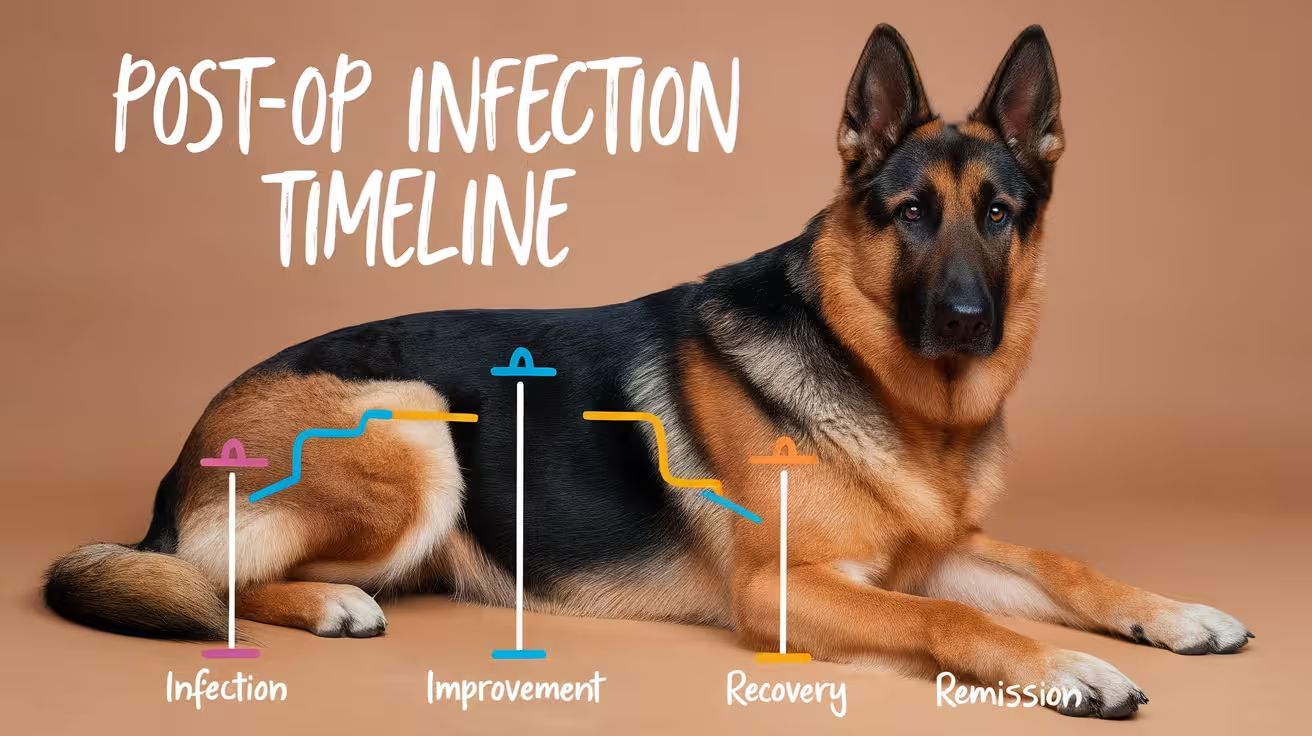
For how post-surgical infections develop and when they typically appear, see post-op infection timeline.
How to examine a wound at home
SustainableVet wound examination guidance: "Start by calming your dog with a soft voice or treats. Wash your hands, then gently part the fur around the wound. Look for redness, swelling, discharge, or bad odor. Use clean gauze or tissue: never touch the wound directly with bare hands."
The home examination checklist:
- Wash hands before touching anything near the wound
- Gently move fur aside to see the full wound area
- Check the wound edges: are they together or separating?
- Assess redness: is it at the wound edge only, or spreading?
- Check for discharge: what color, how much?
- Note any odor when you're close to the wound
- Check the surrounding skin: is it warm or hot to the touch?
- Observe your dog's reaction: do they react to gentle pressure near the wound?
What not to do:
- Don't apply hydrogen peroxide or alcohol (damages healing tissue)
- Don't press or squeeze the wound to assess if it's infected
- Don't attempt to remove crusts or discharge without vet guidance
- Don't apply human antibiotic ointments without veterinary approval
For the broader context of healing vs. infection distinctions, see healing vs infection explained. For what's normal after surgery vs. what's concerning, see normal vs concerning signs after surgery.
When to call the vet: urgency tiers
Same-day call (not emergency, but don't wait)
- Redness spreading beyond wound margin
- Yellow or green discharge at any stage
- Foul odor from wound site
- Wound edges separating more than a few millimeters
- Swelling increasing after day 3
- Dog showing increased pain or guarding the wound
Emergency (go now, don't wait for morning)
- Red streaks radiating from the wound (lymphangitis)
- Wound significantly opened with visible underlying tissue
- Fever and severe lethargy together
- Bleeding not stopping within 5 minutes
- Dog collapsed or unable to stand
- Rapid spreading redness across a large skin area
- Signs of sepsis (fever, lethargy, vomiting, weakness together)
For early-stage staph infection signs specifically, see early staph infection signs. For ways to prevent wound infections from developing, see preventing wound infections.
Frequently asked questions
The wound looks fine but my dog keeps licking it obsessively. Should I be concerned?
Yes. Dogs often detect infection before the visual signs appear. Their licking behavior is driven partly by the smell and sensation of the wound, which changes with bacterial activity before pus or visible discharge appears. If licking is increasing rather than decreasing as healing progresses, treat it as an early signal and do a close examination. Consider calling your vet if other signs are present.
Is there any discharge from a wound that's always an emergency?
Red streaks radiating from the wound site (lymphangitis) paired with any discharge are a veterinary emergency. Otherwise, the color and character of discharge guide urgency: clear is normal, cloudy warrants a same-day call, yellow or green warrants same-day urgent assessment, and any discharge combined with systemic signs (fever, lethargy) warrants emergency care.
My dog's wound has a scab on it. Is that healing or infection?
A dry, brown scab that is stable and shrinking is a healing sign. A moist, yellow-crusted surface that has discharge underneath it, or a crust that is expanding rather than resolving, is an infected wound sign. Gently check what the skin looks like under the crust if your dog will allow it: pink, dry skin underneath means healing; moist, reddened, or oozing skin underneath means assess for infection.
Wound infection signs follow a recognizable pattern. The first three days are the window of normal inflammatory healing. After that, every wound should be improving, not worsening. Redness fading, discharge clearing, swelling reducing: that's healing. Redness spreading, discharge thickening, swelling growing: that's infection. Acting on the pattern, not on any single sign in isolation, gets you the right response at the right time.
Resources
- The Pet Vet. Pet Wound Infection Signs: 7 Critical Symptoms to Watch. thepetvet.com
- Cuddlytails. Dog Surgical Wound Looks Infected? Signs, Treatment, and When to See a Vet. cuddlytails.com
- Kainer Veterinary Hospital. Understanding the Stages of Your Dog's Infected Wound Healing. kainervet.com
- PetMD. Dog Surgery Aftercare: What's Normal & When To Call the Vet. petmd.com
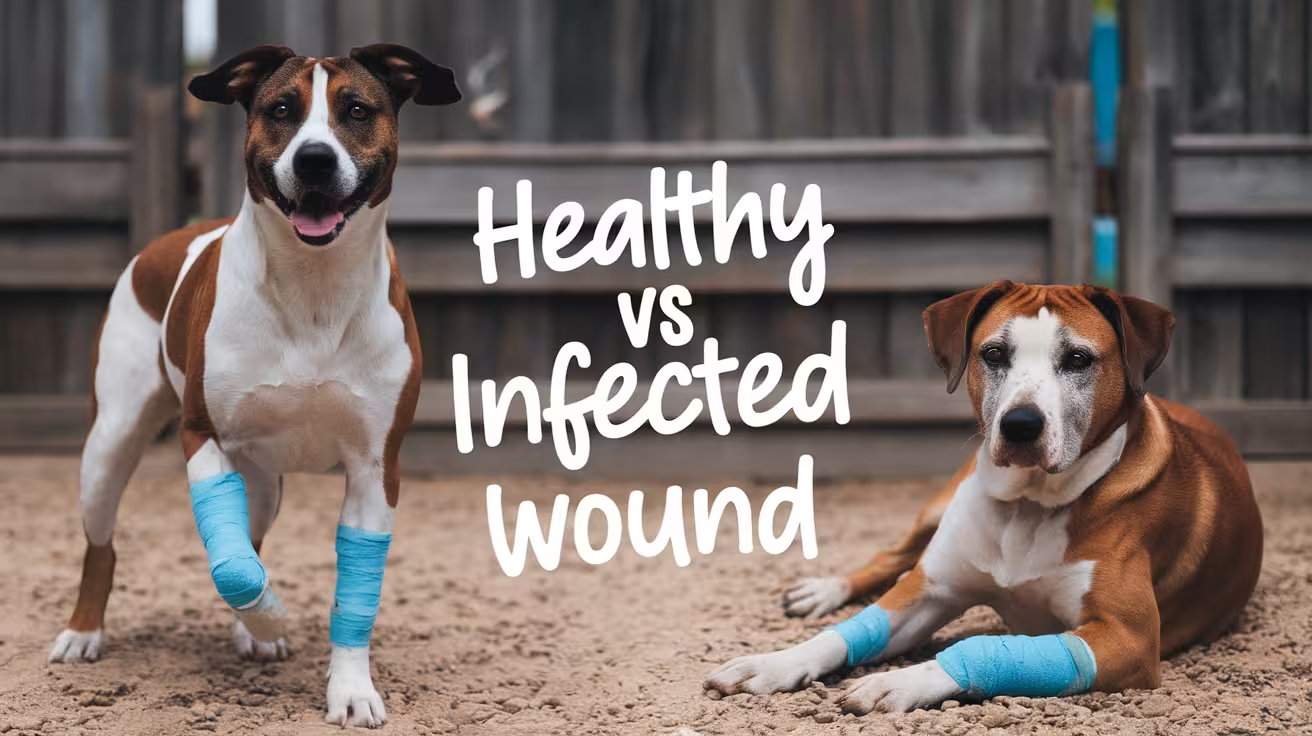
Healthy vs Infected Wound in Dogs
Learn how to spot the difference between healthy and infected wounds in dogs with clear signs, healing stages, and when to see a vet
A wound that looks alarming on day one may be healing perfectly. A wound that looks minor may be quietly becoming infected.
Knowing which is which is one of the most useful skills a dog owner can have. It determines whether you wait, watch, and clean, or call your vet immediately.
Quick answer: A healthy healing wound improves each day. Redness and swelling reduce, discharge changes from clear or faintly pink to nothing, and the edges close progressively. An infected wound gets worse: spreading redness, increasing swelling, yellow or green discharge, foul odor, heat, and often behavioral changes like lethargy or loss of appetite. Any wound trending in the wrong direction needs veterinary attention.
Key takeaways
- Healthy wounds improve daily: The visual trend is always toward less redness, less swelling, and drier edges.
- Mild early inflammation is normal: Some pinkness, slight swelling, and clear or faintly pink fluid in the first 24 to 48 hours are expected.
- Infected wounds worsen: Spreading redness, thickening discharge, and foul odor are not part of normal healing.
- Odor is a reliable early indicator: A healthy wound has no significant smell. Any foul or unusual odor warrants investigation.
- Behavioral changes signal systemic involvement: Lethargy, reduced appetite, and fever mean infection may be spreading beyond the wound.
- The trend matters as much as the snapshot: What the wound looks like today compared to yesterday tells you more than any single observation.
What healthy wound healing looks like
Understanding normal healing makes deviations immediately obvious.
Dog wound healing follows a biological sequence regardless of the type of wound. The timeline and appearance vary by wound size, depth, and location, but the progression is predictable.
Day 1 to 3: Inflammation phase
The body's immediate response to injury is inflammation. This is normal, necessary, and not a sign of infection.
For how to act once infection is confirmed, the guide on how to treat an infected wound walks through every treatment step, including which products to use, when antibiotics are needed, and how to prevent recontamination.
What you should see:
- Mild redness directly around the wound edges
- Slight swelling in the surrounding tissue
- Clear or faintly pink fluid (serum or dilute blood) that may ooze in the first day
- The wound edges touching or close together in a sutured wound
- Your dog showing some sensitivity when the area is touched
What you should not see at this stage:
- Yellow, green, or creamy discharge
- Swelling that is growing rather than stable
- Redness that is spreading away from the wound edges
- Any unpleasant odor
Day 4 to 7: Proliferation phase
By day four, visible inflammation should be clearly reducing. The wound is building new tissue.
What you should see:
- Redness fading, particularly at the outer margins
- Swelling reducing
- The wound becoming drier, with little to no discharge
- In open wounds, a pinkish-red granulation tissue beginning to fill the wound bed
- Edges beginning to pull together
Day 7 to 14 and beyond: Maturation
By the end of the first week, most wounds are visibly closing or fully closed.
What you should see:
- Closed edges in sutured wounds, dry and normal-colored skin
- Scabbing over open wounds that should be left alone
- Reduced sensitivity
- No discharge of any kind
- Normal skin color returning
What an infected wound looks like
Infection interrupts the normal healing sequence. Instead of the wound improving, it stalls or worsens.
The five primary signs of wound infection
1. Spreading redness
Some redness at the wound margin is normal early on. Redness that is expanding away from the wound, forming a widening red halo, or intensifying after day three is a warning sign.
Red streaks radiating outward from the wound may indicate lymphangitis, a sign that infection is tracking along lymphatic vessels. This requires urgent veterinary attention.
2. Discharge color change
Clear or slightly pink fluid in the first 24 hours is normal.
Yellow, green, cream-colored, or thick discharge is pus, a product of white blood cells fighting bacterial infection. Any purulent (pus-containing) discharge is abnormal and indicates active infection. One common driver of discharge worsening is persistent licking, which constantly reintroduces bacteria.
For a full explanation of why dogs lick wounds and whether it helps, understanding this instinct helps you prevent one of the most common reasons a wound becomes or stays infected.
3. Foul or unusual odor
A healthy wound has no significant smell, or at most a faint neutral or slightly metallic odor.
An infected wound often smells distinctly unpleasant, described variously as sour, rotten, or sweet-fetid. This odor comes from bacterial metabolic activity and tissue breakdown. If you can smell the wound from a normal handling distance, infection is likely.
4. Warmth and hardness
Feeling slightly warmer than surrounding tissue in the first 24 to 48 hours is a normal part of the inflammatory response.
Persistent or increasing heat, particularly accompanied by firmness or a fluctuant (fluid-filled) swelling, indicates ongoing infection. Fluctuant swelling suggests an abscess forming beneath the surface.
5. Pain and behavior changes
A dog that was tolerating wound checks may begin reacting more strongly as infection develops.
Systemic signs, including lethargy, reduced appetite, fever, shivering, and reluctance to move, suggest the infection is no longer confined to the wound surface and may be spreading. These signs require same-day veterinary contact.
Side-by-side comparison table
The most important rule: the trend
Any single observation of a wound gives you one data point. What the wound looks like compared to 24 hours earlier tells you far more.
A wound that is redder, more swollen, warmer, or producing more discharge today than it was yesterday is heading in the wrong direction. That is the signal to contact your veterinarian regardless of what the wound looks like in absolute terms.
A wound that is less red, less swollen, drier, and less tender than it was yesterday is healing correctly, even if it still looks concerning to an untrained eye.
Common mistakes that complicate the assessment
Applying hydrogen peroxide, alcohol, or iodine directly to wounds:
These damage healthy tissue and slow healing. They can cause redness and tissue death that looks like infection. Use saline or a vet-approved wound wash only.
For a clear breakdown of natural wound treatment methods to consider, including which home remedies genuinely help and which actively cause harm, that guide separates the evidence from the myths.
Interpreting normal early inflammation as infection:
Day-one redness and swelling alarm many owners. If it is mild, symmetrical, and not accompanied by discharge or odor, it is almost certainly the normal inflammatory response.
Ignoring behavioral signs:
Owners sometimes focus entirely on how the wound looks while missing that the dog is lethargic, not eating, or feverish. Systemic signs matter as much as local signs, particularly in deep wounds and bite wounds where infection can develop rapidly out of sight.
When to contact your veterinarian
Call the same day if:
- Discharge is yellow, green, or pus-like at any point
- The wound has a foul or unusual odor
- Redness is spreading visibly beyond the wound margin
- The wound area feels increasingly hot or hard
- Your dog is showing signs of systemic illness: lethargy, reduced appetite, or fever
Go to an emergency clinic immediately if:
- Gums are pale, white, or bluish
- Your dog is unresponsive or collapsed
- Red streaks are radiating from the wound
- There is severe swelling or your dog is in extreme distress
Frequently asked questions
Is some swelling normal after a dog wound?
Yes. Mild swelling in the first 24 to 48 hours is a normal part of the inflammatory healing response. The key question is whether the swelling is increasing or decreasing. Swelling that is greater on day three than on day one is not normal.
What color should wound discharge be?
Clear or very faintly pink fluid in the first 24 hours can be normal. Any yellow, green, cream, or thick discharge at any point indicates infection and requires veterinary attention.
Can a wound look infected but not be?
Yes. Aggressive cleaning with hydrogen peroxide or alcohol can cause tissue death and redness that mimics infection. Normal early inflammation can also alarm owners unfamiliar with wound healing. This is why observing the trend over 24 to 48 hours, and using appropriate cleaning agents, helps clarify the picture.
How do I check a wound on a dog with thick fur?
Part the fur carefully and use good lighting. A headlamp or phone torch is helpful. Check for odor first, as this often provides the clearest indicator even before you can see the wound clearly. If your dog resists examination or the fur is too thick to assess properly, have your veterinarian check it.
When does a wound definitely need stitches?
Wounds that are deep, gaping, over a joint, actively bleeding after ten minutes of pressure, or caused by a bite should be assessed by a veterinarian. These wounds generally need professional closure rather than home management.
For a detailed look at incision-specific infection signs that apply to sutured surgical wounds, including what distinguishes a surgical site infection from a general wound infection, that guide covers the incision picture in full.
The difference between a healing wound and an infected one is visible if you know what to look for. Check daily, track the trend, use the comparison table above, and trust your instincts. If something feels wrong, a phone call to your vet costs nothing and could prevent a minor infection from becoming a serious one.
Resources
The following sources were used as reference and background for this article:
- PetMD. Dog Wound Care: How to Clean and Treat Dog Wounds at Home. petmd.com
- Bond Vet. Step-By-Step Wound Care for a Dog at Home and When to Call the Vet. bondvet.com
- The Pet Vet. Pet Wound Infection Signs: 7 Critical Symptoms to Watch. thepetvet.com
- PetPlace. Infected Dog Wound: Signs, Healing Stages, and Home Care Tips. petplace.com
- Kainer Veterinary. Understanding the Stages of Your Dog's Infected Wound Healing. kainervet.com
- PDSA. First Aid for Wounds, Cuts and Grazes. pdsa.org.uk
Pseudomonas in Dogs: Symptoms, Causes & Treatment
Learn about Pseudomonas in dogs—common symptoms, causes, diagnosis, and treatment options to help your dog recover and prevent reinfection
Pseudomonas aeruginosa is one of the most challenging bacterial pathogens in veterinary medicine. It is everywhere in the environment soil, water, and surfaces but normally causes no problems in healthy dogs. When it establishes infection in the ear, a wound, or damaged skin, it is extraordinarily difficult to eliminate.
The challenge is not just that P. aeruginosa is resistant to many antibiotics. It also forms biofilm a protective matrix that shields bacteria from both antibiotics and the immune system. This combination makes Pseudomonas infections among the hardest infections to treat successfully.
Quick answer: Pseudomonas aeruginosa causes resistant infections in dogs, most commonly in the ear canal, skin, and wounds. Standard antibiotics often fail due to biofilm and intrinsic resistance. Culture testing is essential before treatment.
Key takeaways
- P. aeruginosa is an environmental opportunist: infects dogs when ear, skin, or wound defenses are compromised
- Ear infections are the most common presentation: floppy-eared and swimming breeds are most affected
- Biofilm formation makes P. aeruginosa infections far more resistant to treatment than planktonic (free-floating) bacteria
- 80 to 90% of Pseudomonas otitis cases are difficult to treat with standard antibiotic approaches per published data
- Culture and sensitivity testing is mandatory: empirical antibiotic selection without testing leads to treatment failure
- Fluoroquinolones (marbofloxacin) at high dosing are often the systemic antibiotic of choice when susceptibility testing supports it
What is Pseudomonas aeruginosa?
P. aeruginosa is a Gram-negative, aerobic rod-shaped bacterium that inhabits soil, water, and moist environments. VetInfo: "Pseudomonas aeruginosa are a gram-negative bacteria with the ability to survive in many unexpected situations. They generally thrive in oxygen-rich environments but can also survive and reproduce in anaerobic conditions."
It is ubiquitous but not part of the normal canine ear canal microbiome. MDPI (2023): "P. aeruginosa is not an obligate pathogen, and studies investigating the source of these infections often highlight environmental sources particularly water, although nosocomial infections in veterinary surgery are possible."
Two properties make P. aeruginosa uniquely difficult:
1. Intrinsic antibiotic resistance: P. aeruginosa is naturally resistant to many antibiotic classes, including most penicillins, most cephalosporins, macrolides, tetracyclines, and chloramphenicol. This leaves a narrow therapeutic window even before acquired resistance develops.
2. Biofilm formation: VetCareNews: "P. aeruginosa possesses the ability to create a biofilm a congregation of multiple organisms that adheres to the surface and is protected by a layer." Bacteria within biofilm can be up to 1,000 times more resistant to antibiotics than free-floating bacteria. Biofilm forms in chronic ear infections, on catheter surfaces, and in chronic wounds.
How dogs get Pseudomonas infections
Chronic ear disease and allergy
The most common pathway. Allergic otitis externa creates a chronically inflamed, moist ear canal environment. Normal ear canal bacteria are disrupted, and P. aeruginosa introduced from water or the environment colonizes the damaged tissue.
MDPI (2023, Pseudomonas OE review): "Dysbiosis often makes dogs more vulnerable to ear infections with Pseudomonas, particularly when accompanied by other factors, such as neglect." Allergy is the most common primary factor driving the conditions that allow P. aeruginosa to establish itself.
DVM360: "P. aeruginosa is ubiquitous in the environment but an uncommon inhabitant of the normal external ear canal and middle ear of dogs."
Water exposure
Swimming dogs are at elevated risk. P. aeruginosa thrives in water. Dogs that swim regularly introduce the organism into the ear canal repeatedly, and if the ear canal is already predisposed by allergy or conformation, infection can establish.
Wounds and surgical sites
Damaged skin and surgical incisions particularly those healing slowly or in contaminated environments can be colonized by environmental P. aeruginosa. Hospital-acquired (nosocomial) Pseudomonas wound infections occur in veterinary settings.
Compromised immune system
Dogs on immunosuppressive therapy, with diabetes, or with severe metabolic disease have impaired local and systemic defenses that allow P. aeruginosa to cause infection in sites it would normally not colonize.
Symptoms by infection type
Ear infections (otitis externa and media)
The most common and most recognizable presentation. DVM360: "Animals with P. aeruginosa ear infections typically exhibit one or more of the following clinical signs." VetCareNews lists the range: "depending on the severity, signs can range from discharge, foul odor, or head shaking to severe neurological signs such as head tilt, balance issues, or loss of hearing."
Key distinguishing features of Pseudomonas otitis:
- Extremely foul-smelling discharge often described as one of the most distinctive odors in veterinary medicine (VetInfo: "One of the leading symptoms is a strong odor. Pseudomonas ear infections are extremely smelly with lots of drainage or pus.")
- Green or blue-green discharge (P. aeruginosa can produce pyocyanin, a blue-green pigment)
- Severe pain dogs resist examination; may vocalize when the ear is touched
- Erythema and ulceration of the ear canal lining
- Progressive: if untreated, progresses to otitis media (middle ear) and potentially neurological signs
Breed predisposition: Cocker Spaniels, Basset Hounds, Labrador Retrievers, Golden Retrievers, and other drop-eared or swimming breeds. MDPI: "Certain breeds are predisposed due to factors such as long, pendulous, hairy, or V-shaped drop pinna."
Skin infections (pyoderma)
P. aeruginosa is an uncommon cause of primary pyoderma but a recognized secondary invader in damaged skin. Signs: intensely red, inflamed skin; oozing discharge; foul odor; pain. It often accompanies other bacterial infections (polymicrobial infection).
Wound infections
Post-surgical or traumatic wound infections with P. aeruginosa cause chronic, non-healing wounds with profuse purulent discharge, often with a characteristic odor.
Urinary tract infections
Less common than ear infections. Signs mirror other bacterial UTIs: pollakiuria, stranguria, hematuria. P. aeruginosa UTI typically occurs in dogs with urinary catheters, structural abnormalities, or prior antibiotic use.
Corneal ulcers
Rapid, aggressive progression distinguishes Pseudomonas corneal ulcers from other causes. The ulcer can progress to perforation within hours to days if P. aeruginosa is involved. This is an ophthalmic emergency.
Diagnosis
Ear: cytology (examining discharge under a microscope) confirms bacterial infection and Gram-negative rods suggestive of Pseudomonas. Culture and sensitivity confirms the species and guides treatment.
Wounds and skin: swab culture with sensitivity. Surface swabs may miss the true pathogen in biofilm; deep samples or tissue biopsy may be needed.
Urine: culture with sensitivity from a cystocentesis sample (directly from the bladder).
Critical principle: DVM360: "Make sure your veterinarian runs a culture to check for pseudomonas aeruginosa. If the culture is positive, expect a different treatment plan." Pseudomonas cannot be treated empirically with standard protocols.
Treatment
Why standard antibiotics fail
P. aeruginosa resists most commonly used veterinary antibiotics through multiple mechanisms: outer membrane impermeability (limits drug entry), efflux pumps (actively expel antibiotics from the cell), and beta-lactamase production (destroys beta-lactam antibiotics). Acquired resistance through mutation or gene transfer adds additional layers.
MDPI (otitis study): "The eradication of P. aeruginosa has become increasingly difficult... nearly 24% of treatments of otitis externa cases in dogs are unsuccessful and this is more pronounced if P. aeruginosa is the causative agent, as in these cases, 80 to 90% of cases are untreatable."
Systemic antibiotics
Fluoroquinolones are the primary systemic option when susceptibility is confirmed. DVM360: "I most commonly use marbofloxacin for systemic treatment of Pseudomonas otitis when susceptibility testing indicates susceptibility. I prescribe at the high end of the flexible dosing range 5.5 mg/kg once daily."
Marbofloxacin has pharmacokinetic advantages over other fluoroquinolones for Pseudomonas treatment. Ciprofloxacin has activity but poor oral bioavailability in dogs. Aminoglycosides (gentamicin, tobramycin) are effective but typically used topically due to systemic toxicity concerns.
Topical treatment for otitis
Topical aminoglycosides (gentamicin, tobramycin), polymyxin B, and topical fluoroquinolones are used directly in the ear canal. Achieving therapeutic concentrations topically is generally more feasible than systemically. Thorough ear cleaning before topical application is essential to remove biofilm and pus that would otherwise prevent drug penetration.
Biofilm disruption
Biofilm significantly impairs antibiotic efficacy. N-acetylcysteine, EDTA, and tris-EDTA are ear flush components that help disrupt biofilm structure, allowing antibiotics better access. Regular, thorough ear cleaning is not optional it is a core component of Pseudomonas otitis treatment.
Surgery: total ear canal ablation (TECA)
DVM360: "At this point, the best option is a total ear canal ablation and bulla osteotomy. Thankfully, this is rarely necessary if veterinarians pursue an aggressive diagnostic and therapeutic approach." TECA is reserved for chronic, treatment-resistant cases where the ear canal is severely damaged and stenotic.
For how Pseudomonas contributes to severe wound infections, see irrigation solutions active against Pseudomonas. For how Pseudomonas contributes alongside other resistant organisms in serious infections, see other resistant organisms alongside Pseudomonas. For how antiseptics active against Pseudomonas compare, see antiseptics effective against Pseudomonas. For how Pseudomonas features in severe deep tissue infections, see Pseudomonas in severe infections.
Prevention
- Dry ears thoroughly after swimming or bathing: moisture is the primary environmental setup for P. aeruginosa colonization
- Manage allergies aggressively: allergy is the most common underlying driver of the chronic otitis that predisposes to Pseudomonas
- Regular ear examinations for predisposed breeds before chronic damage is established
- Avoid unnecessary antibiotic use: broad-spectrum antibiotics without culture select for resistant organisms
- Prompt treatment of early otitis: shallow infections before biofilm establishes are far easier to treat than chronic, deep infections
Frequently asked questions
My dog has been treated for ear infections many times and they keep coming back. Could it be Pseudomonas?
Very possibly. Recurring ear infections that do not respond to standard antibiotics, or that initially improve but always return, are a classic Pseudomonas pattern. Ask your vet to perform cytology and culture on the next flare rather than prescribing empirically. Identifying Pseudomonas and getting susceptibility results changes the entire treatment approach.
Can Pseudomonas spread from my dog to me?
Yes, though transmission to immunocompetent adults is uncommon. MDPI (otitis study): "Multidrug-resistant P. aeruginosa can be transmitted from the pet to the owner and cause human infections in the ears, eyes, or respiratory or urinary tracts." Immunocompromised people, young children, and elderly individuals are at higher risk. Standard hygiene (handwashing after handling ear discharge, not sharing towels) significantly reduces risk.
Why does my dog's Pseudomonas ear infection smell so bad?
P. aeruginosa produces pyocyanin (a blue-green pigment with a characteristic chemical odor) and enzymes that break down tissue. The combination of pus, dying tissue, and bacterial metabolic products creates the distinctive smell. The intensity of the odor correlates with the severity of the infection and the degree of tissue destruction.
How long does Pseudomonas otitis treatment take?
Significantly longer than simple bacterial ear infections. Effective Pseudomonas otitis treatment typically requires 6 to 12 weeks of consistent topical treatment, regular ear cleaning, and often systemic antibiotics. The allergy underlying the chronic otitis must also be managed if the allergic inflammation is not controlled, the infection will recur regardless of antibiotic treatment.
Can I use human ear drops for my dog's Pseudomonas ear infection?
No. Human ear formulations are not designed for canine ear anatomy, do not achieve appropriate drug concentrations in the deeper canine ear canal, and are not labeled for veterinary use. More importantly, using any antibiotic-containing product without culture confirmation wastes time and may select for resistance. Always use veterinary-prescribed products based on culture results.
Is Pseudomonas in a dog's ear an emergency?
Not typically for uncomplicated otitis externa. However, if your dog is in severe pain, cannot open its mouth, has neurological signs (head tilt, falling, circling), or if the discharge has suddenly increased dramatically, seek same-day veterinary assessment. These signs suggest spread to the middle or inner ear (otitis media or interna), which is a more serious situation.
Resources
- DVM360. Treatment of Pseudomonas Otitis in the Dog. dvm360.com
- MDPI Microorganisms (2023). Pseudomonas spp. in Canine Otitis Externa. mdpi.com
- VetCareNews. Pseudomonas Ear Infection in Dogs: Symptoms and Treatment. vetcarenews.com
- VetInfo. Pseudomonas Infection in Dogs. vetinfo.com
- PMC (2021). Characterization of Canine Otitis Externa Pseudomonas aeruginosa Isolates. ncbi.nlm.nih.gov
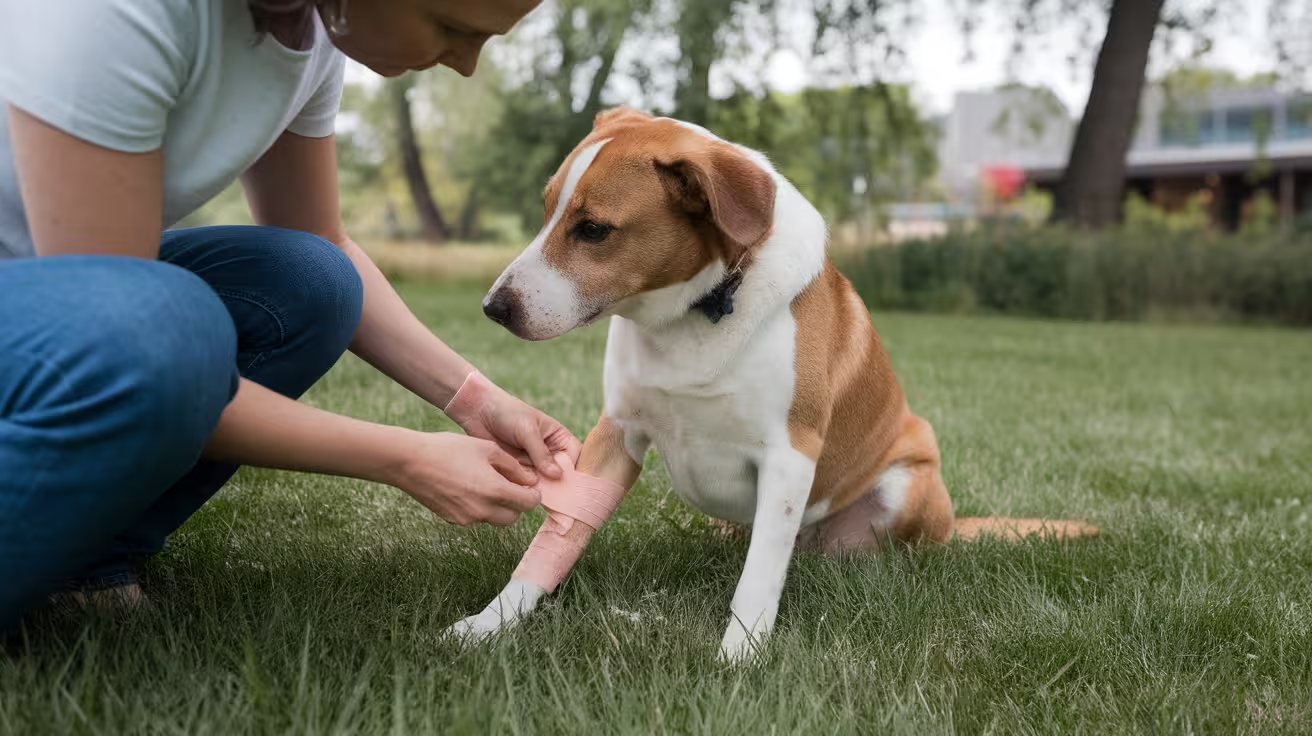
Effective Ways to Prevent Infections in Dog Wounds
Learn effective methods to prevent infections in dog wounds, ensure quick healing, and recognize signs needing veterinary care
A wound doesn't become infected instantly. There's a window the first hours and days after injury when what you do at home significantly affects whether bacteria establish or are cleared.
These are the steps that make the most difference.
Quick answer: The most effective wound infection prevention steps are: stop licking immediately with an E-collar, clean the wound with dilute chlorhexidine or sterile saline (not hydrogen peroxide or alcohol), apply a clean bandage if needed, check the wound twice daily for early infection signs, and follow all veterinary aftercare instructions exactly. Daily monitoring catches early infection when it's simplest to treat.
Key takeaways
- The E-collar is the single most important infection prevention tool licking introduces oral bacteria directly into the wound.
- Chlorhexidine or sterile saline for wound cleaning hydrogen peroxide and alcohol damage healing tissue and delay recovery.
- Change bandages daily or sooner if wet, dirty, or loose.
- Check the wound twice daily for the first two weeks minimum.
- Daily photographs track change better than memory alone.
- Early infection caught in the first 3 to 7 days responds to simpler treatment than established infection.
Step 1: Stop licking immediately
Licking is the most common way dogs infect their own wounds. The dog's mouth contains Staphylococcus pseudintermedius, Pasteurella, streptococcal species, and other bacteria that have direct access to the wound with every lick.
Bond Vet states: "A dog's licking might interfere with healing by opening the wound up again, making it worse, or introducing an infection."
E-collar (Elizabethan collar): the standard, most reliable option. Must extend past the tip of the dog's nose to prevent the dog from reaching the wound. Apply immediately even one night without the collar can allow contamination that delays healing for days.
Alternatives if the dog resists the E-collar:
- Inflatable collar (not as reliable for determined lickers)
- Recovery bodysuit or onesie (effective for trunk wounds)
- Protective wrap or boot (for paw wounds)
The E-collar must be worn at all times during sleep, during meals, and outdoors not just when you're watching.
Step 2: Clean the wound correctly
What to use
- Dilute chlorhexidine (0.05%): mix 1 part 2% chlorhexidine with 40 parts sterile water. Most effective antiseptic for wound cleaning.
- Sterile saline: safe for all wound types; no antiseptic activity but mechanically rinses bacteria.
- Prescribed antiseptic solutions: follow your vet's specific instructions if a solution was prescribed.
What not to use
- Hydrogen peroxide: damages granulation tissue (the new pink tissue forming in the wound) and slows healing
- Alcohol (rubbing alcohol): painful on open tissue and damages healing cells
- Human antibiotic ointments (Neosporin, Polysporin): may contain zinc (toxic if licked) or other ingredients not safe for dogs
How to clean
Bond Vet recommends: clean the wound 1 to 3 times daily. Use gauze or a clean cloth never bare hands. Gently irrigate the wound with the cleaning solution. If using a syringe for flushing, apply gentle pressure only high-pressure flushing can drive bacteria deeper.
Pat dry gently with clean gauze. Do not rub.
Step 3: Bandage correctly (if needed)
Not all wounds require bandaging, but wounds in high-contamination areas (paws, lower limbs), wounds that the dog can reach, and wounds with discharge benefit from protection.
Bandaging steps
- Cover the wound with a sterile, non-stick gauze pad
- Wrap with a soft, self-adhesive bandage (not too tight two fingers should slide under the wrap)
- Check for swelling or discoloration below the bandage (signs of too-tight wrapping)
- Check for moisture (a wet bandage against skin creates an infection-friendly environment)
Bandage change frequency
- Every 24 hours under normal conditions
- Sooner if wet, visibly dirty, or loose
- Use only new, sterile materials for each change
Fairview Veterinary Clinic confirms: "Change sterile bandages daily or when they become wet or dirty."
For wounds at paws, consider waterproof protective boots during short outdoor trips to prevent contamination from soil.
Step 4: Monitor twice daily
Early infection is caught by observation, not by waiting for the wound to look obviously wrong.
What to check at each observation
- Redness: staying at the wound edge (normal) or spreading outward (infection sign)
- Discharge: clear/slightly pink (normal) or yellow/green/cloudy (infection sign)
- Odor: minimal to none (normal) or foul/sour smell (infection sign)
- Wound edges: together and approximating (normal) or separating (concern)
- Warmth: mild and decreasing (normal) or increasing heat (infection sign)
- Dog behavior: returning to normal (normal) or increased wound focus and guarding (infection sign)
Practical tip: Photograph the wound at the same time each day in consistent lighting. Daily photographs allow you to compare yesterday vs. today objectively small changes that escape memory are visible in photographs.
For complete wound infection sign identification, see complete wound infection signs.
Step 5: Follow all veterinary aftercare instructions
This step prevents more infections than any home remedy. Post-operative care instructions are written for a reason: they account for the specific procedure, the dog's risk factors, and the antibiotic/antiseptic choices made during surgery.
Non-negotiable aftercare items:
- Complete the full antibiotic course: stopping early because the wound "looks better" allows surviving bacteria to re-establish. Incomplete courses are a leading driver of resistant infections.
- Attend all scheduled rechecks: even when the wound appears to be healing well. Rechecks catch developing problems before they become serious.
- Restrict activity per instructions: activity violations (jumping, running) stress the incision and can create dehiscence that opens the wound to contamination.
- Keep the wound dry: no bathing until your vet clears it. Moisture softens sutures, promotes bacterial growth, and can create wound breakdown.
For how to prevent surgical site infections specifically before and after surgery, see preventing surgical site infections.
Step 6: Environmental hygiene
The dog's environment contributes bacteria to wounds through direct surface contact.
During wound healing:
- Keep the dog's resting area clean and dry
- Wash bedding every 2 to 3 days in hot water and dry completely
- Disinfect hard surfaces the dog contacts daily (dilute bleach 1:32, rinse before use)
- Avoid grass, soil, and outdoor surfaces with open wounds unless the wound is well covered
For wound infections that have already established, see established wound infection management. For how biofilm makes wound infections harder to treat once established, see biofilm in wound infections.
When to call your vet
Call the same day for:
- Redness spreading beyond the wound margin
- Yellow, green, or cloudy discharge
- Foul odor from the wound
- Wound edges separating
- Dog not eating or drinking by day 3 post-surgery
Go to emergency for:
- Wound significantly opened with visible underlying tissue
- Bleeding not stopping within 5 minutes
- Fever and severe lethargy together
- Red streaks radiating from the wound (lymphangitis)
For monitoring by post-operative day, see post-op infection timeline.
Frequently asked questions
Can I use honey on my dog's wound to prevent infection?
Medical-grade Manuka honey has documented antibacterial properties and is being used in some veterinary wound management contexts. However, regular grocery store honey has inconsistent antibacterial activity and can attract insects. If considering honey, discuss it with your vet and use only veterinary-approved preparations.
My dog pulled off the bandage at night. What should I do?
Apply the E-collar first to prevent further access to the wound. Examine the wound for any visible contamination. Clean gently with dilute chlorhexidine or saline and re-cover with a clean gauze pad until you can contact your vet. If the wound appears significantly contaminated or damaged, call the emergency line.
How long do I need to prevent my dog from licking?
Until the wound is fully healed and your vet confirms it's safe to remove the collar not until it "looks better." For most surgical wounds, this is 10 to 14 days for suture removal, but the collar may be needed longer if healing is delayed or infection developed. Follow your vet's specific guidance for your dog's procedure.
Wound infection prevention is mostly about consistency in four things: keeping the dog away from the wound, cleaning correctly without products that harm healing tissue, monitoring attentively, and completing whatever treatment the vet prescribed. All four are owner-controlled. All four matter.
Resources
- Bond Vet. Step-By-Step Wound Care for a Dog at Home and When to Call the Vet. bondvet.com
- Fairview Veterinary Clinic. How to Clean a Dog Wound. fairviewveterinaryclinic.com
- UrgentVet. Dog Wound Care: How to Care For Open Wounds on Dogs. urgentvet.com
Why Do Dogs Lick Infected Wounds?
Find out why dogs lick infected wounds, the risks it causes, and how to stop it before it worsens your dog’s healing
It looks like care. It feels like instinct. But when a dog licks an infected wound, they are almost always making it worse.
Understanding why dogs do it, and what actually happens to the wound when they do, is the foundation for preventing it effectively.
Quick answer: Dogs lick wounds because of deep-rooted instinct tied to pain relief, self-cleaning, and the mild antibacterial properties of saliva. But dog saliva also contains Pasteurella, Staphylococcus, and other bacteria that worsen infections, cause tissue damage, and can reopen healing wounds. For infected wounds especially, licking is harmful and must be prevented consistently.
Key takeaways
- Licking is instinctive, not deliberate harm: Dogs are not doing something wrong. The behavior is hardwired.
- Dog saliva has mild antibacterial properties: But those properties are no match for an established wound infection.
- Dog saliva also contains harmful bacteria: Pasteurella, Staphylococcus, and E. coli are all common in dog mouths.
- Licking causes physical damage to healing tissue: The tongue is abrasive. Repeated licking reopens wounds, removes scabs, and pulls out sutures.
- Licking infected wounds spreads bacteria: To adjacent healthy skin, and in some cases, to humans.
- Prevention must be consistent: Brief unsupervised moments are all it takes to undo days of healing.
Why dogs lick wounds: the real reasons
1. Instinct and evolution
Dogs evolved to lick wounds long before veterinary care existed.
In the wild, licking removed debris from wounds and reduced surface bacterial contamination enough to prevent immediate worsening. The behavior was reinforced because it sometimes worked.
That evolutionary programming remains intact. A dog that feels pain or discomfort in any part of their body will try to reach it with their tongue.
2. Pain relief
Licking temporarily numbs the wound area.
The act of licking overstimulates sensory nerves, which can briefly override pain signals sent to the brain. It is the same mechanism behind rubbing a bruise: the sensation of the rub drowns out the pain signal.
This is why dogs with infected wounds are particularly persistent lickers. Infection causes real discomfort, and licking provides short-term relief. The problem is that each episode of relief worsens the underlying problem.
3. Scent detection
Dogs have an extraordinarily powerful sense of smell.
An infected wound produces strong, distinct odors from bacterial metabolic activity and tissue breakdown. Dogs are drawn to investigate and respond to these odors instinctively.
The worse the infection smells, the more attracted the dog is likely to be.
4. Cleaning behavior
Dogs use their mouths to groom and clean themselves and others.
Mothers lick puppies from birth. Dogs lick each other as a social bonding behavior. Licking a wound is a natural extension of this cleaning instinct.
The problem is that a dog's mouth, while somewhat self-regulating, is far from sterile.
The truth about dog saliva and wound healing
What saliva can do
Dog saliva does contain compounds with genuine antibacterial effects:
- Lysozyme: An enzyme that can damage bacterial cell walls
- Lactoferrin: A protein with mild antimicrobial properties
- Defensins: Small proteins involved in immune defense
Some studies have confirmed limited antibacterial activity against specific bacteria. Ancient cultures, including the Egyptians and Greeks, believed dog saliva had healing properties, and there was some biological basis for that belief.
What saliva cannot do
These mild antibacterial properties cannot:
- Clear an established wound infection
- Outpace the bacteria being continuously re-introduced with each lick
- Replace saline cleaning, antiseptics, or antibiotics
And critically, dog saliva also contains a long list of bacteria that can cause infection, not just fight it.
The bacteria in a dog's mouth
A dog's oral cavity contains hundreds of bacterial species. Several are particularly concerning for wound health:
Every time a dog licks an infected wound, these bacteria are deposited directly onto already-compromised tissue.
In an infected wound, the skin barrier is partially broken. Bacteria gain access not just to the surface but to deeper tissue layers.
What licking actually does to a wound
The physical and biological effects of licking on a wound:
Physically:
- The tongue is rough and abrasive, disrupting fragile granulation tissue
- Repeated licking reopens healing tissue and scabs
- Sutures can be pulled loose or removed entirely
- Wound edges that were closing are separated again
Biologically:
- New bacteria are introduced with every lick
- Moisture from saliva creates a favorable environment for bacterial growth
- The inflammatory response is repeatedly re-triggered
- Healing tissue does not progress past the early repair stage
A wound that a dog is allowed to lick does not heal. It cycles repeatedly through injury and early inflammation without ever reaching the repair stage.
The particular risk with infected wounds
A wound that is already infected has a partially disrupted skin barrier. Bacteria from the dog's saliva have a direct pathway into deeper tissue.
This matters because:
- An existing infection makes tissue more vulnerable to secondary bacterial colonization
- Different bacterial species from the mouth can establish alongside the original infection
- Antibiotic-resistant bacteria from the dog's skin and mouth, including MRSP, can be introduced
- Repeated licking prevents the immune system from getting the wound under control
The result: A wound that might have responded to a standard antibiotic course becomes polymicrobial and harder to treat.
Why licking prevention is non-negotiable
Owners sometimes underestimate how much damage a single licking session causes, or rationalize that a little licking is fine.
It is not fine on an infected wound. Here is what brief unsupervised access can do:
- Remove two to three days of granulation tissue growth
- Reopen a wound that was beginning to close
- Pull out a suture, creating an entry point for deeper infection
- Shift a manageable localized infection toward a spreading one
For proper wound treatment instead of licking, including the correct cleaning products, step-by-step home care protocol, and when to escalate to veterinary treatment, that guide covers every treatment decision clearly.
How to stop a dog from licking wounds
E-collar (cone)
The most reliable tool when fitted and used correctly.
Fitting requirements:
- Must extend at least 2 inches past the tip of the nose
- Shorter cones allow flexible dogs to still access wounds
- Must be worn at all times, including overnight
Recovery suits and body wraps
For trunk and abdominal wounds, a well-fitted recovery suit covers the wound without pressure.
Some dogs tolerate suits better than cones. The key requirement is that the suit actually prevents access. Test it by observing whether your dog can reach the wound when wearing it.
Soft recovery collars
Inflatable or padded collars are more comfortable for many dogs than rigid plastic cones.
Confirm the soft collar prevents your specific dog from accessing the specific wound. Flexibility varies by dog size and wound location.
What does not work reliably
For how to tell if a wound is infected before deciding how aggressively to prevent licking, knowing the severity of infection helps you understand the urgency of prevention.
When licking has already caused damage
Signs that licking has disrupted healing:
- Wound appears larger, rawer, or more inflamed than the previous day
- Scabbing that was forming has been removed
- Sutures appear loosened, pulled, or missing
- Discharge has returned or increased after improving
- A previously healing wound shows spreading redness
If licking has caused visible wound damage, contact your veterinarian. Depending on the extent, you may need suture repair, wound re-evaluation, or an adjusted antibiotic plan.
For understanding how licking delays wound healing stages and which healing phase is most disrupted by licking activity, that guide explains how each stage is specifically affected.
Frequently asked questions
Is it true that dog saliva heals wounds?
Partially true but significantly overstated. Dog saliva contains some antibacterial compounds. However, it also contains bacteria that cause infection, and the physical action of licking causes tissue damage. For infected wounds, the harms far outweigh any modest antibacterial benefit.
My dog seems to be licking to soothe pain. Should I let them?
No. The temporary pain relief from licking comes at the cost of worsening infection and delayed healing. Address the underlying pain through your veterinarian: appropriate pain medication manages discomfort more effectively and safely than licking.
Can my dog's licking infect me?
Yes, in some circumstances. Several bacteria common in dog saliva, including Pasteurella and Capnocytophaga, can infect humans. The risk is highest for immunocompromised individuals, elderly people, and anyone with open wounds. Avoid allowing a dog to lick open wounds on your skin.
How long does the E-collar need to stay on?
Until your veterinarian confirms at the follow-up appointment that the wound is sufficiently healed. For infected wounds, this is typically longer than for clean surgical wounds. When in doubt, leave it on.
My dog keeps removing the cone. What can I do?
Try a different style: soft inflatable collars or recovery suits are often tolerated better. If your dog is genuinely distressed by all barriers, ask your vet about mild short-term sedation for the recovery period in severe cases.
For safe alternatives to licking and what you can apply to wounds instead that genuinely supports healing, that guide covers what evidence-based home wound care actually looks like.
The instinct to lick a wound is one of the oldest behaviors in dogs. The problem is that it evolved for a world without established wound infections and without the bacterial loads modern dogs carry. On an infected wound, licking is one of the most consistent causes of prolonged healing and treatment failure. Stopping it is not optional.
Resources
The following sources were used as reference and background for this article:
- PetMD. Why Dogs Lick Their Wounds and How to Stop Them. petmd.com
- American Kennel Club. Should Dogs Lick Wounds? How Saliva Affects Wound Healing. akc.org
- AskAVet. Why Do Dogs Lick Wounds? Vet Insights and Safety Tips. askavet.com
- The Kennel Club. Why Do Dogs Lick Their Wounds? royalkennelclub.com
- Adopt A Pet. Why Does My Dog Lick My Wounds? adoptapet.com
Best Povidone Iodine Alternative for Veterinary Surgery
Discover the best povidone iodine alternative for veterinary surgery. Simini Protect Lavage reduces biofilms and resistant bacteria for safer surgical outcomes
Povidone-iodine (PI) has been the dominant veterinary surgical antiseptic for decades. It is broad-spectrum, affordable, and familiar.
But it has real limitations: it is inactivated by organic matter, it has minimal residual activity once dry, and it can be cytotoxic above 0.1% concentration when applied directly to wounds.
These limitations have driven interest in alternatives. Several are now well-established; others are emerging.
Quick answer: Alcoholic chlorhexidine gluconate (CHG) is the strongest evidence-based alternative to povidone-iodine for surgical skin prep. For wound irrigation, 0.05% chlorhexidine or polyhexanide (PHMB) are preferred. Hydrogen peroxide must never be used for wound irrigation.
Key takeaways
- Alcoholic CHG outperforms povidone-iodine for skin prep: a 2021 meta-analysis found CHG had a lower positive culture rate (RR 0.53)
- Povidone-iodine is inactivated by organic matter: blood, pus, and necrotic tissue neutralize its effect; chlorhexidine retains activity
- Chlorhexidine has residual activity: it binds to skin proteins and continues working after rinsing
- For wound irrigation: 0.05% chlorhexidine or PHMB are supported by evidence; scrub formulations must never be used in wounds
- Polyhexanide (PHMB) has broad-spectrum activity including biofilm organisms and no known resistance; it also enhances wound healing
- Hydrogen peroxide is not safe for wound use: it destroys granulation tissue and fibroblasts regardless of dilution
Why consider alternatives to povidone-iodine?
MSD Veterinary Manual: "Povidone-iodine is an effective antiseptic; however, it has minimal residual activity and may be inactivated by purulent debris."
SustainableVet: "Biofilms and resistant bacteria are increasingly common challenges in veterinary surgery. These bacteria form protective layers that make infections harder to treat and can survive traditional antiseptics like povidone-iodine or chlorhexidine."
The key limitations of povidone-iodine:
- Inactivated by organic matter (blood, protein, necrotic tissue)
- No sustained residual antimicrobial activity after rinsing
- Narrow concentration window: effective at 0.1 to 1% but cytotoxic to healing tissue at higher concentrations when used as a wound lavage
- Poor activity against some biofilm-embedded organisms
- Does not bind to skin or tissue surfaces
Chlorhexidine gluconate (CHG): the primary alternative
Evidence for surgical skin prep
NCBi (2021 orthopedic meta-analysis): "The results of the meta-analysis demonstrate a significantly lower positive culture rate in the chlorhexidine group than in the povidone-iodine group (RR = 0.53).
The present data show the superiority of chlorhexidine in reducing the normal bacterial flora compared to povidone-iodine in clean orthopedic surgery."
PMC (veterinary systematic review): a meta-analysis comparing chlorhexidine vs. povidone-iodine skin asepsis protocols in veterinary surgery found evidence supporting chlorhexidine-based protocols, particularly when combined with alcohol (alcoholic formulation).
Alcoholic chlorhexidine provides two mechanisms: alcohol gives rapid surface kill, while chlorhexidine binds to skin proteins for sustained residual activity after the initial application.
Residual activity advantage
Unlike povidone-iodine, chlorhexidine persists on the skin surface after application. This residual activity lasts for several hours, providing continued reduction of bacterial regrowth during the surgical procedure.
PubMed (canine external ear canal preparation study): "Both antiseptic groups showed a significant reduction in bacterial growth score between pre- and post-antiseptic use (chlorhexidine diacetate p=0.009, povidone-iodine p=0.005)."
Both were effective, but chlorhexidine's residual activity is a meaningful clinical advantage for longer procedures.
Limitations of chlorhexidine
SustainableVet: "Chlorhexidine can irritate tissues if used too strongly, while Simini is gentle and safe for delicate tissues during surgery.
Careful dilution and application are important to balance antimicrobial benefits with tissue safety."
MSD Veterinary Manual: "Stronger solutions of chlorhexidine are toxic to healing tissue." The correct concentration for wound irrigation is 0.05% a 1:100 dilution of 5% concentrate.
Full-strength or scrub formulations (which contain detergent) must never be applied directly to wounds.
MSD Veterinary Manual: "Chlorhexidine should not be used in wounds that may connect with the meninges as it may result in seizure activity."
Polyhexanide (PHMB): the biofilm-active alternative
Polyhexanide (polyhexamethylene biguanide, PHMB) is an antimicrobial agent with properties that make it particularly suitable for wound irrigation in veterinary surgery.
ScienceDirect (dog bite wound study): "PHMB shows broad-spectrum antimicrobial activity against gram-positive and gram-negative bacteria, biofilm-forming bacteria, and fungi.
Studies show that wound lavage with PHMB significantly reduces wound bioburden compared to sterile saline. No allergenic or mutagenic properties and no resistance to PHMB have been demonstrated.
PHMB may enhance wound healing by improving microcirculation, angiogenesis, epithelialization, and promoting earlier wound closure."
Wiley (equine ophthalmology study): a comparison of 0.2% povidone-iodine and 0.1% PHMB as preoperative antiseptics found "a tendency toward a difference between the two disinfectants, with PHMB being more effective."
Key advantages of PHMB:
- Active against biofilm-embedded bacteria
- No known resistance development
- Tissue-compatible at recommended concentrations
- Evidence for enhancement of wound healing biology
- Does not require dilution calibration concerns at recommended concentrations
Hypochlorous acid (HOCl): the emerging alternative
SustainableVet: "Hypochlorous acid is a naturally occurring antimicrobial agent with broad-spectrum activity against bacteria, viruses, and fungi. It is gentle on tissues, making it suitable for sensitive wounds and surgical sites.
However, hypochlorous acid solutions can be unstable and may lose effectiveness quickly if not stored properly. While promising, they are still gaining acceptance in veterinary surgery."
NCBi (in vitro biofilm study): compared various chlorine-based and PHMB-based irrigation solutions. PHMB (octenidine and PHMB formulations) generally showed stronger anti-biofilm efficacy than HOCl-based solutions in vitro.
HOCl is produced naturally by neutrophils during the immune response. Commercial HOCl solutions replicate this, but stability varies significantly between products.
Refrigerated storage and short shelf life after opening are important practical considerations.
What to avoid: hydrogen peroxide
MSD Veterinary Manual: "Although an effective antiseptic, hydrogen peroxide is toxic to healthy tissue and should not be used for lavage of wounds."
Hydrogen peroxide destroys granulation tissue and fibroblasts regardless of dilution. Despite historical use, it is universally contraindicated for surgical wound irrigation and wound care in modern veterinary and human medicine.
Comparison summary
For the surgical irrigation solutions guide that covers all lavage options in depth, see surgical irrigation solutions for dogs.
For the SSI prevention framework, see how to prevent surgical site infections in dogs. For the antimicrobial prophylaxis guide, see surgical antimicrobial prophylaxis guide for vet surgeons.
Frequently asked questions
Is chlorhexidine always better than povidone-iodine for skin prep?
Alcoholic chlorhexidine is supported by stronger evidence for most skin prep situations. But specific sites (mucous membranes, near the meninges) have chlorhexidine contraindications, making PI the better choice there.
Can I use regular chlorhexidine scrub for wound irrigation?
No. Scrub formulations contain detergents that are cytotoxic to wound tissue regardless of the chlorhexidine concentration. Only aqueous (non-scrub) chlorhexidine solutions at 0.05% should be used for wound irrigation.
Is polyhexanide available in veterinary practice?
PHMB-based wound irrigation solutions are commercially available (e.g., Lavanox, Prontosan) and are used in both human and veterinary medicine. Availability varies by country and distributor.
Ask your veterinary distributor about PHMB irrigation products.
Why doesn't povidone-iodine work as well in contaminated wounds?
Organic material (blood, pus, tissue debris) binds and inactivates free iodine before it reaches bacteria.
In contaminated wounds, a large portion of PI is consumed by organic load. Chlorhexidine and PHMB are more resistant to this inactivation.
Can povidone-iodine be used full-strength in a wound?
No. Full-strength (10%) povidone-iodine is cytotoxic to wound tissue. MSD Veterinary Manual recommends 0.1% for wound use. At this dilution, residual activity is minimal; 0.05% chlorhexidine or PHMB are generally preferred.
Should I be concerned if my clinic uses povidone-iodine instead of chlorhexidine for skin prep?
Not necessarily. Povidone-iodine remains effective and widely used. The chlorhexidine evidence is stronger on average, but both are appropriate for skin prep when applied correctly with the standard two-step technique.
Resources
- MSD Veterinary Manual. Initial Wound Management in Small Animals. msdvetmanual.com
- NCBi. Meta-analysis of the Efficacy of Preoperative Skin Preparation with Alcoholic Chlorhexidine Compared to Povidone Iodine in Orthopedic Surgery. ncbi.nlm.nih.gov
- PMC. Preoperative Skin Asepsis Protocols Using Chlorhexidine vs. Povidone-Iodine in Veterinary Surgery: A Systematic Review and Meta-analysis. ncbi.nlm.nih.gov
- ScienceDirect. Dog-to-Dog Bite Wound Management: PHMB Comparison. sciencedirect.com
- Wiley. Efficacy of Povidone-Iodine and PHMB as Preoperative Antiseptics in Equine Ophthalmic Procedures. onlinelibrary.wiley.com
Surgical Irrigation Solutions: A Complete Guide for Veterinary Surgeons
Explore safe and effective surgical irrigation solutions for dogs. Learn best practices and discover why many vets trust Simini Protect Lavage
Why Surgical Irrigation Matters in Dog Surgeries
Surgical irrigation plays a key role in keeping wounds clean during and after surgery. When a dog undergoes a procedure, blood, tissue debris, and bacteria can build up in the surgical site. Irrigation helps flush out these contaminants, lowering the risk of infection.
Clean wounds heal faster and with fewer problems. By removing bacteria early, irrigation prevents biofilm formation, which can make infections harder to treat. It also helps keep the tissue moist, which supports better healing and reduces cell damage.
In orthopedic and soft tissue surgeries, proper irrigation reduces post-op swelling, keeps the wound environment stable, and improves visibility for the surgeon. This leads to better surgical outcomes and comfort for the patient. Overall, irrigation is not just a cleaning step—it’s an important part of protecting the dog’s health and speeding up recovery.
Types of Irrigation Fluids Used in Veterinary Surgeries
Choosing the right irrigation fluid is important for reducing infection and helping tissues heal. Different fluids serve different purposes depending on the wound type, surgical procedure, and risk of contamination.
1. Sterile saline and lactated Ringer’s solution
These are the most common and safest options for routine wound irrigation. They help flush out debris without harming healthy tissues.
- Sterile saline is isotonic and non-toxic, making it ideal for general use in clean and contaminated wounds.
- Lactated Ringer’s solution contains electrolytes that support tissue health and is often used in larger wounds or longer surgeries.
Both options are gentle and effective for maintaining a clean surgical field while preserving the body’s natural healing process.
2. Antiseptic options: chlorhexidine, povidone-iodine
When infection risk is high, antiseptic fluids are sometimes used to reduce bacterial load. However, they must be used carefully.
- Chlorhexidine has strong antimicrobial effects but can irritate tissues if too concentrated.
- Povidone-iodine is broad-spectrum but can be toxic to cells if not diluted properly.
These are typically used only in contaminated wounds or during lavage after opening infected areas. Vets must weigh the benefits against the potential for tissue damage.
3. Risks of using tap water, detergents, or alcohol-based fluids
Non-sterile or harsh fluids may seem convenient but can cause more harm than good.
- Tap water may contain bacteria or minerals that irritate tissues and increase infection risk.
- Detergents are not designed for use on living tissue and may delay healing.
- Alcohol-based solutions are cytotoxic and can cause pain, especially on open wounds.
These fluids should be avoided during surgical irrigation unless no sterile alternatives are available. Even then, extreme caution is needed.
Practical Guidelines for Effective Lavage
For surgical irrigation to work well, it must be done with the right tools, fluid pressure, and technique. Proper lavage reduces bacteria, clears debris, and prepares the wound for closure or further treatment.
- Ideal pressure (7–8 psi): This range provides enough force to remove bacteria and debris without damaging healthy tissue. Pressure can be achieved using large syringe-and-catheter systems or specialized pulsatile lavage devices.
- Recommended fluid temperature (30–35°C): Using warm fluids helps maintain the dog's body temperature during surgery. Cold fluids can lower tissue temperature, slow healing, and increase anesthesia risk.
- Importance of volume and wound coverage: Adequate volume ensures that the entire wound is flushed properly. High-risk wounds may require 500–1000 mL or more to achieve proper cleaning. Every part of the wound should be irrigated, including deep pockets or joint spaces.
- Keeping the wound bed moist and debris-free: Dry tissues can die quickly. Continuous or repeated lavage keeps the wound moist and clears any clots, bone fragments, or foreign material that could delay healing.
Following these simple but essential steps leads to better healing, fewer infections, and improved surgical outcomes.
Understanding Biofilms and Resistant Bacteria
Biofilms are a major concern in veterinary surgeries. A biofilm is a layer of bacteria that sticks to a surface, like bone, tissue, or implants, and covers itself with a slimy protective coating. Once formed, it becomes very hard to remove and can block antibiotics or immune cells from reaching the bacteria inside. This leads to chronic infection, delayed healing, and sometimes surgical failure.
Resistant bacteria, such as Pseudomonas aeruginosa or MRSP (methicillin-resistant Staphylococcus pseudintermedius), are often found in surgical wounds—especially in repeat surgeries or cases with previous antibiotic use. These bacteria can survive common treatments and spread quickly in hospital settings if hygiene is poor.
Standard fluids like saline or Ringer’s solution are good at flushing out loose debris and some bacteria, but they cannot break down biofilms or kill resistant organisms. Once a biofilm forms, basic irrigation is no longer enough. This is why understanding these threats is important for every surgeon. Using advanced irrigation products or combining mechanical flushing with antiseptics may be necessary in high-risk cases to prevent long-term complications.
Limitations of Traditional Irrigation Solutions
While traditional irrigation solutions like sterile saline and antiseptics are widely used, they come with important limitations that every surgeon should understand. These solutions help with basic wound flushing, but they often fall short in dealing with deeper infection risks, especially in complex or contaminated cases.
Key limitations include:
- No active effect on bacteria or biofilms: Sterile saline and lactated Ringer’s solution are excellent for cleaning, but they don’t kill bacteria or disrupt biofilms. This limits their usefulness in high-risk or infected wounds.
- Potential tissue toxicity of some antiseptics: Antiseptic agents like chlorhexidine and povidone-iodine can harm healthy tissue if used in high concentrations or for prolonged contact. Tissue damage may delay healing or increase post-op complications.
- Inconsistent preparation or "home-brew" mixes: Some clinics mix their own solutions using various ingredients. These mixes may lack standardization in concentration, pH, or sterility, increasing the risk of irritation or infection rather than preventing it.
Because of these issues, many surgeons are now turning to advanced irrigation products specifically designed to be both tissue-safe and effective against biofilms and resistant bacteria.
Introducing Simini Protect Lavage
Simini Protect Lavage is an advanced surgical irrigation solution designed for veterinary use. Unlike basic fluids, Simini works intra-operatively to reduce biofilms and drug-resistant bacteria, without using antibiotics.
It’s non-toxic to tissue, safe for open wounds, and leaves no harmful residue. Because it’s not antibiotic-based, there’s no known risk of resistance, making it reliable even in repeated surgeries.
Simini is easy to use with standard lavage tools, so it fits smoothly into existing surgical workflows. Trusted by leading surgeon Dr. Aldo Vezzoni, it has already been used in over 30,000 veterinary surgeries worldwide with excellent results.
Why More Surgeons Are Switching to Simini
Veterinary surgeons are increasingly choosing Simini Protect Lavage because it offers better infection control right when it matters most—before wound closure. By actively targeting biofilms and resistant bacteria during surgery, Simini helps reduce post-operative complications and improves healing outcomes.
It also supports antimicrobial stewardship, a key goal in modern veterinary medicine. Since Simini is non-antibiotic and has no known resistance, it lowers the need for systemic antibiotics and helps fight the global issue of drug resistance.
Surgeons appreciate the peace of mind that comes from using a solution backed by clinical use and trusted names like Dr. Aldo Vezzoni. For clients, knowing their pet received the highest standard of surgical care builds confidence and satisfaction. Simini is a simple, science-backed upgrade to routine lavage that adds real value to every procedure.
FAQs
What does Simini Protect Lavage do?
Simini Protect Lavage is an intra-operative irrigation solution that helps reduce bacteria and biofilms, two major infection risks in veterinary surgery. It is non-antibiotic, has no known resistance, and is designed to support wound hygiene during surgery without damaging healthy tissue. It fits easily into existing surgical workflows without extra equipment.
Can Simini be used in both clean and contaminated surgeries?
Yes, Simini can be used in both routine and contaminated procedures. Many surgeons initially used it in complex or revision surgeries, then adopted it for clean cases as part of their routine surgical protocol. Its ability to reduce biofilms and resistant bacteria makes it a valuable option across various surgical scenarios.
How is Simini different from saline or povidone-iodine?
Saline helps flush debris but has no active effect on bacteria or biofilms. Povidone-iodine may cause tissue irritation or damage if not used correctly. Simini is different—it reduces bacterial load and biofilms without harming healthy tissue, and it's easy to use without mixing or dilution.
Is Simini Protect Lavage safe for surgical tissue?
Yes. Simini is tissue-compatible and does not require dilution. It has been used in over 30,000 veterinary surgeries and is based on a leading antibiofilm product used in human medicine. It does not contain antibiotics and supports antimicrobial stewardship goals in veterinary practice.
Does Simini require special tools or training?
No special tools are needed. Simini can be used with standard lavage systems such as syringes, catheters, or pulsatile lavage devices. There’s no need for new techniques or extra staff training, which makes it easy to integrate into your current surgical setup.
Why are more surgeons using Simini today?
Veterinary surgeons are choosing Simini because it helps reduce two of the biggest surgical risks—biofilms and resistant bacteria. It supports better wound hygiene, fits antimicrobial stewardship efforts, and gives surgeons more control before wound closure. With its ease of use and strong safety profile, Simini has become part of routine surgical protocols for many leading practices.
Dog Wound Infection Signs: How to Spot Early
Learn the early and serious signs of dog wound infection. Spot redness, swelling, discharge, and more before it gets worse
A healing wound and an infected wound can look remarkably similar in the first 48 hours. The difference emerges in what happens next: the healing wound improves every day, and the infected wound doesn't.
Knowing each sign, what it means, and which combination warrants urgent action is what separates a caught-early, treated-simply infection from one that escalates.
Quick answer: Signs of wound infection in dogs include redness spreading beyond the wound margin, yellow or green discharge, foul odor, increasing warmth or swelling after day 3, wound edges separating, and the dog becoming increasingly focused on the wound. Systemic signs (fever above 103°F, lethargy, appetite loss) indicate the infection is spreading and require same-day veterinary assessment. Mild redness and clear fluid in the first 48 hours are normal healing, not infection.
Key takeaways
- Mild redness and clear fluid in the first 48 hours are normal healing, not infection.
- Redness spreading outward from the wound margin after day 3 is the earliest reliable visual infection sign.
- Yellow, green, or cloudy discharge is always abnormal at any stage of healing.
- Foul odor at any stage is a red flag regardless of other signs.
- Fever above 103°F combined with wound changes requires same-day emergency assessment.
- Daily photos of the wound are the most practical monitoring tool for detecting change.
The seven infection signs explained
Sign 1: Redness spreading beyond the wound margin
Normal: mild pink or red color directly at the wound edge, fading within 3 to 5 days.
Infection: redness expanding outward from the wound boundary into surrounding skin. The infected tissue may have a brighter, "angrier" red appearance compared to normal healing pink. In more advanced cases, redness may extend centimeters from the wound or appear as red streaks tracking along the skin (lymphangitis, a sign of spreading bacterial infection requiring urgent care).
The Pet Vet: "Infected wounds often develop a hot, angry-looking halo of inflammation around them. If it grows or moves outward from the wound, it may signal infection."
Sign 2: Discharge character and color
This is one of the most diagnostic signs. Discharge character tells you a great deal about what's happening in the wound.
The Pet Vet: "Thick, yellow, green, or foul-smelling discharge is a classic sign of bacterial infection. Clear or slightly cloudy fluid in the first day or two is often normal."
Sign 3: Foul odor
A healing wound has minimal odor. Any wound that develops a noticeable smell, whether sour, sweet-rotten, or foul, has bacteria producing metabolic byproducts in the tissue.
Odor alone, even with an otherwise clean-looking wound, warrants a vet call. The odor often precedes visible discharge or color changes.
Sign 4: Increasing warmth or heat
All fresh wounds are slightly warm because of inflammation. In normal healing, wound-site warmth decreases over the first 3 to 5 days.
Infection signal: the wound becomes warmer over time rather than cooler. The skin around the wound feels noticeably hot compared to adjacent tissue.
The Kainer Veterinary Hospital: "A healing wound should appear pink or light red, indicating healthy tissue regeneration. Dark or black coloring could indicate dead tissue, while yellow or greenish discharge may suggest infection."
Sign 5: Swelling increasing after day 3
Post-operative or wound-related swelling peaks in the first 24 to 72 hours and then begins to decline.
Infection signal: swelling that increases after day 3, or swelling that returned after an initial decrease. Infected tissue fluid is different from inflammatory edema: it may feel firmer, and the skin over it may appear tense or shiny.
Cuddlytails: "If it's after hours, ask about emergency clinic options or try a telehealth consultation... Seek emergency care for heavy bleeding, strong odor, significant wound opening."
Sign 6: Wound edges separating (dehiscence)
A closed wound should stay closed. Wound edges separating, even partially, indicating that either healing tissue isn't strong enough to maintain closure (often because infection has damaged it) or physical forces (licking, activity) have pulled the edges apart.
Any dehiscence warrants same-day vet contact. Small gaps may be monitored; gaps over a quarter inch, tissue visible beneath the wound, or any dehiscence with concurrent discharge requires urgent care.
Sign 7: Dog behavior around the wound
Dogs with infected wounds often signal the problem through behavior before visual signs become obvious.
Behavioral signs of infection:
- Constant or increased licking, biting, or pawing at the wound site
- Vocalizing or flinching when the wound area is touched
- Guarding the wound (refusing to let the area be examined)
- Restlessness or inability to settle comfortably
- Reduced activity beyond what's expected from normal post-procedure recovery
The SustainableVet wound signs resource: "Stop if you see pus, deep gaps, bleeding that won't stop, or red streaks on the skin. In any of these cases, call your vet immediately."
Systemic signs: infection spreading beyond the wound
When bacteria enter the bloodstream or spread beyond the local wound, the dog shows systemic signs alongside the wound changes.
Systemic infection signs:
- Fever above 103°F (39.4°C): measure with with rectal thermometer for accuracy
- Significant lethargy unrelated to pain medication
- Loss of appetite beyond 48 hours post-surgery or injury
- Vomiting or gastrointestinal upset
- Rapid breathing or elevated heart rate
In orthopedic cases specifically:
- Lameness returning or worsening after an initial period of improvement
- Non-weight-bearing on the operated limb
Any systemic signs combined with wound changes require same-day veterinary assessment or emergency care.
For how post-surgical infections develop and when they typically appear, see post-op infection timeline.
How to examine a wound at home
SustainableVet wound examination guidance: "Start by calming your dog with a soft voice or treats. Wash your hands, then gently part the fur around the wound. Look for redness, swelling, discharge, or bad odor. Use clean gauze or tissue: never touch the wound directly with bare hands."
The home examination checklist:
- Wash hands before touching anything near the wound
- Gently move fur aside to see the full wound area
- Check the wound edges: are they together or separating?
- Assess redness: is it at the wound edge only, or spreading?
- Check for discharge: what color, how much?
- Note any odor when you're close to the wound
- Check the surrounding skin: is it warm or hot to the touch?
- Observe your dog's reaction: do they react to gentle pressure near the wound?
What not to do:
- Don't apply hydrogen peroxide or alcohol (damages healing tissue)
- Don't press or squeeze the wound to assess if it's infected
- Don't attempt to remove crusts or discharge without vet guidance
- Don't apply human antibiotic ointments without veterinary approval
For the broader context of healing vs. infection distinctions, see healing vs infection explained. For what's normal after surgery vs. what's concerning, see normal vs concerning signs after surgery.
When to call the vet: urgency tiers
Same-day call (not emergency, but don't wait)
- Redness spreading beyond wound margin
- Yellow or green discharge at any stage
- Foul odor from wound site
- Wound edges separating more than a few millimeters
- Swelling increasing after day 3
- Dog showing increased pain or guarding the wound
Emergency (go now, don't wait for morning)
- Red streaks radiating from the wound (lymphangitis)
- Wound significantly opened with visible underlying tissue
- Fever and severe lethargy together
- Bleeding not stopping within 5 minutes
- Dog collapsed or unable to stand
- Rapid spreading redness across a large skin area
- Signs of sepsis (fever, lethargy, vomiting, weakness together)
For early-stage staph infection signs specifically, see early staph infection signs. For ways to prevent wound infections from developing, see preventing wound infections.
Frequently asked questions
The wound looks fine but my dog keeps licking it obsessively. Should I be concerned?
Yes. Dogs often detect infection before the visual signs appear. Their licking behavior is driven partly by the smell and sensation of the wound, which changes with bacterial activity before pus or visible discharge appears. If licking is increasing rather than decreasing as healing progresses, treat it as an early signal and do a close examination. Consider calling your vet if other signs are present.
Is there any discharge from a wound that's always an emergency?
Red streaks radiating from the wound site (lymphangitis) paired with any discharge are a veterinary emergency. Otherwise, the color and character of discharge guide urgency: clear is normal, cloudy warrants a same-day call, yellow or green warrants same-day urgent assessment, and any discharge combined with systemic signs (fever, lethargy) warrants emergency care.
My dog's wound has a scab on it. Is that healing or infection?
A dry, brown scab that is stable and shrinking is a healing sign. A moist, yellow-crusted surface that has discharge underneath it, or a crust that is expanding rather than resolving, is an infected wound sign. Gently check what the skin looks like under the crust if your dog will allow it: pink, dry skin underneath means healing; moist, reddened, or oozing skin underneath means assess for infection.
Wound infection signs follow a recognizable pattern. The first three days are the window of normal inflammatory healing. After that, every wound should be improving, not worsening. Redness fading, discharge clearing, swelling reducing: that's healing. Redness spreading, discharge thickening, swelling growing: that's infection. Acting on the pattern, not on any single sign in isolation, gets you the right response at the right time.
Resources
- The Pet Vet. Pet Wound Infection Signs: 7 Critical Symptoms to Watch. thepetvet.com
- Cuddlytails. Dog Surgical Wound Looks Infected? Signs, Treatment, and When to See a Vet. cuddlytails.com
- Kainer Veterinary Hospital. Understanding the Stages of Your Dog's Infected Wound Healing. kainervet.com
- PetMD. Dog Surgery Aftercare: What's Normal & When To Call the Vet. petmd.com

