

How to Optimize Communication Between General Practitioners and Orthopedic Surgeons
Learn how to improve communication between GP and veterinary orthopedic surgeon for improved referrals, case management, and patient outcomes

This article is for informational purposes only and is not a substitute for professional veterinary advice. Every case is unique, so always consult your veterinarian for guidance specific to your pet.
This content is intended for veterinary professionals for educational purposes. It does not replace clinical judgment or tailored advice. Always rely on your training, expertise, and the specific context of your patients.
Effective collaboration between general practitioners and veterinary orthopedic surgeons produces better outcomes for patients, smoother processes for both practices, and more satisfied clients.
Most breakdowns in the referral pathway trace back to a small number of communication failures that are straightforward to address.
Quick answer: Optimize GP-to-specialist communication with a structured referral letter covering examination findings and imaging in DICOM format; call directly for urgent cases; contact the specialist on the day of surgery to confirm findings and aftercare; and reinforce discharge instructions to owners at every follow-up visit.
Key takeaways
- A structured referral letter covering signalment, lameness history, examination findings, and specific referral question is the single most impactful improvement
- Send imaging in DICOM format: digital files allow contrast adjustment and measurement; printed films are not appropriate
- Call for urgent cases: email is too slow for fractures, spinal emergencies, and complete CCL rupture in active large-breed dogs
- Contact the specialist on surgery day: a brief call confirms findings and aftercare requirements
- Proactively seek information if specialist communication is delayed: the referring vet is the patient's advocate and can push for clarity
- Clear referrals build the relationship: complete, well-prepared referrals make you a specialist's preferred referring partner
Why communication fails
Miscommunication, incomplete referrals, and unclear follow-up responsibilities can lead to delays, frustration, and less effective care. If referral notes lack high-quality imaging or joint stability test results, the surgeon may need additional diagnostics, which can delay surgery. If post-op instructions are unclear, the GP may find it difficult to manage rehabilitation and pain.
The most common communication failures in the GP-to-specialist referral pathway are:
- Referral letters that are too brief or lack clinical findings
- Radiographs missing essential views or sent as low-resolution photographs
- No direct call for urgent cases relying on email or fax alone
- No contact after surgery to confirm findings and aftercare
- Discharge instructions not reinforced at follow-up visits
- Assuming the specialist's written summary will arrive before the patient needs assessment
The referral letter
A well-structured referral letter is the foundation of effective communication. It takes 10 minutes to write and saves the specialist 30 minutes of information-gathering at the consultation.
Elements of a strong referral letter:
- Signalment and body weight: breed, age, sex, neuter status, weight
- Chief complaint and duration: which limb, how long, acute or insidious onset
- Progression: improving, stable, or worsening
- Gait assessment: lameness grade (0 to 5), which limb, pattern
- Orthopedic examination findings: joints palpated, pain responses, positive tests (cranial drawer, tibial compression, Ortolani)
- Differential diagnoses considered
- Prior treatment and response: medications, duration, outcome
- Imaging provided: views taken, quality note, format (DICOM)
- Specific referral question: what are you asking the specialist to do?
Everyone's goal is to provide patients with the best care possible. A successful referral includes a patient with a resolved medical or surgical condition, a positive relationship between the general practitioner and the specialty institution, and an informed and satisfied client who will return to the referring veterinarian for continued care and follow-up. Good communication is the key to making all this possible.
Imaging communication
Send imaging in DICOM format wherever possible. DICOM files allow the specialist to manipulate window settings, measure angles, and compare views in ways that are not possible with printed films or photographs.
Make referrals clear and complete: provide a concise referral summary, attach high-quality imaging and lab results, and clearly state the reason for the referral to avoid delays. Perform essential pre-referral diagnostics: take proper X-rays (multiple views, high quality) and run basic lab tests before sending the case.
If DICOM is not available, export the highest resolution uncompressed image format your system supports. Contact the specialist centre to confirm their preferred file transfer method before sending large files.
When to call vs. when to email
Call the specialist for:
- Acute fractures requiring same-day or next-day surgical assessment
- Spinal emergencies (acute paralysis, suspected disc herniation)
- Complete CCL rupture in a working or very active large-breed dog
- Any case where timing of surgery materially affects outcome
- Post-operative complications requiring specialist guidance
Email or secure portal for:
- Elective orthopedic referrals (OA, patellar luxation, elbow dysplasia)
- Sending imaging files
- Requesting a non-urgent second opinion
- Routine post-operative updates
Teleconsulting tools, including sending images digitally or having a quick virtual meeting, can facilitate veterinarian-to-specialist communication when distance or schedules are an issue.
Communication on the day of surgery
This is the most frequently missed communication step in the GP-to-specialist pathway.
The GP's office should contact the orthopedic surgeon to get the discharge instructions. Moving forward, call the specialty hospital on the day of surgery to get a briefing on the outcome and expected aftercare. This highlights the need for proactive communication: do not assume you will automatically receive all the information. Sometimes you must actively seek it to ensure smooth post-surgical care.
A brief call on the day of surgery confirms:
- What was found at surgery (was the diagnosis confirmed?)
- Any intraoperative findings that change the post-operative plan
- Which medications were dispensed and for how long
- The recheck schedule and what is required at each visit
- Any specific complications to monitor for this individual patient
This call takes 5 minutes and prevents the most common post-operative care failure: the referring vet making management decisions without knowing what the surgeon found.
Communicating with owners
The referring vet's communication with the owner is as important as communication with the specialist.
Owners return to the primary care practice after surgery and will ask questions the GP needs to answer accurately.
By referring early, general practitioners can give patients the best chance at a smooth, effective recovery and help clients understand the value of structured physical therapy in long-term orthopedic success.
When discussing referral with owners:
- Explain why a specialist is the best option the specific expertise or procedure the GP cannot provide
- Set realistic expectations about the consultation process, timeline, and cost
- Clarify that the referring vet will continue to be involved in follow-up care after surgery
- Provide a written summary of what the owner needs to bring to the specialist appointment
When communication breaks down
If a communication breakdown occurs for example, you are not hearing back about a critical case do not hesitate to escalate appropriately. You might contact an alternate specialist at the practice or even a practice manager if needed. As a referring vet, you are the advocate for your patient and client; it is okay to politely push for information or clarity when the pet's well-being is on the line.
The specialist has a moral obligation to stay in good communication with the referring clinician, keeping them apprised of case development.
A breakdown in communication from the specialist side is uncommon but does occur.
The referring vet's appropriate response is to contact the specialist centre directly, not to make management decisions without the information needed to do so safely.
For the imaging and diagnostics preparation that makes referrals stronger, see imaging and diagnostics before referral: what's essential and when.
For the post-surgical follow-up protocol, see post-surgical follow-up: what referring veterinarians need to know. For the specialist consultation overview, see what to expect when your patient sees an orthopedic specialist.
Frequently asked questions
How long should a referral letter be?
One page is ideal. Longer letters risk the most important findings being buried.
A structured format (bullet points or a standard template) covering signalment, chief complaint, examination findings, imaging, and referral question is more useful than paragraphs of narrative text.
Should I send all my radiographs or just the relevant ones?
Send all views you have taken of the affected region, plus any prior films for comparison. Include thoracic radiographs if taken for metastatic screening.
Do not curate or selectively send images let the specialist review everything.
What if I disagree with the specialist's recommendation?
Contact the specialist and discuss it directly. There may be clinical context the specialist did not have, or a valid clinical reason for the recommendation you were not aware of.
Disagreements are resolved through dialogue, not by managing the case in a direction that contradicts the specialist's assessment without informing them.
How quickly should I expect a written referral report back?
Most specialist centres send a written consultation summary within 24 to 48 hours of the appointment. Surgical discharge letters typically accompany the patient on discharge or are sent the same day.
If you have not received a report within 3 to 5 working days, a follow-up call is appropriate.
Can I teleconsult with a specialist before deciding to refer?
Yes. Many specialist centres offer brief telephone or video teleconsultations to discuss whether referral is appropriate for a specific case.
This is a good option for borderline cases and for seeking guidance on pre-referral diagnostics.
Resources
- SustainableVet. Optimizing Communication Between Vets and Orthopedic Surgeons. sustainablevet.org
- DVM360. Practical Matters: Setting the Stage for Successful Referrals. dvm360.com
- PMC. The Ethics of Referral. pmc.ncbi.nlm.nih.gov
- PetVet Magazine. 5 Ways to Streamline Referrals for Successful Collaborative Care. petvetmagazine.com

Get a Free Poster
Enhance your workspace with a high-quality radiographs reference poster, designed for veterinary professionals. This free physical poster will be shipped directly to you—just fill out the form to request your copy.




Taking Great TPLO Radiographs
Click Below to Watch Live Video Demos


We'll send you a Free Wall Poster with all the steps
Step #1
Getting Ready
Ensuring a clean surgical field starts with proper skin preparation. This video demonstrates the best practices for:
- Shaving the patient – Achieving a close, even shave while minimizing skin irritation
- The Dirty Scrub – The initial skin prep step to remove surface debris and reduce bacterial load before the sterile scrub.
Following these techniques helps reduce infection risk and improve surgical outcomes. Watch the video to see how it’s done effectively!


Step #2
Reduce Your Risks
Many surgeons are shocked to find out that their patients are not protected from biofilms and resistant bacteria when they use saline and post-op antibiotics.
That’s Where Simini Comes In.
Why leave these risks and unmanaged? Just apply Simini Protect Lavage for one minute. Biofilms and resistant bacteria can be removed, and you can reduce two significant sources of infection.
Step #3
Take the Course
Preventing surgical infections is critical for patient safety and successful outcomes. This course covers:
- Aseptic techniques – Best practices to maintain a sterile field.
- Skin prep & draping – Proper methods to minimize contamination.
- Antibiotic stewardship – When and how to use perioperative antibiotics effectively.
Stay up to date with the latest evidence-based protocols. Click the link to start learning and earn CE credits!

Things to know

When to Refer for Orthopedic Surgery: Identifying Surgical vs. Non-Surgical Cases
Guide for identifying surgical vs. non-surgical veterinary orthopedics, enhancing patient outcomes with timely, appropriate referrals
Orthopedic decisions in dogs come in two layers: is surgery needed, and if so, should it be performed by a general practitioner or a specialist? Getting both questions right is what gives a dog the best outcome.
This guide covers which orthopedic conditions typically require surgery, which are managed conservatively, and when specialist referral is the appropriate recommendation.
Quick answer: Most CCL ruptures, comminuted or articular fractures, severe hip dysplasia, and spinal cord compressions require referral to a board-certified orthopedic surgeon. Conservative management suits mild OA, early hip dysplasia, and stable incomplete fractures in large adult dogs.
Key takeaways
- CCL rupture is the most common orthopedic referral reason: TPLO or TTA required for long-term stifle stability
- Fractures require specialist referral when comminuted, articular, open, or involving toy breed radius and ulna
- Conservative management works for mild presentations of hip dysplasia, elbow dysplasia, and osteoarthritis when functional impairment is limited
- Cases not improving with conservative care after 4 to 6 weeks should trigger a referral conversation
- Cost transparency matters: owners need to understand the financial impact of surgical vs. non-surgical paths
- Teleconsultation with a specialist is available before formal referral when the diagnosis or management path is uncertain
The referral decision framework
Two separate questions must be answered:
1. Does this dog need surgery at all?Severity of pain, degree of functional impairment, rate of deterioration, the dog's age and size, and the owner's capacity for the post-operative recovery commitment all factor in.
2. If surgery is needed, who should perform it?Procedure complexity, required implants, access to specialized equipment, and the surgeon's case volume for this specific procedure determine whether a general practitioner or a DACVS specialist is the appropriate operator.
SustainableVet: "The cost implications of specialist surgery, the timeline for diagnostics, surgery, and recovery, and post-operative care responsibilities should all be discussed with owners before making a referral recommendation."
Conditions that typically require surgical referral
Cranial cruciate ligament (CCL) rupture
The most common reason dogs are referred to veterinary orthopedic surgeons. SustainableVet: "Cranial cruciate ligament (CCL) ruptures cause severe joint instability, leading to secondary osteoarthritis. Surgical stabilization, such as tibial plateau leveling osteotomy (TPLO) or tibial tuberosity advancement (TTA), is recommended for long-term function."
Veterinary Partner (VIN): "TPLO has emerged as the most reliable technique offered by veterinary orthopedic surgeons for the management of CCL disease in dogs."
TPLO and TTA require specialized equipment (radiolucent table, surgical templates, specific implant systems) and significant case volume to perform reliably. Coldwater Animal Hospital: "A torn CCL in dogs requires precise surgical technique, proper post-operative planning, and orthopedic follow-up. When you suspect your dog has a knee injury, you should request a referral to an orthopedic specialist as soon as possible."
SustainableVet: "TPLO for CCL rupture ranges from $3,000 to $6,000 and covers surgery, hospitalization, and post-op care."
Comminuted and articular fractures
SustainableVet (fracture management article): "Signs include joint involvement, multiple bone fractures, open wounds, unstable or comminuted breaks, or no healing progress after a few weeks. If proper imaging or surgical tools are not available, referral ensures better care."
Articular fractures (those entering a joint surface) require anatomical reduction and rigid fixation to prevent joint surface incongruity and secondary arthritis. These are specialist cases.
Open (compound) fractures require urgent management to reduce infection risk often an emergency referral.
Toy breed radius and ulna fractures
SustainableVet: "Toy breeds have a high risk of nonunion, especially in distal radius and ulna fractures. Their small bones have less blood supply, which slows healing. Even simple fractures may not heal with splints alone. Surgery is often recommended early to avoid long-term lameness or permanent damage."
Spinal cord compression
Intervertebral disc disease (IVDD) with neurological deficits paresis or paralysis is a neurosurgical emergency. Lumbosacral disease, spinal instability, and vertebral fractures with cord involvement require specialist management. VCA: "Spinal injuries and herniated discs are problems that are also commonly referred to board-certified surgeons."
Total hip replacement
Total hip replacement (THR) for severe hip dysplasia or femoral head necrosis. VCA: "THR procedures replacement of a dog's diseased hip joints with prosthetic ones cost between $5,000 and $7,000." The procedure requires specialized implant systems and is exclusively a specialist procedure.
Complex reconstructive surgery
Large skin defects, major wound reconstruction after trauma or tumor removal, and rotational flap procedures require specialist training and experience beyond general practice scope.
Conditions that may be managed conservatively
Mild to moderate hip dysplasia (young dogs)
Early-stage hip dysplasia in dogs under 18 months may respond to conservative management: weight control, controlled low-impact exercise, NSAIDs, joint supplements, and physical rehabilitation. Surgical intervention (triple pelvic osteotomy, total hip replacement) is considered when conservative management fails or for severe bilateral disease.
Elbow dysplasia (mild-to-moderate)
Mild elbow dysplasia with limited functional impairment can be managed with anti-inflammatory therapy, weight management, and rehabilitation. More severe presentations or those with fragmented coronoid process, osteochondrosis, or ununited anconeal process require arthroscopic or open surgery.
SustainableVet: "Referral to a veterinary orthopedic specialist is often the best step when elbow dysplasia becomes hard to manage or diagnose."
Incomplete or stable fractures in appropriate candidates
Greenstick fractures in large-breed adult dogs, some metaphyseal fractures in stable patients, and certain stable pelvic fractures may be managed with strict rest and splinting in appropriate candidates. The key qualifier: appropriate imaging must confirm stability, and the patient must be able to comply with strict rest.
Osteoarthritis (mild to moderate)
Early and moderate OA is managed medically: NSAIDs, weight management, physical rehabilitation, and joint-supportive nutrition. Surgery is considered when medical management fails to provide adequate pain control or when the underlying structural cause (CCL rupture, hip dysplasia) requires correction.
When conservative management should trigger referral
SustainableVet: "Cases not improving with conservative care: If your dog keeps limping, feels pain, or avoids movement after weeks of non-surgical treatments like rest, medication, and therapy, it might be time to refer to a specialist."
Specific triggers:
- Lameness not improving after 4 to 6 weeks of appropriate conservative management
- Progressive lameness despite treatment
- Neurological signs developing or worsening
- Severe lameness or joint deformity detected on examination
- Diagnosis unclear and advanced imaging needed
Today's Veterinary Practice (post-TPLO evaluation guide): "Mild routine complications may be handled by the general practitioner; however, with regard to more severe complications, it is important to know when a patient should be referred back to the orthopedic surgeon."
Teleconsultation before formal referral
Today's Veterinary Practice: "A team approach between the referral surgeon and primary veterinarian is optimal in order to achieve success in managing patients after an orthopedic procedure."
Many orthopedic specialists offer teleconsultation for referring vets considering a referral: sharing radiographs and case details digitally to get specialist input before formally sending the owner. This is appropriate when:
- The diagnosis is uncertain (is this a CCL rupture or not?)
- The conservative vs. surgical decision is unclear
- The referring vet wants specialist input on management before referral
SustainableVet: "Teleconsulting tools, including sending images digitally or having a quick virtual meeting, can facilitate veterinarian-to-specialist communication when distance or schedules are an issue."
For the post-surgical care once a referred dog returns from orthopedic surgery, see post-surgical complications in referred pets. For what to expect during recovery from a referred procedure, see orthopedic surgery home care guide. For a complete overview of the referral process, see what is veterinary referral surgery.
Frequently asked questions
My dog has a cruciate tear. Can my regular vet do the surgery?
Some GPs perform the lateral suture technique for small dogs. TPLO and TTA require specialized equipment and are performed by specialists. Ask your vet which technique they perform and their annual case volume.
How long can I wait before deciding on surgery for a CCL rupture?
Delay without stabilization allows progressive joint damage and meniscal injury. Most orthopedic surgeons recommend surgical evaluation within 2 to 4 weeks of diagnosis. Very prolonged delay (months) makes surgery more complex and recovery longer.
Is conservative management ever appropriate for CCL rupture?
In dogs under 10 kg, strict rest and rehabilitation has a reasonable success rate. In medium and large dogs, non-surgical management typically causes chronic instability and progressive osteoarthritis. Most specialists recommend surgery for medium and large breeds.
What does a specialist referral for orthopedic surgery actually involve?
The specialist performs a consultation examination, reviews imaging, discusses surgical options and recovery expectations, provides a written estimate, and schedules surgery. Your general vet receives a discharge summary and manages follow-up. See the full referral process guide for details.
My dog has both hips affected. Should both be done at the same time?
Generally no. Bilateral procedures are staged to allow one limb to recover before operating on the other. The interval is typically 8 to 12 weeks. Discuss staging with the specialist at the consultation.
How do I prepare my dog for an orthopedic specialist consultation?
Bring all prior radiographs, recent bloodwork, the full medication list, and records from prior treatments. A written summary of when lameness began and how it has progressed helps the specialist assess the timeline efficiently.
Resources
- SustainableVet. When to Refer: Surgical vs. Non-Surgical Orthopedic Cases. sustainablevet.org
- Today's Veterinary Practice. Evaluation After TPLO: A Guide for the General Practitioner. todaysveterinarypractice.com
- Veterinary Partner (VIN). TPLO (Tibial Plateau Leveling Osteotomy) Surgery. veterinarypartner.vin.com
- VCA Hospitals. Surgery. vcahospitals.com
Post-Surgical Follow-Up: What Referring Veterinarians Need to Know
Learn 11 essential post-surgical follow-up tips every referring veterinarian should know to support recovery and improve patient outcomes
The surgeon closes the incision and hands the patient back. From that point, the referring vet carries the case.
Post-surgical care is not passive.
It requires active communication with the surgical team, structured recheck examinations, prompt complication recognition, and consistent owner support throughout a recovery that may last months.
Quick answer: Post-surgical follow-up for referred orthopedic patients includes reading the discharge summary before the first recheck, establishing a recheck schedule (suture removal at day 10 to 14, radiographs at week 6 to 8), recognizing complications early, and reinforcing owner compliance at every visit.
Key takeaways
- Read the discharge summary before the first recheck: skimming leads to medication errors, missed complications, and inconsistent owner instructions
- Standard orthopedic recheck schedule: suture removal at day 10 to 14; radiographs at week 6 to 8; final check at week 12 to 16
- Contact the surgical team for: implant complications, deep infection not resolving in 72 hours, wound dehiscence, or worsening lameness
- Owner compliance is the most modifiable variable: reinforce activity restrictions, E-collar use, and complication signs at every contact
- Refer back for: deep infection, implant-related concerns, wound dehiscence, or persistent non-weight-bearing beyond expected timepoints
- Document each visit clearly: both the referring vet and the surgical team need an accurate record to track patient progress
Reading the discharge summary
The role of a referring veterinarian does not end when the surgery is done. After the specialist performs the procedure, the referring veterinarian often monitors the patient's healing, manages medications, and supports the client with follow-up care. Without clear updates and guidance, this handoff can lead to confusion, missed issues, or delayed treatment.
The discharge summary is the primary communication from the surgical team.
It contains the diagnosis, the specific procedure performed, implant details, the prescribed medication list, the recheck schedule, and the complications to monitor.
Even when the specialist provides detailed discharge instructions, referring veterinarians often need to reinforce or adjust them during follow-up visits. Clients may forget or misunderstand what they were told at the surgical centre, especially if they were stressed or overwhelmed on discharge day.
What to extract from every discharge summary:
- Full medication list (drug, dose, frequency, duration)
- Recheck schedule and what assessment is required at each visit
- Specific complications the surgeon flagged for this case
- Activity restriction level and when it can be modified
- Criteria for contacting the surgical team directly
If anything is unclear, contact the specialist before the first recheck not after.
Recheck schedule
Soft tissue cases
- Day 10 to 14: incision assessment, suture removal, medication review
- Further rechecks: based on clinical signs and case complexity
Orthopedic cases
- Day 10 to 14: incision assessment, suture removal, gait assessment
- Week 6 to 8: radiographs to confirm bone healing and implant position
- Week 12 to 16: final assessment in complex cases; progressive activity increase if healing confirmed
If pain medications are still needed after a few weeks, it is best to follow up with your referring veterinarian.
Consistent scheduling helps track progress and catch complications early. Document each visit so both you and the specialist can follow the case.
What to assess at each recheck
At every visit:
- Incision appearance: closure status, discharge type and volume, redness, swelling
- Weight-bearing status on the affected limb
- Pain assessment using a standardized scale
- Muscle mass: compare bilaterally
- E-collar compliance
- Medication compliance and any adverse effects reported by the owner
At orthopedic rechecks:
- Joint stability (where applicable)
- Range of motion of the operated joint
- Radiographs at intervals specified in the discharge summary
Recognizing and triaging complications
Surgical site infection (SSI)
Signs: redness extending beyond the incision margins after day 3, purulent discharge, local heat, wound odor, systemic signs (fever, lethargy).
Management: culture and sensitivity before starting antibiotics. Surface infections can be managed locally. Deep infections, infections near implants, and infections not improving in 48 to 72 hours require surgical team contact.
Seroma
Soft, fluctuant non-painful swelling beneath the incision. Common after soft tissue and orthopedic surgery. Small seromas often resolve with strict rest. Larger seromas may need drainage under guidance from the surgical team.
Wound dehiscence
Partial or complete opening of the incision. Requires same-day assessment. Full dehiscence with tissue exposure is an emergency. Contact the surgical team before attempting local re-closure of complex wounds.
Persistent or worsening lameness
In orthopedic cases, persistent non-weight-bearing or worsening lameness beyond the expected timeline warrants radiographs and surgical team contact. Implant loosening, infection, or fracture propagation must be ruled out before managing locally.
Communicating with the surgical team
Smooth communication between the surgical team and the referring vet is crucial.
Contact the surgical team for:
- Any implant-related concern identified on radiograph
- Deep SSI not resolving with antibiotics in 48 to 72 hours
- Wound dehiscence of a complex closure
- Lameness or pain worsening rather than improving at expected timepoints
- Uncertainty about whether a finding requires re-referral
The GP's office should contact the orthopedic surgeon to get the discharge instructions, which include pin care and a schedule for pin removal. Call the specialty hospital on the day of surgery to get a briefing on the outcome and expected aftercare.
A proactive call immediately after surgery, confirming surgical findings and aftercare requirements, prevents the most common breakdown: managing a complication beyond scope while the problem worsens.
Supporting owners through recovery
Focus on key points like medication schedules, activity restrictions, wound care, and signs that need urgent attention. Avoid medical jargon clients appreciate straightforward, step-by-step guidance. You can provide these as printed handouts or digital summaries sent by email or text.
Follow-up communication needs to happen the day after the patient is discharged. Make sure you have updated contact information and the desired contact method. Encourage clients to call if they have any concerns once the pet is home.
Owner compliance particularly with activity restriction and E-collar use is the most controllable variable in post-surgical outcome. Non-compliance is the most common cause of wound complications and implant failure.
Reinforce it at every visit, not just at the first one.
For the complications guide covering specific scenarios and when to re-refer, see post-op home care for pets after orthopedic surgery.
For the communication framework between GP and specialist, see how to optimize communication between general practitioners and orthopedic surgeons.
Frequently asked questions
When should I contact the surgical team vs. manage locally?
Manage locally: minor incision redness not progressing, small seromas under active rest restrictions, mild expected lameness on the expected timeline.
Contact the surgical team: any implant concern, deep infection, wound dehiscence of a complex closure, worsening rather than improving lameness, or any complication you are unsure how to manage.
What imaging is needed at the 6-week orthopedic recheck?
Radiographs of the operated region in the same views as the post-operative images from the discharge summary. Compare implant position, bone healing, and periimplant margins.
If the surgeon provided post-operative radiographs in the discharge summary, use these as the baseline for comparison.
My client says the dog is doing great but the incision looks concerning. Who is right?
Trust the physical examination over owner assessment. Owners naturally minimise signs when they want their pet to be well.
Document your findings, photograph the incision, and manage based on clinical evidence rather than owner report.
How do I handle the case if I cannot reach the surgical team?
Document the attempt and the clinical finding. For non-emergency complications, continue conservative local management while attempting to reach the team.
For emergencies (wound dehiscence with tissue exposure, signs of systemic sepsis), act appropriately and continue attempting specialist contact. Never delay emergency care while awaiting specialist guidance.
How long does the referring vet typically follow the case?
For straightforward soft tissue cases, typically until the 10 to 14 day recheck and discharge.
For orthopedic cases, the referring vet typically follows the patient through the 6 to 8 week radiographic recheck and the 12 to 16 week final assessment.
This represents a total follow-up period of 3 to 4 months.
Resources
- SustainableVet. Post-Surgical Follow-Up Guide for Referring Vets. sustainablevet.org
- Advanced Veterinary Care. Orthopedic Surgery Post-Operative Instructions. advancedvetcarenm.com
- Today's Veterinary Business. From Preop Through Postop. todaysveterinarybusiness.com
- ACVS. Postoperative Care After Surgery: What Animal Owners Should Expect. acvs.org
Fracture Management in Dogs: When to Splint or Refer?
Learn when to splint and when to refer dog fractures. A practical guide for vets to make the right call in canine fracture management
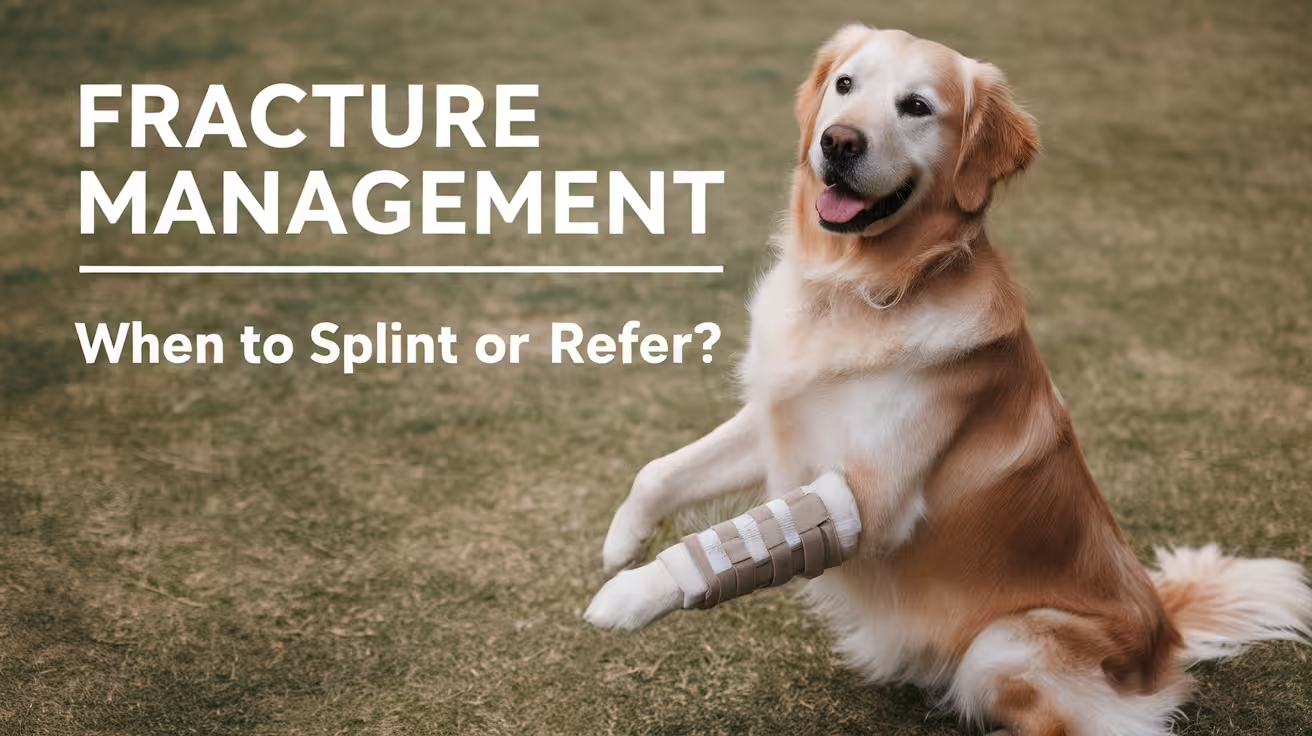
A broken bone in a dog needs one of three things: rest and confinement, external coaptation (splint or cast), or surgical repair. The decision depends on the bone affected, the fracture pattern, the dog's size and age, and the available equipment.
Getting this decision right the first time matters. Fusion Veterinary Orthopedics: "Attempting to use a splint or cast for several weeks with the hope of the fracture healing and doing surgery later is not advised. Chronic non-healing fractures are far more difficult to realign, are more costly, and have a lower likelihood of healing."
Quick answer: External coaptation suits minimally displaced fractures below the elbow or stifle in large adult dogs. Comminuted, articular, open, and upper-limb fractures require surgery. Small and toy breed distal radius fractures almost always need surgical repair.
Key takeaways
- Splints only work for fractures below the elbow or stifle: humeral and femoral fractures cannot be adequately immobilized externally
- Comminuted and articular fractures always require surgery: they are too unstable for external coaptation to maintain alignment
- Open fractures require emergency treatment within 8 hours: irrigation, debridement, and temporary stabilization precede definitive fixation
- 83% of distal radius/ulna fractures in small and toy breeds managed with external coaptation result in malalignment or nonunion
- Growth plate fractures should be surgically repaired within 24 to 48 hours of injury to minimize long-term joint damage
- Consult a board-certified surgeon for complex fractures including spinal, articular, and small-breed distal radial/ulnar
The three management options
1. Cage rest alone: reserved for very young dogs (puppies) with minimally displaced, inherently stable fractures for example, some rib fractures and stable pelvic fractures where the dog's own muscle mass provides sufficient immobilization.
2. External coaptation (splint or cast): for fractures below the elbow or stifle, minimally displaced, in stable large-breed adult dogs. Today's Veterinary Practice: "Ideal fractures for primary fixation using external coaptation include incomplete diaphyseal tibial fractures in young dogs, sometimes referred to as 'greenstick fractures.'"
3. Surgical repair: for the majority of fractures in adult dogs, all fractures in small and toy breeds, all comminuted and articular fractures, all open fractures, and all fractures above the elbow or stifle.
When external coaptation is appropriate
External coaptation requires that the joints above and below the fracture can both be immobilized. This is only achievable for fractures distal to (below) the elbow and stifle.
Clinical Brief: "External coaptation may be successful in fractures below the elbow or stifle, where the joints above and below the fracture can be fully immobilized."
Fractures that may be managed with splinting:
- Greenstick (incomplete) tibial fractures in young large-breed dogs
- Minimally displaced distal radius fractures in large-breed adult dogs
- Some metacarpal and metatarsal fractures
- Toe fractures
How splints are applied: Today's Veterinary Practice: "The splint should span the joint above and below the fracture, and be padded enough to prevent pressure sores and prevent movement of the limb." After placement, a radiograph confirms alignment.
Complications of splinting: ACVS: "Bandages and splints can cause very serious complications. They can be an effective treatment tool for fracture healing and pain control, but careful monitoring and appropriate follow-up must occur." Pressure sores, bandage slippage, and limb swelling are the most common complications; daily monitoring is essential.
When surgical repair is required
Fractures above the elbow or stifle
Animal Medical Center: "It is easy to temporarily immobilize bones below the elbow and knee, while the upper arm and thigh are more challenging to manage because the shoulder and hip are difficult to splint."
Today's Veterinary Practice: "Temporary stabilization of humeral and femoral fractures should not be attempted. In these cases, hospitalization with confinement to a crate along with analgesic relief is ideal while awaiting definitive fixation."
SustainableVet: "Trying to splint these upper limb fractures often leads to pain, delayed healing, and poor limb function. Immediate referral for surgical repair is recommended."
Comminuted fractures
A comminuted fracture means the bone is broken into multiple pieces. These are mechanically unstable fragments shift with any weight bearing. SustainableVet: "These are very unstable and cannot be held in place by a splint alone. The pieces move easily, and the risk of poor healing is high. In these cases, surgical fixation is needed to realign and stabilize the fragments."
Articular fractures (fractures entering a joint)
Any fracture that enters a joint surface requires anatomical reduction the fracture fragments must be restored to near-perfect anatomical position and rigid fixation to prevent joint surface step-off and subsequent arthritis. Fusion Veterinary Orthopedics: "Any growth plate fracture or joint fracture should be treated as quickly as possible within about 24 to 48 hours after injury."
Open (compound) fractures
Animal Medical Center: "Open fractures often require an initial surgery to clean the wound and bone within 8 hours of the injury." The management sequence is:
- Immediate wound irrigation and debridement under anesthesia
- Temporary stabilization (bandage)
- Systemic antibiotics
- Definitive fracture repair after soft tissue stabilization
Do not attempt definitive fixation of a contaminated open fracture at the initial presentation; this dramatically increases infection risk.
Small and toy breed radius and ulna fractures
Today's Veterinary Practice: "In small and toy breed dogs, 83% of distal radius and ulna fractures addressed with external coaptation alone result in malalignment or nonunion. Therefore, internal fixation is recommended for these fractures in small and toy breed dogs."
SustainableVet: "Toy breeds like Chihuahuas, Pomeranians, and Yorkies are at high risk of nonunion. Their small bones have less blood supply, which slows healing. Even simple fractures may not heal with splints alone."
Spinal fractures and luxations
Spinal fractures with cord involvement are neurosurgical emergencies requiring immediate specialist referral for stabilization and decompression. Clinical Brief: "For complex fractures including spinal, consider consultation with a boarded veterinary surgeon or referral to a specialty practice."
Surgical options for fracture repair
Vets4Pets provides a useful overview: "Two types of surgical fracture repair are normally used in pets. Internal fixation involves placing surgical screws, pins, or metal plates under the skin around the fracture site to stabilize the bone. External fixation involves attaching surgical scaffolding to the bone through small holes in the skin."
Specific implant systems used:
- Intramedullary (IM) pins: inserted down the bone canal; suitable for some long-bone fractures
- Bone plates and screws: the most common implant system; provides rigid fixation; locking plate systems are particularly stable
- External skeletal fixators (ESF): transcutaneous pins connected by an external frame; useful for open fractures, infected fractures, and certain metaphyseal fractures
- Interlocking nails: for femoral and tibial shaft fractures
Timing matters
Animal Medical Center: "You should treat a closed fracture within 2 to 4 days. Timely veterinary fracture repair can prevent complications like bone misalignment or long-term mobility issues."
Fusion Veterinary Orthopedics: "Chronic non-healing fractures are far more difficult to realign, are more costly, and have a lower likelihood of healing."
Delaying evaluation hoping the dog will be "better tomorrow" consistently leads to worse outcomes. Fractures should be radiographed and assessed by a veterinarian on the day they are suspected.
For recovery care after fracture surgery, see orthopedic surgery home care guide. For the referral decision framework across orthopedic conditions, see when to refer orthopedic cases. For the full specialist referral process, see what is veterinary referral surgery.
Frequently asked questions
My dog is walking on the leg a little. Does that mean it is not broken?
No. Weight bearing on a fractured limb is common many dogs do not display obvious non-weight-bearing lameness with incomplete or minimally displaced fractures. Any dog with pain, swelling, or abnormal limb conformation after trauma needs radiographs.
How do I transport a dog with a suspected broken leg to the vet?
Keep the dog calm and restrict movement. Do not splint at home; improper application can worsen the fracture. Carry small dogs; use a rigid surface for large dogs. Call ahead so the clinic can prepare.
Will my dog's fracture heal faster with rest than surgery?
For fractures that require surgery, no. Fusion Veterinary Orthopedics: "Surgery ensures optimal alignment and stabilization for less pain and faster healing." Splinting a fracture that needs surgery delays appropriate treatment and often results in malunion or nonunion.
What is a growth plate fracture and why is it urgent?
Growth plates are bone formation zones at long bone ends in immature dogs. Fractures disrupt blood supply to growth cells. Fusion Veterinary Orthopedics: "Growth plate fractures should be treated within 24 to 48 hours." Delay risks permanent deformity.
Can a dog live with an untreated fracture?
Some dogs survive without repair, particularly with stable pelvic fractures. However, untreated fractures often result in malunion, nonunion, chronic pain, and permanent functional loss. Any decision against surgery should be fully informed.
How often does a splint need to be checked when my dog is wearing one?
ACVS: splints require careful monitoring and appropriate follow-up. Checks every 3 to 5 days are standard initially. Watch for swelling above or below the splint, foul odor, cold or pale toes, or the dog chewing the bandage.
Resources
- SustainableVet. Fracture Management in Dogs: When to Splint or Refer? sustainablevet.org
- Today's Veterinary Practice. Definitive Treatment of Limb Fractures With Splints or Casts. todaysveterinarypractice.com
- ACVS. Fractured Limbs. acvs.org
- Clinical Brief. Fracture Management. cliniciansbrief.com
- Fusion Veterinary Orthopedics. Minimally Invasive or Open Fracture Repair. fusionvetortho.com

External Fixators and Internal Plating: When Are These Indicated?
When do dogs need external fixators vs. internal plating? Learn key indications, pros, and real case examples in veterinary fracture repair
When a dog breaks a bone, the surgical goal is to stabilize the fracture so it heals correctly. Two of the most common methods are external skeletal fixation and internal plate fixation.
Choosing between them depends on the fracture type, location, the dog's size and health, and the presence of any concurrent wounds or infection.
Quick answer: External fixators use pins through the skin connected to an external frame; internal plates fix directly to bone. External fixators suit open fractures and contaminated bone. Internal plating is preferred for most closed fractures and needs less daily home care.
Key takeaways
- External fixators use pins through the skin connected to external bars; preferred for open fractures and when internal implants would increase infection risk
- Internal plating fixes a plate directly to bone under the skin; it provides rigid fixation for most closed long-bone fractures
- Fracture type is the primary determinant: open or contaminated fractures favour external fixation; simple closed fractures favour internal plating
- External fixators need daily pin-site cleaning to prevent tract infections, the most common complication
- Internal plating is generally superior for most closed fractures; no direct head-to-head studies exist for all configurations
- Both methods can be combined (hybrid fixation) for complex fractures requiring biological and mechanical advantages
External skeletal fixation (ESF)
What it is
External fixation is completed using a device called an external fixator. This specialized device consists of multiple pins and external bars or rings, which hold a fractured bone in place during the healing process.
Pins are placed through the skin and bone on either side of the fracture. These pins connect to an external frame bars in linear fixators, rings in circular (Ilizarov-type) fixators.
The frame holds the fracture in alignment without directly contacting the fracture site.
Types
Type I (uniplanar, unilateral): pins exit one side of the limb only; the simplest and most commonly used type.
Type II (biplanar, bilateral): pins exit both sides of the limb; more rigid than Type I.
Circular fixators: ring-based frames that allow gradual correction of complex deformities and angular limb corrections. More technically demanding.
When external fixation is indicated
External fixation is an effective procedure to correct complex fractures and angular limb deformities in dogs.
Key indications:
- Open fractures with skin wounds communicating with the fracture site placing internal implants risks trapping contamination
- Infected or contaminated bone external fixation avoids implant-associated biofilm infection
- Soft tissue compromise severe bruising, degloving, or burn injury around the fracture
- Angular limb deformities gradual correction is possible with circular fixators
- Skeletally immature dogs where growth plates need to be protected
- Temporary stabilization before definitive repair (damage control orthopaedics)
Limitations and home care
External fixators require daily pin-site care by the owner cleaning around each pin to prevent tract infection. Pin-tract infection is the most common complication and can require early removal if severe.
The external frame can be bulky and requires the dog to avoid catching it on furniture or other dogs.
Internal plate fixation
What it is
Internal plating fixes a metal plate directly to the bone surface using cortical screws. The plate bridges the fracture and holds the bone in alignment during healing.
Everything is under the skin; no external components are visible once the wound is closed.
In all but the most minor fractures, internal fixation is superior to external fixation. Typically implants are made from inert metals such as stainless steel and take the forms of pins, plates, screws, or wires.
When internal plating is indicated
The advantages of addressing long bone fractures with internal fixation versus external coaptation include early return to function and maintenance of joint motion. Internal fixation is indicated for fractures that are subjected to compression, shearing, and/or tensile forces.
Key indications:
- Closed long-bone fractures in medium and large breeds radius/ulna, femur, tibia, humerus
- Articular fractures where precise anatomical reduction is essential
- Highly comminuted closed fractures where external fixation cannot achieve adequate stability
- Periprosthetic fractures around existing implants
- Fractures requiring early weight bearing plates provide more rigid fixation than most external frames
Plate types
Locking plates (LCP): the most commonly used system in modern veterinary orthopaedics. Screws lock into the plate, creating an angular-stable construct that does not rely on friction between the plate and bone.
Conventional dynamic compression plates (DCP): older design; still used in some straightforward fractures.
Specialty plates: T-shaped for proximal tibia, L-shaped for distal femur, curved for acetabular fractures.
Limitations
Internal plating requires open surgical access to the fracture, which temporarily disrupts the blood supply and soft tissue around the bone. In open or infected fractures, this approach increases infection risk.
Implant removal is sometimes required if pain or implant loosening develops, though many plates remain in place for life without issues.
Comparison summary
It is recommended that veterinarians base treatment choice on available orthopaedic equipment at their clinic and their personal experience with fracture stabilisation methods they are comfortable using. Both methods have potential risks and complications.
For the broader fracture management decision guide, see fracture management in dogs: when to splint or refer. For minimally invasive approaches to orthopedic repair, see minimally invasive orthopedic surgery for general practitioners.
Frequently asked questions
Which is better an external fixator or an internal plate?
Neither is universally better. The right choice depends on fracture type, whether the fracture is open or closed, the presence of contamination, the dog's size, and surgeon experience.
For most closed long-bone fractures in medium and large dogs, internal plating provides more reliable fixation. For open or infected fractures, external fixation is generally safer.
How long does a dog wear an external fixator?
Typically 6 to 10 weeks, until radiographic evidence of sufficient bone healing allows safe removal. The frame is removed under sedation or light anesthesia at the clinic.
Timeline varies by fracture severity, the dog's age, and healing rate.
Do internal plates need to be removed?
Not routinely. Most plates remain in place permanently without causing problems.
Removal is considered if the dog develops pain, implant loosening, or infection around the plate or occasionally in very young dogs where the plate may interfere with bone growth.
Can my dog bear weight with an external fixator?
Yes, often earlier than with splints or casts. One advantage of external fixation is that it allows some controlled weight bearing during healing, which promotes bone healing through mechanical stimulation.
Your vet will specify the allowed activity level.
What is hybrid fixation?
Hybrid fixation combines elements of both methods for example, a plate for primary stabilization with an external component for additional support.
It is used for very complex fractures where a single method cannot achieve adequate stability alone.
Resources
- WagWalking. External Fixation in Dogs. wagwalking.com
- WagWalking. Internal Fixation in Dogs. wagwalking.com
- Today's Veterinary Practice. A Practitioner's Guide to Fracture Management, Part 3: Selection of Internal Fixation Technique. todaysveterinarypractice.com
- PMC. Comparing Internal versus External Fixation for Diaphyseal Tibial and Fibular Fractures in Skeletally Immature Dogs. pmc.ncbi.nlm.nih.gov
- VIN / WSAVA 2016. External Skeletal Fixation: Options and Techniques. vin.com
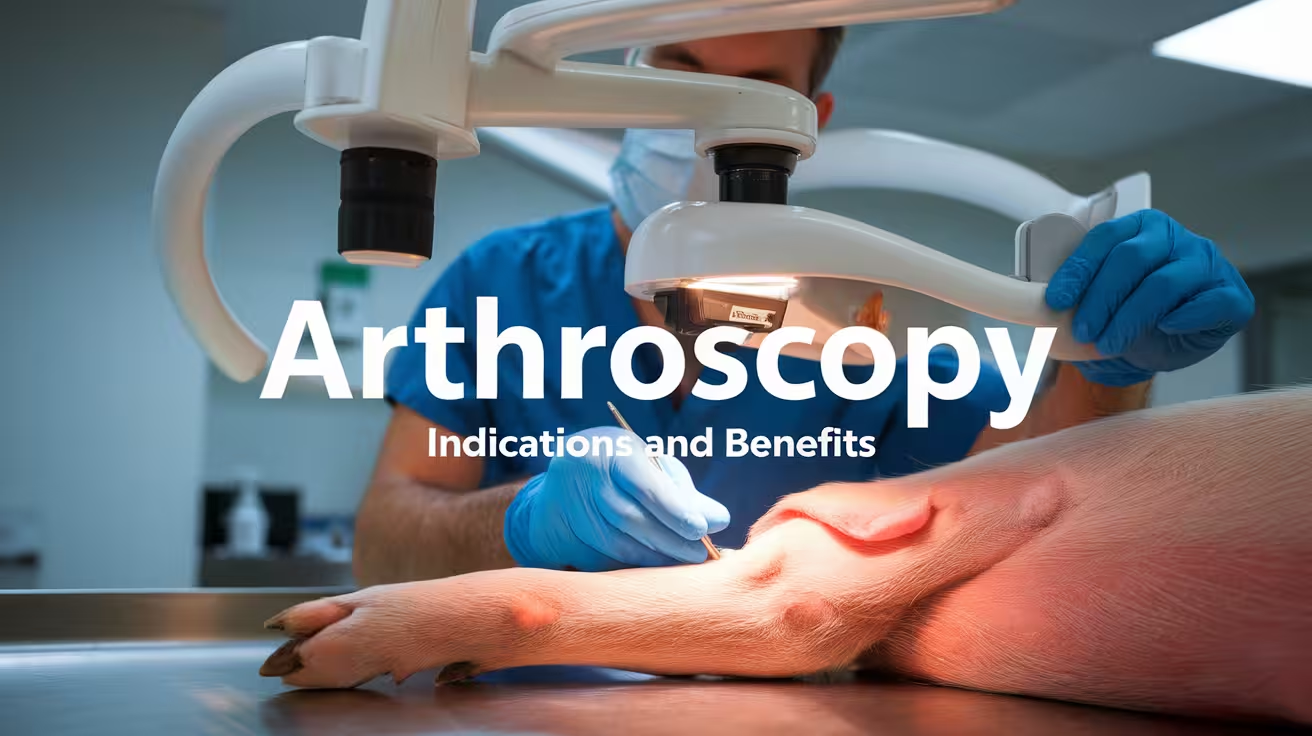
Arthroscopy in Veterinary Orthopedics: Indications and Benefits
Discover how arthroscopy helps diagnose and treat joint issues in pets. Learn key indications, benefits, and recovery details
What Is Arthroscopy in Veterinary Orthopedics?
Arthroscopy is a minimally invasive surgical technique used to look inside your pet’s joints. It involves making small incisions to insert a tiny camera (arthroscope) and special instruments. The camera sends real-time images to a screen, allowing the surgeon to see and treat joint problems without fully opening the joint.
Unlike traditional open joint surgery, arthroscopy causes less tissue damage, smaller scars, and quicker healing. It’s especially useful for diagnosing and treating conditions like ligament damage, joint inflammation, or loose cartilage. Because it offers better visibility with less pain and swelling, more vets are using it in modern orthopedic care.
Arthroscopy is commonly performed on the shoulder, elbow, stifle (knee), and hip joints. It allows precise treatment with fewer complications, making it a preferred option for both diagnosis and surgery in many orthopedic cases.
Diagnostic Benefits of Arthroscopy
Arthroscopy gives veterinarians a clear, direct view inside the joint, which is not possible with radiographs or even CT scans. This technique helps detect issues that might be missed with imaging alone, especially soft tissue problems. Because the camera goes directly into the joint, the surgeon can see the cartilage, ligaments, and joint surfaces in real time.
Here are some key diagnostic benefits of arthroscopy:
- Direct visualization of joint interiors helps identify problems right at the source.
- Cartilage damage, such as softening, thinning, or flaking, is seen clearly.
- Ligament injuries, including partial or early tears, are more accurately diagnosed.
- Subtle abnormalities, like joint inflammation or loose fragments, are easier to detect.
- Better than radiographs or CT scans for spotting soft tissue problems like meniscal tears.
- Synovial fluid or tissue samples can be collected during the procedure for lab testing.
Overall, arthroscopy improves the accuracy of diagnosis, allows early treatment planning, and reduces the need for exploratory surgery. It helps vets make more informed decisions and improves outcomes for dogs with joint issues.
Indications: When Is Arthroscopy Used in Veterinary Orthopedics?
Arthroscopy is commonly used in veterinary orthopedics to diagnose and treat joint problems with less pain and faster recovery. It is especially helpful in joints where precision matters and where early treatment improves long-term outcomes.
1. Elbow Joint Conditions
The elbow is one of the most common joints treated with arthroscopy in dogs, especially large breeds. Common conditions include:
- Fragmented Medial Coronoid Process (FMCP): Arthroscopy allows removal of small bone fragments and smoothing of rough surfaces.
- Osteochondritis Dissecans (OCD): Loose cartilage is removed with minimal joint trauma.
- Ununited Anconeal Process (UAP): Surgeons can evaluate the extent of separation and remove or reattach the piece.
- Elbow incongruity: Arthroscopy helps detect joint mismatch early, guiding further surgical decisions.
This joint benefits from arthroscopy because of its complexity and the difficulty of seeing problems on X-rays.
2. Shoulder Joint Conditions
Shoulder arthroscopy is often used to diagnose and treat soft tissue injuries that cause lameness. Key conditions include:
- OCD of the shoulder: Cartilage flaps are easily identified and removed with minimal damage.
- Biceps tendon pathology: Allows inspection and treatment of tendon inflammation or rupture.
- Medial shoulder instability: Helps confirm ligament stretching or damage and guide surgical repair.
Because shoulder injuries can be hard to detect with imaging, arthroscopy is a valuable diagnostic and treatment tool in active dogs.
3. Stifle (Knee) Joint Conditions
Arthroscopy is useful in diagnosing and treating stifle joint problems, especially when combined with surgical repair. Common indications:
- Cranial cruciate ligament rupture: Arthroscopy can confirm partial or complete tears and assess secondary damage.
- Meniscal tears: Allows clear visualization and precise removal of torn cartilage.
- OCD of the femoral condyle: Helps detect and treat cartilage defects in the knee joint.
In many cases, arthroscopy is done before or during surgery like TPLO to evaluate joint health and improve surgical outcomes.
4. Other Joints (Selective Use)
Though less common, arthroscopy can be used in other joints when imaging is unclear or precision is needed:
- Hip joint: Occasionally used to examine cartilage damage or joint laxity in young dogs.
- Tarsus (hock): Useful in complex cases with suspected OCD or instability.
- Carpus (wrist): Allows diagnosis of ligament injuries or chronic inflammation in small breeds.
These joints are smaller and harder to access, so arthroscopy is used selectively by experienced surgeons.
Therapeutic Uses of Arthroscopy
Arthroscopy is not only helpful for diagnosing joint problems but also plays an important role in treatment. Because it uses small incisions and specialized instruments, it causes less damage than traditional surgery and speeds up recovery.
Here are key therapeutic uses of arthroscopy in veterinary orthopedics:
- Removal of loose bone or cartilage fragments: Fragments from injuries or conditions like OCD can cause pain and joint damage. Arthroscopy allows precise removal without opening the whole joint.
- Debridement of damaged cartilage: Worn or injured cartilage can be trimmed or smoothed to reduce pain and slow joint degeneration.
- Lavage in septic joints: In infected joints, arthroscopy allows joint flushing (lavage) to remove pus, bacteria, and debris, helping the joint heal faster.
- Treatment of partial ligament tears: Minor tears, such as early cruciate ligament damage, can be cleaned and evaluated to guide future treatment.
- Joint flushing to reduce inflammation: In dogs with chronic joint inflammation or immune-mediated arthritis, flushing out the joint helps decrease swelling and improve comfort.
Arthroscopy offers a way to treat problems directly with minimal trauma, which leads to faster healing, less scarring, and better long-term joint function.
Benefits of Arthroscopy Compared to Traditional Surgery
Arthroscopy has become a preferred choice in veterinary orthopedics because it offers many benefits over traditional open joint surgery. By using small incisions and a camera, it reduces trauma and improves healing outcomes.
Key benefits include:
- Smaller incisions = reduced soft tissue trauma: The small entry points cause less damage to muscles and skin, which helps with faster healing and less scarring.
- Faster post-op recovery time: Dogs often return to gentle activity sooner than with traditional surgery. This can shorten the overall rehab period.
- Lower pain levels for the patient: Less tissue damage means less pain after surgery. Many dogs show improved comfort within a few days.
- Reduced risk of infection: Smaller wounds and shorter procedure times lower the chance of bacteria entering the joint.
- Shorter anesthesia and hospital stay durations: Arthroscopy usually takes less time, which means reduced anesthesia risk and shorter clinic stays.
- Improved precision due to magnified view: The camera gives a clear, enlarged view of the joint, helping the surgeon see tiny structures and treat the exact problem.
Overall, arthroscopy allows better care with fewer risks and a smoother recovery, making it a valuable tool in modern veterinary surgery.
Limitations and Considerations
While arthroscopy offers many benefits, it’s not the right choice for every case. There are certain limitations and factors to consider before choosing this technique for your dog.
Here are key points to keep in mind:
- Not suitable for very small joints or advanced joint disease: In very small dogs or cats, the joint space may be too tight for the instruments. Arthroscopy is also less effective when the joint has severe arthritis or bone deformity.
- Requires advanced training and specialized equipment: Not all veterinary clinics offer arthroscopy. It needs a skilled surgeon with special tools and experience, which may limit availability.
- In rare cases, may need to convert to open surgery: If the problem is too complex or the joint is hard to access, the surgeon may switch to a traditional open approach during the procedure.
- Cost considerations depending on setup and expertise: Arthroscopy can be more expensive than standard surgery due to the high cost of equipment and the advanced training required.
Despite these limitations, arthroscopy remains a valuable option for many joint conditions. Your veterinarian will help you decide if it’s the right choice based on your pet’s size, diagnosis, and overall health.
Prognosis and Expected Outcomes
Arthroscopy has a high success rate when used in the right cases and performed by an experienced surgeon. Most dogs recover well and show noticeable improvement in comfort and mobility.
Here’s what you can expect from arthroscopy:
- High success rate in properly selected cases: When done for the right joint condition—such as early ligament injury, cartilage damage, or OCD—arthroscopy provides excellent results with fewer complications.
- Faster return to function and normal activity: Because the procedure is minimally invasive, dogs often regain mobility sooner than with traditional surgery. Most pets can begin light activity within a few weeks.
- Early intervention improves long-term joint health: Treating joint problems early, before there is severe damage, helps protect the joint. This can delay or prevent long-term issues like chronic pain or joint deformity.
- May reduce progression to osteoarthritis if done early: By removing damaged tissue and flushing the joint early, arthroscopy can slow down the development of arthritis, especially in young or active dogs.
Overall, arthroscopy offers a strong long-term outcome with less pain, quicker healing, and better joint function—especially when performed before the disease becomes advanced. Regular follow-up and proper rehab are key to success.
Final Thoughts
Arthroscopy is a modern, minimally invasive technique that offers both diagnostic and therapeutic benefits in veterinary orthopedics. It allows for precise treatment of joint conditions like OCD, ligament injuries, and cartilage damage with smaller incisions, less pain, and faster recovery compared to traditional surgery.
It’s especially helpful for early-stage joint problems, where quick action can protect the joint and reduce long-term damage. However, not every case is a match for arthroscopy. Factors like joint size, disease severity, and available expertise must be considered.
Early diagnosis plays a major role in successful outcomes. If your dog shows signs of joint pain, lameness, or reduced activity, don’t wait. A timely exam can make all the difference. Always consult a board-certified veterinary surgeon to determine if arthroscopy is the right choice for your dog’s condition and recovery.
FAQs About Arthroscopy in Veterinary Orthopedics
Is arthroscopy painful for dogs or cats?
Arthroscopy is less painful than traditional open joint surgery because it uses small incisions and causes less tissue damage. Most pets experience mild discomfort, which is managed with pain medication. Many animals begin walking comfortably within a few days and show steady improvement as healing progresses.
How long does recovery take after arthroscopy?
Recovery time after arthroscopy is usually shorter than open surgery. Most pets start gentle activity within 2 to 3 weeks. Full recovery takes about 6 to 8 weeks, depending on the joint treated and overall health. A structured rehab plan, including rest and controlled exercise, helps ensure the best outcome.
How much does veterinary arthroscopy cost?
The cost of arthroscopy can range from $2,000 to $4,000 or more, depending on the joint treated, clinic location, surgeon experience, and whether therapeutic procedures are done. Additional fees for diagnostics, anesthesia, and follow-up care may apply. Always ask for a full estimate before scheduling the procedure.
Can small breed dogs undergo arthroscopy?
Yes, small breed dogs can have arthroscopy, especially for shoulder, elbow, or stifle issues. However, very tiny joints may be too small for the instruments. A skilled veterinary surgeon will evaluate your dog’s size and joint structure to decide if arthroscopy is a safe and effective option.
Is arthroscopy better than MRI or CT for joint problems?
Arthroscopy gives a real-time, direct view of the inside of the joint, making it better for diagnosing cartilage, ligament, or meniscus problems. MRI and CT scans are useful for imaging bones and deeper structures, but they can miss soft tissue issues that arthroscopy can clearly reveal and treat at the same time.

Canine Cruciate Injuries in Dogs | Surgery vs. Conservative Management
Explore treatment options for canine cruciate injuries in dogs. Learn when to choose surgery vs. conservative care for better recovery and joint health
CCL rupture is the most common orthopedic injury in dogs.
Once it occurs, the joint will develop osteoarthritis regardless of treatment.
The question is whether surgery offers enough benefit over conservative management to justify the cost and recovery.
The answer depends heavily on the dog's size.
Quick answer: Surgery is the standard of care for dogs over 15 to 20 kg with CCL rupture. TPLO and TTA both achieve 85 to 95% return to good function. Small dogs under 15 kg sometimes achieve acceptable function without surgery. OA progresses in all cases; surgery reduces the rate significantly.
Key takeaways
- Surgery is standard for dogs over 15 to 20 kg: conservative management produces worse outcomes in medium and large breeds
- TPLO is most commonly recommended by ACVS surgeons for dogs over 27 kg; it achieves excellent limb function in most cases
- TTA produces outcomes comparable to TPLO in most studies; evidence for superiority of either technique is weak
- Lateral suture is appropriate for small dogs under 15 to 20 kg; it relies on periarticular fibrosis for long-term stability
- Conservative management is reasonable only for small dogs or dogs that cannot safely undergo anesthesia
- OA progresses in all cases regardless of treatment; surgery reduces the rate of progression and preserves long-term joint function
Why surgery is generally preferred
The unstable stifle with no functioning CCL causes two problems simultaneously: cartilage erosion from abnormal joint movement with each step, and progressive meniscal damage. Every day of instability adds cumulative damage.
The goal of TPLO or TTA is to change the biomechanical function of the knee to limit cranial drawer during weight-bearing movement. TPLO is currently the most commonly recommended procedure by ACVS surgeons for CrCLR therapy in dogs weighing over 60 lb.
Surgical treatment usually results in better long-term outcomes, especially for medium to large dogs. It provides stronger joint stability, a quicker return to normal activity, and a lower risk of arthritis progression.
Both TPLO and TTA work by neutralizing the forces the CCL normally resists.
Neither replaces the ligament; they change joint geometry so the CCL is no longer needed during weight-bearing.
Surgical options
TPLO (Tibial Plateau Leveling Osteotomy)
TPLO rotates the tibial plateau until the joint is stable during weight-bearing without a functional CCL. It is the most widely performed cruciate repair in the UK, North America, and Australia.
In a retrospective study of 1,000 patients, TPLO carried a 14.8% complication rate (6.6% major, requiring repeat surgery or causing extended lameness), which included 2.8% late meniscal injury and 6.6% infections.
TPLO has a better functional outcome on subjective and objective gait analysis than TTA. At first glance, the analysis of multiple studies allows the hypothesis that TPLO is superior to TTA in terms of long-term clinical outcomes, although further research is needed to confirm this.
Best for: dogs over 20 kg, active dogs, dogs with steep tibial plateau angles.
Cost: $3,000 to $5,000 per stifle at specialist centres.
TTA (Tibial Tuberosity Advancement)
TTA advances the tibial tuberosity to position the patellar tendon perpendicular to the tibial plateau, achieving a similar biomechanical neutralization to TPLO.
Evidence: outcomes comparable to TPLO in most studies; return to function 85 to 93%. Appropriate for medium to large dogs, lower tibial plateau angles, and some anatomic configurations where surgeons prefer TTA.
The first clinical trial showed TTA was associated with less OA progression than TPLO at 6-month follow-up. However, the opposite was reported in the second clinical trial. Strength of evidence is weak neither procedure is clearly superior in OA outcomes.
Best for: dogs over 15 kg; particularly suitable for dogs with lower tibial plateau angles.
Cost: $2,500 to $4,500 per stifle.
Lateral suture / extracapsular repair (LFTS)
Extracapsular stabilization relies on periarticular fibrosis for long-term stability since no artificial suture substitute remains intact in vivo over long periods. A number of extracapsular stabilization techniques have been described and result in normal return to athletic function.
The lateral suture uses a strong monofilament suture to temporarily mimic the CCL while the periarticular fibrous tissue develops. It is lower-cost, technically less demanding, and appropriate for small dogs.
Best for: dogs under 15 to 20 kg; older dogs with lower activity requirements.
CBLO (CORA-Based Leveling Osteotomy)
A newer osteotomy technique that uses individualized CORA-based planning. Outcomes similar to TPLO. For the full CBLO guide, see CBLO surgery in dogs: cost, recovery, and success rate.
Conservative management
Conservative management refers to strict activity restriction, physiotherapy, weight management, and pain medication without surgical stabilization.
For a large, active dog, surgery may be necessary to achieve the best long-term outcome. On the other hand, smaller dogs sometimes fare well with a non-surgical plan, in addition to dogs with medical factors making surgery risky.
Canine rehab will not heal a damaged or torn ligament. Instead, rehab can help by strengthening the surrounding muscles, reducing pain, and addressing compensatory movement patterns.
Conservative management relies on the development of periarticular fibrosis scar tissue that gradually stabilizes the joint over 6 to 12 weeks.
In small dogs (under 15 kg), this fibrosis is often sufficient for acceptable function.
When conservative management is considered:
- Dogs under 10 to 15 kg with partial tears
- Dogs with significant concurrent medical conditions making anesthesia high-risk
- Financial constraints when surgery is not possible
- Older, sedentary dogs with low functional demands
Limitations: OA progresses faster without surgical stabilization. Meniscal tears are more likely. Activity restriction for 8 to 12 weeks is still required.
Surgical vs. conservative: outcome comparison
For the what-causes guide to CCL tears, see what causes cruciate ligament tears in dogs. For the meniscal injury context, see torn meniscus surgery cost in dogs.
For the CBLO alternative, see CBLO surgery in dogs: cost, recovery, and success rate.
Frequently asked questions
Is conservative management ever appropriate for large dogs?
Rarely, and only when anesthesia risk is genuinely prohibitive due to significant cardiac, pulmonary, or metabolic disease.
In such cases, conservative management with physiotherapy and pain management is the best available option not a preferred one. The outcome will generally be poorer than in surgical cases.
Which is better: TPLO or TTA?
Both achieve 85 to 95% good-to-excellent outcomes. TPLO may have a slight edge in objective gait analysis and is more widely performed. TTA may produce less short-term OA progression in some studies.
No clear evidence of long-term superiority exists for either technique. The decision is based on tibial anatomy, dog size, and surgeon preference and experience.
My small dog ruptured its CCL. Do they need surgery?
Not always. Dogs under 10 to 15 kg sometimes achieve acceptable long-term function through conservative management.
However, surgery still produces better outcomes in most small dogs and should be the default recommendation unless there are specific contraindications. Discuss the options with your vet.
How long does recovery take after TPLO or TTA?
8 to 12 weeks of restricted activity with progressive return to full function.
Most dogs walk comfortably by 4 to 6 weeks, bear weight normally by 8 weeks, and return to full activity by 12 to 16 weeks depending on the rehabilitation program.
Will my dog get arthritis even after surgery?
Yes. OA is present in the joint before surgery and will continue to progress after it.
Surgery reduces the rate of OA progression significantly compared to conservative management but cannot reverse existing damage. Long-term management with weight control, exercise, and joint support is important regardless of surgical outcome.
Resources
- ACVS. Cranial Cruciate Ligament Disease. acvs.org
- Today's Veterinary Practice. Canine Cranial Cruciate Disease: An Evidence-Based Look at Current Treatment Modalities. todaysveterinarypractice.com
- PMC. Surgical Treatment of CCL Disease: TPLO or TTA A Systematic Review. ncbi.nlm.nih.gov
- Veterinary Evidence. In Dogs with Ruptured CCL, Is TPLO Superior to TTA in Reducing Postoperative OA? veterinaryevidence.org
- Puppy Longevity. Dog ACL (CCL) Surgery Guide: TPLO, TTA, and Recovery. puppylongevity.com
Joint Replacement Surgery in Dogs: Success Rates and Expectations
Discover success rates, recovery time, and expectations for joint replacement surgery in dogs. Learn when it’s the right option for your pet
Joint replacement surgery is the most advanced intervention in veterinary orthopaedics.
For dogs with severe, irreversible joint disease that has not responded to medical management, it can transform quality of life in a way no medication or rehabilitation can match.
Quick answer: Total hip replacement in dogs achieves 90 to 95% good-to-excellent outcomes. It is indicated for end-stage hip OA unresponsive to conservative management. Recovery requires 8 to 12 weeks of strict rest. Cost is $4,000 to $7,000 per joint.
Key takeaways
- THR achieves 90 to 95% good-to-excellent function in appropriately selected dogs; most need no further pain medication after recovery
- THR complication rate is 5 to 10%: post-operative luxation is most common, occurring in 3 to 5% of cases
- THR is indicated for end-stage hip dysplasia OA not responding to conservative management; it is a salvage procedure, not first-line
- Total elbow replacement is available at only a few specialist centres and has higher complication rates than THR
- Strict activity restriction for 8 to 12 weeks post-surgery is essential owner compliance is one of the most important factors in outcome
- Cost is $4,000 to $7,000 per joint at specialist centres; bilateral cases require two separate procedures
Total hip replacement (THR)
What it is
Total hip replacement removes the femoral head and acetabulum and replaces both with prosthetic implants a metal femoral stem with a ball, and a metal or polyethylene acetabular cup.
The new joint provides smooth, pain-free movement without the bone-on-bone contact of advanced hip OA.
Canine joint replacement technology and surgeon expertise have advanced greatly over the past 20 years. Only a few relatively small companies worldwide supply the technology for joint replacement surgery, and a relatively low number of surgeons have the expertise to consistently perform the procedure with a high degree of proficiency.
Success rates
The success rate for total hip replacement in dogs is very high between 90% and 98%. Most dogs experience significant pain relief, improved movement, and a better quality of life.
Studies show more than 90 to 95% of dogs have good to excellent function with THR, providing years of pain-free activity that otherwise would not have been possible.
A large registry study reviewed 2,375 THRs in 1,852 dogs over 10 years. The majority of cases were hip dysplasia with osteoarthritis.
Owner-reported outcomes were strongly positive in the vast majority of cases.
Complications
The typical overall complication rate following a THR varies, with a reported overall average complication rate of 5 to 10%. The more commonly reported complications include postoperative luxation, often associated with a fall or excessive activity.
The most frequent complication is hip dislocation, occurring in approximately 3 to 5% of cases. Other potential complications include fracture, nerve injury, or infection.
Most complications are managed without losing the implant. Catastrophic failure requiring implant removal is uncommon in experienced hands.
Candidates for THR
Good candidates:
- Dogs with hip dysplasia and severe OA causing significant pain and reduced quality of life
- Dogs that have failed conservative management (weight management, NSAIDs, rehabilitation)
- Dogs with adequate bone stock to accept the implant
- Dogs whose owners can commit to strict post-operative restriction
Not candidates:
- Dogs with neurological disease affecting the same limb
- Dogs with active infection in or near the joint
- Dogs with severe muscle atrophy at time of surgery
- Dogs with other significant orthopaedic disease in the same limb
Candidates for THA must not have other orthopaedic disease in the limb to be operated, as well as clients willing to perform the postoperative care necessary for a successful outcome.
Implant systems
Two main systems exist: cemented (implant fixed with bone cement) and cementless (press-fit, relying on bone ingrowth for long-term fixation).
Cementless systems are now more widely used and have longer documented longevity in dogs.
In most cases, the replaced hip will last for your pet's lifetime.
Total elbow replacement
Total elbow replacement (TER) is significantly more complex than THR and available at only a small number of specialist centres worldwide.
Total elbow arthroplasty continues to be under development. The system is technically demanding and may be the reason it is not used more widely by veterinary surgeons.
The T.A.T.E. elbow system is the most widely used current system.
Indications include end-stage elbow OA from fragmented medial coronoid process disease or other elbow dysplasia conditions that have exhausted all other options.
Complication rates for total elbow replacement are higher than THR.
It is a salvage procedure reserved for dogs that have failed all other surgical and medical options and where FHO-equivalent (head and neck excision) is not anatomically applicable.
Cost
The cost of a total hip replacement typically ranges from $4,000 to $7,000. Elbow and knee replacements may fall within a similar or slightly higher range due to complexity. Although the upfront cost is high, joint replacement can eliminate the need for ongoing pain medications, frequent vet visits, or repeated surgeries.
Bilateral THR (both hips) nearly doubles the cost. Most surgeons stage bilateral cases 8 to 16 weeks apart rather than performing both simultaneously.
Recovery
Activity restrictions are significant during the initial 8 to 12 weeks of recovery. Your pet should not be allowed to be off leash, run, or jump. Your pet should be strictly confined to a small indoor area with non-slippery floors or in a crate. Most pets are ready to resume regular exercise and activities after 12 weeks of recovery.
Recovery milestones:
- Days 1 to 14: crate rest, leash-only bathroom walks, pain medication
- Weeks 2 to 8: progressive short leash walks, rehabilitation exercises begin
- Weeks 8 to 12: radiographic recheck, gradual activity increase if healing is confirmed
- Month 3 to 6: peak recovery; most dogs reach full or near-full function
Rapid recovery and high performance are expected not just hoped for in current veterinary orthopaedic surgery.
For the full rehabilitation guide covering the post-joint-replacement recovery period, see physical therapy and rehabilitation: how referring vets can support recovery.
For the pain management approach used alongside joint replacement recovery, see orthopedic pain management in pets: multimodal approaches. For the referral decision, see when to refer for orthopedic surgery.
Frequently asked questions
Is my dog a candidate for total hip replacement?
The key criteria are: end-stage hip OA with significant pain and failure of conservative management.
Additionally: no neurological disease or orthopaedic disease in the same limb, adequate bone stock, and an owner able to comply with strict activity restriction.
A board-certified orthopaedic surgeon will assess suitability at a specialist consultation.
How long does a dog live after hip replacement?
The implant is designed to last the dog's lifetime. Most dogs require no further pain medication after recovery and return to near-normal activity.
The procedure does not shorten lifespan and typically significantly improves quality of remaining life.
What happens if the hip dislocates after surgery?
Post-operative luxation occurs in approximately 3 to 5% of cases, usually associated with excessive activity or a fall.
It is managed by manual reduction under anesthesia, followed by a period of restricted activity. In some cases, revision surgery is needed.
This is why strict activity restriction in the first 8 weeks is critical.
Is hip replacement better than FHO (femoral head ostectomy)?
For medium and large breeds, THR generally produces superior outcomes compared to FHO better gait, less muscle atrophy, and more reliable function.
FHO is a reasonable salvage option for small and toy breeds where functional outcomes are more reliable, or when the cost of THR is prohibitive.
Can both hips be replaced at the same time?
Rarely. Most surgeons stage bilateral THR 8 to 16 weeks apart to allow recovery of one limb before stressing the other.
Operating both simultaneously significantly increases anesthetic time and complication risk, and leaves the dog with no sound limb during recovery.
Resources
- AVES. Total Hip Replacement: A Complete Information Guide. austinvets.com
- TVMF. Outcomes for Total Joint Replacement in Dogs and Cats. tvmf.org
- PMC. Outcomes and Complications Reported from a Multiuser Canine Hip Replacement Registry over a 10-Year Period. ncbi.nlm.nih.gov
- DVM360. Total Joint Replacement of the Elbow and Hip. dvm360.com
- Animal Orthopaedic Clinic. Total Joint Replacement. animalorthoclinic.com
Canine Cruciate Injuries in Dogs | Surgery vs. Conservative Management
Explore treatment options for canine cruciate injuries in dogs. Learn when to choose surgery vs. conservative care for better recovery and joint health
CCL rupture is the most common orthopedic injury in dogs.
Once it occurs, the joint will develop osteoarthritis regardless of treatment.
The question is whether surgery offers enough benefit over conservative management to justify the cost and recovery.
The answer depends heavily on the dog's size.
Quick answer: Surgery is the standard of care for dogs over 15 to 20 kg with CCL rupture. TPLO and TTA both achieve 85 to 95% return to good function. Small dogs under 15 kg sometimes achieve acceptable function without surgery. OA progresses in all cases; surgery reduces the rate significantly.
Key takeaways
- Surgery is standard for dogs over 15 to 20 kg: conservative management produces worse outcomes in medium and large breeds
- TPLO is most commonly recommended by ACVS surgeons for dogs over 27 kg; it achieves excellent limb function in most cases
- TTA produces outcomes comparable to TPLO in most studies; evidence for superiority of either technique is weak
- Lateral suture is appropriate for small dogs under 15 to 20 kg; it relies on periarticular fibrosis for long-term stability
- Conservative management is reasonable only for small dogs or dogs that cannot safely undergo anesthesia
- OA progresses in all cases regardless of treatment; surgery reduces the rate of progression and preserves long-term joint function
Why surgery is generally preferred
The unstable stifle with no functioning CCL causes two problems simultaneously: cartilage erosion from abnormal joint movement with each step, and progressive meniscal damage. Every day of instability adds cumulative damage.
The goal of TPLO or TTA is to change the biomechanical function of the knee to limit cranial drawer during weight-bearing movement. TPLO is currently the most commonly recommended procedure by ACVS surgeons for CrCLR therapy in dogs weighing over 60 lb.
Surgical treatment usually results in better long-term outcomes, especially for medium to large dogs. It provides stronger joint stability, a quicker return to normal activity, and a lower risk of arthritis progression.
Both TPLO and TTA work by neutralizing the forces the CCL normally resists.
Neither replaces the ligament; they change joint geometry so the CCL is no longer needed during weight-bearing.
Surgical options
TPLO (Tibial Plateau Leveling Osteotomy)
TPLO rotates the tibial plateau until the joint is stable during weight-bearing without a functional CCL. It is the most widely performed cruciate repair in the UK, North America, and Australia.
In a retrospective study of 1,000 patients, TPLO carried a 14.8% complication rate (6.6% major, requiring repeat surgery or causing extended lameness), which included 2.8% late meniscal injury and 6.6% infections.
TPLO has a better functional outcome on subjective and objective gait analysis than TTA. At first glance, the analysis of multiple studies allows the hypothesis that TPLO is superior to TTA in terms of long-term clinical outcomes, although further research is needed to confirm this.
Best for: dogs over 20 kg, active dogs, dogs with steep tibial plateau angles.
Cost: $3,000 to $5,000 per stifle at specialist centres.
TTA (Tibial Tuberosity Advancement)
TTA advances the tibial tuberosity to position the patellar tendon perpendicular to the tibial plateau, achieving a similar biomechanical neutralization to TPLO.
Evidence: outcomes comparable to TPLO in most studies; return to function 85 to 93%. Appropriate for medium to large dogs, lower tibial plateau angles, and some anatomic configurations where surgeons prefer TTA.
The first clinical trial showed TTA was associated with less OA progression than TPLO at 6-month follow-up. However, the opposite was reported in the second clinical trial. Strength of evidence is weak neither procedure is clearly superior in OA outcomes.
Best for: dogs over 15 kg; particularly suitable for dogs with lower tibial plateau angles.
Cost: $2,500 to $4,500 per stifle.
Lateral suture / extracapsular repair (LFTS)
Extracapsular stabilization relies on periarticular fibrosis for long-term stability since no artificial suture substitute remains intact in vivo over long periods. A number of extracapsular stabilization techniques have been described and result in normal return to athletic function.
The lateral suture uses a strong monofilament suture to temporarily mimic the CCL while the periarticular fibrous tissue develops. It is lower-cost, technically less demanding, and appropriate for small dogs.
Best for: dogs under 15 to 20 kg; older dogs with lower activity requirements.
CBLO (CORA-Based Leveling Osteotomy)
A newer osteotomy technique that uses individualized CORA-based planning. Outcomes similar to TPLO. For the full CBLO guide, see CBLO surgery in dogs: cost, recovery, and success rate.
Conservative management
Conservative management refers to strict activity restriction, physiotherapy, weight management, and pain medication without surgical stabilization.
For a large, active dog, surgery may be necessary to achieve the best long-term outcome. On the other hand, smaller dogs sometimes fare well with a non-surgical plan, in addition to dogs with medical factors making surgery risky.
Canine rehab will not heal a damaged or torn ligament. Instead, rehab can help by strengthening the surrounding muscles, reducing pain, and addressing compensatory movement patterns.
Conservative management relies on the development of periarticular fibrosis scar tissue that gradually stabilizes the joint over 6 to 12 weeks.
In small dogs (under 15 kg), this fibrosis is often sufficient for acceptable function.
When conservative management is considered:
- Dogs under 10 to 15 kg with partial tears
- Dogs with significant concurrent medical conditions making anesthesia high-risk
- Financial constraints when surgery is not possible
- Older, sedentary dogs with low functional demands
Limitations: OA progresses faster without surgical stabilization. Meniscal tears are more likely. Activity restriction for 8 to 12 weeks is still required.
Surgical vs. conservative: outcome comparison
For the what-causes guide to CCL tears, see what causes cruciate ligament tears in dogs. For the meniscal injury context, see torn meniscus surgery cost in dogs.
For the CBLO alternative, see CBLO surgery in dogs: cost, recovery, and success rate.
Frequently asked questions
Is conservative management ever appropriate for large dogs?
Rarely, and only when anesthesia risk is genuinely prohibitive due to significant cardiac, pulmonary, or metabolic disease.
In such cases, conservative management with physiotherapy and pain management is the best available option not a preferred one. The outcome will generally be poorer than in surgical cases.
Which is better: TPLO or TTA?
Both achieve 85 to 95% good-to-excellent outcomes. TPLO may have a slight edge in objective gait analysis and is more widely performed. TTA may produce less short-term OA progression in some studies.
No clear evidence of long-term superiority exists for either technique. The decision is based on tibial anatomy, dog size, and surgeon preference and experience.
My small dog ruptured its CCL. Do they need surgery?
Not always. Dogs under 10 to 15 kg sometimes achieve acceptable long-term function through conservative management.
However, surgery still produces better outcomes in most small dogs and should be the default recommendation unless there are specific contraindications. Discuss the options with your vet.
How long does recovery take after TPLO or TTA?
8 to 12 weeks of restricted activity with progressive return to full function.
Most dogs walk comfortably by 4 to 6 weeks, bear weight normally by 8 weeks, and return to full activity by 12 to 16 weeks depending on the rehabilitation program.
Will my dog get arthritis even after surgery?
Yes. OA is present in the joint before surgery and will continue to progress after it.
Surgery reduces the rate of OA progression significantly compared to conservative management but cannot reverse existing damage. Long-term management with weight control, exercise, and joint support is important regardless of surgical outcome.
Resources
- ACVS. Cranial Cruciate Ligament Disease. acvs.org
- Today's Veterinary Practice. Canine Cranial Cruciate Disease: An Evidence-Based Look at Current Treatment Modalities. todaysveterinarypractice.com
- PMC. Surgical Treatment of CCL Disease: TPLO or TTA A Systematic Review. ncbi.nlm.nih.gov
- Veterinary Evidence. In Dogs with Ruptured CCL, Is TPLO Superior to TTA in Reducing Postoperative OA? veterinaryevidence.org
- Puppy Longevity. Dog ACL (CCL) Surgery Guide: TPLO, TTA, and Recovery. puppylongevity.com
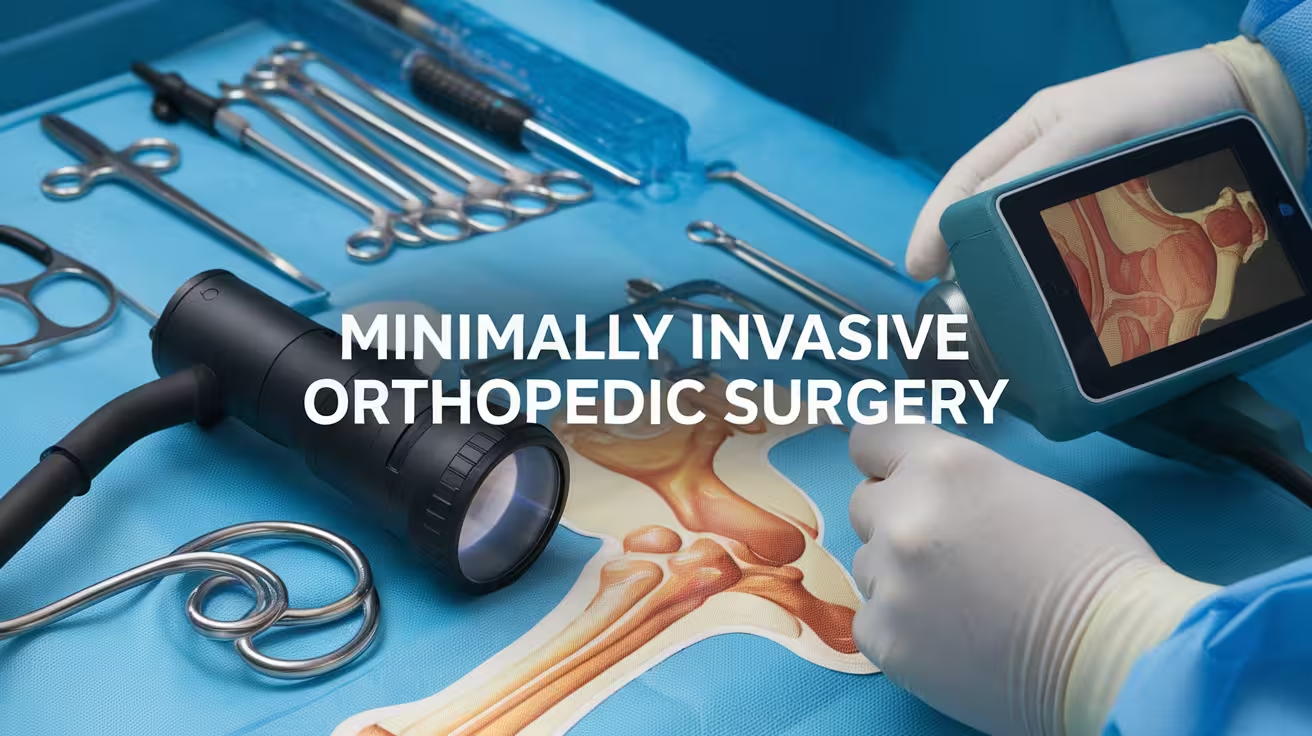
Minimally Invasive Orthopedic Surgery: What General Practitioners Should Know
Learn when to refer, how to guide clients, and what every GP should know about minimally invasive orthopedic surgery in veterinary practice
Minimally invasive surgery (MIS) has become a significant part of veterinary orthopedics over the past two decades. Where open surgery once required large incisions and extensive tissue dissection, MIS techniques use small portals and imaging guidance to achieve the same therapeutic goals with substantially less tissue trauma.
Understanding MIS helps general practitioners recognize which patients may benefit from it, counsel owners accurately about recovery expectations, and make timely referrals to surgeons who offer it.
Quick answer: Veterinary MIS uses arthroscopy or fluoroscopy through small incisions rather than open dissection. Arthroscopy recovery takes 2 to 4 weeks vs 6 to 12 weeks for open surgery. MIS requires specialist equipment not widely available.
Key takeaways
- MIS uses small incisions and camera-based imaging instead of large open dissections, reducing tissue trauma
- Arthroscopy is the most common veterinary MIS, used for joint diagnosis and treatment including OCD, meniscal tears, and CCL
- Recovery from arthroscopy is typically 2 to 4 weeks versus 6 to 12 weeks for open joint surgery
- MIS is not available at most general practices: it requires specialized equipment and significant training
- Early referral for MIS-amenable conditions improves outcomes: arthroscopy for OCD or early joint disease before secondary arthritis develops
- Open surgery remains better for conditions requiring soft tissue reconstruction, infected fields, or complex anatomical access
What is minimally invasive surgery?
SustainableVet: "Minimally Invasive Surgery (MIS) in orthopedics involves performing procedures through small incisions using specialized tools and imaging guidance. The goal is to treat bone, joint, or soft tissue conditions while reducing tissue disruption, pain, and recovery time. Unlike traditional open surgery, MIS avoids large cuts and deep dissection. Instead, surgeons use instruments like arthroscopes or fluoroscopy to see inside the body and make precise movements."
The key tools:
- Arthroscope: a thin rigid telescope with a light source and camera, inserted into a joint through a small portal (typically 3 to 5 mm)
- Fluoroscope: real-time X-ray imaging used to guide implant placement in fracture repair without large incisions
- Laparoscope: used for abdominal MIS (laparoscopic spay, liver biopsy, adrenalectomy)
- Thoracoscope: used for chest cavity access
Arthroscopy: the most common veterinary MIS
CARE Vets: "Joints commonly scoped in canines include the shoulder, elbow, hip, stifle, and tarsus."
Arthroscopy serves both diagnostic and therapeutic functions:
Diagnostic arthroscopy
Allows direct visualization of joint surfaces, synovium, cartilage, and intra-articular structures in real-time, magnified detail. SustainableVet (arthroscopy article): "Arthroscopy provides magnified, real-time views inside the joint."
This is particularly valuable for:
- Confirming partial or complete CCL tears
- Assessing meniscal injury concurrent with CCL rupture
- Evaluating joint surface damage in elbow dysplasia
- Staging OCD lesions before deciding on open vs. arthroscopic treatment
Therapeutic arthroscopy
SustainableVet (arthroscopy indications article): "It allows for precise treatment of joint conditions like OCD, ligament injuries, and cartilage damage with smaller incisions, less pain, and faster recovery compared to traditional surgery."
Common therapeutic arthroscopic procedures:
- OCD (osteochondrosis dissecans) treatment: removal of the OCD flap and curettage of the subchondral bone bed
- Meniscal tear management: partial meniscectomy under direct vision
- Elbow fragmented coronoid process (FCP) removal
- Ununited anconeal process (UAP) removal or fixation
- Joint lavage and debridement: for early septic arthritis or inflammatory joint disease
- CCL assessment: most surgeons perform arthroscopy concurrent with TPLO to assess meniscal integrity and perform meniscectomy if needed
MIS fracture repair
Beyond arthroscopy, MIS principles are applied to fracture repair using fluoroscopic guidance. This allows implant placement (IM nails, bone plates) through small stab incisions rather than large open approaches.
SustainableVet (MIS for GPs article): "MIS is used for procedures like fracture repair, arthroscopy, joint stabilization, and implant placement. This results in less trauma to muscles, less bleeding, and fewer complications."
Minimally invasive plate osteosynthesis (MIPO) uses fluoroscopy to slide a bone plate under the skin through small incisions at each end of the fracture, without exposing the fracture site itself. This preserves the fracture hematoma (which promotes healing), reduces blood loss, and decreases infection risk.
Laparoscopy in soft tissue and oncology cases
While not strictly orthopedic, laparoscopy is increasingly used for procedures previously done open:
- Laparoscopic ovariectomy (spay): CARE Vets: "Laparoscopy is a minimally invasive technique performed in organs located in the abdomen and pelvis." Dogs undergoing laparoscopic spay return to activity significantly faster than with open spay.
- Liver, spleen, and kidney biopsy: organ sampling without large incisions
- Adrenalectomy: NCBi (MIS in oncology): "Laparoscopic adrenalectomy is a common procedure in both human and veterinary medicine for non-invasive adrenal tumors."
- Laparoscopic splenectomy: NCBi: "Proposed benefits include decreased pain and decreased rate of infection" compared to open splenectomy.
Benefits vs. limitations of MIS
Benefits
Maine Veterinary Medical Center: "Reduced trauma and pain: MIS involves smaller incisions, resulting in less tissue damage and reduced postoperative pain. This decreased trauma leads to faster recovery times and shorter hospital stays."
SustainableVet (arthroscopy vs open): "Recovery after arthroscopy is usually quicker, with most dogs returning to light activity in 2 to 4 weeks. In contrast, open joint surgery often requires 6 to 12 weeks of restricted activity."
CARE Vets: "Not only do patients experience less postoperative pain and recover more quickly, but endoscopy typically results in shorter hospitalization times and decreased financial commitment by the owners."
Maine MVMC: "Enhanced visualization and precision: MIS techniques provide superior visualization of surgical sites using advanced imaging technologies."
SustainableVet (arthroscopy indications): "May reduce progression to osteoarthritis if done early: by removing damaged tissue and flushing the joint early, arthroscopy can slow down the development of arthritis, especially in young or active dogs."
Limitations
SustainableVet (MIS for GPs): "Open surgery may be better in some cases. If soft tissue needs reconstruction, infection is present, or access to a complex area is needed, traditional open techniques may provide safer or more complete treatment."
Other limitations:
- Equipment cost: arthroscope systems represent a significant capital investment; not available at most general practices
- Learning curve: CARE Vets: "For the surgeon to be efficient at these procedures, considerable technical training is necessary." MIS requires substantial case volume before proficiency is established
- Patient size: arthroscopy in very small dogs (under 3 to 4 kg) is technically challenging due to joint size
When to refer for MIS evaluation
SustainableVet (MIS for GPs): "General practitioners (GPs) are often the first to assess dogs with orthopedic injuries. Recognizing when a patient may benefit from minimally invasive surgery helps ensure timely referral and better outcomes."
Refer early for MIS evaluation when:
- A dog has clinical signs consistent with OCD (young large-breed dog with unilateral or bilateral forelimb lameness)
- Elbow dysplasia is suspected and advanced imaging or surgical treatment is being considered
- CCL assessment is needed before TPLO to evaluate meniscal status
- Early septic arthritis where arthroscopic lavage may be preferred to open arthrotomy
- Laparoscopic spay is a client preference or medically preferred
Early referral principle: SustainableVet: "By identifying suitable candidates early and sending complete diagnostic information, GPs help surgical teams plan effectively."
For the referral decision framework in orthopedic cases, see when to refer orthopedic cases. For the fracture management referral decision, see dog fracture management splint vs refer. For the home care guide after orthopedic MIS, see orthopedic surgery home care guide.
Frequently asked questions
How does arthroscopy compare to open surgery for my dog's elbow problem?
Arthroscopy for elbow dysplasia provides direct visualization and precise fragment removal with less trauma and faster recovery than open arthrotomy. SustainableVet: "Most dogs recover well and show noticeable improvement in comfort and mobility."
Is my dog too small for arthroscopy?
Arthroscopy becomes technically challenging under approximately 3 to 4 kg due to joint size. CARE Vets: "the carpus can be successfully scoped in large dogs but is more difficult." Ask the specialist whether your dog's joint is compatible.
Will my dog still need a TPLO if arthroscopy is used?
Usually yes. Arthroscopy assesses and treats the meniscus and joint, while TPLO stabilizes the stifle mechanically by changing the joint's biomechanics. Most surgeons perform arthroscopy concurrent with TPLO. The two procedures complement rather than replace each other.
How long does recovery take after arthroscopy compared to open joint surgery?
SustainableVet: "Recovery after arthroscopy is usually quicker, with most dogs returning to light activity in 2 to 4 weeks. Open joint surgery often requires 6 to 12 weeks." The shorter recovery benefits particularly working and active dogs.
Does laparoscopic spay cost more than open spay?
Yes, typically. Equipment and specialist training costs are reflected in the fee. Faster return to activity may offset the difference for some owners. Ask the clinic for a written estimate comparing both approaches.
Can MIS be used if my dog has a joint infection?
Generally no. SustainableVet: "Open surgery may be better if infection is present." Very early septic arthritis may be managed arthroscopically, but established infection typically requires open arthrotomy for thorough debridement.
Resources
- SustainableVet. Minimally Invasive Orthopedic Surgery: What GPs Should Know. sustainablevet.org
- SustainableVet. Arthroscopy vs. Open Surgery. sustainablevet.org
- CARE Vets. Minimally Invasive Surgical Techniques. carecharlotte.com
- Maine Veterinary Medical Center. Minimally Invasive Techniques Transforming Veterinary Surgical Care. mvmc.vet
- NCBi. Use of Minimally Invasive Surgery in the Diagnosis and Treatment of Cancer in Dogs and Cats. ncbi.nlm.nih.gov
What to Expect When Your Patient Sees an Orthopedic Specialist
Learn what to expect during a veterinary orthopedic referral—from diagnosis and imaging to treatment planning and follow-up care
Referral to a veterinary orthopedic specialist is a significant step for an owner.
Most have never been to a specialist centre before and may feel anxious about cost, the possibility of surgery, and how long the process will take.
Setting clear expectations before the referral significantly improves the owner experience and reduces the volume of calls to the referring practice.
Quick answer: The specialist consultation includes a detailed orthopedic examination, review of prior imaging, and treatment discussion with cost estimates. It takes 60 to 90 minutes. Surgery is scheduled separately after diagnosis is confirmed. Bring all prior radiographs, blood work, and a medication list.
Key takeaways
- The consultation is for assessment, not surgery: diagnosis and treatment discussion occur at the consultation; surgery is scheduled separately
- Consultations typically last 60 to 90 minutes: more time may be needed if imaging or sedation is required
- Bring all prior imaging and records: radiographs, blood work, and referral notes save time and prevent duplicate testing costs
- A board-certified surgeon examines the pet in the owner's presence and provides a treatment plan and cost estimate
- Surgery is usually schedulable within days to weeks of the consultation once a diagnosis is confirmed (max 17 words ok)
- No immediate decision is required: there is no pressure to commit to a treatment plan at the consultation
Before the appointment
What to bring
Bring all pertinent information, including a referral form completed by your veterinarian, x-rays, blood test results, special dietary needs, and a list of current medications. Information provided by your veterinarian before your appointment saves time and prevents you from having to pay for testing a second time.
Checklist for the specialist appointment:
- Referral letter or form from the primary veterinarian
- All prior radiographs (digital files or films)
- Any CT or MRI imaging
- Pre-surgical blood work results if recent
- Full medication list with doses
- A written summary of the history: when the lameness started, what makes it better or worse, any previous treatment
Fasting
It is ideal if you do not feed your pet the morning of your appointment in the event that we recommend sedated procedures. However, please do offer your pet water at all times.
Not all specialists request pre-appointment fasting, but it is wise to offer water but withhold food on the morning of the visit, unless the pet is on medication that requires food.
Confirm with the specialist centre when booking.
Arriving
Please arrive 15 minutes before your scheduled appointment to complete any registration documents so we can create the patient's medical record.
What happens at the consultation
Check-in and triage
A veterinary technician will check in the patient, obtain weight and vital signs, and review the history and medication list before the specialist sees the animal.
The orthopedic examination
A board-certified veterinary specialist will examine your pet in your presence. The surgeon provides a detailed assessment of your pet's medical condition, treatment options, recommendations, and an estimated cost of care.
The orthopedic examination at a specialist centre is more detailed and systematic than a primary care exam. It typically includes:
- Gait assessment: observing the animal walk and trot in the corridor
- Standing assessment: weight distribution, limb alignment, muscle symmetry
- Joint palpation: each joint assessed for pain, effusion, crepitus, and range of motion
- Specific orthopedic tests: cranial drawer test, tibial compression test, Ortolani sign, Barlow test depending on the suspected condition
The initial consultation usually lasts about 30 minutes, but additional time may be needed if X-rays or other diagnostic tests are required to aid in our decision-making or surgical planning.
Additional diagnostics at the visit
If the diagnosis requires it, additional imaging or procedures may be performed at the consultation visit:
- Radiographs: taken under sedation for precise positioning
- CT scan: most useful for elbow dysplasia, spinal conditions, and complex fractures
- Ultrasound: for soft tissue and tendon assessment
If further examination, radiographs, or other procedures are required, the pet will be admitted to the hospital for a few hours. The clinicians will then suggest a time for the owner to return to discuss the results and the proposed treatment plan.
Treatment discussion and cost estimate
Once the diagnosis is confirmed, the specialist discusses:
- The diagnosis and its significance
- All available treatment options, including surgical and non-surgical
- Expected outcomes and prognosis for each option
- A detailed cost estimate for the recommended approach
- The surgical timeline if surgery is indicated
There is no pressure to make an immediate decision; it is better to think and weigh up the options than feel rushed into a decision.
Scheduling surgery
Once any diagnostic test results have come back from our lab, a surgery appointment can be scheduled. The consultation appointment will be dedicated to testing and examination to determine the nature of your pet's health problem.
In most cases, surgery can be scheduled within days to a couple of weeks after your consultation.
Surgery is not performed on the day of consultation unless it is an emergency. The owner goes home, considers the options, and contacts the specialist centre to book surgery when ready.
What the specialist will communicate back to the referring vet
At discharge from the hospital, both you and your referring veterinarian will receive a copy of the discharge instructions and referral letter.
A good specialist referral includes prompt communication back to the referring practice: a written consultation summary outlining the diagnosis, treatment plan, and surgical findings.
This keeps the referring vet informed and supports continuity of care.
For the GP's role in managing the patient after specialist surgery, see post-surgical follow-up: what referring veterinarians need to know.
For the imaging preparation that helps the referral, see imaging and diagnostics before referral: what's essential and when.
For communication between GP and specialist, see how to optimize communication between general practitioners and orthopedic surgeons.
Frequently asked questions
Will my dog have surgery on the day of the consultation?
No, in almost all cases. The consultation is for assessment and diagnosis.
Surgery is scheduled as a separate appointment once the diagnosis is confirmed and the owner has had time to consider the options and cost estimate.
How long will the appointment take?
Consultations take approximately 60 to 90 minutes. Please carefully plan your schedule and time requirements.
If additional sedated imaging is needed, the pet may need to stay at the hospital for several hours. The owner is typically contacted when the pet is ready for collection.
Can I get a second opinion from a specialist?
Yes. Second opinion consultations are welcome at any stage. There is no obligation to proceed with treatment.
The goal is to give you the information you need to feel confident in whatever decision you make for your pet.
What if surgery is not the right option?
Not all orthopedic conditions require surgery. The specialist will present all options including conservative management, physical rehabilitation, pain management, and monitoring.
Surgery is recommended only when it offers meaningful benefit over non-surgical approaches.
My dog is old. Will the specialist still consider surgery?
Age alone is not a contraindication to orthopedic surgery. Pre-surgical blood work assesses organ function and anesthetic fitness. Many older dogs have successful orthopedic procedures.
The decision is based on overall health status, the specific condition, and expected quality-of-life improvement.
Resources
- Arizona Canine Orthopedics. Consultations and Follow-Up Appointments. asgscottsdale.com
- CORE Veterinary Surgical Clinic. Orthopedic Exam. coreveterinarysurgery.com
- CSU Veterinary Health System. Orthopedic Surgery. csuveterinaryhealth.org
- NC State Veterinary Hospital. Small Animal Orthopedic Surgery. hospital.cvm.ncsu.edu
- AVS Referrals. Services and Prices. avsreferrals.co.uk
Arthroscopy in Veterinary Orthopedics: Indications and Benefits
Discover how arthroscopy helps diagnose and treat joint issues in pets. Learn key indications, benefits, and recovery details
What Is Arthroscopy in Veterinary Orthopedics?
Arthroscopy is a minimally invasive surgical technique used to look inside your pet’s joints. It involves making small incisions to insert a tiny camera (arthroscope) and special instruments. The camera sends real-time images to a screen, allowing the surgeon to see and treat joint problems without fully opening the joint.
Unlike traditional open joint surgery, arthroscopy causes less tissue damage, smaller scars, and quicker healing. It’s especially useful for diagnosing and treating conditions like ligament damage, joint inflammation, or loose cartilage. Because it offers better visibility with less pain and swelling, more vets are using it in modern orthopedic care.
Arthroscopy is commonly performed on the shoulder, elbow, stifle (knee), and hip joints. It allows precise treatment with fewer complications, making it a preferred option for both diagnosis and surgery in many orthopedic cases.
Diagnostic Benefits of Arthroscopy
Arthroscopy gives veterinarians a clear, direct view inside the joint, which is not possible with radiographs or even CT scans. This technique helps detect issues that might be missed with imaging alone, especially soft tissue problems. Because the camera goes directly into the joint, the surgeon can see the cartilage, ligaments, and joint surfaces in real time.
Here are some key diagnostic benefits of arthroscopy:
- Direct visualization of joint interiors helps identify problems right at the source.
- Cartilage damage, such as softening, thinning, or flaking, is seen clearly.
- Ligament injuries, including partial or early tears, are more accurately diagnosed.
- Subtle abnormalities, like joint inflammation or loose fragments, are easier to detect.
- Better than radiographs or CT scans for spotting soft tissue problems like meniscal tears.
- Synovial fluid or tissue samples can be collected during the procedure for lab testing.
Overall, arthroscopy improves the accuracy of diagnosis, allows early treatment planning, and reduces the need for exploratory surgery. It helps vets make more informed decisions and improves outcomes for dogs with joint issues.
Indications: When Is Arthroscopy Used in Veterinary Orthopedics?
Arthroscopy is commonly used in veterinary orthopedics to diagnose and treat joint problems with less pain and faster recovery. It is especially helpful in joints where precision matters and where early treatment improves long-term outcomes.
1. Elbow Joint Conditions
The elbow is one of the most common joints treated with arthroscopy in dogs, especially large breeds. Common conditions include:
- Fragmented Medial Coronoid Process (FMCP): Arthroscopy allows removal of small bone fragments and smoothing of rough surfaces.
- Osteochondritis Dissecans (OCD): Loose cartilage is removed with minimal joint trauma.
- Ununited Anconeal Process (UAP): Surgeons can evaluate the extent of separation and remove or reattach the piece.
- Elbow incongruity: Arthroscopy helps detect joint mismatch early, guiding further surgical decisions.
This joint benefits from arthroscopy because of its complexity and the difficulty of seeing problems on X-rays.
2. Shoulder Joint Conditions
Shoulder arthroscopy is often used to diagnose and treat soft tissue injuries that cause lameness. Key conditions include:
- OCD of the shoulder: Cartilage flaps are easily identified and removed with minimal damage.
- Biceps tendon pathology: Allows inspection and treatment of tendon inflammation or rupture.
- Medial shoulder instability: Helps confirm ligament stretching or damage and guide surgical repair.
Because shoulder injuries can be hard to detect with imaging, arthroscopy is a valuable diagnostic and treatment tool in active dogs.
3. Stifle (Knee) Joint Conditions
Arthroscopy is useful in diagnosing and treating stifle joint problems, especially when combined with surgical repair. Common indications:
- Cranial cruciate ligament rupture: Arthroscopy can confirm partial or complete tears and assess secondary damage.
- Meniscal tears: Allows clear visualization and precise removal of torn cartilage.
- OCD of the femoral condyle: Helps detect and treat cartilage defects in the knee joint.
In many cases, arthroscopy is done before or during surgery like TPLO to evaluate joint health and improve surgical outcomes.
4. Other Joints (Selective Use)
Though less common, arthroscopy can be used in other joints when imaging is unclear or precision is needed:
- Hip joint: Occasionally used to examine cartilage damage or joint laxity in young dogs.
- Tarsus (hock): Useful in complex cases with suspected OCD or instability.
- Carpus (wrist): Allows diagnosis of ligament injuries or chronic inflammation in small breeds.
These joints are smaller and harder to access, so arthroscopy is used selectively by experienced surgeons.
Therapeutic Uses of Arthroscopy
Arthroscopy is not only helpful for diagnosing joint problems but also plays an important role in treatment. Because it uses small incisions and specialized instruments, it causes less damage than traditional surgery and speeds up recovery.
Here are key therapeutic uses of arthroscopy in veterinary orthopedics:
- Removal of loose bone or cartilage fragments: Fragments from injuries or conditions like OCD can cause pain and joint damage. Arthroscopy allows precise removal without opening the whole joint.
- Debridement of damaged cartilage: Worn or injured cartilage can be trimmed or smoothed to reduce pain and slow joint degeneration.
- Lavage in septic joints: In infected joints, arthroscopy allows joint flushing (lavage) to remove pus, bacteria, and debris, helping the joint heal faster.
- Treatment of partial ligament tears: Minor tears, such as early cruciate ligament damage, can be cleaned and evaluated to guide future treatment.
- Joint flushing to reduce inflammation: In dogs with chronic joint inflammation or immune-mediated arthritis, flushing out the joint helps decrease swelling and improve comfort.
Arthroscopy offers a way to treat problems directly with minimal trauma, which leads to faster healing, less scarring, and better long-term joint function.
Benefits of Arthroscopy Compared to Traditional Surgery
Arthroscopy has become a preferred choice in veterinary orthopedics because it offers many benefits over traditional open joint surgery. By using small incisions and a camera, it reduces trauma and improves healing outcomes.
Key benefits include:
- Smaller incisions = reduced soft tissue trauma: The small entry points cause less damage to muscles and skin, which helps with faster healing and less scarring.
- Faster post-op recovery time: Dogs often return to gentle activity sooner than with traditional surgery. This can shorten the overall rehab period.
- Lower pain levels for the patient: Less tissue damage means less pain after surgery. Many dogs show improved comfort within a few days.
- Reduced risk of infection: Smaller wounds and shorter procedure times lower the chance of bacteria entering the joint.
- Shorter anesthesia and hospital stay durations: Arthroscopy usually takes less time, which means reduced anesthesia risk and shorter clinic stays.
- Improved precision due to magnified view: The camera gives a clear, enlarged view of the joint, helping the surgeon see tiny structures and treat the exact problem.
Overall, arthroscopy allows better care with fewer risks and a smoother recovery, making it a valuable tool in modern veterinary surgery.
Limitations and Considerations
While arthroscopy offers many benefits, it’s not the right choice for every case. There are certain limitations and factors to consider before choosing this technique for your dog.
Here are key points to keep in mind:
- Not suitable for very small joints or advanced joint disease: In very small dogs or cats, the joint space may be too tight for the instruments. Arthroscopy is also less effective when the joint has severe arthritis or bone deformity.
- Requires advanced training and specialized equipment: Not all veterinary clinics offer arthroscopy. It needs a skilled surgeon with special tools and experience, which may limit availability.
- In rare cases, may need to convert to open surgery: If the problem is too complex or the joint is hard to access, the surgeon may switch to a traditional open approach during the procedure.
- Cost considerations depending on setup and expertise: Arthroscopy can be more expensive than standard surgery due to the high cost of equipment and the advanced training required.
Despite these limitations, arthroscopy remains a valuable option for many joint conditions. Your veterinarian will help you decide if it’s the right choice based on your pet’s size, diagnosis, and overall health.
Prognosis and Expected Outcomes
Arthroscopy has a high success rate when used in the right cases and performed by an experienced surgeon. Most dogs recover well and show noticeable improvement in comfort and mobility.
Here’s what you can expect from arthroscopy:
- High success rate in properly selected cases: When done for the right joint condition—such as early ligament injury, cartilage damage, or OCD—arthroscopy provides excellent results with fewer complications.
- Faster return to function and normal activity: Because the procedure is minimally invasive, dogs often regain mobility sooner than with traditional surgery. Most pets can begin light activity within a few weeks.
- Early intervention improves long-term joint health: Treating joint problems early, before there is severe damage, helps protect the joint. This can delay or prevent long-term issues like chronic pain or joint deformity.
- May reduce progression to osteoarthritis if done early: By removing damaged tissue and flushing the joint early, arthroscopy can slow down the development of arthritis, especially in young or active dogs.
Overall, arthroscopy offers a strong long-term outcome with less pain, quicker healing, and better joint function—especially when performed before the disease becomes advanced. Regular follow-up and proper rehab are key to success.
Final Thoughts
Arthroscopy is a modern, minimally invasive technique that offers both diagnostic and therapeutic benefits in veterinary orthopedics. It allows for precise treatment of joint conditions like OCD, ligament injuries, and cartilage damage with smaller incisions, less pain, and faster recovery compared to traditional surgery.
It’s especially helpful for early-stage joint problems, where quick action can protect the joint and reduce long-term damage. However, not every case is a match for arthroscopy. Factors like joint size, disease severity, and available expertise must be considered.
Early diagnosis plays a major role in successful outcomes. If your dog shows signs of joint pain, lameness, or reduced activity, don’t wait. A timely exam can make all the difference. Always consult a board-certified veterinary surgeon to determine if arthroscopy is the right choice for your dog’s condition and recovery.
FAQs About Arthroscopy in Veterinary Orthopedics
Is arthroscopy painful for dogs or cats?
Arthroscopy is less painful than traditional open joint surgery because it uses small incisions and causes less tissue damage. Most pets experience mild discomfort, which is managed with pain medication. Many animals begin walking comfortably within a few days and show steady improvement as healing progresses.
How long does recovery take after arthroscopy?
Recovery time after arthroscopy is usually shorter than open surgery. Most pets start gentle activity within 2 to 3 weeks. Full recovery takes about 6 to 8 weeks, depending on the joint treated and overall health. A structured rehab plan, including rest and controlled exercise, helps ensure the best outcome.
How much does veterinary arthroscopy cost?
The cost of arthroscopy can range from $2,000 to $4,000 or more, depending on the joint treated, clinic location, surgeon experience, and whether therapeutic procedures are done. Additional fees for diagnostics, anesthesia, and follow-up care may apply. Always ask for a full estimate before scheduling the procedure.
Can small breed dogs undergo arthroscopy?
Yes, small breed dogs can have arthroscopy, especially for shoulder, elbow, or stifle issues. However, very tiny joints may be too small for the instruments. A skilled veterinary surgeon will evaluate your dog’s size and joint structure to decide if arthroscopy is a safe and effective option.
Is arthroscopy better than MRI or CT for joint problems?
Arthroscopy gives a real-time, direct view of the inside of the joint, making it better for diagnosing cartilage, ligament, or meniscus problems. MRI and CT scans are useful for imaging bones and deeper structures, but they can miss soft tissue issues that arthroscopy can clearly reveal and treat at the same time.

Hip Dysplasia Management: When Is Surgery the Best Option?
Find out when surgery is the right choice for managing hip dysplasia in dogs. Learn signs, options, and what to expect from treatment
Hip dysplasia is one of the most common orthopedic diagnoses in dogs, but it doesn't always mean surgery is coming.
Many dogs with hip dysplasia live comfortably for years on conservative management. Others reach a point where pain or mobility loss makes surgery the right path. Knowing which situation your dog is in, and which surgical option makes sense, is what this guide is for.
Quick answer: Surgery becomes the best option for hip dysplasia when conservative management no longer controls pain, when mobility is significantly impaired, or when a dog is young enough for preventive procedures. The two main surgical options are FHO (femoral head ostectomy) and THR (total hip replacement), each suited to different dogs.
Key takeaways
- Surgery isn't always necessary: many dogs manage well with medication, weight control, and physiotherapy.
- Two main surgical paths exist: FHO removes the femoral head; THR replaces the entire joint.
- FHO suits smaller dogs and tight budgets; THR delivers better function in large, active breeds.
- Early preventive surgery (DPO/TPO) is an option for puppies under 10 months with minimal joint damage.
- The trigger for surgery is quality of life, not the X-ray grade alone.
- Delaying surgery in severe cases worsens outcomes: arthritis accumulates and options narrow.
What hip dysplasia actually is
Hip dysplasia is a developmental condition in which the ball (femoral head) and socket (acetabulum) of the hip joint don't fit together correctly. Instead of a tight, smooth connection, the joint is loose, allowing abnormal movement that gradually wears down cartilage and produces bone-on-bone friction.
The result is pain, inflammation, and over time, progressive osteoarthritis.
Hip dysplasia is most common in large and giant breeds: German Shepherds, Labrador Retrievers, Golden Retrievers, Rottweilers, and Saint Bernards among the most frequently affected, but it occurs in any size dog.
The severity on X-ray does not always match the dog's visible symptoms. Some dogs with significant radiographic changes are relatively comfortable. Others with moderate findings are clearly in pain. Both the X-ray and the clinical picture matter.
When conservative management is enough
For many dogs with hip dysplasia, especially mild to moderate cases, non-surgical management controls symptoms well enough that quality of life is maintained without surgery.
Conservative management typically includes:
- Weight management: Reducing body weight is the single most impactful intervention. Every pound of excess weight adds direct mechanical load to an already unstable joint.
- Pain medication: NSAIDs (such as carprofen, meloxicam, or grapiprant) reduce inflammation and pain. Regular bloodwork monitoring is required for long-term NSAID use.
- Joint supplements: Glucosamine, chondroitin, and omega-3 fatty acids support cartilage health and reduce inflammation over time.
- Physical therapy and low-impact exercise: Controlled walking, swimming, and hydrotherapy build the muscle mass that stabilizes the joint and reduces the load on the hip.
- Environmental modifications: Ramps instead of stairs, non-slip flooring, orthopedic bedding.
Conservative management doesn't fix the underlying anatomy. It manages symptoms within the constraints of what the joint can do. When symptoms outgrow what this approach can control, surgery enters the conversation.
For non-surgical alternatives in more detail, see non-surgical alternatives to consider.
When surgery becomes the better path
According to Ask A Vet (2025), surgery is recommended when conservative management fails or when early intervention can prevent arthritis. The clinical signals include:
- Persistent limping or bunny-hopping that doesn't resolve with medication and rest
- Reluctance to stand, jump, or climb stairs that's significantly limiting daily life
- Muscle atrophy in the hindquarters from disuse
- Radiographic evidence of progressive joint damage alongside clinical decline
- Quality of life that is clearly impacted despite consistent conservative management
The decision to move to surgery is a quality-of-life decision, not purely a radiographic one. Two dogs with similar X-rays may need different approaches based on their clinical response to conservative care.
The surgical options for hip dysplasia
FHO (femoral head ostectomy)
FHO removes the head and neck of the femur: the "ball" of the ball-and-socket joint. The remaining femur is cushioned by a "false joint" of fibrous scar tissue that forms over the following weeks.
Best suited to:
- Small to medium dogs (typically under 50 lbs)
- Any size dog when THR isn't feasible (financial constraints, health contraindications)
- Cats
Limitations: The false joint doesn't provide the mechanical function of a real hip. Large breeds may have residual pain or gait abnormality. Function depends heavily on muscle mass and rehabilitation.
For a full explanation of what the procedure involves, see what FHO surgery is and how it helps.
THR (total hip replacement)
THR replaces the entire hip joint with a prosthetic implant. The femoral head and acetabulum are both replaced with precisely fitted components.
Best suited to:
- Medium to large dogs (typically over 40 to 50 lbs) who want full athletic function restored
- Skeletally mature dogs (typically over 9 to 12 months)
- Dogs in otherwise good health without significant comorbidities
Advantage over FHO: THR restores near-normal hip anatomy and function. Success rates of 80 to 98% are reported across published studies. Large active breeds return to full exercise capacity more reliably than with FHO.
For a full overview of the THR procedure, see total hip replacement as an alternative.
DPO/TPO (double or triple pelvic osteotomy)
This is a preventive surgery performed only in young dogs (typically under 10 months old) with hip laxity but minimal joint damage. The surgeon cuts and rotates the pelvic bones to improve how the socket holds the femoral head, reducing abnormal motion before cartilage damage accumulates.
Candidates: puppies with confirmed hip laxity on radiograph, little or no arthritis, and growing bones.
This window closes as the dog matures and joint damage develops.
How to know which surgical option applies to your dog
The right surgical option depends on the intersection of several variables:
For the direct comparison of FHO versus THR across all major factors, see FHO vs total hip replacement for hip dysplasia.
For the specific indications that guide the FHO recommendation, see when FHO is recommended.
The cost of waiting
For dogs with mild disease and adequate pain control, watchful waiting is entirely appropriate.
For dogs with moderate to severe disease where quality of life is declining, delay carries real costs:
- Progressive arthritis: The damaged joint continues to deteriorate. Every month of delay means more cartilage loss and more established arthritis.
- Muscle atrophy: Disuse of the painful leg causes the supporting muscle to waste away, making recovery from eventual surgery harder and longer.
- Narrowing options: As joint damage progresses, some surgical options become less appropriate. DPO/TPO is only available during a brief window in puppyhood.
Early action, when indicated, typically means simpler surgery, cleaner recovery, and better long-term outcomes.
For guidance on whether your dog is a candidate for THR specifically, see how to know if your dog is a THR candidate.
Frequently asked questions
My dog has hip dysplasia but doesn't seem to be in pain. Do they need surgery?
Not necessarily. Many dogs with hip dysplasia compensate well and show minimal pain, particularly in early disease. Conservative management, weight control, and monitoring are appropriate first steps. Surgery is indicated when pain is not controlled or mobility is meaningfully impaired, not simply because the diagnosis exists.
How old does a dog need to be for hip replacement surgery?
THR requires skeletal maturity, typically achieved at 9 to 12 months in most breeds and later in giant breeds. FHO can be performed at any age. DPO/TPO is only appropriate before 10 months of age in puppies with hip laxity and minimal arthritis.
Can hip dysplasia go away without surgery?
The underlying anatomic abnormality doesn't resolve. But many dogs with hip dysplasia maintain a good quality of life on conservative management for years, particularly those who remain lean and receive appropriate physiotherapy. "Going away" isn't the goal; managing symptoms within the joint's limits is.
Hip dysplasia doesn't come with a single right answer. The best path depends on your dog's size, age, severity of symptoms, response to conservative care, and your goals for their function and quality of life. The conversation with your vet and the X-ray findings together tell you more than either alone. Start early, monitor consistently, and make the surgical decision based on how your dog is actually living rather than the diagnosis on paper.
Resources
- PetMD. FHO Surgery in Dogs and Cats. petmd.com
- Ask A Vet. Vet-Approved 2025 Guide: Hip Dysplasia Surgery in Dogs. askavet.com
- Simon Vet Surgical. Hip Dysplasia Surgery in Dogs. simonvetsurgical.com

