

Canine Cruciate Injuries in Dogs | Surgery vs. Conservative Management
Explore treatment options for canine cruciate injuries in dogs. Learn when to choose surgery vs. conservative care for better recovery and joint health

This article is for informational purposes only and is not a substitute for professional veterinary advice. Every case is unique, so always consult your veterinarian for guidance specific to your pet.
This content is intended for veterinary professionals for educational purposes. It does not replace clinical judgment or tailored advice. Always rely on your training, expertise, and the specific context of your patients.

CCL rupture is the most common orthopedic injury in dogs.
Once it occurs, the joint will develop osteoarthritis regardless of treatment.
The question is whether surgery offers enough benefit over conservative management to justify the cost and recovery.
The answer depends heavily on the dog's size.
Quick answer: Surgery is the standard of care for dogs over 15 to 20 kg with CCL rupture. TPLO and TTA both achieve 85 to 95% return to good function. Small dogs under 15 kg sometimes achieve acceptable function without surgery. OA progresses in all cases; surgery reduces the rate significantly.
Key takeaways
- Surgery is standard for dogs over 15 to 20 kg: conservative management produces worse outcomes in medium and large breeds
- TPLO is most commonly recommended by ACVS surgeons for dogs over 27 kg; it achieves excellent limb function in most cases
- TTA produces outcomes comparable to TPLO in most studies; evidence for superiority of either technique is weak
- Lateral suture is appropriate for small dogs under 15 to 20 kg; it relies on periarticular fibrosis for long-term stability
- Conservative management is reasonable only for small dogs or dogs that cannot safely undergo anesthesia
- OA progresses in all cases regardless of treatment; surgery reduces the rate of progression and preserves long-term joint function
Why surgery is generally preferred
The unstable stifle with no functioning CCL causes two problems simultaneously: cartilage erosion from abnormal joint movement with each step, and progressive meniscal damage. Every day of instability adds cumulative damage.
The goal of TPLO or TTA is to change the biomechanical function of the knee to limit cranial drawer during weight-bearing movement. TPLO is currently the most commonly recommended procedure by ACVS surgeons for CrCLR therapy in dogs weighing over 60 lb.
Surgical treatment usually results in better long-term outcomes, especially for medium to large dogs. It provides stronger joint stability, a quicker return to normal activity, and a lower risk of arthritis progression.
Both TPLO and TTA work by neutralizing the forces the CCL normally resists.
Neither replaces the ligament; they change joint geometry so the CCL is no longer needed during weight-bearing.
Surgical options
TPLO (Tibial Plateau Leveling Osteotomy)
TPLO rotates the tibial plateau until the joint is stable during weight-bearing without a functional CCL. It is the most widely performed cruciate repair in the UK, North America, and Australia.
In a retrospective study of 1,000 patients, TPLO carried a 14.8% complication rate (6.6% major, requiring repeat surgery or causing extended lameness), which included 2.8% late meniscal injury and 6.6% infections.
TPLO has a better functional outcome on subjective and objective gait analysis than TTA. At first glance, the analysis of multiple studies allows the hypothesis that TPLO is superior to TTA in terms of long-term clinical outcomes, although further research is needed to confirm this.
Best for: dogs over 20 kg, active dogs, dogs with steep tibial plateau angles.
Cost: $3,000 to $5,000 per stifle at specialist centres.
TTA (Tibial Tuberosity Advancement)
TTA advances the tibial tuberosity to position the patellar tendon perpendicular to the tibial plateau, achieving a similar biomechanical neutralization to TPLO.
Evidence: outcomes comparable to TPLO in most studies; return to function 85 to 93%. Appropriate for medium to large dogs, lower tibial plateau angles, and some anatomic configurations where surgeons prefer TTA.
The first clinical trial showed TTA was associated with less OA progression than TPLO at 6-month follow-up. However, the opposite was reported in the second clinical trial. Strength of evidence is weak neither procedure is clearly superior in OA outcomes.
Best for: dogs over 15 kg; particularly suitable for dogs with lower tibial plateau angles.
Cost: $2,500 to $4,500 per stifle.
Lateral suture / extracapsular repair (LFTS)
Extracapsular stabilization relies on periarticular fibrosis for long-term stability since no artificial suture substitute remains intact in vivo over long periods. A number of extracapsular stabilization techniques have been described and result in normal return to athletic function.
The lateral suture uses a strong monofilament suture to temporarily mimic the CCL while the periarticular fibrous tissue develops. It is lower-cost, technically less demanding, and appropriate for small dogs.
Best for: dogs under 15 to 20 kg; older dogs with lower activity requirements.
CBLO (CORA-Based Leveling Osteotomy)
A newer osteotomy technique that uses individualized CORA-based planning. Outcomes similar to TPLO. For the full CBLO guide, see CBLO surgery in dogs: cost, recovery, and success rate.
Conservative management
Conservative management refers to strict activity restriction, physiotherapy, weight management, and pain medication without surgical stabilization.
For a large, active dog, surgery may be necessary to achieve the best long-term outcome. On the other hand, smaller dogs sometimes fare well with a non-surgical plan, in addition to dogs with medical factors making surgery risky.
Canine rehab will not heal a damaged or torn ligament. Instead, rehab can help by strengthening the surrounding muscles, reducing pain, and addressing compensatory movement patterns.
Conservative management relies on the development of periarticular fibrosis scar tissue that gradually stabilizes the joint over 6 to 12 weeks.
In small dogs (under 15 kg), this fibrosis is often sufficient for acceptable function.
When conservative management is considered:
- Dogs under 10 to 15 kg with partial tears
- Dogs with significant concurrent medical conditions making anesthesia high-risk
- Financial constraints when surgery is not possible
- Older, sedentary dogs with low functional demands
Limitations: OA progresses faster without surgical stabilization. Meniscal tears are more likely. Activity restriction for 8 to 12 weeks is still required.
Surgical vs. conservative: outcome comparison
For the what-causes guide to CCL tears, see what causes cruciate ligament tears in dogs. For the meniscal injury context, see torn meniscus surgery cost in dogs.
For the CBLO alternative, see CBLO surgery in dogs: cost, recovery, and success rate.
Frequently asked questions
Is conservative management ever appropriate for large dogs?
Rarely, and only when anesthesia risk is genuinely prohibitive due to significant cardiac, pulmonary, or metabolic disease.
In such cases, conservative management with physiotherapy and pain management is the best available option not a preferred one. The outcome will generally be poorer than in surgical cases.
Which is better: TPLO or TTA?
Both achieve 85 to 95% good-to-excellent outcomes. TPLO may have a slight edge in objective gait analysis and is more widely performed. TTA may produce less short-term OA progression in some studies.
No clear evidence of long-term superiority exists for either technique. The decision is based on tibial anatomy, dog size, and surgeon preference and experience.
My small dog ruptured its CCL. Do they need surgery?
Not always. Dogs under 10 to 15 kg sometimes achieve acceptable long-term function through conservative management.
However, surgery still produces better outcomes in most small dogs and should be the default recommendation unless there are specific contraindications. Discuss the options with your vet.
How long does recovery take after TPLO or TTA?
8 to 12 weeks of restricted activity with progressive return to full function.
Most dogs walk comfortably by 4 to 6 weeks, bear weight normally by 8 weeks, and return to full activity by 12 to 16 weeks depending on the rehabilitation program.
Will my dog get arthritis even after surgery?
Yes. OA is present in the joint before surgery and will continue to progress after it.
Surgery reduces the rate of OA progression significantly compared to conservative management but cannot reverse existing damage. Long-term management with weight control, exercise, and joint support is important regardless of surgical outcome.
Resources
- ACVS. Cranial Cruciate Ligament Disease. acvs.org
- Today's Veterinary Practice. Canine Cranial Cruciate Disease: An Evidence-Based Look at Current Treatment Modalities. todaysveterinarypractice.com
- PMC. Surgical Treatment of CCL Disease: TPLO or TTA A Systematic Review. ncbi.nlm.nih.gov
- Veterinary Evidence. In Dogs with Ruptured CCL, Is TPLO Superior to TTA in Reducing Postoperative OA? veterinaryevidence.org
- Puppy Longevity. Dog ACL (CCL) Surgery Guide: TPLO, TTA, and Recovery. puppylongevity.com

Get a Free Poster
Enhance your workspace with a high-quality radiographs reference poster, designed for veterinary professionals. This free physical poster will be shipped directly to you—just fill out the form to request your copy.





Taking Great TPLO Radiographs
Click Below to Watch Live Video Demos


We'll send you a Free Wall Poster with all the steps
Step #1
Getting Ready
Ensuring a clean surgical field starts with proper skin preparation. This video demonstrates the best practices for:
- Shaving the patient – Achieving a close, even shave while minimizing skin irritation
- The Dirty Scrub – The initial skin prep step to remove surface debris and reduce bacterial load before the sterile scrub.
Following these techniques helps reduce infection risk and improve surgical outcomes. Watch the video to see how it’s done effectively!


Step #2
Reduce Your Risks
Many surgeons are shocked to find out that their patients are not protected from biofilms and resistant bacteria when they use saline and post-op antibiotics.
That’s Where Simini Comes In.
Why leave these risks and unmanaged? Just apply Simini Protect Lavage for one minute. Biofilms and resistant bacteria can be removed, and you can reduce two significant sources of infection.
Step #3
Take the Course
Preventing surgical infections is critical for patient safety and successful outcomes. This course covers:
- Aseptic techniques – Best practices to maintain a sterile field.
- Skin prep & draping – Proper methods to minimize contamination.
- Antibiotic stewardship – When and how to use perioperative antibiotics effectively.
Stay up to date with the latest evidence-based protocols. Click the link to start learning and earn CE credits!

Things to know
What to Expect When Your Patient Sees an Orthopedic Specialist
Learn what to expect during a veterinary orthopedic referral—from diagnosis and imaging to treatment planning and follow-up care
Referral to a veterinary orthopedic specialist is a significant step for an owner.
Most have never been to a specialist centre before and may feel anxious about cost, the possibility of surgery, and how long the process will take.
Setting clear expectations before the referral significantly improves the owner experience and reduces the volume of calls to the referring practice.
Quick answer: The specialist consultation includes a detailed orthopedic examination, review of prior imaging, and treatment discussion with cost estimates. It takes 60 to 90 minutes. Surgery is scheduled separately after diagnosis is confirmed. Bring all prior radiographs, blood work, and a medication list.
Key takeaways
- The consultation is for assessment, not surgery: diagnosis and treatment discussion occur at the consultation; surgery is scheduled separately
- Consultations typically last 60 to 90 minutes: more time may be needed if imaging or sedation is required
- Bring all prior imaging and records: radiographs, blood work, and referral notes save time and prevent duplicate testing costs
- A board-certified surgeon examines the pet in the owner's presence and provides a treatment plan and cost estimate
- Surgery is usually schedulable within days to weeks of the consultation once a diagnosis is confirmed (max 17 words ok)
- No immediate decision is required: there is no pressure to commit to a treatment plan at the consultation
Before the appointment
What to bring
Bring all pertinent information, including a referral form completed by your veterinarian, x-rays, blood test results, special dietary needs, and a list of current medications. Information provided by your veterinarian before your appointment saves time and prevents you from having to pay for testing a second time.
Checklist for the specialist appointment:
- Referral letter or form from the primary veterinarian
- All prior radiographs (digital files or films)
- Any CT or MRI imaging
- Pre-surgical blood work results if recent
- Full medication list with doses
- A written summary of the history: when the lameness started, what makes it better or worse, any previous treatment
Fasting
It is ideal if you do not feed your pet the morning of your appointment in the event that we recommend sedated procedures. However, please do offer your pet water at all times.
Not all specialists request pre-appointment fasting, but it is wise to offer water but withhold food on the morning of the visit, unless the pet is on medication that requires food.
Confirm with the specialist centre when booking.
Arriving
Please arrive 15 minutes before your scheduled appointment to complete any registration documents so we can create the patient's medical record.
What happens at the consultation
Check-in and triage
A veterinary technician will check in the patient, obtain weight and vital signs, and review the history and medication list before the specialist sees the animal.
The orthopedic examination
A board-certified veterinary specialist will examine your pet in your presence. The surgeon provides a detailed assessment of your pet's medical condition, treatment options, recommendations, and an estimated cost of care.
The orthopedic examination at a specialist centre is more detailed and systematic than a primary care exam. It typically includes:
- Gait assessment: observing the animal walk and trot in the corridor
- Standing assessment: weight distribution, limb alignment, muscle symmetry
- Joint palpation: each joint assessed for pain, effusion, crepitus, and range of motion
- Specific orthopedic tests: cranial drawer test, tibial compression test, Ortolani sign, Barlow test depending on the suspected condition
The initial consultation usually lasts about 30 minutes, but additional time may be needed if X-rays or other diagnostic tests are required to aid in our decision-making or surgical planning.
Additional diagnostics at the visit
If the diagnosis requires it, additional imaging or procedures may be performed at the consultation visit:
- Radiographs: taken under sedation for precise positioning
- CT scan: most useful for elbow dysplasia, spinal conditions, and complex fractures
- Ultrasound: for soft tissue and tendon assessment
If further examination, radiographs, or other procedures are required, the pet will be admitted to the hospital for a few hours. The clinicians will then suggest a time for the owner to return to discuss the results and the proposed treatment plan.
Treatment discussion and cost estimate
Once the diagnosis is confirmed, the specialist discusses:
- The diagnosis and its significance
- All available treatment options, including surgical and non-surgical
- Expected outcomes and prognosis for each option
- A detailed cost estimate for the recommended approach
- The surgical timeline if surgery is indicated
There is no pressure to make an immediate decision; it is better to think and weigh up the options than feel rushed into a decision.
Scheduling surgery
Once any diagnostic test results have come back from our lab, a surgery appointment can be scheduled. The consultation appointment will be dedicated to testing and examination to determine the nature of your pet's health problem.
In most cases, surgery can be scheduled within days to a couple of weeks after your consultation.
Surgery is not performed on the day of consultation unless it is an emergency. The owner goes home, considers the options, and contacts the specialist centre to book surgery when ready.
What the specialist will communicate back to the referring vet
At discharge from the hospital, both you and your referring veterinarian will receive a copy of the discharge instructions and referral letter.
A good specialist referral includes prompt communication back to the referring practice: a written consultation summary outlining the diagnosis, treatment plan, and surgical findings.
This keeps the referring vet informed and supports continuity of care.
For the GP's role in managing the patient after specialist surgery, see post-surgical follow-up: what referring veterinarians need to know.
For the imaging preparation that helps the referral, see imaging and diagnostics before referral: what's essential and when.
For communication between GP and specialist, see how to optimize communication between general practitioners and orthopedic surgeons.
Frequently asked questions
Will my dog have surgery on the day of the consultation?
No, in almost all cases. The consultation is for assessment and diagnosis.
Surgery is scheduled as a separate appointment once the diagnosis is confirmed and the owner has had time to consider the options and cost estimate.
How long will the appointment take?
Consultations take approximately 60 to 90 minutes. Please carefully plan your schedule and time requirements.
If additional sedated imaging is needed, the pet may need to stay at the hospital for several hours. The owner is typically contacted when the pet is ready for collection.
Can I get a second opinion from a specialist?
Yes. Second opinion consultations are welcome at any stage. There is no obligation to proceed with treatment.
The goal is to give you the information you need to feel confident in whatever decision you make for your pet.
What if surgery is not the right option?
Not all orthopedic conditions require surgery. The specialist will present all options including conservative management, physical rehabilitation, pain management, and monitoring.
Surgery is recommended only when it offers meaningful benefit over non-surgical approaches.
My dog is old. Will the specialist still consider surgery?
Age alone is not a contraindication to orthopedic surgery. Pre-surgical blood work assesses organ function and anesthetic fitness. Many older dogs have successful orthopedic procedures.
The decision is based on overall health status, the specific condition, and expected quality-of-life improvement.
Resources
- Arizona Canine Orthopedics. Consultations and Follow-Up Appointments. asgscottsdale.com
- CORE Veterinary Surgical Clinic. Orthopedic Exam. coreveterinarysurgery.com
- CSU Veterinary Health System. Orthopedic Surgery. csuveterinaryhealth.org
- NC State Veterinary Hospital. Small Animal Orthopedic Surgery. hospital.cvm.ncsu.edu
- AVS Referrals. Services and Prices. avsreferrals.co.uk

Imaging and Diagnostics Before Referral: What’s Essential and When?
Before referring a patient, ensure you have the right imaging and diagnostics. Learn which tests are essential for accurate veterinary referrals and when to use them
A well-prepared referral saves the specialist time, prevents duplicate testing at the owner's expense, and results in a more productive first consultation.
A poorly prepared referral missing radiographs, incorrect views, or no clinical summary forces the specialist to start from scratch and may delay diagnosis and treatment.
Quick answer: Before orthopedic referral, take minimum two orthogonal radiographic views under sedation, run baseline blood work for any patient likely to need surgery, and write a clear referral summary. CT and MRI are not routinely required before referral; most specialists prefer to perform these in-house to their own protocols.
Key takeaways
- Two orthogonal radiographic views are the minimum for any orthopedic referral: lateral and craniocaudal/mediolateral single views are inadequate
- Sedation improves radiograph quality: precise positioning detects subtle lesions; unsedated films are frequently non-diagnostic
- Send DICOM files, not printed films: digital files allow the specialist to adjust contrast and zoom; printed films are inferior
- CT and MRI are usually performed at the specialist centre: refer before CT/MRI unless the specialist specifically requests pre-referral imaging
- Baseline blood work is essential for any patient expected to need surgical anesthesia: CBC and biochemistry at minimum
- A clear written referral summary with gait findings, lameness duration, and prior treatment adds more value than extra imaging alone
Why pre-referral imaging matters
The most important part of the orthopedic exam and probably the most important part of the workup is attempting to localize the cause of lameness to a single joint or single bone.
Radiographs at the primary care practice serve several purposes: confirming the anatomical location, ruling out differentials, giving the specialist baseline images, and identifying concurrent findings the owner needs to know about.
Poor imaging quality, missing essential baseline tests, and unclear communication with specialists can cause delayed diagnoses and ineffective treatment plans.
Radiography: the essential pre-referral modality
Two orthogonal views minimum
Always take at least two orthogonal views (e.g., lateral and craniocaudal/mediolateral). Use stress or oblique views for joint instability (e.g., CCL rupture, elbow dysplasia). Ensure proper sedation for accurate positioning, especially for pelvic or spinal radiographs.
A single lateral view is not adequate for referral. Fractures, joint mice, and osteophyte patterns require two planes to characterize. Subtle findings visible on one view may be absent on another.
Sedation for positioning: unsedated radiographs in painful patients are often rotated, foreshortened, or underexposed. These films reduce diagnostic value and may force repeat imaging at the specialist centre a cost the owner bears twice. Sedation is appropriate and usually brief for orthopedic positioning.
Specific views by condition
Sending digital files
Send DICOM format where possible. Digital files allow the specialist to adjust window and level settings, zoom into areas of interest, and use measuring tools.
Printed films or JPEG photographs of films are significantly inferior and should be avoided.
When to perform CT before referral
CT is significantly more sensitive than radiography for:
- Medial coronoid process disease (elbow dysplasia)
- Complex periarticular fractures
- Spinal cord compression assessment
- Nasal cavity and dental pathology
Thoracic radiographs provide metastatic and pre-anesthetic screening. No additional radiographs are necessary if the patient will be referred for advanced imaging.
Most specialist centres prefer to perform CT in-house to their own protocols. Referring a patient with CT already done can be counterproductive if the protocol does not meet the specialist's requirements.
Unless the specialist has specifically requested pre-referral CT, radiographs alone are appropriate.
Exception: if CT is readily available at your practice, in good quality, and the specialist has confirmed they will accept your images, pre-referral CT for elbow dysplasia or complex fractures is valuable.
MRI before referral
MRI is superior to CT for soft tissue detail: spinal cord, brain, tendons, and ligaments. It is almost never required before referral.
MRI requires general anesthesia and significant scan time. Specialist centres perform it to their own protocols and prefer to interpret their own studies.
Referring a patient with MRI images from another centre creates interpretation challenges that can slow, not speed, diagnosis.
Laboratory diagnostics
Run basic lab tests (CBC, chemistry, joint fluid analysis if needed) before referring the case.
Pre-referral blood work:
- CBC: detects anaemia, leukocytosis (infection/inflammation), thrombocytopenia
- Biochemistry panel: kidney and liver function essential before any anesthetic
- Relevant for: any patient likely to need surgical anaesthesia at the specialist centre
When joint fluid analysis adds value:
- Suspected immune-mediated polyarthritis
- Joint effusion without clear traumatic or degenerative cause
- Suspected septic arthritis
In chronic orthopedic cases, laboratory diagnostics help differentiate degenerative diseases from immune-mediated or infectious conditions, providing a more complete clinical picture. C-reactive protein levels indicate active inflammation, commonly seen in immune-mediated arthritis. Synovial fluid analysis helps assess infection, immune-mediated polyarthritis, or degenerative joint disease.
The referral summary
A well-written referral letter adds value that no imaging can replace:
Include:
- Signalment and body weight
- Duration and progression of the lameness
- Which limb(s) and which joints on palpation examination
- Gait assessment findings (grade of lameness, pattern)
- Orthopaedic test results (cranial drawer, tibial compression, Ortolani)
- Differential diagnoses considered
- Previous treatments and response
- Reason for referral and what you are asking the specialist to do
Keep it concise. A one-page summary covering the above is far more useful than three pages of unformatted notes.
For the communication framework with the specialist, see how to optimize communication between general practitioners and orthopedic surgeons.
For what happens at the specialist consultation, see what to expect when your patient sees an orthopedic specialist.
For the referral decision criteria, see when to refer for orthopedic surgery: surgical vs non-surgical cases.
Frequently asked questions
Do I need to sedate the dog for pre-referral radiographs?
Yes, for most orthopedic cases. Sedation improves positioning accuracy significantly. Unsedated films in painful patients are frequently rotated or foreshortened and may not provide diagnostic information.
Brief sedation for positioning is appropriate and is standard at most specialist centres for their own imaging.
The specialist centre is far away. Should I try to do a CT first?
Only if the specialist has specifically requested pre-referral CT and you can achieve the required protocol quality. Otherwise, radiographs are sufficient for referral.
CT performed without the specialist's protocol guidance may not meet their imaging requirements and could result in the owner paying for repeat CT at the specialist centre.
What format should I send radiographs in?
DICOM format wherever possible. If DICOM is not available, the highest-resolution uncompressed images you can export.
Avoid photographing films with a mobile phone these are not diagnostically useful and create a poor impression of the case preparation.
Is blood work always required before referral?
Not in an emergency. For elective or semi-urgent referrals where surgical anaesthesia is anticipated, blood work provides essential safety information.
It is best performed at the primary care practice to allow results interpretation by someone who knows the patient's history.
My radiographs show only mild changes. Should I still refer?
Yes, if the clinical signs warrant it. Radiographic severity does not always correlate with clinical severity. A dog with mild radiographic changes but significant lameness affecting quality of life merits specialist assessment.
Conversely, severe radiographic OA in a dog with good function may not need referral urgently.
Resources
- SustainableVet. Essential Imaging and Diagnostics Before Vet Referrals. sustainablevet.org
- MSPCA-Angell. Radiographic Approach to Bone Imaging. mspca.org
- Today's Veterinary Practice. Advanced Imaging: Its Place in General Practice. todaysveterinarypractice.com
- SustainableVet. When to Refer: Surgical vs Non-Surgical Orthopedic Cases. sustainablevet.org
Orthopedic Pain Management in Pets: Multimodal Approaches
Learn how multimodal pain management improves recovery in pets after orthopedic surgery using meds, rehab, and at-home care
Pain management after orthopedic surgery is not a single drug it is a strategy.
Orthopedic pain involves multiple pathways: peripheral inflammation at the surgical site, spinal sensitization, and ongoing nociceptive signals from healing tissue. Addressing all of these requires more than one type of medication.
Quick answer: Multimodal analgesia combines NSAIDs, opioids, gabapentin, local anesthetic blocks, and non-drug therapies such as cryotherapy and laser. Using multiple agents at lower doses reduces side effects while achieving better pain control than any single drug at high dose.
Key takeaways
- NSAIDs are the cornerstone of post-orthopedic pain management; they target peripheral inflammation and are the most consistently effective class
- Multimodal analgesia outperforms monotherapy: a 2026 study found local anesthetics combined with opioid and NSAID provided the best pain control
- Preemptive analgesia before surgery reduces central sensitization and lowers post-op pain scores and total drug requirements
- Gabapentin is most useful for nerve-mediated and chronic pain; evidence for acute orthopedic pain alone is limited
- Tramadol has poor evidence: studies found no clinical benefit for OA pain; it is no longer a recommended primary analgesic
- Non-drug modalities (cold therapy, laser, rehab) are additive to pharmacological control and reduce total drug burden
Why single-drug pain management falls short
Orthopedic pain in dogs is not a single signal from a single location. It involves:
- Peripheral sensitization: inflammatory mediators (prostaglandins, cytokines) at the surgical site lower the pain threshold locally
- Central sensitization: repeated pain signals cause "wind-up" in the spinal cord, amplifying the pain response
- Nociceptive pain: from tissue damage, implants, and ongoing healing
- Neuropathic components: nerve stretch or compression, particularly in fracture repairs and spinal-adjacent procedures
Managing this pain with a single drug, like an NSAID alone, is often not enough to keep pets comfortable. A multimodal approach uses a combination of medications and therapies that work on different parts of the pain pathway.
The pharmacological components
NSAIDs
NSAIDs are the cornerstone of pain management in OA patients who can take them safely. NSAIDs provide anti-inflammatory and pain-relieving effects that target affected joints, helping restore function.
Common veterinary NSAIDs: meloxicam, carprofen, robenacoxib, grapiprant. All require baseline blood work (kidney and liver function) before use and monitoring during long-term administration.
NSAIDs should not be combined with corticosteroids or with each other. A washout period of 5 to 7 days is required when switching between NSAIDs.
Preemptive analgesia
Giving pain medications before surgery reduces central sensitization, or "wind-up" pain, which makes pain harder to treat later. It leads to smoother recovery, lower drug needs post-op, and better comfort for pets during and after orthopedic procedures.
Pre-operative NSAID administration, opioid premedication, and local anesthetic blocks administered before surgical incision all reduce the total pain burden the patient experiences.
Opioids
Combinations: NSAIDs and opioids can be used together for enhanced analgesia.
Opioids (methadone, buprenorphine, hydromorphone) are used perioperatively and in the immediate post-operative period for moderate-to-severe pain. They act centrally, complementing the peripheral action of NSAIDs.
Multimodal analgesia combining local anesthetics, hydromorphone, and meloxicam provided the best pain control in small-breed dogs after orthopedic surgery across a retrospective analysis of 205 dogs.
Gabapentin
Gabapentin is sometimes used as an adjunct pain medication; its best application may be for neuropathic pain.
Gabapentin (brand names: Neurontin, Aclonium) is one of several medications used to complement NSAIDs in multimodal plans.
Gabapentin is also useful for managing the restlessness and anxiety that can accompany post-surgical pain and confinement. Its sedative properties can support rest during the critical early recovery window.
Local anesthetic blocks
Locoregional anesthesia (epidural, nerve blocks, intra-articular injection) provides targeted pain control at the surgical site. Local blocks are effective for acute pain.
For chronic pain, periodic local blocks may be considered if appropriate.
Loco-regional blocks reduce the amount of systemic opioid required and can provide hours of post-operative analgesia.
Amantadine
Amantadine is one of several medications used to complement NSAIDs in multimodal therapy plans for canine OA.
Amantadine is an NMDA receptor antagonist that reduces central sensitization.
It is particularly useful in chronic pain cases where "wind-up" is established, and in patients whose NSAIDs are not providing adequate relief alone.
Monoclonal antibodies (bedinvetmab / Librela)
Bedinvetmab (Librela) is a new option, now available in many countries. It is given as a once-a-month injection. It binds to nerve growth factor (NGF), disrupting pain signal transmission and decreasing inflammation. This medication is shown to be effective with minimal side effects.
This class represents a new approach for long-term OA pain management following orthopedic surgery.
Tramadol not recommended
Studies have shown tramadol to be ineffective in treating OA. In one study, treatment with tramadol provided no clinical benefit for dogs with OA of the elbow or stifle joint.
Tramadol's use in canine analgesia has significantly declined following clinical trial evidence showing poor efficacy. It is no longer a recommended primary analgesic for orthopedic pain in dogs.
Non-pharmacological components
Non-drug therapies include cold and heat therapy, physical rehabilitation, hydrotherapy, acupuncture, laser therapy, and massage.
Cryotherapy (cold therapy): applied for 10 to 15 minutes to the surgical site in the first 48 to 72 hours. Reduces local inflammation and provides analgesia through nerve conduction slowing.
Therapeutic laser: reduces inflammation and promotes tissue healing. Can be initiated immediately after surgery at the incision site.
Rehabilitation exercises: passive range-of-motion, controlled walking, and progressive strengthening reduce pain through improved joint mechanics and muscle support.
Acupuncture: some evidence for adjunct pain relief in OA; most useful as part of a comprehensive multimodal plan.
For the full rehabilitation guide, see physical therapy and rehabilitation: how referring vets can support recovery. For post-op home care, see post-op home care for pets after orthopedic surgery.
Frequently asked questions
What is multimodal analgesia in dogs?
Multimodal analgesia uses two or more drugs or therapies that target different parts of the pain pathway simultaneously.
The aim is better pain control at lower doses of each individual agent, which reduces side effects while improving efficacy.
It is the current standard of care for orthopedic pain management in veterinary medicine.
Can I give my dog human pain relievers like ibuprofen after orthopedic surgery?
Never. Ibuprofen and acetaminophen are toxic to dogs. Even a single dose can cause gastrointestinal hemorrhage, kidney failure, or liver failure.
Only use pain medications specifically prescribed by your veterinarian for your dog.
How long will my dog need pain medication after orthopedic surgery?
Acute pain management (opioids, high-dose NSAIDs) typically lasts 5 to 14 days post-surgery. Ongoing NSAID therapy for OA management may continue for months or long-term depending on the joint and the procedure.
Your vet will reassess at each recheck appointment.
My dog seems painful even with medication. What should I do?
Contact your vet. Pain that breaks through prescribed medication means the current protocol is insufficient.
A medication adjustment, a dose increase within safe limits, or the addition of another agent (gabapentin, amantadine) may be needed. Do not increase NSAID doses without veterinary guidance.
Is gabapentin effective for post-surgical orthopedic pain in dogs?
Gabapentin's evidence for acute orthopedic pain is limited. Its most established role is in neuropathic and chronic pain.
In the post-surgical context it is most useful for managing restlessness, anxiety, and sleep disruption, and for cases with a neuropathic component.
It is usually prescribed as an adjunct, not a primary analgesic.
Resources
- VCA Animal Hospitals. Multi-Modal Pain Management. vcahospitals.com
- Today's Veterinary Practice. Multimodal Pain Management for Canine Osteoarthritis. todaysveterinarypractice.com
- Today's Veterinary Practice. Instituting a Multimodal Pain Management Protocol. todaysveterinarypractice.com
- MDPI Animals. Multimodal Analgesia Provides Superior Postoperative Pain Control Following Orthopedic Surgery in Small-Breed Dogs. mdpi.com
- NCBI StatPearls. Multimodal Postoperative Pain Control After Orthopaedic Surgery. ncbi.nlm.nih.gov
Elbow Dysplasia in Dogs: Early Detection and Referral Guidelines
Learn how to spot early signs of elbow dysplasia in dogs and when to refer for specialist care to prevent long-term joint damage
Elbow dysplasia is one of the most common causes of forelimb lameness in large and giant breed dogs.
It is not a single condition it is a group of developmental abnormalities that affect the elbow joint during skeletal growth.
Early diagnosis is important because cartilage damage is irreversible and osteoarthritis begins accumulating from the earliest stages of disease.
Quick answer: Elbow dysplasia encompasses FCP, OCD, UAP, and joint incongruity. It presents as forelimb lameness in large-breed puppies aged 4 to 12 months. Radiographs are first-line; CT is more sensitive for FCP. Refer when lameness persists beyond 2 to 4 weeks of conservative management.
Key takeaways
- Elbow dysplasia encompasses FCP, OCD, UAP, and joint incongruity most dogs have only one component, rarely all three
- Forelimb lameness in a large-breed puppy aged 4 to 12 months should prompt elbow radiographs as first-line imaging
- CT is significantly more sensitive than radiographs for FCP: medial coronoid lesions are frequently missed on plain films
- UAP is diagnosed when the anconeal process has not fused by 20 weeks in large breeds; visible on a flexed lateral radiograph
- Both elbows must always be imaged: bilateral disease is common and can mask the lameness asymmetry
- Arthroscopy provides definitive diagnosis and minimally invasive treatment in a single procedure; it is the gold standard
What is elbow dysplasia?
Canine elbow dysplasia is a condition involving multiple developmental abnormalities of the elbow joint. The elbow is a complex joint made up of 3 bones (radius, ulna, and humerus). If the 3 bones do not fit together perfectly due to growth abnormalities, abnormal weight distribution on areas of the joint occurs, causing pain, lameness, and the development of arthritis.
Elbow dysplasia is a multifactorial developmental condition that involves one or more of the following: ununited anconeal process (UAP), medial coronoid disease (MCD), osteochondrosis or osteochondritis dissecans of the medial humeral condyle, and joint incongruity. Clinical signs include forelimb lameness, joint pain, decreased range of motion, and joint effusion, typically noticed between 4 and 10 months of age.
The three main components
Fragmented medial coronoid process (FCP / MCD)
There are three common developmental problems often referred to as elbow dysplasia: a fragmented medial coronoid process (FMCP), an ununited anconeal process (UAP), and osteochondritis dissecans (OCD). Dogs with elbow dysplasia typically have only one of the three conditions.
FCP develops through abnormal wear and stress and micro-fracture through the coronoid, resulting in fragmentation. The resulting loose fragment causes irritation, inflammation, and osteoarthritis.
MCD is the most common form of elbow dysplasia. Affected breeds include Labrador Retrievers, Golden Retrievers, Bernese Mountain Dogs, and Rottweilers.
Radiographic findings: early MCD is often not visible on plain radiographs. Subtle signs include increased subchondral bone density, mild joint effusion, and early periarticular new bone. CT is required to confirm and characterize the lesion.
Ununited anconeal process (UAP)
UAP is failure of the anconeal process to unite with the proximal ulna during the first 5 months of skeletal maturation. The normal anconeal process should be fused with the ulna by 150 days of age; failure to ossify after this time is termed ununited and leads to joint instability and secondary degenerative joint disease.
UAP is usually readily confirmed on x-rays. A lateral radiograph of the elbow in a fully flexed position enables visualization of the ununited process.
UAP is most common in large breeds with a secondary ossification centre for the anconeal process: German Shepherd Dogs, Saint Bernards, and Basset Hounds.
Osteochondritis dissecans (OCD)
OCD is an abnormality in endochondral ossification resulting in a poor connection between cartilage and the underlying bone. The result of this weak connection is separation and peeling away of cartilage from the bone, leading to lameness, pain, and progressive osteoarthritis.
OCD of the medial humeral condyle can coexist with MCD. Arthroscopy confirms the extent of cartilage involvement and allows concurrent treatment.
Clinical presentation
Affected dogs develop a front limb lameness that typically worsens over a period of weeks to months. Lameness is usually worse after exercise and typically never completely resolves with rest. Often both fore legs are affected, which can make detection of lameness difficult, as the gait is symmetrically abnormal.
Classic presentation:
- Large or giant breed dog, aged 4 to 12 months
- Forelimb lameness, often worse after exercise and after rest
- Elbow pain on palpation and manipulation
- Reduced range of elbow flexion
- Joint effusion (swelling around the elbow)
- Possible external rotation of the affected limb
When both elbows are affected which is common the dog may appear to have a bilaterally stiff, stilted forelimb gait rather than a unilateral limp.
Diagnostic imaging
Radiographs (first-line)
Radiographs should include mediolateral and craniocaudal views. A flexed mediolateral view is essential to assess the anconeal process for UAP.
The primary radiographic finding of ununited anconeal process is a radiolucent line separating the anconeal process from the olecranon in dogs older than 5 months.
Both elbows must always be radiographed. Early MCD may show only subtle changes mild subchondral sclerosis, slight joint effusion or may appear radiographically normal despite significant disease.
CT scan (second-line, often essential)
The most reliable non-surgical test for FCP, OCD, and MCD is a CT scan. Ununited anconeal process is usually readily confirmed on x-rays, but the other conditions cannot always be distinguished on radiographs alone.
Early diagnosis of elbow dysplasia is based on radiographic evidence. Unfortunately, by the time lameness is persistent and not controlled by anti-inflammatory drugs, degenerative joint disease has already been established.
CT should be performed early before significant OA has developed to guide treatment decisions.
Arthroscopy
Arthroscopy provides direct visualization of the joint surfaces and cartilage, confirmation of the specific lesion, and the ability to treat (fragment removal, cartilage debridement) in the same procedure.
It is considered the gold standard for diagnosis and treatment of MCD and OCD.
When to refer
Refer to an orthopedic specialist when:
- Forelimb lameness in a large-breed puppy persists beyond 2 to 4 weeks despite rest and anti-inflammatory treatment
- Radiographs show elbow OA in a young dog without a confirmed diagnosis
- CT or arthroscopy is needed to characterize the lesion
- Surgical treatment is indicated
Early treatment of elbow dysplasia is indicated when radiographs show that the disease process has started and further development of OA may be expected. Early treatment of UAP consists of dynamic ulnar osteotomy to release the pressure on the anconeal process.
At-risk breeds that warrant a low threshold for elbow imaging: Labrador Retriever, Golden Retriever, Bernese Mountain Dog, Rottweiler, German Shepherd Dog, Newfoundland.
For the broader referral decision guide, see when to refer for orthopedic surgery: surgical vs non-surgical cases.
For imaging and diagnostics before referral, see imaging and diagnostics before referral: what's essential and when.
Frequently asked questions
At what age does elbow dysplasia typically show up?
Clinical signs most commonly appear between 4 and 12 months of age. Some dogs present later (12 to 18 months) when lameness becomes significant enough to prompt veterinary attention.
The underlying lesion, however, develops during the rapid bone growth phase in the first few months of life.
Can elbow dysplasia be managed without surgery?
Conservative management (activity modification, weight management, NSAIDs, physiotherapy) can reduce clinical signs but does not address the underlying lesion. OA progression continues regardless.
Surgery particularly arthroscopy for fragment removal is generally recommended for FCP and OCD to give the best chance of slowing arthritis development.
How accurate are radiographs for diagnosing FCP?
Radiographs have relatively poor sensitivity for early FCP many cases appear normal or show only subtle indirect signs. CT is significantly more sensitive.
If radiographs are inconclusive and clinical suspicion is high, CT should be performed rather than assuming the elbow is normal.
Is elbow dysplasia always in both elbows?
Not always, but bilateral disease is common. Both elbows should always be imaged, even if only one is clinically lame.
A dog with bilateral disease will often distribute weight more evenly, making the lameness appear milder or even absent on either side individually.
Can elbow dysplasia be prevented?
There is a strong hereditary component.
Breeding programs that screen for elbow dysplasia using radiographic or CT grading (IEWG grade 0 to 3) and exclude affected dogs from breeding reduce prevalence over time.
Weight management during growth to avoid over-nutrition may also reduce severity of expression in genetically susceptible dogs.
Resources
- ACVS. Canine Elbow Dysplasia. acvs.org
- Merck Veterinary Manual. Elbow Dysplasia in Dogs. merckvetmanual.com
- Davies Veterinary Specialists. Elbow Dysplasia Fact Sheet. vetspecialists.co.uk
- Today's Veterinary Practice. Radiographic Diagnosis of Developmental Orthopedic Disease of the Canine Elbow. todaysveterinarypractice.com
- VCA Animal Hospitals. Fragmented Coronoid Process in Dogs. vcahospitals.com

Post-Op Home Care for Pets After Orthopedic Surgery
Learn how to care for your pet after orthopedic surgery. Tips on pain, activity, wound care, and safe recovery at home
Orthopedic surgery recovery is significantly longer and more demanding than soft tissue surgery recovery. The bone, implants, and remodeled joint need 8 to 12 weeks to reach adequate strength not 10 to 14 days. What happens at home during this period determines the outcome at least as much as what happened in the operating room.
This guide covers everything from the first hours after arriving home through the 8-week imaging recheck.
Quick answer: After orthopedic surgery, restrict activity for 8 to 12 weeks. Start 5-minute leash walks within 24 hours; increase gradually. The 8-week radiograph recheck confirms bone healing. No running, jumping, or stairs until specialist clearance.
Key takeaways
- Activity restriction for 8 to 12 weeks is non-negotiable; bone healing does not accelerate with optimism
- Short leash walks start within 24 hours of orthopedic surgery weight bearing is beneficial for bone healing
- Ice the surgical site for the first 3 to 5 days: 10 to 15 minutes, 2 to 3 times daily
- The 8-week radiograph recheck confirms bone healing; do not increase activity until imaging clears it
- TPLO has a 2 to 10% failure rate; most complications involve infection (8 to 17% of cases) or implant irritation
- Rehabilitation exercises including passive range of motion and graduated leash walking improve outcomes
Setting up the home recovery space
Orthopedic surgery patients need a confined, safe space before they arrive home.
Required:
- Crate or small room: prevents uncontrolled movement, jumping, and access to stairs
- Non-slip flooring: orthopedic surgical patients are at high risk of slipping and falling; rubber mats or yoga mats over hardwood or tile are essential
- Floor-level bedding: no couch or bed access; orthopedic bedding (memory foam or egg-crate foam) reduces pressure on the operated limb and other joints compensating for it
- Baby gates on stairs and doorways to furniture rooms
MedVet TPLO recovery guide: "Restricting activity is extremely important. This generally means confinement to a crate or small room, no jumping, no running, no stairs, no rough housing, and no playing with other dogs until recovery is well advanced."
PAW Vet Practice: "The ride home after surgery deserves more thought than it commonly receives. A large dog may need help getting into the car. Use a flat loading approach if possible. Lift with support under both the chest and hindquarters, or use a ramp."
The first 24 to 72 hours
Expect grogginess, disorientation, and significantly reduced appetite the first evening. Pain medication dispensed at discharge should be given on schedule.
Ice therapy: TPLO Info: "We advise using ice therapy directly to the incision site for the first 3 to 5 days following surgery. Icing helps to reduce inflammation and pain at surgery sites." Apply a cold pack wrapped in a thin cloth for 10 to 15 minutes, 2 to 3 times daily. Never apply ice directly to skin or the incision.
Leash walks: TPLO Info: "We recommend taking your pet for short 5-minute leash walks multiple times a day, beginning within 24 hours after surgery." This is counterintuitive for many owners, but weight bearing stimulates bone healing and maintains joint range of motion and muscle mass.
Sling support: Dogwood Veterinary Surgical Care: "A sling may be used for the first 2 to 4 weeks after orthopedic surgery until better mobility is achieved." This helps with hind-end control, slows movement, and prevents slipping particularly important on smooth floors.
Activity progression: week by week
Oakland Veterinary Referral Services: "You can anticipate that your dog will need rest and exercise restrictions for 8 to 12 weeks. This allows the incision and bone to heal and the knee function to return."
Weeks 1 to 2:
- Leash walks only; 5 minutes, 2 to 3 times daily
- No stairs, no running, no off-leash time
- Suture or staple removal recheck at day 10 to 14
- Incision checks daily (morning and evening)
Weeks 2 to 8:Dogwood Veterinary Surgical Care: "After 2 weeks (or after suture removal), gradually increase your pet's leash walks by 5 minutes each week. Do not increase walking to more than 30 minutes by week 8."
- Week 2: 10-minute walks
- Week 3: 15-minute walks
- Week 4 to 6: 20-minute walks, can begin gentle inclines/declines on leash
- Week 7 to 8: 25 to 30-minute walks as tolerated
All walks must be on leash. Dogwood: "This increase in activity should be supervised and on a leash until full function is achieved."
Week 8: radiograph recheckDogwood: "Pets with orthopedic implants and expected bone healing should have additional radiographs performed in 8 weeks from the initial surgery."
Oakland OVRS: "At 8 to 10 weeks post-operatively, your surgeon will do recheck X-rays to assess bone healing. Your dog will be able to gradually resume normal activities."
If bone healing is confirmed: controlled activity can be gradually increased. If healing is incomplete: restrictions continue and the next recheck is scheduled.
Rehabilitation exercises
TPLO Info: "Physical rehabilitation protocols benefit recovery following a TPLO. It is important to tailor a rehabilitation protocol to a specific patient, considering the pet's range of motion, strength, degree of healing, and ability to perform each exercise."
Passive range of motion (PROM): performed daily, typically from day 1 to 2 post-surgery.
Dogwood: "Please start at the toes and work up the leg performing bending and extending exercises at each joint. 10 to 15 repetitions can be performed per joint as tolerated by your pet. Please go slowly and minimize stress."
How to perform PROM:
- Position the dog lying on their side, operated limb upward
- Support the limb with both hands; one on the femur, one on the tibia
- Gently flex and extend the stifle through a comfortable range
- Do not force the joint if the dog shows pain or resistance
- 10 to 15 slow repetitions per session, 2 to 3 times daily
Leash walking: the most important rehabilitation exercise. TPLO Info: "Weight bearing is good for bone healing, maintaining range of motion in the joints of the affected limb, and maintaining muscle mass."
Water treadmill: Dogwood: "Your pet may also benefit from water treadmill therapy." Underwater treadmill allows supported weight bearing with reduced joint load excellent for pain-limited patients who need more exercise than on-land walking allows.
Oakland OVRS: "We recommend a rehabilitation program to optimize your dog's recovery. The rehabilitation facility should have experience in postoperative recovery from orthopedic injuries such as the TPLO."
At-home exercises from week 2 to 4 (if formal rehab is not available):
- Sit-to-stand exercises (5 to 10 repetitions): strengthens the quadriceps
- Slow leash walk on varied terrain: promotes proprioception
- Gentle inclines and declines on leash from week 4 onward
Incision care for orthopedic surgery patients
The incision care principles are the same as for soft tissue surgery with two additional considerations:
Implant-associated infection: infection around orthopedic implants (TPLO plate, fracture repair screws) is significantly more serious than soft tissue SSI. PAW Vet Practice cites SustainableVet's data: "TPLO has a low failure rate of 2 to 10%, and most complications relate to manageable issues such as infection, which occurs in 8 to 17% of cases, or implant irritation."
Any sign of infection near an orthopedic implant requires prompt veterinary assessment and specialist contact. Do not attempt to manage periimplant infection locally without specialist input.
E-collar compliance: orthopedic incisions are often on the limb a location dogs can reach. E-collar must be worn at all times.
Pain management
Orthopedic surgery creates more significant post-operative pain than most soft tissue procedures. Multi-modal pain management is standard:
- NSAIDs (meloxicam, carprofen, grapiprant): reduce inflammation and provide analgesia; give with food; do not skip doses
- Gabapentin: neuropathic pain component; expect additional sedation
- Tramadol or buprenorphine: for the immediate post-operative period in higher-pain patients
Signs that pain is not adequately controlled: panting at rest, inability to settle, not eating at day 2 or beyond, whimpering when the limb is touched. Call the vet for medication adjustment.
Warning signs that require a vet call
Today's Veterinary Practice: "Clinical signs include acute onset of lameness, pain on palpation of the implant, and possible bony thickening or swelling more than 1 year after surgery. Radiographic examination is indicated for patients with these clinical signs."
For the full complications guide covering what these findings mean, see post-surgical complications in referred pets. For the infection-specific guide, see dog incision infection signs causes and treatment. For the general recovery care context, see soft tissue surgery care for dogs. For when referral was appropriate, see when to refer orthopedic cases.
Frequently asked questions
My dog is already using the leg well on day 5. Can I let them off the leash?
No. Early weight bearing is expected and positive but does not indicate bone healing. Bone consolidation takes 8 to 10 weeks minimum. Off-leash activity risks implant failure or joint instability regardless of how the dog appears.
How do I know if the bone is healing correctly?
Radiographs at the 8-week recheck are the only reliable way to assess bone healing. Clinical improvement (weight bearing, reduced lameness) correlates with but does not confirm bone healing. Do not substitute clinical assessment for imaging.
My dog is still very lame at week 4. Is that normal after TPLO?
Some degree of lameness at week 4 is common, especially in large dogs. Gradual, consistent improvement is the pattern to look for. Sudden worsening, complete non-weight bearing, or no improvement at all by week 4 warrants a veterinary assessment.
Can I start swimming during the recovery period?
Open-water swimming is not permitted during the restricted activity phase. Underwater treadmill in a clinical rehabilitation setting is different and may be recommended by your vet as a controlled form of rehabilitation. Ask your vet specifically.
What is a sling and do I need one?
A sling is a soft harness under the hindquarters that partially supports the dog's weight and guides movement. Dogwood: "This helps with hind-end control and prevents slipping." Not all patients need one; ask your surgeon.
My dog had a TPLO and the opposite leg now seems lame too. What does that mean?
Contralateral limb lameness is common after TPLO. The dog shifted weight to the unaffected leg during recovery, increasing its load. Underlying CCL disease affects both legs in many dogs. Have the new lameness assessed promptly.
Resources
- MedVet. TTA and TPLO Home Recovery Guide. medvet.com
- TPLO Info. Rehab for Dogs After TPLO Surgery. tploinfo.com
- Dogwood Veterinary Surgical Care. After Care Instructions: TPLO and Fracture Repair. tplocharlotte.com
- Oakland Veterinary Referral Services. TPLO Surgery for CCL Tears: The Dog Owner's Guide. ovrs.com
- Today's Veterinary Practice. Evaluation After TPLO: A Guide for the General Practitioner. todaysveterinarypractice.com
Recognize and Manage Post-Surgical Complications in Referred Patients
Learn how to recognize and manage common post-surgical complications in referred pets with clear steps for follow-up, treatment, and communication
When a dog is discharged from a specialist after orthopedic or complex soft tissue surgery, the referring veterinarian and the owner become the first line of detection for complications. Surgeons rely on accurate observation and timely reporting from both.
Most complications after referral surgery are manageable when caught early. Missing them until they escalate is what turns a treatable problem into a crisis.
Quick answer: Common complications after referral surgery include surgical site infection, seroma, wound dehiscence, persistent pain, and behavioral changes. Implant failure, deep infection, and non-healing wounds require re-referral. Contact the surgical team promptly for anything beyond local wound care.
Key takeaways
- Referring vets are often the first to see post-surgical complications during follow-up visits and owner calls
- The discharge summary must be read in full: medication errors and missed complications often stem from incomplete review
- Suture removal rechecks begin at 10 to 14 days; orthopedic cases need imaging at 6 to 8 weeks
- Implant failure, deep infection, and non-healing wounds require re-referral rather than local management alone
- Behavioral changes (hiding, aggression, vocalizing) often signal pain before visible complications appear
- Clear documentation at every follow-up allows both the referring vet and specialist to track the case accurately
The referring vet's role after specialist discharge
SustainableVet: "The role of a referring veterinarian doesn't end when the surgery is done. The period after surgery is one of the most important times for the patient's recovery, and smooth communication between the surgical team and the referring vet is crucial."
After the specialist discharges the patient, the referring vet typically manages suture removal, post-surgical recheck examinations, medication management, client communication, and first-line detection of complications.
SustainableVet: "After the specialist performs the procedure, the referring veterinarian often monitors the patient's healing, manages medications, and supports the client with follow-up care. Without clear updates and guidance, this handoff can lead to confusion, missed issues, or delayed treatment."
Reading the discharge summary
The most preventable cause of post-referral complications is incomplete review of the discharge summary.
SustainableVet: "Skimming or missing parts of the summary can lead to medication errors, delayed care, or overlooked signs of complications. Examine the list of prescribed medications closely, noting the dosage and duration. Pay attention to any notes about potential complications the surgeon is concerned about."
What to extract from every discharge summary:
- Full medication list (drug, dose, frequency, duration)
- Recheck timeline (suture removal, imaging dates)
- Complications the surgeon flagged as possible for this specific case
- Activity restrictions and when they can be modified
- Criteria for contacting the surgical team directly
SustainableVet: "If anything in the notes is unclear, contact the surgeon before the pet's follow-up visit. It's better to clarify early than to risk confusion later."
Follow-up visit schedule
SustainableVet: "Follow-up visits usually begin 10 to 14 days after surgery for incision checks and suture removal. More complex cases, like orthopedic surgeries, may need additional visits at 6 to 8 weeks for imaging and rehab adjustments."
Soft tissue cases: day 10 to 14 for incision recheck and suture removal; further rechecks as indicated.
Orthopedic cases: day 10 to 14 for incision and medication review; week 6 to 8 for radiographs assessing bone healing and implant position; week 12 to 16 for complex cases.
SustainableVet: "During each visit, examine the incision site, check for swelling or pain, review mobility, and ensure the pet is healing as expected."
Common complications after referral surgery
Surgical site infection
SustainableVet: "Common issues include infection, swelling, bruising, wound reopening, fluid buildup, or implant-related problems in orthopedic cases."
Signs: increasing redness after day 3, yellow or green discharge, warmth, swelling not improving after day 5, foul odor, pain worsening rather than improving.
Local management: culture-guided antibiotics and wound care for shallow infections. PetPlace: "Wound infection that extends deeper into the tissues often requires surgery in addition to the antibiotic."
Re-refer for: deep infection not responding to antibiotics within 48 to 72 hours, infection near or involving an implant, implant exposure.
Seroma and hematoma
Soft fluctuant swelling beneath the incision. SustainableVet: "A seroma is usually soft, fluctuating, and not particularly hot or painful. Infection tends to produce heat, redness, and a firmer or more diffuse swelling, often with discharge."
Small seromas often resolve with strict rest. Larger seromas may need drainage. FNA confirms the nature of the fluid if clinical assessment is inconclusive.
Wound dehiscence
SustainableVet: "Wound dehiscence means the incision has come open, either partially or fully. It can happen when sutures break down, when infection weakens the tissue, when the dog is too active, or when licking has damaged the closure."
Partial dehiscence requires same-day attention. Full dehiscence with tissue exposure is a surgical emergency. Cover with a clean, damp cloth and go to the vet immediately.
Re-refer for: dehiscence of a complex closure after orthopedic or abdominal surgery.
Persistent pain or lameness
SustainableVet: "Persistent pain or lameness: ongoing discomfort beyond the expected recovery period can signal internal complications or implant issues."
In orthopedic cases, lameness persisting beyond the expected timeline may indicate implant loosening, bone healing delay, or periimplant infection. Radiograph before making treatment decisions.
Behavioral changes
SustainableVet: "Behavioral changes: hiding, aggression, vocalizing, or reluctance to move may reflect pain or anxiety." These often precede visible complications. Do not dismiss behavioral regression in a previously progressing patient.
When to contact the surgical team
SustainableVet: "If there are signs of implant failure, deep infection, or non-healing wounds, the case should be sent back to the surgeon. Immediate communication helps avoid delays in treatment and supports better outcomes."
Contact the surgical team for: any complication involving an orthopedic implant, deep infection not responding to first-line treatment, wound dehiscence of a complex closure, lameness or pain worsening at expected improvement timepoints, or any complication beyond local wound care capacity.
SustainableVet: "Timely referral prevents delays in advanced care and keeps outcomes favorable."
For the owner-facing complications guide, see signs of complications after soft tissue surgery. For the wound care protocol to review with clients, see wound care after surgery. For the full recovery care overview, see soft tissue surgery care for dogs.
Frequently asked questions
Should I treat complications locally or call the surgeon first?
For surface wound issues (minor infection, small seroma), local management with documentation is appropriate. For implant involvement, deep infection, or dehiscence of complex closures, contact the surgical team before acting.
What should I tell owners at the referral recheck appointment?
Review discharge instructions. Confirm medication compliance, E-collar use, and activity restriction. Assess and photograph the wound. Set clear expectations for the next recheck and which signs require an earlier call.
How do I distinguish a seroma from an infected pocket?
SustainableVet: "A seroma is soft, fluctuating, and not hot or painful. Infection produces heat, redness, and firmer swelling, often with discharge." FNA confirms the difference when clinical assessment is inconclusive.
The owner says the dog is fine but the incision looks concerning. Who is right?
Trust the physical examination over owner assessment. Owners naturally minimize signs. Document your findings, photograph the incision, and manage based on clinical evidence.
What imaging is needed at the 6-week orthopedic recheck?
Radiographs of the operative region in the same views as the post-operative images from the discharge summary. Compare implant position, bone healing, and periimplant margins against the surgical baseline.
How should I document follow-up findings for the surgical team?
Photograph the incision at every visit. Record date, appearance, discharge presence, pain score, and mobility assessment. If re-referral becomes necessary, this documentation allows the surgeon to assess progression without needing to reconstruct the timeline from memory.
Resources
- SustainableVet. Post-Surgical Complications in Referred Pets. sustainablevet.org
- SustainableVet. Post-Surgical Follow-Up Guide for Referring Vets. sustainablevet.org
- PetPlace. Postoperative Complications in Dogs. petplace.com
- Farmington Veterinary Hospital. Post-Surgery Complications in Pets: Warning Signs and Care Guide. farmingtonvethospital.com
Orthopedic Pain Management in Pets: Multimodal Approaches
Learn how multimodal pain management improves recovery in pets after orthopedic surgery using meds, rehab, and at-home care
Pain management after orthopedic surgery is not a single drug it is a strategy.
Orthopedic pain involves multiple pathways: peripheral inflammation at the surgical site, spinal sensitization, and ongoing nociceptive signals from healing tissue. Addressing all of these requires more than one type of medication.
Quick answer: Multimodal analgesia combines NSAIDs, opioids, gabapentin, local anesthetic blocks, and non-drug therapies such as cryotherapy and laser. Using multiple agents at lower doses reduces side effects while achieving better pain control than any single drug at high dose.
Key takeaways
- NSAIDs are the cornerstone of post-orthopedic pain management; they target peripheral inflammation and are the most consistently effective class
- Multimodal analgesia outperforms monotherapy: a 2026 study found local anesthetics combined with opioid and NSAID provided the best pain control
- Preemptive analgesia before surgery reduces central sensitization and lowers post-op pain scores and total drug requirements
- Gabapentin is most useful for nerve-mediated and chronic pain; evidence for acute orthopedic pain alone is limited
- Tramadol has poor evidence: studies found no clinical benefit for OA pain; it is no longer a recommended primary analgesic
- Non-drug modalities (cold therapy, laser, rehab) are additive to pharmacological control and reduce total drug burden
Why single-drug pain management falls short
Orthopedic pain in dogs is not a single signal from a single location. It involves:
- Peripheral sensitization: inflammatory mediators (prostaglandins, cytokines) at the surgical site lower the pain threshold locally
- Central sensitization: repeated pain signals cause "wind-up" in the spinal cord, amplifying the pain response
- Nociceptive pain: from tissue damage, implants, and ongoing healing
- Neuropathic components: nerve stretch or compression, particularly in fracture repairs and spinal-adjacent procedures
Managing this pain with a single drug, like an NSAID alone, is often not enough to keep pets comfortable. A multimodal approach uses a combination of medications and therapies that work on different parts of the pain pathway.
The pharmacological components
NSAIDs
NSAIDs are the cornerstone of pain management in OA patients who can take them safely. NSAIDs provide anti-inflammatory and pain-relieving effects that target affected joints, helping restore function.
Common veterinary NSAIDs: meloxicam, carprofen, robenacoxib, grapiprant. All require baseline blood work (kidney and liver function) before use and monitoring during long-term administration.
NSAIDs should not be combined with corticosteroids or with each other. A washout period of 5 to 7 days is required when switching between NSAIDs.
Preemptive analgesia
Giving pain medications before surgery reduces central sensitization, or "wind-up" pain, which makes pain harder to treat later. It leads to smoother recovery, lower drug needs post-op, and better comfort for pets during and after orthopedic procedures.
Pre-operative NSAID administration, opioid premedication, and local anesthetic blocks administered before surgical incision all reduce the total pain burden the patient experiences.
Opioids
Combinations: NSAIDs and opioids can be used together for enhanced analgesia.
Opioids (methadone, buprenorphine, hydromorphone) are used perioperatively and in the immediate post-operative period for moderate-to-severe pain. They act centrally, complementing the peripheral action of NSAIDs.
Multimodal analgesia combining local anesthetics, hydromorphone, and meloxicam provided the best pain control in small-breed dogs after orthopedic surgery across a retrospective analysis of 205 dogs.
Gabapentin
Gabapentin is sometimes used as an adjunct pain medication; its best application may be for neuropathic pain.
Gabapentin (brand names: Neurontin, Aclonium) is one of several medications used to complement NSAIDs in multimodal plans.
Gabapentin is also useful for managing the restlessness and anxiety that can accompany post-surgical pain and confinement. Its sedative properties can support rest during the critical early recovery window.
Local anesthetic blocks
Locoregional anesthesia (epidural, nerve blocks, intra-articular injection) provides targeted pain control at the surgical site. Local blocks are effective for acute pain.
For chronic pain, periodic local blocks may be considered if appropriate.
Loco-regional blocks reduce the amount of systemic opioid required and can provide hours of post-operative analgesia.
Amantadine
Amantadine is one of several medications used to complement NSAIDs in multimodal therapy plans for canine OA.
Amantadine is an NMDA receptor antagonist that reduces central sensitization.
It is particularly useful in chronic pain cases where "wind-up" is established, and in patients whose NSAIDs are not providing adequate relief alone.
Monoclonal antibodies (bedinvetmab / Librela)
Bedinvetmab (Librela) is a new option, now available in many countries. It is given as a once-a-month injection. It binds to nerve growth factor (NGF), disrupting pain signal transmission and decreasing inflammation. This medication is shown to be effective with minimal side effects.
This class represents a new approach for long-term OA pain management following orthopedic surgery.
Tramadol not recommended
Studies have shown tramadol to be ineffective in treating OA. In one study, treatment with tramadol provided no clinical benefit for dogs with OA of the elbow or stifle joint.
Tramadol's use in canine analgesia has significantly declined following clinical trial evidence showing poor efficacy. It is no longer a recommended primary analgesic for orthopedic pain in dogs.
Non-pharmacological components
Non-drug therapies include cold and heat therapy, physical rehabilitation, hydrotherapy, acupuncture, laser therapy, and massage.
Cryotherapy (cold therapy): applied for 10 to 15 minutes to the surgical site in the first 48 to 72 hours. Reduces local inflammation and provides analgesia through nerve conduction slowing.
Therapeutic laser: reduces inflammation and promotes tissue healing. Can be initiated immediately after surgery at the incision site.
Rehabilitation exercises: passive range-of-motion, controlled walking, and progressive strengthening reduce pain through improved joint mechanics and muscle support.
Acupuncture: some evidence for adjunct pain relief in OA; most useful as part of a comprehensive multimodal plan.
For the full rehabilitation guide, see physical therapy and rehabilitation: how referring vets can support recovery. For post-op home care, see post-op home care for pets after orthopedic surgery.
Frequently asked questions
What is multimodal analgesia in dogs?
Multimodal analgesia uses two or more drugs or therapies that target different parts of the pain pathway simultaneously.
The aim is better pain control at lower doses of each individual agent, which reduces side effects while improving efficacy.
It is the current standard of care for orthopedic pain management in veterinary medicine.
Can I give my dog human pain relievers like ibuprofen after orthopedic surgery?
Never. Ibuprofen and acetaminophen are toxic to dogs. Even a single dose can cause gastrointestinal hemorrhage, kidney failure, or liver failure.
Only use pain medications specifically prescribed by your veterinarian for your dog.
How long will my dog need pain medication after orthopedic surgery?
Acute pain management (opioids, high-dose NSAIDs) typically lasts 5 to 14 days post-surgery. Ongoing NSAID therapy for OA management may continue for months or long-term depending on the joint and the procedure.
Your vet will reassess at each recheck appointment.
My dog seems painful even with medication. What should I do?
Contact your vet. Pain that breaks through prescribed medication means the current protocol is insufficient.
A medication adjustment, a dose increase within safe limits, or the addition of another agent (gabapentin, amantadine) may be needed. Do not increase NSAID doses without veterinary guidance.
Is gabapentin effective for post-surgical orthopedic pain in dogs?
Gabapentin's evidence for acute orthopedic pain is limited. Its most established role is in neuropathic and chronic pain.
In the post-surgical context it is most useful for managing restlessness, anxiety, and sleep disruption, and for cases with a neuropathic component.
It is usually prescribed as an adjunct, not a primary analgesic.
Resources
- VCA Animal Hospitals. Multi-Modal Pain Management. vcahospitals.com
- Today's Veterinary Practice. Multimodal Pain Management for Canine Osteoarthritis. todaysveterinarypractice.com
- Today's Veterinary Practice. Instituting a Multimodal Pain Management Protocol. todaysveterinarypractice.com
- MDPI Animals. Multimodal Analgesia Provides Superior Postoperative Pain Control Following Orthopedic Surgery in Small-Breed Dogs. mdpi.com
- NCBI StatPearls. Multimodal Postoperative Pain Control After Orthopaedic Surgery. ncbi.nlm.nih.gov
MRSP Treatment Guidelines for Vets (2025 Update)
Learn the latest MRSP treatment guidelines for vets—diagnosis, antibiotics, topical care, and infection control, all in one practical guide
MRSP management requires a structured decision framework, not a reflexive antibiotic prescription. The ISCAID 2025 guidelines for canine pyoderma, combined with established DVM360 surgical wound infection protocols and core antimicrobial stewardship principles, provide that framework.
This is a clinical reference covering the key decision points: when to culture, which drugs to use and avoid, how long to treat, and how to prevent clinic transmission.
Quick summary: ISCAID 2025 recommends cytology before antibiotics in all cases; topical antimicrobial therapy alone for surface and superficial pyoderma; systemic antibiotics reserved for deep pyoderma and failed topical response. Bacterial culture and sensitivity (BC/AST) is required before systemic therapy whenever MRSP is suspected or resistance risk is elevated. Vancomycin and linezolid should not be used in veterinary settings.
Diagnostic framework
Cytology: first step in all cases
ISCAID 2025 (PMC12058580): "Cytology should be performed in all cases before antimicrobials are used."
Cytology confirms:
- Presence of cocci or rods (guides antibiotic class expectations)
- Inflammatory cell pattern (neutrophilic = bacterial; mixed = consider other causes)
- Yeast co-infection requiring concurrent antifungal management
- Correct interpretation of culture results (cytology and culture should be paired)
When to submit for BC/AST
ISCAID 2025 states BC/AST is "always strongly recommended" when:
- There is a history of recent or frequent antimicrobial use
- MRSP, MRSA, or MRSC has been isolated previously from this patient
- The infection is deep pyoderma or severe
- The infection has failed to respond to empirical first-choice therapy
- The clinic or region has a high local prevalence of methicillin resistance
ISCAID additionally states: "BC/AST is never contraindicated."
Practical guidance from SASH Vets: "After a positive MRSP culture, this patient, and optimally other pets in this household, will need C&S testing to guide use of systemic antibiotics for skin infections every time OR only be treated with topical therapy."
Culture technique for MRSP
- Intact pustule: highest yield; express content aseptically and swab
- Epidermal collarette: swab under the active scale edge
- Crusts: moisten and swab beneath after gentle crust removal
- Deep pyoderma: punch biopsy for macerated tissue culture; swabs are insufficient for deep infections
- Ears: swab otic exudate
- Post-culture note from DVM360: if the lab doesn't automatically test chloramphenicol, amikacin, and doxycycline, call and request they be added to the panel
Treatment framework by infection depth
Surface and superficial pyoderma: topical-first
ISCAID 2025: "Topical antimicrobial therapy alone is the treatment of choice for surface and superficial pyodermas."
First-line topical options:
Systemic antibiotics are added when:
- Topical therapy is not feasible (dog intolerant of bathing, very large surface area)
- No clinical response after 3 weeks of topical-only therapy
- Deep pyoderma is present
ISCAID: "Systemic therapy, with adjunctive topical treatment, is initially provided for 2 weeks in superficial and 3 weeks in deep pyoderma, followed by re-examination to assess progress."
Deep pyoderma: systemic antibiotics required
Systemic antibiotics are mandatory for deep pyoderma. Culture and sensitivity testing is mandatory before selection. Empirical therapy is not appropriate for deep MRSP infections.
First-choice drugs for susceptible S. pseudintermedius (ISCAID):
- Amoxicillin-clavulanate
- Cephalexin or cefpodoxime
For MRSP (all culture-guided):
SustainableVet 2025 vet guidelines note: "Fluoroquinolones should be used only if sensitivity is confirmed, as resistance can develop quickly."
Drugs to avoid in veterinary MRSP management
Beta-lactams (always ineffective):
- Amoxicillin, amoxicillin-clavulanate, cephalexin, cefpodoxime, cefovecin
- No exceptions: mecA-mediated resistance makes all beta-lactams ineffective regardless of sensitivity report labeling
Last-resort human drugs (preserve for human medicine):
- Vancomycin: last-resort glycopeptide for human MRSA; should not be used in veterinary settings
- Linezolid: oxazolidinone reserved for human last-resort use; antimicrobial stewardship rationale precludes veterinary use
SustainableVet guidelines: "Avoid using vancomycin or linezolid in veterinary settings. These are last-resort drugs for human medicine, and avoiding them supports global antimicrobial stewardship."
Treatment duration
DVM360 surgical wound guidance (Dr. Karen Tobias): "Systemic antimicrobials should be administered at least one week beyond remission of clinical disease (usually a minimum of 21 days)."
For treatment options from the owner-facing perspective, see treatment options for MRSP.
Antimicrobial stewardship principles
AAFP/AAHA stewardship guidelines endorse five core principles: commit to stewardship, prevent common diseases, select and use antimicrobials judiciously, evaluate antimicrobial use practices, and educate and build expertise.
Key stewardship actions in MRSP cases:
- Culture before every systemic course: never empirically re-prescribe after MRSP has been identified
- Topical therapy to reduce systemic antibiotic reliance: topical treatment alone resolved 65.4% of MRSP pyoderma cases in published research (PMC4204846)
- Treat only clinical infection, not carrier status: systemic antibiotics are not indicated for colonized dogs without clinical signs
- Complete the full course: incomplete courses select for resistance subpopulations
- Address the underlying disease: unmanaged atopy or endocrine disease drives perpetual antibiotic cycles
- Educate owners on hygiene, transmission risk, and the rationale for completing treatment
DVM360: "Also, teach basic hygiene practices at home, such as washing hands after handling the pet, cleaning bedding regularly, and avoiding shared items between pets."
For how resistance develops and why stewardship matters, see antibiotic resistance mechanisms.
Clinic infection control
MRSP spreads between patients via staff hands, contaminated equipment, and environmental surfaces.
Core clinic infection control protocol:
- PPE (gloves, gowns) when handling MRSP-positive animals
- Strict hand hygiene before and after each patient contact (soap and water or alcohol-based hand rub)
- Isolate MRSP-positive patients where possible; use dedicated equipment
- Disinfect exam tables, kennels, and surfaces between patients with a sporicidal or bactericidal agent
- DVM360 outbreak guidance: "If an outbreak of MRSP wound infections is detected in your hospital, evaluate your hand hygiene and surgical preparation practices."
Monitoring and re-examination
At 2 to 3 week recheck:
- Clinical progress assessment
- Cytology if new lesions are present
- Culture recheck if healing is not progressing as expected
- Compliance assessment (owner application technique, dosing)
- Identify any new resistance triggers (medication changes, new antibiotic exposures)
At treatment completion:
- Clinical resolution confirmed
- Culture recheck 2 weeks after antibiotic completion to confirm microbiological clearance
- Underlying disease management plan documented
For diagnosing MRSP before treatment begins, see diagnosis before treatment. For managing recurring cases that require ongoing intervention, see managing recurrent MRSP. For long-term outcomes and prognosis, see long-term outcomes.
Resources
- ISCAID. Antimicrobial use guidelines for canine pyoderma. Vet Dermatol, 2025. pmc.ncbi.nlm.nih.gov
- DVM360 (Dr. Karen Tobias). Surgery STAT: Managing methicillin-resistant wound infections. dvm360.com
- DVM360. Managing MRSA, MRSP, and MRSS dermatologic infections in pets. dvm360.com
- AVMA. AAFP/AAHA Antimicrobial Stewardship Guidelines. avma.org
- SASH Vets. Implications of MRSP. sashvets.com
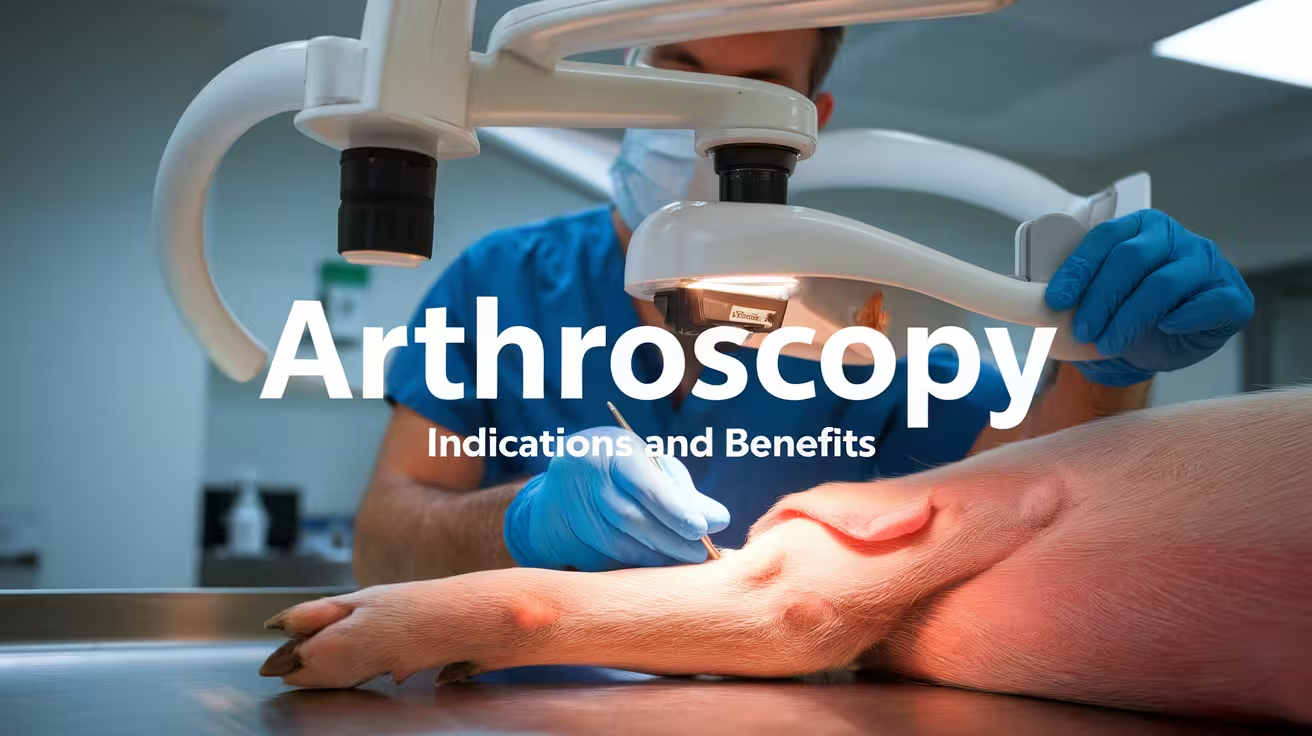
Arthroscopy in Veterinary Orthopedics: Indications and Benefits
Discover how arthroscopy helps diagnose and treat joint issues in pets. Learn key indications, benefits, and recovery details
What Is Arthroscopy in Veterinary Orthopedics?
Arthroscopy is a minimally invasive surgical technique used to look inside your pet’s joints. It involves making small incisions to insert a tiny camera (arthroscope) and special instruments. The camera sends real-time images to a screen, allowing the surgeon to see and treat joint problems without fully opening the joint.
Unlike traditional open joint surgery, arthroscopy causes less tissue damage, smaller scars, and quicker healing. It’s especially useful for diagnosing and treating conditions like ligament damage, joint inflammation, or loose cartilage. Because it offers better visibility with less pain and swelling, more vets are using it in modern orthopedic care.
Arthroscopy is commonly performed on the shoulder, elbow, stifle (knee), and hip joints. It allows precise treatment with fewer complications, making it a preferred option for both diagnosis and surgery in many orthopedic cases.
Diagnostic Benefits of Arthroscopy
Arthroscopy gives veterinarians a clear, direct view inside the joint, which is not possible with radiographs or even CT scans. This technique helps detect issues that might be missed with imaging alone, especially soft tissue problems. Because the camera goes directly into the joint, the surgeon can see the cartilage, ligaments, and joint surfaces in real time.
Here are some key diagnostic benefits of arthroscopy:
- Direct visualization of joint interiors helps identify problems right at the source.
- Cartilage damage, such as softening, thinning, or flaking, is seen clearly.
- Ligament injuries, including partial or early tears, are more accurately diagnosed.
- Subtle abnormalities, like joint inflammation or loose fragments, are easier to detect.
- Better than radiographs or CT scans for spotting soft tissue problems like meniscal tears.
- Synovial fluid or tissue samples can be collected during the procedure for lab testing.
Overall, arthroscopy improves the accuracy of diagnosis, allows early treatment planning, and reduces the need for exploratory surgery. It helps vets make more informed decisions and improves outcomes for dogs with joint issues.
Indications: When Is Arthroscopy Used in Veterinary Orthopedics?
Arthroscopy is commonly used in veterinary orthopedics to diagnose and treat joint problems with less pain and faster recovery. It is especially helpful in joints where precision matters and where early treatment improves long-term outcomes.
1. Elbow Joint Conditions
The elbow is one of the most common joints treated with arthroscopy in dogs, especially large breeds. Common conditions include:
- Fragmented Medial Coronoid Process (FMCP): Arthroscopy allows removal of small bone fragments and smoothing of rough surfaces.
- Osteochondritis Dissecans (OCD): Loose cartilage is removed with minimal joint trauma.
- Ununited Anconeal Process (UAP): Surgeons can evaluate the extent of separation and remove or reattach the piece.
- Elbow incongruity: Arthroscopy helps detect joint mismatch early, guiding further surgical decisions.
This joint benefits from arthroscopy because of its complexity and the difficulty of seeing problems on X-rays.
2. Shoulder Joint Conditions
Shoulder arthroscopy is often used to diagnose and treat soft tissue injuries that cause lameness. Key conditions include:
- OCD of the shoulder: Cartilage flaps are easily identified and removed with minimal damage.
- Biceps tendon pathology: Allows inspection and treatment of tendon inflammation or rupture.
- Medial shoulder instability: Helps confirm ligament stretching or damage and guide surgical repair.
Because shoulder injuries can be hard to detect with imaging, arthroscopy is a valuable diagnostic and treatment tool in active dogs.
3. Stifle (Knee) Joint Conditions
Arthroscopy is useful in diagnosing and treating stifle joint problems, especially when combined with surgical repair. Common indications:
- Cranial cruciate ligament rupture: Arthroscopy can confirm partial or complete tears and assess secondary damage.
- Meniscal tears: Allows clear visualization and precise removal of torn cartilage.
- OCD of the femoral condyle: Helps detect and treat cartilage defects in the knee joint.
In many cases, arthroscopy is done before or during surgery like TPLO to evaluate joint health and improve surgical outcomes.
4. Other Joints (Selective Use)
Though less common, arthroscopy can be used in other joints when imaging is unclear or precision is needed:
- Hip joint: Occasionally used to examine cartilage damage or joint laxity in young dogs.
- Tarsus (hock): Useful in complex cases with suspected OCD or instability.
- Carpus (wrist): Allows diagnosis of ligament injuries or chronic inflammation in small breeds.
These joints are smaller and harder to access, so arthroscopy is used selectively by experienced surgeons.
Therapeutic Uses of Arthroscopy
Arthroscopy is not only helpful for diagnosing joint problems but also plays an important role in treatment. Because it uses small incisions and specialized instruments, it causes less damage than traditional surgery and speeds up recovery.
Here are key therapeutic uses of arthroscopy in veterinary orthopedics:
- Removal of loose bone or cartilage fragments: Fragments from injuries or conditions like OCD can cause pain and joint damage. Arthroscopy allows precise removal without opening the whole joint.
- Debridement of damaged cartilage: Worn or injured cartilage can be trimmed or smoothed to reduce pain and slow joint degeneration.
- Lavage in septic joints: In infected joints, arthroscopy allows joint flushing (lavage) to remove pus, bacteria, and debris, helping the joint heal faster.
- Treatment of partial ligament tears: Minor tears, such as early cruciate ligament damage, can be cleaned and evaluated to guide future treatment.
- Joint flushing to reduce inflammation: In dogs with chronic joint inflammation or immune-mediated arthritis, flushing out the joint helps decrease swelling and improve comfort.
Arthroscopy offers a way to treat problems directly with minimal trauma, which leads to faster healing, less scarring, and better long-term joint function.
Benefits of Arthroscopy Compared to Traditional Surgery
Arthroscopy has become a preferred choice in veterinary orthopedics because it offers many benefits over traditional open joint surgery. By using small incisions and a camera, it reduces trauma and improves healing outcomes.
Key benefits include:
- Smaller incisions = reduced soft tissue trauma: The small entry points cause less damage to muscles and skin, which helps with faster healing and less scarring.
- Faster post-op recovery time: Dogs often return to gentle activity sooner than with traditional surgery. This can shorten the overall rehab period.
- Lower pain levels for the patient: Less tissue damage means less pain after surgery. Many dogs show improved comfort within a few days.
- Reduced risk of infection: Smaller wounds and shorter procedure times lower the chance of bacteria entering the joint.
- Shorter anesthesia and hospital stay durations: Arthroscopy usually takes less time, which means reduced anesthesia risk and shorter clinic stays.
- Improved precision due to magnified view: The camera gives a clear, enlarged view of the joint, helping the surgeon see tiny structures and treat the exact problem.
Overall, arthroscopy allows better care with fewer risks and a smoother recovery, making it a valuable tool in modern veterinary surgery.
Limitations and Considerations
While arthroscopy offers many benefits, it’s not the right choice for every case. There are certain limitations and factors to consider before choosing this technique for your dog.
Here are key points to keep in mind:
- Not suitable for very small joints or advanced joint disease: In very small dogs or cats, the joint space may be too tight for the instruments. Arthroscopy is also less effective when the joint has severe arthritis or bone deformity.
- Requires advanced training and specialized equipment: Not all veterinary clinics offer arthroscopy. It needs a skilled surgeon with special tools and experience, which may limit availability.
- In rare cases, may need to convert to open surgery: If the problem is too complex or the joint is hard to access, the surgeon may switch to a traditional open approach during the procedure.
- Cost considerations depending on setup and expertise: Arthroscopy can be more expensive than standard surgery due to the high cost of equipment and the advanced training required.
Despite these limitations, arthroscopy remains a valuable option for many joint conditions. Your veterinarian will help you decide if it’s the right choice based on your pet’s size, diagnosis, and overall health.
Prognosis and Expected Outcomes
Arthroscopy has a high success rate when used in the right cases and performed by an experienced surgeon. Most dogs recover well and show noticeable improvement in comfort and mobility.
Here’s what you can expect from arthroscopy:
- High success rate in properly selected cases: When done for the right joint condition—such as early ligament injury, cartilage damage, or OCD—arthroscopy provides excellent results with fewer complications.
- Faster return to function and normal activity: Because the procedure is minimally invasive, dogs often regain mobility sooner than with traditional surgery. Most pets can begin light activity within a few weeks.
- Early intervention improves long-term joint health: Treating joint problems early, before there is severe damage, helps protect the joint. This can delay or prevent long-term issues like chronic pain or joint deformity.
- May reduce progression to osteoarthritis if done early: By removing damaged tissue and flushing the joint early, arthroscopy can slow down the development of arthritis, especially in young or active dogs.
Overall, arthroscopy offers a strong long-term outcome with less pain, quicker healing, and better joint function—especially when performed before the disease becomes advanced. Regular follow-up and proper rehab are key to success.
Final Thoughts
Arthroscopy is a modern, minimally invasive technique that offers both diagnostic and therapeutic benefits in veterinary orthopedics. It allows for precise treatment of joint conditions like OCD, ligament injuries, and cartilage damage with smaller incisions, less pain, and faster recovery compared to traditional surgery.
It’s especially helpful for early-stage joint problems, where quick action can protect the joint and reduce long-term damage. However, not every case is a match for arthroscopy. Factors like joint size, disease severity, and available expertise must be considered.
Early diagnosis plays a major role in successful outcomes. If your dog shows signs of joint pain, lameness, or reduced activity, don’t wait. A timely exam can make all the difference. Always consult a board-certified veterinary surgeon to determine if arthroscopy is the right choice for your dog’s condition and recovery.
FAQs About Arthroscopy in Veterinary Orthopedics
Is arthroscopy painful for dogs or cats?
Arthroscopy is less painful than traditional open joint surgery because it uses small incisions and causes less tissue damage. Most pets experience mild discomfort, which is managed with pain medication. Many animals begin walking comfortably within a few days and show steady improvement as healing progresses.
How long does recovery take after arthroscopy?
Recovery time after arthroscopy is usually shorter than open surgery. Most pets start gentle activity within 2 to 3 weeks. Full recovery takes about 6 to 8 weeks, depending on the joint treated and overall health. A structured rehab plan, including rest and controlled exercise, helps ensure the best outcome.
How much does veterinary arthroscopy cost?
The cost of arthroscopy can range from $2,000 to $4,000 or more, depending on the joint treated, clinic location, surgeon experience, and whether therapeutic procedures are done. Additional fees for diagnostics, anesthesia, and follow-up care may apply. Always ask for a full estimate before scheduling the procedure.
Can small breed dogs undergo arthroscopy?
Yes, small breed dogs can have arthroscopy, especially for shoulder, elbow, or stifle issues. However, very tiny joints may be too small for the instruments. A skilled veterinary surgeon will evaluate your dog’s size and joint structure to decide if arthroscopy is a safe and effective option.
Is arthroscopy better than MRI or CT for joint problems?
Arthroscopy gives a real-time, direct view of the inside of the joint, making it better for diagnosing cartilage, ligament, or meniscus problems. MRI and CT scans are useful for imaging bones and deeper structures, but they can miss soft tissue issues that arthroscopy can clearly reveal and treat at the same time.

When to Refer for Orthopedic Surgery: Identifying Surgical vs. Non-Surgical Cases
Guide for identifying surgical vs. non-surgical veterinary orthopedics, enhancing patient outcomes with timely, appropriate referrals
Orthopedic decisions in dogs come in two layers: is surgery needed, and if so, should it be performed by a general practitioner or a specialist? Getting both questions right is what gives a dog the best outcome.
This guide covers which orthopedic conditions typically require surgery, which are managed conservatively, and when specialist referral is the appropriate recommendation.
Quick answer: Most CCL ruptures, comminuted or articular fractures, severe hip dysplasia, and spinal cord compressions require referral to a board-certified orthopedic surgeon. Conservative management suits mild OA, early hip dysplasia, and stable incomplete fractures in large adult dogs.
Key takeaways
- CCL rupture is the most common orthopedic referral reason: TPLO or TTA required for long-term stifle stability
- Fractures require specialist referral when comminuted, articular, open, or involving toy breed radius and ulna
- Conservative management works for mild presentations of hip dysplasia, elbow dysplasia, and osteoarthritis when functional impairment is limited
- Cases not improving with conservative care after 4 to 6 weeks should trigger a referral conversation
- Cost transparency matters: owners need to understand the financial impact of surgical vs. non-surgical paths
- Teleconsultation with a specialist is available before formal referral when the diagnosis or management path is uncertain
The referral decision framework
Two separate questions must be answered:
1. Does this dog need surgery at all?Severity of pain, degree of functional impairment, rate of deterioration, the dog's age and size, and the owner's capacity for the post-operative recovery commitment all factor in.
2. If surgery is needed, who should perform it?Procedure complexity, required implants, access to specialized equipment, and the surgeon's case volume for this specific procedure determine whether a general practitioner or a DACVS specialist is the appropriate operator.
SustainableVet: "The cost implications of specialist surgery, the timeline for diagnostics, surgery, and recovery, and post-operative care responsibilities should all be discussed with owners before making a referral recommendation."
Conditions that typically require surgical referral
Cranial cruciate ligament (CCL) rupture
The most common reason dogs are referred to veterinary orthopedic surgeons. SustainableVet: "Cranial cruciate ligament (CCL) ruptures cause severe joint instability, leading to secondary osteoarthritis. Surgical stabilization, such as tibial plateau leveling osteotomy (TPLO) or tibial tuberosity advancement (TTA), is recommended for long-term function."
Veterinary Partner (VIN): "TPLO has emerged as the most reliable technique offered by veterinary orthopedic surgeons for the management of CCL disease in dogs."
TPLO and TTA require specialized equipment (radiolucent table, surgical templates, specific implant systems) and significant case volume to perform reliably. Coldwater Animal Hospital: "A torn CCL in dogs requires precise surgical technique, proper post-operative planning, and orthopedic follow-up. When you suspect your dog has a knee injury, you should request a referral to an orthopedic specialist as soon as possible."
SustainableVet: "TPLO for CCL rupture ranges from $3,000 to $6,000 and covers surgery, hospitalization, and post-op care."
Comminuted and articular fractures
SustainableVet (fracture management article): "Signs include joint involvement, multiple bone fractures, open wounds, unstable or comminuted breaks, or no healing progress after a few weeks. If proper imaging or surgical tools are not available, referral ensures better care."
Articular fractures (those entering a joint surface) require anatomical reduction and rigid fixation to prevent joint surface incongruity and secondary arthritis. These are specialist cases.
Open (compound) fractures require urgent management to reduce infection risk often an emergency referral.
Toy breed radius and ulna fractures
SustainableVet: "Toy breeds have a high risk of nonunion, especially in distal radius and ulna fractures. Their small bones have less blood supply, which slows healing. Even simple fractures may not heal with splints alone. Surgery is often recommended early to avoid long-term lameness or permanent damage."
Spinal cord compression
Intervertebral disc disease (IVDD) with neurological deficits paresis or paralysis is a neurosurgical emergency. Lumbosacral disease, spinal instability, and vertebral fractures with cord involvement require specialist management. VCA: "Spinal injuries and herniated discs are problems that are also commonly referred to board-certified surgeons."
Total hip replacement
Total hip replacement (THR) for severe hip dysplasia or femoral head necrosis. VCA: "THR procedures replacement of a dog's diseased hip joints with prosthetic ones cost between $5,000 and $7,000." The procedure requires specialized implant systems and is exclusively a specialist procedure.
Complex reconstructive surgery
Large skin defects, major wound reconstruction after trauma or tumor removal, and rotational flap procedures require specialist training and experience beyond general practice scope.
Conditions that may be managed conservatively
Mild to moderate hip dysplasia (young dogs)
Early-stage hip dysplasia in dogs under 18 months may respond to conservative management: weight control, controlled low-impact exercise, NSAIDs, joint supplements, and physical rehabilitation. Surgical intervention (triple pelvic osteotomy, total hip replacement) is considered when conservative management fails or for severe bilateral disease.
Elbow dysplasia (mild-to-moderate)
Mild elbow dysplasia with limited functional impairment can be managed with anti-inflammatory therapy, weight management, and rehabilitation. More severe presentations or those with fragmented coronoid process, osteochondrosis, or ununited anconeal process require arthroscopic or open surgery.
SustainableVet: "Referral to a veterinary orthopedic specialist is often the best step when elbow dysplasia becomes hard to manage or diagnose."
Incomplete or stable fractures in appropriate candidates
Greenstick fractures in large-breed adult dogs, some metaphyseal fractures in stable patients, and certain stable pelvic fractures may be managed with strict rest and splinting in appropriate candidates. The key qualifier: appropriate imaging must confirm stability, and the patient must be able to comply with strict rest.
Osteoarthritis (mild to moderate)
Early and moderate OA is managed medically: NSAIDs, weight management, physical rehabilitation, and joint-supportive nutrition. Surgery is considered when medical management fails to provide adequate pain control or when the underlying structural cause (CCL rupture, hip dysplasia) requires correction.
When conservative management should trigger referral
SustainableVet: "Cases not improving with conservative care: If your dog keeps limping, feels pain, or avoids movement after weeks of non-surgical treatments like rest, medication, and therapy, it might be time to refer to a specialist."
Specific triggers:
- Lameness not improving after 4 to 6 weeks of appropriate conservative management
- Progressive lameness despite treatment
- Neurological signs developing or worsening
- Severe lameness or joint deformity detected on examination
- Diagnosis unclear and advanced imaging needed
Today's Veterinary Practice (post-TPLO evaluation guide): "Mild routine complications may be handled by the general practitioner; however, with regard to more severe complications, it is important to know when a patient should be referred back to the orthopedic surgeon."
Teleconsultation before formal referral
Today's Veterinary Practice: "A team approach between the referral surgeon and primary veterinarian is optimal in order to achieve success in managing patients after an orthopedic procedure."
Many orthopedic specialists offer teleconsultation for referring vets considering a referral: sharing radiographs and case details digitally to get specialist input before formally sending the owner. This is appropriate when:
- The diagnosis is uncertain (is this a CCL rupture or not?)
- The conservative vs. surgical decision is unclear
- The referring vet wants specialist input on management before referral
SustainableVet: "Teleconsulting tools, including sending images digitally or having a quick virtual meeting, can facilitate veterinarian-to-specialist communication when distance or schedules are an issue."
For the post-surgical care once a referred dog returns from orthopedic surgery, see post-surgical complications in referred pets. For what to expect during recovery from a referred procedure, see orthopedic surgery home care guide. For a complete overview of the referral process, see what is veterinary referral surgery.
Frequently asked questions
My dog has a cruciate tear. Can my regular vet do the surgery?
Some GPs perform the lateral suture technique for small dogs. TPLO and TTA require specialized equipment and are performed by specialists. Ask your vet which technique they perform and their annual case volume.
How long can I wait before deciding on surgery for a CCL rupture?
Delay without stabilization allows progressive joint damage and meniscal injury. Most orthopedic surgeons recommend surgical evaluation within 2 to 4 weeks of diagnosis. Very prolonged delay (months) makes surgery more complex and recovery longer.
Is conservative management ever appropriate for CCL rupture?
In dogs under 10 kg, strict rest and rehabilitation has a reasonable success rate. In medium and large dogs, non-surgical management typically causes chronic instability and progressive osteoarthritis. Most specialists recommend surgery for medium and large breeds.
What does a specialist referral for orthopedic surgery actually involve?
The specialist performs a consultation examination, reviews imaging, discusses surgical options and recovery expectations, provides a written estimate, and schedules surgery. Your general vet receives a discharge summary and manages follow-up. See the full referral process guide for details.
My dog has both hips affected. Should both be done at the same time?
Generally no. Bilateral procedures are staged to allow one limb to recover before operating on the other. The interval is typically 8 to 12 weeks. Discuss staging with the specialist at the consultation.
How do I prepare my dog for an orthopedic specialist consultation?
Bring all prior radiographs, recent bloodwork, the full medication list, and records from prior treatments. A written summary of when lameness began and how it has progressed helps the specialist assess the timeline efficiently.
Resources
- SustainableVet. When to Refer: Surgical vs. Non-Surgical Orthopedic Cases. sustainablevet.org
- Today's Veterinary Practice. Evaluation After TPLO: A Guide for the General Practitioner. todaysveterinarypractice.com
- Veterinary Partner (VIN). TPLO (Tibial Plateau Leveling Osteotomy) Surgery. veterinarypartner.vin.com
- VCA Hospitals. Surgery. vcahospitals.com

Nutrition & Supplements for Orthopedic Patients: What Works and What Doesn’t
Discover which pet supplements truly support joint health, and what to avoid in orthopedic care. Vet-backed tips for better recovery and mobility
Why Nutrition Matters in Orthopedic Recovery
Nutrition plays a key role in how well a dog recovers after orthopedic surgery or injury. Bones, joints, muscles, and soft tissues all need the right nutrients to heal properly. Without enough protein, vitamins, and minerals, healing slows down and the risk of complications goes up.
Inflammation is common after surgery. Some foods can help reduce it naturally, like those rich in omega-3 fatty acids. At the same time, proper nutrition supports tissue repair, keeps muscles strong, and helps rebuild cartilage around joints.
Supplements can help, but they don’t replace a balanced diet. For example, giving glucosamine is useful, but it won’t work if the dog is eating low-quality food that lacks protein or key vitamins. Recovery works best when supplements are part of a complete nutrition plan, not the only solution.
Start with the Basics: Weight and Diet First
Importance of Weight Management
Keeping a healthy weight is one of the most important parts of orthopedic care. Extra weight puts more stress on joints, especially the knees, hips, and spine. For dogs recovering from surgery, even a few extra pounds can slow healing and increase pain.
Obesity is strongly linked to many joint problems, including arthritis, cruciate ligament injuries, and hip dysplasia. The more weight a dog carries, the harder the joints must work, leading to faster wear and tear. In overweight dogs, surgeries like TPLO or joint replacement often have slower and more difficult recoveries.
Helping a dog reach or stay at a healthy weight reduces this stress and improves mobility. It also lowers inflammation, which supports healing. Even small weight loss—just 5–10% of body weight—can make a big difference in how a dog moves and feels after orthopedic treatment.
Key Nutrients in an Orthopedic Diet
A strong orthopedic recovery starts with a diet that supports healing tissues. Protein is the most important building block—it helps repair muscles, tendons, and bones. Dogs healing from surgery need more protein than usual, especially during the first few weeks post-op.
Calcium and phosphorus are key for bone strength. They must be given in the right ratio, especially in growing dogs, to avoid bone problems. Vitamins like C and D support collagen repair and calcium absorption. Omega-3 fatty acids from fish oil can reduce inflammation in joints and help with pain.
But more isn’t always better. Over-supplementing can throw off balance. For example, too much calcium can lead to bone disorders. It’s best to provide these nutrients through a balanced, high-quality orthopedic or joint-support formula unless your vet recommends extra supplements. Good food is the foundation; supplements should fill gaps, not replace meals.
Supplements That Work: Backed by Veterinary Use
When used with the right diet and weight control, certain supplements can support healing and reduce joint pain. Here are some of the most commonly used and well-researched options in veterinary orthopedic care.
1. Omega-3 Fatty Acids (Fish Oil)
Omega-3 fatty acids, especially EPA and DHA from fish oil, are powerful anti-inflammatory agents. They help reduce joint swelling and improve mobility in dogs with arthritis or post-surgery stiffness. Studies show they can lower the need for pain medications over time.
Common sources include salmon oil, sardine oil, and anchovy oil. Veterinary-grade products are more purified and properly dosed compared to grocery store options. The usual dose is based on body weight, and your vet can guide you to avoid over-supplementation. Fish oil is often the first supplement added to a recovery plan because of its safety, long-term benefits, and ability to work well with other treatments.
2. Green-Lipped Mussel (GLM)
Green-lipped mussel is a natural anti-inflammatory that comes from shellfish native to New Zealand. It contains omega-3s, amino acids, and antioxidants that work together to ease joint pain and stiffness, especially in dogs with osteoarthritis.
GLM is often found in vet-recommended joint products and is considered safe for long-term use. Research shows it can improve comfort and mobility in both older dogs and those recovering from orthopedic surgery.
Unlike synthetic drugs, GLM has fewer side effects and provides a gentle way to support joint health. It's not a cure, but when used consistently, it may lower the need for pain meds and improve quality of life over time.
3. Glucosamine and Chondroitin
Glucosamine and chondroitin are among the most widely studied supplements for joint care in dogs. They support cartilage health, reduce inflammation, and may slow the breakdown of joint tissues. Many vets include them in post-op recovery plans or for long-term management of arthritis.
However, results vary. Some dogs show clear improvement in stiffness and mobility, while others don’t respond as well. The biggest benefits are seen with consistent use over at least 6–8 weeks.
These compounds work best in early to moderate joint disease, not as much in advanced cases. While not a magic fix, they’re still a go-to part of many joint support protocols because of their long safety history.
4. MSM (Methylsulfonylmethane)
MSM is a sulfur-based compound found in plants and animals. In orthopedic patients, it's used for its anti-inflammatory and pain-relieving effects. MSM helps reduce joint swelling and may ease muscle soreness, which is useful after surgery or injury.
This supplement is often paired with glucosamine and chondroitin for added support. It also plays a role in building healthy collagen and connective tissue, which are key during the healing phase. MSM is generally well-tolerated and safe for long-term use.
While more research is still needed, many veterinarians recommend it as part of a combined joint supplement, especially when managing pain without heavy use of NSAIDs.
5. UC-II (Undenatured Collagen Type II)
UC-II is a unique form of collagen that works differently from other joint supplements. It targets the immune system and helps reduce the inflammation that causes cartilage breakdown. Instead of adding building blocks like glucosamine, UC-II trains the immune system to stop attacking joint tissues.
This can be especially helpful in dogs with immune-driven joint problems or chronic arthritis. Some studies suggest it may work better than glucosamine in certain cases, especially for dogs who haven’t responded well to standard supplements.
UC-II is usually taken in small doses and is often combined with other anti-inflammatory agents. It's a good option for dogs needing extra immune-based joint care.
6. Avocado/Soybean Unsaponifiables (ASUs)
ASUs are a mix of natural plant extracts made from avocados and soybeans. They work by slowing cartilage breakdown and blocking enzymes that damage joint tissue. Though not as common as other supplements, ASUs have shown promising results in both human and veterinary studies.
They’re often included in high-quality veterinary joint products along with glucosamine or chondroitin. ASUs are best used when the goal is to protect cartilage and delay further joint damage.
They may also reduce pain and improve mobility in long-term joint conditions. While not a first-line supplement, they offer extra support for dogs with ongoing joint stress or after major orthopedic surgery.
Natural Options Gaining Interest
Alongside traditional supplements, some natural compounds are gaining attention for their potential to support joint health. While the research is still developing, these options may offer gentle support when used carefully and under veterinary guidance.
1. Turmeric (Curcumin)
Turmeric contains curcumin, a natural compound known for its anti-inflammatory effects. Some studies and reports suggest it may help with joint pain and stiffness in dogs, especially those with arthritis. However, curcumin has poor absorption in the body unless combined with other ingredients like black pepper extract.
Many pet supplements use enhanced formulas to improve effectiveness. While it’s a promising option, the results are mixed and more research is needed. Still, turmeric can be a helpful addition to a complete joint care plan when properly formulated.
2. Microlactin
Microlactin is a dried milk protein from cows, known for its anti-inflammatory properties. It works by blocking white blood cells that contribute to joint inflammation and tissue damage. While it's newer compared to other joint supplements, early research and some clinical use suggest it may help reduce pain and improve mobility in dogs with chronic joint issues.
It’s often used as a secondary supplement for dogs who don’t fully respond to traditional options. So far, it appears safe and well-tolerated, but long-term studies are still limited.
3. CBD Oil for Joint Pain
CBD oil has gained popularity for managing pain and anxiety in pets, including dogs with joint problems. Some owners report better mobility and reduced stiffness. Early research also supports its potential anti-inflammatory and pain-relieving effects. However, there are concerns around safety, correct dosing, and product quality.
Veterinary-approved CBD products are best, and you should always speak with your vet before starting. While it shows promise, CBD should never replace proven treatments and should only be used as part of a supervised care plan.
4. Vitamins C & E for Joint Health
Vitamins C and E are antioxidants that help protect joints from damage caused by free radicals. They don’t rebuild cartilage or stop inflammation directly, but they support overall tissue health. In orthopedic recovery, these vitamins may help reduce oxidative stress around healing joints.
Most dogs get enough of these nutrients from balanced diets, so extra supplementation is usually not needed unless advised by a vet. When used, they serve more as add-ons rather than core treatments for joint disease or post-surgery care.
What Often Doesn’t Work (or Needs Caution)
Not all joint supplements are effective—or safe—when used without proper guidance. Many products on the market make big claims but offer little real benefit, especially when not chosen carefully.
Here are common mistakes to avoid:
- Generic or low-quality supplements: Many over-the-counter joint products lack proper testing or use low-grade ingredients. They may contain less active compound than listed or have poor absorption, making them ineffective.
- Overuse of single-ingredient products: Giving high doses of one supplement, like calcium or glucosamine, without balancing it with other nutrients can cause more harm than good. It may lead to imbalances or worsen certain conditions.
- Delaying supportive care: Waiting until a dog is in severe pain or has lost mobility can limit how well supplements and nutrition work. Early support gives the best long-term results.
Supplements are most helpful when started early, chosen with care, and combined with a full recovery plan. Always consult your vet before starting anything new—what works for one dog may not suit another.
How to Choose the Right Supplements
Choosing the right joint supplements for orthopedic care isn’t just about picking a popular brand. The quality, dosage, and how the supplement works with your dog’s overall plan all matter.
Here’s what to focus on:
- Vet-recommended or clinically tested brands: Look for supplements that have veterinary backing or are used in clinical studies. These are more likely to be safe, effective, and properly dosed.
- Absorption and dosage form: Some supplements work better in liquid or chew form because they’re easier to absorb. Powder-filled capsules may not break down well, especially in sick or older dogs.
- Purity and quality control: Choose products made by trusted companies that test for contaminants like heavy metals or fillers. Avoid supplements without clear labels or dosage guidelines.
- Part of a full plan: Supplements work best when used alongside proper diet, weight management, and physical therapy. They are not magic cures on their own.
Talk to your vet to make sure the supplement fits your dog’s condition and recovery stage. Personalized support is always better than one-size-fits-all.
When to Start and How to Monitor Progress
Starting nutritional support and supplements early in the recovery process gives the best chance for healing. The goal is to reduce inflammation, protect joints, and support tissue repair before damage becomes severe. In many cases, waiting too long can limit how well these therapies work.
Early intervention helps to:
- Reduce swelling and stiffness after surgery
- Support faster healing of bones and soft tissues
- Delay or prevent long-term joint damage
Once supplements are started, it’s important to track your dog’s progress over several weeks.
Watch for signs of improvement like:
- Better mobility or ease in getting up
- Less limping or stiffness after rest
- Reduced need for pain medication
Keep a simple journal or video log to track changes. If there’s no clear improvement after 6–8 weeks, or if your dog gets worse, it’s time to re-evaluate the plan. Your vet may recommend changing the supplement, adjusting the dose, or focusing more on diet and physical therapy.
Every dog is different—regular check-ins help keep the recovery on track.
Always Work With Your Veterinarian
Supplements and nutrition can play a big role in orthopedic recovery, but they should never be used without your veterinarian’s guidance. Every dog is different. Age, breed, diagnosis, weight, and other health issues all affect which supplements are safe and effective.
Your vet can build a personalized plan that fits your dog’s specific needs. For example, a dog recovering from TPLO surgery may need different support than one with chronic arthritis or hip dysplasia. Vets also help choose the right product, dosage, and timing for each stage of recovery.
Monitoring is just as important. Some supplements can interact with medications or cause mild side effects like stomach upset. Your vet can spot these early and make changes if needed.
Veterinarians also work closely with rehab professionals. Together, they balance nutrition, medication, and physical therapy to support healing. This team approach helps avoid delays, reduces pain, and improves long-term joint health.
In short, the best results come when supplements are used as part of a full veterinary-guided plan—not in place of one. Always keep your vet in the loop.
FAQs
Do joint supplements really work for dogs with orthopedic issues?
Yes, joint supplements can help reduce inflammation, support cartilage, and improve mobility in dogs with orthopedic conditions. Results vary, but many dogs show benefits with consistent use. They work best when started early and combined with proper diet, weight control, and veterinary care.
Which supplements are best for arthritis in dogs?
The most commonly used supplements for arthritis include glucosamine, chondroitin, fish oil (omega-3s), and green-lipped mussel. UC-II and MSM are also helpful in many cases. Always choose vet-recommended products and use them as part of a complete management plan.
Can I give multiple supplements together for better results?
Yes, many joint formulas combine ingredients like glucosamine, MSM, and fish oil for a more complete effect. However, combining different products on your own may lead to overdosing. Always check with your vet before giving multiple supplements together.
When should I start my pet on joint supplements?
Start supplements at the first sign of joint issues or after orthopedic surgery. Early support can slow down joint damage, ease pain, and help your dog recover faster. Some vets even suggest starting in high-risk breeds before problems begin.
How do I know if a supplement is high quality and safe?
Look for veterinary-approved brands with clear ingredient labels and dosing instructions. Choose products that have undergone purity and safety testing. Avoid supplements without proper certification or those with vague claims. Your vet can recommend trusted options based on your dog’s needs.
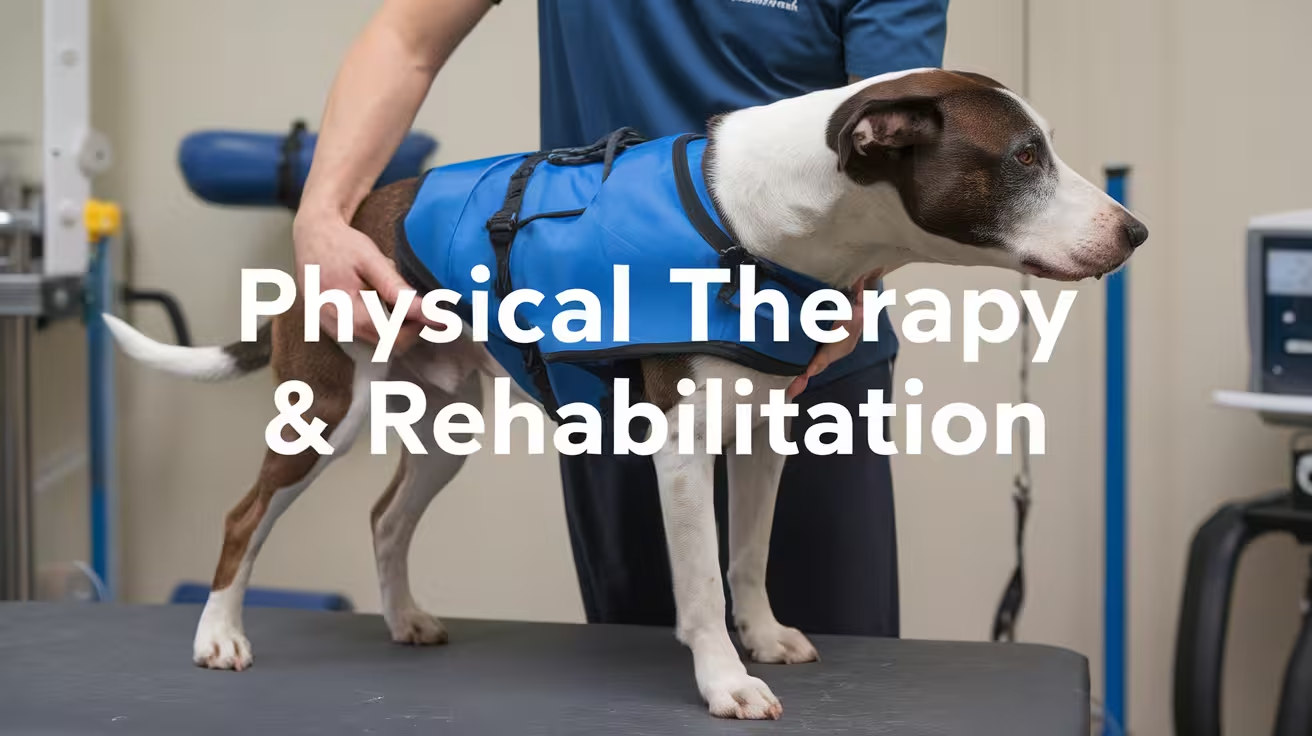
Physical Therapy & Rehabilitation: How Referring Vets Can Support Recovery
Learn how referring vets can support pet recovery with timely rehab, better communication, and tailored treatment plans
Rehabilitation after orthopedic surgery is not optional it is a core component of recovery.
Dogs that receive structured rehabilitation after procedures such as TPLO, FHO, or fracture repair consistently return to function faster and more completely than those managed with rest alone.
Referring veterinarians are in a key position to set expectations, identify appropriate patients for formal rehabilitation referral, and guide owners through what they can do at home between specialist visits.
Quick answer: Rehabilitation after orthopedic surgery combines passive range-of-motion exercises, controlled leash walking, hydrotherapy, therapeutic laser, and progressive strengthening. Formal rehabilitation with a certified canine rehabilitation practitioner produces measurably better outcomes than rest alone.
Key takeaways
- Rehabilitation significantly improves post-surgical outcomes: dogs receiving post-TPLO rehab return to limb use faster than controls managed with rest alone
- Hydrotherapy is one of the most impactful modalities: water buoyancy reduces weight-bearing stress by up to 90% while building muscle
- Passive range-of-motion exercises begin within the first few days post-surgery to prevent joint stiffness and soft tissue adhesion
- Therapeutic laser can be initiated immediately after surgery to reduce inflammation and support tissue healing
- Rehabilitation referral should be considered for any orthopedic surgical patient, particularly large-breed dogs, bilateral cases, and slow-progressors
- Home exercises taught to owners at discharge sit-to-stands, controlled leash walking, passive ROM extend the benefit of formal sessions
Why rehabilitation matters after orthopedic surgery
Surgery creates a stable repair. Rehabilitation determines the quality of function that is achieved on top of that repair.
Physical rehabilitation is a specialty of veterinary medicine that focuses on strength, mobility, and comfort of pets. Rehabilitation therapy utilizes a combination of therapeutic exercises, physical modalities like laser, and hands-on techniques to alleviate pain and improve function.
Without proper rehabilitation, dogs may experience prolonged pain, stiffness, muscle atrophy, or even a decline in overall function. Physical therapy helps bridge the gap between surgery and a full return to normal activities by promoting safe and effective healing.
The referring vet's role after orthopedic surgery is threefold: enforce rest during early healing, manage pain so the dog can engage in rehab exercises, and identify patients who need formal rehabilitation referral.
Rehabilitation modalities
Passive range-of-motion exercises (PROM)
Range-of-motion and stretching exercises are vital activities to help improve joint motion and flexibility in pets after surgery. These exercises help prevent adhesions between soft tissues and bone, improve muscle extensibility, and prevent further injury to joints, ligaments, tendons, and muscles.
PROM begins within the first few days of surgery, before the dog can actively bear weight. Owners are typically taught how to perform these at discharge.
The technique involves gentle flexion and extension of the affected joint through its comfortable range, without forcing the endpoint.
Hydrotherapy (underwater treadmill)
The buoyancy effect reduces weight-bearing stress by up to 90%, allowing pets to exercise with minimal pain while still building muscle mass.
Most veterinarians recommend beginning hydrotherapy only after the surgical site is fully closed and inflammation has subsided, which usually occurs after two to four weeks but this timeline varies depending on the procedure and the individual pet.
The underwater treadmill is the most commonly used hydrotherapy tool in veterinary rehabilitation. Pool swimming is also used but provides less controlled, task-specific exercise.
Therapeutic laser (photobiomodulation)
Laser therapy can be initiated right after surgery to stimulate healing.
Therapeutic laser reduces inflammation, decreases pain, and promotes tissue repair at the cellular level. It is one of the few modalities that can begin immediately post-operatively at the surgical site.
Therapeutic exercises
Physiotherapy exercises for dogs can include things like balancing on three legs, walking on the front legs, sit-and-stand exercises, and side-hopping. These exercises can help with recovery.
Progressive land-based exercises are introduced as healing advances. Sit-to-stand exercises build hindlimb strength without high-impact loading. Balance boards, cavaletti poles, and incline walking are added as the dog progresses.
Heat and cold therapy
Cold therapy (cryotherapy) is used in the first 48 to 72 hours post-surgery to reduce inflammation and swelling. Heat is introduced later to relax muscles and increase local circulation before exercise sessions.
When to refer to a certified rehabilitation practitioner
Formal rehabilitation referral is appropriate for:
- Large and giant breed dogs after major orthopedic procedures (TPLO, THR, fracture repair)
- Any dog that is not bearing weight on the operated limb by the expected timepoint
- Bilateral cases where both limbs are affected
- Dogs with concurrent neurological signs
- Dogs with pre-existing muscle atrophy or poor baseline condition
- Cases where owners cannot reliably perform home exercises
A certified canine rehabilitation practitioner (CCRP) or diplomate of the American College of Veterinary Sports Medicine and Rehabilitation (DACVSMR) provides the most structured and evidence-based program.
Home exercises for owners
Most owners can learn and perform the following between formal sessions:
Short controlled leash walks: beginning as short as 5 minutes, three times daily, increasing progressively per the surgeon's protocol. No pulling, no running.
Passive range-of-motion: gentle flexion and extension of the surgical joint, 10 to 15 repetitions, two to three times daily. Stop at the point of resistance; never force.
Sit-to-stand exercises: asking the dog to sit and stand repeatedly encourages hindlimb muscle activation. Begin with 5 repetitions and increase over weeks.
Cold packing: 10 to 15 minutes of cold application to the surgical site after exercise sessions in the first two weeks reduces local inflammation.
For the pain management that supports engagement in rehabilitation, see orthopedic pain management in pets: multimodal approaches. For the nutrition and supplement context, see nutrition and supplements for orthopedic patients.
Frequently asked questions
How soon after orthopedic surgery can rehabilitation begin?
Passive range-of-motion and short controlled leash walks typically begin within the first few days. Hydrotherapy begins once the incision is closed and inflammation has subsided, usually at two to four weeks.
Therapeutic laser can begin immediately. The surgeon's discharge protocol sets the specific timeline for each patient.
My patient is not bearing weight at two weeks post-TPLO. Should I refer?
Yes. Persistent non-weight-bearing at two weeks warrants assessment either by the performing surgeon or a rehabilitation specialist. Causes include inadequate pain management, implant-related issues, or lack of physiotherapy engagement.
Formal rehabilitation evaluation is appropriate here.
Can owners do rehabilitation at home without formal sessions?
Home exercises taught at discharge are valuable and can significantly improve outcomes. However, formal sessions with a certified practitioner provide progression, monitoring, and modalities (laser, underwater treadmill) that owners cannot replicate.
Where resources allow, a combination is ideal.
What does a typical post-TPLO rehabilitation program look like?
Week 1 to 2: PROM, cold therapy, very short leash walks. Week 3 to 4: progressive leash walk duration, sit-to-stand exercises, hydrotherapy begins.
Week 5 to 8: increased land exercises, balance work, progressive incline walking. Month 3 to 4: gradual return to normal activity. Specific protocols vary by surgeon and practitioner.
Is rehabilitation covered by pet insurance?
Some comprehensive pet insurance plans cover rehabilitation therapy following surgery. Coverage varies significantly by policy and provider. Owners should check their policy before assuming coverage.
Resources
- AESC Parker. Physical Rehabilitation to Improve Surgical Recovery. aescparker.com
- DVM360. Physical Rehabilitation: Improving the Outcome in Dogs with Orthopedic Problems. dvm360.com
- AKC. Canine Rehabilitation Therapy: What to Know. akc.org
- PetMD. Dog Physical Therapy: Everything a Pet Parent Should Know. petmd.com
- VetGarofallo. Swimming and Physical Therapy After Surgery in Pets. vetgarofallo.com

