

Protecting
Pets, People & Planet
Join a group of veterinarians leveraging the latest technologies to deliver excellent care to their patients while being a responsible and positive force for their local and global communities.
100% secure. We do not share your information


Recent Articles
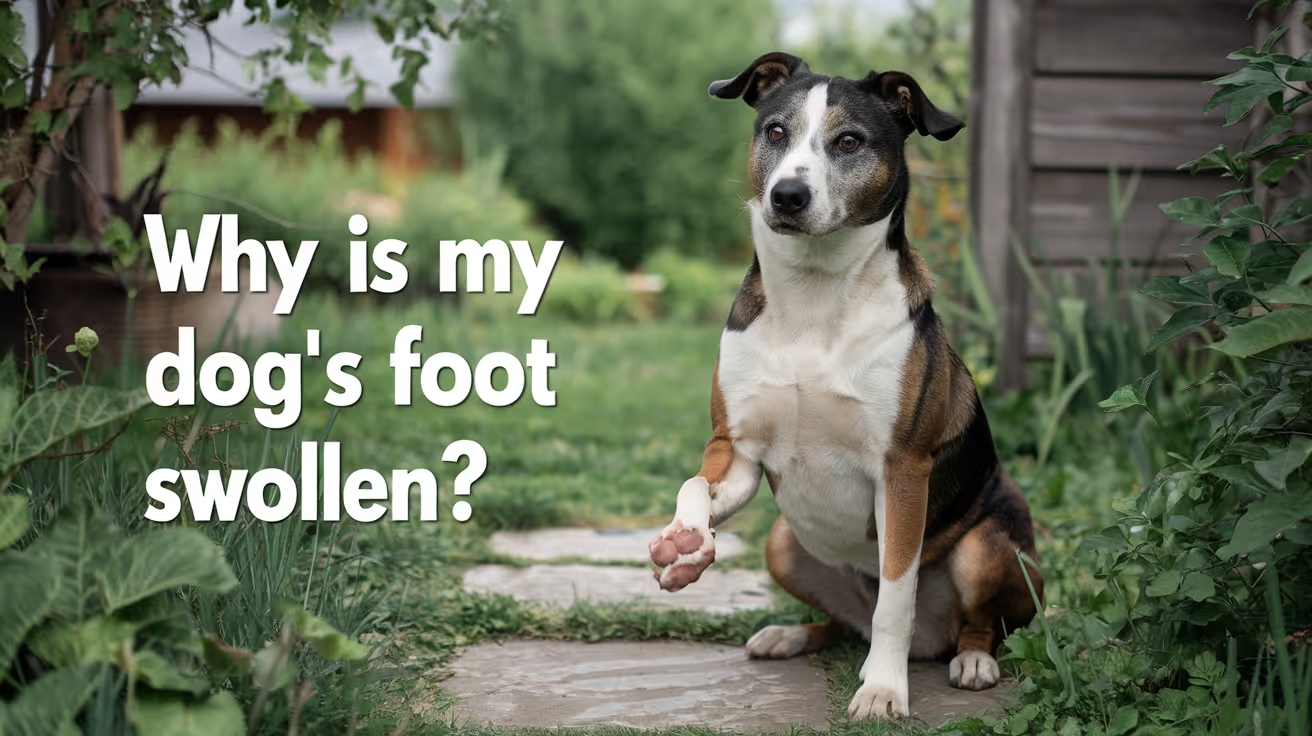
Why Is My Dog's Foot Swollen?
Discover why your dog's foot is swollen, common causes, treatments, and when to see a vet for proper care.
A swollen dog foot is one of the most common reasons owners call their vet. It can be as simple as a bee sting or as serious as a deep infection or bone tumor. The location, speed of onset, and other symptoms all help narrow down the cause.
This guide covers every common cause, how to assess severity at home, and the exact signs that mean your dog needs same-day care.
Quick answer: A swollen dog foot usually has a local cause: injury, insect sting, foreign object, or infection. Warm, increasing, or discharging swelling needs same-day vet care. Multiple swollen paws suggest allergies.
Key takeaways
- Single-paw swelling almost always has a local cause: injury, sting, foreign body, or infection
- Interdigital furunculosis (infected hair follicle cysts between toes) is among the most misidentified causes of recurring paw swelling
- Foreign objects like foxtails and glass splinters can migrate deep into tissue if left untreated
- Pododermatitis is the clinical term for inflamed paw skin; allergies are the most common underlying driver
- Swelling spreading up the leg or paired with face or neck swelling is an emergency requiring immediate care
- Most mild swelling from a sting or minor sprain improves within 24 to 48 hours with rest and monitoring
How to assess your dog's swollen foot before calling the vet
Before looking up causes, do a quick home assessment. This takes two minutes and tells you how urgent the situation is.
Step 1: Which paw?One paw = likely local cause. All four paws = likely allergic or systemic.
Step 2: Feel for heat.Warm or hot tissue means active inflammation or infection.
Step 3: Look between every toe.Redness, swelling between the digits, or visible nodules between the toes points to interdigital furunculosis or a foreign body.
Step 4: Check the pads.Burns appear as red, blistered, or peeling pad tissue. Cuts and punctures are often visible on the pad surface.
Step 5: Look at each nail.A broken nail or swollen nail bed causes localized pain and swelling at the toe tip.
VCA Animal Hospitals: "A deeper infection, like an abscess, will appear as a warm, soft to mildly firm swelling under the skin."
8 common causes of a swollen foot in dogs
1. Injury or trauma
Sprains, cuts, fractured toes, torn nails, and pad burns are the most frequent causes of sudden single-paw swelling. Dogs running on rough, hot, or icy terrain are especially prone.
PetMD notes that pad burns are particularly common in summer: check the pads after any walk on hot pavement. If your palm cannot hold against the pavement for five seconds, it is too hot for your dog's feet.
Signs: sudden lameness after activity, localized swelling, visible wound or bruising.
2. Foreign object
Thorns, glass, foxtails, and grass awns lodge between the toes or penetrate the pad. The body mounts an inflammatory response around the object, causing swelling that worsens over days.
SpectrumCare: "Foxtails and grass awns can lodge between the toes or in the pad and trigger pain, swelling, and infection."
Foxtails are particularly dangerous because they are barbed and can migrate deeper into tissue over days, eventually requiring surgical removal. If you cannot see and safely remove the object, do not probe. See a vet.
3. Insect sting or bite
Bees, wasps, fire ants, and spiders cause rapid single-paw swelling that appears within minutes of the sting. The paw may look puffy and your dog may lick or hold it up.
Dyer Animal Clinic advises watching for anaphylaxis signs: hives, difficulty breathing, excessive swelling spreading beyond the paw. These require emergency care immediately.
Localized sting swelling that stays in the paw and is not worsening can be monitored at home for 24 to 48 hours.
4. Infection: bacterial and fungal
Bacterial or fungal infections enter through cuts, puncture wounds, or damaged skin. Infected paws are typically warm, red, swollen, and often have an odor or discharge. VCA lists the visual signs: "Skin infections on the feet may result in red, moist lesions between the toes."
Pododermatitis (inflammation of the paw skin) is the umbrella clinical term. Common causes include:
- Secondary bacterial infection from chronic licking
- Yeast overgrowth in skin folds between toes
- Fungal infections (ringworm can affect paws)
- Demodectic mange (mite overgrowth)
Pododermatitis does not resolve without treatment. Antibiotics, antifungal medication, or both are typically required.
5. Interdigital furunculosis
This is one of the most commonly missed causes of recurring paw swelling. Interdigital furunculosis occurs when hair follicles between the toes become infected, forming painful reddish-purple nodules that may rupture and drain.
AKC notes that the condition is especially prevalent in short-coated, heavyset breeds: Bulldogs, Labrador Retrievers, and Chinese Shar-Pei are among the most commonly affected. Chronic licking due to allergies is a major driver.
Signs: swollen, painful nodules between the toes, draining tracts, recurrent swelling in the same location.
For how furuncles between the toes connect to abscess formation, see abscess as a cause of limb swelling.
6. Allergic reaction and pododermatitis
Environmental allergens (pollen, grass, lawn chemicals, road salt) and food allergies frequently cause paw inflammation. Dogs with allergies lick their feet chronically, creating secondary infection on top of the allergic reaction.
Wakefield Pet Vet: "Allergic reactions typically cause itching, redness, and sometimes blistering between the toes or on paw pads."
Allergic paw swelling usually affects multiple paws. It tends to recur seasonally or after contact with the trigger substance. Dogs with seasonal allergies often have their worst paw symptoms in spring and fall.
7. Bursitis
Bursae are small fluid-filled sacs that cushion joints. Repeated pressure on bony prominences, especially the elbow and hock, can cause bursitis. Affected joints may appear as soft, fluctuant swellings near a joint.
For how bursitis specifically produces foot and joint swelling, see bursitis as a common cause of foot swelling.
8. Cysts, tumors, and nail bed disease
Cysts, mast cell tumors, and subungual (under-nail) tumors can all present as localized swelling on or near the foot. Petcube notes that toenail tumors are more prevalent in large black-coated breeds such as Standard Poodles, Gordon Setters, and Schnauzers.
A lump that is growing, firm, or pigmented should always be evaluated by a vet rather than monitored at home.
For an overview of lumps that cause swelling on the legs, see lumps that can cause swelling.
Severity triage: what to do right now
Home care for mild cases
For minor swelling without infection signs:
- Keep the dog calm and limit walking
- Soak the paw in warm (not hot) water with Epsom salts for 10 minutes. PetMD recommends this as an excellent short-term measure regardless of cause.
- Gently clean any visible wound with mild soap and warm water
- Apply a cool damp cloth for 10 to 15 minutes to reduce swelling from sprains or stings
- Do not apply antibiotic ointments without vet guidance some formulations are toxic to dogs if licked
For pressure-related paw and leg swelling in dogs that rest in one position for extended periods, see pressure-related swelling in dogs.
Frequently asked questions
How do I treat my dog's swollen paw at home?
For mild swelling with no wound or discharge, rest the dog and soak the paw in warm Epsom salt water for 10 minutes. Check carefully for a foreign object or insect stinger. Do not use human antibiotic creams without vet guidance. If swelling has not reduced within 24 to 48 hours or is getting worse, contact your vet.
When should I be worried about my dog's swollen paw?
Be concerned immediately if the swelling is warm, increasing, or has discharge or odor. Call the vet the same day if your dog refuses to bear weight, if the swelling is spreading up the leg, or if there is any sign of an allergic reaction such as facial swelling or breathing difficulty.
What can I give my dog for a swollen paw?
Do not give human pain medications (ibuprofen, acetaminophen, aspirin) to dogs; many are toxic. For minor swelling, warm Epsom salt soaks are safe and effective for short-term relief. Your vet can prescribe appropriate anti-inflammatory medication if needed after examining the paw.
My dog's foot was normal this morning and is swollen now. What happened?
Sudden single-paw swelling most often means an insect sting, a foreign object picked up during activity, or a minor sprain. Check each toe carefully for a stinger, thorn, or visible wound. If swelling is mild and localized, monitor for 24 hours. If increasing or painful, call the vet the same day.
Can swelling in a dog's foot go away on its own?
Minor swelling from a bee sting or small sprain typically resolves within 24 to 48 hours with rest. Infections, foreign objects, interdigital furunculosis, and bursitis do not resolve without treatment. If swelling has not improved within 48 hours, veterinary assessment is needed.
My dog's foot smells bad and is swollen. Is that serious?
Yes. Odor from a swollen paw strongly indicates infection. A foul smell means bacteria are actively present. Common sources include interdigital furunculosis, a nail bed infection, or an abscess. This requires prompt veterinary treatment and should not be left to resolve on its own.
Resources
- PetMD. Dogs Swollen Paws: Causes and Treatments. petmd.com
- VCA Animal Hospitals. First Aid for Limping Dogs. vcahospitals.com
- AKC. Pododermatitis on Dog Paw: Causes, Symptoms and Treatment. akc.org
- SpectrumCare. Paw Swelling in Dogs. spectrumcare.pet
- Dyer Animal Clinic. Reasons Your Dog's Paw is Swollen. dyeranimalclinic.com
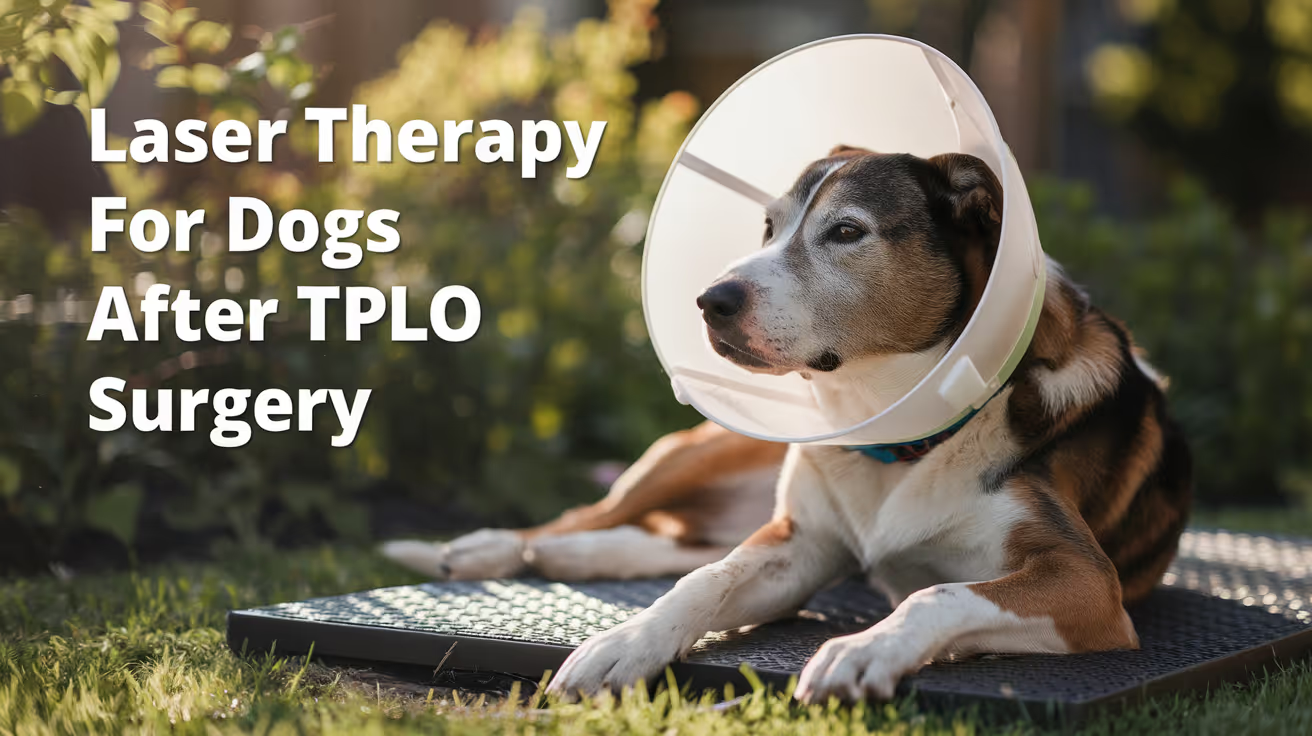
Laser Therapy for Dogs After TPLO Surgery
Learn how laser therapy helps dogs recover faster and with less pain after TPLO surgery for cruciate ligament repair.
Laser therapy also called photobiomodulation (PBMT) or low-level laser therapy (LLLT) is one of the most commonly offered adjunct treatments during TPLO recovery. Many specialist and rehabilitation centres include it routinely.
But the evidence for its benefits is more nuanced than the marketing suggests, and owners deserve an honest picture of what it does and does not reliably achieve.
Quick answer: Laser therapy after TPLO uses specific light wavelengths to reduce inflammation and support tissue healing. Evidence for early pain reduction is moderately supported; evidence for improved radiographic bone healing is weak. It is a safe adjunct but should not replace rehabilitation exercises, pain medication, or activity restriction.
Key takeaways
- Laser therapy reduces postoperative inflammation and may improve gait scores: a TPLO study found better hindlimb function at 8 weeks in treated dogs
- Evidence for improving radiographic bone healing is weak: three controlled studies found no statistically significant difference in healing time
- The 2024 AVMA randomized trial found no significant difference in CRP, weight bearing, pain scores, or SSI rates between PBMT and sham groups
- Sessions typically begin within the first few days of surgery and continue through the rehabilitation phase
- Laser therapy is safe with few contraindications: avoid eyes and active tumour sites; safe over the TPLO incision once closed
- It works best as part of a multimodal plan: exercise therapy and pain medication carry stronger evidence than laser alone
What laser therapy does
Laser therapy for dogs, also known as photobiomodulation, involves using specific wavelengths of light to penetrate tissues and promote cellular regeneration and healing. The laser light stimulates the production of ATP (adenosine triphosphate), enhancing cell repair and growth, reducing inflammation, and increasing blood circulation.
Photobiomodulation therapy has been shown to decrease inflammation, and increase analgesia, vascularization, and tissue healing after musculoskeletal injury or surgery.
The mechanism is photochemical: light energy at specific wavelengths (typically 630 to 980 nm) is absorbed by mitochondria.
This increases ATP production, modulates reactive oxygen species, and influences gene expression related to inflammation and healing.
The effects are local confined to the tissue depth the light reaches.
For post-TPLO use, the targets are: the surgical incision, the osteotomy site in the proximal tibia, and the surrounding periarticular soft tissues.
What the clinical evidence shows
Pain and function
Research following TPLO surgery showed that dogs receiving LLLT had better hindlimb function and gait scores at 8 weeks compared to controls. This is especially valuable in orthopedic recovery, where early weight-bearing can prevent muscle atrophy and joint stiffness.
In a controlled veterinary study, dogs with surgical incisions treated with laser therapy exhibited significantly less inflammatory cell infiltration and tissue necrosis within the first week post-op compared to untreated controls.
The 2024 randomized trial
54 client-owned dogs with CCL rupture undergoing unilateral TPLO surgery were enrolled. The study population was randomly assigned to either a treatment group receiving PBMT (24 dogs) or a control group (30 dogs). PBMT was performed immediately after induction, and at 6 hours, 24 hours, 48 hours, and 8 weeks postoperatively. Evaluation of CRP, pain scores, evidence of SSI, and percentage weight bearing were assessed at all time points.
The trial found the therapy showed promise but no statistically significant difference between groups on any primary outcome measure.
Bone healing
Three studies compared LLLT to a control and concluded that LLLT treatment did not make a significant difference in improving radiographic bone healing. The studies collectively provide weak evidence for this outcome.
This is an important distinction: laser therapy may support soft tissue healing, pain, and early function but it does not appear to accelerate the osteotomy healing visible on radiographs.
When to start and how often
Laser therapy uses focused light energy on the surgical site to support healing.
Most rehabilitation programmes begin laser therapy within the first 1 to 3 days after TPLO surgery, often at the surgical centre before discharge or at the first rehabilitation visit.
Typical post-TPLO laser protocol:
- Frequency: 3 to 5 sessions per week in the first 2 to 3 weeks
- Frequency: 1 to 2 sessions per week from weeks 3 to 8
- Session duration: 5 to 15 minutes depending on the laser system and dosing protocol
- Total sessions: typically 6 to 12 in the first 8-week recovery phase
The protocol varies by laser system, power output, and the individual patient's response.
Realistic expectations
Laser therapy is a useful adjunct in TPLO recovery. It is not a substitute for the treatments with stronger evidence: pain medication, activity restriction, and structured rehabilitation exercises.
Laser therapy could be particularly helpful for dogs with weight-bearing and gait issues while recovering from TPLO surgery after a cruciate injury.
Dogs with significant early swelling, wound sensitivity, or slow initial weight-bearing progress may benefit most. Dogs recovering well with standard multimodal analgesia and rehabilitation may show less measurable difference.
For the bone healing timeline that laser therapy supports during recovery, see TPLO bone healing time in dogs explained.
For the full recovery plan that laser therapy fits into, see 10 essential TPLO recovery tips for pet owners.
For the physical therapy that is the primary evidence-based adjunct, see when to start physical therapy after TPLO surgery.
For swelling management in the recovery period, see how long does swelling last after TPLO surgery.
Frequently asked questions
Is laser therapy safe over the TPLO incision?
Yes, once the incision is closed. Laser therapy is safe over sutured incisions and can be applied at the surgical site from the first post-operative day in most protocols.
Avoid direct application over open wounds or actively infected tissue.
How many laser sessions does a dog need after TPLO?
Typically 6 to 12 sessions across the first 8 weeks.
Start at 3 to 5 sessions per week for the first 2 to 3 weeks, tapering to 1 to 2 per week through the rehabilitation phase.
The exact protocol depends on the laser system and rehabilitation plan.
Does laser therapy replace pain medication after TPLO?
No. Laser therapy is an adjunct to pharmaceutical pain management, not a replacement. Post-TPLO pain management requires NSAIDs, and often gabapentin or other analgesics.
Laser therapy may reduce the pain burden and support earlier mobility but does not provide sufficient analgesia on its own.
Can I do laser therapy at home with a consumer device?
Consumer-grade red light therapy devices exist but operate at lower power densities than veterinary therapeutic lasers. The clinical evidence discussed in this article relates to veterinary-grade PBMT devices.
Home devices may offer some benefit but cannot replicate the dosing of professional equipment. Discuss with your rehabilitation veterinarian before purchasing.
Will laser therapy prevent my dog from needing more medication?
Possibly. If laser therapy reduces post-operative inflammation and pain, some dogs may need lower doses of pain medication or taper off sooner.
This should be guided by your veterinarian based on your dog's individual recovery trajectory.
Resources
- AVMA Journal. Photobiomodulation Therapy in Dogs Undergoing TPLO After Cranial Cruciate Ligament Rupture. avmajournals.avma.org
- Veterinary Evidence. Does LLLT Improve Radiographic Healing for Dogs with CCL Rupture Undergoing TPLO Surgery? veterinaryevidence.org
- AKC. Laser Therapy For Dogs: Uses, Side Effects, and Alternatives. akc.org
- Erchonia. Laser Therapy for Post-Surgical Recovery in Pets. erchonia.com
All Articles
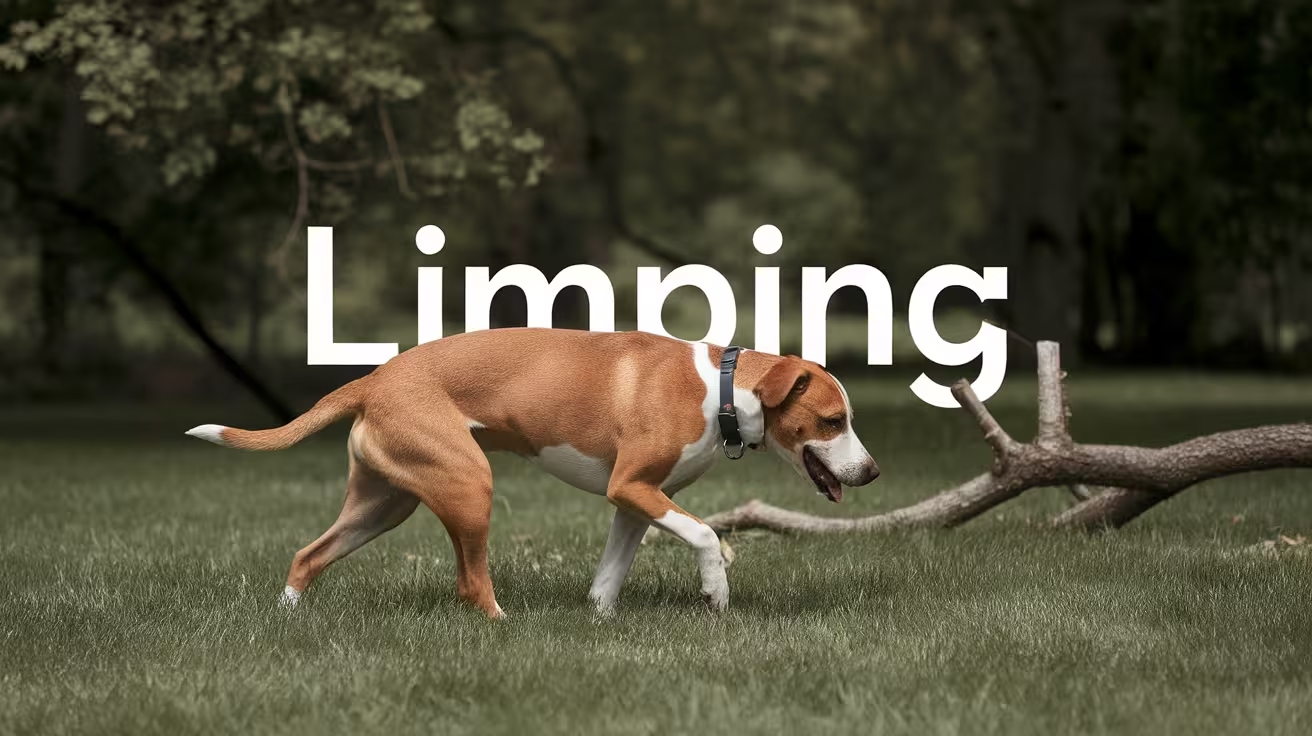
Common Causes of Limping in Dogs Post-TPLO Surgery
Discover common causes of dog limping post-TPLO surgery and explore solutions for regaining your dog's comfort and mobility a year later
Sustainable Vet Group
Some degree of lameness after TPLO surgery is expected. The surgery involves a bone cut and plate fixation, and the dog's leg needs weeks to heal.
The clinical challenge for owners is distinguishing between normal post-surgical lameness (which requires patience) and lameness that indicates a complication (which requires prompt veterinary attention).
The answer depends heavily on timing, trajectory, and accompanying signs.
Quick answer: Normal post-TPLO lameness should show consistent week-over-week improvement. The most common pathological causes are: surgical site infection, late meniscal tear, implant loosening, muscle atrophy, delayed bone healing, and progressive osteoarthritis. The key signal is trajectory reversal -- lameness worsening after improvement or failing to improve for 2 or more weeks.
Key takeaways
- Some lameness is normal throughout the first 8 to 12 weeks of TPLO recovery: mild limping that improves gradually over 6 to 12 weeks is typical; the key variable is trajectory
- Trajectory reversal is the key warning sign: lameness that worsens after improvement, or fails to improve for 2 or more consecutive weeks, warrants veterinary evaluation before the next appointment
- Late meniscal tear is a recognized cause of sudden lameness regression: recurrence of lameness after initial resolution can indicate meniscal injury; it occurs in 2 to 22% of TPLO cases
- Muscle atrophy is a commonly underappreciated cause of persistent lameness: the affected leg loses muscle mass during restriction; inadequate rehabilitation leaves an asymmetric gait
- Progressive osteoarthritis is the most common cause of chronic mild lameness starting months after surgery; TPLO slows but does not stop this process
- Implant failure and infection must be ruled out for lameness that is worsening or not responding to conservative management; radiographs and culture are required for diagnosis
Normal post-surgical lameness: what to expect
Week 1 to 2
Most dogs are significantly lame in the first 1 to 2 weeks. They may toe-touch only or hold the leg off the ground entirely.
This is the acute post-surgical inflammatory phase combined with the effects of anesthesia wearing off.
SustainableVet.org confirms: some lameness is expected after TPLO surgery, especially in the first few weeks; normal recovery lameness is mild limping that improves gradually over 6 to 12 weeks.
Week 2 to 6
Consistent improvement should be visible week over week. By week 4, most dogs should be bearing significant weight on the operated leg during slow walking.
Three-legged walking during activity is still common but should be decreasing.
Week 6 to 12
Most dogs should be consistently weight-bearing on the operated leg. By week 12, most are nearly normal for household activities.
Radiographic confirmation of bone healing at weeks 6 to 8 and 12 guides when activity can increase.
Pathological causes of post-TPLO lameness
1. Surgical site infection (SSI)
Timing: most commonly weeks 1 to 4, but can occur at any stage (including months later for deep implant-associated infections).
Mechanism: bacterial contamination of the incision or implant causes inflammation and pain at the plate site, which produces or worsens lameness.
Signs accompanying lameness: redness, warmth, swelling, or discharge at the incision or plate site.
Action required: same-day veterinary contact for any infection signs alongside lameness.
2. Late meniscal tear
Timing: typically weeks 4 to 12 post-surgery, though it can occur months later.
Mechanism: the meniscus, which may have been structurally weakened before surgery or had a small tear not detected at surgery, fails under load during the recovery period.
Signs accompanying lameness: audible or palpable meniscal click; pain on stifle manipulation; sudden lameness regression in a dog that had been improving.
Animal Outpatient Surgery confirms: if lameness resolves after TPLO and recurs at a later time, this can be an indication of meniscal injury.
Action required: veterinary evaluation within 24 to 48 hours; arthroscopy or arthrotomy for diagnosis and partial meniscectomy for treatment.
3. Implant loosening or failure
Timing: most common in the first 6 to 12 weeks when the osteotomy is still healing and the plate bears the full load. Can also occur later from chronic infection or late trauma.
Mechanism: excessive activity before the osteotomy heals applies forces that exceed the plate's tolerance; screws pull out or the plate bends.
Signs accompanying lameness: sudden severe lameness; pain at the plate site; sometimes audible clicking or grinding; radiographic evidence of screw loosening or plate migration.
SustainableVet.org confirms: signs of implant failure include ongoing limping, pain, swelling around the implant site, and unusual clicking or grinding sounds from the joint.
Action required: same-day emergency veterinary contact for sudden severe lameness; radiographs urgently required.
4. Muscle atrophy and weakness
Timing: most prominent from weeks 4 to 12; persists for months if rehabilitation is inadequate.
Mechanism: during activity restriction, the operated leg muscles (quadriceps, hamstrings, hip extensors) atrophy rapidly. Asymmetric muscle mass leads to asymmetric weight distribution and abnormal gait patterns that present as persistent limping.
Vetplayas confirms: limited mobility during recovery leads to muscle loss and decreased strength. This imbalance results in abnormal gait patterns and subsequent limping.
Signs: visible muscle asymmetry (operated thigh smaller than opposite); lameness that worsens with activity and improves with rest; no accompanying warmth, redness, or plate-site changes.
Action required: rehabilitation assessment; physiotherapy to rebuild muscle mass.
5. Delayed bone healing
Timing: identified at the 6 to 8 week radiographic assessment.
Mechanism: the osteotomy is not showing expected callus formation and cortical bridging. Common causes include infection, excessive activity, poor blood supply, or systemic factors (NSAIDs at high dose for extended periods, nutritional deficiencies).
Signs: persistent lameness at a level that does not match the expected trajectory; confirmed radiographically.
Action required: veterinary investigation for underlying cause; extended activity restriction; sometimes additional diagnostics (culture to rule out occult infection).
6. Delayed union or non-union
Timing: identified at 12+ weeks when bone healing should be complete.
Mechanism: the osteotomy fails to heal. The plate is subject to continued cyclic loading without the protection of consolidated bone, increasing implant failure risk.
Action required: specialist reassessment; may require bone grafting, implant revision, or extended medical management.
7. Progressive osteoarthritis
Timing: typically becomes clinically apparent after 6 to 12 months.
Mechanism: CCL disease initiates an irreversible arthritis process in the stifle. TPLO reduces but does not eliminate arthritis progression. Over months and years, arthritis produces chronic mild lameness, particularly after rest and exercise.
Signs: stiffness that improves with movement; lameness worse in cold weather or after long periods of rest; gradual worsening over months; bilateral involvement common.
SustainableVet.org (failure symptoms article) confirms: limping 2 years post-TPLO may result from arthritis, implant irritation, meniscal damage, or muscle atrophy.
Action required: long-term management (joint supplements, weight management, NSAIDs for flares, hydrotherapy, physiotherapy).
8. Contralateral CCL rupture
Timing: any time during or after recovery from the first TPLO.
Mechanism: the contralateral CCL, subject to the same degenerative process and bearing extra load during recovery, may rupture. The dog appears to start limping on the opposite leg.
Signs: what appears to be recovery from one side suddenly accompanied by new lameness on the opposite side; the dog may be lame on a different leg or bilateral.
Action required: veterinary evaluation; bilateral CCL disease may require staged or simultaneous bilateral TPLO.
How to assess the trajectory at home
Create a simple weekly log: note the leg-use pattern (full bearing, toe-touching, three-legged) and the dog's willingness to walk at each prescribed walk time.
Compare week 4 to week 3, week 6 to week 5. If the pattern is consistently improving, continue the protocol. If it is static or worsening, contact your vet.
For the lameness guide, see lameness after TPLO surgery in dogs. For the TPLO failure signs guide, see signs of TPLO failure in dogs and when to see a vet.
For the meniscal tear guide, see dog meniscus tear after TPLO surgery. For the infection guide, see earliest signs of TPLO infection.
Frequently asked questions
My dog was progressing well at week 4 but is limping more at week 5. What do I do?
A single week of regression after a period of progress is not necessarily pathological -- increased activity, weather changes, or an off day can cause temporary setbacks.
But if the worsening persists for 2 weeks, or is accompanied by any infection signs, contact your vet.
Monitor closely and reduce activity to the week 2 level for 24 to 48 hours to see if the leg settles.
My dog is still limping 4 months after TPLO surgery. Is this normal?
Mild residual lameness can persist to 4 months, particularly in older dogs or those with significant muscle atrophy.
However, lameness at 4 months that is not showing week-over-week improvement warrants a veterinary assessment.
A radiograph will confirm bone healing status; physical examination will assess muscle mass and stifle range of motion.
My dog is limping on the opposite leg during TPLO recovery. What does that mean?
This raises concern for contralateral CCL disease. The opposite leg is bearing extra load during recovery and may have already been compromised.
A new limp on the opposite leg during recovery warrants veterinary evaluation, including assessment and radiographs of the contralateral stifle.
Can physiotherapy reduce long-term limping?
Yes, significantly. Rebuilding the atrophied quadriceps and hip extensor muscles through controlled hydrotherapy, cavaletti exercises, and progressive strength work reduces the compensatory gait patterns that produce chronic post-TPLO lameness.
Weight management is equally important -- every additional kilogram of body weight increases stifle load.
When is limping after TPLO an emergency?
Sudden complete non-weight bearing (holding the leg entirely off the ground) after a period of normal improvement is an emergency call. Same-day emergency veterinary contact is appropriate for this presentation.
Gradual worsening that does not resolve within 24 to 48 hours is a next-day call.
Resources
- SustainableVet. Common Causes of Limping in Dogs Post-TPLO Surgery. sustainablevet.org
- Animal Outpatient Surgery. What Are the Most Common Complications of TPLO Surgery in Dogs? animaloutpatientsurgery.com
- SustainableVet. Lameness After TPLO Surgery in Dogs. sustainablevet.org
- Laveen Vet Center. Dog Limping 1 Year After TPLO Surgery. laveenvetcenter.com

Long-Term Outcomes of TPLO Surgery
Explore the long-term outcomes of TPLO surgery, its effectiveness, potential risks, and benefits for maintaining canine mobility and quality of life
Sustainable Vet Group
TPLO produces excellent long-term outcomes for most dogs with CCL rupture.
The published evidence covers follow-up periods from 1 year to 6.8 years post-surgery and consistently shows high rates of functional recovery alongside moderate but ongoing arthritis progression.
Understanding what the data shows helps owners set realistic expectations about what TPLO achieves and what ongoing management is required.
Quick answer: Published long-term TPLO outcomes: 90 to 95% of dogs regain complete or near-complete limb function; good to excellent results in 90.4% of patients at up to 6.8 years; 93% owner satisfaction at 12 months (RCVS). Arthritis progresses moderately in all CCL-affected stifles but TPLO produces less progression than TTA.
Key takeaways
- 90 to 95% of dogs regain complete or near-complete limb function: RCVS Canine Cruciate Registry confirms this range; 93% owner satisfaction at 12 months
- Good to excellent results in 90.4% of patients up to 6.8 years post-surgery: TPLO Info cites this long-term retrospective study, one of the longest published TPLO follow-up datasets
- Arthritis progresses in all CCL-affected joints regardless of surgical technique: TPLO slows progression compared to TTA and lateral suture but does not stop it
- TPLO produces better long-term outcomes than TTA in comparative studies: OA progressed more after TTA; TPLO dogs had less pain, better walking, less morning stiffness, and better quality of life at 3+ years per the 94-dog study
- TPLO produces better owner satisfaction than lateral suture: 93% vs. 75% for lateral fabellar suture per TPLO Info; kinematic gait analysis also favored TPLO
- Meniscal management at the time of TPLO affects long-term outcomes: dogs with partial meniscectomy had higher rates of excellent long-term results and less OA progression per TPLO Info
Functional outcomes: what the data shows
At 1 year post-surgery
A 2013 comparative study of TPLO vs. TTA found TPLO patients achieved 93% restoration of limb function at 1 year, as assessed by objective force plate analysis.
This is the most frequently cited 1-year outcome figure.
RCVS Canine Cruciate Registry confirms: 90 to 95% of dogs regain complete or near-complete function; 93% of owners report satisfaction at 12 months.
At 2 years post-surgery
A PMC long-term functional outcome study found that most dogs with CCL repair -- regardless of technique -- showed improvement in limb function at 2 years compared to pre-operative status.
Objective gait analysis at 2 years showed that the operated leg approached the contralateral leg in force plate measurements.
At 3+ years post-surgery
The comparative TPLO vs. TTA study with follow-up at 3+ years provides the clearest long-term comparative data:
- OA progressed more in TTA than in TPLO dogs
- TPLO dogs scored better on the Canine Brief Pain Inventory across all domains (average pain, walking interference, morning stiffness, jumping, climbing)
- TPLO dogs scored better on the Canine Orthopedic Index (quality of life)
- The study concluded TPLO provides better long-term radiographic and functional outcome than TTA
At up to 6.8 years post-surgery
TPLO Info cites a long-term retrospective study with follow-up extending to 6.8 years: good to excellent results were obtained in 90.4% of patients at this timeframe.
This is the longest published follow-up in a TPLO outcome dataset and confirms that the 90%+ functional recovery rate is durable over years rather than only at 12 months.
Arthritis: the universal long-term consideration
All dogs with CCL disease develop progressive osteoarthritis in the affected stifle. This is true regardless of whether surgical or conservative management is chosen.
TPLO reduces the rate of arthritis progression and the severity of clinical signs compared to lateral suture stabilization and TTA, but arthritis progression continues.
TPLO Info confirms: in the long term, there was a moderate but significant progression of OA following TPLO.
SustainableVet.org confirms: while TPLO stabilizes the knee and slows down arthritis progression, it does not completely eliminate the risk; mild arthritis is expected, even in successful cases.
Managing long-term arthritis after TPLO
Weight management: every additional kilogram of body weight increases stifle joint loading. Maintaining lean body condition is the single most impactful owner-controlled variable for arthritis management.
Joint supplements: glucosamine, chondroitin, and omega-3 fatty acids (fish oil) are commonly recommended and have evidence supporting modest benefit for joint health and comfort.
Low-impact exercise: regular, controlled exercise (walking, swimming, hydrotherapy) maintains muscle mass and joint lubrication without the impact forces of running and jumping. Consistent low-impact exercise is more beneficial than sporadic high-intensity sessions.
NSAIDs for flares: carprofen, meloxicam, or other veterinary NSAIDs are used for periods of increased arthritis pain. Long-term NSAID use requires periodic monitoring of renal and hepatic function.
Rehabilitation: an ongoing physiotherapy relationship with a certified canine rehabilitation practitioner helps maintain muscle mass and joint mobility as the dog ages.
Factors that affect long-term outcomes
Age at surgery: younger dogs typically achieve better long-term function than older dogs. Older dogs heal more slowly and have a higher baseline level of arthritis-related joint change before surgery.
Body weight: heavier dogs show more arthritis progression and more persistent lameness than lighter dogs at equivalent follow-up periods.
Meniscal management: TPLO Info confirms partial meniscectomy (when a meniscal tear is present) is associated with significantly higher rates of excellent long-term results and less OA progression compared to meniscal release or leaving the meniscus intact when abnormal.
Surgical timing: earlier intervention (before severe arthritis develops) produces better long-term outcomes. Dogs treated early in the disease process have less existing joint damage at the time of surgery.
Rehabilitation compliance: dogs that complete structured rehabilitation programs and achieve good muscle mass restoration have better long-term function than those managed with restricted activity alone.
Bilateral CCL disease: TPLO Info confirms OA progresses more in dogs with bilateral stifle surgery than unilateral. This may reflect the more severe underlying degenerative process in these dogs.
TPLO vs. lateral suture: long-term comparison
TPLO Info confirms owner satisfaction of 93% for TPLO vs. 75% for lateral fabellar suture; kinematic gait analysis also favored TPLO outcomes.
This comparison is most relevant for medium-sized dogs where both procedures are technically appropriate. For large dogs over 35 to 40 kg, TPLO consistently outperforms lateral suture in long-term outcomes.
For small dogs under 15 kg, lateral suture achieves comparable results at substantially lower cost.
TPLO vs. TTA: long-term comparison
SustainableVet.org confirms: when comparing TTA to TPLO, research suggests similar long-term arthritis outcomes in some studies, but TPLO patients usually recover faster and regain function sooner.
The 3+ year follow-up comparative study is the most comprehensive published comparison and clearly favors TPLO in both OA progression and functional/quality-of-life outcomes.
For the TPLO overview, see what is TPLO surgery in dogs?. For the long-term effects list, see 13 long-term effects of TPLO surgery on dogs.
For surgery comparisons, see TPLO vs CBLO vs TTA: a guide to cruciate surgery options. For arthritis management, see arthritis after TPLO surgery in dogs.
Frequently asked questions
Will my dog be completely normal after TPLO?
Most dogs return to their pre-injury activity level after full recovery.
RCVS and multiple studies confirm 90 to 95% regain complete or near-complete function.
"Completely normal" is achievable for most dogs, with the caveat that some mild arthritis develops over time in virtually all cases.
Dogs may show stiffness on cold days or after long rest periods as they age.
Does TPLO stop arthritis?
No -- it reduces and slows arthritis progression compared to conservative management and other surgical techniques, but does not stop it. All CCL-affected stifles develop progressive OA.
The goal of TPLO is to stabilize the joint and minimize the rate of arthritis development, not eliminate it.
How long does the TPLO plate last?
The plate is designed to be permanent.
Good to excellent results at 6.8 years (the longest published TPLO follow-up) with the plate in place demonstrates the durability of the implant in the overwhelming majority of cases.
Plate complications requiring removal occur in 3.5 to 7.5% of cases.
Is my dog at risk for the CCL on the other side?
Yes. RCVS confirms approximately 50% of dogs will develop CCL disease in the other hind limb.
This is not a consequence of TPLO -- it reflects the degenerative nature of CCL disease that typically affects both stifles. Monitoring the contralateral stifle is appropriate in all TPLO dogs.
Does the long-term outcome depend on the surgeon's experience?
Yes, to some degree. Surgeons with more TPLO experience have lower complication rates (including SSI and delayed union), and complications are associated with worse long-term outcomes.
Using a board-certified surgeon or an experienced general practitioner with dedicated TPLO training reduces risk. The published SSI studies confirm surgeon experience as an independent risk factor for post-TPLO complications.
Resources
- TPLO Info. TPLO Literature and Studies. tploinfo.com
- RCVS Canine Cruciate Registry. Tibial Plateau Levelling Osteotomy (TPLO). rcvsknowledge.org
- PMC. Long-Term Functional Outcome After Surgical Repair of Cranial Cruciate Ligament Disease in Dogs. ncbi.nlm.nih.gov
- SustainableVet. Long-Term Outcomes of TPLO Surgery. sustainablevet.org
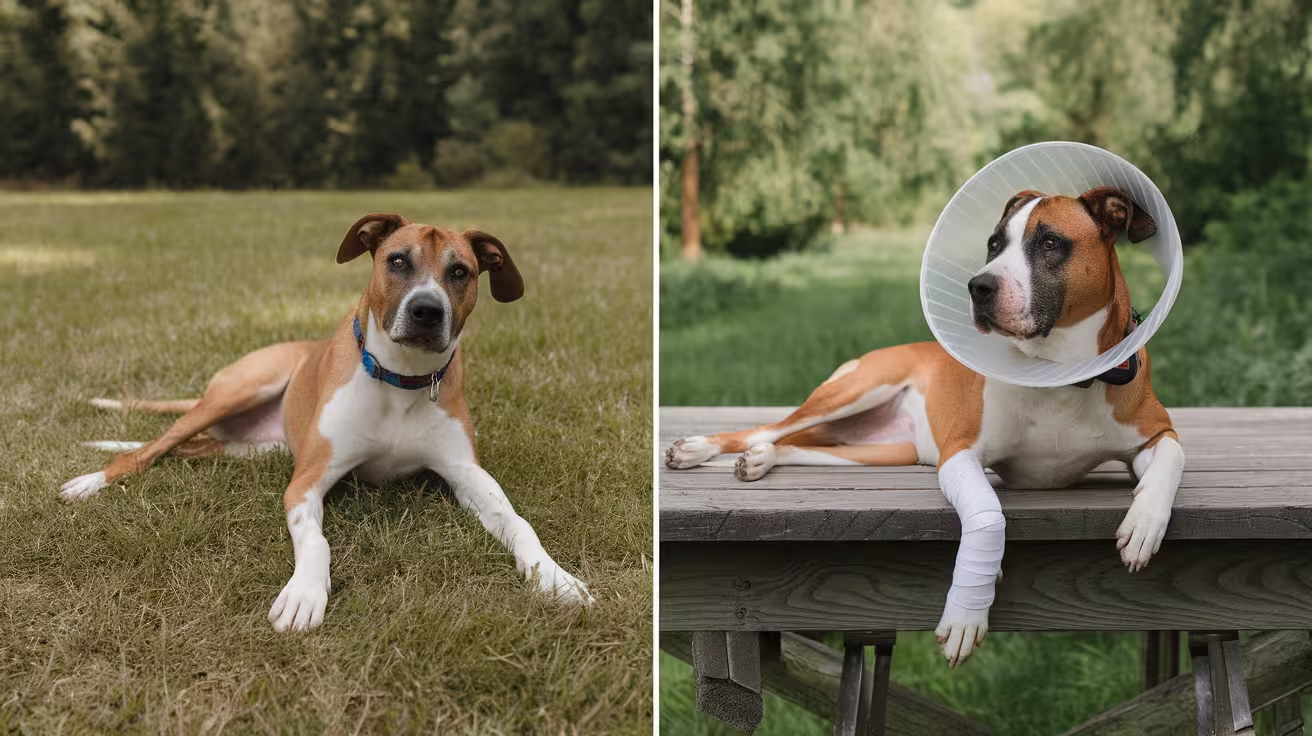
Before and After TPLO Surgery: Dog Health and Recovery Timeline
Discover how TPLO surgery restores mobility in dogs with torn CCL. Learn about recovery timelines, post-op care, and expected outcomes for your pet
Sustainable Vet Group
TPLO surgery is a major orthopedic procedure that requires careful preparation before surgery and structured management after.
The recovery period -- 8 to 12 weeks of graduated activity restriction, multiple vet visits, and daily wound monitoring -- is as important as the surgery itself.
Most owners who struggle with recovery do so because they underestimated what the post-operative period involves. This guide walks through every phase.
Quick answer: Before TPLO surgery: complete pre-surgical bloodwork, fast 8 to 12 hours, prepare a crate and non-slip mats, fill prescriptions. After TPLO: crate rest weeks 1 to 2, progressive walking weeks 2 to 6, radiographic assessment weeks 6 to 8, activity increase after healing. Muscle recovery takes 4 to 6 months.
Key takeaways
- The home environment must be set up before surgery day: crate, non-slip mats, baby gates, low bedding, and supplies must be in place before the dog arrives home
- Fasting is required before surgery: no food for 8 to 12 hours before general anesthesia; water rules vary by facility
- The first 2 weeks are the most critical and restrictive: no running, jumping, stairs, or off-leash activity; bathroom trips on a short leash only; incision checked daily
- Radiographic assessment at 6 to 8 weeks is the gate that controls activity increase: without imaging confirmation, activity must not increase; radiographs are the only reliable confirmation
- Food intake should be reduced by approximately 30% during recovery: activity restriction rapidly leads to weight gain; extra weight stresses the healing osteotomy
- Full muscle recovery takes 4 to 6 months after bone healing is confirmed: bone healing at 12 weeks and full functional recovery are different endpoints
Before surgery: preparation checklist
Medical preparation (weeks before surgery)
Pre-surgical examination and bloodwork: your vet will perform a full physical examination and order a complete blood count and blood chemistry panel. These confirm the dog can safely handle anesthesia and healing. Senior dogs or those with health conditions may need additional testing.
Medication review: tell your vet all current medications and supplements. NSAIDs, certain supplements, and some other drugs need to be stopped before surgery. Never discontinue a prescription medication without vet instruction.
Weight management: if your dog is overweight, weight reduction before surgery reduces anesthetic and surgical risk. Even a 5 to 10% body weight reduction before surgery is beneficial.
Pre-surgical bathing: bathe 1 to 2 days before surgery if you wish; post-surgical bathing is restricted for 10 to 14 days.
Home preparation (day before surgery)
The recovery space:
- Crate (correctly sized: stand, turn, lie comfortably, not pace) in the main family living area
- Non-slip mats or yoga mats over all hard flooring in the recovery area
- Soft, washable bedding in the crate
- Water and food bowls at floor level
- Baby gates on stairs
- All furniture inaccessible to prevent jumping
Supplies to have ready:
- E-collar (confirm with the surgical facility whether one will be provided)
- Ice pack or bag of frozen peas for cold therapy
- Sling or lifting harness for larger dogs
- Short leash (4 to 6 foot, not retractable)
- Medications filled at the pharmacy before surgery day
SustainableVet.org confirms: before your dog comes home, prepare a safe and quiet recovery space with a crate or small room, soft bedding, good airflow, and away from stairs or slippery floors.
Fasting
No food for 8 to 12 hours before surgery. Water rules vary by facility -- confirm with your vet. Give no food the morning of surgery even if the dog appears hungry.
Surgery day: what to expect
Drop-off: typically early morning. The dog is admitted, weighed, examined, and an IV catheter is placed. IV antibiotics are given before the incision.
The procedure: the surgeon makes a medial incision over the proximal tibia, performs a small arthrotomy to assess the meniscus, makes the curved osteotomy cut, rotates the tibial plateau to approximately 5 degrees, and secures the plate and screws. The wound is closed in layers.
Duration: typically 1.5 to 2 hours.
Post-surgical care: the dog spends several hours in recovery before discharge (same day at some facilities; overnight at others).
Discharge: written instructions for medications, wound care, activity restrictions, and follow-up appointments are provided.
After surgery: week-by-week recovery timeline
Weeks 1 to 2: acute post-surgical phase
Activity: crate rest at all times except bathroom trips. Leash walks of 5 minutes maximum, 3 to 5 times daily. No stairs, no furniture, no off-leash time.
Weight bearing: most dogs begin toe-touching within the first few days. Some do not bear weight for the full 2 weeks -- both presentations are within normal range.
Wound care: e-collar on at all times except supervised eating. Inspect the incision daily at the same time. No bathing or wet incision exposure.
Cold therapy: 10 to 15 minutes of ice pack (wrapped in cloth) applied to the incision, 3 to 4 times daily for the first 3 to 5 days.
Medications: NSAIDs and gabapentin on the exact prescribed schedule. Give NSAIDs with food.
SustainableVet.org confirms: the first two weeks focus on rest and healing; the dog stays confined; short controlled leash walks are for bathroom breaks; check the incision daily for redness, swelling, or discharge.
2-week recheck: incision assessment, suture or staple removal if healing is confirmed, early mobility and pain management review.
Weeks 3 to 6: graduated activity phase
Activity: leash walk duration increases progressively. TPLO Info recommends increasing by up to 5 minutes per week. No off-leash activity. No stairs without guidance. No playing with other pets.
Weight bearing: most dogs should be bearing increasing weight through the operated leg. Three-legged walking during activity is still common but should be decreasing.
Passive range-of-motion exercises: gentle flexion and extension of the stifle, 5 to 10 repetitions, 2 to 3 times daily if the vet has approved.
Veterinary Healthcare Associates confirms: weeks 3 to 4, swelling should decrease; gradual increase in leash walking; passive range-of-motion exercises may begin.
Food management: Medcovet confirms reducing food intake by approximately 30% during the restriction period to prevent weight gain from inactivity.
Weeks 6 to 8: radiographic checkpoint
6-week radiograph (critical): images confirm whether the osteotomy is healing as expected. If healing is progressing, activity can be increased. If healing is delayed, restrictions continue.
If healing is confirmed: leash walks increase to 15 to 20 minutes, physiotherapy begins, short controlled hill walking may begin.
If healing is delayed: investigate for infection or non-union; extend restrictions; consider additional diagnostics.
Veterinary Healthcare Associates confirms: weeks 5 to 6, recheck X-rays may be taken to evaluate healing; improvement in weight-bearing and stability should be evident.
Weeks 8 to 12: consolidation and return to activity
8 to 10 week radiograph (in many protocols): confirms continued healing progression.
12-week radiograph (final major milestone): confirms bone union before lifting restrictions. After this confirmation:
- Running and off-leash play can gradually resume
- Stairs without support
- Normal household access
Post-12-week activity return: progressive reintroduction of activity over the following 4 to 6 weeks rather than an immediate full return.
Animal Outpatient Surgery confirms: in the final phase, your dog can return to normal activity levels, including running, jumping, and playing; continue monitoring for discomfort and maintain a balanced exercise routine.
Long-term: months 3 to 6
Full muscle recovery takes 4 to 6 months after bone healing. During this period:
- Progressive strengthening continues
- Hydrotherapy, balance work, and controlled running rebuild the atrophied operated leg
- Joint supplements (omega-3 fatty acids, glucosamine) are typically started or continued
- Weight management remains critical
Most dogs reach 90 to 95% of pre-injury function by 6 months with a compliant recovery.
For the recovery tips guide, see 10 essential TPLO recovery tips for pet owners. For confinement, see how to confine your dog after TPLO surgery.
For physical therapy, see when to start physical therapy after TPLO surgery. For long-term outcomes, see long-term outcomes of TPLO surgery.
Frequently asked questions
How strict does the activity restriction need to be in the first 2 weeks?
Very strict. No exceptions for stairs, sofa access, running, jumping, or unsupervised time without confinement.
A single running or jumping episode in the first 2 weeks can displace the plate before the osteotomy has any mechanical strength.
The restriction is designed to protect a bone that cannot yet protect itself.
My dog is eating less and seems depressed after surgery. Is this normal?
Yes, in the first 3 to 5 days. Anesthesia, post-surgical pain, and opioid medications can reduce appetite and alter behavior.
If the dog is not eating at all by day 3 or shows signs of significant distress, contact your vet.
Most dogs gradually return to normal eating and behavior within the first week.
When can my dog go swimming after TPLO?
Controlled hydrotherapy (underwater treadmill) can begin after the incision is confirmed healed at the 2-week recheck. Open water swimming (lakes, rivers) is typically not recommended until after the 12-week radiographic clearance.
Confirm with your vet in both cases.
Should I put my dog on a diet during recovery?
Reduce caloric intake rather than switching to a formal diet. Medcovet recommends approximately 30% reduction in food intake during the restriction period to prevent weight gain from inactivity.
If your dog was already at an ideal weight, a modest reduction (10 to 20%) is appropriate. Discuss with your vet.
My dog seems completely fine at week 4 and is pulling on the leash. Should I increase activity?
No. Continue the restriction protocol until the 6-week radiograph confirms bone healing progression.
The dog feeling well at week 4 is a positive sign, but bone healing lags significantly behind the dog's perceived comfort.
Dogs routinely feel ready to run before the osteotomy is safe to run on.
Resources
- SustainableVet. Before and After TPLO Surgery. sustainablevet.org
- Veterinary Healthcare Associates. TPLO Surgery in Dogs: Before and After. vhavets.com
- Medcovet. Essential Guide to Dog Recovery TPLO Surgery. medcovet.com
- TPLO Info. Preparing for Your Dog's TPLO Surgery. tploinfo.com

13 Long-Term Effects of TPLO Surgery on Dogs
Discover the 13 long-term effects of TPLO surgery in dogs, including benefits, risks, and care tips for optimal recovery and joint health
Sustainable Vet Group
TPLO produces predominantly positive long-term effects in most dogs, but it also produces a predictable set of changes that owners should understand and manage proactively.
Most of these effects are manageable with appropriate care. Knowing what to expect prevents owners from being surprised by normal post-TPLO findings and helps them recognize when a change requires veterinary attention.
Quick answer: The 13 key long-term effects of TPLO surgery: improved joint stability, progressive osteoarthritis, muscle atrophy, morning stiffness, cold weather sensitivity, scar tissue formation, patellar tendon thickening, permanent implant in situ, contralateral CCL rupture risk, late implant complications, behavioral changes from chronic pain, weight management challenges, and long-term monitoring requirements.
Key takeaways
- Improved joint stability is the intended and most common long-term effect: for 90 to 95% of dogs, TPLO eliminates CCL-related instability and restores near-normal function
- Progressive osteoarthritis develops in all CCL-affected stifles regardless of surgical technique: TPLO slows OA progression but does not stop it; long-term OA management is a universal requirement
- Muscle atrophy is common in the operated leg throughout recovery; the thigh may remain visibly smaller than the contralateral side for months if rehabilitation is inadequate
- Contralateral CCL rupture risk is high: SustainableVet.org confirms up to a 50% chance of tearing the opposite CCL within a few years; the same degenerative process affects both stifles
- The TPLO plate and screws are permanent in the vast majority of cases: removal is only performed when complications arise; routine plate removal is not standard practice
- Weight management is the most impactful long-term owner-controlled variable: excess weight accelerates OA progression; maintaining ideal body condition is the primary long-term prevention strategy
The 13 long-term effects
1. Improved joint stability and mobility
The primary intended effect. The osteotomy and plate fixation permanently change the tibial plateau geometry, eliminating the cranial tibial thrust that caused instability.
For 90 to 95% of dogs, this produces lasting functional improvement: return to normal gait, ability to run and play, and freedom from the pain of unstable joint loading.
SustainableVet.org confirms: over 90% of dogs regain full limb function within a year; with proper care, many dogs remain active for 8 to 10 years after surgery.
2. Progressive osteoarthritis
The most universal long-term challenge. CCL disease initiates an arthritis process in the stifle that continues regardless of surgical outcome.
TPLO reduces the rate of progression and the severity of clinical signs compared to other treatment options, but OA continues.
Clinical signs of progressing OA emerge gradually over months and years: stiffness after rest, reluctance to run, difficulty climbing, and behavioral changes associated with chronic low-grade pain.
Management: weight management, omega-3 fatty acids, glucosamine and chondroitin, NSAIDs for flares, hydrotherapy, physiotherapy.
3. Muscle atrophy and asymmetry
The operated leg loses muscle mass rapidly during the restriction period and slowly rebuilds during rehabilitation. Full recovery of muscle symmetry takes 4 to 6 months in most dogs.
In some dogs -- particularly those with inadequate rehabilitation or ongoing joint pain -- visible thigh circumference asymmetry persists long-term.
Vetplayas confirms: due to reduced use during recovery and altered movement patterns post-surgery, muscles around the operated leg may weaken and shrink.
4. Morning stiffness
Morning stiffness -- the dog rises from sleep stiffly and walks awkwardly for the first few minutes before loosening up -- is one of the most common long-term effects of post-TPLO OA.
It typically develops months to years after surgery and gradually worsens as the dog ages.
This stiffness should not be confused with acute lameness. It consistently improves within 5 to 10 minutes of movement.
If it does not improve, or if the dog refuses to bear weight on waking, contact your vet.
5. Cold weather sensitivity
Dogs with OA in the operated stifle commonly show increased stiffness and lameness during cold weather or when barometric pressure changes.
This reflects the sensitivity of arthritic joints to temperature and pressure changes -- the same phenomenon seen in human arthritis.
Management: NSAIDs or joint supplements maintained year-round; warming the dog's sleeping area; a brief gentle walk before expecting full function in cold conditions.
6. Scar tissue formation
The surgical dissection and bone healing produce scar tissue in and around the stifle. This fibrous tissue generally has a beneficial stabilizing effect, contributing to long-term joint stability.
In some dogs, however, periarticular fibrosis restricts range of motion and causes stiffness that persists long after bone healing is complete.
Regular low-impact exercise and physiotherapy help maintain range of motion and prevent excessive fibrous tissue restriction.
7. Patellar tendon thickening
Fibrous thickening of the patellar tendon is a recognized long-term change after TPLO. It is typically subclinical -- detected on palpation at follow-up examinations but not producing clinical lameness.
In a small number of dogs, it contributes to reduced range of motion.
8. Permanent implant in situ
The TPLO plate and screws are designed to remain in place for life. In the vast majority of dogs, the implant is never removed and causes no long-term problems.
SustainableVet.org confirms: these implants are meant to stay in place permanently. In rare cases, some dogs may develop infections around the implant or experience loosening of the hardware over time.
The plate is palpable under the skin on the medial tibial surface. This is normal and not a complication.
9. Contralateral CCL rupture
The degenerative process that caused one CCL to rupture typically affects both stifles.
SustainableVet.org confirms dogs have up to a 50% chance of tearing the CCL in the opposite knee within a few years.
RCVS confirms approximately 50% of dogs develop CCL disease in the other hind limb.
This is not a complication of TPLO -- it is the natural history of bilateral CCL disease.
Monitoring the contralateral stifle for early signs of instability, effusion, or lameness is appropriate in all TPLO dogs.
10. Late implant-associated complications
Implant-related complications -- loosening, late infection from hematogenous seeding, or implant irritation -- can occur years after the original surgery. These are uncommon but recognized long-term effects.
Signs: new lameness focused at the plate site, warmth or swelling over the plate, a new draining tract in previously healed skin. Any of these warrants prompt veterinary assessment.
11. Behavioral changes
Chronic joint pain from progressive OA, late meniscal injury, or implant irritation can produce subtle behavioral changes: reduced engagement in play, reluctance to walk, increased irritability, or reduced stair use.
These changes are often attributed to aging but may reflect treatable pain.
Annual or semi-annual pain assessments, including use of validated canine pain scales (Canine Brief Pain Inventory, Helsinki Chronic Pain Index), help detect behavioral pain signs before they become severe.
12. Weight management challenges
Activity restriction during recovery predisposes many dogs to weight gain. Excess weight gained during the 8 to 12 week restriction period is then carried on the healing joint for the following months.
Long-term obesity accelerates OA progression and is the most modifiable risk factor for long-term joint health.
Medcovet confirms: because activity is restricted, veterinary teams may recommend reducing food intake by about 30% during recovery to prevent weight gain and extra strain on the knee joint.
13. Long-term monitoring and supplement requirements
TPLO dogs benefit from long-term monitoring (every 6 to 12 months after full recovery) to assess:
- Arthritis progression radiographically and clinically
- Body condition score and weight
- Contralateral stifle stability
- Implant integrity (radiographs every 1 to 2 years in some protocols)
Joint supplements (omega-3 fatty acids at anti-inflammatory doses; glucosamine and chondroitin) and ongoing weight management are the primary preventive interventions for the long-term joint changes that TPLO does not prevent.
For the long-term outcomes guide, see long-term outcomes of TPLO surgery. For arthritis management, see arthritis after TPLO surgery in dogs.
For the signs that require attention, see signs of TPLO failure in dogs. For the failure rate overview, see TPLO failure rate in dogs.
Frequently asked questions
Will my dog develop arthritis even if the TPLO was successful?
Yes. All CCL-affected stifles develop progressive osteoarthritis regardless of surgical technique or outcome.
TPLO reduces the rate of progression and the severity of clinical signs compared to non-surgical management and lateral suture repair.
The goal of TPLO is not to prevent OA but to minimize it while restoring function.
How long will the TPLO plate last?
The plate is designed to be permanent. Published long-term follow-up data at 6.8 years shows 90.4% of dogs with good to excellent results -- with the plate in place.
Plate complications requiring removal occur in 3.5 to 7.5% of cases.
My dog had TPLO 2 years ago and is now limping. Is this related to the surgery?
Possibly. Two-year post-TPLO lameness most commonly results from progressive OA, late meniscal tear, late implant-associated infection (hematogenous seeding), or contralateral CCL disease.
A veterinary examination and radiographs of both stifles will identify the cause and guide treatment.
Does the opposite leg always need TPLO as well?
Not necessarily and not always at the same time. RCVS confirms approximately 50% of dogs develop CCL disease in the opposite hind limb.
When and whether the second stifle requires surgery depends on whether the second CCL has ruptured or become significantly unstable. Annual monitoring of the contralateral stifle is appropriate.
Can TPLO dogs still live active lives long-term?
Yes. Most do. SustainableVet.org confirms that with proper care, many dogs remain active for 8 to 10 years after surgery.
The keys are weight management, regular low-impact exercise, joint supplements, and addressing pain or complications promptly.
Resources
- SustainableVet. 13 Long-Term Effects of TPLO Surgery on Dogs. sustainablevet.org
- RCVS Canine Cruciate Registry. Tibial Plateau Levelling Osteotomy. rcvsknowledge.org
- TPLO Info. TPLO Literature and Studies. tploinfo.com
- SustainableVet. Long-Term Outcomes of TPLO Surgery. sustainablevet.org

Common Myths About TPLO Surgery Explained
Discover the truth about TPLO surgery for dogs as we debunk common myths and provide evidence-based insights for informed pet care decisions
Sustainable Vet Group
TPLO is the most commonly performed surgery for CCL rupture in dogs and the most commonly misunderstood.
Misconceptions about TPLO cause unnecessary hesitation, lead some owners to choose inferior alternatives, and create unrealistic expectations about recovery.
This guide addresses the 10 most common myths directly -- with evidence-based clarification for each.
Quick answer: The most persistent TPLO myths: that dogs can manage without surgery, that TPLO is only for large breeds, that recovery takes a few weeks, that the plate must be removed after healing, and that TPLO prevents arthritis. All are false. TPLO has a 90 to 95% success rate.
Key takeaways
- Myth: "My dog can heal without surgery": dog knee anatomy differs fundamentally from human; without surgery, severe OA, meniscal tearing, and chronic lameness are expected in most dogs over 15 kg
- Myth: "TPLO is only for large dogs": SustainableVet.org confirms TPLO is just as effective for small and toy breeds; the biomechanical correction is appropriate regardless of size
- Myth: "Recovery only takes a few weeks": bone healing takes 8 to 12 weeks; full muscle recovery takes 4 to 6 months; 8 to 12 weeks is the minimum restriction period
- Myth: "The plate needs to be removed after healing": the TPLO plate is designed to be permanent; removal is only performed when complications arise
- Myth: "TPLO prevents arthritis": all CCL-affected stifles develop progressive OA regardless of surgical technique; TPLO reduces OA progression but does not prevent it
- Myth: "Dogs are in severe pain after TPLO": SustainableVet.org confirms this is a misconception; modern multi-modal pain management controls post-surgical pain effectively
Myth 1: "My dog can heal without surgery"
The truth: dogs and humans have fundamentally different knee anatomy. In humans, the flat tibial plateau and strong surrounding musculature allow some CCL tears to be managed conservatively with physical therapy and bracing. In dogs, the tibial plateau slopes steeply downward, generating a cranial shear force that the absent CCL cannot resist. Without surgical correction of this force, the joint remains mechanically unstable with every weight-bearing step.
TPLO Info confirms: dogs and humans respond very differently to CCL tears. Without surgery, severe OA can develop, meniscal tearing can occur, and other side effects may be present.
Conservative management (strict rest, weight management, joint supplements, physical therapy) can provide temporary improvement, particularly in small dogs and partial tears.
For most dogs over 15 kg with complete CCL rupture, conservative management does not restore normal joint stability, and progressive lameness, OA, and joint deterioration are the expected outcome.
Who can be managed conservatively?
- Very small dogs (under 10 to 15 kg) with partial tears and low activity levels
- Dogs with significant comorbidities where anesthetic risk outweighs surgical benefit
- Owners who decline surgery after being fully informed of expected outcomes
For all other dogs -- medium and large breeds, young dogs, active dogs, complete ruptures -- surgery produces substantially better outcomes than conservative management.
Myth 2: "TPLO is only for large dogs"
The truth: TPLO was originally developed for large and giant breeds because they were the most severely affected by CCL disease and the most poorly served by lateral suture stabilization. But TPLO corrects the underlying biomechanical problem (excessive tibial plateau angle) in any dog, regardless of size.
SustainableVet.org confirms: TPLO was initially developed for large dogs due to biomechanical challenges, but has been found just as effective for small and toy breeds.
For small dogs, both TPLO and lateral suture stabilization can achieve good outcomes.
The decision for a small dog should be based on the dog's TPA, activity level, and individual assessment -- not a blanket assumption that TPLO is unnecessary.
Myth 3: "TPLO recovery only takes a few weeks"
The truth: bone healing takes 8 to 12 weeks. This is the period of activity restriction. But bone healing and functional recovery are not the same thing. Full muscle rebuilding and joint function restoration takes 4 to 6 months from surgery.
Canada Vet Express confirms: recovery is gradual; most dogs begin walking within a few days and return to normal activity within 3 to 4 months with proper care.
The 8 to 12 week bone healing timeline means:
- Activity restrictions are in place for 8 to 12 weeks minimum
- Radiographic confirmation of healing is required before restrictions are lifted
- Progressive return to full activity follows the radiographic clearance
After restrictions are lifted, the operated leg continues to rebuild strength and coordination for months. For sport dogs and working dogs, the return-to-sport protocol extends to 7 to 9 months from surgery.
Myth 4: "The TPLO plate needs to be removed after the bone heals"
The truth: the plate is designed to remain in place permanently. It does not need to be removed when the osteotomy heals. Routine plate removal is not standard practice in veterinary orthopedics.
SustainableVet.org confirms: these implants are meant to stay in place permanently, but in rare cases they can cause problems; removal is only performed when complications arise.
When plate removal is performed:
- Deep implant-associated infection requiring source removal
- Implant failure (breakage, loosening causing instability)
- Persistent implant irritation producing clinical lameness specifically attributable to the plate
In the vast majority of dogs, the plate is never removed. It remains in place for life with no adverse effects.
Myth 5: "TPLO prevents arthritis"
The truth: TPLO reduces and slows arthritis progression. It does not prevent it. All CCL-affected stifles develop progressive OA regardless of surgical technique or outcome.
SustainableVet.org confirms: mild arthritis is expected even in successful cases.
Published long-term data (TPLO Info, citing long-term retrospective studies) confirms moderate but significant OA progression in all TPLO cohorts with follow-up extending to 6.8 years.
TPLO produces substantially less OA progression than TTA or lateral suture stabilization, but OA progression is universal.
The appropriate expectation: TPLO minimizes OA development and clinical impact. Long-term management (weight management, exercise modification, joint supplements, and periodic NSAID use for flares) is required in all TPLO dogs.
Myth 6: "Dogs are in severe pain after TPLO"
The truth: modern veterinary anesthesia and pain management protocols produce well-controlled post-operative pain in TPLO dogs. Dogs typically begin bearing some weight within 24 to 48 hours. Pain that is not controlled is a clinical problem requiring medication adjustment -- not an expected feature of TPLO recovery.
SustainableVet.org confirms: it is a misconception that dogs experience severe pain after TPLO surgery; modern multi-modal pain management controls post-surgical pain effectively.
Post-operative pain management typically includes: NSAIDs (carprofen, meloxicam), gabapentin, opioids during hospitalization, local anesthetic nerve blocks at surgery.
Dogs in adequate pain control rest comfortably, bear some weight within days, and show appetite by day 3.
Uncontrolled post-operative pain (dog cannot settle, crying, refuses all weight bearing beyond day 3) indicates a need for pain medication adjustment -- contact your vet rather than accepting it as inevitable.
Myth 7: "TPLO is too risky for most dogs"
The truth: TPLO has a 90 to 95% success rate. The complication rate across all studies is 10 to 34%, but the vast majority of complications are minor (superficial infection, seroma, mild swelling). Serious complications requiring revision surgery occur in fewer than 10% of cases.
Dispomed confirms: overall complication rates are 14 to 34%, but a second surgery is required in less than 10% of cases.
No surgery is without risk.
But for a dog with a torn CCL, the risk of TPLO is substantially lower than the certainty of progressive joint deterioration, pain, and reduced quality of life without surgical treatment.
Myth 8: "TPLO is only for show dogs or working dogs"
The truth: TPLO is appropriate for any dog with CCL rupture that will benefit from restored joint stability -- including middle-aged household pets with no competitive goals.
SustainableVet.org confirms: some pet owners mistakenly believe that TPLO surgery is only for show dogs or high-performance athletes; this is not true; TPLO benefits any dog with CCL disease.
The goal of TPLO is freedom from joint pain and restored ability to perform normal daily activities -- walking, playing, using stairs, sitting and rising comfortably.
These are benefits for every dog, not just sport dogs.
Myth 9: "All dogs with CCL tears need TPLO immediately"
The truth: TPLO is not always an emergency. The timing of surgery should be guided by the veterinary assessment. Partial tears in small dogs may be monitored with conservative management. Dogs with significant concurrent illness may benefit from medical optimization before surgery. The appropriate goal is surgical timing that optimizes anesthetic risk and surgical conditions, not surgical urgency at any cost.
SustainableVet.org confirms: while TPLO surgery is the best treatment for CCL tears, it isn't necessary for every case; for mild or partial tears in less active dogs, alternatives can be effective.
However, in dogs with complete rupture, particularly larger breeds, delay generally produces worse outcomes as OA progresses and the meniscus is exposed to ongoing mechanical insult from the unstable joint.
Myth 10: "If TPLO fails, the dog will never recover"
The truth: most TPLO complications are treatable. Superficial infections resolve with antibiotics. Late meniscal tears are treated with partial meniscectomy. Implant failures can be revised. Osteomyelitis, the most challenging complication, requires prolonged treatment but is often successfully managed.
SustainableVet.org confirms: revision TPLO surgery can be performed if the initial procedure fails; this may involve removing or replacing implants, repositioning the tibial cut, or addressing infections.
The critical factor in outcome from a complication is early detection and prompt treatment. Most complications that are identified and treated early resolve without long-term sequelae.
For the full TPLO overview, see what is TPLO surgery in dogs?. For the success rate data, see TPLO failure rate in dogs. For recovery, see what to expect after TPLO surgery.
For alternatives, see alternatives to TPLO surgery for dogs.
Frequently asked questions
Is TPLO actually the best treatment for CCL rupture?
For most dogs over 15 to 20 kg, TPLO is the most evidence-supported surgical option, producing the highest rates of long-term function and owner satisfaction in the published literature.
For small dogs, lateral suture stabilization achieves comparable results at lower cost. The choice depends on the individual dog's size, activity level, TPA, and health status.
Can I wait and see how my dog does without surgery?
You can choose conservative management.
The expected outcome in most dogs over 15 kg with complete CCL rupture who do not have surgery is progressive lameness, rapidly advancing OA, ongoing meniscal damage, and reduced quality of life.
Early surgical intervention consistently produces better long-term outcomes than delayed or non-surgical management.
Is the recovery really as strict as described?
Yes. The restriction protocol exists because the plate holds the osteotomy until new bone consolidates -- a process that takes 8 to 12 weeks regardless of how well the dog appears.
A single running or jumping episode before healing is confirmed can displace the plate and require revision surgery.
Will my dog be the same dog after TPLO?
Most owners report their dog is effectively the same dog -- or better than before the CCL rupture -- within 6 to 12 months of surgery.
The 90 to 95% success rate reflects a high proportion of dogs returning to their previous activity level.
Some dogs develop mild age-related stiffness years later as OA progresses, but this is manageable with appropriate care.
Does TPLO cure the CCL problem permanently?
TPLO permanently corrects the biomechanical cause of CCL-related instability in the operated stifle. It does not repair or replace the CCL -- it makes the CCL unnecessary.
It does not prevent CCL disease in the contralateral stifle.
Resources
- SustainableVet. Common Myths About TPLO Surgery Explained. sustainablevet.org
- TPLO Info. 5 Misconceptions About TPLO Surgery. tploinfo.com
- Dispomed. TPLO Surgery in Dogs: Success Rates and Alternatives. dispomed.com
- ACVS. Cranial Cruciate Ligament Disease. acvs.org

Post-Surgery Recovery After TPLO in Dogs
Guide to post-TPLO surgery recovery for dogs, focusing on aftercare, exercise, and managing swelling to help your pet heal successfully
Sustainable Vet Group
TPLO recovery is a structured, staged process. The surgery corrects the mechanical cause of CCL instability, but the bone, soft tissue, and muscle need weeks to months to rebuild around that correction.
Understanding what is required at each stage -- and what signs require prompt veterinary contact -- is as important as the surgery itself.
Quick answer: Post-TPLO recovery requires 8 to 12 weeks of structured activity restriction for bone healing, followed by progressive rehabilitation. Key milestones: 2-week incision recheck; 6-week radiographic assessment; 12-week final radiograph and activity clearance. Warning signs requiring same-day contact: sudden non-weight bearing, spreading redness or discharge, fever, or worsening lameness.
Key takeaways
- The first 2 weeks are the most critical: the osteotomy has no mechanical strength; jumping, running, or slipping can displace the plate; crate rest with bathroom leash walks only is non-negotiable
- Most dogs begin toe-touching within 24 to 48 hours of surgery: early weight bearing maintains muscle mass and stimulates bone healing; it does not indicate readiness for more activity
- Cold therapy for the first 3 to 5 days significantly reduces swelling and pain: 10 to 15 minutes of wrapped ice pack applied 3 to 4 times daily is the most effective owner-administered early intervention
- The 6-week radiograph is the gate for activity increase: bone healing cannot be confirmed clinically; radiographic assessment is the only reliable confirmation of osteotomy progression
- Full muscle recovery takes 4 to 6 months: bone healing at 12 weeks and full functional recovery are different endpoints
- Reducing food intake by approximately 30% during recovery prevents weight gain that stresses the healing osteotomy; activity restriction rapidly leads to weight gain without dietary adjustment
Immediate post-operative period: the first 24 to 48 hours
Coming home
Most dogs are discharged 24 to 48 hours after TPLO, though same-day discharge protocols exist at some facilities.
The dog will be sedated, disoriented from anesthesia, and may have bandaging on the surgical leg. Expect:
- Grogginess and disorientation for 12 to 24 hours from anesthesia
- Some whining or restlessness (often anesthesia effect, not pain)
- Refusal to bear weight or toe-touching only
- Mild to moderate swelling around the incision, peaking at days 2 to 5
Setting up the recovery space
Before the dog arrives home, have in place:
- A correctly sized crate in the main living area
- Non-slip mats or yoga mats over all hard flooring
- Soft, washable bedding in the crate
- Water and food at floor level
- Baby gates blocking stairs
- Medications filled and ready
Medications: first day priorities
Give prescribed medications on the schedule provided at discharge. NSAIDs (meloxicam, carprofen) require food. Gabapentin causes sedation -- this is expected and helps with pain and anxiety in the first days.
Never skip doses or give extra without veterinary guidance.
Week-by-week recovery overview
Weeks 1 to 2: incision healing phase
Activity: crate rest except for bathroom leash walks. Maximum 5-minute walks, 3 to 5 times daily. No stairs, no furniture, no running, no off-leash time.
E-collar: must be worn at all times except supervised eating. One licking episode can introduce S. pseudintermedius from the oral cavity directly into the incision.
Cold therapy: wrap an ice pack in a thin cloth; apply to the incision for 10 to 15 minutes; 3 to 4 times daily; begin day 1 and continue through days 3 to 5.
Incision inspection: check the incision daily at a consistent time. Normal healing: redness fading from day 5, no discharge after day 3, clean approximated wound edges. Concerning: spreading redness, cloudy or malodorous discharge, wound dehiscence.
Weight management: Medcovet recommends reducing food intake by approximately 30% during the restriction period to prevent weight gain from inactivity.
2-week recheck: incision assessment, suture or staple removal if healing is confirmed, pain management review, early mobility assessment.
Weeks 3 to 6: progressive walking phase
Activity: leash walk duration increases -- by up to 5 minutes per week from the week 2 baseline. No off-leash, no running, no stairs without guidance.
Passive range-of-motion exercises: if the vet has approved, begin gentle flexion and extension of the stifle. 5 to 10 repetitions, 2 to 3 times daily. Prevents stiffness during the bone healing period.
Weight bearing: most dogs should be consistently bearing weight on the operated leg by weeks 3 to 4. Three-legged walking during activity is still common but should be decreasing.
Diet: maintain the reduced caloric intake until the vet clears increased activity.
Weeks 6 to 8: radiographic checkpoint
6-week radiograph: the single most important post-operative checkpoint. Images confirm whether the osteotomy is healing as expected. If healing is progressing, activity is increased. If healing is delayed, restrictions continue and the underlying cause is investigated.
After radiographic confirmation:
- Leash walks increase to 15 to 20 minutes
- Physiotherapy begins
- Controlled hill walking and balance work may begin
SustainableVet.org confirms: after the initial weeks of rest, swelling should decrease; gradual increase in leash walking should follow; physical therapy options include hydrotherapy, balance training, laser therapy, and massage.
Weeks 8 to 12: consolidation
10 to 12 week radiograph: confirms bone union. After radiographic confirmation of healing, activity restrictions are progressively lifted.
Return to activity: activity is reintroduced progressively over the following 4 to 6 weeks. No sudden full return to prior activity level.
Managing common post-operative issues
Swelling
Expected: peaks at days 2 to 5, resolves by 2 weeks. Ankle swelling from gravity-dependent fluid migration is normal at days 3 to 5.
Concerning: swelling that is not reducing after day 5, or that reappears after initial resolution.
Management: cold therapy in the first 3 to 5 days; elevation where possible; contact vet if swelling is not following the expected trajectory.
Pain and restlessness
Normal pain is controlled by the prescribed medication regimen and should consistently decrease over the first 2 weeks.
Uncontrolled pain (unable to settle, continuous crying, refusing all weight bearing beyond day 3) requires a vet call -- medication adjustment or a complication evaluation is needed.
Incision care
Do not clean the incision daily unless specifically instructed by your vet. Daily inspection is required; daily cleaning is not. If cleaning is needed, use only the vet-approved solution.
Constipation
Opioid pain medications commonly cause constipation in the first days. Discuss this with your vet at discharge -- they may recommend a stool softener if constipation becomes a concern.
Warning signs that require same-day veterinary contact
- Sudden complete non-weight bearing after a period of partial bearing
- Spreading redness beyond the incision margins
- Cloudy, yellow, green, or malodorous discharge from the incision
- Wound edges separating
- Fever (rectal temperature above 39.5 C / 103.1 F)
- Lameness worsening after a period of improvement (trajectory reversal)
- New swelling at the plate site (not the incision) after the second week
- Any systemic sign (lethargy, inappetence, fever) accompanying local wound changes
For the full recovery timeline overview, see what to expect after TPLO surgery in dogs. For confinement setup, see how to confine your dog after TPLO surgery.
For infection prevention, see TPLO incision infection: symptoms and prevention. For physical therapy timing, see when to start physical therapy after TPLO surgery.
Frequently asked questions
My dog is not using the leg at all 5 days after surgery. Is this normal?
Some dogs refuse to bear weight for the full first 2 weeks -- this is within the normal range.
If the dog was bearing some weight at days 2 to 3 and has now stopped completely, or shows signs of severe pain, contact your vet to rule out a complication.
Persistent non-weight bearing beyond 2 weeks warrants assessment.
When can my dog go back to sleeping in our bed?
Not during the restriction period. Jumping off the bed -- even once -- generates the same plate-failure risk as running.
The dog must sleep in the crate or on a floor-level dog bed for the full restriction period.
My dog is constantly trying to lick the incision. What can I do?
Ensure the e-collar is the correct size -- most dogs can reach their hind legs with a collar that is too small.
Try a longer cone or a recovery suit (medical pet shirt) as a supplement. Ask your vet about trazodone or gabapentin for anxiety driving the licking behavior.
Do not remove the e-collar to give the dog a break unless you are directly supervising and can prevent licking.
Can I give my dog human joint supplements during recovery?
Some human supplements (fish oil at appropriate doses) are safe. Others contain xylitol or other ingredients toxic to dogs. Never give a human supplement without explicit vet approval.
Veterinary-formulated joint supplements are the safer choice.
How do I know when recovery is complete?
Recovery is complete when: (a) the 12-week radiograph confirms bone union, (b) the vet clears full activity, and (c) the operated leg has regained near-symmetrical muscle mass (4 to 6 months).
Bone healing at 12 weeks is the legal clearance; full muscle recovery is the functional completion of recovery.
Resources
- SustainableVet. Post-Surgery Recovery After TPLO in Dogs. sustainablevet.org
- Medcovet. Essential Guide to Dog Recovery TPLO Surgery. medcovet.com
- TPLO Info. What to Expect After Your Dog's TPLO Surgery. tploinfo.com
- VCA Animal Hospitals. TPLO. vcahospitals.com
TPLO Surgery for Older Dogs: Is It a Worthwhile Option?
Considering TPLO surgery for your old dog? Learn the benefits, risks, and alternatives to ensure the best decision for their joint health
Sustainable Vet Group
Age alone does not disqualify a dog from TPLO surgery.
The decision for an older or senior dog depends on overall health status, concurrent conditions, quality of life goals, and individual assessment -- not a chronological cutoff.
Many senior dogs benefit substantially from TPLO, while some older dogs are better managed conservatively. Understanding how to approach this decision is essential.
Quick answer: TPLO is viable for most older dogs with CCL rupture who are medically suitable for anesthesia. Published data estimates 85 to 90% of senior dogs regain near-normal or improved limb function. Age increases anesthetic risk and slows recovery -- manageable factors, not contraindications. Pre-surgical bloodwork and cardiac evaluation reduce risk.
Key takeaways
- Age alone is not a contraindication for TPLO: a comprehensive veterinary assessment is essential; the decision is based on health status, not chronological age
- 85 to 90% of senior dogs regain near-normal or improved limb function: comparable to the 90 to 95% general TPLO population; older dogs achieve similar success with appropriate post-operative care
- The primary risk factors for senior dogs are anesthetic risk and comorbidities: older dogs are more likely to have heart disease, kidney disease, or arthritis complicating anesthesia; pre-surgical screening manages these risks
- Recovery takes longer in older dogs: senior dogs need a longer recovery with extra monitoring and rehabilitation; timelines should be extended and expectations adjusted
- Conservative management is appropriate for some older dogs: very elderly dogs with limited activity needs, multiple health concerns, or advanced concurrent arthritis may benefit more from conservative management
- The quality of life cost of not operating is significant: untreated CCL rupture means chronic joint pain, progressive arthritis, and severe mobility impairment; TPLO offers a better quality of remaining life for many senior dogs
What changes with age in TPLO candidates
Anesthetic risk
General anesthesia in older dogs carries higher risk than in young adults. The primary reasons:
Cardiovascular function: cardiac output typically decreases with age. Dogs with occult cardiomyopathy, valve disease, or arrhythmias have reduced ability to compensate for the cardiovascular demands of general anesthesia. Pre-surgical cardiac evaluation (auscultation, chest radiographs, echocardiography if indicated) identifies and quantifies this risk.
Renal function: anesthesia and NSAIDs both affect renal perfusion. Dogs with reduced GFR are at risk for acute kidney injury. Pre-surgical blood chemistry (BUN, creatinine, SDMA) establishes baseline renal function and guides anesthetic protocol choices.
Hepatic function: the liver metabolizes most anesthetic agents. Hepatic insufficiency prolongs drug effect and increases toxicity risk. Pre-surgical liver enzyme panel and bile acids test if enzymes are elevated.
Thermoregulation: older dogs lose body heat more quickly during anesthesia. Active warming protocols (circulating warm water blankets, warm IV fluids, warm recovery environment) are particularly important.
Healing and regeneration
Bone healing takes longer in older dogs. The osteotomy that consolidates in 8 weeks in a 3-year-old Labrador may take 10 to 14 weeks in a 10-year-old dog.
Radiographic confirmation of healing before lifting restrictions is therefore even more critical in senior dogs.
Muscle rebuilding is also slower. Full muscle recovery may take 6 to 9 months rather than 4 to 6 months in older dogs.
Pre-existing arthritis
Most older dogs with CCL disease have concurrent arthritis in the affected stifle at the time of presentation.
This does not prevent TPLO from providing benefit, but it affects the baseline from which the dog recovers.
Upland Animal Hospital confirms: dogs with advanced degenerative joint disease may not be ideal candidates; existing joint damage could limit improvement in mobility.
The realistic expectation is not a return to young-dog mobility, but elimination of instability pain and slowing of further arthritis progression -- both of which meaningfully improve quality of life.
Pre-surgical assessment for older dogs
The pre-surgical workup for a senior dog should include:
Complete blood count: rule out anemia, infection, and thrombocytopenia.
Blood chemistry panel: kidney function (BUN, creatinine, SDMA), liver function (ALT, ALP, GGT), albumin, glucose.
Urinalysis: assess renal concentrating ability and rule out urinary tract infection (a source of bacteremia that can seed the implant).
Chest radiographs: assess cardiac silhouette and pulmonary fields for occult cardiac disease or pulmonary abnormalities.
Electrocardiography: if cardiac auscultation reveals arrhythmia or murmur.
Echocardiography: if the cardiac evaluation suggests significant structural disease; quantifies severity and guides anesthetic protocol.
Blood pressure: hypertension is common in older dogs and affects anesthetic management.
Companion Animal Hospital confirms: older patients are more likely to have heart disease, kidney problems, or arthritis complicating anesthesia and recovery. Each patient is evaluated thoroughly to weigh complications against expected benefits.
When TPLO is appropriate for older dogs
TPLO is generally appropriate when:
- Pre-surgical assessment confirms the dog is medically suitable for general anesthesia
- The dog has a good quality of life before the CCL rupture
- The owner is committed to the post-operative care demands
- Life expectancy is at least 1 to 2 years (enough time to benefit from the recovery period)
- Pain from CCL instability is significantly reducing the dog's quality of life
SustainableVet.org confirms: 85 to 90% of senior dogs regain near-normal or improved limb function. Older dogs achieve similar success rates when conditions like arthritis are managed well.
When conservative management may be more appropriate
Conservative management (strict rest, NSAIDs, physical therapy, weight management) may be more appropriate when:
- The dog has severe concurrent cardiac, renal, or hepatic disease that significantly elevates anesthetic mortality risk
- Pre-existing arthritis is so advanced that functional improvement from TPLO is unlikely
- The dog has very limited mobility needs (sedentary older dog in minimal pain before the CCL event)
- Life expectancy is significantly limited by a concurrent condition
Chewy confirms: TPLO can be performed in dogs of any age, but your veterinarian will consider overall health in senior dogs.
Upland Animal Hospital confirms: very elderly dogs might benefit more from conservative management if they have limited activity needs and multiple health concerns.
Adjusting expectations and the recovery plan for older dogs
For older dogs undergoing TPLO:
- The restriction period is the same (8 to 12 weeks) but radiographic healing may take longer; follow-up imaging should be extended if healing is not confirmed at the standard 6 and 12 week timepoints
- Recovery plans should include additional physiotherapy support, hydrotherapy, and pain management beyond the standard protocol
- Concurrent arthritis management (joint supplements, periodic NSAIDs, hydrotherapy) continues long-term after recovery
- Body condition monitoring is critical -- older dogs are more likely to gain weight during restriction
SustainableVet.org confirms: senior dogs need a longer recovery with extra monitoring and rehabilitation. Physical therapy helps, but patience and adjusted expectations are essential.
For the surgery overview, see what is TPLO surgery in dogs?. For recovery, see post-surgery recovery after TPLO in dogs. For long-term outcomes, see long-term outcomes of TPLO surgery.
For anesthesia protocol, see TPLO anesthesia protocol in dogs.
Frequently asked questions
My dog is 11 years old with a torn CCL. Should I get TPLO?
Age 11 is not a contraindication. The decision depends on your dog's overall health. Schedule a thorough pre-surgical assessment including bloodwork, urinalysis, and chest radiographs.
If your dog is medically suitable for anesthesia and has a reasonable life expectancy, TPLO will likely provide a better quality of remaining life than conservative management of an unstable stifle.
Does TPLO take longer to heal in older dogs?
Yes. Bone healing in older dogs typically takes 2 to 4 weeks longer than in young adults.
Muscle recovery also takes longer -- expect 6 to 9 months rather than 4 to 6 months. Radiographic follow-up should reflect this extended timeline.
Is the anesthetic risk for TPLO too high in senior dogs?
This depends entirely on the individual dog's health status. Pre-surgical assessment quantifies anesthetic risk. Many senior dogs in good health tolerate TPLO anesthesia well.
Dogs with significant cardiac or renal disease have elevated risk that must be weighed against the benefit of surgical stabilization. There is no population-level answer -- only individual assessments.
Can conservative management work for an older dog with CCL rupture?
For some older dogs, yes.
For most medium and large dogs over 15 kg with complete CCL rupture, conservative management does not restore normal joint stability, and chronic pain with progressive OA is the expected outcome.
Whether conservative management is appropriate depends on the dog's baseline activity level, severity of rupture, concurrent health status, and owner goals.
What is the recovery quality like for older dogs after TPLO?
With appropriate rehabilitation and arthritis management, most older dogs achieve meaningful improvement in mobility and pain control after TPLO.
The realistic goal is not the function of a young adult dog but rather elimination of the pain of joint instability and a return to comfortable daily activity.
SustainableVet.org confirms: when combined with weight management and physical therapy, TPLO offers lasting relief, often keeping dogs active well into their senior years.
Resources
- SustainableVet. TPLO Surgery for Older Dogs. sustainablevet.org
- Companion Animal Hospital Maize. Senior Dogs and TPLO. maizevet.com
- Upland Animal Hospital. What Is TPLO Surgery in Dogs? uplandanimalhospital.com
- ACVS. Cranial Cruciate Ligament Disease. acvs.org
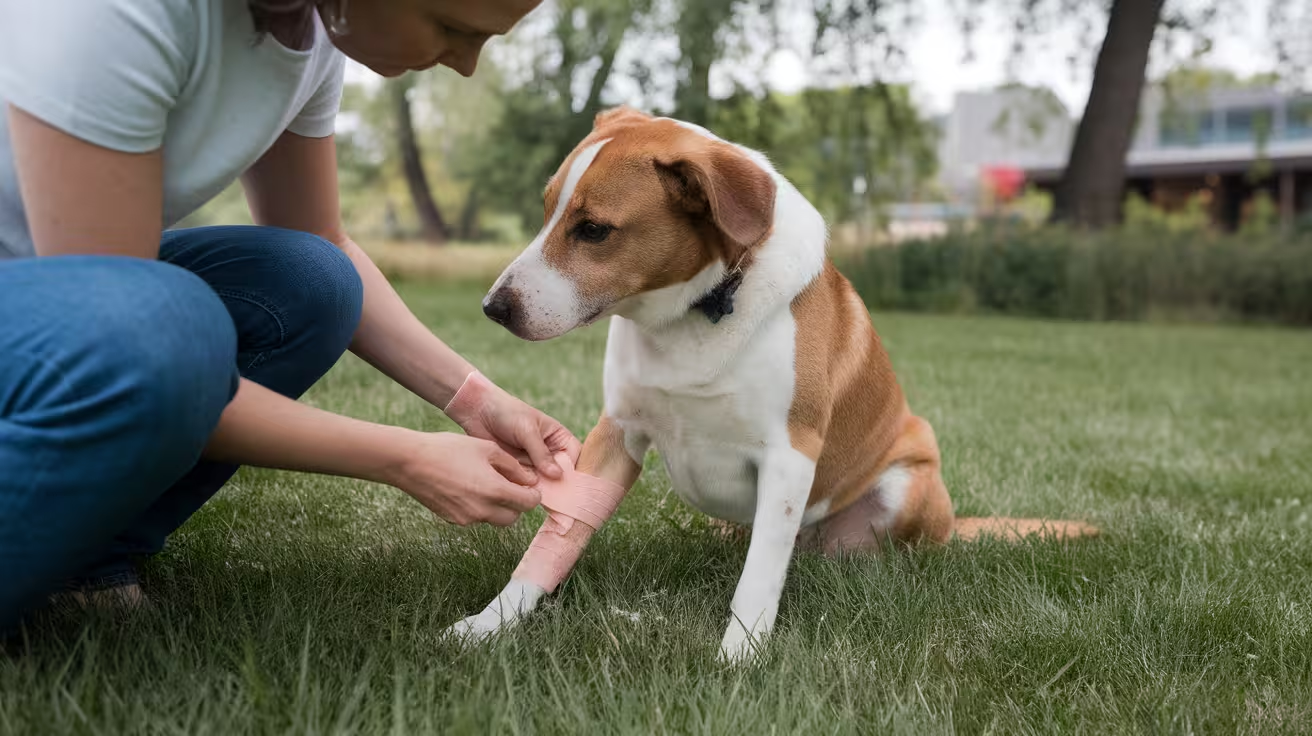
Effective Ways to Prevent Infections in Dog Wounds
Learn effective methods to prevent infections in dog wounds, ensure quick healing, and recognize signs needing veterinary care
Sustainable Vet Group
A wound doesn't become infected instantly. There's a window the first hours and days after injury when what you do at home significantly affects whether bacteria establish or are cleared.
These are the steps that make the most difference.
Quick answer: The most effective wound infection prevention steps are: stop licking immediately with an E-collar, clean the wound with dilute chlorhexidine or sterile saline (not hydrogen peroxide or alcohol), apply a clean bandage if needed, check the wound twice daily for early infection signs, and follow all veterinary aftercare instructions exactly. Daily monitoring catches early infection when it's simplest to treat.
Key takeaways
- The E-collar is the single most important infection prevention tool licking introduces oral bacteria directly into the wound.
- Chlorhexidine or sterile saline for wound cleaning hydrogen peroxide and alcohol damage healing tissue and delay recovery.
- Change bandages daily or sooner if wet, dirty, or loose.
- Check the wound twice daily for the first two weeks minimum.
- Daily photographs track change better than memory alone.
- Early infection caught in the first 3 to 7 days responds to simpler treatment than established infection.
Step 1: Stop licking immediately
Licking is the most common way dogs infect their own wounds. The dog's mouth contains Staphylococcus pseudintermedius, Pasteurella, streptococcal species, and other bacteria that have direct access to the wound with every lick.
Bond Vet states: "A dog's licking might interfere with healing by opening the wound up again, making it worse, or introducing an infection."
E-collar (Elizabethan collar): the standard, most reliable option. Must extend past the tip of the dog's nose to prevent the dog from reaching the wound. Apply immediately even one night without the collar can allow contamination that delays healing for days.
Alternatives if the dog resists the E-collar:
- Inflatable collar (not as reliable for determined lickers)
- Recovery bodysuit or onesie (effective for trunk wounds)
- Protective wrap or boot (for paw wounds)
The E-collar must be worn at all times during sleep, during meals, and outdoors not just when you're watching.
Step 2: Clean the wound correctly
What to use
- Dilute chlorhexidine (0.05%): mix 1 part 2% chlorhexidine with 40 parts sterile water. Most effective antiseptic for wound cleaning.
- Sterile saline: safe for all wound types; no antiseptic activity but mechanically rinses bacteria.
- Prescribed antiseptic solutions: follow your vet's specific instructions if a solution was prescribed.
What not to use
- Hydrogen peroxide: damages granulation tissue (the new pink tissue forming in the wound) and slows healing
- Alcohol (rubbing alcohol): painful on open tissue and damages healing cells
- Human antibiotic ointments (Neosporin, Polysporin): may contain zinc (toxic if licked) or other ingredients not safe for dogs
How to clean
Bond Vet recommends: clean the wound 1 to 3 times daily. Use gauze or a clean cloth never bare hands. Gently irrigate the wound with the cleaning solution. If using a syringe for flushing, apply gentle pressure only high-pressure flushing can drive bacteria deeper.
Pat dry gently with clean gauze. Do not rub.
Step 3: Bandage correctly (if needed)
Not all wounds require bandaging, but wounds in high-contamination areas (paws, lower limbs), wounds that the dog can reach, and wounds with discharge benefit from protection.
Bandaging steps
- Cover the wound with a sterile, non-stick gauze pad
- Wrap with a soft, self-adhesive bandage (not too tight two fingers should slide under the wrap)
- Check for swelling or discoloration below the bandage (signs of too-tight wrapping)
- Check for moisture (a wet bandage against skin creates an infection-friendly environment)
Bandage change frequency
- Every 24 hours under normal conditions
- Sooner if wet, visibly dirty, or loose
- Use only new, sterile materials for each change
Fairview Veterinary Clinic confirms: "Change sterile bandages daily or when they become wet or dirty."
For wounds at paws, consider waterproof protective boots during short outdoor trips to prevent contamination from soil.
Step 4: Monitor twice daily
Early infection is caught by observation, not by waiting for the wound to look obviously wrong.
What to check at each observation
- Redness: staying at the wound edge (normal) or spreading outward (infection sign)
- Discharge: clear/slightly pink (normal) or yellow/green/cloudy (infection sign)
- Odor: minimal to none (normal) or foul/sour smell (infection sign)
- Wound edges: together and approximating (normal) or separating (concern)
- Warmth: mild and decreasing (normal) or increasing heat (infection sign)
- Dog behavior: returning to normal (normal) or increased wound focus and guarding (infection sign)
Practical tip: Photograph the wound at the same time each day in consistent lighting. Daily photographs allow you to compare yesterday vs. today objectively small changes that escape memory are visible in photographs.
For complete wound infection sign identification, see complete wound infection signs.
Step 5: Follow all veterinary aftercare instructions
This step prevents more infections than any home remedy. Post-operative care instructions are written for a reason: they account for the specific procedure, the dog's risk factors, and the antibiotic/antiseptic choices made during surgery.
Non-negotiable aftercare items:
- Complete the full antibiotic course: stopping early because the wound "looks better" allows surviving bacteria to re-establish. Incomplete courses are a leading driver of resistant infections.
- Attend all scheduled rechecks: even when the wound appears to be healing well. Rechecks catch developing problems before they become serious.
- Restrict activity per instructions: activity violations (jumping, running) stress the incision and can create dehiscence that opens the wound to contamination.
- Keep the wound dry: no bathing until your vet clears it. Moisture softens sutures, promotes bacterial growth, and can create wound breakdown.
For how to prevent surgical site infections specifically before and after surgery, see preventing surgical site infections.
Step 6: Environmental hygiene
The dog's environment contributes bacteria to wounds through direct surface contact.
During wound healing:
- Keep the dog's resting area clean and dry
- Wash bedding every 2 to 3 days in hot water and dry completely
- Disinfect hard surfaces the dog contacts daily (dilute bleach 1:32, rinse before use)
- Avoid grass, soil, and outdoor surfaces with open wounds unless the wound is well covered
For wound infections that have already established, see established wound infection management. For how biofilm makes wound infections harder to treat once established, see biofilm in wound infections.
When to call your vet
Call the same day for:
- Redness spreading beyond the wound margin
- Yellow, green, or cloudy discharge
- Foul odor from the wound
- Wound edges separating
- Dog not eating or drinking by day 3 post-surgery
Go to emergency for:
- Wound significantly opened with visible underlying tissue
- Bleeding not stopping within 5 minutes
- Fever and severe lethargy together
- Red streaks radiating from the wound (lymphangitis)
For monitoring by post-operative day, see post-op infection timeline.
Frequently asked questions
Can I use honey on my dog's wound to prevent infection?
Medical-grade Manuka honey has documented antibacterial properties and is being used in some veterinary wound management contexts. However, regular grocery store honey has inconsistent antibacterial activity and can attract insects. If considering honey, discuss it with your vet and use only veterinary-approved preparations.
My dog pulled off the bandage at night. What should I do?
Apply the E-collar first to prevent further access to the wound. Examine the wound for any visible contamination. Clean gently with dilute chlorhexidine or saline and re-cover with a clean gauze pad until you can contact your vet. If the wound appears significantly contaminated or damaged, call the emergency line.
How long do I need to prevent my dog from licking?
Until the wound is fully healed and your vet confirms it's safe to remove the collar not until it "looks better." For most surgical wounds, this is 10 to 14 days for suture removal, but the collar may be needed longer if healing is delayed or infection developed. Follow your vet's specific guidance for your dog's procedure.
Wound infection prevention is mostly about consistency in four things: keeping the dog away from the wound, cleaning correctly without products that harm healing tissue, monitoring attentively, and completing whatever treatment the vet prescribed. All four are owner-controlled. All four matter.
Resources
- Bond Vet. Step-By-Step Wound Care for a Dog at Home and When to Call the Vet. bondvet.com
- Fairview Veterinary Clinic. How to Clean a Dog Wound. fairviewveterinaryclinic.com
- UrgentVet. Dog Wound Care: How to Care For Open Wounds on Dogs. urgentvet.com
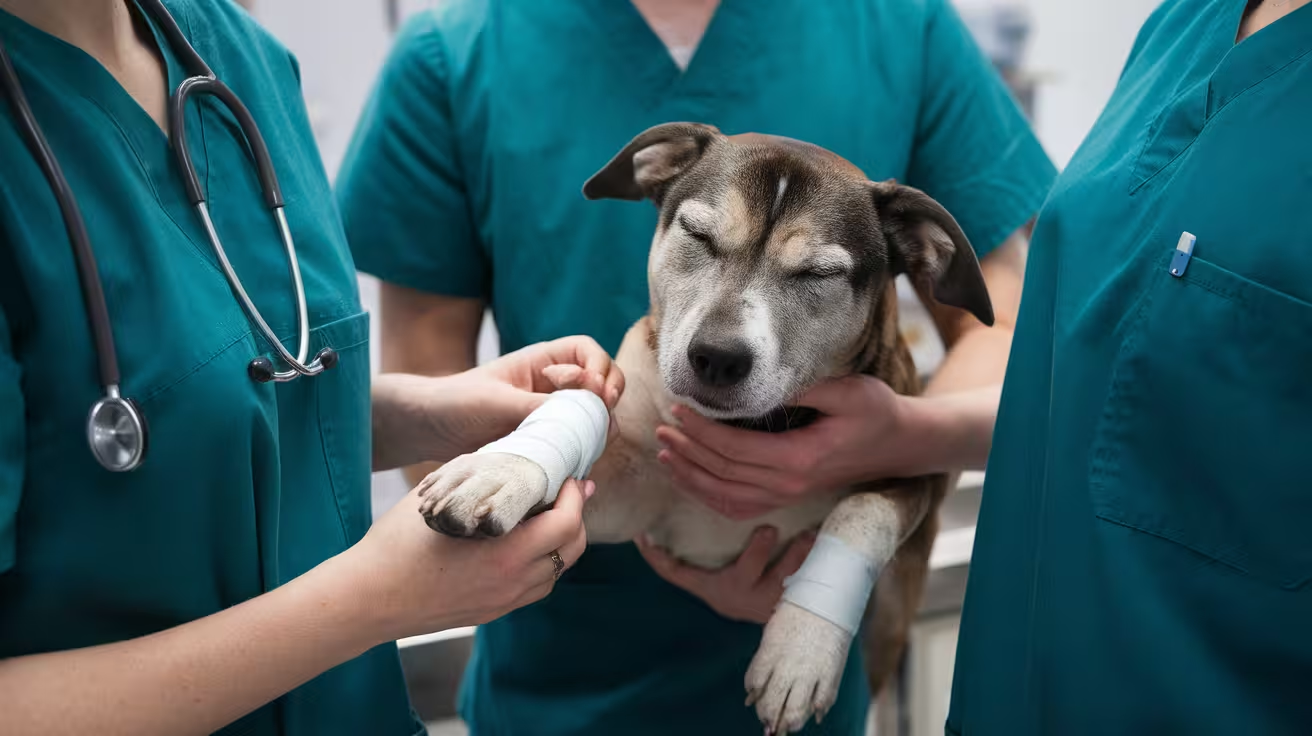
How to Prevent Surgical Site Infections in Dogs
Ensure your dog's safe surgical recovery by preventing infections with advanced strategies, expert tips, and effective post-op care
Sustainable Vet Group
Surgical site infections (SSIs) in dogs occur in approximately 2.8% of surgical procedures, rising to 8 to 17% in TPLO cases. Most are preventable. Prevention operates on three fronts: what the veterinary team does before and during surgery, what happens intraoperatively, and what the owner does at home.
Quick answer: SSI prevention requires aseptic technique, perioperative antibiotics within 60 minutes of incision, chlorhexidine-alcohol skin prep, sterile instrument handling, and wound irrigation. At home, E-collar compliance to prevent licking is the most effective owner action.
Key takeaways
- SSIs occur in approximately 2.8% of canine surgeries overall; TPLO rates of 8 to 17% are reported in some studies
- Endogenous skin flora is the most common SSI source: the patient's own bacteria, not airborne contaminants
- Perioperative antibiotics given within 60 minutes before incision; extending post-operatively does not reduce SSI rates in clean cases
- Chlorhexidine-alcohol skin prep is the preferred two-step method for most surgical sites
- Wound irrigation during surgery removes debris and bacteria; non-antibiotic lavage solutions also reduce biofilm
- E-collar compliance is the most important owner-controlled variable; licking introduces oral bacteria directly into the healing wound
Who causes most SSIs?
The Veterinary Nurse: "Translocation of endogenous microbial flora is the most common route of surgical site infection. Skin preparation and aseptic techniques aim to reduce or eliminate the growth of resident and transient flora at the wound site."
The dog's own skin bacteria -- primarily Staphylococcus pseudintermedius, Escherichia coli, and Pseudomonas species -- dominate as SSI sources. They enter the wound during surgery or in the post-operative period. The surgical team controls intraoperative contamination; the owner controls much of the post-operative contamination risk.
Pre-operative prevention: patient preparation
Skin clipping
The surgical site is clipped in a preparation area, not in the operating room, to prevent clipper-derived debris from contaminating the sterile field. Clipper blades should be cleaned between patients; microabrasions from dull blades increase bacterial load.
Skin antisepsis
SustainableVet: "A two-step method -- scrubbing with antiseptic soap followed by an alcohol-based solution -- has been shown to be very effective in reducing microbes."
Chlorhexidine gluconate: broad-spectrum, residual activity, superior to povidone-iodine for gram-positive organism reduction. Two percent chlorhexidine in 70% alcohol is the most effective preparation.
Povidone-iodine: effective against gram-positive and gram-negative bacteria, fungi, and some viruses. Less sustained residual activity than chlorhexidine.
NCBi (skin asepsis study): "Most samples collected at the post-asepsis did not present bacterial growth, both for the animals subjected to the povidone-iodine (74%) or to the chlorhexidine (70%) protocols" -- both are effective when applied correctly.
Application technique: antiseptic applied in expanding circles from the incision site outward; two alternating applications of antiseptic and alcohol.
Patient-level risk factors
Acta Veterinaria Scandinavica identified SSI risk factors: "More people present in the operating room, prolonged duration of anesthesia and surgery, presence of a drain, concurrent endocrinopathy, and the use of propofol."
For elective surgery: address concurrent infections, achieve healthy body weight, treat uncontrolled endocrine disease, and screen for skin disease that elevates surface bacterial load.
Intraoperative prevention: aseptic technique and irrigation
Aseptic technique
SustainableVet (asepsis checklist): the team must perform a surgical scrub before gowning and gloving, wear sterile gowns, gloves, masks, and caps, use sterile gloving technique, and avoid unnecessary movement and talking in the operating room.
AVMA Journal (student aseptic breach study): "At least 1 aseptic protocol breach was noted in 46.3% of the 96 procedures observed" -- highlighting how frequently technique lapses occur even in supervised settings.
Wound irrigation
SustainableVet: "Irrigation is essential for preventing SSIs, as it helps remove bacteria, debris, and dead cells from the surgical site."
Saline: mechanically removes debris through lavage volume and pressure. Does not actively kill bacteria or disrupt biofilm.
Dilute chlorhexidine: topical antiseptic activity; must be used at correct dilution -- concentrated chlorhexidine is tissue-toxic.
Non-antibiotic lavage: SustainableVet: "Advanced tools, such as non-antibiotic lavage solutions, can greatly reduce the risk of SSIs by reducing bacterial load and biofilm without antibiotic resistance concerns."
Perioperative antibiotics: what the evidence says
SustainableVet: "Prophylactic antibiotics are essential in high-risk surgeries such as TPLO or gastrointestinal surgery. Clear guidelines suggest giving antibiotics within 60 minutes before the first incision and stopping them within 24 hours unless there are signs of infection."
NCBi (TPLO antibiotic study): "Results showed no difference in SSI rates" between perioperative-only and peri-and-post-operative antibiotic groups. "Eliminating postoperative antibiotic medication in a clean orthopedic procedure helps to reduce antibiotic resistance and is in line with antimicrobial stewardship."
Acta Veterinaria Scandinavica: "Even complete omission of antimicrobials was not associated with increased risk for SSI" in clean orthopedic and neurosurgeries at the Helsinki teaching hospital.
Post-operative prevention: the owner's role
E-collar at all times: the single most impactful owner action. Dog saliva contains high concentrations of oral bacteria. Even brief licking can deliver sufficient bacterial inoculum to establish infection.
Keep the wound dry: moisture promotes bacterial proliferation. No bathing, swimming, or rain exposure until vet clearance at the recheck.
Complete the full antibiotic course: when prescribed for contaminated or dirty cases. Partial courses select for resistance.
Daily incision monitoring: twice-daily visual checks; photograph daily. Call the vet same-day for increasing redness after day 3, yellow or green discharge, or wound odor.
For the wound care protocol during recovery, see wound care after surgery. For signs of developing SSI, see dog incision infection signs causes and treatment. For the complications guide, see signs of complications after soft tissue surgery.
Frequently asked questions
Do all dogs need antibiotics before surgery?
No. Antibiotics are indicated for clean-contaminated and contaminated surgeries, orthopedic implant procedures, and immunocompromised patients. Routine clean soft tissue procedures (simple mass removal, spay/neuter) do not always require prophylactic antibiotics.
Does bathing my dog before surgery help prevent SSI?
Yes, with caveats. Bathing 1 to 2 days before surgery reduces skin bacterial load. Bathing on the day of surgery is not recommended; wet skin delays veterinary prep. Confirm with your clinic.
Can my dog get an SSI even if the surgical team did everything correctly?
Yes. SSI rates of 2 to 17% occur even with optimal technique. The dog's own flora, systemic health factors, and post-operative events all contribute. Perfect technique reduces but does not eliminate risk.
Why should antibiotics stop within 24 hours when there is no sign of infection?
Extending antibiotics without infection evidence provides no additional protection and promotes resistant organism selection. This is standard antimicrobial stewardship.
What is biofilm and why does it matter for SSI prevention?
Biofilm is a structured bacterial community 100 to 1,000 times more resistant to antibiotics than planktonic bacteria. Once established, it is extremely difficult to treat. Preventing biofilm through debridement and lavage is far more effective than treating it.
My dog had surgery but the vet did not prescribe antibiotics. Is that normal?
Yes, for clean elective soft tissue surgery. Acta Veterinaria Scandinavica found no increased SSI risk even in dogs not receiving perioperative antibiotics in clean orthopedic cases. Routine antibiotic overuse promotes resistance; your vet follows antimicrobial stewardship guidelines.
Resources
- Veterinary Nurse. Surgical Site Infections: Preparation, Technique and Perioperative Prevention. theveterinarynurse.com
- SustainableVet. How to Prevent Surgical Site Infections in Dogs. sustainablevet.org
- NCBi. Comparison of SSI Rates in Dogs Undergoing TPLO. ncbi.nlm.nih.gov
- Acta Veterinaria Scandinavica. Antimicrobial Prophylaxis in Clean Orthopaedic and Neurosurgeries in Dogs. springer.com
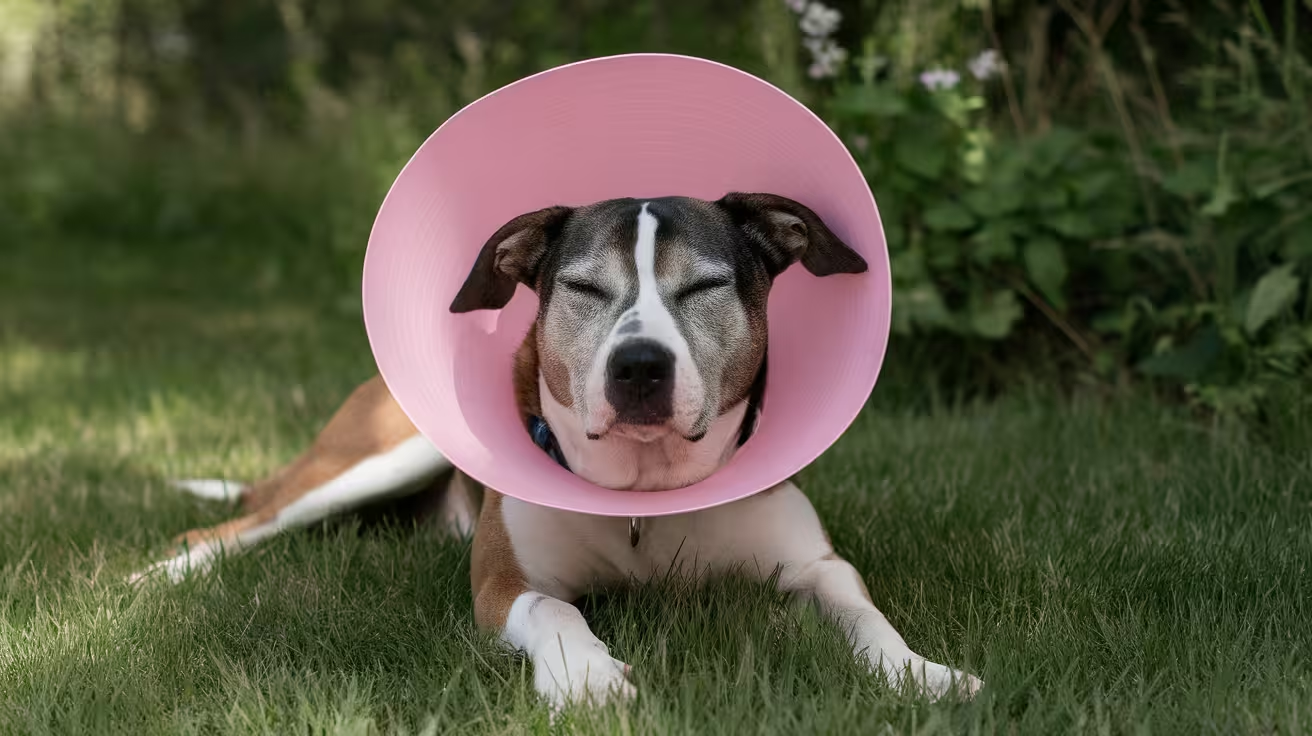
Post-Operative Infection in Dogs: Symptoms and Solutions
Learn about symptoms and solutions for post-operative infections in dogs to ensure a smooth and healthy recovery after surgery
Sustainable Vet Group
Post-operative infections are among the most common complications after surgery in dogs. The Pet Vet reports they affect approximately 5 to 10% of surgical patients. Most are preventable. When they do develop, the difference between a minor setback and a serious crisis is usually how quickly they are caught.
This guide covers the full picture: symptoms, causes, treatment, and prevention with specific guidance on what owners control versus what the vet team manages.
Quick answer: Symptoms of post-operative infection include redness after day 3, yellow or green discharge, warmth, swelling not improving, foul odor, and worsening pain. Systemic signs including fever need urgent care. Call the vet same-day.
Key takeaways
- 5 to 10% of surgical patients develop a post-operative infection despite appropriate veterinary care
- Early signs appear 3 to 5 days post-surgery: redness increasing, warmth, discharge becoming cloudy or colored
- Licking is the most common preventable cause: saliva deposits bacteria directly into the healing wound
- Surface infections respond to antibiotics and wound care; deep infections may require surgical debridement
- Complete the full antibiotic course: stopping early when the dog looks better is a leading cause of recurrent infection
- Call the vet same-day for yellow or green discharge, foul odor, increasing swelling, or systemic signs
Why post-operative infections occur
Surgery creates a wound. Even under ideal sterile conditions, some bacteria are always present on the skin surface and in the air. The immune system normally clears this low-level contamination. Infection develops when bacterial load overwhelms the local defenses either because too many bacteria entered, the wound environment favors bacterial growth, or the dog's immune response is impaired.
The Pet Vet: "When bacteria enter the surgical site, they can multiply rapidly, causing inflammation, pain, and potentially life-threatening complications if left untreated."
Key pathways:
- Self-trauma: licking introduces oral bacteria directly into the wound
- Moisture: wet wound environments dramatically accelerate bacterial multiplication
- Contaminated environment: contact with dirty bedding, soil, or other animals
- Systemic factors: hypoalbuminemia, obesity, immunosuppression, allergic skin disease, and poor perfusion all reduce wound healing capacity
Symptoms of post-operative infection
Normal healing baseline (to compare against)
- Days 1 to 2: mild redness and swelling at incision edges; possibly a small amount of clear or slightly pink serum discharge
- Days 3 to 5: redness fading, swelling reducing, discharge stopped
- Days 5 to 10: wound edges fully closed; no discharge; no odor
Early signs of infection (days 3 to 7)
Redness that is increasing rather than decreasing after day 3 is the primary early signal. Other early indicators:
- Warmth at the incision site not present or not improving in the first 3 days
- Swelling increasing after the expected peak at days 1 to 2
- Discharge changing from clear to cloudy or milky
Preventing post-op infections article (SustainableVet): "Early detection of redness, swelling, or discharge allows prompt treatment before biofilms develop extensively."
Established infection signs
- Yellow or green pus discharge from the incision at any time
- Foul or rotten odor
- Swelling clearly larger than the post-surgical baseline
- Pain increasing rather than decreasing (dog guarding more, licking more intensely despite E-collar)
- Wound edges beginning to separate (early dehiscence from infection undermining the suture line)
Systemic signs (serious requires urgent care)
The Pet Vet: "Post-surgical infection in dogs is a serious complication. If left untreated, they can cause inflammation, pain, and potentially life-threatening complications."
- Fever (rectal temperature above 103.5 degrees Fahrenheit)
- Lethargy that is worsening rather than improving after day 2 to 3
- Complete loss of appetite at day 2 or beyond
- Increased thirst and urination (can indicate systemic inflammation)
- Pale gums
These systemic signs indicate the infection may have entered the bloodstream. This requires same-day or emergency veterinary contact.
Solutions: treatment options
Local wound care and antibiotics
For superficial infections involving the skin and immediate subcutaneous tissue: the vet will prescribe systemic antibiotics (ideally culture-guided) and may direct gentle wound cleaning with dilute chlorhexidine.
SustainableVet: "Keep the incision site clean and dry at all times. Do not apply creams, ointments, or disinfectants to the incision unless specifically instructed."
The Pet Vet identifies five medication categories used in managing post-surgical infections:
- Antibiotics: to eliminate the causative bacteria; always culture-guided when available
- NSAIDs: to reduce inflammation at the infection site
- Pain medications: to maintain comfort, eating, and rest during treatment
- Topical treatments: directed antiseptic cleaning as instructed
- Immune support: nutritional support to maintain immune function during recovery
Surgical debridement
For infections extending into deeper tissue layers, forming abscesses, or failing to respond to antibiotic therapy: surgical debridement removes infected and necrotic tissue to allow healing from a clean base. Drain placement may accompany debridement.
Hospitalization
When systemic signs are present: intravenous antibiotics, intravenous fluid support, and monitoring for septic deterioration. This is intensive care territory, not outpatient management.
Prevention: the owner's role
The Pet Vet: "Proper incision care at home is perhaps the most important preventive measure."
E-collar compliance: wear at all times, including during sleep and eating, until suture removal and vet clearance. One sustained licking episode can establish infection.
Keep the wound dry: no bathing, swimming, or exposure to rain until the vet confirms healing is complete.
Complete the full antibiotic course: even if the dog appears completely well.
Daily wound checks: twice daily at minimum. Photograph the incision to track subtle changes. Call the vet for any change trending toward the infection signs described above.
Clean bedding: wash bedding before the dog returns home; prevent contact with soil, water, or other animals during recovery.
SustainableVet: "Owners and veterinary staff must work together to maintain clean wounds and detect early signs of infection."
For the full wound care protocol, see how to care for a dog wound after surgery. For the broader complications guide, see signs of complications after soft tissue surgery. For detail on infection signs and causes specifically, see dog incision infection signs causes and treatment.
Frequently asked questions
How quickly do post-operative infections develop after dog surgery?
Early signs typically appear between days 3 and 7. Bacterial growth in wound tissue takes 24 to 72 hours after contamination; visible signs follow as the immune response escalates.
Can I treat my dog's post-operative infection at home without seeing a vet?
No. Antibiotics require a prescription. Incorrect wound care can worsen the infection. Any suspected infection needs veterinary assessment to determine the depth, causative organism, and appropriate treatment.
My dog's wound was fine at day 5 but now at day 9 it looks infected. Is that possible?
Yes. Late infections can occur even after apparent initial healing. Causes include retained suture material acting as a nidus for bacteria, failure of a deep tissue layer, or a delayed E-collar compliance breach. Call the vet for assessment.
How do I know if the infection is superficial or deep?
Superficial infections affect only the skin and immediately below it; the incision edges remain intact. Deep infections cause more significant swelling, significant pain, systemic signs, and often wound breakdown. The vet uses palpation, culture, and imaging to assess depth.
What happens if a post-operative infection goes untreated?
Untreated infection progresses from localized to deep tissue, then to systemic (bloodstream). Sepsis, a life-threatening systemic inflammatory response to infection, can develop rapidly. In orthopedic cases, infection can spread to bone (osteomyelitis) or implants, requiring hardware removal.
Will a post-operative infection affect my dog's long-term recovery?
Superficial infections caught early typically resolve without lasting impact. Deep infections, osteomyelitis, or sepsis can delay recovery significantly. Early detection and prompt treatment matter for prognosis, not just comfort.
Resources
- The Pet Vet. Post-Surgical Infection in Dogs: 5 Vital Medications for Recovery. thepetvet.com
- SustainableVet. Post-Operative Infection in Dogs: Symptoms and Solutions. sustainablevet.org
- SustainableVet. Preventing Post-Operative Infections in Dogs. sustainablevet.org
- Veterinary Practice News. Exploring Surgical Site Infections. veterinarypracticenews.com

Sustainable Vet | Copyright ©2026 | All Rights Reserved

