

TPLO Surgery Cost in Mississauga
Discover TPLO surgery cost in Mississauga, ranging from $3,500 to $6,500. Factors like surgeon skill, dog size, and rehab affect pricing.

This article is for informational purposes only and is not a substitute for professional veterinary advice. Every case is unique, so always consult your veterinarian for guidance specific to your pet.
This content is intended for veterinary professionals for educational purposes. It does not replace clinical judgment or tailored advice. Always rely on your training, expertise, and the specific context of your patients.

TPLO surgery is a specialized procedure to repair a torn cranial cruciate ligament (CCL) in dogs. This surgery stabilizes the knee joint, helping dogs regain mobility and reduce pain. Understanding the cost is crucial for pet owners facing this important decision.
Costs vary widely due to factors such as the city, surgeon experience, diagnostic tests, dog size, implants used, and rehabilitation needs. In Mississauga, this article covers typical price ranges, what is included and excluded, key cost drivers, and tips for pet owners.
Typical TPLO Surgery Cost in Mississauga
Pricing for TPLO surgery in Mississauga varies by clinic, surgeon expertise, and the size of your dog. These factors influence the overall cost significantly.
- Low estimate in Mississauga — Some clinics offer TPLO surgery starting around $3,500. These lower prices may reflect less experienced surgeons or fewer included services. While more affordable, owners should carefully consider the quality of care and follow-up support.
- Average cost range in Mississauga — Most pet owners pay between $4,500 and $5,500. This range typically includes surgery by experienced veterinarians, standard implants, and basic post-operative care. It represents a balance between cost and quality.
- High-end TPLO specialists in Mississauga — Premium clinics with board-certified surgeons and advanced surgical technology may charge $6,000 or more. These facilities often provide comprehensive care, including detailed diagnostics and extensive rehabilitation options.
What the Cost Usually Covers
TPLO surgery packages generally include several key components essential for a successful outcome. Understanding these helps owners know what to expect.
- Surgery itself — The procedure involves cutting and rotating the tibia to stabilize the knee. This complex surgery requires specialized skills and equipment, contributing significantly to the cost.
- Anaesthesia + monitoring — Safe anaesthesia and continuous monitoring during surgery are critical. These services ensure your dog's safety and comfort, adding to the overall price.
- Implants/plates — Stainless steel or titanium plates and screws are used to secure the bone. Titanium implants tend to be more expensive but offer better durability and biocompatibility.
- Post-op care and follow-up exams — Follow-up visits to monitor healing and manage pain are usually included. These appointments help detect complications early and support recovery.
What Might Not Be Included
Some costs are often overlooked by pet owners but can add up quickly. Being aware helps in budgeting effectively.
- Pre-surgical diagnostics — X-rays, blood work, and other tests before surgery may not be included. These are necessary to assess your dog's health and surgical suitability.
- Post-surgical rehab therapy — Physical therapy or hydrotherapy sessions after surgery are often extra. These therapies improve recovery but can increase total expenses.
- Medications beyond standard pain control — Additional medications for infection or inflammation might not be covered in the initial quote, leading to extra costs.
- Additional cost if both legs need surgery — If your dog requires TPLO on both knees, expect roughly double the cost, though some clinics may offer package discounts.
Key Cost Drivers in Mississauga
Even within Mississauga, TPLO surgery prices vary due to several important factors. Understanding these helps explain the range of quotes you may receive.
- Dog size/weight — Larger dogs often require bigger implants and longer surgery time, increasing costs. Smaller dogs may have lower fees due to simpler procedures.
- General vet vs board-certified surgeon — Board-certified surgeons typically charge more due to advanced training and expertise, often resulting in better outcomes.
- City living costs + overhead in Mississauga — Higher rent, staff salaries, and equipment costs in Mississauga contribute to overall surgery pricing compared to smaller towns.
- Implant brand and surgical technology used — Premium implant brands and cutting-edge surgical tools raise costs but may improve recovery and durability.
- Complication or infection risk — Cases with higher risk or complications require additional care and monitoring, increasing the final bill.
Tips for Pet Owners in Mississauga
Careful financial planning and research can help you manage TPLO surgery costs effectively. Here are some practical tips for owners in Mississauga.
- Ask for a detailed itemised estimate — Request a breakdown of all fees to understand what you are paying for and avoid surprises.
- Clarify if quote is for one leg or both — Confirm whether the price covers a single knee or both, as this significantly affects budgeting.
- Explore pet insurance or financing options — Investigate insurance plans that cover TPLO or financing programs to spread out payments comfortably.
- Compare multiple clinics and ask about success rates — Research different providers’ reputations and outcomes to choose the best care for your dog.
- Ask about rehab or physiotherapy packages — Some clinics offer bundled rehab services that can save money and improve recovery quality. Consider these options.
Conclusion
TPLO surgery is a significant financial commitment for dog owners in Mississauga. Costs vary widely depending on clinic, surgeon, and dog-specific factors. Planning ahead and understanding pricing details help avoid unexpected expenses.
Comparing quotes and confirming what is included in each estimate ensures you make an informed choice. Prioritize quality care and clear communication with your veterinary provider for the best outcome.
Frequently Asked Questions
How much does TPLO surgery cost in Mississauga?
TPLO surgery in Mississauga typically costs between $3,500 and $6,500. The exact price depends on factors like surgeon experience, dog size, and clinic facilities.
Is TPLO worth the cost for dogs with CCL tears?
Yes, TPLO often provides the best long-term outcome for dogs with CCL tears. It stabilizes the knee effectively, reducing arthritis risk and improving mobility.
Can pet insurance cover TPLO surgery in Mississauga?
Many pet insurance plans cover TPLO surgery, but coverage varies. Check your policy details or visit pet insurance and TPLO coverage for more information.
How do I know if a TPLO quote is reasonable?
A reasonable TPLO quote includes surgery, anaesthesia, implants, and follow-up care. Compare multiple estimates and ask for itemized details to ensure fair pricing.

Get a Free Poster
Enhance your workspace with a high-quality radiographs reference poster, designed for veterinary professionals. This free physical poster will be shipped directly to you—just fill out the form to request your copy.





Taking Great TPLO Radiographs
Click Below to Watch Live Video Demos


We'll send you a Free Wall Poster with all the steps
Step #1
Getting Ready
Ensuring a clean surgical field starts with proper skin preparation. This video demonstrates the best practices for:
- Shaving the patient – Achieving a close, even shave while minimizing skin irritation
- The Dirty Scrub – The initial skin prep step to remove surface debris and reduce bacterial load before the sterile scrub.
Following these techniques helps reduce infection risk and improve surgical outcomes. Watch the video to see how it’s done effectively!


Step #2
Reduce Your Risks
Many surgeons are shocked to find out that their patients are not protected from biofilms and resistant bacteria when they use saline and post-op antibiotics.
That’s Where Simini Comes In.
Why leave these risks and unmanaged? Just apply Simini Protect Lavage for one minute. Biofilms and resistant bacteria can be removed, and you can reduce two significant sources of infection.
Step #3
Take the Course
Preventing surgical infections is critical for patient safety and successful outcomes. This course covers:
- Aseptic techniques – Best practices to maintain a sterile field.
- Skin prep & draping – Proper methods to minimize contamination.
- Antibiotic stewardship – When and how to use perioperative antibiotics effectively.
Stay up to date with the latest evidence-based protocols. Click the link to start learning and earn CE credits!

Things to know
When Can I Bathe My Dog After TPLO Surgery?
Learn when it is safe to bathe your dog after TPLO surgery and how to care for their incision during recovery.
After your dog undergoes TPLO surgery, you may wonder when it is safe to bathe them. TPLO surgery is a common procedure to repair a torn cranial cruciate ligament in dogs. Proper post-operative care, including bathing, is essential to ensure a smooth recovery and avoid complications.
This article explains when you can bathe your dog after TPLO surgery, how to protect the surgical site, and what precautions to take during the healing process. You will learn practical tips to keep your dog clean without risking infection or delayed healing.
When Can I Bathe My Dog After TPLO Surgery?
The general recommendation is to avoid bathing your dog for at least 10 to 14 days after TPLO surgery. This time allows the incision to begin healing and reduces the risk of infection. Bathing too early can expose the wound to moisture and bacteria, which can cause complications.
Once the incision is fully closed and your veterinarian gives the go-ahead, you can bathe your dog carefully. It is important to keep the surgical site dry and clean during the initial healing phase.
- Healing time frame: Most veterinarians advise waiting 10 to 14 days before bathing to allow the incision to close properly and reduce infection risk.
- Veterinary approval: Always consult your vet before bathing to ensure the wound has healed enough for water exposure.
- Incision protection: Keep the surgical site dry and avoid direct water contact until fully healed to prevent complications.
- Signs of healing: Look for a dry, closed incision without redness or discharge before considering a bath.
Following these guidelines helps protect your dog’s surgical site and supports a healthy recovery.
How Should I Protect My Dog’s Incision When Bathing?
When your vet approves bathing, protecting the incision is crucial. You want to avoid water, soap, or shampoo reaching the surgical site. Using gentle methods can keep your dog clean without risking infection or irritation.
Proper protection also helps prevent your dog from licking or scratching the incision, which can delay healing.
- Use waterproof covers: Apply a waterproof bandage or plastic wrap over the incision to keep it dry during baths.
- Gentle cleaning: Use a damp cloth to clean areas away from the incision instead of full baths initially.
- Mild shampoos: Choose vet-recommended, gentle shampoos to avoid skin irritation around the surgery site.
- Dry thoroughly: After bathing, dry your dog carefully, especially near the incision, to prevent moisture buildup.
These steps help maintain cleanliness while protecting the surgical site during recovery.
What Are the Risks of Bathing Too Soon After TPLO Surgery?
Bathing your dog too soon after TPLO surgery can lead to several complications. The main concern is infection, which can delay healing or require additional treatment. Moisture can also weaken the incision and cause the sutures or staples to loosen.
Understanding these risks helps you avoid mistakes that could harm your dog’s recovery.
- Infection risk: Water exposure can introduce bacteria into the incision, causing infection and inflammation.
- Delayed healing: Moisture can soften the skin and slow the natural healing process of the wound.
- Suture damage: Wet sutures or staples may loosen or fall out prematurely, risking wound reopening.
- Increased discomfort: Bathing too early can cause pain or irritation at the surgery site, stressing your dog.
Waiting the recommended time and following vet advice reduces these risks significantly.
How Can I Keep My Dog Clean Without Bathing After Surgery?
Since full baths are not recommended immediately after TPLO surgery, there are alternative ways to keep your dog clean. These methods help maintain hygiene without exposing the incision to water.
Using gentle cleaning techniques and monitoring your dog’s activity can keep them comfortable and clean during recovery.
- Spot cleaning: Use a damp cloth or pet wipes to clean dirty areas away from the incision gently.
- Dry shampoo: Apply vet-approved dry shampoo powders or sprays to absorb oils and dirt without water.
- Limit outdoor exposure: Avoid muddy or wet areas to keep your dog cleaner between cleanings.
- Regular brushing: Brush your dog’s coat to remove dirt and loose hair, promoting cleanliness without bathing.
These alternatives help maintain hygiene while protecting the surgical site during healing.
What Signs Should I Watch for Around the Incision?
Monitoring your dog’s incision daily is important to catch any problems early. Knowing what signs indicate infection or delayed healing can help you seek veterinary care promptly.
Early detection of issues can prevent complications and support a faster recovery.
- Redness and swelling: Persistent or worsening redness and swelling around the incision may signal infection.
- Discharge or odor: Any pus, blood, or foul smell from the wound requires immediate veterinary attention.
- Excessive licking: If your dog licks or chews the incision excessively, it can cause damage and delay healing.
- Opening of the wound: If the incision starts to open or bleed, contact your vet right away.
Keeping a close eye on these signs ensures timely care and prevents serious complications.
How Can I Help My Dog Stay Comfortable During Recovery?
Comfort is key to a smooth recovery after TPLO surgery. Managing pain, limiting activity, and protecting the incision all contribute to your dog’s well-being.
Taking simple steps can reduce stress and support healing during this critical time.
- Pain management: Follow your vet’s instructions on pain medications to keep your dog comfortable.
- Restricted activity: Limit running, jumping, and rough play to prevent strain on the surgery site.
- Use an Elizabethan collar: Prevent your dog from licking or biting the incision with a cone or collar.
- Provide a clean resting area: Keep your dog’s bedding clean and dry to avoid contamination of the wound.
These measures help your dog heal faster and reduce the chance of complications.
Conclusion
Bathing your dog after TPLO surgery requires careful timing and protection of the surgical site. Waiting at least 10 to 14 days before bathing helps prevent infection and supports proper healing. Always follow your veterinarian’s advice and watch the incision closely for any signs of problems.
Using alternative cleaning methods and protecting the incision during baths ensures your dog stays clean and comfortable throughout recovery. With proper care, your dog can heal well and return to normal activities safely.
FAQs
Can I use a wet cloth to clean my dog before the incision heals?
Yes, you can use a damp cloth to gently clean areas away from the incision, but avoid touching or wetting the surgical site until fully healed.
When can my dog swim again after TPLO surgery?
Swimming should be avoided until the incision is fully healed and your vet approves, usually several weeks after surgery to prevent infection and injury.
What should I do if the incision gets wet accidentally?
If the incision gets wet, dry it gently with a clean towel and contact your vet for advice to prevent infection or complications.
Are there special shampoos recommended after TPLO surgery?
Use mild, vet-approved shampoos that are gentle on sensitive skin and avoid harsh chemicals that could irritate the incision area.
How often should I check my dog’s incision during recovery?
Check the incision at least once daily for redness, swelling, discharge, or other signs of infection to catch problems early and seek veterinary care if needed.
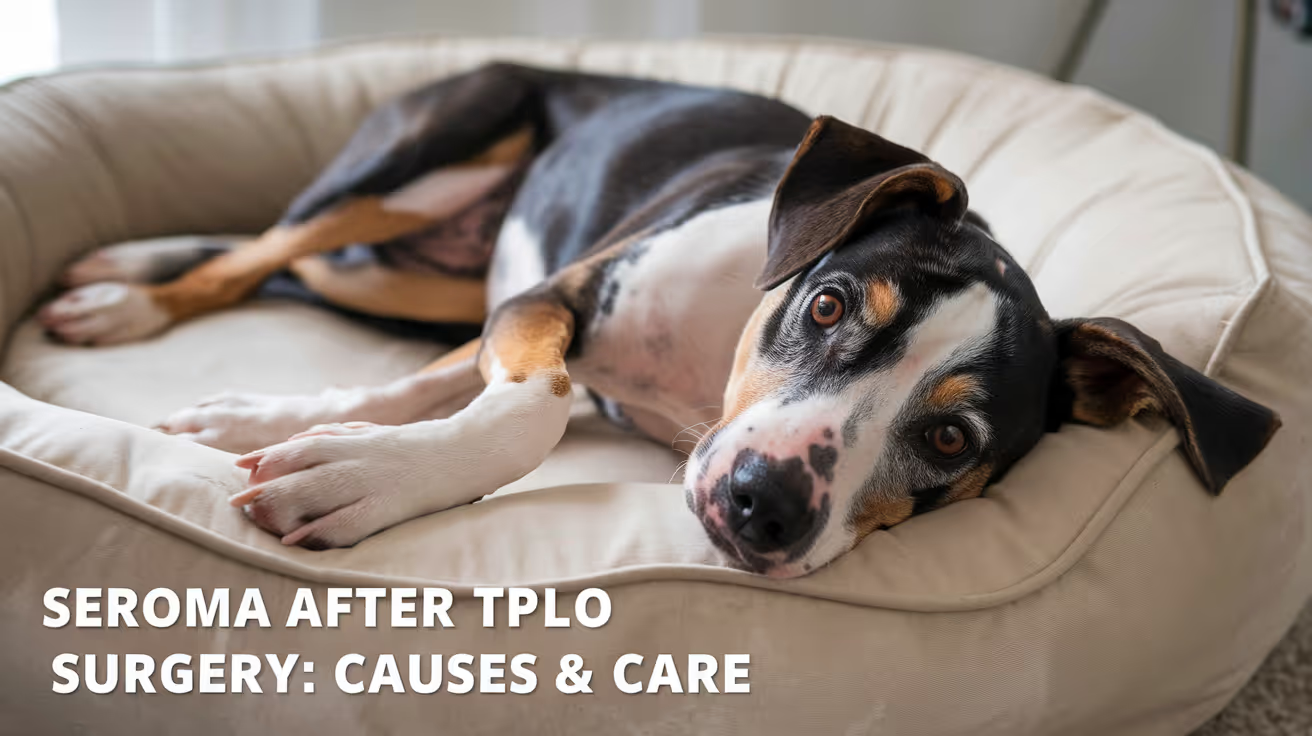
Seroma in Dogs After TPLO Surgery: Causes & Care
Learn about seroma in dogs after TPLO surgery, including causes, symptoms, treatment, and prevention tips for pet owners.
A seroma is one of the most common soft tissue complications after TPLO surgery in dogs.
Finding a soft lump under the skin near the surgical site is alarming, but in most cases it is a benign finding that resolves with strict rest and time.
Understanding the difference between a seroma and a more serious complication helps you respond appropriately.
Quick answer: A seroma is clear serum fluid under the TPLO incision, not an infection. Small seromas resolve in 1 to 3 weeks with rest; larger ones need sterile aspiration. Call your vet if the swelling is hot, fast-growing, or producing discharge.
Key takeaways
- A seroma is clear serum fluid under the skin — not an infection; a benign accumulation from disrupted blood and lymphatic vessels
- Excessive activity is the leading preventable cause: unnecessary movement produces more fluid and enlarges the seroma
- Small seromas resolve with strict rest in 1 to 3 weeks: the lymphatic system reabsorbs the fluid without intervention
- Large seromas may need needle aspiration: a sterile outpatient procedure by your vet; never drain at home
- Warm packs twice daily help reabsorption: 10 minutes of warmth twice daily is recommended for established seromas
- A seroma that becomes warm, red, painful, or produces discharge needs immediate vet attention it may have become infected
What is a seroma?
Vetinfo explains that a seroma is a swelling resulting from the accumulation of fluid under the skin.
It is made of serous fluid (blood plasma without most of the cells), so it is usually watery with a slight pink tinge rather than dark blood or cloudy infected fluid.
After TPLO surgery, the osteotomy site and surrounding soft tissues leave behind a space between tissue layers called dead space where fluid from disrupted capillaries and lymphatics can collect.
The fluid pools there before the body's healing processes close the space.
Seromas feel soft, fluctuant (squishy), and move under finger pressure. They are usually not painful when small and are not warm to the touch.
These features distinguish them from infections, which are typically warm, firm, painful, and may produce purulent discharge.
What causes seromas after TPLO?
Excessive activity
This is the most important and most preventable cause. Vetinfo confirms that seromas occur when a dog is active immediately after surgery instead of remaining inactive during recovery.
Every unnecessary step disrupts the tissue planes that need to approximate and seal, producing more fluid.
The surgeon Dr.
Matt confirms on JustAnswer that the best way to reduce seromas is to restrict activity as much as possible at least 8 weeks of restricted activity after TPLO is recommended.
Dead space at the surgical site
TPLO surgery involves significant soft tissue dissection around the proximal tibia. Closing this space with sutures reduces but does not eliminate dead space.
Any gap between tissue layers fills with fluid before normal healing closes it.
Surgical drainage
In some cases, surgical drains are placed during the procedure to allow fluid to escape rather than collect.
Not all surgeons routinely place drains some reserve them for dogs considered at higher risk of seroma formation.
Patient factors
Larger dogs produce more dead space and more fluid. Dogs with more subcutaneous fat are at higher risk.
Dogs that are particularly active during recovery despite attempts at confinement are most likely to develop significant seromas.
Recognizing a seroma
Classic signs:
- Soft, squishy swelling directly under or near the incision site
- The swelling moves under pressure it feels like a water balloon
- Normal skin color over the swelling (not red or purple)
- Not painful when gentle pressure is applied
- Not warm to the touch
- No discharge from the skin over the swelling
When to suspect infection instead:
- The swelling is warm, red, or firm rather than soft
- A draining tract or discharge appears from the skin
- The dog shows increased pain, fever, lethargy, or loss of appetite
- The swelling is growing rapidly
Treatment
Small seromas: observation and rest
Cuteness notes that most often the body absorbs the fluid and the swelling diminishes. For small seromas (typically under 3 cm), the approach is:
- Enforce strict activity restriction no running, jumping, or free roaming
- Cold compresses in the first few days (reduces new fluid production)
- Warm compresses from days 5 onward 10 minutes, twice daily to promote fluid reabsorption
- Monitor size and character daily
Large or persistent seromas: needle aspiration
Large seromas that are uncomfortable or not responding to rest may be drained by your veterinarian using a sterile needle and syringe. This is a simple outpatient procedure.
Cuteness confirms that veterinarians may drain or aspirate the seroma to make the dog more comfortable.
Aspiration provides relief but does not address the underlying dead space. The seroma may refill sometimes multiple aspirations are required. After aspiration, continued strict rest is essential.
Compression bandaging
A gentle compression bandage applied by your vet reduces dead space and discourages fluid refilling after aspiration.
Improper bandaging can cause pressure sores or circulatory compromise, so bandages must be applied and monitored by a veterinarian.
Surgical drain placement
If a seroma repeatedly refills after aspiration, a closed suction drain may be placed to allow ongoing drainage until the dead space closes.
This is uncommon but is an option for persistent or large seromas.
For the full fluid buildup guide covering all types of post-TPLO fluid accumulation, see fluid buildup after TPLO surgery in dogs.
For incision complications including infection, see TPLO incision infection symptoms and prevention. For the full complications reference, see 15 common complications after TPLO surgery in dogs.
For the incision redness guide to distinguish seroma from infection, see redness after TPLO surgery in dogs: causes and care.
Frequently asked questions
Can a seroma go away on its own?
Yes in the majority of cases, small seromas resolve without intervention as the body reabsorbs the fluid over 1 to 3 weeks.
Strict activity restriction is essential; without it, the seroma will continue to refill as fast as it drains.
Do not assume a seroma will resolve if the dog is not being properly confined.
Should I drain the seroma myself at home?
Never. Home drainage risks introducing bacteria into a sterile fluid collection, converting a benign seroma into an infected abscess. Only a veterinarian should aspirate a seroma under sterile conditions.
If you believe the seroma needs draining, contact your vet.
My dog's seroma looks like it ruptured through the skin. What do I do?
Spontaneous seroma rupture does occasionally occur. The fluid drains through the skin, leaving a small wound.
Contact your vet immediately for guidance the wound will need to be kept clean and monitored for infection. A veterinarian Dr.
Matt reports this occurrence on JustAnswer, confirming prompt vet contact is appropriate.
How long does a seroma last after TPLO?
Small seromas typically resolve in 1 to 3 weeks with strict activity restriction. Larger ones may take 4 to 6 weeks and may require aspiration.
If a seroma persists beyond 4 weeks without improvement, a veterinary recheck is warranted.
Is a seroma the same as an infection?
No. A seroma is sterile fluid no bacteria. An infection involves bacterial colonization and produces different characteristics: warmth, redness, purulent discharge, systemic illness signs.
Bacterial culture distinguishes them definitively if clinical assessment is uncertain.
Resources
- Vetinfo. Seroma After-Surgery Care for Dogs. vetinfo.com
- Cuteness. What Are the Treatments for Seroma Formation in Dogs? cuteness.com
- VCA Animal Hospitals. Seroma in Dogs. vcahospitals.com
- TPLO Info. Recovery FAQs. tploinfo.com
Tightrope vs TPLO Surgery: Which Is Right for Your Dog?
Compare Tightrope and TPLO surgeries to find the best option for your dog's cruciate ligament injury treatment.
When a dog tears its cranial cruciate ligament (CCL), the two most commonly discussed surgical options in the US are TPLO (Tibial Plateau Leveling Osteotomy) and the Tightrope procedure.
Both have strong clinical support. The right choice depends on the dog's size, activity level, the surgeon's experience, and the clinical details of the injury.
Quick answer: TPLO and Tightrope achieve similar outcomes: 93.1% and 92.7% functional restoration respectively at over 1 year. Tightrope has shorter surgery time and lower reported complications. TPLO provides more durable stability for large, active dogs. Most orthopedic surgeons recommend TPLO for dogs over 30 to 40 lbs.
Key takeaways
- Both procedures achieve comparable outcomes: 93.1% good function for TPLO vs 92.7% for Tightrope at over 1 year
- Tightrope has shorter surgery and anesthesia times and a lower complication rate than TPLO in comparative studies
- TPLO provides more durable long-term stability for large, active dogs because it changes joint mechanics, not a synthetic material
- Tightrope uses bone tunnels to anchor a synthetic fiber-tape; it is distinct from extracapsular repair despite both being suture-based
- TPLO costs more: $3,000 to $6,000 vs $1,500 to $3,500 for Tightrope depending on location and surgeon type
- Neither procedure is designated superior by the ACVS: choice depends on dog size, activity level, surgeon expertise, and clinical factors
How each procedure works
TPLO (Tibial Plateau Leveling Osteotomy)
TPLO changes the mechanics of the stifle joint by rotating the tibial plateau the top surface of the tibia to a flatter angle.
This eliminates the need for a functioning CCL to resist the cranial thrust that occurs during weight-bearing. The osteotomy is held in place with a bone plate and screws.
TPLO does not replace the torn ligament. Instead, it renders the ligament biomechanically unnecessary by altering joint geometry.
The stability it provides does not depend on any synthetic material that could fail over time.
Tightrope procedure
Tightrope uses a strong synthetic fiber-tape (FiberTape) passed through bone tunnels drilled in the femur and tibia to mimic the function of the torn CCL.
Unlike extracapsular repair (lateral suture), which anchors to bone surfaces, Tightrope anchors through the bone, allowing more accurate anatomic placement.
Dispomed notes that the Tightrope method uses a suture placed into the bone, allowing more accurate placement than standard extracapsular repair. It is a minimally invasive procedure performed through small incisions.
Success rates and clinical evidence
Functional outcomes
A comparative study reviewing TPLO (n=65), Tightrope (n=79), and TTA (n=18) found:
- TPLO: 93.1% good function at over 1 year
- Tightrope: 92.7% good function at over 1 year
- TTA: 89.2% good function (with significantly higher major complications than the other two)
Sunnyside Veterinary Clinic's review of the 2010 comparative study found no difference between Tightrope and TPLO at 6 months for OA progression or client-evaluated function.
Tightrope had shorter anesthesia and surgery times and a lower complication rate.
Complication rates
The same study showed TTA had significantly higher major complication rates than both TPLO and Tightrope. TPLO had higher major complications and meniscal tear rates than Tightrope in the study population.
However, these findings vary across studies, and TPLO has a much larger body of evidence accumulated over 25+ years.
The overall TPLO complication rate across the literature ranges from 14 to 34%, with most complications being minor.
Key differences: head-to-head comparison
Which dogs is each procedure best for?
TPLO is typically recommended for:
- Dogs over 30 to 40 lbs especially large and giant breeds
- Highly active dogs (working dogs, sport dogs, hunting dogs)
- Dogs where long-term mechanical durability is the priority
- Cases where a board-certified orthopedic surgeon is performing the procedure
Most orthopedic surgeons at US veterinary specialty hospitals recommend TPLO as the first-choice procedure for large-breed dogs.
The ACVS lists TPLO as the most commonly recommended procedure for CCL rupture in medium-to-large dogs.
Tightrope is often chosen for:
- Small to medium dogs (under 30 to 40 lbs)
- Dogs in which a shorter procedure and anesthesia time is clinically important
- Cases where cost is a significant factor
- General practice surgeons experienced in the technique
PetMD notes that Tightrope CCL repair involves bone tunnels in both tibia and femur with a strong fiber-tape suture a safe and effective option for many CCL cases.
Cost comparison
TPLO typically costs $3,000 to $6,000 per leg at specialist centres in the US. Tightrope is generally $1,500 to $3,500, with some practices charging as low as $1,500 for smaller dogs.
The lower cost of Tightrope may make it accessible when TPLO is financially out of reach, particularly for dogs where the functional difference between the two procedures is likely to be small.
For the TPLO surgical alternatives comparison, see alternatives to TPLO surgery for dogs. For the complete guide to TPLO pros and cons, see TPLO surgery pros and cons for dogs.
Frequently asked questions
Is Tightrope as good as TPLO for dogs?
For small and medium dogs, the outcomes are comparable. A published comparative study found no significant difference in 6-month outcomes between Tightrope and TPLO.
For large, highly active dogs, most specialists prefer TPLO because of its superior long-term mechanical stability and larger evidence base.
Can a large dog have Tightrope surgery instead of TPLO?
Technically yes, but most board-certified orthopedic surgeons advise against Tightrope for dogs over 30 to 40 lbs.
Concerns center on long-term stability under the high joint forces generated by large, active dogs.
How much cheaper is Tightrope than TPLO?
Typically $1,000 to $3,000 less per leg. Tightrope is generally $1,500 to $3,500 compared to $3,000 to $6,000 for TPLO. The cost difference is meaningful, especially for bilateral cases.
Does Tightrope have fewer complications than TPLO?
Some comparative studies show a lower complication rate for Tightrope than TPLO in the same study population.
However, TPLO has a much larger evidence base, making complication rate comparisons difficult to interpret definitively. Both are considered safe procedures when performed by experienced surgeons.
How quickly does a dog recover from Tightrope compared to TPLO?
Tightrope recovery is generally faster: 6 to 10 weeks of restricted activity compared to 8 to 12 weeks for TPLO.
Since Tightrope does not involve a bone osteotomy, there is no bone healing phase to wait for before increasing activity.
Resources
- Sunnyside Veterinary Clinic. Tightrope Studies. sunnysidevetclinic.com
- Dog Knee Injury. Dog Knee Surgery Success Rates for TPLO, Tightrope and More. dogkneeinjury.com
- Dispomed. TPLO Surgery in Dogs: Success Rates and Alternatives. dispomed.com
- PetMD. Dog ACL (CCL) Surgery: Cost and Recovery Timeline. petmd.com
- ACVS. Cranial Cruciate Ligament Disease. acvs.org
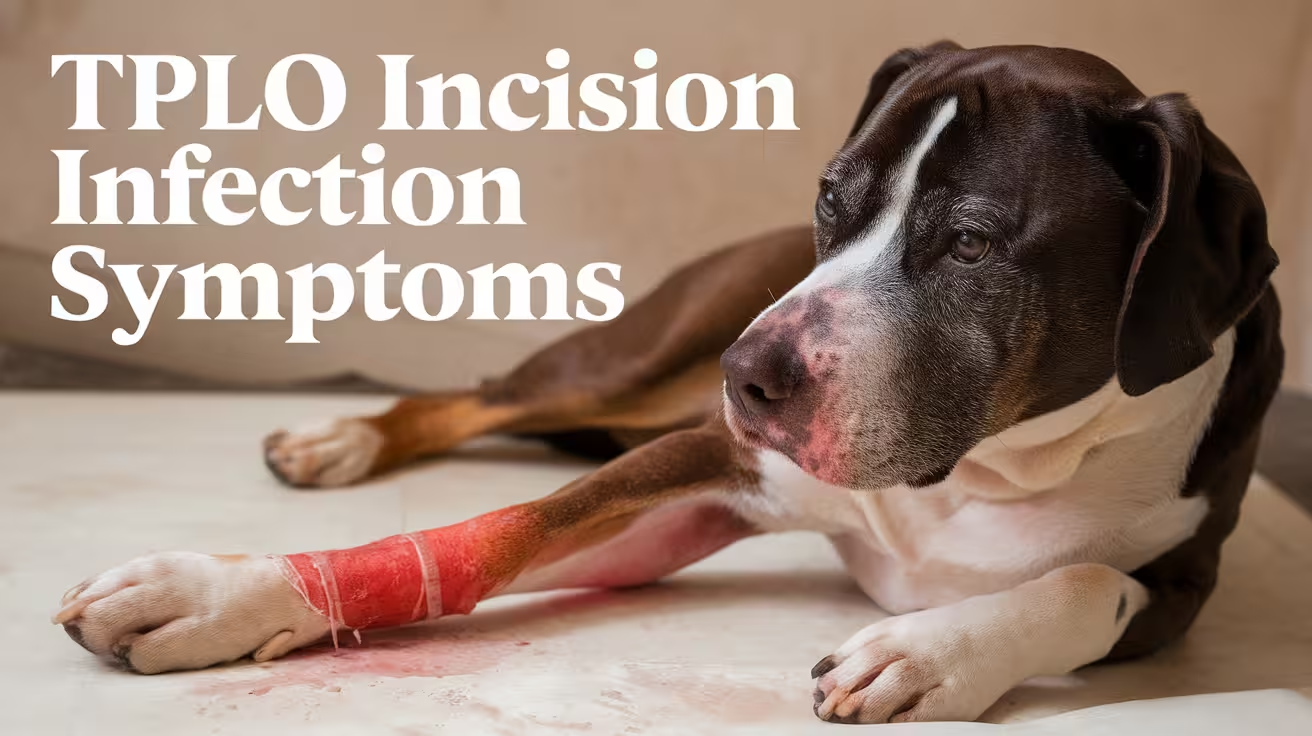
TPLO Incision Infection? Symptoms & Prevention
Worried about a TPLO incision infection? Learn the symptoms, causes, and best prevention tips to keep your dog’s recovery smooth and infection-free
TPLO incision infection is one of the most common complications after surgery. Most incision infections are preventable with consistent owner-managed wound care, and most are treatable when caught early.
The window between a superficial incision infection (treatable with antibiotics) and a deep implant infection (requiring surgical intervention) is measured in days -- which is why daily inspection is not optional.
Quick answer: Normal TPLO incision healing shows mild redness fading from day 5, no discharge after day 3, and a clean approximated incision line. Infection signs: spreading redness, increasing warmth, cloudy or malodorous discharge, swelling not resolving, wound edges separating, or lameness worsening. Prevention centers on e-collar compliance, dryness, and daily inspection.
Key takeaways
- Licking is the most common preventable cause of TPLO incision infection: the oral cavity carries S. pseudintermedius that can inoculate the incision; e-collar compliance for 10 to 14 days is the most protective owner action
- The distinction between normal healing and early infection is trajectory-based: mild redness and clear serum discharge are normal for 2 to 3 days; anything worsening from day 5 onward warrants veterinary attention
- Infection signs requiring a same-day call: spreading redness, yellow or green discharge, malodorous discharge, wound dehiscence, or systemic signs alongside local wound changes
- Keeping the incision dry is the second most important prevention measure: bacteria proliferate in moist environments; no bathing or wet-grass walks until incision healing is confirmed by the vet
- Daily inspection at the same time each day creates a baseline: daily comparison of today to yesterday reveals whether the incision is improving or worsening
- Most superficial incision infections resolve with oral antibiotics if treated promptly: treatment escalates significantly if deep implant involvement occurs; early action prevents this escalation
Normal TPLO incision healing: what to expect
Understanding normal healing is the prerequisite for recognizing abnormal changes.
Days 1 to 3: acute inflammatory phase
Normal: the incision is red, mildly swollen, and warm. A small amount of clear to pale yellow serum may seep from the wound edges. The swelling may extend slightly beyond the incision line.
Context: this is the inflammatory phase -- the biological response to surgical trauma. It is expected and appropriate.
Days 3 to 5: peak swelling subsides
Normal: redness should be fading. Swelling should begin to reduce. Any discharge should have stopped by day 3. The incision line should be approximated (edges together and not gaping).
Days 5 to 10: healing consolidation
Normal: redness is minimal or absent. No discharge. The incision line is dry and the skin edges are growing together. The dog may experience some surface itching as new skin forms.
Suture/staple removal: typically at 10 to 14 days. The vet confirms incision healing before removal.
Day 14 onward
Normal: incision is healed, sutures removed, skin intact. Mild surface discoloration (pink to pale) is normal for several weeks. No further discharge.
Signs of TPLO incision infection
Spreading redness (most concerning early sign)
Normal healing produces redness confined to the incision line (typically 1 to 2 mm on each side).
Infection produces redness that spreads outward from the incision -- a widening halo of red skin extending beyond the original margins.
SustainableVet.org confirms: redness that worsens, especially with pain or heat, often accompanies infection. Contact your vet the same day if spreading redness is observed.
Warmth that is increasing rather than decreasing
Mild warmth is normal in the first 3 to 5 days.
Warmth that is increasing at day 7 or beyond -- when normal healing produces cooling -- indicates ongoing active inflammation, typically from infection.
Discharge type and timing
- Clear serum for 24 to 48 hours: normal
- Any discharge after day 3: concerning
- Cloudy, yellow, or green discharge at any stage: infection until proven otherwise
- Malodorous discharge: infection; contact vet immediately
SustainableVet.org confirms: inspect the incision daily for redness, swelling, or discharge; yellow or green discharge is not normal and needs immediate attention.
Wound dehiscence
The incision edges separate, exposing subcutaneous tissue or deeper structures. Most often caused by licking, but can occur from excessive activity, suture reaction, or infection undermining the tissue.
SustainableVet.org (complications article) confirms: if stitches are removed too soon or dehiscence occurs, a vet should assess the wound immediately.
Swelling that is not resolving
Expected swelling peaks at days 2 to 5 and consistently resolves after that.
Swelling that is the same or larger at day 7 as it was at day 3 is not following the expected trajectory.
Systemic signs alongside local changes
Fever (rectal temperature above 39.5 C / 103.1 F), lethargy, reduced appetite, or behavioral changes accompanied by any local wound sign constitute an emergency call. These suggest the infection is systemic.
SustainableVet.org (redness article) confirms: systemic signs including fever, lethargy, or loss of appetite along with redness indicate the infection may be spreading; contact your vet immediately.
Prevention: the actions that matter most
1. E-collar compliance without exception
The e-collar prevents the single most common preventable cause of TPLO incision infection: licking. Even one licking episode directly inoculates the wound with oral bacteria.
SustainableVet.org confirms: even brief periods of licking can introduce bacteria; an Elizabethan collar or medical pet shirt should be used at all times until the incision fully heals.
The e-collar must be worn:
- During sleep
- Unsupervised periods in the crate
- Whenever the dog is not under direct eye contact with the owner
If the dog can reach the incision with the collar on, the collar is the wrong size -- contact the vet for a larger size.
2. Keep the incision dry
Moisture promotes bacterial growth and skin maceration at the incision edges. No bathing or submerging the leg until the vet confirms healing at the 2-week recheck.
During wet weather, minimize wet-grass time on outdoor bathroom trips. Pat the leg dry immediately if it gets wet.
SustainableVet.org confirms: keep the incision clean and dry; avoiding moisture reduces infection risks.
3. Daily incision inspection
Inspect the incision at a consistent time each day. Compare today directly to yesterday. The trajectory (better, same, worse) is more diagnostically useful than any single observation.
Inspection takes 30 seconds. Pick a time (e.g., after the evening bathroom walk) and make it routine.
4. Do not clean with unapproved solutions
Unless instructed by your vet, do not apply hydrogen peroxide, alcohol, iodine, or other antiseptics to the incision. These can damage healing tissue and delay closure.
If cleaning is needed, use the vet-approved solution (typically dilute chlorhexidine or sterile saline).
5. Clean bedding weekly
Bedding in contact with the incision area accumulates skin bacteria. Wash crate bedding weekly in hot water.
6. Hand hygiene before touching the wound
Wash hands before any wound inspection or dressing change. Human skin also carries bacteria capable of contaminating an open or healing incision.
Treatment
Superficial infection (SSI-S): oral culture-directed antibiotics for 2 to 4 weeks; wound cleaning; continued e-collar compliance; wound recheck in 3 to 5 days to confirm response.
Progressing or deep infection: surgical debridement; deep culture; IV or long-course oral antibiotics; imaging to assess implant involvement.
Implant-associated infection: see the dedicated TPLO plate infection guide. Treatment typically includes plate removal once the osteotomy has healed.
For the infection signs guide, see earliest signs of TPLO infection. For the prevention mistakes guide, see post-operative care mistakes that increase TPLO infection risk.
For the staph infection guide, see staph infection after TPLO surgery. For the plate infection guide, see TPLO plate infection signs and treatment.
Frequently asked questions
My dog's incision looks red but the vet said it looks normal at the 2-week recheck. Should I still be worried?
If the vet examined the incision in person at 2 weeks and found it normal, trust that assessment. Post-recheck monitoring continues -- if the incision changes after the recheck, contact the vet.
A single normal exam does not guarantee no infection will develop later.
Can I tell the difference between a seroma and an infection at the incision?
Seromas are soft, fluctuant (fluid-filled), non-painful swellings without redness, warmth, or discharge. Infection produces warmth, redness, possible discharge, and pain. If you cannot clearly distinguish the two, contact your vet for assessment.
The incision looked fine yesterday but today there is yellow discharge. What do I do?
Call your vet the same day. Yellow discharge at any point after the first 2 to 3 days is concerning. Do not wait to see if it resolves.
Keep the e-collar on and do not apply any home remedies to the wound before the vet advises.
My dog keeps trying to lick the incision even with the e-collar. What else can I try?
Ensure the collar is the correct size -- most dogs can reach their hind legs with a too-small collar.
A longer cone, a recovery suit (medical pet shirt), or a contact bandage over the incision site (applied by your vet) can supplement the collar.
Ask your vet about trazodone or gabapentin if anxiety is driving the licking behavior.
Does the incision need to be cleaned every day?
In most cases, no. Daily cleaning is not required and may introduce contamination or irritate healing tissue. Daily inspection is required.
Clean only if the vet specifically instructs it and with the approved solution only.
Resources
- SustainableVet. TPLO Incision Infection: Symptoms and Prevention. sustainablevet.org
- SustainableVet. Earliest Signs of TPLO Infection. sustainablevet.org
- SustainableVet. TPLO Plate Infection Signs and Treatment. sustainablevet.org
- VCA Animal Hospitals. Tibial Plateau Leveling Osteotomy (TPLO) in Dogs. vcahospitals.com

Arthrex TPLO Plate Overview and Use
Learn about the Arthrex TPLO plate, its design, surgical use, and benefits for canine cruciate ligament repair.
The Arthrex TPLO plate is a specialized orthopedic implant designed to stabilize the tibia after a tibial plateau leveling osteotomy (TPLO) surgery in dogs. TPLO surgery is a common procedure to treat cranial cruciate ligament (CCL) rupture, which causes lameness and pain in dogs. Understanding the Arthrex TPLO plate helps pet owners and veterinarians appreciate how this device supports bone healing and restores limb function.
This article explains what the Arthrex TPLO plate is, how it is used during surgery, its design features, and the benefits it offers. You will learn about the surgical technique, implant materials, and postoperative care to ensure the best outcomes for dogs undergoing TPLO surgery.
What is the Arthrex TPLO plate?
The Arthrex TPLO plate is a metal implant used to fix the tibia after cutting and rotating the bone during TPLO surgery. It holds the bone segments securely to allow proper healing and restore normal joint mechanics. The plate is contoured to fit the shape of the canine tibia and is available in various sizes to match different dog breeds and sizes.
The plate works together with locking screws that provide stable fixation without compressing the bone excessively. This design helps reduce complications and promotes faster recovery.
- Purpose of the plate: It stabilizes the tibia after osteotomy, maintaining the new bone angle to prevent joint instability and lameness.
- Material composition: Made from medical-grade stainless steel or titanium, ensuring strength, biocompatibility, and corrosion resistance.
- Plate design: Anatomically contoured to match the tibial shape, minimizing soft tissue irritation and improving fit.
- Locking screw system: Uses locking screws that lock into the plate, providing angular stability and reducing screw loosening risks.
These features make the Arthrex TPLO plate a reliable choice for TPLO surgeries in veterinary orthopedics.
How is the Arthrex TPLO plate used in surgery?
During TPLO surgery, the surgeon makes a curved cut in the tibia and rotates the bone segment to change the slope of the tibial plateau. The Arthrex TPLO plate is then applied to hold the bone in its new position. Proper placement and fixation are critical for successful healing and restoring limb function.
The surgical steps include precise measurement, plate selection, and screw placement to ensure stability and avoid complications.
- Osteotomy procedure: The tibia is cut using a saw guided by a jig to create a controlled curved osteotomy.
- Plate positioning: The Arthrex TPLO plate is aligned over the osteotomy site to match the bone contour and rotated segment.
- Screw insertion: Locking screws are placed through the plate holes into the bone, securing the plate firmly.
- Verification of stability: The surgeon checks the fixation and limb alignment before closing the surgical site.
Following these steps ensures the plate supports the bone during healing and helps the dog regain normal limb use.
What are the advantages of using the Arthrex TPLO plate?
The Arthrex TPLO plate offers several benefits compared to traditional fixation methods. Its design and materials improve surgical outcomes and reduce postoperative complications. These advantages contribute to faster recovery and better function for dogs after TPLO surgery.
Understanding these benefits helps veterinarians choose the best implant for their patients.
- Enhanced stability: Locking screw technology provides rigid fixation, reducing micromotion and promoting bone healing.
- Reduced soft tissue damage: Anatomical contouring minimizes irritation and inflammation around the implant site.
- Corrosion resistance: High-quality materials prevent implant degradation and inflammatory reactions over time.
- Versatility in sizes: Multiple plate sizes accommodate different dog breeds, ensuring proper fit and function.
These features make the Arthrex TPLO plate a preferred choice for many veterinary surgeons performing TPLO surgeries.
What materials are used in the Arthrex TPLO plate?
The Arthrex TPLO plate is manufactured from biocompatible metals that provide strength and durability while minimizing adverse tissue reactions. The choice of materials affects the plate’s performance and long-term safety.
Knowing the materials helps veterinarians and pet owners understand implant behavior inside the body.
- Stainless steel: Commonly used for its strength, corrosion resistance, and affordability in orthopedic implants.
- Titanium alloy: Offers excellent biocompatibility, lighter weight, and reduced risk of allergic reactions.
- Surface finish: Smooth, polished surfaces reduce tissue irritation and bacterial adhesion risks.
- Radiopacity: Materials allow clear X-ray visualization to monitor implant position during follow-up.
These material properties ensure the Arthrex TPLO plate performs well during the healing process and remains safe long term.
How does the Arthrex TPLO plate support postoperative recovery?
Postoperative care is essential for successful healing after TPLO surgery using the Arthrex TPLO plate. The implant provides stable fixation, but proper management of the dog’s activity and monitoring are critical to prevent complications.
Understanding the role of the plate in recovery helps owners follow veterinary instructions effectively.
- Early weight bearing: Stable fixation allows controlled limb use soon after surgery, promoting muscle strength and joint mobility.
- Reduced risk of implant failure: Locking screws and plate design minimize loosening or breakage during recovery.
- Radiographic monitoring: Regular X-rays check bone healing and implant position to detect issues early.
- Physical therapy support: Rehabilitation exercises complement implant stability to restore normal gait and function.
Following these guidelines helps dogs recover faster and return to normal activity safely.
What complications can occur with the Arthrex TPLO plate?
While the Arthrex TPLO plate is designed to reduce complications, some risks remain. Awareness of potential problems helps veterinarians and owners recognize signs early and take action.
Most complications relate to surgical technique, implant placement, or postoperative care.
- Infection risk: Surgical site infections can occur, requiring antibiotics or implant removal in severe cases.
- Implant loosening: Poor screw fixation or excessive activity may cause the plate to loosen, affecting stability.
- Delayed bone healing: Factors like poor blood supply or infection can slow osteotomy healing despite stable fixation.
- Soft tissue irritation: Improper plate positioning may cause discomfort or swelling around the implant.
Close follow-up and adherence to postoperative instructions minimize these risks and improve outcomes.
Conclusion
The Arthrex TPLO plate is a vital implant in veterinary orthopedics for treating cranial cruciate ligament injuries in dogs. Its specialized design and locking screw system provide stable fixation, promote bone healing, and support early recovery.
Understanding the plate’s features, surgical use, and postoperative care helps pet owners and veterinarians ensure the best results after TPLO surgery. Proper implant selection and management reduce complications and help dogs regain normal limb function safely.
What sizes does the Arthrex TPLO plate come in?
The Arthrex TPLO plate is available in multiple sizes ranging from small to large to fit different dog breeds and tibial dimensions accurately.
Can the Arthrex TPLO plate be removed after healing?
Implant removal is not routinely required but may be performed if the dog experiences irritation, infection, or implant-related complications after bone healing.
How long does it take for the bone to heal with the Arthrex TPLO plate?
Bone healing typically takes 8 to 12 weeks, depending on the dog's age, health, and postoperative care quality.
Is the Arthrex TPLO plate MRI compatible?
Plates made from titanium alloys are generally MRI compatible, while stainless steel plates may cause artifacts or interference during imaging.
What postoperative care is recommended after TPLO surgery with this plate?
Recommended care includes restricted activity, pain management, physical therapy, and regular veterinary check-ups with radiographic monitoring to ensure proper healing.
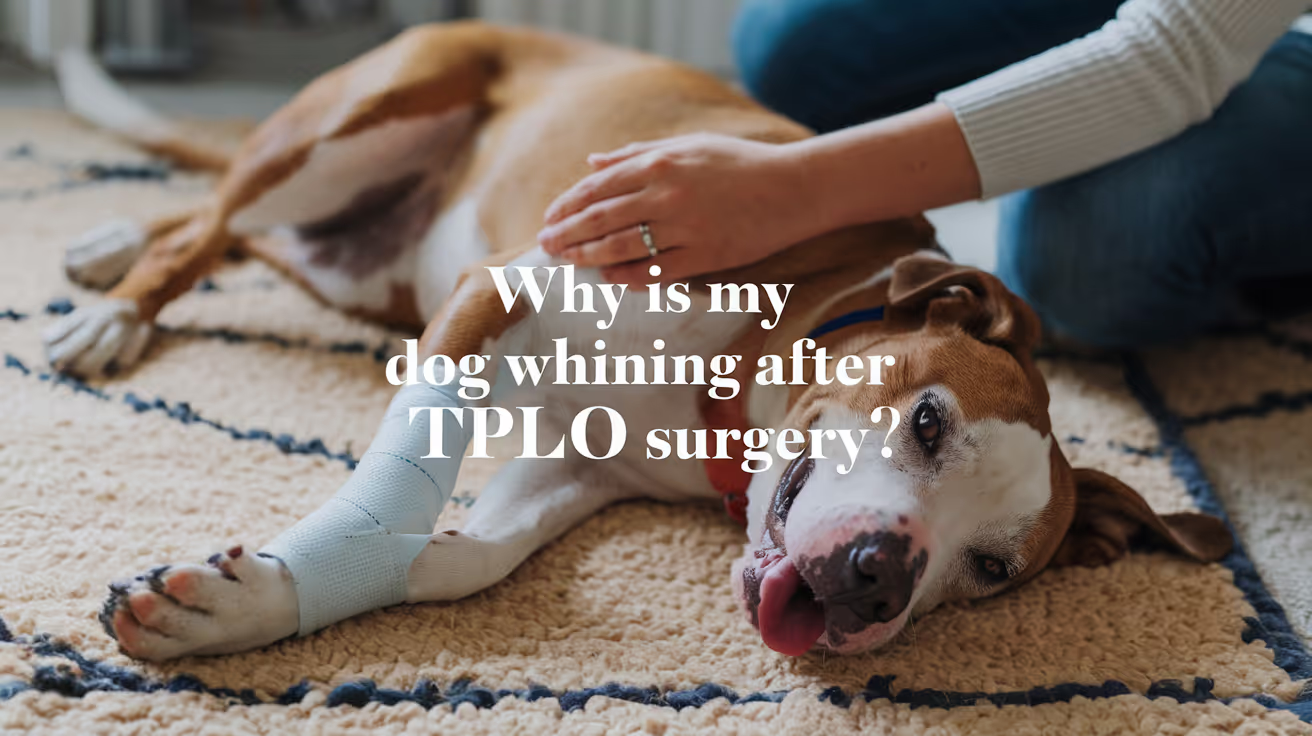
Dog Whining After TPLO Surgery: Causes and Care
Learn why your dog may whine after TPLO surgery, what it means, and how to help your pet recover comfortably and safely.
After your dog undergoes TPLO surgery, you might notice whining behavior that can worry you. Dog whining after TPLO surgery is common and can signal pain, discomfort, or anxiety during recovery. Understanding why your dog whines helps you provide better care and support during this critical healing phase.
This article explains the main reasons dogs whine after TPLO surgery, how to recognize when it is normal or concerning, and what steps you can take to ease your dog's discomfort. You will learn practical tips for managing pain, preventing complications, and promoting a smooth recovery.
Why is my dog whining after TPLO surgery?
Whining after TPLO surgery usually relates to pain or discomfort from the operation. Dogs cannot tell us how they feel, so whining is one way they express distress. It can also be a sign of anxiety or frustration due to restricted movement during recovery.
Recognizing the cause of whining helps you respond appropriately to your dog's needs and avoid unnecessary stress or complications.
- Postoperative pain: Pain from the surgical site is the most common reason for whining and usually peaks in the first few days after surgery.
- Restricted mobility: Limited ability to move or walk can cause frustration and whining as your dog adjusts to the recovery process.
- Anxiety or stress: Changes in routine, confinement, and discomfort can make your dog anxious, leading to vocalization like whining.
- Need for attention: Your dog may whine to seek comfort, reassurance, or physical contact from you during recovery.
Understanding these causes allows you to provide better comfort and care to your dog after TPLO surgery.
How can I tell if my dog’s whining is normal or a sign of a problem?
Not all whining after TPLO surgery is cause for alarm. Normal whining is usually mild and occurs during movement or when your dog is settling down. However, excessive or persistent whining may indicate complications or uncontrolled pain.
Knowing the difference helps you decide when to contact your veterinarian for advice or intervention.
- Normal whining: Occurs intermittently, especially when your dog tries to move or change position, and decreases over time.
- Signs of severe pain: Loud, continuous whining combined with limping, restlessness, or refusal to bear weight may signal uncontrolled pain.
- Signs of infection: Whining with swelling, redness, discharge, or foul odor at the surgical site requires immediate veterinary attention.
- Behavioral changes: Excessive whining with aggression, lethargy, or loss of appetite may indicate complications or distress.
Monitoring your dog closely and noting changes in whining patterns helps ensure timely care and prevents worsening conditions.
What pain management options are available after TPLO surgery?
Effective pain control is essential to reduce whining and promote healing after TPLO surgery. Your veterinarian will prescribe medications and suggest supportive measures to keep your dog comfortable.
Following the prescribed pain management plan closely improves your dog's recovery experience and reduces stress for both of you.
- Prescription painkillers: Non-steroidal anti-inflammatory drugs (NSAIDs) or opioids are commonly used to control postoperative pain safely.
- Cold therapy: Applying cold packs to the surgical area can reduce swelling and numb pain during the first 48 hours after surgery.
- Physical support: Using slings or harnesses helps your dog move without putting full weight on the operated leg, reducing pain during walking.
- Environmental comfort: Providing a quiet, soft resting area minimizes discomfort and encourages rest, which reduces whining.
Always follow your veterinarian's instructions on medication dosage and duration to avoid side effects or complications.
How should I care for my dog’s surgical site to reduce discomfort?
Proper wound care after TPLO surgery helps prevent infection and reduces pain that can cause whining. Keeping the surgical site clean and protected is vital during recovery.
Regular inspection and gentle care promote healing and comfort for your dog.
- Keep the incision dry: Avoid bathing or allowing water on the surgical site until your vet confirms it is safe to do so.
- Prevent licking or chewing: Use an Elizabethan collar or protective clothing to stop your dog from irritating the wound.
- Check for signs of infection: Look for redness, swelling, discharge, or foul smell and report concerns to your vet promptly.
- Follow dressing instructions: Change bandages as directed by your veterinarian to maintain cleanliness and support healing.
Consistent care of the surgical site reduces pain and helps your dog feel more comfortable during recovery.
What activity restrictions should I follow to help my dog heal?
Limiting your dog's activity after TPLO surgery is crucial to prevent injury and reduce pain that causes whining. Controlled movement supports proper healing and avoids complications.
Understanding and enforcing these restrictions ensures your dog recovers safely and comfortably.
- Strict confinement: Keep your dog in a small area or crate to limit running, jumping, or climbing for at least 6 to 8 weeks post-surgery.
- Leash walks only: Allow short, slow leash walks for bathroom breaks, avoiding off-leash activity or rough surfaces.
- Avoid stairs: Prevent stair climbing to reduce strain on the healing leg and minimize pain.
- Gradual reintroduction: Follow your veterinarian’s guidance to slowly increase activity as healing progresses, monitoring for any signs of discomfort.
Adhering to activity restrictions helps reduce whining caused by pain or injury during recovery.
When should I contact my veterinarian about my dog’s whining?
Knowing when to seek veterinary help is important if your dog’s whining signals a problem after TPLO surgery. Prompt attention can prevent complications and improve outcomes.
Being proactive about your dog’s symptoms ensures timely care and peace of mind.
- Persistent severe whining: If your dog whines continuously and shows signs of severe pain or distress, contact your vet immediately.
- Signs of infection: Whining accompanied by swelling, redness, discharge, or fever requires urgent veterinary evaluation.
- Changes in mobility: Sudden inability to bear weight or worsening lameness with whining should be assessed by a professional.
- Behavioral or appetite changes: Excessive whining with lethargy, aggression, or loss of appetite may indicate complications needing veterinary care.
Timely communication with your veterinarian helps ensure your dog’s recovery stays on track and reduces unnecessary suffering.
Conclusion
Dog whining after TPLO surgery is a common way your pet expresses pain, discomfort, or anxiety during recovery. Understanding the reasons behind the whining helps you provide better care and comfort to your dog.
By managing pain effectively, caring for the surgical site, restricting activity, and monitoring for complications, you can support your dog's healing and reduce distress. Always consult your veterinarian if you are concerned about your dog's whining or recovery progress.
FAQs
How long does whining usually last after TPLO surgery?
Whining typically decreases within the first two weeks as pain and discomfort lessen. Persistent or worsening whining beyond this period should be evaluated by a veterinarian.
Can I give my dog over-the-counter pain medication for TPLO recovery?
Do not give over-the-counter pain medications without veterinary approval, as some can be toxic to dogs or interfere with prescribed treatments.
Is it normal for my dog to whine at night after TPLO surgery?
Yes, dogs may whine at night due to discomfort or anxiety. Providing a comfortable, quiet space and following pain management helps reduce nighttime whining.
How can I comfort my dog when it whines after surgery?
Offer gentle petting, speak softly, and stay close to reassure your dog. Avoid excessive stimulation that may increase anxiety or pain.
When can my dog start physical therapy after TPLO surgery?
Physical therapy usually begins 1 to 2 weeks post-surgery, depending on healing progress. Follow your veterinarian’s recommendations for timing and exercises.
Dog Not Peeing After TPLO Surgery: Causes & Care
Learn why your dog may not pee after TPLO surgery and how to manage this common post-op issue safely and effectively.
It is common to notice changes in a dog's urination pattern in the first 24 to 48 hours after TPLO surgery.
Most of these changes are temporary and related to the effects of anesthesia, pain medications, and reduced mobility.
However, not urinating at all for more than 12 to 24 hours is a clinical concern that requires prompt veterinary contact.
Quick answer: Reduced urination in the first 12 to 24 hours after TPLO is usually caused by anesthesia effects, opioid medications, pain, or stress. Contact your vet immediately if your dog has not urinated within 12 hours post-surgery, or if you observe straining, vocalization, or abdominal distension.
Key takeaways
- Reduced urination in the first 12 to 24 hours is normal: anesthesia suppresses bladder awareness and opioids reduce the sensation of fullness
- Contact your vet if no urination occurs within 12 hours post-surgery: this is the critical threshold, per published veterinary guidance do not wait
- Straining, vocalizing, or abdominal swelling requires same-day veterinary evaluation: these signs suggest urinary retention requiring catheterization
- Opioid pain medications are the most common pharmacological cause: they reduce bladder filling sensation and sphincter tone in some dogs
- Surgical catheterization during the procedure may temporarily affect urination for 12 to 24 hours after catheter removal
- Increased water intake without urination is particularly concerning: it suggests the dog is producing urine but cannot eliminate it a potential retention emergency
Why dogs may not urinate normally after TPLO
Anesthesia effects
General anesthesia suppresses the entire nervous system, including the neural pathways that signal bladder fullness and initiate voiding.
As anesthetic agents clear over the first 12 to 24 hours, normal bladder signaling gradually returns.
Most dogs produce less urine during anesthesia because of reduced blood pressure and fluid redistribution.
When fluid therapy resumes and hydration normalizes after surgery, urine production increases but the dog must also have recovered enough neurological function to void normally.
Opioid pain medications
Opioid analgesics (hydromorphone, morphine, buprenorphine) prescribed after TPLO affect urination in two main ways.
They reduce the perception of bladder fullness, so the dog does not signal readiness to urinate as promptly as usual.
In some dogs they also increase urethral sphincter tone, making voiding more difficult.
JustAnswer veterinary consultation confirms: opioids can cause urinary retention by relaxing or altering bladder muscles, making it hard for the dog to pee.
This effect is temporary and typically resolves as opioid dosing decreases over the first 48 to 72 hours.
Pain and reluctance to posture
Urination requires the dog to posture squatting or lifting a leg both of which require hindlimb use and core stability that are painful in the first days after TPLO.
A dog that finds posturing too painful may suppress the urge to urinate or produce only small amounts.
Providing a non-slip surface, a low slung outdoor space (not steps or slopes), and supporting the dog with a belly sling during outdoor trips reduces posturing pain and encourages normal urination.
Surgical catheterization
A urinary catheter is often placed during TPLO surgery to drain the bladder, keep the surgical field dry, and prevent accidents during the procedure.
After catheter removal, some dogs take 12 to 24 hours to resume normal voiding patterns as the urethra recovers from catheter placement and the bladder regains normal tone.
Stress and unfamiliar environment
Dogs in pain, in an unfamiliar post-surgical environment, and wearing an E-collar may suppress urination due to stress.
Stress-related urinary suppression is temporary and usually resolves as the dog settles into the home recovery environment.
Normal urination expectations after TPLO
Most dogs urinate at least once within 6 to 12 hours of returning home from surgery. By 24 hours, most dogs have urinated multiple times.
The SustainableVet.org dog-not-peeing guide confirms: if your dog does not pee within 24 hours post-surgery, contact your veterinarian immediately to rule out complications.
The published veterinary guidance for emergency contact is: no urination within 12 hours post-surgery contact your vet.
Signs that require immediate veterinary contact
Contact your veterinarian same-day or go to an emergency clinic if you observe:
No urination at all for 12 or more hours after surgery: this is the key threshold do not wait to see if it resolves
Straining or crying during urination attempts: the dog is trying to urinate but cannot produce a stream classic urinary retention sign
Abdominal distension: the belly feels full or tense; this suggests a distended bladder (urinary retention emergency)
Drinking water but producing no urine: urine is being produced but cannot be eliminated urgent
Vomiting or lethargy alongside no urination: systemic signs accompanying urinary retention indicate a more serious emergency
Urinary retention: what happens and how it is treated
Urinary retention means the bladder cannot empty. The bladder fills progressively and becomes painful, distended, and eventually at risk of rupture if unrelieved. Prolonged retention also causes back-pressure on the kidneys.
Treatment depends on the cause:
- Catheterization: gentle placement of a urinary catheter to drain the bladder provides immediate relief and allows the bladder to recover normal tone
- Pain management adjustment: if opioid-induced retention is suspected, the analgesic protocol may be modified
- Bethanechol: a parasympathomimetic drug that stimulates bladder contraction; sometimes used in dogs with neurogenic urinary retention
- Urinalysis and culture: if infection is suspected alongside retention
Home care to encourage urination
- Scheduled outdoor trips every 2 to 4 hours for the first 24 to 48 hours
- Non-slip surface outdoors pain and weakness increase slipping risk
- Gentle belly-sling support to reduce posturing pain (fold a large towel under the belly and lift slightly)
- Quiet, calm outdoor environment stressed dogs suppress urination
- Adequate pain control contact your vet if your dog is vocalizing or reluctant to move; these are signs pain medication is insufficient
- Monitor and record each urination: time, approximate volume, any straining or discomfort
For the related incontinence guide (opposite problem), see dog incontinence after TPLO surgery: causes and care. For the post-surgical pain guide, see dog whining after TPLO surgery: causes and care.
For the full recovery guide, see what to expect after TPLO surgery in dogs. For the monitoring guide during early recovery, see post-operative care mistakes increasing TPLO infection risk.
Frequently asked questions
How long after TPLO surgery should my dog urinate?
Most dogs urinate within 6 to 12 hours of returning home from surgery. Contact your veterinarian if no urination has occurred within 12 hours.
Do not wait for the 24-hour mark if the dog is straining, vocalizing, or appears uncomfortable.
My dog is drinking water but not peeing at all. Is this an emergency?
Yes. A dog that is drinking and producing urine but cannot eliminate it (retention) needs same-day veterinary evaluation. A distended bladder is painful and can rupture.
Do not manage this at home contact your vet immediately.
Can opioid pain medications cause urinary retention?
Yes. Opioids are a recognized cause of urinary retention in both humans and dogs.
If your dog was urinating normally before surgery and stops after receiving opioid medications, this is likely a contributing factor.
Contact your vet the analgesic protocol may be modified without eliminating pain management.
What does a catheter placement during surgery do to urination afterward?
Urinary catheters are placed during TPLO to drain the bladder and keep the surgical field dry.
After catheter removal, some dogs take 12 to 24 hours to resume normal voiding as the urethra recovers.
This is expected and not a cause for alarm, as long as the dog urinates within the normal timeframe.
Is it safe to give my dog extra water if they're not peeing?
Normal hydration is essential and should be maintained. Do not restrict water.
However, if the dog is drinking normally and still not producing urine, this increases the urgency of veterinary contact rather than reducing it.
Resources
- VCA Animal Hospitals. Tibial Plateau Leveling Osteotomy (TPLO) in Dogs. vcahospitals.com
- TPLO Info. Recovery FAQs. tploinfo.com
- PetMD. Urinary Retention in Dogs. petmd.com
- Midwest Veterinary Specialists. Post-Operative Care Following TPLO. midwestveterinaryspecialists.com
Patellar Tendonitis After TPLO Surgery in Dogs
Learn about patellar tendonitis after TPLO surgery in dogs, including causes, symptoms, treatment, and recovery tips for pet owners.
Patellar tendonitis more precisely called patellar desmopathy or patellar ligament desmitis in veterinary literature is a recognized complication of TPLO surgery. It is also one of the most under-discussed.
Research published in PMC shows radiographic evidence of patellar ligament thickening in 93% of dogs at 4 weeks after TPLO, though most cases are asymptomatic.
Understanding what this condition is, when it becomes a clinical problem, and how it is treated helps owners navigate one of the more commonly missed post-TPLO findings.
Quick answer: Patellar desmitis after TPLO is inflammation and thickening of the patellar ligament. Radiographic thickening occurs in 93% of TPLO dogs at 4 weeks but is usually asymptomatic. Clinically significant cases cause pain and increased lameness. Most are self-limiting; shock wave therapy accelerates resolution.
Key takeaways
- Radiographic patellar ligament thickening occurs in 93% of TPLO dogs at 4 weeks: most are asymptomatic and self-limiting
- Clinically significant patellar desmitis causes pain, swelling, and increased lameness beyond expected post-op discomfort
- TPLO changes stifle biomechanics and increases patellar tendon load: this explains why desmitis occurs more after TPLO
- Shock wave therapy (SWT) significantly reduced patellar ligament thickness at weeks 6 and 8 in a 2012 clinical trial
- Most cases are self-limiting: rest and NSAIDs resolve the majority of clinically significant cases within weeks to months
- Excessive post-operative activity is a modifiable risk factor: strict restriction in the first 8 weeks reduces desmitis risk
What is patellar desmitis after TPLO?
The patellar ligament runs from the kneecap (patella) to the tibial tuberosity — the bony bump just below the knee on the front of the tibia.
It is a critical structure for leg extension and stifle stability.
After TPLO surgery, the biomechanics of the stifle change fundamentally. The tibial plateau is rotated and held at a new angle.
This changes how forces are distributed around the knee, including the forces that pass through the patellar ligament.
The patellar ligament experiences altered tension and loading patterns after TPLO that it did not experience before surgery.
PMC research (2025 retrospective study) confirms desmopathy typically develops within 2.5 months after surgery, affecting the distal portion, and that TPLO causes more ligament thickening than other CCL repair methods.
A separate PMC study using elastosonography confirmed that patellar tendon tendinopathy can be easily detected clinically but that the exact damage evaluation is challenging without ultrasound or advanced imaging.
Why does TPLO cause patellar tendonitis?
Several mechanisms contribute:
Altered stifle biomechanics: TPLO changes the angle of the tibial plateau and the position of the tibial tuberosity relative to the femur. This alters patellar tendon geometry and tension during weight-bearing.
Surgical trauma: retraction and manipulation of soft tissues around the tibial tuberosity during the procedure causes local inflammatory changes that can involve the patellar tendon.
Intraoperative tension increase: rotating the proximal tibial segment may change the tension in the patellar tendon directly, especially during the initial healing phase.
Excessive postoperative exercise: Clinicians Brief's treatment review notes that excessive postoperative exercise is a commonly proposed contributing factor. Dogs allowed too much activity too early are more likely to develop clinically significant desmitis.
How common is patellar desmitis after TPLO?
Radiographic evidence of patellar ligament thickening at 4 weeks post-TPLO is reported in 93% of dogs in clinical studies.
The vast majority of these dogs have no clinical signs the radiographic finding does not translate into a symptomatic problem for most patients.
Clinically significant desmitis where the dog shows pain and lameness attributable to the patellar ligament specifically is less common but well-recognized by veterinary orthopedic surgeons.
Laguna Hills Animal Hospital notes that patellar tendinosis is relatively benign in most cases and improves with rest and medication.
Signs of clinically significant patellar desmitis
Unlike the asymptomatic radiographic finding, clinical patellar desmitis produces:
- Pain on direct palpation of the patellar ligament (between the kneecap and tibial tuberosity)
- Swelling or thickening directly over the ligament
- Lameness that is worse than expected for the dog's recovery stage
- Reluctance to fully extend the stifle during walking or exercise
- Stiffness after rest that improves briefly with movement
These signs typically appear in the first 6 to 10 weeks after TPLO.
Diagnosis
A veterinarian diagnoses patellar desmitis through:
Physical examination: palpation of the patellar ligament for thickening, pain response, and heat. A dog with significant desmitis will react to direct pressure on the ligament.
Radiographs: thickening of the soft tissue shadow over the patellar ligament on a lateral stifle projection. This is often identified at the routine 4 to 6 week post-TPLO radiographic recheck.
Ultrasound: provides direct visualization of the ligament, showing thickening, fiber disruption, and periligamentous edema. Ultrasound is more sensitive than radiographs and is the preferred modality for detailed assessment.
Treatment
Rest and activity restriction
The foundation of treatment for most cases. Reducing the mechanical load on the patellar ligament allows the inflammatory process to resolve.
Strict activity restriction should already be in place for post-TPLO recovery patellar desmitis is a reason to enforce it rigorously.
NSAIDs
Anti-inflammatory medication reduces pain and local inflammation. Meloxicam or carprofen at appropriate veterinary doses is the standard pharmaceutical approach for most dogs with symptomatic desmitis.
Shock wave therapy (SWT)
Clinicians Brief reviewed a trial of 30 large-breed TPLO dogs: SWT at weeks 4 and 6 significantly reduced patellar ligament thickness on radiographs at weeks 6 and 8 vs. controls.
SWT should be considered for dogs with clinically significant patellar desmitis.
Laser therapy
Low-level laser therapy (photobiomodulation) may reduce local inflammation and support tissue healing, though evidence specific to patellar desmitis after TPLO is limited compared to the SWT evidence base.
For the complete TPLO complications reference, see 15 common complications after TPLO surgery in dogs. For the incision infection guide, see TPLO incision infection symptoms and prevention.
For the general lameness guide that helps distinguish desmitis from other causes of post-TPLO lameness, see lameness after TPLO surgery in dogs.
For the TPLO failure rate context, see TPLO failure rate in dogs explained.
Frequently asked questions
Is patellar tendonitis after TPLO serious?
In most dogs, no. The radiographic finding is near-universal but typically asymptomatic and self-limiting.
Clinically significant desmitis causes pain and increased lameness but usually resolves with rest, NSAIDs, and sometimes shock wave therapy. It rarely causes permanent dysfunction.
How do I know if my dog has patellar tendonitis vs. normal post-TPLO soreness?
The key distinguishing feature is pain specifically on palpation of the patellar ligament the structure running from the kneecap to the bump just below the knee.
Normal post-TPLO soreness is diffuse and improves steadily. Patellar desmitis produces focal pain at this location, often with visible swelling over the ligament.
Can patellar desmitis be prevented?
Strict activity restriction in the first 8 weeks post-TPLO is the most effective preventive measure, since excessive early activity is a recognized contributing factor.
It cannot always be prevented altered biomechanics from the surgery itself play a role regardless of activity level but minimizing mechanical load during the healing phase reduces severity.
Does patellar tendonitis require a second surgery?
Almost never. The vast majority of cases resolve with conservative management. Shock wave therapy is effective in cases that need more active treatment.
Surgical intervention for patellar desmitis after TPLO is extremely rare.
Will this affect my dog's long-term outcome after TPLO?
For most dogs, no. Clinically significant patellar desmitis is typically a temporary complication that resolves during the recovery period.
Long-term stifle function in dogs that develop and recover from patellar desmitis is generally comparable to dogs that do not develop the condition.
Resources
- PMC. Retrospective Study on Patellar Desmopathy Following Surgical Resolution of CCL Rupture in 28 Dogs. ncbi.nlm.nih.gov
- PMC. Radiographic, Ultrasonographic and Shear Elastosonographic Changes in Patellar Ligament in Dogs Undergoing TPLO. ncbi.nlm.nih.gov
- Clinicians Brief. Treating Patellar Ligament Desmitis. cliniciansbrief.com
- Laguna Hills Animal Hospital. TPLO Surgery Complications. lhah.com
- ACVS. Cranial Cruciate Ligament Disease. acvs.org
TPLO Incision Infection? Symptoms & Prevention
Worried about a TPLO incision infection? Learn the symptoms, causes, and best prevention tips to keep your dog’s recovery smooth and infection-free
TPLO incision infection is one of the most common complications after surgery. Most incision infections are preventable with consistent owner-managed wound care, and most are treatable when caught early.
The window between a superficial incision infection (treatable with antibiotics) and a deep implant infection (requiring surgical intervention) is measured in days -- which is why daily inspection is not optional.
Quick answer: Normal TPLO incision healing shows mild redness fading from day 5, no discharge after day 3, and a clean approximated incision line. Infection signs: spreading redness, increasing warmth, cloudy or malodorous discharge, swelling not resolving, wound edges separating, or lameness worsening. Prevention centers on e-collar compliance, dryness, and daily inspection.
Key takeaways
- Licking is the most common preventable cause of TPLO incision infection: the oral cavity carries S. pseudintermedius that can inoculate the incision; e-collar compliance for 10 to 14 days is the most protective owner action
- The distinction between normal healing and early infection is trajectory-based: mild redness and clear serum discharge are normal for 2 to 3 days; anything worsening from day 5 onward warrants veterinary attention
- Infection signs requiring a same-day call: spreading redness, yellow or green discharge, malodorous discharge, wound dehiscence, or systemic signs alongside local wound changes
- Keeping the incision dry is the second most important prevention measure: bacteria proliferate in moist environments; no bathing or wet-grass walks until incision healing is confirmed by the vet
- Daily inspection at the same time each day creates a baseline: daily comparison of today to yesterday reveals whether the incision is improving or worsening
- Most superficial incision infections resolve with oral antibiotics if treated promptly: treatment escalates significantly if deep implant involvement occurs; early action prevents this escalation
Normal TPLO incision healing: what to expect
Understanding normal healing is the prerequisite for recognizing abnormal changes.
Days 1 to 3: acute inflammatory phase
Normal: the incision is red, mildly swollen, and warm. A small amount of clear to pale yellow serum may seep from the wound edges. The swelling may extend slightly beyond the incision line.
Context: this is the inflammatory phase -- the biological response to surgical trauma. It is expected and appropriate.
Days 3 to 5: peak swelling subsides
Normal: redness should be fading. Swelling should begin to reduce. Any discharge should have stopped by day 3. The incision line should be approximated (edges together and not gaping).
Days 5 to 10: healing consolidation
Normal: redness is minimal or absent. No discharge. The incision line is dry and the skin edges are growing together. The dog may experience some surface itching as new skin forms.
Suture/staple removal: typically at 10 to 14 days. The vet confirms incision healing before removal.
Day 14 onward
Normal: incision is healed, sutures removed, skin intact. Mild surface discoloration (pink to pale) is normal for several weeks. No further discharge.
Signs of TPLO incision infection
Spreading redness (most concerning early sign)
Normal healing produces redness confined to the incision line (typically 1 to 2 mm on each side).
Infection produces redness that spreads outward from the incision -- a widening halo of red skin extending beyond the original margins.
SustainableVet.org confirms: redness that worsens, especially with pain or heat, often accompanies infection. Contact your vet the same day if spreading redness is observed.
Warmth that is increasing rather than decreasing
Mild warmth is normal in the first 3 to 5 days.
Warmth that is increasing at day 7 or beyond -- when normal healing produces cooling -- indicates ongoing active inflammation, typically from infection.
Discharge type and timing
- Clear serum for 24 to 48 hours: normal
- Any discharge after day 3: concerning
- Cloudy, yellow, or green discharge at any stage: infection until proven otherwise
- Malodorous discharge: infection; contact vet immediately
SustainableVet.org confirms: inspect the incision daily for redness, swelling, or discharge; yellow or green discharge is not normal and needs immediate attention.
Wound dehiscence
The incision edges separate, exposing subcutaneous tissue or deeper structures. Most often caused by licking, but can occur from excessive activity, suture reaction, or infection undermining the tissue.
SustainableVet.org (complications article) confirms: if stitches are removed too soon or dehiscence occurs, a vet should assess the wound immediately.
Swelling that is not resolving
Expected swelling peaks at days 2 to 5 and consistently resolves after that.
Swelling that is the same or larger at day 7 as it was at day 3 is not following the expected trajectory.
Systemic signs alongside local changes
Fever (rectal temperature above 39.5 C / 103.1 F), lethargy, reduced appetite, or behavioral changes accompanied by any local wound sign constitute an emergency call. These suggest the infection is systemic.
SustainableVet.org (redness article) confirms: systemic signs including fever, lethargy, or loss of appetite along with redness indicate the infection may be spreading; contact your vet immediately.
Prevention: the actions that matter most
1. E-collar compliance without exception
The e-collar prevents the single most common preventable cause of TPLO incision infection: licking. Even one licking episode directly inoculates the wound with oral bacteria.
SustainableVet.org confirms: even brief periods of licking can introduce bacteria; an Elizabethan collar or medical pet shirt should be used at all times until the incision fully heals.
The e-collar must be worn:
- During sleep
- Unsupervised periods in the crate
- Whenever the dog is not under direct eye contact with the owner
If the dog can reach the incision with the collar on, the collar is the wrong size -- contact the vet for a larger size.
2. Keep the incision dry
Moisture promotes bacterial growth and skin maceration at the incision edges. No bathing or submerging the leg until the vet confirms healing at the 2-week recheck.
During wet weather, minimize wet-grass time on outdoor bathroom trips. Pat the leg dry immediately if it gets wet.
SustainableVet.org confirms: keep the incision clean and dry; avoiding moisture reduces infection risks.
3. Daily incision inspection
Inspect the incision at a consistent time each day. Compare today directly to yesterday. The trajectory (better, same, worse) is more diagnostically useful than any single observation.
Inspection takes 30 seconds. Pick a time (e.g., after the evening bathroom walk) and make it routine.
4. Do not clean with unapproved solutions
Unless instructed by your vet, do not apply hydrogen peroxide, alcohol, iodine, or other antiseptics to the incision. These can damage healing tissue and delay closure.
If cleaning is needed, use the vet-approved solution (typically dilute chlorhexidine or sterile saline).
5. Clean bedding weekly
Bedding in contact with the incision area accumulates skin bacteria. Wash crate bedding weekly in hot water.
6. Hand hygiene before touching the wound
Wash hands before any wound inspection or dressing change. Human skin also carries bacteria capable of contaminating an open or healing incision.
Treatment
Superficial infection (SSI-S): oral culture-directed antibiotics for 2 to 4 weeks; wound cleaning; continued e-collar compliance; wound recheck in 3 to 5 days to confirm response.
Progressing or deep infection: surgical debridement; deep culture; IV or long-course oral antibiotics; imaging to assess implant involvement.
Implant-associated infection: see the dedicated TPLO plate infection guide. Treatment typically includes plate removal once the osteotomy has healed.
For the infection signs guide, see earliest signs of TPLO infection. For the prevention mistakes guide, see post-operative care mistakes that increase TPLO infection risk.
For the staph infection guide, see staph infection after TPLO surgery. For the plate infection guide, see TPLO plate infection signs and treatment.
Frequently asked questions
My dog's incision looks red but the vet said it looks normal at the 2-week recheck. Should I still be worried?
If the vet examined the incision in person at 2 weeks and found it normal, trust that assessment. Post-recheck monitoring continues -- if the incision changes after the recheck, contact the vet.
A single normal exam does not guarantee no infection will develop later.
Can I tell the difference between a seroma and an infection at the incision?
Seromas are soft, fluctuant (fluid-filled), non-painful swellings without redness, warmth, or discharge. Infection produces warmth, redness, possible discharge, and pain. If you cannot clearly distinguish the two, contact your vet for assessment.
The incision looked fine yesterday but today there is yellow discharge. What do I do?
Call your vet the same day. Yellow discharge at any point after the first 2 to 3 days is concerning. Do not wait to see if it resolves.
Keep the e-collar on and do not apply any home remedies to the wound before the vet advises.
My dog keeps trying to lick the incision even with the e-collar. What else can I try?
Ensure the collar is the correct size -- most dogs can reach their hind legs with a too-small collar.
A longer cone, a recovery suit (medical pet shirt), or a contact bandage over the incision site (applied by your vet) can supplement the collar.
Ask your vet about trazodone or gabapentin if anxiety is driving the licking behavior.
Does the incision need to be cleaned every day?
In most cases, no. Daily cleaning is not required and may introduce contamination or irritate healing tissue. Daily inspection is required.
Clean only if the vet specifically instructs it and with the approved solution only.
Resources
- SustainableVet. TPLO Incision Infection: Symptoms and Prevention. sustainablevet.org
- SustainableVet. Earliest Signs of TPLO Infection. sustainablevet.org
- SustainableVet. TPLO Plate Infection Signs and Treatment. sustainablevet.org
- VCA Animal Hospitals. Tibial Plateau Leveling Osteotomy (TPLO) in Dogs. vcahospitals.com

Post-Surgery Recovery After TPLO in Dogs
Guide to post-TPLO surgery recovery for dogs, focusing on aftercare, exercise, and managing swelling to help your pet heal successfully
TPLO recovery is a structured, staged process. The surgery corrects the mechanical cause of CCL instability, but the bone, soft tissue, and muscle need weeks to months to rebuild around that correction.
Understanding what is required at each stage -- and what signs require prompt veterinary contact -- is as important as the surgery itself.
Quick answer: Post-TPLO recovery requires 8 to 12 weeks of structured activity restriction for bone healing, followed by progressive rehabilitation. Key milestones: 2-week incision recheck; 6-week radiographic assessment; 12-week final radiograph and activity clearance. Warning signs requiring same-day contact: sudden non-weight bearing, spreading redness or discharge, fever, or worsening lameness.
Key takeaways
- The first 2 weeks are the most critical: the osteotomy has no mechanical strength; jumping, running, or slipping can displace the plate; crate rest with bathroom leash walks only is non-negotiable
- Most dogs begin toe-touching within 24 to 48 hours of surgery: early weight bearing maintains muscle mass and stimulates bone healing; it does not indicate readiness for more activity
- Cold therapy for the first 3 to 5 days significantly reduces swelling and pain: 10 to 15 minutes of wrapped ice pack applied 3 to 4 times daily is the most effective owner-administered early intervention
- The 6-week radiograph is the gate for activity increase: bone healing cannot be confirmed clinically; radiographic assessment is the only reliable confirmation of osteotomy progression
- Full muscle recovery takes 4 to 6 months: bone healing at 12 weeks and full functional recovery are different endpoints
- Reducing food intake by approximately 30% during recovery prevents weight gain that stresses the healing osteotomy; activity restriction rapidly leads to weight gain without dietary adjustment
Immediate post-operative period: the first 24 to 48 hours
Coming home
Most dogs are discharged 24 to 48 hours after TPLO, though same-day discharge protocols exist at some facilities.
The dog will be sedated, disoriented from anesthesia, and may have bandaging on the surgical leg. Expect:
- Grogginess and disorientation for 12 to 24 hours from anesthesia
- Some whining or restlessness (often anesthesia effect, not pain)
- Refusal to bear weight or toe-touching only
- Mild to moderate swelling around the incision, peaking at days 2 to 5
Setting up the recovery space
Before the dog arrives home, have in place:
- A correctly sized crate in the main living area
- Non-slip mats or yoga mats over all hard flooring
- Soft, washable bedding in the crate
- Water and food at floor level
- Baby gates blocking stairs
- Medications filled and ready
Medications: first day priorities
Give prescribed medications on the schedule provided at discharge. NSAIDs (meloxicam, carprofen) require food. Gabapentin causes sedation -- this is expected and helps with pain and anxiety in the first days.
Never skip doses or give extra without veterinary guidance.
Week-by-week recovery overview
Weeks 1 to 2: incision healing phase
Activity: crate rest except for bathroom leash walks. Maximum 5-minute walks, 3 to 5 times daily. No stairs, no furniture, no running, no off-leash time.
E-collar: must be worn at all times except supervised eating. One licking episode can introduce S. pseudintermedius from the oral cavity directly into the incision.
Cold therapy: wrap an ice pack in a thin cloth; apply to the incision for 10 to 15 minutes; 3 to 4 times daily; begin day 1 and continue through days 3 to 5.
Incision inspection: check the incision daily at a consistent time. Normal healing: redness fading from day 5, no discharge after day 3, clean approximated wound edges. Concerning: spreading redness, cloudy or malodorous discharge, wound dehiscence.
Weight management: Medcovet recommends reducing food intake by approximately 30% during the restriction period to prevent weight gain from inactivity.
2-week recheck: incision assessment, suture or staple removal if healing is confirmed, pain management review, early mobility assessment.
Weeks 3 to 6: progressive walking phase
Activity: leash walk duration increases -- by up to 5 minutes per week from the week 2 baseline. No off-leash, no running, no stairs without guidance.
Passive range-of-motion exercises: if the vet has approved, begin gentle flexion and extension of the stifle. 5 to 10 repetitions, 2 to 3 times daily. Prevents stiffness during the bone healing period.
Weight bearing: most dogs should be consistently bearing weight on the operated leg by weeks 3 to 4. Three-legged walking during activity is still common but should be decreasing.
Diet: maintain the reduced caloric intake until the vet clears increased activity.
Weeks 6 to 8: radiographic checkpoint
6-week radiograph: the single most important post-operative checkpoint. Images confirm whether the osteotomy is healing as expected. If healing is progressing, activity is increased. If healing is delayed, restrictions continue and the underlying cause is investigated.
After radiographic confirmation:
- Leash walks increase to 15 to 20 minutes
- Physiotherapy begins
- Controlled hill walking and balance work may begin
SustainableVet.org confirms: after the initial weeks of rest, swelling should decrease; gradual increase in leash walking should follow; physical therapy options include hydrotherapy, balance training, laser therapy, and massage.
Weeks 8 to 12: consolidation
10 to 12 week radiograph: confirms bone union. After radiographic confirmation of healing, activity restrictions are progressively lifted.
Return to activity: activity is reintroduced progressively over the following 4 to 6 weeks. No sudden full return to prior activity level.
Managing common post-operative issues
Swelling
Expected: peaks at days 2 to 5, resolves by 2 weeks. Ankle swelling from gravity-dependent fluid migration is normal at days 3 to 5.
Concerning: swelling that is not reducing after day 5, or that reappears after initial resolution.
Management: cold therapy in the first 3 to 5 days; elevation where possible; contact vet if swelling is not following the expected trajectory.
Pain and restlessness
Normal pain is controlled by the prescribed medication regimen and should consistently decrease over the first 2 weeks.
Uncontrolled pain (unable to settle, continuous crying, refusing all weight bearing beyond day 3) requires a vet call -- medication adjustment or a complication evaluation is needed.
Incision care
Do not clean the incision daily unless specifically instructed by your vet. Daily inspection is required; daily cleaning is not. If cleaning is needed, use only the vet-approved solution.
Constipation
Opioid pain medications commonly cause constipation in the first days. Discuss this with your vet at discharge -- they may recommend a stool softener if constipation becomes a concern.
Warning signs that require same-day veterinary contact
- Sudden complete non-weight bearing after a period of partial bearing
- Spreading redness beyond the incision margins
- Cloudy, yellow, green, or malodorous discharge from the incision
- Wound edges separating
- Fever (rectal temperature above 39.5 C / 103.1 F)
- Lameness worsening after a period of improvement (trajectory reversal)
- New swelling at the plate site (not the incision) after the second week
- Any systemic sign (lethargy, inappetence, fever) accompanying local wound changes
For the full recovery timeline overview, see what to expect after TPLO surgery in dogs. For confinement setup, see how to confine your dog after TPLO surgery.
For infection prevention, see TPLO incision infection: symptoms and prevention. For physical therapy timing, see when to start physical therapy after TPLO surgery.
Frequently asked questions
My dog is not using the leg at all 5 days after surgery. Is this normal?
Some dogs refuse to bear weight for the full first 2 weeks -- this is within the normal range.
If the dog was bearing some weight at days 2 to 3 and has now stopped completely, or shows signs of severe pain, contact your vet to rule out a complication.
Persistent non-weight bearing beyond 2 weeks warrants assessment.
When can my dog go back to sleeping in our bed?
Not during the restriction period. Jumping off the bed -- even once -- generates the same plate-failure risk as running.
The dog must sleep in the crate or on a floor-level dog bed for the full restriction period.
My dog is constantly trying to lick the incision. What can I do?
Ensure the e-collar is the correct size -- most dogs can reach their hind legs with a collar that is too small.
Try a longer cone or a recovery suit (medical pet shirt) as a supplement. Ask your vet about trazodone or gabapentin for anxiety driving the licking behavior.
Do not remove the e-collar to give the dog a break unless you are directly supervising and can prevent licking.
Can I give my dog human joint supplements during recovery?
Some human supplements (fish oil at appropriate doses) are safe. Others contain xylitol or other ingredients toxic to dogs. Never give a human supplement without explicit vet approval.
Veterinary-formulated joint supplements are the safer choice.
How do I know when recovery is complete?
Recovery is complete when: (a) the 12-week radiograph confirms bone union, (b) the vet clears full activity, and (c) the operated leg has regained near-symmetrical muscle mass (4 to 6 months).
Bone healing at 12 weeks is the legal clearance; full muscle recovery is the functional completion of recovery.
Resources
- SustainableVet. Post-Surgery Recovery After TPLO in Dogs. sustainablevet.org
- Medcovet. Essential Guide to Dog Recovery TPLO Surgery. medcovet.com
- TPLO Info. What to Expect After Your Dog's TPLO Surgery. tploinfo.com
- VCA Animal Hospitals. TPLO. vcahospitals.com
TPLO Recovery Exercises for Dogs
Learn effective TPLO recovery exercises for dogs to ensure safe healing and regain mobility after surgery.
TPLO recovery exercises for dogs are essential to help your pet regain strength and mobility after surgery. Tibial Plateau Leveling Osteotomy (TPLO) is a common procedure to repair cruciate ligament injuries, but proper rehabilitation is key to success.
This article explains the best exercises for dogs recovering from TPLO surgery. You will learn safe ways to support your dog's healing, improve joint function, and avoid complications during recovery.
What is TPLO surgery and why is recovery important?
TPLO surgery stabilizes a dog's knee joint after a torn cranial cruciate ligament. The procedure changes the angle of the tibia to reduce stress on the ligament. Recovery is critical because the joint needs time to heal and regain normal function.
Without proper recovery exercises, dogs may develop stiffness, muscle loss, or abnormal gait. Controlled rehabilitation helps restore strength and prevents long-term problems.
- TPLO purpose: TPLO surgery corrects knee instability caused by ligament tears, allowing dogs to walk and run without pain.
- Healing time: Bone healing after TPLO usually takes 8 to 12 weeks, during which exercises must be carefully managed.
- Muscle maintenance: Recovery exercises prevent muscle wasting and improve joint support for better mobility.
- Preventing stiffness: Gentle movement reduces joint stiffness and promotes healthy cartilage and ligament healing.
Following a structured exercise plan after TPLO surgery is essential for your dog's full recovery and long-term joint health.
When can I start TPLO recovery exercises for my dog?
Starting recovery exercises depends on your veterinarian's advice and your dog's healing progress. Typically, gentle exercises begin within a few days after surgery, progressing gradually over weeks.
Early movement helps reduce swelling and maintain circulation, but high-impact activities must be avoided until the bone fully heals.
- Initial rest period: Dogs usually require strict rest for the first 1 to 2 weeks to allow initial bone healing.
- Vet approval: Always consult your vet before starting any exercise to ensure it is safe for your dog's stage of recovery.
- Gradual progression: Exercises increase in intensity and duration over 8 to 12 weeks based on healing and pain levels.
- Signs to watch: Stop exercises if your dog shows limping, swelling, or pain, and contact your vet immediately.
Following a vet-approved timeline for exercises ensures your dog recovers safely and avoids setbacks.
What are the best passive TPLO recovery exercises for dogs?
Passive exercises involve moving your dog's leg without active muscle use. These help maintain joint flexibility and reduce stiffness early in recovery.
They are safe to perform soon after surgery and do not stress the healing bone or ligament.
- Range of motion: Gently bend and straighten the knee joint within a pain-free range to keep it flexible.
- Massage therapy: Light massage around the surgical site improves circulation and reduces swelling.
- Cold therapy: Applying cold packs after passive exercises reduces inflammation and discomfort.
- Leg lifts: Carefully lift and lower the leg to encourage gentle movement without weight bearing.
These passive exercises prepare your dog for more active rehabilitation phases while protecting the surgical repair.
Which active exercises help dogs regain strength after TPLO?
Active exercises require your dog to use muscles and support weight on the operated leg. These are introduced gradually to rebuild strength and coordination.
They improve muscle tone, joint stability, and overall limb function as healing progresses.
- Leash walking: Short, controlled walks on a leash encourage weight bearing and muscle use without overexertion.
- Sit-to-stand: Encouraging your dog to sit and stand repeatedly strengthens thigh muscles supporting the knee.
- Balance exercises: Using a wobble board or soft surface challenges your dog's balance and joint control.
- Controlled stairs: Slowly climbing and descending stairs helps improve joint range and muscle power.
Active exercises should be supervised and adjusted based on your dog's comfort and recovery stage.
How can hydrotherapy support TPLO recovery in dogs?
Hydrotherapy uses water to provide low-impact exercise that supports healing after TPLO surgery. The buoyancy reduces joint stress while allowing muscle strengthening.
This therapy is often recommended by vets and rehabilitation specialists to speed recovery and improve outcomes.
- Water treadmill: Walking on a submerged treadmill helps build strength with less pain and swelling.
- Swimming sessions: Swimming provides full-body exercise without weight bearing on the knee joint.
- Hydro massage: Water jets can massage muscles and reduce stiffness around the surgical area.
- Temperature control: Warm water improves circulation and relaxes muscles during therapy.
Hydrotherapy is a safe and effective way to enhance recovery when combined with other rehabilitation exercises.
What precautions should I take during TPLO recovery exercises?
Safety is critical when performing recovery exercises after TPLO surgery. Incorrect or excessive activity can cause pain, swelling, or damage to the surgical repair.
Following guidelines and monitoring your dog closely helps prevent complications and ensures steady progress.
- Follow vet instructions: Always adhere to your veterinarian's exercise plan and timelines for safe recovery.
- Monitor pain signs: Watch for limping, whining, or reluctance to move, which indicate discomfort or injury.
- Limit off-leash activity: Avoid running, jumping, or rough play until fully healed to protect the knee joint.
- Use supportive devices: Consider braces or slings if recommended to assist mobility and reduce strain.
Taking these precautions helps your dog heal efficiently and return to normal activity safely.
How long does full TPLO recovery take with exercises?
Full recovery from TPLO surgery usually takes 3 to 6 months with proper rehabilitation exercises. The timeline varies depending on the dog's age, size, and overall health.
Consistent exercise and veterinary follow-up are essential to achieve the best outcome and prevent future injuries.
- Bone healing: The bone typically heals within 8 to 12 weeks, allowing gradual increase in exercise intensity.
- Muscle rebuilding: Muscle strength improves over several months with regular active exercises.
- Joint function: Full joint mobility and stability may take up to 6 months to restore completely.
- Long-term care: Maintaining a healthy weight and regular low-impact exercise helps prevent re-injury after recovery.
Patience and commitment to the exercise plan are key to your dog's successful TPLO recovery and long-term mobility.
Conclusion
TPLO recovery exercises for dogs are vital to help your pet heal safely and regain full function after surgery. Starting with passive movements and progressing to active exercises supports bone healing and muscle strength.
Consult your veterinarian regularly and follow a structured rehabilitation plan to ensure the best outcome. With proper care and patience, your dog can enjoy a healthy, active life after TPLO surgery.
FAQs
How soon after TPLO surgery can my dog start walking?
Most dogs begin short, controlled leash walks within 1 to 2 weeks after surgery, depending on veterinary advice and healing progress.
Can I do TPLO recovery exercises at home?
Yes, many passive and active exercises can be safely done at home following your vet's instructions and supervision.
Is hydrotherapy necessary for TPLO recovery?
Hydrotherapy is not mandatory but highly beneficial for low-impact strengthening and faster recovery when available.
What signs mean I should stop exercises and call my vet?
Stop exercises if your dog shows increased limping, swelling, pain, or reluctance to move and contact your veterinarian promptly.
How long do I need to restrict my dog's activity after TPLO?
Activity restriction usually lasts 8 to 12 weeks, gradually easing as bone healing progresses and exercises increase.
DeAngelis vs TPLO Surgery for Dogs
Compare DeAngelis and TPLO surgery for dogs, exploring benefits, risks, recovery, and costs to help pet owners choose the best treatment.
DeAngelis surgery also called lateral suture, extracapsular repair, or ELSS (extracapsular lateral suture stabilization) is one of the oldest and most widely performed CCL repair techniques.
TPLO is the most commonly recommended procedure by the ACVS for dogs over 60 lbs.
Decades of research strongly favor TPLO for larger, more active dogs while supporting extracapsular repair as a cost-effective option for smaller dogs.
Quick answer: TPLO produces superior outcomes in medium and large breed dogs: better limb loading at 8 weeks, higher 1-year function, and slower arthritis progression. DeAngelis surgery is effective for small dogs under 15 to 20 lbs and costs $800 to $1,500 vs $3,000 to $6,000 for TPLO.
Key takeaways
- TPLO produces superior outcomes at 8 weeks and 1 year in size-matched studies: more symmetric loading, higher vertical force, higher owner satisfaction
- DeAngelis surgery is effective in small dogs under 15 to 20 lbs: success rates above 90% reported; significantly worse in larger dogs
- Extracapsular repair relies on periarticular fibrosis for stability; the suture eventually stretches or fails in larger dogs
- DeAngelis surgery costs significantly less: $800 to $1,500 vs $3,000 to $6,000 for TPLO
- Arthritis progression is faster after extracapsular repair than TPLO in multiple studies; TPLO slows OA more effectively
- 10 to 20% of extracapsular repair dogs will require additional treatment for lameness during their lifetime per Today's Veterinary Practice
How each procedure works
DeAngelis surgery (lateral suture / extracapsular repair)
DeAngelis surgery uses a heavy monofilament nylon suture (or, in the TightRope variation, a fiber-tape through bone tunnels) placed outside the joint to mimic the function of the torn CCL.
The suture runs from the lateral fabella behind the femur around to the tibial crest, restraining the cranial drawer movement that occurs with CCL loss.
The suture is not a permanent replacement.
DVM360 confirms that extracapsular stabilization relies on periarticular fibrosis for long-term stability the suture eventually stretches or fails, and joint stability depends on scar tissue formed around the joint during recovery.
DeAngelis surgery does not require bone cutting, specialized equipment, or the steep learning curve associated with TPLO. It is technically accessible to general practice surgeons with appropriate training.
TPLO (Tibial Plateau Leveling Osteotomy)
TPLO addresses CCL rupture by changing joint geometry rotating the tibial plateau so the stifle is mechanically stable without any functioning CCL.
The stability provided by TPLO is bone-based and does not depend on scar tissue or suture integrity over time.
TPLO requires specialized equipment, a radiolucent table, intraoperative radiographs, and surgeon training in the procedure. It is primarily performed at specialty hospitals and by board-certified orthopedic surgeons.
What the clinical evidence shows
Short-term outcomes
DVM360's evidence review found TPLO dogs bear more weight sooner; extracapsular repair dogs hold the leg up for 1 to 2 weeks.
A force plate gait study (ECR n=23, TPLO n=15) found more symmetric limb loading at 8 weeks in TPLO patients compared to extracapsular repair patients at both walk and trot.
Long-term outcomes
Today's Veterinary Practice's evidence-based review reports:
- A randomized blinded clinical trial of 80 dogs found TPLO resulted in higher peak vertical force and higher owner satisfaction at 1 year post-surgery compared to lateral fabellar suture stabilization
- A more recent study showed TPLO outcomes were always better than lateral suture outcomes at any time point up to 1 year
DVM360 notes one early study found no difference at 2 years, but more recent studies consistently show TPLO outperforming extracapsular repair.
Arthritis progression
Today's Veterinary Practice confirms that extracapsular stabilization may result in increased progression of radiographic osteoarthritis compared to TPLO.
Restoring joint mechanics (TPLO) slows cartilage degradation more effectively than temporary stabilization with subsequent fibrosis (extracapsular repair).
Long-term failure
Today's Veterinary Practice reports that 10 to 20% of dogs with extracapsular stabilization will require treatment or reoperation for lameness during their lifetimes, sometimes years after original surgery.
This rate is higher than the expected rate of reoperation-requiring complications after TPLO.
Head-to-head comparison
Which dogs are best suited to each?
DeAngelis surgery is appropriate for:
- Small dogs under 15 to 20 lbs with CCL rupture
- Dogs with significant health conditions making a longer anesthetic or more invasive procedure higher risk
- Cases where cost is the primary determining factor
- Older, less active dogs with lower functional demands
TPLO is recommended for:
- Dogs over 30 lbs, especially active and large breeds
- Dogs where long-term joint function and minimal OA progression are the goals
- Working dogs, sport dogs, or highly active pets
- Dogs with steep tibial plateau angles that make extracapsular repair less reliable
For the full surgical alternatives overview, see alternatives to TPLO surgery for dogs. For the TPLO pros and cons, see TPLO surgery pros and cons for dogs.
For the lateral suture detailed comparison, see lateral suture vs TPLO: what's the difference?.
Frequently asked questions
Is DeAngelis surgery as good as TPLO?
For small dogs under 15 to 20 lbs, DeAngelis surgery can be as effective as TPLO.
For medium and large breed dogs, the evidence clearly favors TPLO: better short-term function, better 1-year outcomes, slower arthritis progression, and lower long-term reoperation rates.
How much less does DeAngelis surgery cost than TPLO?
Typically $2,000 to $4,500 less per leg. DeAngelis surgery costs approximately $800 to $1,500 at general practices vs $3,000 to $6,000 for TPLO at specialist centres.
For bilateral cases (both knees), the cost difference is doubled.
Does DeAngelis surgery fail more often than TPLO?
In large dogs, yes. The suture stretches and fails in larger, more active patients because the periarticular fibrosis cannot compensate for the higher joint forces.
Today's Veterinary Practice estimates 10 to 20% of extracapsular repair dogs will need further treatment for lameness during their lifetime.
Can my large dog have DeAngelis surgery instead of TPLO?
Technically yes, but the evidence does not support it as the primary recommendation for dogs over 30 lbs.
DVM360 confirms it is possible that larger dogs treated with lateral suture technique may have significantly worse outcomes than those treated with TPLO.
If DeAngelis surgery fails, can TPLO be done afterward?
Yes. TPLO is a standard revision option when extracapsular repair fails or when the dog develops ongoing instability and lameness.
Discuss this with a board-certified orthopedic surgeon if your dog's original repair has not produced adequate results.
Resources
- DVM360. Cranial Cruciate Ligament Repair: One Size Does NOT Fit All. dvm360.com
- Today's Veterinary Practice. Canine Cranial Cruciate Disease: An Evidence-Based Look at Current Treatment Modalities. todaysveterinarypractice.com
- DVM360. Journal Scan: Ruptured CCL Surgery: TPLO vs Extracapsular Repair. dvm360.com
- Walkerville Vet. Cruciate Surgery: TPLO, TTA, MMP, DeAngelis. walkervillevet.com.au
- ACVS. Cranial Cruciate Ligament Disease. acvs.org

