

What Causes TPLO Surgery to Be Needed in Dogs
Learn what causes TPLO surgery to be needed in dogs, including common injuries and conditions leading to this important orthopedic procedure.

This article is for informational purposes only and is not a substitute for professional veterinary advice. Every case is unique, so always consult your veterinarian for guidance specific to your pet.
This content is intended for veterinary professionals for educational purposes. It does not replace clinical judgment or tailored advice. Always rely on your training, expertise, and the specific context of your patients.
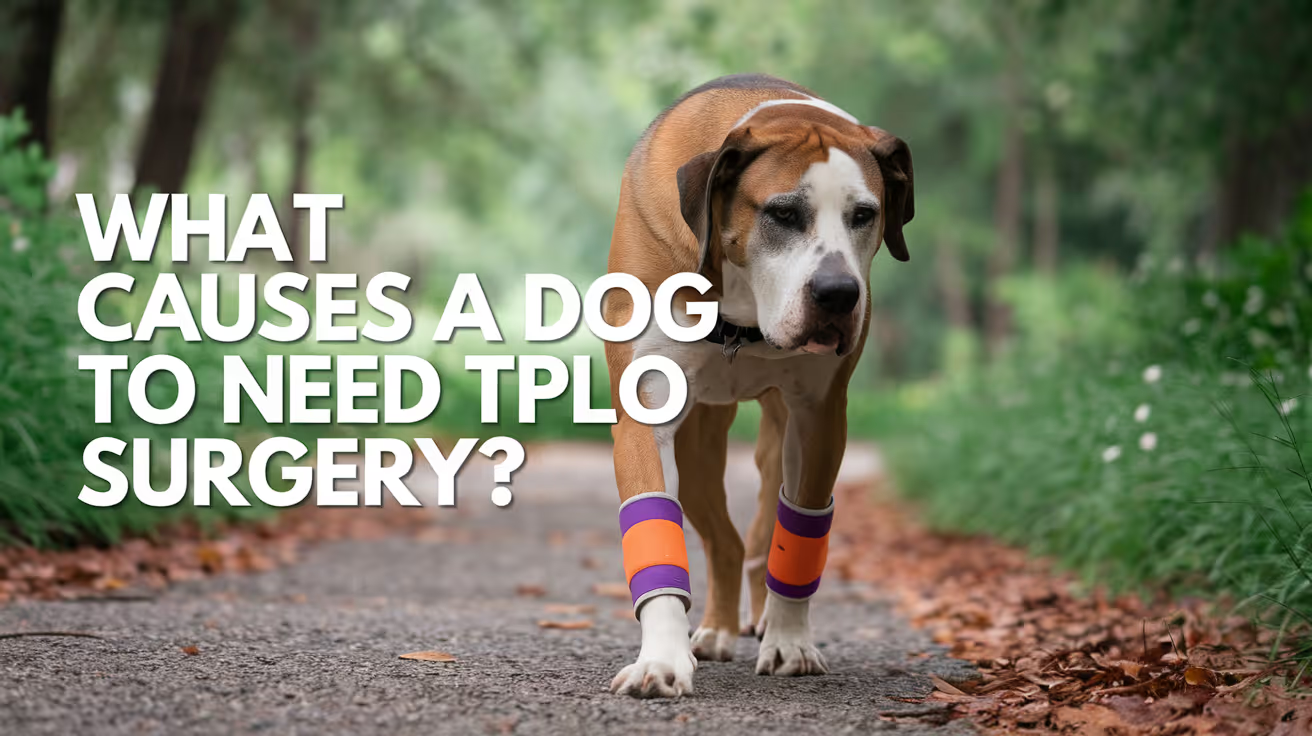
TPLO surgery is not performed because of a single moment of bad luck.
In the vast majority of cases, the cruciate ligament has been quietly degenerating for months or years before the day it finally fails.
Understanding what drives that degeneration and which dogs are most vulnerable is the first step toward recognizing early warning signs and making informed decisions about your dog's care.
Quick answer: TPLO is needed when a dog's CCL ruptures from progressive degeneration, causing stifle instability and lameness. Key risk factors are breed (Labs, Rottweilers, Mastiffs), obesity, steep tibial plateau angle, and neutering. CCL rupture costs US owners over $1 billion annually.
Key takeaways
- CCL rupture is the most common cause of hind limb lameness in dogs: over $1 billion spent annually in the US on treatment
- Most CCL ruptures result from degeneration, not trauma: sudden injury to a healthy ligament is rare in dogs
- Breed is the strongest single risk factor: Labs, Rottweilers, Mastiffs, and Newfoundlands most commonly affected
- Obesity significantly increases CCL rupture risk: excess weight increases mechanical load on the stifle and systemic inflammation
- Steep tibial plateau angle is a mechanical risk factor: extra CCL strain with every stride; TPLO corrects this directly
- Neutered dogs have higher CCL rupture rates than intact dogs across multiple studies, particularly in high-risk breeds
Why CCL rupture leads to TPLO
When the CCL ruptures, the stifle joint becomes unstable. With each step, the tibia slides forward under the femur a motion called cranial tibial thrust that normally the CCL prevents.
This sliding causes:
- Pain with every weight-bearing step
- Damage to the articular cartilage
- Progressive osteoarthritis
- Meniscal injury (the meniscus acts as a shock absorber and is frequently torn by the unstable joint)
Laguna Hills Animal Hospital explains that a dog with a torn CCL cannot walk normally, and the instability caused by the tear damages the bone and cartilage surrounding the joint.
TPLO surgery addresses this by rotating the tibial plateau to approximately 5 degrees a position at which cranial tibial thrust no longer occurs during normal weight-bearing.
The joint becomes stable without a functioning CCL.
The primary cause: CCL degeneration
The crucial distinction between canine CCL rupture and human ACL tears is the mechanism.
Virginia Veterinary Centers states directly: CCL rupture can result from activity-related trauma, but is most commonly caused by progressive degeneration of the ligament.
Laguna Hills Animal Hospital adds: unlike in humans, the CCL rarely ruptures from sudden trauma in an otherwise healthy ligament.
The degeneration process involves progressive deterioration of collagen fibers within the CCL weakening that begins long before any clinical signs appear.
By the time a dog presents lame, the CCL has typically been failing at a microscopic level for months.
The rupture event a step off a curb, a jump in the yard is the endpoint of this process, not the cause.
This degenerative process explains why partial tears almost always progress to full rupture.
NCBi (2014) confirms 22 to 54% of dogs rupture the other CCL within 6 to 17 months.
Risk factors for CCL rupture
Breed
Breed is the most powerful predictor of CCL rupture. MedVet lists Labs, Golden Retrievers, German Shepherds, Boxers, Pit Bulls, American Bulldogs, Mastiffs, Rottweilers, and Newfoundlands as most commonly affected.
Laguna Hills Animal Hospital confirms a genetic component has been established specifically in Newfoundlands and Labrador Retrievers.
The genetic risk likely involves inherited factors in ligament collagen quality, joint conformation, and inflammatory susceptibility.
Obesity
Excess body weight increases the compressive and shear forces on the CCL with every step.
Overweight dogs are at significantly higher risk of CCL rupture, and obesity is the most modifiable risk factor.
MetLife Pet Insurance identifies weight as a key contributing factor, noting that overweight dogs place additional stress on their joints, increasing rupture risk.
Maintaining a lean body condition score is one of the few actionable CCL prevention strategies available to owners.
Tibial plateau angle (TPA)
Dogs with a steeper-than-average tibial plateau angle experience higher cranial tibial thrust with each stride, increasing the load on the CCL throughout the dog's life.
MetLife Pet confirms that some dogs have a naturally steep tibial plateau angle, which puts extra strain on the CCL.
TPLO surgery addresses this directly by reducing the TPA to approximately 5 degrees it not only treats the rupture but corrects the underlying mechanical vulnerability.
Neutering
Multiple studies have found that neutered dogs both spayed females and castrated males have higher rates of CCL rupture than intact dogs.
PMC (agility risk factors study) lists neuter status as a previously identified risk factor alongside age, sex, breed, and body weight.
Proposed mechanisms include earlier closure of growth plates (affecting long bone development), changes in muscle mass distribution, and the absence of sex hormones that influence ligament maturation and quality.
Age
Older dogs have ligaments with more cumulative degeneration. The risk of CCL rupture increases with age, particularly in at-risk breeds.
Rancho Palos Verdes Vets lists age, obesity, poor conformation, breed, and lack of fitness as the main risk factors for CCL tears.
Physical conditioning
Poor physical fitness reduces the muscle mass that supports and offloads the stifle joint.
Well-conditioned muscles act as dynamic stabilizers; dogs with poor muscle mass rely more heavily on their passive stabilizers including the CCL increasing ligament load.
Clinical signs that TPLO is needed
When the CCL ruptures or significantly tears, dogs show:
- Sudden hind limb lameness often appearing after exercise or normal activity
- Toe-touching or non-weight-bearing on the affected leg
- Sitting with the leg extended to the side rather than folded under the body
- Stiffness after rest that may temporarily improve with movement
- Swelling or thickening around the stifle joint (medial buttress)
- Muscle atrophy of the affected thigh over time
- Positive cranial drawer sign or tibial compression test on examination
Rancho Palos Verdes Vets notes that sitting with one leg extended to the side is one of the most obvious signs that a CCL injury requiring evaluation is present.
For the full CCL causes article, see what causes cruciate ligament tears in dogs. For the TPLO surgery overview, see what is TPLO surgery in dogs?.
For the signs your dog needs TPLO, see 13 signs your dog may need TPLO surgery. For surgical alternatives, see alternatives to TPLO surgery for dogs.
For the long-term outcomes of TPLO, see long-term outcomes of TPLO surgery.
Frequently asked questions
Can a dog rupture its CCL just from running in the yard?
Yes but the run did not cause the rupture. In almost all cases, the ligament was already significantly degenerated before it failed.
The activity is the final stressor on an already compromised structure, not the cause. This is one of the most important things to understand about canine CCL disease.
What breeds are most likely to need TPLO surgery?
Labrador Retrievers, Golden Retrievers, Rottweilers, Boxers, Mastiffs, Newfoundlands, Staffordshire Terriers, and German Shepherds are most commonly affected. Genetic inheritance of CCL disease has been specifically confirmed in Labs and Newfoundlands.
Smaller breeds are less commonly affected and often managed with less invasive procedures when rupture does occur.
Does fixing the CCL prevent the other knee from tearing?
No. TPLO stabilizes the operated knee but does not prevent degeneration in the other knee, which is affected by the same systemic risk factors.
NCBi research shows 22 to 54% of dogs develop contralateral CCL rupture within 6 to 17 months. Weight management and controlled exercise are the main strategies for reducing the risk.
Can obesity cause CCL rupture?
Yes. Obesity increases joint load and systemic inflammation, both of which accelerate CCL degeneration. Weight management is the single most impactful lifestyle intervention for reducing CCL disease risk in predisposed breeds.
Is CCL rupture preventable?
Not entirely genetic factors are outside owner control. However, maintaining a lean body condition, providing consistent moderate exercise, and avoiding obesity are the most effective risk-reduction strategies.
Discuss the role of neutering timing with your veterinarian if you own a high-risk breed.
Resources
- Virginia Veterinary Centers. What Dog Owners Should Know About TPLO Surgery. virginiaveterinarycenters.com
- Laguna Hills Animal Hospital. Why Does My Dog Need TPLO Surgery? lhah.com
- MedVet. Dogs and Knee Surgery: Understanding TPLO Surgery. medvet.com
- MetLife Pet Insurance. TPLO Surgery for Dogs. metlifepetinsurance.com
- PMC. Radiographic Risk Factors for Contralateral Rupture in Dogs with Unilateral CCL Rupture. ncbi.nlm.nih.gov

Get a Free Poster
Enhance your workspace with a high-quality radiographs reference poster, designed for veterinary professionals. This free physical poster will be shipped directly to you—just fill out the form to request your copy.







Taking Great TPLO Radiographs
Click Below to Watch Live Video Demos


We'll send you a Free Wall Poster with all the steps
Step #1
Getting Ready
Ensuring a clean surgical field starts with proper skin preparation. This video demonstrates the best practices for:
- Shaving the patient – Achieving a close, even shave while minimizing skin irritation
- The Dirty Scrub – The initial skin prep step to remove surface debris and reduce bacterial load before the sterile scrub.
Following these techniques helps reduce infection risk and improve surgical outcomes. Watch the video to see how it’s done effectively!


Step #2
Reduce Your Risks
Many surgeons are shocked to find out that their patients are not protected from biofilms and resistant bacteria when they use saline and post-op antibiotics.
That’s Where Simini Comes In.
Why leave these risks and unmanaged? Just apply Simini Protect Lavage for one minute. Biofilms and resistant bacteria can be removed, and you can reduce two significant sources of infection.
Step #3
Take the Course
Preventing surgical infections is critical for patient safety and successful outcomes. This course covers:
- Aseptic techniques – Best practices to maintain a sterile field.
- Skin prep & draping – Proper methods to minimize contamination.
- Antibiotic stewardship – When and how to use perioperative antibiotics effectively.
Stay up to date with the latest evidence-based protocols. Click the link to start learning and earn CE credits!

Things to know

Why Your Dog Won't Drink Water After Surgery
Learn why your dog won't drink water after surgery and how to help them recover safely with practical tips and expert advice.
After surgery, it is common for dogs to refuse water. This can worry any pet owner because hydration is vital for healing. Understanding why your dog won't drink water after surgery helps you support their recovery better.
This article explains the main reasons dogs avoid water post-surgery. You will learn what signs to watch for and how to encourage your dog to drink safely. Knowing these facts can prevent complications and keep your dog comfortable.
Why does my dog refuse water after surgery?
Dogs may refuse water after surgery due to pain, nausea, or medication effects. These factors can reduce their desire to drink and make swallowing uncomfortable.
It is important to identify the cause to provide proper care. Sometimes, refusal is temporary, but other times it signals a problem needing veterinary attention.
- Pain and discomfort: Surgical pain can make your dog reluctant to move or swallow, reducing their interest in drinking water during recovery.
- Nausea from anesthesia: Anesthesia can cause nausea or vomiting, which lowers your dog's urge to drink and may make water unappealing.
- Medication side effects: Some painkillers or antibiotics cause dry mouth or upset stomach, affecting your dog's willingness to drink water.
- Stress and anxiety: Being in a new environment or feeling unwell can cause stress, leading to decreased water intake after surgery.
Recognizing these reasons helps you monitor your dog closely and take steps to encourage hydration safely.
How can I encourage my dog to drink water after surgery?
Encouraging your dog to drink water after surgery requires patience and gentle methods. You want to avoid forcing water but still keep them hydrated.
Using appealing techniques can stimulate their interest and make drinking easier during recovery.
- Offer fresh water frequently: Change the water often to keep it fresh and appealing, which can encourage your dog to drink more willingly.
- Use a syringe or dropper: Gently offer small amounts of water with a syringe if your dog refuses to drink on their own, avoiding stress or choking.
- Add flavor to water: Mixing a little low-sodium broth or water from wet food can make water tastier and more inviting for your dog.
- Provide ice cubes or wet treats: Some dogs prefer licking ice cubes or moist treats, which helps increase fluid intake without forcing them to drink.
These methods can help maintain hydration while respecting your dog's comfort and recovery pace.
When should I worry if my dog won’t drink water after surgery?
Not drinking water for a short time after surgery can be normal. However, prolonged refusal may lead to dehydration and complications.
You should watch for warning signs that indicate your dog needs veterinary care promptly.
- Signs of dehydration: Dry gums, sunken eyes, and lethargy are signs your dog may be dehydrated and need immediate attention.
- Persistent vomiting or diarrhea: These symptoms can worsen dehydration and indicate underlying problems requiring treatment.
- Refusal to eat or drink beyond 24 hours: If your dog avoids all fluids and food for more than a day, it is a serious concern needing veterinary evaluation.
- Excessive panting or weakness: These signs may indicate pain, stress, or dehydration that needs prompt management.
If you notice any of these signs, contact your veterinarian immediately to prevent serious health issues.
What are the risks of dehydration after surgery in dogs?
Dehydration after surgery can slow healing and cause serious health problems. It affects blood flow, organ function, and overall recovery.
Understanding these risks helps you prioritize hydration and seek help if your dog refuses water.
- Delayed wound healing: Lack of fluids reduces blood flow, slowing tissue repair and increasing infection risk after surgery.
- Kidney damage: Dehydration stresses the kidneys, potentially causing acute injury or worsening existing kidney problems.
- Electrolyte imbalance: Fluids maintain electrolyte balance; dehydration can cause dangerous imbalances affecting heart and muscle function.
- Increased risk of complications: Dehydration can lead to weakness, shock, or other complications that prolong hospital stays and recovery time.
Keeping your dog hydrated supports faster healing and reduces the chance of these serious complications.
How does anesthesia affect my dog’s thirst after surgery?
Anesthesia impacts your dog's body in ways that reduce thirst and water intake temporarily. Understanding these effects helps you manage hydration better.
Most dogs regain normal thirst within 24 hours, but some may need extra encouragement.
- Dry mouth sensation: Anesthesia can cause dry mouth, making swallowing uncomfortable and reducing the desire to drink water.
- Slowed digestive system: Anesthesia slows gut movement, causing nausea or bloating that discourages drinking.
- Altered thirst signals: Anesthesia affects brain centers controlling thirst, temporarily lowering your dog's urge to drink.
- Temporary weakness: Post-anesthesia weakness can make your dog less active and less interested in drinking water.
Monitoring your dog closely after anesthesia and offering water gently can help them recover normal hydration habits.
What veterinary treatments help dogs drink water after surgery?
If your dog refuses water after surgery, veterinarians have treatments to support hydration and comfort. These treatments aim to prevent dehydration and promote healing.
Knowing these options prepares you to seek timely help if home care is insufficient.
- Intravenous fluids: IV fluids provide immediate hydration when your dog cannot drink, supporting vital organ function during recovery.
- Anti-nausea medications: These drugs reduce vomiting and nausea, making your dog more willing to drink water and eat.
- Pain management: Adjusting pain medications can reduce discomfort that prevents drinking and improve your dog's willingness to hydrate.
- Appetite stimulants: In some cases, vets may prescribe medications to encourage eating and drinking if your dog remains reluctant.
Veterinary intervention ensures your dog stays hydrated and comfortable, reducing risks during the critical post-surgery period.
Conclusion
Understanding why your dog won't drink water after surgery is key to supporting their recovery. Causes like pain, nausea, and medication effects often reduce thirst temporarily.
Using gentle encouragement methods and watching for warning signs helps keep your dog hydrated and safe. If refusal to drink persists, seek veterinary care promptly to prevent dehydration and complications.
FAQs
How long after surgery should my dog start drinking water?
Most dogs begin drinking water within 12 to 24 hours after surgery. If your dog refuses water beyond this period, contact your veterinarian for advice.
Can I give my dog ice chips instead of water after surgery?
Yes, offering ice chips can help increase fluid intake gently and may be more appealing to dogs reluctant to drink water directly.
Is it safe to add flavor to my dog’s water after surgery?
Adding low-sodium broth or water from wet food can make water tastier and encourage drinking, but avoid salty or sugary additives.
When should I call the vet if my dog won’t drink after surgery?
Call your vet if your dog refuses water for more than 24 hours or shows signs of dehydration, vomiting, or weakness after surgery.
Can dehydration after surgery cause serious health problems in dogs?
Yes, dehydration can delay healing, cause kidney damage, and lead to electrolyte imbalances, making it a serious concern after surgery.
Can Dogs Get a Staph Infection?
Learn if dogs can get staph infections, their symptoms, causes, treatment, and prevention tips to keep your pet healthy.
Yes, dogs get staph infections, and they're among the most common skin problems seen in veterinary practice.
The bacteria responsible, primarily Staphylococcus pseudintermedius, are already present on healthy dogs. They live on the skin, in the mouth, nose, and gut without causing problems in most cases. Infection happens when the skin barrier breaks down or the immune system weakens, giving bacteria the opportunity to move from normal colonizer to active pathogen.
Quick answer: Yes, dogs get staph infections. Staphylococcus pseudintermedius is the most common cause in dogs and is found on the skin of roughly 50% of healthy dogs as normal flora. Infection typically occurs when the skin is damaged or immunity is compromised. Staph infections in dogs present as skin lesions, pustules, redness, and hair loss, and are treated with topical or systemic antibiotics depending on severity.
Key takeaways
- S. pseudintermedius is the primary staph species in dogs, not S. aureus (which is more common in humans).
- Staph is normal skin flora in about 50% of dogs and only causes infection under specific conditions.
- Skin barrier disruption is the most common trigger: allergies, wounds, and scratching allow bacteria in.
- Pyoderma (staph skin infection) is the most common form dogs develop, accounting for 92% of canine dermatitis.
- MRSP is the resistant form to watch for, particularly in dogs with prior antibiotic exposure.
- Transmission to humans is possible but uncommon with basic hygiene precautions.
Which staph bacteria affects dogs?
The primary staph species in dogs is Staphylococcus pseudintermedius. This is distinct from Staphylococcus aureus, which causes most human staph infections.
MedVet explains: "S. pseudintermedius is a bacterium commonly found on the skin, mouth, nose, or in the gastrointestinal tract of approximately 50% of dogs and cats. It typically causes no problems at all but can cause opportunistic infections."
The key word is opportunistic. This bacterium waits. When conditions shift in its favor, it becomes a pathogen.
Staphylococcus aureus can also affect dogs, though it's less common than in humans. Dogs can also harbor MRSA (methicillin-resistant S. aureus), but veterinarians are more concerned about MRSP (methicillin-resistant S. pseudintermedius) because it's more prevalent in canine infections.
For the full overview of staph infections in dogs including all affected body systems, see full overview of staph infections in dogs.
For the full breakdown of what staph aureus specifically is in dogs, see what staph aureus is specifically.
What triggers a staph infection in dogs?
Staph doesn't establish infection in healthy skin. Something has to compromise the barrier first.
Skin barrier disruption
The most common triggers are anything that breaks the skin or weakens its protective function:
- Allergies: atopic dermatitis causes chronic scratching and licking, creating micro-abrasions where bacteria enter
- Wounds and abrasions: even small cuts allow surface bacteria to penetrate
- Parasites: fleas and mites damage skin integrity and cause scratching-related trauma
- Moisture: skin folds and areas that stay wet create ideal bacterial growth conditions
Immune system compromise
Dogs with conditions that impair immune function are at higher risk:
- Hypothyroidism: reduces immune response and alters skin cell turnover
- Cushing's disease (hyperadrenocorticism): excess cortisol suppresses immune defenses
- Diabetes mellitus: impairs white blood cell function and healing
- Long-term corticosteroid use: similar effect to Cushing's, suppressing local immunity
Age and breed factors
Puppies have immature immune systems and are more susceptible to staph. Elderly dogs have declining immune function. Breeds with skin folds (Bulldogs, Shar-Peis, Basset Hounds) are at higher baseline risk because the warm, moist fold environment supports bacterial overgrowth.
What does a staph infection look like in dogs?
Staph infection in dogs most commonly presents as pyoderma, literally "pus in the skin." The clinical appearance varies by depth and severity.
Surface signs (superficial pyoderma):
- Small round pustules (pimple-like lesions)
- Redness and inflammation around hair follicles
- Circular crusted lesions with a clearing center ("epidermal collarettes")
- Hair loss in affected patches
- Itching and scratching
Deep infection signs:
- Nodules or boils beneath the skin surface
- Discharge from draining tracts
- Significant swelling and pain on palpation
- Fever and lethargy in severe cases
The AKC notes: "Dogs with allergies or diseases that weaken the immune system can develop infections in their skin, ears, and respiratory, reproductive, or urinary tracts."
Staph infections can affect the ears (otitis), urinary tract, and surgical wounds, not just the skin surface.
For how early-stage staph infections look and how they progress, see early signs of staph infection in dogs.
Diagnosis
Your vet will use one or more of these methods to confirm a staph infection:
Skin cytology: tape pressed to the skin collects surface cells and bacteria, then stained and examined under a microscope. Provides rapid results and can identify bacteria and inflammatory cells.
Culture and sensitivity: a swab from the lesion is cultured in a laboratory to identify the specific species and determine which antibiotics it is and isn't resistant to. Takes 5 to 7 days but is essential when MRSP is suspected or initial treatment fails.
Skin biopsy: used in severe or unusual presentations to examine deeper tissue changes.
Treatment
Treatment depends on whether the infection is superficial or deep and whether antibiotic resistance is a concern.
Topical treatment
Superficial staph infections often respond well to topical antibacterial therapy alone:
- Antibacterial shampoos: chlorhexidine-based or benzoyl peroxide shampoos used 2 to 3 times weekly
- Topical sprays or wipes: chlorhexidine applied directly to lesion areas
- Topical antibiotics: mupirocin or fusidic acid for localized infections
Topical treatment is preferred where possible because it avoids systemic antibiotic exposure and reduces resistance pressure.
Systemic antibiotics
More extensive or deep infections require oral antibiotics. The choice must be guided by culture and sensitivity results, particularly when MRSP is possible. Commonly used antibiotics (when sensitivity allows) include:
- Cefalexin (cephalexin)
- Clindamycin
- Doxycycline
- Trimethoprim-sulfamethoxazole
Course length: typically 3 to 6 weeks for superficial infections, longer for deep pyoderma or recurrent cases.
Addressing the underlying cause
Treating the staph infection without addressing what enabled it leads to recurrence. If allergies are the root cause, allergy management must be part of the plan. If hypothyroidism is present, thyroid supplementation is needed alongside antibiotic treatment.
Can staph spread from dogs to humans or other dogs?
Transmission is possible but uncommon with basic precautions. The AKC notes: "Staphylococcus pseudintermedius can be transferred from other dogs and even the people they live with. However, transmission between dogs and humans is uncommon."
Published case reports confirm that S. pseudintermedius can cause skin and soft tissue infections in humans who have close contact with infected dogs, typically through wound exposure or direct skin contact.
Practical hygiene during your dog's staph infection:
- Wash hands after handling the dog or their bedding
- Avoid direct contact between the dog's lesions and your broken skin or mucous membranes
- Wear gloves when applying topical treatments
- Limit face-to-face contact until the infection is resolved
For whether staph spreads between dogs in a household, see whether staph spreads between dogs. For how dogs contract staph infections specifically, see how dogs contract staph infections.
Frequently asked questions
My dog has a small patch of hair loss with some redness. Could that be staph?
Possibly. Circular patches of hair loss with redness and sometimes crusting are classic signs of superficial pyoderma. They can also be caused by ringworm or other conditions. A vet visit and skin cytology will clarify the cause. Don't treat with leftover human antibiotics: appropriate diagnosis matters, and human antibiotic formulations are not appropriate for dogs.
How long does staph treatment take in dogs?
Superficial staph pyoderma typically clears with 3 to 6 weeks of appropriate treatment. Deep pyoderma may require 6 to 12 weeks. Treatment should continue for at least one week beyond complete clinical resolution to prevent relapse. Stopping early is a common cause of recurrence.
Is MRSP the same as MRSA?
No. MRSP is methicillin-resistant Staphylococcus pseudintermedius, the dog-specific staph strain. MRSA is methicillin-resistant Staphylococcus aureus, more associated with humans. Both are drug-resistant staph bacteria, but they're different species. MRSP is the more clinically significant form in dogs because S. pseudintermedius is already the dominant staph species in canine infections.
Staph infections in dogs are common, treatable, and often preventable through management of the conditions that enable them. The bacteria are already there in most dogs. The question is always what allowed them to shift from harmless resident to active infection.
Resources
- MedVet. Methicillin-Resistant Staphylococcus Pseudintermedius (MRSP) in Dogs and Cats. medvet.com
- AKC. Staph Infections in Dogs: Signs, Symptoms, Treatments. akc.org
- Paw Origins. Understanding Staph Infections in Dogs. paworigins.com

Pressure Necrosis in Dogs: Causes, Symptoms & Care
Learn about pressure necrosis in dogs, including causes, symptoms, and effective care to protect your pet's health.
Pressure necrosis in dogs also called decubital ulcers or bedsores is the progressive death of skin and underlying tissue caused by sustained pressure cutting off blood supply. It follows the same biological mechanism as bedsores in bedridden humans, and it is a real and preventable risk for any dog that spends long periods lying in one position.
The condition is deceptive: it starts as a small area of hair loss and can advance to a deep open wound reaching muscle or bone within days. Recognizing it at Stage 1 is the goal.
Quick answer: Pressure necrosis occurs when sustained pressure on bony prominences like elbows and hips cuts off blood flow, killing tissue. It is most common in senior, immobile, or post-surgical dogs. Early signs are hair loss and redness.
Key takeaways
- Prolonged pressure on bony prominences blocks blood flow and causes tissue death from the inside out
- Senior, large-breed, paralyzed, and post-surgical dogs are at highest risk
- Common sites include the elbows, hips, hocks, and the outside of the knees
- Stage 1 (hair loss and redness) is the ideal intervention point; the wound has not yet opened
- Stage 3 and 4 wounds require surgical debridement and often systemic antibiotics
- Orthopedic foam bedding plus repositioning every 2 to 4 hours is the most effective prevention combination
What causes pressure necrosis in dogs
Walkin' Pets explains the mechanism clearly: "Decubital ulcers form when repeated pressure on an affected area constricts the blood vessels, decreasing the area's blood supply and as the skin is deprived of oxygen, it begins to die."
This process concentrates at bony prominences where bone is close to the skin surface with little muscle or fat as a buffer. In dogs, the most commonly affected sites are:
- Elbows the most frequent site, especially in large and giant breeds
- Lateral hips and hip bones
- Hocks (the ankle joint of the hind leg)
- Stifles (outer surface of the knee)
- Sides of the ribs in dogs that always lie on one side
The damage does not require continuous lying. Ortocanis notes that high pressure over a short period is as damaging as lower pressure sustained over longer periods. A heavy dog that drops onto a hard floor with force can create the same tissue trauma as extended immobility.
Which dogs are most at risk
Any dog can develop pressure necrosis if the conditions are right, but several factors increase risk substantially:
Senior dogs: muscle mass decreases with age, reducing the natural padding over bony prominences. Reduced mobility means longer uninterrupted periods in the same position.
Large and giant breeds: more body weight means greater compressive force at contact points. Dr. Buzby's ToeGrips notes that large breeds are disproportionately affected even when they are healthy and mobile.
Post-surgical patients: strict rest requirements, post-anesthesia sedation, and pain-related reluctance to move all increase time in one position.
Paralyzed or paraplegic dogs: no ability to self-reposition at all. These dogs require active owner repositioning to prevent pressure injury.
Obese dogs: higher body weight amplifies compressive force at every contact point.
Short-coated breeds: less coat means less cushioning between skin and hard surfaces.
For how callus formation at the same pressure sites relates to early pressure damage, see calluses as chronic pressure injuries.
The 4 stages of pressure necrosis
Stage 1: redness and hair loss
The skin over the bony prominence loses hair and becomes pink or red. The area may feel slightly warm but the skin surface is intact. There is no open wound.
What to do: act immediately. Add thick orthopedic padding under the affected area. Increase position changes to every 2 hours. Monitor the site daily. Stage 1 reverses with proper management.
Stage 2: surface skin breakdown
The skin partially breaks down. A shallow blister or open area appears. The wound is painful and the dog will likely lick or chew it, worsening the damage.
What to do: veterinary wound care is needed at this stage. Home management alone is not sufficient. The vet will clean the wound, assess for infection, and prescribe appropriate dressings and possibly antibiotics.
Stage 3: full-thickness wound
The sore extends through the full skin thickness into subcutaneous tissue. WagWalking: "Pressure sores can progress quickly, leading to deep wounds that cause the muscle and bone to become visible."
Infection is common at Stage 3. The wound has discharge and often a foul odor. Bacteria can include Staphylococcus, Pseudomonas, and Enterococcus species.
What to do: aggressive veterinary management including wound debridement, culture-guided antibiotics, and advanced wound dressings.
Stage 4: deep tissue involvement
The wound extends to muscle, tendon, or bone. This is a potentially life-threatening stage. Sepsis (systemic bacterial infection) becomes a risk when deep tissue infection spreads.
What to do: emergency veterinary care. Surgical debridement, hospitalization, IV antibiotics, and possibly reconstructive surgery are required.
Treatment by stage
For Stage 1 and 2 home wound care, clean the area gently with dilute chlorhexidine or mild antiseptic solution. Apply a non-adherent wound dressing and change it daily. Do not use hydrogen peroxide, which damages healing tissue. Keep the dog away from hard surfaces at all times until the wound has closed and resolved.
For how bed sores and pressure necrosis overlap and how prevention differs, see bed sores as a related pressure injury.
Prevention: what actually works
Orthopedic bedding
Thick memory foam or egg-crate foam beds distribute body weight more broadly, reducing peak pressure at bony points. The bedding must not fully compress under the dog's weight to be effective. Check the foam by pressing down firmly: if it bottoms out immediately, it offers little protection for a large dog.
Waterproof covers that can be washed frequently are important for dogs at risk of incontinence, which is common in paralyzed patients.
Repositioning schedule
Reposition an immobile dog every 2 to 4 hours, alternating which side bears weight. This mimics the natural unconscious repositioning healthy dogs do throughout the day.
Ortocanis: "This problem occurs mainly in immobile animals: quadriplegic or paraplegic dogs, elderly dogs or those with serious illnesses."
Daily inspection
Check every bony prominence daily. Run your hand over the elbows, hips, hocks, and knees. Hair loss is the first visible sign act at that point rather than waiting for skin breakdown.
Protective wraps and donut pads
Elbow pads and donut-shaped protective wraps can be placed over at-risk sites to prevent direct contact with hard surfaces. These are particularly useful for dogs that regularly rest on hard floors despite having soft bedding available.
For how swelling from pressure injuries can extend into the feet and legs, see swelling associated with pressure injuries.
Frequently asked questions
How do I know if my dog has a pressure sore starting?
The first sign is a patch of hair loss over a bony prominence such as the elbow or hip, sometimes with mild redness. The skin is still intact at this point. Run your hand along these sites daily in at-risk dogs. If you feel a bare or reddened area, increase padding and position changes immediately and monitor closely for any skin breakdown.
My dog is recovering from surgery and lying down constantly. How do I prevent pressure sores?
Reposition every 2 to 4 hours, alternating sides. Use thick orthopedic foam padding rather than thin blankets or bare floors. Check the elbows, hips, and hocks each time you reposition. Ask your vet at discharge whether there are specific at-risk sites based on your dog's size, breed, and surgical procedure.
The skin over my dog's elbow looks bare and red but is not open. Is this a pressure sore?
Yes, this is Stage 1 pressure necrosis. The tissue is under sustained pressure but has not yet broken down. This is exactly the time to act: add thick padding, protect from friction, and monitor daily. If the skin opens, see your vet within 24 to 48 hours.
Can pressure necrosis be fully healed?
Stage 1 and 2 lesions heal well with proper wound care and pressure relief. Stage 3 and 4 wounds can heal but often leave permanent scar tissue, and may involve months of treatment. Full wound closure at advanced stages is not always achievable and managing infection becomes the primary goal.
What is the best bedding to prevent pressure sores?
Thick memory foam or high-density egg-crate foam is most effective. The padding needs to be dense enough not to fully compress under the dog's full weight. Standard flat beds offer minimal protection for large dogs. Waterproof removable covers allow frequent washing, which reduces infection risk at the skin surface.
Can a pressure sore become life-threatening?
Yes. Stage 3 and 4 wounds can allow bacteria to spread from the wound into deeper tissues or the bloodstream, causing sepsis. A dog with a deep infected ulcer that is also lethargic, off food, or running a fever may be systemically ill and needs emergency veterinary care that day.
Resources
- Dr. Buzby's ToeGrips. Pressure Sores on Dogs: Treatment and Prevention. toegrips.com
- WagWalking. Pressure Sores in Dogs. wagwalking.com
- Walkin' Pets. Pressure Sores in Pets: Treatment and Prevention. walkinpets.com
- Ortocanis. Pressure Ulcers in Convalescent Dogs. ortocanis.com
- DogCancer.com. Bed Sores on Dogs: Preventing and Treating Pressure Sores. dogcancer.com

Types of Cysts and Tumors in Dogs
Explore the common types of cysts and tumors in dogs, their signs, diagnosis, and treatment options for better pet care.
Finding a lump on your dog is one of the most common reasons owners call their vet. Most lumps in dogs are benign but some are not, and it is not possible to reliably tell the difference by looking or feeling alone.
This guide covers every common type of cyst and tumor in dogs: what each one looks like, where it tends to appear, and which ones require prompt attention.
Quick answer: Dogs develop cysts (almost always benign) and tumors (benign or malignant). Common benign types include lipomas and sebaceous cysts. Mast cell tumors are the most common malignant skin tumor. All new lumps need vet assessment.
Key takeaways
- Cysts are almost always benign and consist of a sac filled with fluid, sebum, or cellular material
- Tumors can be benign or malignant; appearance and feel alone cannot reliably distinguish between them
- Lipomas are the most common benign tumor in dogs: soft, movable fatty lumps most often found in middle-aged to senior dogs
- Mast cell tumors are the most common malignant skin tumor in dogs, representing 11% of all canine skin cancers
- Fine needle aspiration (FNA) is the standard first diagnostic step for any unidentified lump it is quick, minimally invasive, and usually provides a definitive answer
- Any lump that grows rapidly, ulcerates, bleeds, or causes pain needs same-day veterinary evaluation
Cysts vs. tumors: the key distinction
A cyst is a sac-like structure with a defined wall, filled with liquid or semi-solid material. Dr. Buzby's ToeGrips explains the distinction clearly: cysts "are masses made up of a cavity that contains liquid or semi-solid material," while "tumors, whether benign or malignant, are comprised of solid tissue that forms from abnormal cell growth."
This matters for two reasons:
- Cysts are not cancerous and do not spread to other parts of the body
- Tumors vary widely a lipoma (benign fat tumor) behaves very differently from a mast cell tumor (potentially malignant)
The challenge: some malignant tumors feel soft and movable, while some benign cysts feel firm. Merck Veterinary Manual warns specifically about mast cell tumors: "These tumors vary greatly in size and rate of growth. They can mimic lipomas; therefore, visual signs alone cannot establish a diagnosis."
Common types of cysts in dogs
1. Sebaceous cysts
Formed when the opening of a sebaceous (oil) gland becomes blocked, trapping sebum inside. PetMD describes them as containing a thick material that releases "white, yellow, or brown" discharge when expressed.
- Appearance: raised bump, often with a whitish or bluish tint through the skin
- Location: anywhere on the body, but most common on the trunk, head, and limbs
- Size: usually small (under 1 cm) but can grow larger
- Behavior: slow-growing; may rupture and release pasty discharge; prone to secondary infection if ruptured
- Treatment: monitoring for small, stable cysts; surgical removal if infected, growing, or bothering the dog
- Important: Merck cautions against squeezing: "You should not attempt to remove the cysts by squeezing them because this can spread the cyst contents into the surrounding tissues."
2. Follicular cysts (epidermoid cysts)
Associated with hair follicles rather than sebaceous glands. PetMD: "Follicular cysts are large, benign bumps on the skin that grow up from the hair follicle. They may release a thick material that is white, yellow, or brown when you push on them."
- Appearance: firm, raised bump; contents are often dark, cheesy, or foul-smelling when expressed
- Location: anywhere, but legs and around the mouth are particularly common according to Bark & Whiskers
- Behavior: may become infected (folliculitis); can grow to several centimeters and become painful
- Treatment: monitoring if stable; surgical removal if growing, infected, or painful; will not regrow if fully removed
A specific subtype interdigital cysts forms between the toes. Dr. Buzby's ToeGrips explains: "These cysts develop between the toes and are often a consequence of allergies, obesity, or breed-related factors. The affected hair follicle becomes inflamed and may rupture."
3. True cysts (sweat gland cysts)
Form in the secretory lining of sweat glands, which continuously produces fluid the more fluid produced, the larger the cyst grows. True cysts are most common around the eyes and in the ear canals.
- Appearance: smooth, fluid-filled, usually bluish or translucent
- Location: eyelids, ear canals most commonly
- Behavior: slow-growing, almost always benign; can impair vision if near the eye
- Treatment: surgical removal or laser ablation if causing problems
4. Dermoid cysts
Congenital cysts that form when a piece of epidermis becomes trapped below the skin during fetal development. Merck notes they are "most commonly found in Boxers, Kerry Blue Terriers, and Rhodesian Ridgebacks. Most dermoid cysts are multiple and contain fully formed hair shafts."
- Appearance: firm, often contains hair
- Behavior: benign; can become infected
- Treatment: surgical removal is the definitive treatment
Common types of benign tumors in dogs
5. Lipoma (fatty tumor)
University of Illinois veterinary cytology department confirms: "Lipomas are a benign mesenchymal tumor and probably the most common benign tumor in dogs."
- Appearance: soft, round, movable under the skin; no overlying hair changes
- Location: trunk and upper limbs most common; can occur anywhere
- At-risk dogs: older and overweight dogs
- Behavior: slow-growing; most remain stable for years; do not spread or become malignant
- Treatment: monitoring is standard for most; surgical removal if the lipoma is in a location causing discomfort (over a joint, in the axilla, on the leg where it affects movement)
The exception is the infiltrative lipoma, which grows into surrounding muscle and fascia rather than displacing it. These require more aggressive surgical removal.
6. Histiocytoma
A benign skin tumor arising from immune (Langerhans) cells in the skin. PetMD describes them as tumors that "usually regress spontaneously over time without treatment."
- Appearance: small, round, firm, raised, often red ("button-like") on the surface; may ulcerate
- Location: most common on the head, ears, and limbs
- At-risk dogs: young dogs under 3 years; Boxers, Bulldogs, Dachshunds, Cocker Spaniels
- Behavior: hallmark feature is spontaneous regression within 1 to 3 months
- Treatment: monitoring most resolve without treatment; removal if the dog is bothering it or if it persists beyond 3 months
7. Skin tags (acrochordons)
Fleshy, pedunculated (on a stalk) growths that form where skin rubs together. Bark & Whiskers: "These are small, fleshy growths that often appear on areas where the skin rubs together, like the armpit or eyelids. They're usually harmless unless they get irritated."
- Treatment: none required unless causing irritation; simple surgical removal
8. Papillomas (warts)
Caused by the canine papillomavirus. Embrace Pet Insurance: "These are caused by a virus and are most often found in and around the mouth of young dogs."
- Appearance: cauliflower-like, pale, rough surface; clustered
- Location: mouth, lips, eyelids
- At-risk dogs: young dogs with immature immunity; immunosuppressed dogs
- Behavior: contagious between dogs; most resolve spontaneously within weeks to months
- Treatment: monitoring; antiviral treatment or surgical removal for persistent or symptomatic cases
Mast cell tumors: the most important malignant skin tumor
Mast cell tumors (MCTs) deserve special attention. The published consensus review in PMC confirms: "It is the most common malignant skin tumor in dogs, corresponding to 11% of skin cancer cases."
Why they are important:
- They are highly variable in appearance they can look like almost anything: a small firm nodule, a soft squishy mass, an ulcerated sore, or a wart
- They can change size rapidly (especially when stimulated by pressure or trauma), which is a characteristic feature called Darier's sign
- They release histamine and other chemicals, which can cause local redness and swelling
At-risk breeds: Merck Veterinary Manual identifies Boxers and Pugs (often multiple tumors), Rhodesian Ridgebacks, and Boston Terriers as especially prone.
High-risk locations: Merck: "Tumors located near mucous membranes, feet, prepuce, or on the lower surface of the body are more likely to spread than mast cell tumors in other areas."
Diagnosis: fine needle aspiration. Mast cells have a characteristic granular appearance under the microscope that is usually immediately identifiable.
Treatment: surgical removal with wide margins; grade determines whether additional treatment (chemotherapy, radiation) is needed.
For how to assess whether a lump should be removed, see how to tell which lumps need removal. For mast cell tumor removal cost specifically, see mast cell tumor as a common tumor type.
Other significant tumor types
Melanoma
Arises from pigment-producing cells. Bark & Whiskers notes that "some types can be aggressive." Oral melanomas (in the mouth) are significantly more aggressive than cutaneous (skin) melanomas. A dark, irregularly shaped growth on or around the mouth, on the nail bed, or on mucosal surfaces warrants prompt evaluation.
Perianal adenoma
PetMD: "Perianal adenomas are benign growths common in older, unneutered male dogs. They grow from oil glands near the anus but can also occur in similar glands along the abdomen, on the back, and near the tail." Neutering is both preventive and may cause regression of existing tumors.
How vets diagnose lumps: fine needle aspiration
FNA is the standard first step for any unidentified lump. A thin needle is inserted into the mass and cells are aspirated onto a slide for microscopic examination. University of Illinois veterinary cytology: this technique reliably distinguishes lipomas, cysts, mast cell tumors, and histiocytomas in most cases.
FNA is quick, minimally invasive, and can be done in a routine vet visit without anesthesia for most lumps. If FNA is inconclusive, a biopsy (removing a small tissue core) or surgical excision with histopathology provides a definitive diagnosis.
For when cysts and tumors require surgery based on diagnosis, see when cysts and tumors require surgery. For how red lumps on the leg relate to these growth types, see red lumps as a presenting sign of cysts or tumors.
When to call the vet immediately
Contact your vet the same day if a lump:
- Appeared suddenly and is growing fast
- Is ulcerated, bleeding, or has discharge
- Is warm and painful to the touch
- Changes size rapidly (getting larger then smaller mast cell feature)
- Is on a high-risk location: mouth, nail bed, foot pad, groin
- Causes your dog pain or changes their behavior
For cost context on tumor removal, see cost of removing tumors.
Frequently asked questions
Can I tell if a lump is cancerous by touching it?
No. Merck Veterinary Manual is explicit that mast cell tumors "can mimic lipomas; therefore, visual signs alone cannot establish a diagnosis." Soft, movable lumps can be malignant; firm, fixed lumps can be benign. Fine needle aspiration by a vet is the only reliable way to get an answer.
Should I wait and watch a new lump on my dog?
For lumps that are small, stable, and have been present without change for months, monitoring is reasonable. Any new lump should be evaluated by a vet within a few weeks of discovery not because every lump is dangerous, but because knowing what it is guides whether monitoring or action is appropriate.
How often do dogs get cancer?
Cancer is the leading cause of death in dogs over 10 years of age. However, many lumps found on dogs are benign. The probability of malignancy increases with age, rapid growth, ulceration, and location on or near mucous membranes.
What is fine needle aspiration and does it hurt?
FNA involves inserting a thin needle into the lump to collect a small sample of cells. Most dogs tolerate it without sedation and show little reaction. It takes a few seconds and provides very useful diagnostic information. It is much less invasive than a biopsy.
My dog has multiple lipomas. Is that a concern?
Multiple lipomas are common in older dogs, especially Labrador Retrievers and overweight dogs. Most are benign and can be monitored. Your vet will recommend FNA for any new or atypical lump in a dog with known lipomas to make sure a new growth is not a different tumor type that happens to look similar.
What is the difference between a cyst and an abscess?
Both are fluid-filled pockets but with different contents and causes. A cyst contains sebum, cellular debris, or glandular secretions and is usually not infected. An abscess contains pus the product of bacterial infection and is almost always painful, warm, and surrounded by inflamed tissue. Abscesses need antibiotic treatment; many cysts can simply be monitored.
Resources
- PetMD. Lumps, Bumps, and Cysts on Dogs. petmd.com
- Merck Veterinary Manual. Tumors of the Skin in Dogs. merckvetmanual.com
- Dr. Buzby's ToeGrips. Dog Cyst vs. Tumor: How Can You Tell? toegrips.com
- Embrace Pet Insurance. Dog Cyst vs Tumor: Understanding the Types. embracepetinsurance.com
- University of Illinois College of Veterinary Medicine. Cytology of Lumps and Bumps. vetmed.illinois.edu
Botulism Symptoms in Dogs and When to Seek Help
Learn to recognize botulism symptoms in dogs and know when to seek urgent veterinary help to protect your pet's health.
Botulism is a rare but potentially fatal condition in dogs. It is not an infection it is a poisoning. The botulinum toxin produced by Clostridium botulinum bacteria blocks the nerve signals that control muscle movement, causing a progressive paralysis that can reach the breathing muscles.
Most dogs that develop botulism have eaten a dead animal or contaminated raw meat. The condition requires immediate veterinary attention the window for antitoxin treatment is narrow.
Quick answer: Botulism causes ascending paralysis in dogs, starting in the hind legs and progressing to breathing muscles. It is caused by ingesting botulinum toxin from decomposing carcasses or meat. Call your vet immediately.
Key takeaways
- Botulism is a poisoning, not a bacterial infection: the dog ingests preformed toxin, not live bacteria
- Symptoms begin 12 to 72 hours after ingestion and can be delayed up to 6 days
- Ascending paralysis is the hallmark: weakness starts in the hind legs and progresses forward to breathing muscles
- The dog remains mentally alert throughout, unlike many other neurological conditions
- Death can occur if the breathing muscles or heart are paralyzed
- Antitoxin is most effective before paralysis sets in early veterinary contact is essential
What is botulism in dogs?
Botulism is caused by the botulinum toxin, produced by the anaerobic bacterium Clostridium botulinum. VCA Animal Hospitals explains what happens after ingestion: "The botulinum toxin is then carried throughout the body, where it binds to nerve cells, resulting in paralysis."
The toxin works by blocking acetylcholine the neurotransmitter that triggers muscle contraction. Without acetylcholine signaling, muscles cannot contract. The result is flaccid (floppy) paralysis: muscles that are not stiff or spastic, but simply limp and non-functional.
Merck Veterinary Manual emphasizes that "botulism is a poisoning, not a true infection with bacteria." The bacteria themselves do not spread through the dog's body the damage is entirely from the preformed toxin that was ingested.
How do dogs get botulism?
The most common route is eating a contaminated carcass or spoiled meat. PetMD: "Dogs become affected by eating decomposing animal carcasses or spoiled vegetation where the bacterium grows."
Specific exposure scenarios include:
- Eating road kill or carrion found during walks (the most common cause)
- Consuming spoiled or improperly stored meat even cooked meat can harbor toxin if contaminated before cooking; AnimalWised notes that "even boiling doesn't necessarily destroy" the toxin once formed
- Access to garbage or compost containing decomposing organic material
- Rural and hunting dogs with access to wildlife carcasses are at higher risk
Botulism is most common in wild waterfowl and only rarely occurs in dogs. Merck Veterinary Manual notes: "Botulism is most common in wild water birds, like ducks, and only rarely occurs in dogs." This rarity is why many vets may not immediately consider it in the differential diagnosis.
Symptoms of botulism in dogs
VCA Animal Hospitals lists the clinical timeline: "Clinical signs of botulism typically develop 12 to 72 hours after ingesting contaminated meat, though the onset can be delayed up to six days."
Early symptoms (12 to 48 hours after ingestion)
- Vomiting (may occur very early as the toxin begins affecting the gut)
- Weakness in the hind legs the dog appears wobbly or reluctant to stand
- Difficulty rising from lying down
- Reduced muscle tone throughout
Progressive symptoms (as paralysis ascends)
- Ascending weakness: hind legs first, then forelimbs
- Difficulty swallowing (dysphagia) the dog may drool or be unable to eat or drink
- Changes in bark or voice (laryngeal muscle involvement)
- Vision problems (eye muscle weakness)
- Dropped jaw or facial droop
Vetster: "Symptoms of botulism generally develop within 24 to 48 hours after ingestion and include vomiting, difficulty swallowing, and progressive ascending motor paralysis that starts in the rear limbs."
Critical symptoms seek emergency care immediately
- Inability to breathe normally (labored breathing, open-mouth breathing)
- Complete inability to move
- Collapse
- Rapid heart rate
Merck Veterinary Manual: "Death can occur if breathing muscles or the heart is paralyzed."
The key distinguishing feature: the dog stays alert
A dog with botulism appears mentally aware throughout the paralysis. The toxin affects motor nerves (which control muscle movement) but not sensory perception or consciousness. WagWalking: "Should you notice that your dog appears alert but is unable to move, it is important to rush him to your veterinarian."
This alertness-with-paralysis combination is one of the strongest clinical clues pointing toward botulism rather than other neurological causes.
Conditions that look like botulism
The symptoms of botulism overlap significantly with several other conditions. Diagnosis is difficult and requires ruling out alternatives.
PetsVetCheck: "The diagnosis relies on the medical history and the exclusion of other causes, as specific tests are time-consuming and not always available."
How vets diagnose botulism
Diagnosis is primarily clinical based on the pattern of signs and the history of possible exposure.
History: the most important element. Has your dog had access to carcasses, garbage, or raw meat in the past 1 to 6 days?
Physical examination: assessing the pattern of weakness (ascending, flaccid), the level of alertness, and the presence of cranial nerve signs (swallowing, vision, jaw tone).
Toxin testing: blood, feces, vomit, and food samples can be tested for botulinum toxin. Vetster confirms this but notes that tests are time-consuming and not universally available treatment should not be delayed while waiting for results.
Rule-out testing: tick check (to rule out tick paralysis), chest X-ray (to assess respiratory function), bloodwork to rule out metabolic or endocrine causes.
Treatment
Antitoxin
Antitoxin binds and neutralizes circulating toxin that has not yet attached to nerve cells. VCA: "There is no vaccine available, although an antitoxin is available if the condition is identified before signs develop."
Important limitation: antitoxin only works on toxin still in circulation. Once the toxin has bound to nerve cells, it cannot be removed. This is why early diagnosis matters enormously.
Antibiotic warning: Vetster advises: "Contact a veterinarian before administering antibiotics as they can cause an increase in botulism toxin concentration, and some kinds of antibiotics can cause a worsening in neuromuscular function." Antibiotics that kill Clostridium in the gut can release additional toxin, worsening the condition.
Decontamination
If exposure is very recent and the dog is not yet showing signs, the vet may induce vomiting or administer activated charcoal or an enema to remove unabsorbed toxin from the digestive tract.
Supportive care
Once paralysis is established, treatment is primarily supportive:
- IV fluids to maintain hydration
- Assisted feeding soft or liquid diet; syringe feeding if swallowing is impaired
- Bladder management manual emptying if the dog cannot urinate independently
- Turning and repositioning every 2 to 4 hours to prevent bed sores in paralyzed dogs
- Respiratory support oxygen supplementation or mechanical ventilation if breathing muscles are compromised
- Prevention of aspiration pneumonia a major complication in dogs with swallowing difficulties
AnimalWised: "Dogs which have a more serious clinical picture will need help being moved. They may be given intravenous fluid to help their system work. If the dog fails to urinate on their own, the dog will have their bladder emptied manually."
Prognosis and recovery
Vetster: "With prompt and long-term, intensive nursing care, most paralyzed dogs recover within 1 to 3 weeks." The prognosis depends on two main factors: the dose of toxin ingested and the speed of treatment.
Dogs that receive antitoxin before significant paralysis develops have the best outcomes. Dogs with respiratory compromise have a significantly worse prognosis respiratory failure is the primary cause of death in severe cases.
Nerve regeneration after toxin binding is a natural process that occurs over weeks. The nerve terminals regrow and acetylcholine signaling is restored the dog essentially has to wait for the toxin's effects to dissipate as new nerve terminals form.
PetsVetCheck: "Long-term complications can include muscle weakness and, in some cases, permanent neurological deficits, depending on the duration and severity of the paralysis."
Prevention
- Prevent access to carcasses and carrion during walks, especially in rural or wildlife-rich areas
- Supervise dogs in areas with road kill or dead animals
- Store meat and food properly never feed dogs meat that has been improperly stored or smells off
- Keep dogs away from garbage, compost bins, and waste containing organic material
- Recall and leash train to prevent opportunistic scavenging
Frequently asked questions
My dog ate something dead on a walk. Should I go to the vet now?
Yes, contact your vet immediately. Eating a dead animal is the primary exposure route for botulism in dogs. Even if your dog shows no symptoms, your vet may recommend inducing vomiting or monitoring closely. Early decontamination before symptoms develop is significantly more effective than treatment after paralysis has begun.
What does botulism look like in dogs compared to a stroke?
A stroke typically affects one side of the body (head tilt, circling, one-sided weakness) and the dog may be disoriented or have altered consciousness. Botulism produces symmetric, ascending weakness with the dog remaining fully alert and mentally aware. A dog that cannot move but responds normally to voice and touch, and does not appear confused, is a stronger candidate for botulism than stroke.
Can humans get botulism from a dog that has it?
Botulism is not contagious it is a toxin poisoning, not a transmissible infection. You cannot get botulism from contact with an affected dog. However, if a shared food source caused the dog's illness, that same food could potentially affect humans. Identify and safely discard any suspected contaminated food.
How long does recovery from botulism take in dogs?
Most dogs that survive botulism and receive appropriate supportive care recover within 1 to 3 weeks. Recovery depends on regrowing the nerve terminals that the toxin has damaged this is a biological process that cannot be accelerated, only supported. Dogs with mild toxin exposure recover faster than those with severe paralysis.
Is there a vaccine for botulism in dogs?
No vaccine is currently available for dogs against botulism. Vaccines exist for livestock species in some countries, but canine botulism is rare enough that vaccination is not a standard recommendation. Prevention relies on limiting exposure to the toxin through management and supervision.
Why do vets say to avoid antibiotics with botulism?
Certain antibiotics (particularly aminoglycosides like gentamicin and neomycin) interfere with neuromuscular junction function and can worsen paralysis. Additionally, killing Clostridium bacteria in the gut can cause them to release additional stored toxin. If antibiotics are needed for a secondary complication (such as aspiration pneumonia), the vet will choose an antibiotic class that does not worsen neuromuscular function.
Resources
- VCA Animal Hospitals. Botulism in Dogs. vcahospitals.com
- PetMD. Botulism in Dogs. petmd.com
- Merck Veterinary Manual. Botulism in Dogs. merckvetmanual.com
- Vetster. Botulism (Clostridium Botulinum Toxin) in Dogs. vetster.com
- WagWalking. Botulism in Dogs. wagwalking.com

Pros and Cons of Luxating Patella Surgery in Dogs
Explore the pros and cons of luxating patella surgery in dogs, including benefits, risks, recovery, and long-term outcomes.
Making a surgical decision for your dog is one of the harder things pet ownership asks of you. The stakes feel high, the information is complex, and the outcome is uncertain.
This guide gives you a clear, honest breakdown of what surgery for luxating patella genuinely offers and what it genuinely carries as risk, so you can make a decision based on the full picture rather than either the most optimistic or most alarming version of it.
The bottom line up front: For dogs with Grade 3 or 4 MPL, or Grade 2 with significant symptoms, the benefits of surgery substantially outweigh the risks for most dogs. For Grade 1 and mild Grade 2, conservative management is a reasonable path. The risks are real but manageable with a skilled surgeon and proper recovery. The biggest risk of surgery is usually lower than the long-term risk of leaving significant MPL untreated.
Key takeaways
- The primary benefit is structural correction: surgery fixes the cause, not just the symptoms.
- Arthritis risk is reduced but not eliminated by successful surgical correction.
- Complication rates range from 18 to 37% across published studies, most complications are minor.
- Overall success rate is approximately 90 to 93%, with "success" meaning acceptable or full return to function.
- Recurrence affects 5 to 21% of cases depending on grade; most recurrences are lower-grade.
- Recovery is 8 to 12 weeks of restricted activity: this is a genuine commitment for the owner.
- The cons of not treating are also real for higher-grade dogs: progressive arthritis, cruciate risk, declining quality of life.
The pros of luxating patella surgery
1. It fixes the structural problem
Conservative management manages symptoms. Surgery corrects anatomy. This is the central distinction.
Exercises, braces, and weight management reduce the mechanical load on the joint and build supporting muscle, but they don't change the shallow groove or misaligned bone that allows the kneecap to slip. Surgery does.
For Grade 3 and 4 dogs especially, this distinction determines whether the dog has a reasonable long-term quality of life. Conservative management cannot indefinitely hold back a Grade 3 joint from deteriorating.
2. Pain relief and improved mobility
The most immediately meaningful outcome for most owners: the dog stops skipping, stops limping, and begins using the leg normally again. For many dogs, the change from pre-surgery to 8 to 12 weeks post-surgery is dramatic.
Dogs that were reluctant to exercise, jump, or play often return to full normal activity levels. This is the outcome most owners describe when they reflect on the decision.
3. Reduced long-term arthritis risk
Every time the kneecap slips, it damages the cartilage lining the groove. Over time, this produces secondary arthritis that causes chronic, progressive pain independent of whether the kneecap is currently in position.
Surgical correction, by eliminating or substantially reducing luxation events, slows this cartilage damage. Dogs who have surgery before significant arthritis develops have meaningfully better long-term joint health than those who wait until secondary changes are established.
4. Reduced cruciate ligament risk
Long-standing MPL significantly increases the risk of cranial cruciate ligament (CCL) rupture. The altered mechanics from an unstable kneecap place abnormal stress on the cruciate ligament over time. CCL rupture is a separate, more serious injury requiring its own surgical repair.
Studies confirm that MPL and CCL disease coexist in approximately 25% of affected cases. Correcting the MPL earlier reduces the cumulative mechanical stress that contributes to this risk.
5. A one-time intervention rather than lifelong management
Successful surgery resolves the structural problem. Conservative management, by contrast, requires ongoing consistency in weight, exercise, and monitoring indefinitely. For owners who find this difficult to maintain, surgery may actually be the more practical long-term path.
The cons of luxating patella surgery
1. Complication rates are real and worth understanding
This is where honest information matters most.
Published complication rates for MPL surgery vary widely across studies:
- A 2019 UK study found complications in 37 of 100 surgeries in dogs under 20 kg
- A 2006 study found an 18% complication rate
- Other studies report complication rates between 22% and 51%
The variation reflects differences in how "complication" is defined (minor vs. major vs. catastrophic), the grades included, the surgical technique used, and follow-up duration.
Most complications are minor: seroma formation, suture reaction, temporary lameness, minor implant issues. Major complications (requiring revision surgery) occur in approximately 8 to 25% of cases depending on grade. Catastrophic complications (permanent impairment or limb loss) are rare.
The Dogs Naturally review notes that many veterinarians don't proactively discuss complication rates with owners. Ask specifically: "What complication rate do you see in your practice for this procedure at this grade?"
2. Recurrence
The kneecap can slip again after surgery. Recurrence rates range from 5 to 21%, with Grade 4 carrying the highest recurrence risk. Most recurrences produce a lower-grade luxation than the original, and many don't require revision surgery.
For more on what recurrence rates look like by grade, see surgery success rates to weigh.
3. Cost
MPL surgery costs $1,000 to $5,000 per knee. Bilateral cases roughly double this. Post-operative care adds $500 to $2,000 more. This is a significant financial commitment, and the cost alone is a legitimate factor in the decision.
For the full cost breakdown and financial planning options, see cost as a factor in the decision.
4. Recovery demands significant owner commitment
8 to 12 weeks of strict activity restriction is genuinely demanding. For the first two weeks, your dog needs crate rest, leash-only bathroom trips, and an E-collar at all times. The gradual return to activity over the following 6 to 10 weeks requires consistency, daily exercise management, and at least 2 to 3 vet rechecks.
Dogs don't understand why they can't run. Keeping an energetic dog at rest for two weeks requires real effort and logistics. This isn't a reason to avoid surgery if surgery is indicated, but it's a genuine consideration for timing.
5. Surgery doesn't guarantee zero arthritis
Correcting the structural problem slows arthritis development. It doesn't always prevent it entirely, particularly in dogs who already had secondary joint changes at the time of surgery, or those with higher-grade luxation.
Long-term joint care (weight management, joint-supportive supplements, appropriate exercise) remains appropriate even after successful surgery.
What the research actually says
The overall picture from published evidence:
- Overall success rate: Approximately 90 to 93% across grades. Total.vet (2025) cites the JAVMA Grade 4 study finding 93% overall success.
- Complication rate: 18 to 51% across studies, with most complications minor and most dogs achieving acceptable function regardless.
- Recurrence: 5 to 21% depending on grade and technique.
- Owner satisfaction: The ACVS reports over 90% of owners satisfied with outcomes following MPL surgery.
The complication statistics and the success statistics come from the same studies. A complication doesn't automatically mean a failure. Many dogs have minor complications and still achieve full recovery.
The cons of not operating for dogs who need surgery
An honest pros and cons article has to include the risks of the alternative for dogs who genuinely need surgery.
For Grade 3 and 4 dogs managed conservatively:
- Progressive arthritis develops as repeated luxation continues to damage cartilage. This arthritis is permanent and cumulative.
- Cruciate ligament risk rises with each passing month of altered joint mechanics.
- Muscle atrophy progresses as the dog uses the leg less.
- Surgical complexity increases as bone deformity worsens and secondary changes accumulate. Surgery done earlier is simpler than surgery done after years of damage.
- Quality of life declines as pain and limitation worsen.
For higher-grade dogs, the question isn't "surgery vs. no consequences." It's "surgery now vs. surgery later under more difficult conditions, or progressive decline."
For a detailed comparison of non-surgical alternatives, see non-surgical alternatives to consider.
For the comparison between bracing and surgery specifically, see braces vs surgery comparison.
The grade 2 decision: where the pros and cons are most balanced
For Grade 3 and 4, the pros of surgery clearly outweigh the cons for most dogs. For Grade 1, the cons of surgery outweigh the pros for most dogs. Grade 2 is where the balance is genuinely uncertain and individual.
For the specific decision framework for Grade 2 cases, see grade 2 specific decision guide.
Questions that help you weigh the decision for your specific dog
- What is my dog's grade, and what are the X-ray findings?
- How frequent and severe are the current symptoms?
- How likely is progression if we wait?
- What is the surgeon's personal complication rate for this procedure at this grade?
- What does recovery realistically involve given my work schedule and living situation?
- What happens to my dog's joint over the next 2 to 3 years if we manage conservatively?
- Is the cost manageable, and what financing options exist?
These questions won't give you a universal answer, but they'll give you the information specific to your dog's case.
For the full surgical decision framework, see when surgery is actually necessary.
For what post-surgery recovery involves, see what post-surgery recovery involves.
Frequently asked questions
Should I get a second opinion before deciding?
For any significant orthopedic surgery, a second opinion is entirely reasonable, particularly if the recommendation is for surgery and you have doubts, or if the grade is 2 and the recommendation surprises you. A board-certified veterinary surgeon's opinion (DACVS) is particularly valuable for complex cases.
Is surgery safer in younger dogs?
Generally yes. Younger dogs have less secondary joint damage at the time of surgery, heal faster, and adapt more readily. Older dogs carry higher anesthetic risk and may have more established arthritis, though surgery remains appropriate and beneficial for many older dogs with significant MPL.
How do I find a surgeon experienced in MPL correction?
Board-certified veterinary surgeons (DACVS) specialize in orthopedics and typically perform MPL surgery regularly. You can search the ACVS's online directory by location. General practitioners with MPL experience are also appropriate for straightforward Grade 2 cases in small breeds; ask about their specific experience with the procedure before proceeding.
The pros and cons of luxating patella surgery don't resolve into a clean answer. They resolve into: this is appropriate for this dog at this grade with these symptoms and this owner's capacity to support recovery. That's the real question. Get the grade, get the X-rays, understand the complication rates, and make the decision based on your dog's actual situation rather than a general rule.
Resources
- American College of Veterinary Surgeons. Patellar Luxations. acvs.org
- Total.vet. Luxating Patella in Dogs: Painful but Treatable. total.vet
- Bestie Paws Hospital. Luxating Patella Surgery for Dogs: Pros, Cons, and Expert Advice. bestiepaws.com
Warning Signs to Watch for After Neutering a Dog
Learn the key warning signs to watch for after neutering your dog to ensure a safe recovery and when to seek veterinary care.
Most dogs recover from neutering without a hitch. But some do not, and the difference between a minor complication and a serious one often comes down to how quickly you notice it.
The tricky part is that some things that look alarming are completely normal, and some things that look minor are not.
This guide gives you a clear, symptom-by-symptom breakdown of what is expected, what to monitor, and what requires an immediate call to your vet.
Quick answer: Mild grogginess, reduced appetite, and slight redness at the incision are all normal in the first 24 to 48 hours. Ongoing bleeding, yellow or green discharge, swelling that grows after day three, lethargy lasting more than 48 hours, or a wound that appears to be opening are all warning signs that need veterinary attention promptly.
Key takeaways
- Normal recovery includes mild grogginess, slight swelling, and reduced appetite for 24 to 48 hours.
- Warning signs that need a vet call include discharge, increasing swelling, continuous bleeding, and persistent lethargy.
- Emergency signs require immediate action: pale gums, collapse, or abdomen that appears bloated.
- Licking is the most preventable complication: the cone prevents most infection and wound problems.
- Daily incision checks catch problems early, when they are still easy to treat.
- When in doubt, call your vet. It is always better to check than to wait.
What normal recovery looks like
Understanding normal first makes it easier to spot abnormal.
In the first 24 to 48 hours after surgery, expect:
- Grogginess, drowsiness, or mild disorientation from anesthesia
- Reduced appetite or no interest in food
- Mild redness or slight puffiness at the incision site
- A small amount of clear or very faintly pink fluid at the wound in the first 24 to 72 hours
- Quieter behavior and preference for rest
- Possible shivering or restlessness as anesthesia wears off
All of these resolve on their own. By day two or three, your dog should be more alert, eating normally, and showing interest in their surroundings again.
Warning signs: incision and wound
The incision site is where most post-surgical problems show up first. Check it morning and evening throughout the recovery period.
Discharge
Swelling
Some swelling in the first two to three days is expected. The body's inflammatory response is part of normal healing.
Swelling that increases after day three, feels warm and firm to the touch, or is accompanied by redness and discharge is not normal. This pattern points to infection or hematoma and needs veterinary evaluation.
In large breed male dogs, scrotal swelling is a specific concern. Moderate scrotal swelling that resolves within a week is often normal. Swelling that grows, becomes hot, or is accompanied by pain or discharge is not.
Wound opening
The incision edges should be staying together, not pulling apart.
If you see any gap in the wound, exposed pink or red tissue beneath the skin, or sutures that appear to have pulled through, contact your vet immediately. This is called dehiscence and requires prompt attention.
Do not attempt to close an open wound yourself. Keep your dog calm, prevent licking, and get to your vet.
Warning signs: behavior and general health
Lethargy
Mild tiredness for the first 24 to 48 hours is expected. Anesthesia and surgery are taxing on the body.
Lethargy that persists beyond 48 hours, or a dog that is completely unresponsive, unable to stand, or does not improve over the first two days, is a warning sign. Call your vet.
Loss of appetite
Not wanting to eat on surgery day and the following morning is normal.
A dog that still refuses food at 48 hours after surgery, particularly if also vomiting, may be experiencing a complication. Call your vet if appetite has not returned by day two.
Vomiting
One or two episodes of vomiting the evening of surgery can be a side effect of anesthesia. This is within normal range.
Vomiting that continues beyond 24 hours after surgery, or that contains blood, requires a vet call. Persistent vomiting can indicate a reaction to pain medication, an obstruction, or another post-surgical issue.
Difficulty urinating or defecating
Some dogs take a day or two to have a bowel movement after surgery. This is usually due to fasting before the procedure and reduced activity afterward.
No bowel movement after three to five days is worth reporting. Difficulty or pain during urination, especially in male dogs, can indicate inflammation near the surgical site and should be checked promptly.
Warning signs: pain
Your dog will have been sent home with pain medication. Use it on schedule.
Signs that pain is not being adequately controlled include:
- Whining, yelping, or crying that persists beyond the first day
- Hunched posture or reluctance to sit or lie down
- Guarding the incision site by flinching or snapping when touched
- Panting excessively without exertion
- Trembling or shivering beyond the first few hours post-anesthesia
Contact your vet if pain seems severe after day three, or if prescribed medication does not appear to be working. Do not give human pain medications. Aspirin, ibuprofen, and acetaminophen are toxic to dogs and can cause serious harm or death.
Emergency warning signs: act immediately
These signs require emergency veterinary care, not a wait-and-see approach.
Call your vet or go to an emergency clinic immediately if you observe:
- Pale, white, or bluish gums
- Sudden collapse or inability to stand
- Abdomen that appears bloated, distended, or hard
- Heavy bleeding that does not stop
- Rapid or labored breathing
- Signs of extreme pain: screaming, freezing in place, inability to move
These can indicate internal bleeding, systemic infection, or other serious complications that are time-sensitive.
The most preventable warning sign: licking
Most of the infection and wound-breakdown cases that end up back at the vet have one thing in common: the cone came off.
Licking introduces bacteria directly into the wound, softens the tissue, and can pull sutures loose. A dog that licks its incision even once can undo days of clean healing.
The E-collar stays on for the full 10 to 14 days. If your dog refuses the hard plastic cone, soft inflatable collars or recovery suits are legitimate alternatives, provided they reliably prevent the dog from reaching the wound site.
For a full guide on what normal recovery looks like day by day and how to distinguish healing progress from early complications, tracking the incision against a clear timeline makes daily monitoring more actionable.
When to call vs. when to go straight to emergency care
Use this as a quick decision guide.
When in doubt, call. Most veterinary practices would rather hear from you about something minor than have you wait too long on something serious.
The role of aftercare in preventing complications
Most warning signs are preventable, not inevitable.
The dogs most likely to develop post-surgical complications are those given too much freedom too soon, or whose cones were removed early. Following a complete aftercare plan covering rest, incision monitoring, medications, and the cone is the most effective way to keep your dog out of trouble during recovery.
For a complete, step-by-step plan on full post-surgery care covering each day of the recovery window, what to feed, how to check the wound, and how to keep your dog calm, having that reference from day one prevents most of the issues covered in this article. Understanding surgical risks that can cause complications beyond the routine is also worth reading before surgery if you have a large breed or older dog.
Frequently asked questions
Is it normal for my dog to be lethargic after neutering?
Yes, for the first 24 to 48 hours. Anesthesia causes genuine fatigue, and your dog needs rest. Lethargy that does not improve by day two or three, or a dog that is completely unresponsive, warrants a call to your veterinarian.
What does an infected incision look like?
An infected incision typically shows yellow or green discharge, increasing redness and swelling after the first few days, warmth around the wound, and often a foul odor. Any of these signs alone justify a same-day call to your vet. For a detailed visual guide to signs of an infected incision, knowing what to look for at each stage of healing helps you act at the right time.
My dog is licking the incision despite wearing a cone. What should I do?
Check that the cone extends at least two inches past your dog's nose. If it is too short, your dog can still reach the incision. Consider switching to a soft inflatable collar or recovery suit if the hard cone is not fitting properly. Contact your vet if there are signs the wound has been compromised.
Should I be worried about scrotal swelling after neutering?
Some scrotal swelling in the first few days is normal. The scrotum fills with fluid as part of the healing response. Swelling that increases after day three, feels hot or very firm, or is accompanied by discharge or pain is abnormal and should be evaluated by your vet.
When should I go to an emergency vet after neutering?
Go immediately if your dog has pale or white gums, collapses, has a bloated or hard abdomen, or is bleeding heavily and continuously. These signs can indicate internal bleeding or systemic infection and are time-sensitive emergencies.
The difference between a smooth recovery and a complication is usually not bad luck. It is usually the cone coming off too early, too much activity on day four, or a wound check that was skipped. Pay attention for two weeks, and most dogs sail through without a single issue.
Resources
The following sources were used as reference and background for this article:
- Ace of Spays. Signs of Complications After Spay/Neuter Surgery: When to Contact Your Veterinarian. aceofspays.com
- Animal Humane Society. Spay/Neuter Post-Surgical Care and Recovery Instructions. animalhumanesociety.org
- Homeaglow. 10 Warning Signs After Spaying or Neutering Your Dog. homeaglow.com
- American Kennel Club. Post-Surgical Care for Dogs Following a Spay or Neuter. akc.org
- Union Hill Animal Hospital. Neutering Recovery Guide for Male Dogs. unionhillvet.com
- Rivergate Veterinary Clinic. Signs of Infection After Spaying or Neutering a Dog. rivergateveterinaryclinic.com

Do Puppies Calm Down After Being Spayed?
Learn how spaying affects puppy behavior and whether puppies calm down after the procedure.
Spaying a puppy and expecting her to calm down afterward is one of the most common expectations owners bring to the vet. Sometimes it is accurate. Often it is not quite right.
Puppies behave the way they do for several reasons: genetics, breed characteristics, developmental stage, exercise needs, and yes, hormones. Spaying addresses only the hormonal piece.
Here is what the evidence actually says about whether spaying calms puppies down, when it applies, and when it does not.
Quick answer: Spaying can reduce hormone-driven behaviors in female puppies, but most puppy energy is not hormone-driven. The wild, excitable behavior typical of young dogs is largely developmental and will naturally settle as the puppy matures, with or without surgery. Spaying eliminates heat cycle behaviors but does not reprogram a puppy's underlying energy level or temperament.
Key takeaways
- Most puppy energy is developmental, not hormonal: High activity in puppies reflects youth and brain development, not reproductive hormones.
- Heat cycle behaviors are eliminated by spaying: Restlessness, roaming, and urine marking during heat stop permanently after spaying.
- Natural maturation also produces calming: Puppies typically settle between 18 months and 3 years regardless of spay status.
- Timing of spaying affects long-term behavioral outcomes: Research suggests very early spaying may increase fearfulness in some dogs.
- Training and exercise calm puppies more reliably than surgery: These remain the primary tools for managing puppy behavior.
- Full post-spay hormonal adjustment takes two to three months: Not days.
Why puppies are energetic in the first place
Before connecting spaying to calming, it is worth understanding why puppies behave the way they do.
Puppy behavior is driven by several overlapping factors:
- Developmental stage: Puppies are neurologically immature. Their brains are still forming connections, their impulse control is limited, and they are driven to explore, play, and interact constantly.
- Breed genetics: A Border Collie puppy's drive, a Labrador's enthusiasm, a Jack Russell's intensity: these are genetic. They are not hormonal.
- Exercise and stimulation needs: Puppies that are not adequately exercised and mentally engaged redirect that energy into chaos.
- Learning and socialization: Puppies are in a constant state of learning. Without clear guidance, they default to whatever feels interesting.
- Hormonal influences: A relatively small proportion of puppy behavior is directly driven by reproductive hormones, and this increases as the puppy approaches sexual maturity.
Spaying addresses only item 5. Items 1 through 4 are untouched by surgery.
What spaying actually removes in a female puppy
Spaying removes the ovaries, which are the primary source of estrogen and progesterone. The effects are specific.
What spaying eliminates:
- Heat cycles, which in female dogs typically begin around 5 to 6 months of age in small breeds and later in large breeds
- The behavioral disruption of heat: restlessness, urine marking to attract males, roaming, vocalization
- False pregnancy cycles if the puppy would have been prone to these
- Cyclical mood changes linked to the hormonal fluctuations of estrus
What spaying does not eliminate:
- Breed-driven energy and drive
- Developmental excitability and poor impulse control that comes with youth
- Learned behaviors from the puppy's environment and training history
- Anxiety or fearfulness that has non-hormonal causes
The natural calming process: maturation
Here is a piece of the puzzle that often gets overlooked in the conversation about spaying and calming.
Puppies naturally become calmer as they mature.
Most dogs reach a noticeably more settled behavioral baseline between 18 months and 3 years of age. This happens regardless of spay status. The neurological development that improves impulse control, the reduction of developmental chaos, and the establishment of routines all contribute to this natural calming process.
Many owners who spay a puppy and then notice she is calmer six months later attribute the change to the surgery. In many cases, maturation deserves significant credit.
This is not to dismiss the real effects of spaying. It is to provide accurate context so that owners do not overestimate surgery's role or underestimate the contribution of time, training, and maturation.
What research says about puppies and spaying
The behavioral research on early spaying and puppies is worth understanding before making timing decisions.
Established findings:
- Spaying before the first heat cycle eliminates heat-related behaviors and reduces mammary cancer risk significantly.
- Behavioral problems were reduced or eliminated in the majority of spayed females in studies, but this applies primarily to hormone-driven behaviors.
More cautionary findings:
- Multiple studies have found that dogs spayed at a very young age, particularly before six months, show higher rates of fearfulness and anxiety than dogs spayed later.
- A study of Vizslas found that the younger the dog at the time of spaying, the earlier the mean age of onset of a behavioral disorder.
- Research using the C-BARQ assessment tool found increased fearfulness and touch sensitivity in spayed dogs compared to intact females.
These findings do not mean spaying causes behavioral problems in all puppies. They mean that very early spaying carries a different behavioral risk profile than spaying after maturity, and this is worth discussing with your vet when deciding on timing.
For the broader picture of full overview of behavior changes after spaying, including how the research applies to different ages and sexes, that guide provides the complete context.
Breed differences: why some puppies stay energetic after spaying
Breed temperament and genetic drive are not hormonal. Surgery does not change them.
A working Border Collie will need two hours of physical and mental exercise daily after spaying, just as she did before. An Australian Shepherd's herding instinct will remain intact. A Jack Russell Terrier's prey drive and intensity will not be reduced by the removal of her ovaries.
High-drive breeds are that way because of generations of selective breeding for those traits. Those traits sit in genetics, not in the reproductive system.
What this means practically:
If you have a high-energy breed puppy and are hoping spaying will reduce her energy to more manageable levels, realign those expectations before surgery. The energy level will remain. What changes is the absence of heat cycles and their associated disruption.
The timeline: when do puppies settle after spaying?
Two separate timelines operate here, and distinguishing them is important.
Post-spay hormonal adjustment:
- Days 1 to 14: Recovery from surgery. Any behavioral changes reflect pain and anesthesia.
- Weeks 2 to 6: Estrogen and progesterone levels declining.
- Months 2 to 3: Hormonal stabilization complete.
Developmental maturation:
- 6 to 12 months: Peak puppy chaos in most breeds.
- 12 to 18 months: Gradual improvement in impulse control and ability to settle.
- 18 months to 3 years: Most dogs reach a noticeably more settled behavioral baseline.
The calming that owners observe after spaying a puppy is often a combination of both timelines working together. The hormonal adjustment contributes. Maturation contributes. Exercise and training contribute. It is rarely attributable to surgery alone.
For the developmental nuances specific to younger dogs, the guide on calming effects in adult dogs covers the broader behavioral picture across different life stages.
What actually calms a puppy down
Whether or not your puppy is spayed, these are the most reliable interventions for managing puppy behavior:
1. Adequate physical exercise
A puppy that has genuinely burned physical energy is a calmer puppy at rest. Exercise needs vary by breed but most puppies are under-exercised relative to their needs.
2. Mental stimulation
Puzzle feeders, sniff walks, training sessions, and enrichment activities tire puppies in a way that physical exercise alone does not. Mental fatigue produces genuine calm.
3. Sleep
Puppies need significantly more sleep than adult dogs, often 16 to 18 hours per day. Over-tired puppies become dysregulated and difficult. Enforced rest periods reduce chaos.
4. Consistent training
Teaching a puppy to settle on a mat, to wait before doors, to sit before meals: these habits build impulse control that transfers across contexts. Training is the most durable path to a calm puppy.
5. Routine
Predictable daily schedules reduce ambient anxiety and help puppies know what to expect, which supports more settled behavior.
Spaying can contribute by removing the hormonal disruption of heat cycles. But it is most effective as one part of this picture, not as a standalone solution.
Frequently asked questions
Will my puppy calm down after being spayed?
She may become calmer in specific ways: heat cycle behaviors will be eliminated, and the cyclical hormonal disruption of estrus will stop. Whether she becomes generally calmer depends on what is driving her behavior. Developmental energy and breed-specific drive are not affected by spaying. For the best age to spay a puppy and how timing affects both health and behavioral outcomes, that guide covers the evidence-based timing recommendations in detail.
My puppy is three months old and incredibly wild. Should I spay her now to calm her down?
Spaying a puppy that young is unlikely to calm her down because the energy she is displaying is developmental, not hormonal. Female puppies typically do not experience their first heat until 5 to 6 months of age at the earliest. Spaying before that will not eliminate hormonal behavior because it has not yet started. What will help is exercise, training, mental stimulation, and sleep.
How long after spaying will my puppy start to calm down?
If the calming effect is going to occur, behavioral changes related to hormone reduction appear over two to six weeks and stabilize by two to three months. Any calming that happens faster than this is likely related to recovery rest and routine, not hormonal adjustment.
My puppy was spayed and she is just as hyper as before. Why?
Because spaying removes the hormonal layer of behavior, not the developmental and breed-driven layers. If her energy and excitability are not heat-driven, spaying was never going to address them. Training, exercise, and maturation are the tools for this type of puppy behavior.
What should I expect during my puppy's recovery from spaying?
The 10 to 14 day recovery period requires activity restriction, E-collar use, and daily incision monitoring. For a complete day-by-day guide on what to expect during puppy recovery, including how puppy recovery specifically differs from adult dog recovery, that guide covers every element of the post-surgical window.
Puppies are not energetic because of estrogen. They are energetic because they are puppies. Spaying addresses the hormonal layer of behavior, which for a young dog has barely had time to develop before surgery. The wild, chaotic, wonderful energy of a puppy is developmental. It settles with time, training, exercise, and maturation. Spaying contributes by preventing heat cycles and the disruption they bring. The rest of the work is yours.
Resources
The following sources were used as reference and background for this article:
- American Kennel Club. How Will Spaying Change My Dog? anasazivet.com
- Stanley Coren, Psychology Today. Are There Behavior Changes When Dogs Are Spayed or Neutered? psychologytoday.com
- Rebarkable. Do Puppies Calm Down After Being Spayed? rebarkable.com
- American Veterinary Medical Association (AVMA). Spaying and Neutering. avma.org
- PubMed. Changes in the behavior of dogs after castration. pubmed.ncbi.nlm.nih.gov
Dog Callus on Hind Leg Causes & Treatment
Learn about dog callus on the hind leg, its causes, symptoms, and effective treatments to keep your pet comfortable and healthy.
A callus on your dog's hind leg is a thickened, hairless patch of skin that forms in response to repeated friction or pressure on a bony area. Most are harmless and cosmetic. Some become cracked, infected, or progress to a hygroma a fluid-filled swelling underneath the skin. Knowing the difference matters.
Quick answer: A dog callus is a rough, hairless area of thickened skin that forms over bony pressure points like hocks and hips from repeated lying on hard surfaces. Most are harmless. Cracked, bleeding, or infected calluses need veterinary care.
Key takeaways
- Calluses form over bony prominences where the skin contacts hard surfaces repeatedly: hocks, elbows, hips, and knees
- Large and giant breeds are most affected because more body weight concentrates pressure at these contact points
- A callus is thickened surface skin; a hygroma is a fluid sac below it; each requires different treatment
- Cracked or infected calluses need veterinary assessment; uncomplicated ones can be managed at home with moisturizer and soft bedding
- Orthopedic foam bedding is the most effective prevention measure for at-risk dogs
- Calluses that are warm, draining, or painful have likely become infected and need same-day veterinary attention
What is a callus on a dog's leg?
A callus is a thickened, hardened area of skin that forms as a protective response to repeated mechanical pressure or friction. The body produces extra keratin in the affected area, creating a rough, hairless patch.
Dr. Buzby's ToeGrips describes the appearance: "Calluses are rough, thickened skin that may be hairless." Unlike a hygroma, which forms under the skin and feels squishy, a callus is a surface change it sits on top of the skin and feels firm and rough to the touch.
Calluses are not tumors and are not signs of systemic disease. They are a normal biological response to an abnormal amount of pressure on skin. The clinical term is an elbow callus (or hock callus, hip callus, depending on location), and the condition is formally classified as a grade-based lesion depending on severity.
Common locations on the hind leg
Although elbow calluses get the most attention in veterinary literature, hind leg calluses are equally common:
- Hocks (the ankle joint of the hind leg) the most common hind leg site
- Lateral hip and hip bones especially in dogs that lie on their sides
- Outer stifle (knee) where the outside of the knee contacts the floor
- Lateral thigh in dogs that always sleep on the same side
PetHelpful notes that large or giant breed dogs, thin or underweight dogs, and obese dogs are all at elevated risk: lean dogs have reduced natural padding, while heavy dogs exert greater compressive force on the same points.
Why do dogs develop calluses?
The cause is always the same: repeated pressure or friction on skin overlying a bony prominence, usually from lying on hard surfaces over an extended period.
Merck Veterinary Manual notes that the typical history involves a dog that regularly lies on hard floors tile, hardwood, concrete rather than soft bedding. Large breed dogs that drop heavily to the ground rather than lowering themselves gradually cause repetitive impact injuries at the same pressure points.
Contributing factors:
- Hard flooring surfaces (tile, hardwood, concrete) rather than soft bedding
- Reduced activity and prolonged lying in one position (senior dogs, post-surgical patients)
- Excess body weight (more compressive force at pressure points)
- Loss of muscle mass (less natural padding over bones)
- Breed predisposition (large and giant breeds: Great Danes, Mastiffs, German Shepherds, Saint Bernards, Irish Wolfhounds)
For how long-standing calluses at pressure sites relate to deeper pressure injury, see pressure necrosis in chronic callus cases.
Callus vs hygroma: how to tell the difference
Calluses and hygromas form at the same sites from the same causes but are different conditions requiring different management.
Dr. Buzby's ToeGrips: "On the other hand, hygromas form under the skin, feel squishy, and usually have hair over them unless they are ulcerated or have a callus on top. Your vet can help you determine if your dog has a hygroma, callus, or both."
If you are unsure which one your dog has, see a vet rather than treating at home. Probing or draining what you think is a hygroma that turns out to be infected tissue can worsen the condition.
Stages of callus severity
Not all calluses are equal. PetHelpful grades elbow and hock calluses from mild to severe:
Grade I: superficial hair loss and mild skin thickening. No cracking. Skin intact and not inflamed.
Grade II: more pronounced thickening. Surface is rough and dry. Mild cracking may be present. No infection.
Grade III: deep fissures (cracks) in the callus. Surface is hyperkeratotic (extremely thickened). Risk of secondary bacterial infection.
Grade IV: the callus has become infected or ulcerated. The underlying tissue is involved. Discharge or odor may be present. Bone may be at risk in severe untreated cases.
Grade I and II calluses are manageable at home. Grade III and IV require veterinary assessment.
Treatment options
Home treatment for Grade I and II calluses
Moisturizing: apply a dog-safe moisturizer or balm (shea butter, coconut oil, or veterinary callus cream) to the callus daily. This softens the thickened skin, reduces cracking, and prevents fissures from developing. Do not use human hand creams some contain additives toxic to dogs if licked.
Soft bedding: provide a thick orthopedic foam or memory foam bed and encourage the dog to use it. This reduces the mechanical cause of the callus. VCA Animal Hospitals emphasizes soft bedding as the cornerstone of both callus management and hygroma prevention.
Protective wraps: elbow or hock pads (such as DogLeggs) protect the area from further friction. They are especially useful for dogs that refuse to stay off hard floors.
Veterinary treatment for Grade III and IV calluses
Grade III: a vet may gently debride (remove) the thickest layers of dead skin to allow better moisturizer penetration and reduce fissure depth. Topical antibiotics may be applied if there are early signs of infection.
Grade IV (infected callus): requires culture-guided antibiotics, wound debridement, and potentially surgical removal of the callus and reconstruction with a skin flap. FirstVet: "If the hygroma has a big sore or ulcer... the callus needs to be removed and skin flaps or grafts may be necessary for skin reconstruction."
For how calluses at pressure sites relate to the broader pattern of bed sores in immobile dogs, see bed sores as a related pressure injury.
Prevention
Orthopedic bedding: place thick foam beds in every location the dog rests. For large dogs, memory foam or high-density egg-crate foam is most effective. Check that the foam does not fully compress under the dog's weight.
Encourage bedding use: some dogs prefer hard floors even when soft bedding is available. Placing beds in favored spots, using non-slip mats on hard floors, and feeding or treating the dog near the bed can encourage use.
Weight management: keeping a large breed dog at a healthy weight reduces compressive force on bony prominences. VCA recommends weight control specifically for hygroma and callus prevention.
Protective joint wraps: for dogs already developing early calluses, commercially available elbow pads or hock wraps protect the skin from additional friction.
For how bursitis develops alongside calluses at the same pressure points, see bursitis alongside callus formation.
Frequently asked questions
Are calluses on a dog's hind leg dangerous?
Uncomplicated calluses are not dangerous. They are cosmetic changes that do not cause pain in most dogs. They become concerning when they crack deeply (creating an infection entry point), become infected, or progress to a hygroma. Monitor any callus for changes in size, texture, warmth, or the presence of discharge.
Can I treat my dog's callus at home?
Grade I and II calluses (hair loss, thickening, no cracking or infection) can be managed at home with daily moisturizer and improved bedding. Grade III calluses with deep fissures and Grade IV calluses with infection require veterinary treatment. If you are unsure of the grade, a vet visit to assess severity is worthwhile.
What moisturizer is safe for dog calluses?
Dog-specific balms containing shea butter, beeswax, or coconut oil are safe and effective. Veterinary products like Musher's Secret or Bag Balm are widely used. Avoid human hand creams and lotions, which may contain fragrances, urea, or other additives that can irritate dog skin or cause toxicity if licked.
How long does it take for a dog's callus to go away?
Calluses do not disappear quickly. With consistent daily moisturizing and soft bedding, a Grade I callus may soften noticeably within 4 to 6 weeks. More established calluses may take months to show significant improvement. The callus will often remain visible permanently in dogs that continue to use hard surfaces, even with good management.
My dog's callus is cracked and bleeding. What should I do?
A cracked, bleeding callus is at risk of infection. Clean the area gently with dilute chlorhexidine or warm water, apply a dog-safe antibiotic ointment (such as a veterinary triple antibiotic), and cover loosely with a clean bandage. See your vet within 24 to 48 hours. Deep fissures in calluses are painful and bacteria can enter easily through the broken skin.
Is there a difference between an elbow callus and a hock callus?
The mechanism is identical repeated pressure on a bony prominence but the anatomy and management differ slightly. Hock calluses form at the point of the hock (heel) on the hind leg. They are particularly common in large breeds and dogs with conformational issues that cause the hock to contact the floor during normal sitting or lying. Both respond to the same treatment: moisturizer, soft bedding, and protective padding.
Resources
- Dr. Buzby's ToeGrips. Hygromas in Dogs: Treatment and Prevention. toegrips.com
- VCA Animal Hospitals. Hygroma in Dogs. vcahospitals.com
- PetHelpful. Why Does My Dog Have Swollen or Calloused Elbows? pethelpful.com
- Merck Veterinary Manual. Hygroma in Dogs. merckvetmanual.com

Pinnal Vasculitis in Dogs: Signs, Causes & Management
Learn about pinnal vasculitis in dogs, including signs, causes, and effective management strategies to keep your pet healthy.
Pinnal vasculitis is inflammation of the small blood vessels in the ear flap (pinna). When these vessels are damaged, blood supply to the outer ear margin is reduced, causing the tissue to ulcerate, crust, and in severe cases die (necrose). Left untreated, it permanently changes the shape of the ear.
It is an uncommon condition but one that is often misidentified as a simple ear infection or skin irritation until the ear margin starts to notch and deform.
Quick answer: Pinnal vasculitis causes ulceration, crusting, and tissue death along ear tips and margins in dogs. It is an immune-mediated blood vessel injury triggered by infections, drugs, or autoimmune disease. Treatment uses pentoxifylline and immunosuppressives.
Key takeaways
- Pinnal vasculitis is a reaction pattern, not a specific diagnosis: blood vessel inflammation with multiple possible triggers
- Lesions start at the ear tip (apex) and spread inward along the pinnal margin
- Crusting, ulceration, and notching of the ear edge are the hallmark signs
- Pentoxifylline is the first-line medication, improving blood flow to damaged tissue
- Identifying the underlying trigger is essential; treating vasculitis without finding the cause leads to recurrence
- Permanent ear deformity can occur regardless of treatment if the condition is severe or caught late
What is pinnal vasculitis?
Vasculitis is inflammation of blood vessel walls. Merck Veterinary Manual defines it precisely: "Vasculitis is not a specific diagnosis but refers to inflammation of blood vessel walls. It is usually an immunologic response that results in damage to vascular components of the dermis or subcutaneous tissue."
When this process occurs specifically in the pinna, it is called pinnal vasculitis. DermaVet describes the hallmark clinical pattern: "Pinnal vasculitis can present as alopecia, erosions and ulcerations, necrosis, hyperpigmentation, scaling, cutaneous atrophy, and notching of the tissue along the pinnal margins and medial (concave) aspects of the pinnae."
The reason the ear tip is affected first is vascular anatomy. FirstVet explains: "Acute vasculitis commonly occurs in the dog's legs and feet, ears, lips, the tip of the tail, scrotum, and oral mucosa. These areas are more vulnerable as their blood supply has limited collateral circulation." When the main blood vessel supplying the ear tip is inflamed and partially blocked, there is no alternative vascular route to compensate.
What triggers pinnal vasculitis?
Clinician's Brief (Top 5 Conditions Affecting the Pinnae): "Vasculitis is a histopathologic reaction pattern that signals the presence of inflammatory cells in blood vessels and is an immunologic response (type III hypersensitivity disorder)."
Type III hypersensitivity means immune complexes (antibody-antigen pairs) deposit in blood vessel walls and trigger inflammation. The trigger can be:
Immune-mediated and autoimmune disease
Systemic lupus erythematosus and other autoimmune conditions cause the immune system to attack self-tissues including blood vessels. This is among the more serious causes and requires ongoing immunosuppressive management.
Infections
Tick-borne diseases (Rocky Mountain spotted fever, ehrlichiosis, anaplasmosis) are important causes of vasculitis in dogs. Bacteria and viruses can trigger the immune complex deposition that damages vessel walls. Clinician's Brief: "Any underlying infectious disease that acts as an inciting cause should be treated (e.g., tick-borne diseases can be treated with doxycycline)."
Drug reactions
Certain medications can trigger vasculitis as an adverse reaction. Merck notes that vasculitis can be "drug-induced." MSD Veterinary Manual specifically identifies an association between fenbendazole (a common deworming drug) and thrombo-ischemic pinnal necrosis in dogs.
Food hypersensitivity
Adverse food reactions can trigger immune complex formation and secondary vasculitis. Identifying and eliminating the offending food resolves the vasculitis in these cases.
Idiopathic (unknown cause)
In many cases, no underlying trigger can be identified despite thorough investigation. This is termed idiopathic vasculitis. Treatment is still possible and effective, but the condition may require long-term management.
What pinnal vasculitis looks like
Early signs
- Hair loss (alopecia) at the tip and margins of the ear flap
- Mild scaling or crusting along the ear edge
- The skin may appear slightly darker (hyperpigmentation)
Progressive signs
FirstVet: "The lesions usually start to develop on the tip of the pinna and spread along the pinnal surface. An ulcer is often found in the center of the lesion. The ulcer is surrounded by a thick layer of crust and scaling."
- Well-defined ulcers at the ear tip, covered by thick crust
- Purple-red discoloration (purpura) around the ulcer edge
- The ear margin develops irregular notches as tissue is lost
- The condition may be painful
Severe signs
- Tissue death (necrosis) of the ear tip
- The ear margin becomes permanently deformed with wedge-shaped notches
- Bleeding from ulcerated areas
- In generalized vasculitis cases: lesions may also appear on the paw pads, tail tip, and other distal extremities
DermaVet: "In some cases, tissue loss may cause changes to the shape of the pinnae." MSD Veterinary Manual: "Eventually, necrosis may deform the margin of the pinna."
Conditions that look like pinnal vasculitis
Merck: "Differential diagnoses for cutaneous vasculitis include fight wounds, cold agglutinin diseases, frostbite, and coagulopathies."
How vets diagnose pinnal vasculitis
Because vasculitis is a reaction pattern rather than a specific disease, diagnosis involves two steps: confirming vasculitis histopathologically, and identifying the underlying trigger.
Physical examination: the location (ear tip, spreading inward), the appearance (ulceration, crusting, notching), and the dog's history (medications, tick exposure, diet, systemic illness) guide the initial assessment.
Skin biopsy and histopathology: the definitive diagnostic test. A biopsy of the affected ear margin confirms vasculitis histologically by identifying inflammatory cells within blood vessel walls. This is essential for a confirmed diagnosis.
Blood tests: complete blood count, chemistry panel, tick-borne disease titers (especially in endemic areas), ANA (antinuclear antibody) testing for lupus.
Skin scraping and cytology: to rule out parasites and secondary infection.
Elimination diet trial: to rule out food hypersensitivity as a trigger.
The veterinary paper (5 dogs with pinnal vasculitis) confirms the standard diagnostic workup: "Physical examination, skin scrapings, CBC, serum biochemistry and impression cytology were done to rule out other skin diseases."
Treatment
Pentoxifylline: first-line medication
Clinician's Brief: "Pentoxifylline is often the treatment of choice. Pentoxifylline increases erythrocyte flexibility and decreases blood viscosity, thereby allowing increased oxygenation of damaged tissue."
MSD Veterinary Manual provides the dosing range: "Pentoxifylline 15 to 20 mg/kg orally every 8 to 12 hours has been anecdotally reported to be efficacious in some cases."
Pentoxifylline improves microcirculation in damaged tissue without directly suppressing the immune system, making it a relatively safe long-term option. Improvement is gradual and may take several weeks to assess.
Immunosuppressive medications
For cases not responding to pentoxifylline, or for confirmed immune-mediated causes:
- Prednisolone: at immunosuppressive doses, tapered slowly as the condition responds. The veterinary paper reports successful treatment with "oral Prednisolone at 1 mg/kg twice daily for 7 days, then tapered."
- Cyclosporine: an alternative immunosuppressive with a different side effect profile
- Azathioprine: used in refractory cases alongside prednisolone
Topical therapy
- Topical tacrolimus: the veterinary paper used this alongside prednisolone; calcineurin inhibitor that reduces local immune activation
- Topical glucocorticoids: MSD Veterinary Manual cautions these "must be used carefully because of their atrophogenic effects" (they thin the skin over time)
Treating the underlying cause
If an infectious trigger is identified: antibiotics (tick-borne disease), antifungals, or antiparasitic medication as appropriate. If a drug reaction is suspected: discontinue the offending medication. If food hypersensitivity: elimination diet and novel protein feeding.
Surgery
MSD Veterinary Manual: "If medical therapy has failed, surgical removal of diseased tissue should be considered." Surgical resection of the necrotic ear margin (pinnectomy) may be necessary in severe, non-responsive cases where tissue death is extensive.
Vitamin E supplementation
The veterinary paper used "oral administration of 200 mg vitamin E capsule" alongside prednisolone and tacrolimus. Vitamin E's antioxidant properties may support tissue healing in vasculitis.
For how skin lesions associated with vasculitis relate to other causes of scabbing in dogs, see vasculitis as a cause of skin lesions. For how severe vascular skin conditions can progress, see severe vascular skin conditions.
Long-term management and prognosis
MSD Veterinary Manual is honest about the outcome: "Permanent deformity of the pinnae is to be expected whether or not treatment has been instituted." The goal of treatment is to halt progression and manage the underlying trigger not to reverse existing structural changes.
For idiopathic cases without a finding underlying cause, long-term pentoxifylline may be required to maintain remission. For immune-mediated cases, periodic reassessment allows immunosuppressive doses to be tapered to the minimum effective level.
Dogs with identified and treatable triggers (tick-borne disease, drug reaction, food allergy) have a good prognosis for resolution if the trigger is successfully eliminated. Dogs with systemic autoimmune disease require ongoing management.
Frequently asked questions
Is pinnal vasculitis painful for dogs?
It can be. Ulcerated tissue on the ear tip is painful when touched, and dogs may shake their head or resist handling of the ears. Systemic signs of pain (behavioral changes, reluctance to eat) suggest widespread vasculitis involvement beyond just the ear. Pain management is an important component of treatment.
My dog's ear tips look crusty and notched. Could it be vasculitis?
Crusty, notched ear tips are a classic presentation of pinnal vasculitis. However, ear margin seborrhea (waxy crusting without ulceration, especially in Dachshunds) and fly bite dermatitis (mechanical injury) look similar. A vet examination and potentially a biopsy will distinguish these conditions. Do not assume a home remedy will resolve notched ear tips tissue notching indicates structural damage that requires medical assessment.
Can pinnal vasculitis spread to the rest of the body?
In generalized cutaneous vasculitis, yes. DermaVet notes that generalized forms affect "the paw pads, distal tail tip, pressure areas such as caudal elbows and hocks, claws, oral cavity, face, and ventral abdomen." If you notice similar ulcerative lesions elsewhere on the dog alongside the ear changes, this is a more serious presentation requiring urgent evaluation.
How long does treatment take before I see improvement?
Pentoxifylline typically produces gradual improvement over 4 to 8 weeks. Immunosuppressive therapy may produce faster visible improvement. New ulceration should stop within the first few weeks of effective treatment. Existing scars and notching will not reverse.
Is there a breed predisposition to pinnal vasculitis?
Generalized vasculitis has reported breed associations in some familial forms, but pinnal vasculitis specifically does not have a strong documented breed predisposition in dogs. Dachshunds are more prone to ear margin seborrhea (a different condition). Greyhounds and other breeds are noted for certain ischemic skin syndromes, but pinnal vasculitis can affect any breed.
Can pinnal vasculitis be prevented?
Prevention depends on the underlying cause. For dogs with tick-borne disease triggers: consistent tick prevention reduces risk. For food-triggered cases: maintaining the appropriate diet prevents recurrence. For idiopathic cases: no reliable prevention exists, and long-term maintenance medication may be needed. Early detection and prompt treatment limit the degree of permanent ear deformity.
Resources
- Merck Veterinary Manual. Miscellaneous Diseases of the Pinna in Dogs and Cats. merckvetmanual.com
- Clinician's Brief. Top 5 Conditions Affecting the Pinnae in Dogs and Cats. cliniciansbrief.com
- FirstVet. Pinnal Vasculitis: A Common Cause of Crusty Ear Tips in Dogs. firstvet.com
- DermaVet. Canine Vasculitis with Pinnal Lesions. pro.dermavet.com
- Royal Canin Academy. Cutaneous Vasculitis in Dogs. academy.royalcanin.com
Why Your Dog Won't Drink Water After Surgery
Learn why your dog won't drink water after surgery and how to help them recover safely with practical tips and expert advice.
After surgery, it is common for dogs to refuse water. This can worry any pet owner because hydration is vital for healing. Understanding why your dog won't drink water after surgery helps you support their recovery better.
This article explains the main reasons dogs avoid water post-surgery. You will learn what signs to watch for and how to encourage your dog to drink safely. Knowing these facts can prevent complications and keep your dog comfortable.
Why does my dog refuse water after surgery?
Dogs may refuse water after surgery due to pain, nausea, or medication effects. These factors can reduce their desire to drink and make swallowing uncomfortable.
It is important to identify the cause to provide proper care. Sometimes, refusal is temporary, but other times it signals a problem needing veterinary attention.
- Pain and discomfort: Surgical pain can make your dog reluctant to move or swallow, reducing their interest in drinking water during recovery.
- Nausea from anesthesia: Anesthesia can cause nausea or vomiting, which lowers your dog's urge to drink and may make water unappealing.
- Medication side effects: Some painkillers or antibiotics cause dry mouth or upset stomach, affecting your dog's willingness to drink water.
- Stress and anxiety: Being in a new environment or feeling unwell can cause stress, leading to decreased water intake after surgery.
Recognizing these reasons helps you monitor your dog closely and take steps to encourage hydration safely.
How can I encourage my dog to drink water after surgery?
Encouraging your dog to drink water after surgery requires patience and gentle methods. You want to avoid forcing water but still keep them hydrated.
Using appealing techniques can stimulate their interest and make drinking easier during recovery.
- Offer fresh water frequently: Change the water often to keep it fresh and appealing, which can encourage your dog to drink more willingly.
- Use a syringe or dropper: Gently offer small amounts of water with a syringe if your dog refuses to drink on their own, avoiding stress or choking.
- Add flavor to water: Mixing a little low-sodium broth or water from wet food can make water tastier and more inviting for your dog.
- Provide ice cubes or wet treats: Some dogs prefer licking ice cubes or moist treats, which helps increase fluid intake without forcing them to drink.
These methods can help maintain hydration while respecting your dog's comfort and recovery pace.
When should I worry if my dog won’t drink water after surgery?
Not drinking water for a short time after surgery can be normal. However, prolonged refusal may lead to dehydration and complications.
You should watch for warning signs that indicate your dog needs veterinary care promptly.
- Signs of dehydration: Dry gums, sunken eyes, and lethargy are signs your dog may be dehydrated and need immediate attention.
- Persistent vomiting or diarrhea: These symptoms can worsen dehydration and indicate underlying problems requiring treatment.
- Refusal to eat or drink beyond 24 hours: If your dog avoids all fluids and food for more than a day, it is a serious concern needing veterinary evaluation.
- Excessive panting or weakness: These signs may indicate pain, stress, or dehydration that needs prompt management.
If you notice any of these signs, contact your veterinarian immediately to prevent serious health issues.
What are the risks of dehydration after surgery in dogs?
Dehydration after surgery can slow healing and cause serious health problems. It affects blood flow, organ function, and overall recovery.
Understanding these risks helps you prioritize hydration and seek help if your dog refuses water.
- Delayed wound healing: Lack of fluids reduces blood flow, slowing tissue repair and increasing infection risk after surgery.
- Kidney damage: Dehydration stresses the kidneys, potentially causing acute injury or worsening existing kidney problems.
- Electrolyte imbalance: Fluids maintain electrolyte balance; dehydration can cause dangerous imbalances affecting heart and muscle function.
- Increased risk of complications: Dehydration can lead to weakness, shock, or other complications that prolong hospital stays and recovery time.
Keeping your dog hydrated supports faster healing and reduces the chance of these serious complications.
How does anesthesia affect my dog’s thirst after surgery?
Anesthesia impacts your dog's body in ways that reduce thirst and water intake temporarily. Understanding these effects helps you manage hydration better.
Most dogs regain normal thirst within 24 hours, but some may need extra encouragement.
- Dry mouth sensation: Anesthesia can cause dry mouth, making swallowing uncomfortable and reducing the desire to drink water.
- Slowed digestive system: Anesthesia slows gut movement, causing nausea or bloating that discourages drinking.
- Altered thirst signals: Anesthesia affects brain centers controlling thirst, temporarily lowering your dog's urge to drink.
- Temporary weakness: Post-anesthesia weakness can make your dog less active and less interested in drinking water.
Monitoring your dog closely after anesthesia and offering water gently can help them recover normal hydration habits.
What veterinary treatments help dogs drink water after surgery?
If your dog refuses water after surgery, veterinarians have treatments to support hydration and comfort. These treatments aim to prevent dehydration and promote healing.
Knowing these options prepares you to seek timely help if home care is insufficient.
- Intravenous fluids: IV fluids provide immediate hydration when your dog cannot drink, supporting vital organ function during recovery.
- Anti-nausea medications: These drugs reduce vomiting and nausea, making your dog more willing to drink water and eat.
- Pain management: Adjusting pain medications can reduce discomfort that prevents drinking and improve your dog's willingness to hydrate.
- Appetite stimulants: In some cases, vets may prescribe medications to encourage eating and drinking if your dog remains reluctant.
Veterinary intervention ensures your dog stays hydrated and comfortable, reducing risks during the critical post-surgery period.
Conclusion
Understanding why your dog won't drink water after surgery is key to supporting their recovery. Causes like pain, nausea, and medication effects often reduce thirst temporarily.
Using gentle encouragement methods and watching for warning signs helps keep your dog hydrated and safe. If refusal to drink persists, seek veterinary care promptly to prevent dehydration and complications.
FAQs
How long after surgery should my dog start drinking water?
Most dogs begin drinking water within 12 to 24 hours after surgery. If your dog refuses water beyond this period, contact your veterinarian for advice.
Can I give my dog ice chips instead of water after surgery?
Yes, offering ice chips can help increase fluid intake gently and may be more appealing to dogs reluctant to drink water directly.
Is it safe to add flavor to my dog’s water after surgery?
Adding low-sodium broth or water from wet food can make water tastier and encourage drinking, but avoid salty or sugary additives.
When should I call the vet if my dog won’t drink after surgery?
Call your vet if your dog refuses water for more than 24 hours or shows signs of dehydration, vomiting, or weakness after surgery.
Can dehydration after surgery cause serious health problems in dogs?
Yes, dehydration can delay healing, cause kidney damage, and lead to electrolyte imbalances, making it a serious concern after surgery.
Do Dogs Have an Appendix?
Discover if dogs have an appendix, its function, and how it affects their health compared to humans.
It is a reasonable question, especially for anyone who has had appendicitis or knows someone who has. The short answer: dogs do not have a vermiform appendix the way humans do.
They have a cecum, which serves some overlapping functions but is anatomically and functionally distinct.
Quick answer: Dogs do not have a vermiform appendix. They have a cecum a short pouch at the small-to-large intestine junction that supports gut bacteria. Dogs cannot get appendicitis because they lack the appendix structure that becomes inflamed in humans.
Key takeaways
- Dogs do not have a vermiform appendix: this is a normal anatomical difference from humans
- Dogs have a cecum, a short pouch at the ileocolic junction that performs some similar functions to the human appendix
- Veterinary anatomy confirms: the vermiform appendix is absent in domestic animals but present in rabbits
- Dogs cannot get appendicitis: they lack the structure that becomes inflamed in humans
- The cecum can become inflamed in dogs (typhlitis) but this is rare and has different causes than human appendicitis
- No surgery is needed for a missing appendix: the cecum serves dogs adequately without a vermiform appendix
What is the human appendix?
Kenhub (anatomy): "The vermiform appendix is attached dorsomedially to the end of the cecum. It lies intraperitoneally, most commonly retrocecally."
Wikipedia: "The appendix is a finger-like, blind-ended tube connected to the cecum. The term vermiform comes from Latin and means worm-shaped."
Kenhub: "The appendix is part of the GALT (gut-associated lymphatic tissue) and fulfills immunological functions.
Furthermore, it is assumed that it serves as a 'safe house' for enterobacteria, for example in cases of diarrhea."
In humans, the appendix has historically been considered vestigial, but modern research suggests it serves a modest immune function and acts as a reservoir for beneficial gut bacteria.
When it becomes blocked and inflamed, the result is appendicitis a surgical emergency.
Do dogs have an appendix?
No. PetsCare: "Dogs do not have an appendix. This is a normal anatomical difference between humans and canines."
Veterinary anatomy lecture material (SlideShare): "Vermiform appendix of cecum of man is absent in domestic animals but presents in rabbit."
Dial A Vet: "No, dogs do not have an appendix. They have a structure called the cecum, which is functionally different from the human appendix."
Animals that do have an appendix include: humans, some primates, rabbits, and certain other mammals with more plant-heavy diets. Animals that lack it include dogs, cats, and many other carnivores.
What dogs have instead: the cecum
Dogs have a cecum a short, pouch-like structure at the junction where the small intestine meets the large intestine.
Noble Vet Clinic: "Dogs have a structure called the cecum, a pouch located at the junction where the small and large intestines meet.
The cecum plays a role in breaking down fibrous plant material and supporting healthy gut bacteria."
Veterian Key (veterinary anatomy): "Although frequently described as the first part of the large intestine, the cecum in dogs is a true diverticulum that connects to the proximal colon."
Kenhub: "The main tasks of the cecum are the absorption of water and salts and the lubrication of the feces with mucus.
Especially components from plant-rich food (e.g. cellulose) are bacterially decomposed here."
Kenhub: "This explains why herbivores have considerably larger ceca in comparison to carnivores." Dogs, as primarily carnivores, have a relatively short and simple cecum compared to herbivorous species.
Functions of the canine cecum:
- Transition zone between small and large intestine
- Some fermentation of plant-based dietary fiber
- Support for beneficial gut bacteria
- Modest immune activity (lymphoid tissue present)
SustainableVet: "The cecum in dogs performs some similar functions to the human appendix, particularly in supporting gut bacteria and digestive processes."
Can dogs get appendicitis?
No. PetsCare: "No, dogs cannot get appendicitis because they don't have an appendix."
Appendicitis is specifically the inflammation of the vermiform appendix a structure dogs lack. Therefore, the diagnosis does not exist in canine medicine.
What dogs can get instead: typhlitis (cecal inflammation)
Noble Vet Clinic: "The cecum itself can become inflamed and infected, a condition that is similar to appendicitis in humans.
It's also known as typhlitis, which can be classified under colitis since it affects a part of the large intestine."
Noble Vet Clinic: "Typhlitis can come as a result of a variety of causes, such as bacteria, parasites, dietary changes, medication, and inflammatory bowel disease.
Dogs with cecal inflammation can often experience: abdominal pain, vomiting, and loss of appetite."
Noble Vet Clinic: "Diagnosing the condition typically involves a physical exam, fecal tests, and diagnostic imaging."
Typhlitis in dogs is rare. It is not an emergency in the same way human appendicitis is, but it warrants veterinary assessment when gastrointestinal signs are present.
Why is the appendix absent in dogs?
The presence or absence of the vermiform appendix tracks broadly with diet in evolutionary terms. Carnivores and omnivores with protein-dominated diets tend to have simpler cecal anatomy.
Herbivores, which need to ferment large amounts of plant fiber, have larger and more complex ceca and often retain a functional appendix.
Noble Vet Clinic: "Think of the cecum as a digestive powerhouse, an active player in digestion."
PetsCare: dogs evolved "a shorter, simpler digestive tract that's highly efficient at processing meat-based proteins and fats, with less emphasis on the complex fiber digestion that requires additional organs in plant-eating animals."
Gastrointestinal conditions to watch for in dogs
Without an appendix to worry about, owners should be aware of the gastrointestinal conditions that actually do affect dogs:
- Gastric dilatation-volvulus (GDV/bloat): stomach rotation emergency, most common in large deep-chested breeds
- Intestinal obstruction: from foreign bodies (toys, bones, fabric)
- Inflammatory bowel disease (IBD): chronic gut inflammation causing vomiting and diarrhea
- Parvovirus: severe viral enteritis, especially in unvaccinated young dogs
- Parasites: roundworms, hookworms, giardia, and others causing variable GI signs
Dial A Vet: "Common gastrointestinal issues in dogs, unlike appendicitis, often include symptoms such as vomiting, diarrhea, significant changes in appetite, and abdominal discomfort."
For the broader context of soft tissue surgical conditions that may relate to digestive and abdominal issues, see 15 common soft tissue surgeries in dogs explained simply.
Frequently asked questions
Do cats have an appendix?
No. Like dogs, cats lack a vermiform appendix. The absence is a feature of carnivorous mammals generally.
If dogs have no appendix, can they still have abdominal pain that looks like appendicitis?
Yes. Dogs can have other causes of acute abdominal pain intestinal obstruction, bloat, pancreatitis, typhlitis that produce similar signs to human appendicitis.
Abdominal pain in a dog is always a reason to see a vet promptly.
Has a dog ever been diagnosed with appendicitis?
Not with true appendicitis, since the structure is absent. Misuse of the term in lay discussions sometimes occurs when cecal inflammation (typhlitis) is present, but these are different conditions.
Is the cecum ever surgically removed in dogs?
Rarely, and only in cases of cecal inversion or typhlocolitis that fails to respond to medical management. Cecal surgery is uncommon and performed in specialist settings.
Do rabbits have an appendix?
Yes. Rabbits have a large, well-developed cecum and a functional appendix, which relates to their high-fiber herbivorous diet requiring extensive fermentation.
Why do herbivores have an appendix but carnivores do not?
The appendix is thought to support fermentation of plant fiber and maintain beneficial gut bacteria.
Herbivores, which digest large amounts of complex plant material, benefit more from this structure. Carnivores have simpler digestive tracts optimized for protein digestion and generally lack the appendix.
Resources
- PetsCare. Do Dogs Have an Appendix? Canine Digestive Facts. petscare.com
- Noble Vet Clinic. Do Dogs Have Appendicitis? Vet-Verified Answers. noblevetclinic.com
- Dial A Vet. Do Dogs Have an Appendix Like Humans? dialavet.com
- Kenhub. Cecum and Vermiform Appendix: Anatomy and Function. kenhub.com
- Veterian Key. Colon. veteriankey.com

