

Necrotizing Fasciitis in Dogs: Early Signs & Treatment
Learn about necrotizing fasciitis in dogs, including early signs, diagnosis, and effective treatment options to protect your pet's health.

This article is for informational purposes only and is not a substitute for professional veterinary advice. Every case is unique, so always consult your veterinarian for guidance specific to your pet.
This content is intended for veterinary professionals for educational purposes. It does not replace clinical judgment or tailored advice. Always rely on your training, expertise, and the specific context of your patients.
Necrotizing fasciitis is one of the most serious bacterial infections a dog can develop. Commonly called flesh-eating disease, it destroys skin, fat, and the fascia that covers muscles at a speed that overwhelms normal medical treatment. Without emergency surgery, survival rates are near zero.
The challenge is that early signs look like any other skin infection redness, swelling, pain. By the time the hallmark purple-black skin discoloration appears, the infection has already advanced significantly.
Quick answer: Necrotizing fasciitis causes rapidly spreading swelling, pain disproportionate to wound size, and skin progressing from red to purple to black. Caused by Streptococcus canis. Requires emergency surgery; survival with surgery is 80 to 90%.
Key takeaways
- Necrotizing fasciitis is a life-threatening emergency: without immediate surgical debridement, it is nearly always fatal
- Pain disproportionate to wound size is the most important early warning sign of NF
- Skin color progression from red to purple to black indicates advancing tissue death
- Streptococcus canis is the most common causative organism: a normal skin commensal that turns lethal in specific conditions
- Do not use NSAIDs or fluoroquinolones: both can worsen outcomes in confirmed or suspected NF cases
- Survival with surgery is 80 to 90%: immediate surgical intervention changes the prognosis dramatically
What is necrotizing fasciitis?
Today's Veterinary Practice (case series, 4 dogs): "Necrotizing fasciitis is a rapidly progressive, life-threatening bacterial infection of the subcutaneous tissues, fascia, and occasionally skeletal muscle."
The word "necrotizing" means tissue-killing. The bacteria destroy tissue by two mechanisms:
- Direct toxin production: bacteria release enzymes and toxins that break down tissue proteins and cell membranes
- Vascular destruction: Kinship explains: "These bacteria release toxins that restrict blood flow to the area of the infection. Without a good blood supply, the tissues begin to die off, and the infection spreads more easily."
When blood supply is cut off, antibiotics in the bloodstream cannot reach the infected tissue in effective concentrations this is why surgery to physically remove the dead tissue is non-negotiable. Antibiotics alone cannot cure established necrotizing fasciitis.
What causes it?
Kinship: "The most commonly isolated bacterial species in these infections is β-hemolytic Streptococcus canis." This is a Group G Streptococcus species that normally lives on healthy dogs' skin and in their gastrointestinal tracts without causing problems.
Today's Veterinary Practice identifies additional causative organisms: Staphylococcus pseudintermedius, Staphylococcus aureus, Pasteurella multocida, Pseudomonas aeruginosa, Escherichia coli, and Serratia marcescens.
The critical point: these bacteria are part of normal canine microbiome. There is no way to pre-treat and eliminate them. NF is not caused by unusual contamination from the environment it is caused by a normally harmless organism behaving pathologically under specific conditions.
Predisposing factors (though often none are identified):
- Minor or blunt trauma
- Any skin wound, scratch, or puncture
- Immunocompromised states
Dr. Catherine Daniel (Central Island Veterinary Emergency Hospital): "Even if it gets under the skin by a wound, it doesn't always cause necrotizing fasciitis. It's still extremely rare."
Early signs: the critical window
The earliest signs of necrotizing fasciitis are indistinguishable from a straightforward local infection. This is what makes the condition so dangerous. Kinship: "The initial signs of flesh-eating disease share symptoms with most localized infections: regional pain, swelling, and redness."
The early warning signs that should prompt immediate emergency care:
1. Pain disproportionate to wound size
This is the most important early clinical clue. A small wound a scratch, a minor bite that causes extreme, intense pain far beyond what the wound size would suggest is a red flag for NF. The pain is internal, driven by fascia destruction, not proportional to the visible surface injury.
2. Rapidly spreading swelling
Today's Veterinary Practice: "The most common signs of NF are rapidly progressive swelling, lameness, and hemorrhagic skin pigmentation." Times Colonist (Dr. Daniel): "An early sign of necrotizing fasciitis is significant swelling or edemas a build up of fluid or protein under the skin. If you push on the swelling, an indent may be left behind."
Swelling that is spreading noticeably within hours not days is not typical of a simple skin infection.
3. Skin color change: red to purple to black
Kinship: "The severity of the condition becomes more obvious when a wide area of skin turns purplish or blackish." Today's Veterinary Practice describes the progression specifically: skin pigmentation that goes from red to purple to black indicates advancing tissue death (hemorrhagic infarction) beneath the skin.
Darkened skin around a wound is an emergency not a reason to "watch it."
4. The dog is systemically unwell
WSAVA (VIN): "Dogs present with fever, swelling, erythema, disproportionate pain on palpation, draining tracts and ulcers." Systemic illness (lethargy, fever, not eating) alongside a wound, especially one that does not look dramatically abnormal on the surface, should raise suspicion.
How NF progresses without treatment
Once bacteria gain entry to the fascial plane, they spread along that plane rapidly far faster than any visible skin change. The infection races through the connective tissue well ahead of the visible zone of skin damage. By the time large areas of skin turn black, the bacteria have already destroyed a much larger volume of tissue than is visible.
Today's Veterinary Practice: "Necrotizing fasciitis has a 100% mortality rate if surgical intervention is not rapidly instituted."
Diagnosis
Diagnosis is primarily clinical and requires emergency decision-making there is no time to wait for laboratory results before operating.
Physical examination: rapidly spreading swelling, disproportionate pain, skin color changes, and systemic illness in a dog with any wound.
Imaging: Kinship: "Imaging the area with radiographs or ultrasound may indicate that the infection is serious." Gas in the tissue on radiograph (gas gangrene) is a strongly confirmatory finding but is not always present.
Tissue biopsy and bacterial culture: Today's Veterinary Practice: "A veterinarian will make a definitive diagnosis with tissue biopsies and bacterial cultures taken from deep within the infected area, but those tests take days to return. Dogs with this condition often decline before the diagnosis is confirmed."
In practice: the clinical presentation of rapidly progressive swelling with skin color changes and systemic illness is sufficient to proceed directly to surgery without waiting for biopsy confirmation. Time is the critical variable.
Treatment
Immediate surgical debridement
The core of treatment. Today's Veterinary Practice: "The stark contrast in mortality rate with and without surgical intervention is compelling evidence for immediate surgical intervention."
Surgery involves radical removal of all dead and infected tissue, including apparently normal tissue at the margins (since bacteria have spread beyond the visible zone of damage). The wound is left open after debridement it cannot be closed because the infection continues to be active. Repeat surgical debridement may be required in subsequent days.
Intravenous antibiotics
WagWalking: "Initially, intravenous antibiotics (either clindamycin or amoxicillin-clavulanate) will be administered. Once the veterinarian has sensitivity testing results, the antibiotic may be changed."
WSAVA (VIN) adds a critical warning: "Do not use fluoroquinolones, as these have been associated with possibly engendering or enhancing the extreme toxicity of these Streptococcus strains." This is an important distinction from many other bacterial infections where fluoroquinolones are a first-line choice.
NSAIDs: contraindicated
WSAVA (VIN): "NSAIDs should also be avoided, as there is some evidence they may suppress neutrophil activity and mask clinical signs." This matters in practice: a dog presenting with pain that might be NF should not receive an NSAID before evaluation, as it could mask the disproportionate pain that is the primary early warning sign.
Supportive care
IV fluids, nutritional support, and intensive monitoring throughout hospitalization. Recovery requires days to weeks of inpatient care.
Wound management post-surgery
After debridement, the open wound requires aggressive ongoing management: frequent dressing changes, possible wound VAC therapy, and eventually skin grafts or flaps to close large tissue deficits.
For how deep skin infections like abscesses can serve as entry points for serious infections, see abscess as an entry point for severe infection. For how skin infection can progress from a furuncle to severe NF, see skin infection that can progress to necrotizing fasciitis. For how Pseudomonas is involved in severe wound infections, see Pseudomonas as a causative organism. For how Enterococcus contributes to severe wound infections, see Enterococcus as a causative organism.
Prognosis
Today's Veterinary Practice: "The most recent and extensive veterinary study suggests a survivability rate of 80 to 90% for dogs that receive a combination of surgery, antibiotic therapy, and supportive care."
This is encouraging for a condition with 100% mortality without surgery. However, survival requires early intervention. Dogs that present with advanced skin necrosis, systemic sepsis, or multi-organ involvement have significantly worse prognoses.
The Times Colonist documented a cluster of 6 affected dogs at one veterinary hospital, with at least 5 dying or being euthanized. All were described as presenting with rapidly fatal progression illustrating that even with aggressive care, timing is everything.
Prevention
There is no reliable way to prevent NF in individual dogs because the causative bacteria are part of the normal microbiome. What can reduce risk:
- Prompt wound treatment: clean and disinfect any bite wound, scratch, or puncture immediately
- Veterinary evaluation for wounds that seem disproportionately painful or swollen
- Monitor healing wounds closely: any wound that is not improving by 24 to 48 hours or is worsening should be rechecked
- Maintain immune health: immunocompromised dogs may be more susceptible
Frequently asked questions
How quickly does necrotizing fasciitis progress in dogs?
Extremely quickly hours to a day or two from initial signs to life-threatening tissue destruction. WSAVA notes dogs "present with fever, swelling, erythema, disproportionate pain on palpation, draining tracts and ulcers" a picture that can develop within a day of the initial wound. This speed is what makes the condition so dangerous: by the time owners recognize that something is seriously wrong, significant tissue damage has already occurred.
Can a dog recover from necrotizing fasciitis?
Yes, with early and aggressive surgery. Today's Veterinary Practice reports 80 to 90% survivability with combined surgery, antibiotics, and supportive care. The key word is "early." Dogs that receive surgery before extensive skin necrosis and systemic sepsis have a substantially better prognosis than those presenting at a late stage.
Is necrotizing fasciitis contagious from dog to dog or to humans?
It is not directly contagious in the traditional sense. WagWalking notes that transmission of the bacteria can occur through shared bowls, bedding, or contact between dogs, but the vast majority of dogs exposed to Streptococcus canis never develop NF. The disease requires specific host susceptibility conditions to establish itself. Dr. Daniel: "It's highly unlikely that a dog could pass the disease to a human, since it's caused by an animal-specific bacteria Group G streptococcus."
Why can't antibiotics alone treat necrotizing fasciitis?
Once bacteria have destroyed the blood supply to infected tissue, antibiotics delivered through the bloodstream cannot reach the bacteria in effective concentrations. The infected zone becomes avascular without blood flow, drugs cannot penetrate it. Only physical removal of the dead tissue (surgery) eliminates the bacterial reservoir. Antibiotics are essential to prevent spread and treat systemic infection, but they cannot substitute for surgery in established NF.
My dog has a painful wound that is spreading. How do I know if it's NF?
You cannot reliably distinguish early NF from a severe cellulitis or deep abscess at home. The key signals that should prompt emergency veterinary care (not a regular appointment) are: pain that seems far worse than the wound would suggest, swelling spreading significantly within hours, skin darkening to purple or black, or a dog that is systemically unwell alongside a skin problem. Err strongly on the side of emergency evaluation when these signs are present.
Can NF affect any part of the body?
Yes. While the limbs are commonly reported sites, NF can develop anywhere on the body where bacteria gain entry to the fascial plane. Generalized cutaneous vasculitis from severe infection can also affect the paw pads, distal tail, and pressure areas. The disease follows fascial planes, so it can spread in any direction from the entry point.
Resources
- Today's Veterinary Practice. Case Series: Necrotizing Fasciitis in 4 Dogs. todaysveterinarypractice.com
- Kinship. How to Keep Your Dog Safe From Flesh-Eating Bacteria. kinship.com
- WSAVA / VIN. Dermatology Disasters Necrotizing Fasciitis. vin.com
- WagWalking. Necrotizing Fasciitis in Dogs. wagwalking.com
- Times Colonist. Flesh-Eating Disease in Dogs Prompts Warning from Nanaimo Vet. timescolonist.com

Get a Free Poster
Enhance your workspace with a high-quality radiographs reference poster, designed for veterinary professionals. This free physical poster will be shipped directly to you—just fill out the form to request your copy.








Taking Great TPLO Radiographs
Click Below to Watch Live Video Demos


We'll send you a Free Wall Poster with all the steps
Step #1
Getting Ready
Ensuring a clean surgical field starts with proper skin preparation. This video demonstrates the best practices for:
- Shaving the patient – Achieving a close, even shave while minimizing skin irritation
- The Dirty Scrub – The initial skin prep step to remove surface debris and reduce bacterial load before the sterile scrub.
Following these techniques helps reduce infection risk and improve surgical outcomes. Watch the video to see how it’s done effectively!


Step #2
Reduce Your Risks
Many surgeons are shocked to find out that their patients are not protected from biofilms and resistant bacteria when they use saline and post-op antibiotics.
That’s Where Simini Comes In.
Why leave these risks and unmanaged? Just apply Simini Protect Lavage for one minute. Biofilms and resistant bacteria can be removed, and you can reduce two significant sources of infection.
Step #3
Take the Course
Preventing surgical infections is critical for patient safety and successful outcomes. This course covers:
- Aseptic techniques – Best practices to maintain a sterile field.
- Skin prep & draping – Proper methods to minimize contamination.
- Antibiotic stewardship – When and how to use perioperative antibiotics effectively.
Stay up to date with the latest evidence-based protocols. Click the link to start learning and earn CE credits!

Things to know
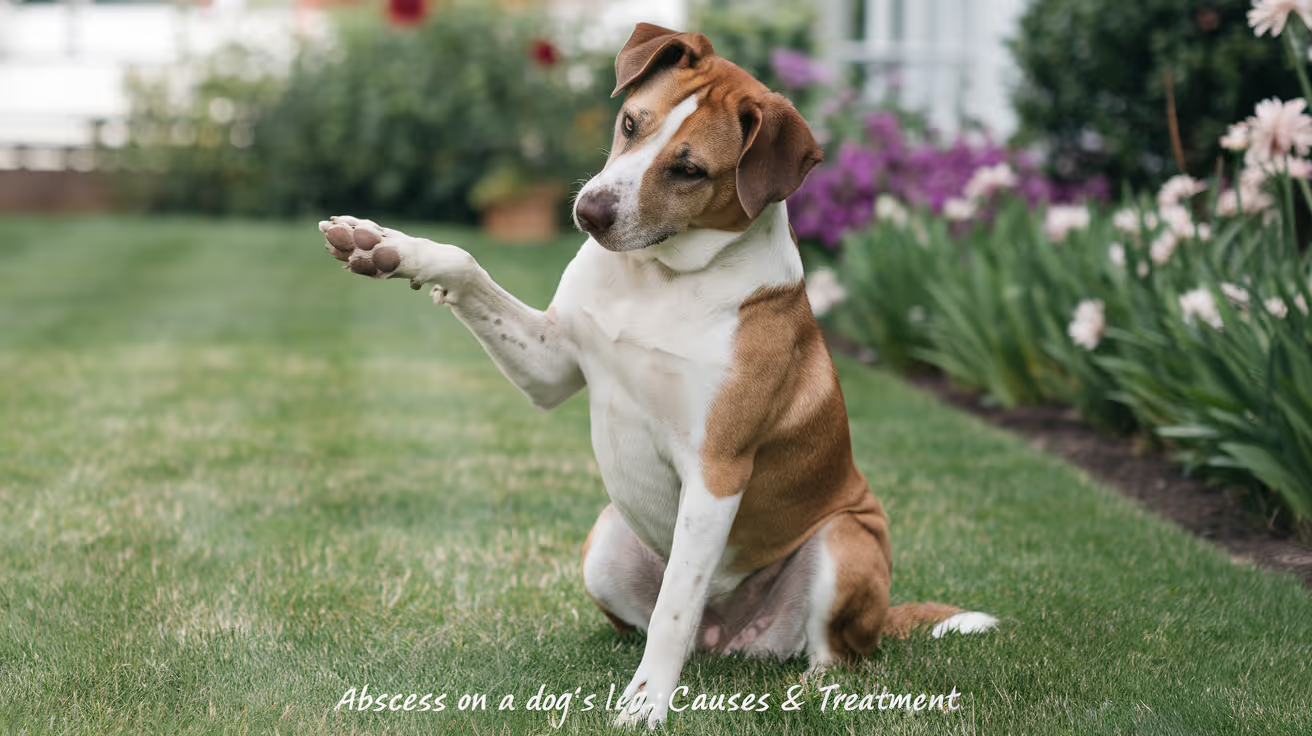
Abscess on a Dog's Leg: Causes, Signs & Treatment
Learn about causes, signs, and treatment of abscess on a dog's leg to help your pet recover quickly and safely.
An abscess is a pocket of pus trapped beneath the skin. On a dog's leg, it feels like a warm, painful swelling that appeared relatively quickly often within 24 to 72 hours of a bite, scratch, or puncture. It is not going to resolve on its own, and it should not be drained at home.
The good news is that with proper veterinary treatment, most leg abscesses heal completely within 1 to 2 weeks.
Quick answer: A dog leg abscess is a pus-filled swelling from bacterial infection, usually after a bite or puncture. Signs are warmth, pain, and rapid swelling. Treatment needs veterinary drainage and antibiotics. Most heal within 1 to 2 weeks.
Key takeaways
- An abscess is a pus pocket formed when bacteria are walled off in tissue by a fibrous capsule
- Bite wounds are the most common cause of leg abscesses; puncture wounds seal over quickly while bacteria multiply inside
- Warmth, pain, and rapid swelling are the hallmarks; the dog may limp or guard the leg
- Never drain an abscess at home inadequate drainage leaves bacteria behind and causes recurrence
- Foreign objects (foxtails, splinters) must be identified and removed or the abscess will keep recurring
- Healing takes 1 to 2 weeks with appropriate treatment; more complex cases involving surgery take longer
What is an abscess and why does it form?
VCA Animal Hospitals: "Abscesses are firm or compressible, often painful swellings that contain pus. They can develop in many areas of the body. Abscesses are caused by the introduction of bacteria through wounds, injuries, or bloodborne in the case of an internal organ abscess."
When bacteria enter tissue through a puncture or bite wound, the body's immune system responds by sending white blood cells to fight the infection. Dead white blood cells, bacteria, and tissue debris accumulate to form pus. The body walls off this material with a fibrous capsule creating the abscess cavity. As pus accumulates, pressure builds, causing pain and swelling.
Zumalka: "A fibrous capsule forms as purulent material accumulates beneath the skin, leading to increased pressure and painful swelling."
The problem with puncture wounds specifically: the entry hole seals over quickly while bacteria are still inside, trapping them in a warm, nutrient-rich environment where they multiply unchecked.
Common causes of leg abscesses in dogs
Bite wounds from other animals
The most common cause. Dog bites and cat bites puncture deep into tissue while depositing bacteria from the attacker's mouth. Cat bites are especially prone to abscess formation because their needle-sharp teeth create very deep punctures that seal over the surface rapidly.
UrgentVet: "A dog leg abscess may appear after trauma, injury, or a bite wound. Swelling, warmth, and limping are common signs. Since legs are highly mobile, abscesses here can be particularly uncomfortable."
Vetster adds an important reminder: "Bite wound abscesses are a bigger concern in unvaccinated pets due to the risk for rabies exposure." If your dog was bitten by an unknown animal, contact your vet about rabies prophylaxis recommendations regardless of abscess management.
Foreign body: foxtails, splinters, grass awns
Foxtails and similar plant material embed in the skin and migrate inward. They cannot dissolve and the body cannot expel them so bacteria colonize the tract they create, forming an abscess. Dogster: "During spring and summer, foxtails or grass seeds attach themselves to anything and everything, commonly burrowing into the feet."
VCA: "If a foreign object caused the abscess, it is critical to remove it or the abscess will return."
Recurring abscesses at the same location on the lower leg or foot, especially after outdoor activity in tall grass, strongly suggest a retained foreign body.
Puncture wounds from sharp objects
Nails, thorns, wire, and other sharp objects create deep puncture wounds that close quickly at the surface. The depth of penetration and the bacteria introduced determine whether an abscess forms.
Infected wound or laceration
Any wound that is not properly cleaned and monitored can become infected and progress to abscess formation. Deep lacerations are more prone than superficial abrasions.
Signs of an abscess on a dog's leg
Early signs (first 24 to 48 hours after injury):
- Sudden localized swelling, often appearing within 1 to 2 days of an injury
- The area is warm to the touch compared to surrounding skin
- Mild to moderate pain when the area is touched the dog pulls away or vocalizes
- Limping or reluctance to bear full weight on the leg
Established abscess signs:
- The swelling becomes fluctuant (you can feel fluid movement when pressed gently)
- The overlying skin may be reddened or discolored
- The dog may be licking, chewing, or biting at the area constantly
- Discharge (pus) appears if the abscess ruptures spontaneously at the skin surface
Signs the infection is spreading call the vet urgently:
- Increasing swelling beyond the original site
- Red streaking up or down the leg from the abscess (indicates cellulitis or lymphangitis)
- Fever, lethargy, loss of appetite, or depression
- The dog cannot bear any weight on the leg
How vets diagnose a leg abscess
Most abscesses are diagnosed on physical examination: the characteristic warm, fluctuant, painful swelling in context of an injury history or wound is usually diagnostic.
Fine needle aspiration: the vet inserts a needle into the swelling and withdraws fluid. Confirmation of purulent (pus) material confirms abscess. The sample may be sent for culture to identify the bacteria and guide antibiotic selection especially important for recurring abscesses.
Imaging: X-ray or ultrasound may be used if a foreign body is suspected, or if the abscess is very deep and its extent is unclear.
For how abscesses relate to furuncles and other deep skin infections that can progress without treatment, see furuncles as a related deep skin infection. For how abscesses cause limb swelling, see abscesses causing limb swelling. For how red lumps from abscesses appear on the leg alongside other causes, see abscesses as a cause of red lumps.
Treatment
Step 1: Drainage
The abscess must be opened and the pus removed. VCA: "The key is to remove the pocket of pus, either surgically or by draining and flushing."
How the vet drains it:
- Sedation or local anesthesia to manage pain during the procedure
- A small incision is made at the most dependent (lowest) point of the abscess to allow complete drainage
- The pus is expressed and the cavity flushed thoroughly with sterile saline or dilute antiseptic solution
Urgent Vet Care: "Depending on the size and location, we may place a drain or leave the wound partially open to encourage continued drainage."
A drain (a piece of soft tubing or rubber) may be placed through the abscess cavity and left in place for 24 to 48 hours to prevent premature closure while drainage continues. This is common for large or deep abscesses.
Step 2: Foreign body removal
If imaging or inspection reveals a foreign object (foxtail, splinter, grass awn), it is removed at this step. VCA is explicit: "If a foreign object caused the abscess, it is critical to remove it or the abscess will return." The entire tract created by the migrating foreign body may need to be surgically explored.
Step 3: Antibiotics
VCA: "Antibiotic therapy is a critical component of successful abscess treatment. The antibiotic will be chosen based on the bacteria involved, and the length of treatment will depend upon both the bacteria and the location. It is important to give the antibiotics for the entire time they are prescribed."
Common first-line choices: amoxicillin-clavulanate, cephalexin, or trimethoprim-sulfamethoxazole. Duration is typically 7 to 14 days for simple abscesses; longer for recurrent or deep cases.
Step 4: Pain management
Abscesses are painful. NSAIDs (meloxicam, carprofen) are typically prescribed for the first several days of treatment. Dogtime: "After the abscess is drained, your dog may require antibiotics and pain relievers to manage discomfort, as well as to prevent the infection from spreading."
Home care after veterinary treatment
Dogster (Dr. vet): "While warm compresses can help reduce swelling, draining the abscess without medical support may cause more harm or leave infection behind."
What to do at home:
- Apply warm compresses to the site for 10 to 15 minutes, 2 to 3 times daily, to encourage drainage and reduce swelling
- Clean the wound gently with dilute chlorhexidine or saline as directed by your vet
- Keep the area dry between cleanings
- Apply an E-collar to prevent licking licking reintroduces bacteria and delays healing
- Give all antibiotics on schedule and complete the full course
- Monitor for signs of recurrence: returning swelling, increasing discharge, or worsening pain
Signs to return to the vet:
- The swelling is not decreasing after 48 to 72 hours of treatment
- New discharge appears at the site after it appeared to be healing
- Red streaking appears around the wound
- The dog develops fever, stops eating, or becomes lethargic
For how severe infection can progress beyond an abscess to necrotizing tissue infection, see severe infection progression from abscess.
Can you treat a dog leg abscess at home?
Dogster: "While there are some aspects of treatment that can be managed at home, a dog's abscess should always be assessed by a vet. They will be able to work out an appropriate treatment plan, including medications such as antibiotics, and show you what you need to be doing at home."
Home care (warm compresses, keeping the area clean, E-collar) supports recovery but does not replace veterinary drainage and antibiotics. Attempting to squeeze or lance an abscess at home:
- May not fully drain the cavity
- Risks introducing additional contamination
- Can rupture the fibrous capsule internally, spreading infection into surrounding tissue
Frequently asked questions
How quickly does a dog leg abscess develop?
Abscesses typically develop within 24 to 72 hours of the causative injury. Some develop more slowly, particularly if the bacteria are less aggressive or the immune system has partially contained the infection. Most owners notice the swelling appearing surprisingly quickly a leg that looked normal the day before the vet visit may have a significant abscess by the appointment.
Will a dog leg abscess burst on its own?
It may. When the skin overlying the abscess thins sufficiently from internal pressure, spontaneous rupture can occur, releasing pus. This temporarily relieves pressure but does not resolve the infection the abscess often reforms unless the cavity is properly flushed and antibiotics are given. Spontaneous rupture also creates an open wound that can be contaminated from the environment. Vet assessment remains necessary even after spontaneous rupture.
My dog had an abscess treated but it came back in the same spot. Why?
Recurrence at the same site almost always means either a foreign body was not found and removed, or the antibiotic course was not completed. Dogster: foxtails in particular migrate inward over time, seeding a new abscess along their path. X-ray or ultrasound evaluation for a retained foreign object is the appropriate next step for any recurring abscess at the same site.
Is a dog leg abscess contagious to other dogs or humans?
The bacteria inside an abscess can theoretically transfer through direct contact with wound discharge, but abscess formation itself is not contagious it requires a specific combination of bacteria being introduced through a wound in that individual animal. Standard hygiene precautions (wash hands after handling discharge) are appropriate when caring for an infected wound.
Can a dog leg abscess become life-threatening?
Yes, in severe or untreated cases. If bacteria spread from the abscess into surrounding tissue (cellulitis), into the lymphatic system, or into the bloodstream (sepsis), the situation becomes life-threatening. Vetster: "Complications may occur in immunosuppressed and unvaccinated dogs." A dog with an abscess that is systemically unwell lethargic, not eating, running a fever needs emergency veterinary care.
How do I know if my dog's leg swelling is an abscess or a tumor?
An abscess typically has a rapid onset (days), is warm and painful, and is associated with an injury or wound. A tumor develops over weeks to months, is usually not painful, and does not have a history of trauma. However, infected cysts and tumors can look similar to abscesses. Fine needle aspiration by a vet provides a definitive answer when the distinction is unclear.
Resources
- VCA Animal Hospitals. Abscesses in Dogs. vcahospitals.com
- Dogster. Can I Treat My Dog's Abscess at Home? Our Vet Explains. dogster.com
- Dogtime. Abscesses in Dogs: Symptoms, Causes and Treatments. dogtime.com
- Vetster. Skin Abscesses in Dogs. vetster.com
- UrgentVet. Dog Abscesses: Causes, Symptoms and How You Treat Them. urgentvet.com

Can Dogs Get Keloid Scars?
Learn if dogs can develop keloid scars, how to identify them, treatment options, and prevention tips for your pet's skin health.
Owners frequently notice a raised, thickened area near a healed wound or surgical incision and worry about keloid scarring. The answer is nuanced: true keloid scars as seen in humans are extremely rare in dogs, but dogs do form abnormal raised scars and scar-like growths that need veterinary attention for a different reason.
Understanding the distinction matters because some raised scars in dogs are not scars at all they are tumors that can mimic scar tissue.
Quick answer: True keloid scars are extremely rare in dogs. Dogs most commonly form hypertrophic scars (raised, within wound boundary). Any growing raised growth at a scar site needs vet evaluation; some are fibromas or fibrosarcomas, not true scars.
Key takeaways
- True keloid scars are extremely rare in dogs: very few cases documented in veterinary literature
- Dogs most commonly form hypertrophic scars: raised, firm scars that stay within the wound boundary
- Dog skin heals differently from human skin: collagen remodeling differences make keloid formation far less likely
- A raised growth near a scar site is not always a scar: granulomas, fibromas, and fibrosarcomas can mimic scar tissue
- Intralesional corticosteroids are used to treat hypertrophic scars in dogs when they are uncomfortable or growing
- Any growing raised growth at a wound or incision site warrants veterinary evaluation
What is a keloid scar?
In humans, keloid scars are an abnormal healing response where collagen production continues far beyond the wound boundary. Cuteness explains: "A keloid scar, also called a hypertrophic scar, is a thick, raised overgrowth of collagen tissue. They are often shiny and firm to the touch and may have a flesh-colored or dark brown pigment."
More precisely, veterinary and human dermatology literature distinguishes two types of abnormal scarring:
Hypertrophic scars: raised, firm, often red or pink scars that remain within the original wound boundary. They may be uncomfortable but do not invade surrounding tissue. They can improve spontaneously over time.
Keloid scars: raised scars that grow beyond the original wound boundary, extending into surrounding normal tissue. They do not regress spontaneously and tend to recur after removal. Far more common in humans than in dogs.
PetsVetCheck: "Keloids, which are rarer in dogs, are a more extreme form of scar tissue formation where the scar tissue extends beyond the boundaries of the original wound."
Why true keloids are rare in dogs
Dog skin heals through a fundamentally different biological process than human skin. SustainableVet notes: "Dog skin has different collagen remodeling, reducing the chance of keloid formation."
The key differences:
- Collagen organization: dog skin produces and organizes collagen in ways that are less prone to the dysregulated overproduction seen in human keloids
- Wound contraction: dogs rely more heavily on wound contraction (the skin literally pulling together) as a primary healing mechanism, rather than the collagen proliferation that dominates in humans
- Immune response: the inflammatory cascade that drives keloid formation in susceptible humans appears to play a less prominent role in canine wound healing
The Veterinary Dermatology journal (Avallone et al., 2011) published one of the few documented cases of hypertrophic scarring in a dog, noting that the histological findings were similar to hypertrophic scars in humans, and concluding: "Even if uncommon, hypertrophic scar should be included among the differential diagnoses of spindle cell tumours in dogs."
What dogs actually develop: the normal scar process
When a dog's skin is injured or sutured after surgery, the healing process follows predictable stages:
Days 1 to 5 (inflammatory phase): redness, swelling, warmth at the wound site. The body sends inflammatory cells to the area and begins collagen production.
Days 5 to 21 (proliferative phase): new collagen is deposited and the wound edges are pulled together. A slightly raised, pink scar forms.
Weeks 3 onward (remodeling phase): collagen fibers are reorganized and the scar gradually flattens, softens, and fades. This process continues for months.
Dial A Vet: "It's normal for a dog's surgical incision site to appear slightly raised or bumpy during the healing process. The skin contracts as it heals, which can create a little bumpiness."
Most post-surgical or post-wound scars in dogs follow this normal course. A slightly raised, firm scar 2 to 6 weeks after surgery is not a keloid it is normal healing.
When a raised scar needs veterinary attention
Not every raised growth near a wound is a healing scar. Cuteness identifies an important concern: "Keloid scars can also be potentially malignant (cancerous) tumors. Keloidal scarring can indicate tumors, known as keloidal fibromas or fibrosarcomas, that require surgical removal and monitoring."
Call your vet if a scar or raised growth at a wound site:
- Is still growing after 6 to 8 weeks (normal scars plateau and begin to flatten)
- Is growing beyond the original wound boundary into surrounding normal tissue
- Becomes painful or causes the dog to scratch, bite, or lick at it
- Changes surface appearance becomes ulcerated, bleeds, or develops a different texture
- Feels different from surrounding tissue (harder, rubbery, or attached to underlying structures)
- Was preceded by injection at that site (injection-site sarcomas are an important consideration at previous vaccination or injection sites)
For how raised lumps at wound or scar sites compare to cysts and tumors, see keloids vs other skin growths.
Diagnosis
When a raised growth at a wound site needs investigation, a vet will:
Fine needle aspiration (FNA): a sample of cells from the lesion is examined under a microscope. This distinguishes scar tissue from tumor cells in most cases.
Biopsy: if FNA is inconclusive or the growth has atypical features, a tissue core biopsy or surgical excision with histopathology provides a definitive diagnosis.
The Avallone et al. (2011) case in Veterinary Dermatology illustrates this: a dog presented with a raised growth that was histologically confirmed as a hypertrophic scar. On initial presentation, the differential diagnosis included spindle cell tumors a reminder that scar-like growths require pathological confirmation before assuming benignity.
Treatment options for abnormal canine scars
Monitoring
For hypertrophic scars that are not growing, not painful, and are showing signs of flattening over time, watchful waiting is appropriate. Most normal and hypertrophic scars in dogs improve without intervention over 3 to 12 months.
Intralesional corticosteroid injection
The Avallone et al. (2011) case documented successful treatment of a canine hypertrophic scar with intralesional methylprednisolone acetate. The lesion regressed within 10 days of injection, though it recurred after self-trauma, highlighting that preventing licking and scratching is a critical component of scar management.
Corticosteroids reduce collagen production and inflammatory activity in the scar, allowing it to soften and flatten.
Surgical removal
If a growth is confirmed as a scar-related fibroma or is causing significant discomfort, surgical excision is appropriate. Cuteness: "Keloidal fibromas or fibrosarcomas require surgical removal and monitoring." For true fibrosarcomas (malignant), wider margins and oncological follow-up are needed.
Laser therapy and topical treatments
PetsVetCheck notes that "treatments including laser therapy, special creams, and in some cases surgical procedures" are available to reduce scar appearance. These are adjuncts to primary treatment rather than first-line options.
Nutritional support
PetsVetCheck: "A diet rich in vitamins, minerals, and omega-3 fatty acids can promote wound healing and potentially reduce scar tissue formation." Omega-3 fatty acids (found in fish oil) are anti-inflammatory and may support healthier collagen remodeling during wound healing.
For how keloid-like growths on the legs appear alongside other types of lumps that may need removal, see whether keloid scars need removal. For the range of raised lumps that appear on dogs that can be mistaken for scars, see keloid scars as a cause of lumps.
Preventing poor wound healing and scar formation
- Treat wounds promptly: wounds that become infected or heal slowly are more likely to develop abnormal scar tissue
- Prevent self-trauma: E-collar use after surgery prevents licking that disrupts healing and may drive hypertrophic scar formation
- Follow post-surgical care instructions: proper wound cleaning, dressing changes, and activity restriction support smooth healing
- Nutrition: adequate protein intake supports collagen quality during wound healing
Frequently asked questions
My dog had surgery and the incision looks raised and bumpy. Is this a keloid?
Almost certainly not. A raised, slightly bumpy incision at 1 to 6 weeks post-surgery is normal healing. The skin contracts during repair, creating a firm ridge. This should progressively flatten over the following weeks and months. If the ridge continues to grow after 6 to 8 weeks or extends beyond the original incision line, contact your vet for assessment.
Can a keloid scar in a dog become cancerous?
True keloid scars themselves are not cancerous. However, some raised growths at wound sites that owners identify as keloids are actually fibromas or fibrosarcomas tumors that arise from fibroblast cells and can resemble scar tissue. Fibrosarcomas are malignant. This is why any growing, unusual, or persistent raised growth at a wound site should be evaluated by FNA or biopsy rather than assumed to be a benign scar.
Is there anything I can apply to my dog's scar to help it heal?
Vitamin E oil is sometimes suggested by owners, but evidence for its efficacy is mixed. Petroleum-based products (plain Vaseline) keep wound surfaces moist and may improve the cosmetic outcome of small scars. Do not apply any product to a wound that has not fully closed. For any raised, abnormal, or growing scar, consult a vet before applying anything some products can cause contact dermatitis or interfere with diagnosis.
Do certain dog breeds scar more than others?
Breed predisposition to abnormal scarring in dogs is not well characterized in veterinary literature, unlike in humans where dark-skinned individuals have higher keloid rates. The Avallone case was in a mixed-breed dog. Some large breed dogs (Great Danes are mentioned in some NF literature) may have different wound healing characteristics, but breed-specific keloid predisposition in dogs remains undocumented.
How long does it take for a dog's scar to fully heal?
The visible scar typically stops changing significantly by 3 to 6 months after the original wound, though remodeling continues for up to 12 months. Scars over joints or areas of high movement may take longer to mature. During this time, the scar should progressively flatten, soften, and fade from pink or red to white or skin-colored.
My dog keeps licking at a healed scar. Is that a problem?
Yes. Chronic licking at a scar causes repeated mechanical trauma that can drive abnormal collagen deposition and hypertrophic scar formation. The Avallone et al. case documented a recurrence specifically linked to "severe self-trauma." An E-collar should be used if your dog is repeatedly accessing a scar site. If the dog is licking because the area is itchy or uncomfortable, a vet visit is appropriate to assess the scar and potentially treat with intralesional corticosteroids.
Resources
- Cuteness. Keloid Scars In Dogs. cuteness.com
- Veterinary Dermatology. Hypertrophic Scar in a Dog: Histological and Clinical Features. (Avallone et al., 2011) onlinelibrary.wiley.com
- PetsVetCheck. Hypertrophic Scarring Following Skin Trauma in Dogs. petsvetcheck.de
- Dial A Vet. Can Dogs Get Keloids or Any Type of Scarring After Surgery? dialavet.com
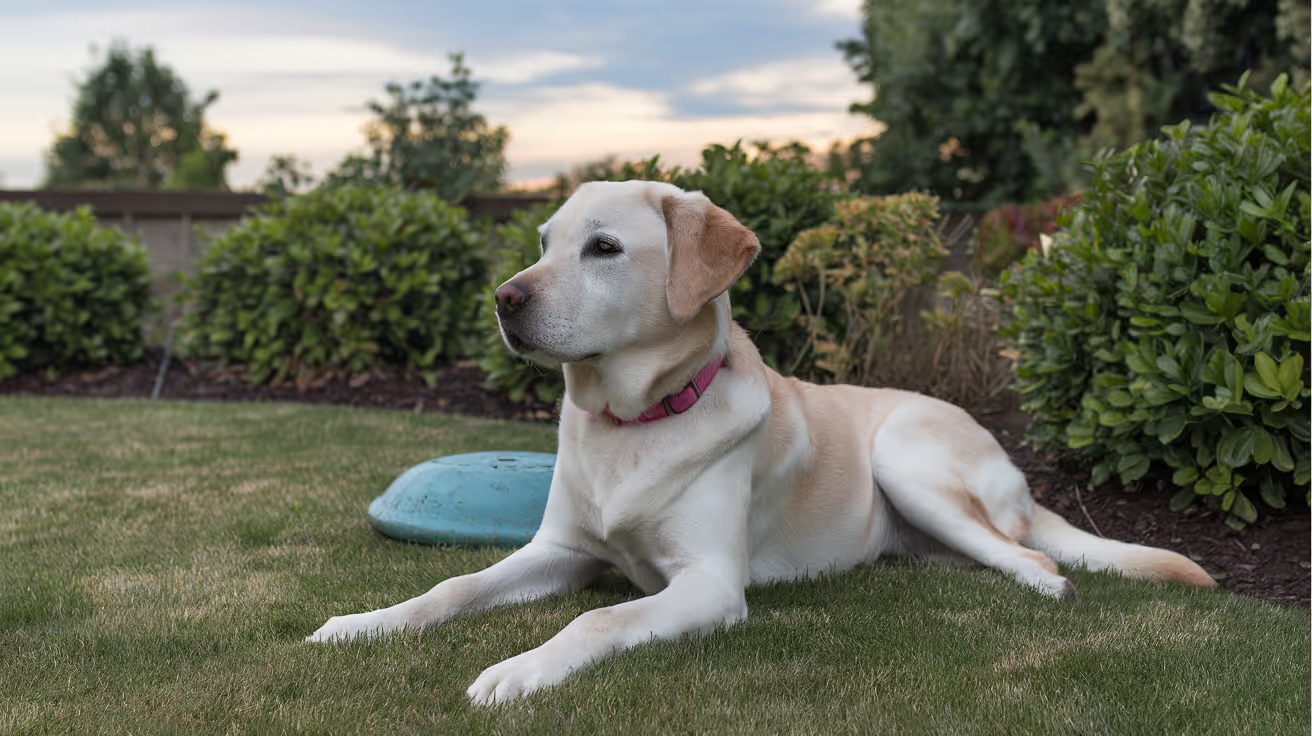
Do Dogs Calm Down After Being Spayed?
Learn how dogs behave after being spayed and when to expect them to calm down post-surgery.
It is one of the most common reasons owners choose to spay their female dog. The expectation of a calmer, more settled companion afterward.
Sometimes that is exactly what happens. Sometimes it does not. And in a small subset of cases, anxiety or excitability actually increases.
Understanding why gives you a more accurate picture of what to expect, which makes the outcome less surprising in either direction.
Quick answer: Many dogs do become calmer after spaying, but the effect is specific to hormone-driven behaviors, not overall temperament. Dogs that were restless, anxious, or excitable due to heat cycles typically show significant improvement. Dogs whose energy or anxiety has non-hormonal causes will not reliably calm down. Most behavioral changes, if they occur, appear over two to three months.
Key takeaways
- The calming effect is real but specific: It applies to behaviors driven by reproductive hormones, not all behaviors.
- Heat cycle behaviors disappear: Restlessness, roaming, frequent urination, and cyclical mood shifts all stop after spaying.
- Core energy level and personality do not change: A high-energy dog will still be high-energy after spaying.
- Breed and individual temperament matter: Some breeds retain high energy regardless of hormone status.
- The timeline is weeks to months, not days: Hormone levels decline gradually, so behavioral changes are gradual too.
- A small subset of dogs show increased fearfulness: This is documented in research and worth knowing about before surgery.
What "calming down" actually means after spaying
When people say they want their dog to calm down, they usually mean one of two things:
- They want heat cycle behaviors to stop: the roaming, the restlessness, the vocalization, the constant male attention.
- They want a generally more settled dog overall.
Spaying reliably delivers the first. The second is less predictable.
This distinction is the core of the honest answer to this question.
What spaying removes: the hormonal layer
Spaying removes the ovaries, which are the primary source of estrogen and progesterone. These hormones regulate the reproductive cycle and influence behaviors tied to it.
During heat cycles, which typically occur every six to eight months in adult dogs, estrogen surges create a set of predictable behaviors:
- Restlessness and inability to settle
- Increased vocalization
- Frequent urination in small amounts to signal reproductive status
- Strong drive to escape and find a mate
- Attracting intact male dogs
- Cyclical irritability or anxiety
All of these stop after spaying. The hormonal trigger is permanently removed.
Which dogs calm down most noticeably after spaying
Dogs whose difficult behaviors are primarily or significantly driven by the reproductive cycle show the most consistent improvement after spaying.
Dogs most likely to become calmer:
- Female dogs that showed significant behavior changes during heat cycles, including restlessness, anxiety, and clinginess
- Dogs prone to false pregnancies, with associated nesting, object guarding, and protective behavior
- Dogs that attempted to escape or roam during heat periods
- Dogs whose cyclical mood swings were disruptive to daily life
For these dogs, spaying removes a recurring source of behavioral disruption. The result is often a more predictable, stable dog.
Which dogs may not calm down after spaying
Dogs whose energy level, excitability, or anxiety comes from sources other than reproductive hormones will not reliably settle after spaying.
Dogs less likely to show a calming effect:
- High-energy working or sport breeds where drive is genetic, not hormonal
- Dogs with established anxiety, fearfulness, or reactivity from non-hormonal causes
- Dogs with learned problematic behaviors from their history and environment
- Dogs whose excitability comes from insufficient exercise or mental stimulation
A Border Collie that is highly energetic before spaying will still be highly energetic after. A Labrador that pulls on the leash before spaying will still pull after. These behaviors are not driven by estrogen.
The timeline: when does calming happen?
Behavioral changes from spaying do not happen within days of surgery. The immediate post-surgery period reflects recovery from anesthesia and pain, not hormonal adjustment.
Realistic timeline:
Owners who expect a noticeably calmer dog within days of surgery are working with an inaccurate timeline. The changes are gradual and unfold over weeks to months.
What research says about calming after spaying
The evidence is genuinely mixed, which is worth knowing rather than glossing over.
Supporting the calming effect:
A study of 591 dogs found behavioral problems reduced or eliminated in 59% of spayed females. Heat cycle-related behaviors showed the most consistent improvement. Many owners of females that were particularly difficult during heat cycles report significant positive changes after spaying.
Complicating the picture:
Two large-scale studies using the Canine Behavioral Assessment and Research Questionnaire (C-BARQ) found that sterilization was associated with a roughly 31% increase in fearfulness and a 33% increase in touch sensitivity in some dogs. These findings apply to both males and females.
What does this mean in practice? For a meaningful subset of dogs, spaying does not produce a calmer animal. It may even produce a more anxious one, particularly in dogs that had pre-existing fearfulness or were sterilized at a young age.
This does not mean spaying is wrong for these dogs. It means the behavioral outcome cannot be guaranteed, and expectations should be calibrated accordingly.
For the full picture of all the behavior changes to expect after spaying, including the research on unexpected outcomes, that guide covers the complete behavioral landscape across both sexes.
Does calming depend on the dog's age at spaying?
Yes, and this is one of the most important variables.
Dogs spayed before their first heat cycle:
The hormonal disruption of heat cycles is never established. Many owners report these dogs are consistently more settled than intact females across their lifetime, without ever having the difficult heat cycle period.
Dogs spayed after several heat cycles:
The calming effect from eliminating heat cycles is still real and significant. However, any behaviors that have become habitual through repetition during heat cycles may persist longer or require training to address.
Dogs spayed very young (before 6 months):
Research suggests a higher association with fearfulness in dogs sterilized very early, before hormonal maturity. For whether this applies specifically to puppies, the guide on calming effects specific to female dogs addresses this age-specific question in detail. For the puppy-specific picture, the guide on whether puppies calm down after being spayed covers the developmental nuances unique to younger dogs.
When the expected calming does not happen
If your dog does not seem noticeably calmer after spaying, consider these factors before concluding the surgery did not work.
Check the timeline: Have two to three months passed since surgery? If not, the hormonal adjustment may still be in progress.
Identify the behavior source: Is the behavior you wanted to address actually hormone-driven? If it is not, spaying was never going to address it.
Consider habituation: Some behaviors that started as hormone-driven become habitual over time. The hormone is removed but the habit persists. Consistent training addresses habituated behavior.
Consider an underlying anxiety: If your dog became more fearful or anxious post-surgery, this is a documented outcome in some dogs. A veterinary behaviorist or your regular vet can help evaluate what is happening and what options exist.
Understanding the truth behind the calming effect myth, including why the expectation of calming is sometimes oversold, helps put the variable outcomes in context.
What actually makes dogs calmer long-term
Whether or not spaying produces a calming effect, these factors reliably influence how settled and manageable a dog is:
- Adequate physical exercise: A dog that is genuinely tired is a calmer dog. Exercise needs are determined by breed and individual temperament.
- Mental stimulation: Breed-appropriate mental work, puzzle feeders, training sessions, and enrichment activities reduce restless, problematic behavior.
- Consistent training: Clear, reinforced expectations give dogs a behavioral framework. This is the single most reliable path to a calmer dog.
- Routine and predictability: Dogs settle more easily in stable, predictable environments.
Spaying contributes one element to this picture. It is not a standalone solution.
Frequently asked questions
How long after being spayed will my dog calm down?
If the calming effect is going to occur, most hormone-driven behavioral changes become apparent within two to six weeks as hormone levels decline. Full stabilization typically takes two to three months. Dogs that are still showing challenging behaviors three to four months after surgery are unlikely to improve further from the hormonal change alone.
Will spaying make my high-energy dog less active?
Probably not significantly. Energy level in dogs is primarily determined by breed, genetics, and conditioning. Spaying can cause a modest metabolic slowdown, but it does not reduce drive or enthusiasm. A high-energy breed will still need the same amount of exercise after spaying.
My dog got more anxious after being spayed. Why?
Research has documented increased fearfulness in a subset of dogs after sterilization, associated with a roughly 31% increase in fearfulness in some studies. This appears to occur more often in dogs sterilized at a young age and in dogs with pre-existing anxiety. If your dog shows increased anxiety after spaying, speak to your vet. A referral to a certified veterinary behaviorist may be helpful.
Will spaying help with aggression?
It depends on the type of aggression. Aggression linked to the heat cycle, competition with other female dogs, or false pregnancy guarding often decreases. Fear-based aggression, learned aggression, and resource guarding are not hormone-driven and are not reliably improved by spaying. For whether lower testosterone calms dogs down in the male counterpart to this question, that guide covers the testosterone-behavior link specifically.
Does breed affect whether spaying calms a dog down?
Yes. Breed temperament significantly influences baseline energy and anxiety levels. High-drive working breeds such as Border Collies, Australian Shepherds, and Belgian Malinois have energy and drive that is genetic, not hormonal. Removing reproductive hormones does not change these fundamental breed characteristics. Whether your specific dog falls into a calmer range after spaying depends on what was driving any difficult behavior in the first place.
The calming effect of spaying is real for dogs whose difficult behaviors are hormone-driven. For those dogs, eliminating the heat cycle and its associated hormonal disruption produces a meaningfully more stable animal. For dogs whose energy or anxiety comes from other sources, spaying is still beneficial for health reasons but should not be expected to produce behavioral transformation. The most accurate prediction is not based on "spaying calms dogs" but on "removing a specific hormonal influence changes the behaviors that influence drives."
Resources
The following sources were used as reference and background for this article:
- Stanley Coren, Psychology Today. Are There Behavior Changes When Dogs Are Spayed or Neutered? psychologytoday.com
- PubMed. Changes in the behavior of dogs after castration. pubmed.ncbi.nlm.nih.gov
- ManyPets. Do Dogs Change After Being Neutered or Spayed? manypets.com
- American Veterinary Medical Association (AVMA). Spaying and Neutering. avma.org
- Houndsy. How Spaying Affects Dog Behavior. houndsy.com
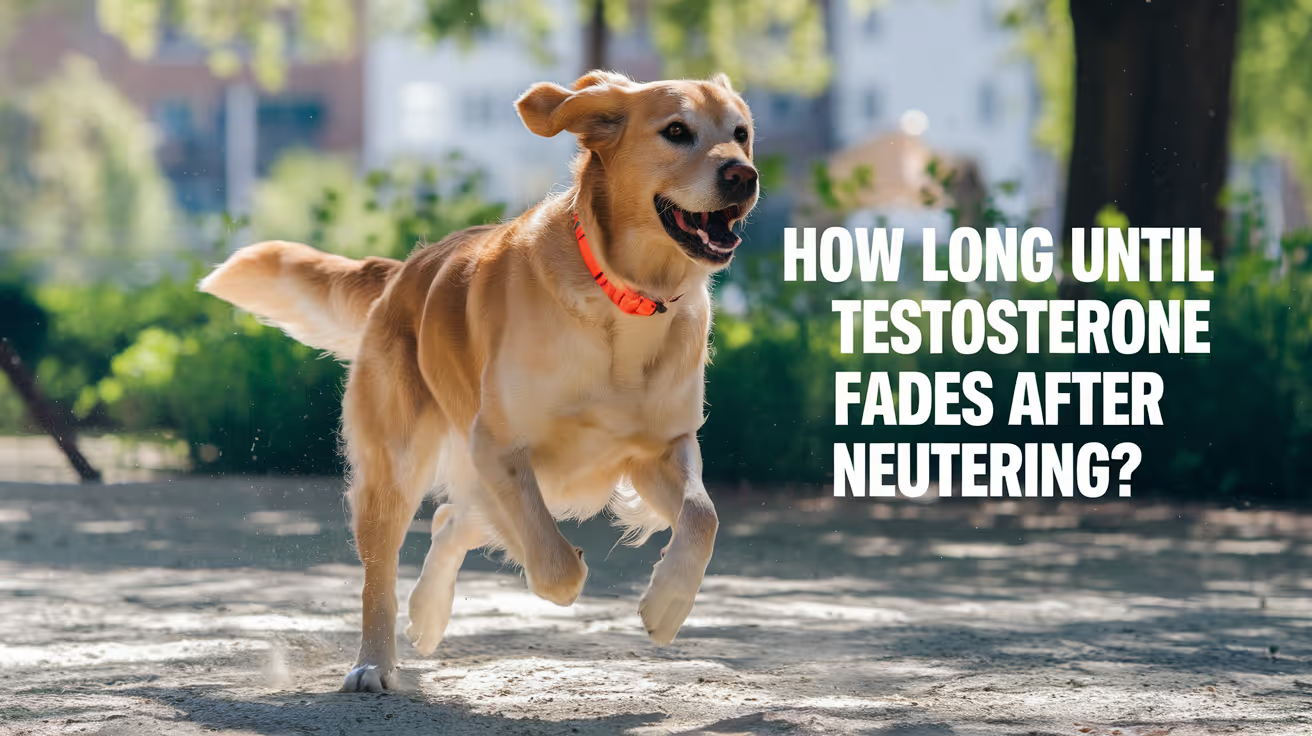
How Long After Neutering Is Testosterone Gone in Dogs
Learn how long testosterone stays in dogs after neutering and what to expect during recovery.
Neutering removes the testicles, which produce most of a dog's testosterone. But the hormone does not vanish from the bloodstream on surgery day.
Testosterone clears gradually as the body metabolizes what remains. Behavior follows the same curve. This is why owners who expect an immediate behavioral shift are often disappointed, and why patience in the weeks after surgery is not just advisable but necessary.
Here is the complete, evidence-based picture of the testosterone clearance timeline and what it means for your dog.
Quick answer: Testosterone levels begin declining within 24 to 72 hours of neutering. Significant reduction occurs within 2 to 3 weeks. Most testosterone is cleared from the bloodstream within 4 to 6 weeks. Full behavioral stabilization typically takes 2 to 3 months as the body and brain adjust to the new hormonal environment. Some habits shaped by testosterone may persist beyond this window and require training to address.
Key takeaways
- Testosterone production stops on surgery day: The testicles are removed, eliminating the primary production source immediately.
- Clearance from the bloodstream takes 4 to 6 weeks: Residual testosterone circulates and is metabolized gradually.
- Behavioral changes follow the hormonal decline: Most testosterone-driven behavioral improvements appear over 2 to 6 weeks.
- Full behavioral stabilization takes 2 to 3 months: Some behaviors fade slowly as hormone levels drop.
- Habits shaped by testosterone may persist: Learned behaviors continue regardless of hormone levels and require training.
- Fertility persists for up to 6 weeks: Residual sperm in the reproductive tract can still result in pregnancy.
What testosterone does in male dogs
Testosterone is produced primarily by the testicles. It drives a specific set of behaviors and physical characteristics in intact male dogs:
- Urine marking: The drive to mark territory with urine is heavily testosterone-dependent.
- Mounting behavior: Sexual and status-related mounting is driven by testosterone.
- Roaming: The drive to escape and find a mate is strongly testosterone-mediated.
- Inter-male aggression: Competition-based aggression with other intact males is often testosterone-linked.
- Dominance behaviors: Some dominant social behaviors decrease after neutering.
Beyond behavior, testosterone influences muscle mass, certain aspects of bone density, and the dog's general physical development.
The testosterone clearance timeline
Understanding this timeline is the most important practical takeaway from this article.
Hours 0 to 72: production stops, clearance begins
The testicles are removed during surgery. Testosterone production essentially stops at that moment.
However, the hormone that was already circulating in the bloodstream at the time of surgery does not disappear immediately. The body metabolizes and clears it through normal hormonal processing.
Within the first 24 to 72 hours, testosterone levels begin their decline. This is measurable but does not immediately translate into behavioral change.
Days 7 to 10: significant early reduction
By one to two weeks post-surgery, testosterone levels have dropped substantially from their pre-surgery baseline. Most of the actively circulating hormone is being metabolized.
This is still not the point at which behavioral changes are reliable. The hormonal environment is in transition, and the brain and behavior patterns are adjusting.
Weeks 4 to 6: functional clearance
By four to six weeks post-neutering, testosterone has reached very low or undetectable levels in most dogs. This is the point that veterinarians generally refer to when asked how long it takes for testosterone to "go away."
Some sources cite two weeks for functional clearance; others cite six weeks. The variation reflects individual differences in age, health, and metabolism. Younger dogs tend to clear residual testosterone faster.
Months 2 to 3: full behavioral stabilization
Even after testosterone levels have dropped to baseline, the brain and learned behavioral patterns continue adjusting to the new hormonal environment.
By two to three months post-neutering, most testosterone-driven behavioral changes have stabilized. This is the point at which you can accurately assess whether neutering has produced the behavioral improvements you were hoping for.
Timeline summary table
What behaviors improve as testosterone declines
These are the behaviors most reliably reduced as testosterone levels fall:
High likelihood of improvement:
- Urine marking indoors and outdoors
- Mounting behavior toward people, other dogs, or objects
- Roaming and escape attempts to seek females in heat
- Some forms of inter-male aggression driven by competition
Variable or uncertain improvement:
- Dominance-related behaviors that have become habitual
- Aggression toward familiar people (testosterone may contribute but is not the sole driver)
- General excitability (energy level is more breed and fitness-driven than hormonal)
Behaviors that will not improve:
- Fear-based aggression (not testosterone-driven)
- Separation anxiety (not testosterone-driven)
- Learned behaviors from training history (habits, regardless of their origin)
- Resource guarding (not testosterone-driven)
Why some behaviors persist after testosterone is gone
This is the part of the conversation that surprises many owners.
Some behaviors that appeared to be testosterone-driven become habitual through repetition. The neural pathways associated with the behavior have been reinforced many times, and they do not disappear when the hormonal fuel is removed.
A dog that has been marking territory for three years before neutering has established a behavioral habit. The testosterone-driven urge may be gone, but the habit of going to specific spots and marking may continue. This requires training to address, not just time.
The general rule: behaviors that have been performed repeatedly over time are more likely to persist after neutering than behaviors that are recent or infrequent.
For how testosterone decline affects dog behavior in the context of the full behavioral landscape after sterilization, that guide covers what the evidence says about which changes are most reliable. For the equivalent question in females, the guide on whether hormone changes calm female dogs walks through which female dogs see the calming effect and which do not.
The fertility window: keep intact females away
One important practical point that owners sometimes overlook: a neutered male can still get an unspayed female pregnant for up to six weeks after surgery.
Sperm are stored in the reproductive tract beyond the testicles, in the vas deferens and associated structures. These residual sperm remain viable for several weeks after the testicles are removed.
Keep your neutered male dog away from intact females for the full six weeks after surgery. This is not a precaution against unlikely events. It is a necessary management step.
Factors that affect how quickly testosterone clears
The 4 to 6 week timeline is a general guide. Individual variation exists.
Age: Younger dogs tend to metabolize and clear testosterone faster than older dogs. Their overall metabolic rate is higher.
Health status: Dogs with liver or kidney impairment may metabolize hormones more slowly.
Pre-surgery testosterone levels: A dog with very high testosterone levels before surgery may take longer to reach baseline.
Individual physiology: As with most biological processes, individual variation exists between dogs of the same age and breed.
None of these factors change the approach. Patience through the full two to three month window remains appropriate regardless.
How testosterone decline affects female dogs after spaying
While this article focuses on testosterone in male dogs, it is worth noting the parallel process in females.
Spaying removes the ovaries, which produce estrogen and progesterone. These hormones do not vanish on surgery day either. They decline over a similar 4 to 6 week clearance window, with behavioral stabilization taking two to three months.
The behavioral changes driven by the female hormonal cycle, including heat restlessness, roaming, false pregnancy behaviors, and cyclical mood shifts, follow the same general clearance curve as testosterone in males.
For how hormonal behavior changes in female dogs specifically, including which behaviors are most reliably reduced and over what timeline, that guide provides the female-specific detail.
Frequently asked questions
How long does it take for testosterone to fully disappear after neutering?
Most testosterone is cleared from the bloodstream within 4 to 6 weeks of neutering in healthy adult dogs. Behavioral stabilization, reflecting the brain's adjustment to the new hormonal environment, typically takes 2 to 3 months. Some habits may persist beyond this window and require training.
My dog was neutered two weeks ago and is still marking. Is something wrong?
No. Two weeks is within the normal clearance window. Testosterone is still declining. Most owners see improvements in marking behavior over 4 to 8 weeks. If marking continues at the same level beyond 3 months, it may have become a learned habit that requires training intervention.
Can my neutered dog still get a female pregnant?
Yes, for up to 6 weeks after surgery. Residual sperm in the reproductive tract remain viable after the testicles are removed. Keep your recently neutered male away from intact females for the full 6-week window.
Will my dog's behavior change immediately after neutering?
No. The first two weeks are recovery from surgery. Behavioral changes related to testosterone decline begin appearing in weeks 3 to 6, with full stabilization at 2 to 3 months. Expecting behavioral change within days of surgery leads to frustration and misattribution.
Does the age at neutering affect how quickly testosterone clears?
Somewhat. Younger dogs tend to metabolize hormones faster due to higher metabolic rates. However, the practical difference in clearance timeline is small compared to the individual variation between dogs. The 4 to 6 week clearance timeline remains a reasonable guide regardless of age. For whether lower testosterone calms dogs down and how the behavioral changes of testosterone decline manifest, that guide addresses the calming question across different dog types. For recovery timeline alongside hormonal changes, that guide places the hormonal adjustment within the broader post-surgical recovery picture.
Understanding the testosterone clearance timeline reframes the post-neutering period from a frustrating wait into an understandable process. The behavior changes are coming, but they follow the hormone. Give it four to six weeks for the hormonal shift and two to three months for the behavioral picture to stabilize. What you see at month three is an accurate reflection of what surgery has and has not changed.
Resources
The following sources were used as reference and background for this article:
- Small Dogs Heaven. Understanding the Timeline: How Long After Neutering a Dog is Testosterone Gone? smalldogsheaven.com
- The Beloved Dog. Your Dog's Testosterone: When It's Gone After Neutering. thebeloveddog.com
- Dog Hutt. How Long After Dog Neutering Is Testosterone Gone? doghutt.com
- Dogo App. How Long After Neutering Dog Is Testosterone Gone? dogo.app
- American Veterinary Medical Association (AVMA). Spaying and Neutering. avma.org
- Embrace Pet Insurance. Dog Neuter and Spay Recovery. embracepetinsurance.com

Pinnal Vasculitis in Dogs: Signs, Causes & Management
Learn about pinnal vasculitis in dogs, including signs, causes, and effective management strategies to keep your pet healthy.
Pinnal vasculitis is inflammation of the small blood vessels in the ear flap (pinna). When these vessels are damaged, blood supply to the outer ear margin is reduced, causing the tissue to ulcerate, crust, and in severe cases die (necrose). Left untreated, it permanently changes the shape of the ear.
It is an uncommon condition but one that is often misidentified as a simple ear infection or skin irritation until the ear margin starts to notch and deform.
Quick answer: Pinnal vasculitis causes ulceration, crusting, and tissue death along ear tips and margins in dogs. It is an immune-mediated blood vessel injury triggered by infections, drugs, or autoimmune disease. Treatment uses pentoxifylline and immunosuppressives.
Key takeaways
- Pinnal vasculitis is a reaction pattern, not a specific diagnosis: blood vessel inflammation with multiple possible triggers
- Lesions start at the ear tip (apex) and spread inward along the pinnal margin
- Crusting, ulceration, and notching of the ear edge are the hallmark signs
- Pentoxifylline is the first-line medication, improving blood flow to damaged tissue
- Identifying the underlying trigger is essential; treating vasculitis without finding the cause leads to recurrence
- Permanent ear deformity can occur regardless of treatment if the condition is severe or caught late
What is pinnal vasculitis?
Vasculitis is inflammation of blood vessel walls. Merck Veterinary Manual defines it precisely: "Vasculitis is not a specific diagnosis but refers to inflammation of blood vessel walls. It is usually an immunologic response that results in damage to vascular components of the dermis or subcutaneous tissue."
When this process occurs specifically in the pinna, it is called pinnal vasculitis. DermaVet describes the hallmark clinical pattern: "Pinnal vasculitis can present as alopecia, erosions and ulcerations, necrosis, hyperpigmentation, scaling, cutaneous atrophy, and notching of the tissue along the pinnal margins and medial (concave) aspects of the pinnae."
The reason the ear tip is affected first is vascular anatomy. FirstVet explains: "Acute vasculitis commonly occurs in the dog's legs and feet, ears, lips, the tip of the tail, scrotum, and oral mucosa. These areas are more vulnerable as their blood supply has limited collateral circulation." When the main blood vessel supplying the ear tip is inflamed and partially blocked, there is no alternative vascular route to compensate.
What triggers pinnal vasculitis?
Clinician's Brief (Top 5 Conditions Affecting the Pinnae): "Vasculitis is a histopathologic reaction pattern that signals the presence of inflammatory cells in blood vessels and is an immunologic response (type III hypersensitivity disorder)."
Type III hypersensitivity means immune complexes (antibody-antigen pairs) deposit in blood vessel walls and trigger inflammation. The trigger can be:
Immune-mediated and autoimmune disease
Systemic lupus erythematosus and other autoimmune conditions cause the immune system to attack self-tissues including blood vessels. This is among the more serious causes and requires ongoing immunosuppressive management.
Infections
Tick-borne diseases (Rocky Mountain spotted fever, ehrlichiosis, anaplasmosis) are important causes of vasculitis in dogs. Bacteria and viruses can trigger the immune complex deposition that damages vessel walls. Clinician's Brief: "Any underlying infectious disease that acts as an inciting cause should be treated (e.g., tick-borne diseases can be treated with doxycycline)."
Drug reactions
Certain medications can trigger vasculitis as an adverse reaction. Merck notes that vasculitis can be "drug-induced." MSD Veterinary Manual specifically identifies an association between fenbendazole (a common deworming drug) and thrombo-ischemic pinnal necrosis in dogs.
Food hypersensitivity
Adverse food reactions can trigger immune complex formation and secondary vasculitis. Identifying and eliminating the offending food resolves the vasculitis in these cases.
Idiopathic (unknown cause)
In many cases, no underlying trigger can be identified despite thorough investigation. This is termed idiopathic vasculitis. Treatment is still possible and effective, but the condition may require long-term management.
What pinnal vasculitis looks like
Early signs
- Hair loss (alopecia) at the tip and margins of the ear flap
- Mild scaling or crusting along the ear edge
- The skin may appear slightly darker (hyperpigmentation)
Progressive signs
FirstVet: "The lesions usually start to develop on the tip of the pinna and spread along the pinnal surface. An ulcer is often found in the center of the lesion. The ulcer is surrounded by a thick layer of crust and scaling."
- Well-defined ulcers at the ear tip, covered by thick crust
- Purple-red discoloration (purpura) around the ulcer edge
- The ear margin develops irregular notches as tissue is lost
- The condition may be painful
Severe signs
- Tissue death (necrosis) of the ear tip
- The ear margin becomes permanently deformed with wedge-shaped notches
- Bleeding from ulcerated areas
- In generalized vasculitis cases: lesions may also appear on the paw pads, tail tip, and other distal extremities
DermaVet: "In some cases, tissue loss may cause changes to the shape of the pinnae." MSD Veterinary Manual: "Eventually, necrosis may deform the margin of the pinna."
Conditions that look like pinnal vasculitis
Merck: "Differential diagnoses for cutaneous vasculitis include fight wounds, cold agglutinin diseases, frostbite, and coagulopathies."
How vets diagnose pinnal vasculitis
Because vasculitis is a reaction pattern rather than a specific disease, diagnosis involves two steps: confirming vasculitis histopathologically, and identifying the underlying trigger.
Physical examination: the location (ear tip, spreading inward), the appearance (ulceration, crusting, notching), and the dog's history (medications, tick exposure, diet, systemic illness) guide the initial assessment.
Skin biopsy and histopathology: the definitive diagnostic test. A biopsy of the affected ear margin confirms vasculitis histologically by identifying inflammatory cells within blood vessel walls. This is essential for a confirmed diagnosis.
Blood tests: complete blood count, chemistry panel, tick-borne disease titers (especially in endemic areas), ANA (antinuclear antibody) testing for lupus.
Skin scraping and cytology: to rule out parasites and secondary infection.
Elimination diet trial: to rule out food hypersensitivity as a trigger.
The veterinary paper (5 dogs with pinnal vasculitis) confirms the standard diagnostic workup: "Physical examination, skin scrapings, CBC, serum biochemistry and impression cytology were done to rule out other skin diseases."
Treatment
Pentoxifylline: first-line medication
Clinician's Brief: "Pentoxifylline is often the treatment of choice. Pentoxifylline increases erythrocyte flexibility and decreases blood viscosity, thereby allowing increased oxygenation of damaged tissue."
MSD Veterinary Manual provides the dosing range: "Pentoxifylline 15 to 20 mg/kg orally every 8 to 12 hours has been anecdotally reported to be efficacious in some cases."
Pentoxifylline improves microcirculation in damaged tissue without directly suppressing the immune system, making it a relatively safe long-term option. Improvement is gradual and may take several weeks to assess.
Immunosuppressive medications
For cases not responding to pentoxifylline, or for confirmed immune-mediated causes:
- Prednisolone: at immunosuppressive doses, tapered slowly as the condition responds. The veterinary paper reports successful treatment with "oral Prednisolone at 1 mg/kg twice daily for 7 days, then tapered."
- Cyclosporine: an alternative immunosuppressive with a different side effect profile
- Azathioprine: used in refractory cases alongside prednisolone
Topical therapy
- Topical tacrolimus: the veterinary paper used this alongside prednisolone; calcineurin inhibitor that reduces local immune activation
- Topical glucocorticoids: MSD Veterinary Manual cautions these "must be used carefully because of their atrophogenic effects" (they thin the skin over time)
Treating the underlying cause
If an infectious trigger is identified: antibiotics (tick-borne disease), antifungals, or antiparasitic medication as appropriate. If a drug reaction is suspected: discontinue the offending medication. If food hypersensitivity: elimination diet and novel protein feeding.
Surgery
MSD Veterinary Manual: "If medical therapy has failed, surgical removal of diseased tissue should be considered." Surgical resection of the necrotic ear margin (pinnectomy) may be necessary in severe, non-responsive cases where tissue death is extensive.
Vitamin E supplementation
The veterinary paper used "oral administration of 200 mg vitamin E capsule" alongside prednisolone and tacrolimus. Vitamin E's antioxidant properties may support tissue healing in vasculitis.
For how skin lesions associated with vasculitis relate to other causes of scabbing in dogs, see vasculitis as a cause of skin lesions. For how severe vascular skin conditions can progress, see severe vascular skin conditions.
Long-term management and prognosis
MSD Veterinary Manual is honest about the outcome: "Permanent deformity of the pinnae is to be expected whether or not treatment has been instituted." The goal of treatment is to halt progression and manage the underlying trigger not to reverse existing structural changes.
For idiopathic cases without a finding underlying cause, long-term pentoxifylline may be required to maintain remission. For immune-mediated cases, periodic reassessment allows immunosuppressive doses to be tapered to the minimum effective level.
Dogs with identified and treatable triggers (tick-borne disease, drug reaction, food allergy) have a good prognosis for resolution if the trigger is successfully eliminated. Dogs with systemic autoimmune disease require ongoing management.
Frequently asked questions
Is pinnal vasculitis painful for dogs?
It can be. Ulcerated tissue on the ear tip is painful when touched, and dogs may shake their head or resist handling of the ears. Systemic signs of pain (behavioral changes, reluctance to eat) suggest widespread vasculitis involvement beyond just the ear. Pain management is an important component of treatment.
My dog's ear tips look crusty and notched. Could it be vasculitis?
Crusty, notched ear tips are a classic presentation of pinnal vasculitis. However, ear margin seborrhea (waxy crusting without ulceration, especially in Dachshunds) and fly bite dermatitis (mechanical injury) look similar. A vet examination and potentially a biopsy will distinguish these conditions. Do not assume a home remedy will resolve notched ear tips tissue notching indicates structural damage that requires medical assessment.
Can pinnal vasculitis spread to the rest of the body?
In generalized cutaneous vasculitis, yes. DermaVet notes that generalized forms affect "the paw pads, distal tail tip, pressure areas such as caudal elbows and hocks, claws, oral cavity, face, and ventral abdomen." If you notice similar ulcerative lesions elsewhere on the dog alongside the ear changes, this is a more serious presentation requiring urgent evaluation.
How long does treatment take before I see improvement?
Pentoxifylline typically produces gradual improvement over 4 to 8 weeks. Immunosuppressive therapy may produce faster visible improvement. New ulceration should stop within the first few weeks of effective treatment. Existing scars and notching will not reverse.
Is there a breed predisposition to pinnal vasculitis?
Generalized vasculitis has reported breed associations in some familial forms, but pinnal vasculitis specifically does not have a strong documented breed predisposition in dogs. Dachshunds are more prone to ear margin seborrhea (a different condition). Greyhounds and other breeds are noted for certain ischemic skin syndromes, but pinnal vasculitis can affect any breed.
Can pinnal vasculitis be prevented?
Prevention depends on the underlying cause. For dogs with tick-borne disease triggers: consistent tick prevention reduces risk. For food-triggered cases: maintaining the appropriate diet prevents recurrence. For idiopathic cases: no reliable prevention exists, and long-term maintenance medication may be needed. Early detection and prompt treatment limit the degree of permanent ear deformity.
Resources
- Merck Veterinary Manual. Miscellaneous Diseases of the Pinna in Dogs and Cats. merckvetmanual.com
- Clinician's Brief. Top 5 Conditions Affecting the Pinnae in Dogs and Cats. cliniciansbrief.com
- FirstVet. Pinnal Vasculitis: A Common Cause of Crusty Ear Tips in Dogs. firstvet.com
- DermaVet. Canine Vasculitis with Pinnal Lesions. pro.dermavet.com
- Royal Canin Academy. Cutaneous Vasculitis in Dogs. academy.royalcanin.com

Pros and Cons of Luxating Patella Surgery in Dogs
Explore the pros and cons of luxating patella surgery in dogs, including benefits, risks, recovery, and long-term outcomes.
Making a surgical decision for your dog is one of the harder things pet ownership asks of you. The stakes feel high, the information is complex, and the outcome is uncertain.
This guide gives you a clear, honest breakdown of what surgery for luxating patella genuinely offers and what it genuinely carries as risk, so you can make a decision based on the full picture rather than either the most optimistic or most alarming version of it.
The bottom line up front: For dogs with Grade 3 or 4 MPL, or Grade 2 with significant symptoms, the benefits of surgery substantially outweigh the risks for most dogs. For Grade 1 and mild Grade 2, conservative management is a reasonable path. The risks are real but manageable with a skilled surgeon and proper recovery. The biggest risk of surgery is usually lower than the long-term risk of leaving significant MPL untreated.
Key takeaways
- The primary benefit is structural correction: surgery fixes the cause, not just the symptoms.
- Arthritis risk is reduced but not eliminated by successful surgical correction.
- Complication rates range from 18 to 37% across published studies, most complications are minor.
- Overall success rate is approximately 90 to 93%, with "success" meaning acceptable or full return to function.
- Recurrence affects 5 to 21% of cases depending on grade; most recurrences are lower-grade.
- Recovery is 8 to 12 weeks of restricted activity: this is a genuine commitment for the owner.
- The cons of not treating are also real for higher-grade dogs: progressive arthritis, cruciate risk, declining quality of life.
The pros of luxating patella surgery
1. It fixes the structural problem
Conservative management manages symptoms. Surgery corrects anatomy. This is the central distinction.
Exercises, braces, and weight management reduce the mechanical load on the joint and build supporting muscle, but they don't change the shallow groove or misaligned bone that allows the kneecap to slip. Surgery does.
For Grade 3 and 4 dogs especially, this distinction determines whether the dog has a reasonable long-term quality of life. Conservative management cannot indefinitely hold back a Grade 3 joint from deteriorating.
2. Pain relief and improved mobility
The most immediately meaningful outcome for most owners: the dog stops skipping, stops limping, and begins using the leg normally again. For many dogs, the change from pre-surgery to 8 to 12 weeks post-surgery is dramatic.
Dogs that were reluctant to exercise, jump, or play often return to full normal activity levels. This is the outcome most owners describe when they reflect on the decision.
3. Reduced long-term arthritis risk
Every time the kneecap slips, it damages the cartilage lining the groove. Over time, this produces secondary arthritis that causes chronic, progressive pain independent of whether the kneecap is currently in position.
Surgical correction, by eliminating or substantially reducing luxation events, slows this cartilage damage. Dogs who have surgery before significant arthritis develops have meaningfully better long-term joint health than those who wait until secondary changes are established.
4. Reduced cruciate ligament risk
Long-standing MPL significantly increases the risk of cranial cruciate ligament (CCL) rupture. The altered mechanics from an unstable kneecap place abnormal stress on the cruciate ligament over time. CCL rupture is a separate, more serious injury requiring its own surgical repair.
Studies confirm that MPL and CCL disease coexist in approximately 25% of affected cases. Correcting the MPL earlier reduces the cumulative mechanical stress that contributes to this risk.
5. A one-time intervention rather than lifelong management
Successful surgery resolves the structural problem. Conservative management, by contrast, requires ongoing consistency in weight, exercise, and monitoring indefinitely. For owners who find this difficult to maintain, surgery may actually be the more practical long-term path.
The cons of luxating patella surgery
1. Complication rates are real and worth understanding
This is where honest information matters most.
Published complication rates for MPL surgery vary widely across studies:
- A 2019 UK study found complications in 37 of 100 surgeries in dogs under 20 kg
- A 2006 study found an 18% complication rate
- Other studies report complication rates between 22% and 51%
The variation reflects differences in how "complication" is defined (minor vs. major vs. catastrophic), the grades included, the surgical technique used, and follow-up duration.
Most complications are minor: seroma formation, suture reaction, temporary lameness, minor implant issues. Major complications (requiring revision surgery) occur in approximately 8 to 25% of cases depending on grade. Catastrophic complications (permanent impairment or limb loss) are rare.
The Dogs Naturally review notes that many veterinarians don't proactively discuss complication rates with owners. Ask specifically: "What complication rate do you see in your practice for this procedure at this grade?"
2. Recurrence
The kneecap can slip again after surgery. Recurrence rates range from 5 to 21%, with Grade 4 carrying the highest recurrence risk. Most recurrences produce a lower-grade luxation than the original, and many don't require revision surgery.
For more on what recurrence rates look like by grade, see surgery success rates to weigh.
3. Cost
MPL surgery costs $1,000 to $5,000 per knee. Bilateral cases roughly double this. Post-operative care adds $500 to $2,000 more. This is a significant financial commitment, and the cost alone is a legitimate factor in the decision.
For the full cost breakdown and financial planning options, see cost as a factor in the decision.
4. Recovery demands significant owner commitment
8 to 12 weeks of strict activity restriction is genuinely demanding. For the first two weeks, your dog needs crate rest, leash-only bathroom trips, and an E-collar at all times. The gradual return to activity over the following 6 to 10 weeks requires consistency, daily exercise management, and at least 2 to 3 vet rechecks.
Dogs don't understand why they can't run. Keeping an energetic dog at rest for two weeks requires real effort and logistics. This isn't a reason to avoid surgery if surgery is indicated, but it's a genuine consideration for timing.
5. Surgery doesn't guarantee zero arthritis
Correcting the structural problem slows arthritis development. It doesn't always prevent it entirely, particularly in dogs who already had secondary joint changes at the time of surgery, or those with higher-grade luxation.
Long-term joint care (weight management, joint-supportive supplements, appropriate exercise) remains appropriate even after successful surgery.
What the research actually says
The overall picture from published evidence:
- Overall success rate: Approximately 90 to 93% across grades. Total.vet (2025) cites the JAVMA Grade 4 study finding 93% overall success.
- Complication rate: 18 to 51% across studies, with most complications minor and most dogs achieving acceptable function regardless.
- Recurrence: 5 to 21% depending on grade and technique.
- Owner satisfaction: The ACVS reports over 90% of owners satisfied with outcomes following MPL surgery.
The complication statistics and the success statistics come from the same studies. A complication doesn't automatically mean a failure. Many dogs have minor complications and still achieve full recovery.
The cons of not operating for dogs who need surgery
An honest pros and cons article has to include the risks of the alternative for dogs who genuinely need surgery.
For Grade 3 and 4 dogs managed conservatively:
- Progressive arthritis develops as repeated luxation continues to damage cartilage. This arthritis is permanent and cumulative.
- Cruciate ligament risk rises with each passing month of altered joint mechanics.
- Muscle atrophy progresses as the dog uses the leg less.
- Surgical complexity increases as bone deformity worsens and secondary changes accumulate. Surgery done earlier is simpler than surgery done after years of damage.
- Quality of life declines as pain and limitation worsen.
For higher-grade dogs, the question isn't "surgery vs. no consequences." It's "surgery now vs. surgery later under more difficult conditions, or progressive decline."
For a detailed comparison of non-surgical alternatives, see non-surgical alternatives to consider.
For the comparison between bracing and surgery specifically, see braces vs surgery comparison.
The grade 2 decision: where the pros and cons are most balanced
For Grade 3 and 4, the pros of surgery clearly outweigh the cons for most dogs. For Grade 1, the cons of surgery outweigh the pros for most dogs. Grade 2 is where the balance is genuinely uncertain and individual.
For the specific decision framework for Grade 2 cases, see grade 2 specific decision guide.
Questions that help you weigh the decision for your specific dog
- What is my dog's grade, and what are the X-ray findings?
- How frequent and severe are the current symptoms?
- How likely is progression if we wait?
- What is the surgeon's personal complication rate for this procedure at this grade?
- What does recovery realistically involve given my work schedule and living situation?
- What happens to my dog's joint over the next 2 to 3 years if we manage conservatively?
- Is the cost manageable, and what financing options exist?
These questions won't give you a universal answer, but they'll give you the information specific to your dog's case.
For the full surgical decision framework, see when surgery is actually necessary.
For what post-surgery recovery involves, see what post-surgery recovery involves.
Frequently asked questions
Should I get a second opinion before deciding?
For any significant orthopedic surgery, a second opinion is entirely reasonable, particularly if the recommendation is for surgery and you have doubts, or if the grade is 2 and the recommendation surprises you. A board-certified veterinary surgeon's opinion (DACVS) is particularly valuable for complex cases.
Is surgery safer in younger dogs?
Generally yes. Younger dogs have less secondary joint damage at the time of surgery, heal faster, and adapt more readily. Older dogs carry higher anesthetic risk and may have more established arthritis, though surgery remains appropriate and beneficial for many older dogs with significant MPL.
How do I find a surgeon experienced in MPL correction?
Board-certified veterinary surgeons (DACVS) specialize in orthopedics and typically perform MPL surgery regularly. You can search the ACVS's online directory by location. General practitioners with MPL experience are also appropriate for straightforward Grade 2 cases in small breeds; ask about their specific experience with the procedure before proceeding.
The pros and cons of luxating patella surgery don't resolve into a clean answer. They resolve into: this is appropriate for this dog at this grade with these symptoms and this owner's capacity to support recovery. That's the real question. Get the grade, get the X-rays, understand the complication rates, and make the decision based on your dog's actual situation rather than a general rule.
Resources
- American College of Veterinary Surgeons. Patellar Luxations. acvs.org
- Total.vet. Luxating Patella in Dogs: Painful but Treatable. total.vet
- Bestie Paws Hospital. Luxating Patella Surgery for Dogs: Pros, Cons, and Expert Advice. bestiepaws.com
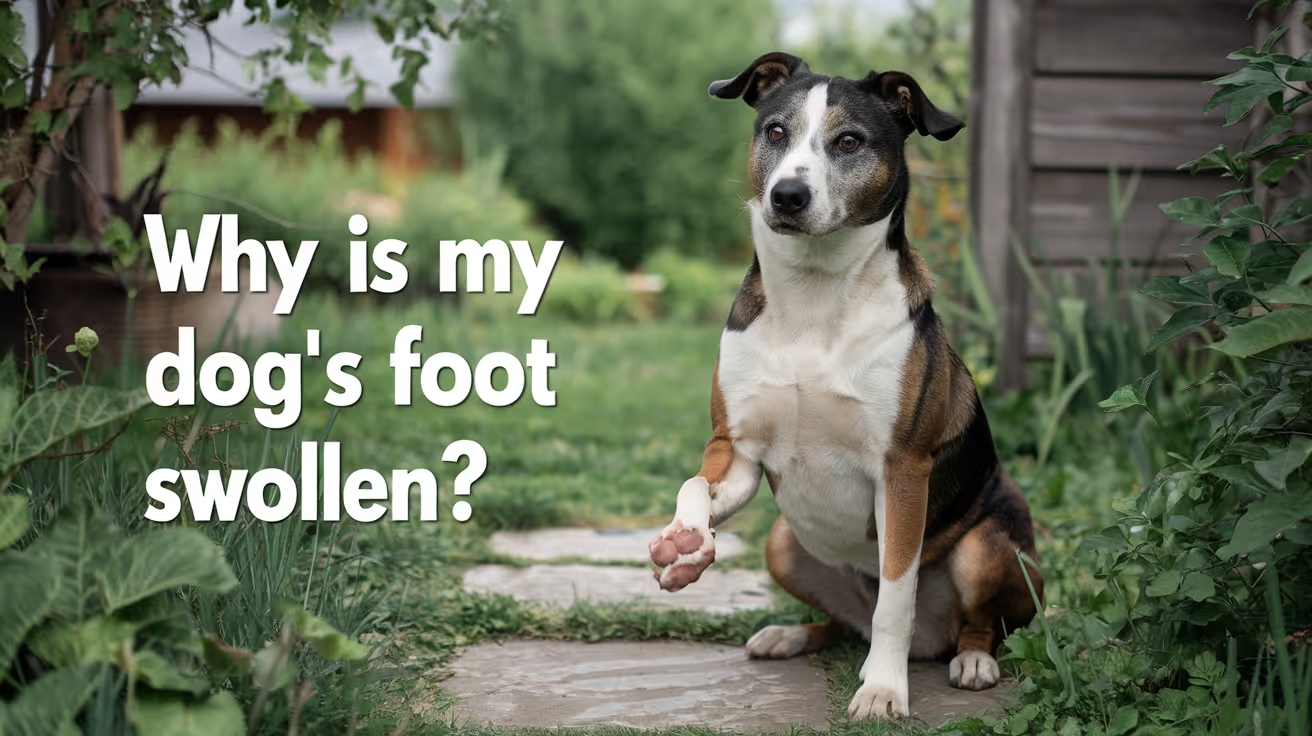
Why Is My Dog's Foot Swollen?
Discover why your dog's foot is swollen, common causes, treatments, and when to see a vet for proper care.
A swollen dog foot is one of the most common reasons owners call their vet. It can be as simple as a bee sting or as serious as a deep infection or bone tumor. The location, speed of onset, and other symptoms all help narrow down the cause.
This guide covers every common cause, how to assess severity at home, and the exact signs that mean your dog needs same-day care.
Quick answer: A swollen dog foot usually has a local cause: injury, insect sting, foreign object, or infection. Warm, increasing, or discharging swelling needs same-day vet care. Multiple swollen paws suggest allergies.
Key takeaways
- Single-paw swelling almost always has a local cause: injury, sting, foreign body, or infection
- Interdigital furunculosis (infected hair follicle cysts between toes) is among the most misidentified causes of recurring paw swelling
- Foreign objects like foxtails and glass splinters can migrate deep into tissue if left untreated
- Pododermatitis is the clinical term for inflamed paw skin; allergies are the most common underlying driver
- Swelling spreading up the leg or paired with face or neck swelling is an emergency requiring immediate care
- Most mild swelling from a sting or minor sprain improves within 24 to 48 hours with rest and monitoring
How to assess your dog's swollen foot before calling the vet
Before looking up causes, do a quick home assessment. This takes two minutes and tells you how urgent the situation is.
Step 1: Which paw?One paw = likely local cause. All four paws = likely allergic or systemic.
Step 2: Feel for heat.Warm or hot tissue means active inflammation or infection.
Step 3: Look between every toe.Redness, swelling between the digits, or visible nodules between the toes points to interdigital furunculosis or a foreign body.
Step 4: Check the pads.Burns appear as red, blistered, or peeling pad tissue. Cuts and punctures are often visible on the pad surface.
Step 5: Look at each nail.A broken nail or swollen nail bed causes localized pain and swelling at the toe tip.
VCA Animal Hospitals: "A deeper infection, like an abscess, will appear as a warm, soft to mildly firm swelling under the skin."
8 common causes of a swollen foot in dogs
1. Injury or trauma
Sprains, cuts, fractured toes, torn nails, and pad burns are the most frequent causes of sudden single-paw swelling. Dogs running on rough, hot, or icy terrain are especially prone.
PetMD notes that pad burns are particularly common in summer: check the pads after any walk on hot pavement. If your palm cannot hold against the pavement for five seconds, it is too hot for your dog's feet.
Signs: sudden lameness after activity, localized swelling, visible wound or bruising.
2. Foreign object
Thorns, glass, foxtails, and grass awns lodge between the toes or penetrate the pad. The body mounts an inflammatory response around the object, causing swelling that worsens over days.
SpectrumCare: "Foxtails and grass awns can lodge between the toes or in the pad and trigger pain, swelling, and infection."
Foxtails are particularly dangerous because they are barbed and can migrate deeper into tissue over days, eventually requiring surgical removal. If you cannot see and safely remove the object, do not probe. See a vet.
3. Insect sting or bite
Bees, wasps, fire ants, and spiders cause rapid single-paw swelling that appears within minutes of the sting. The paw may look puffy and your dog may lick or hold it up.
Dyer Animal Clinic advises watching for anaphylaxis signs: hives, difficulty breathing, excessive swelling spreading beyond the paw. These require emergency care immediately.
Localized sting swelling that stays in the paw and is not worsening can be monitored at home for 24 to 48 hours.
4. Infection: bacterial and fungal
Bacterial or fungal infections enter through cuts, puncture wounds, or damaged skin. Infected paws are typically warm, red, swollen, and often have an odor or discharge. VCA lists the visual signs: "Skin infections on the feet may result in red, moist lesions between the toes."
Pododermatitis (inflammation of the paw skin) is the umbrella clinical term. Common causes include:
- Secondary bacterial infection from chronic licking
- Yeast overgrowth in skin folds between toes
- Fungal infections (ringworm can affect paws)
- Demodectic mange (mite overgrowth)
Pododermatitis does not resolve without treatment. Antibiotics, antifungal medication, or both are typically required.
5. Interdigital furunculosis
This is one of the most commonly missed causes of recurring paw swelling. Interdigital furunculosis occurs when hair follicles between the toes become infected, forming painful reddish-purple nodules that may rupture and drain.
AKC notes that the condition is especially prevalent in short-coated, heavyset breeds: Bulldogs, Labrador Retrievers, and Chinese Shar-Pei are among the most commonly affected. Chronic licking due to allergies is a major driver.
Signs: swollen, painful nodules between the toes, draining tracts, recurrent swelling in the same location.
For how furuncles between the toes connect to abscess formation, see abscess as a cause of limb swelling.
6. Allergic reaction and pododermatitis
Environmental allergens (pollen, grass, lawn chemicals, road salt) and food allergies frequently cause paw inflammation. Dogs with allergies lick their feet chronically, creating secondary infection on top of the allergic reaction.
Wakefield Pet Vet: "Allergic reactions typically cause itching, redness, and sometimes blistering between the toes or on paw pads."
Allergic paw swelling usually affects multiple paws. It tends to recur seasonally or after contact with the trigger substance. Dogs with seasonal allergies often have their worst paw symptoms in spring and fall.
7. Bursitis
Bursae are small fluid-filled sacs that cushion joints. Repeated pressure on bony prominences, especially the elbow and hock, can cause bursitis. Affected joints may appear as soft, fluctuant swellings near a joint.
For how bursitis specifically produces foot and joint swelling, see bursitis as a common cause of foot swelling.
8. Cysts, tumors, and nail bed disease
Cysts, mast cell tumors, and subungual (under-nail) tumors can all present as localized swelling on or near the foot. Petcube notes that toenail tumors are more prevalent in large black-coated breeds such as Standard Poodles, Gordon Setters, and Schnauzers.
A lump that is growing, firm, or pigmented should always be evaluated by a vet rather than monitored at home.
For an overview of lumps that cause swelling on the legs, see lumps that can cause swelling.
Severity triage: what to do right now
Home care for mild cases
For minor swelling without infection signs:
- Keep the dog calm and limit walking
- Soak the paw in warm (not hot) water with Epsom salts for 10 minutes. PetMD recommends this as an excellent short-term measure regardless of cause.
- Gently clean any visible wound with mild soap and warm water
- Apply a cool damp cloth for 10 to 15 minutes to reduce swelling from sprains or stings
- Do not apply antibiotic ointments without vet guidance some formulations are toxic to dogs if licked
For pressure-related paw and leg swelling in dogs that rest in one position for extended periods, see pressure-related swelling in dogs.
Frequently asked questions
How do I treat my dog's swollen paw at home?
For mild swelling with no wound or discharge, rest the dog and soak the paw in warm Epsom salt water for 10 minutes. Check carefully for a foreign object or insect stinger. Do not use human antibiotic creams without vet guidance. If swelling has not reduced within 24 to 48 hours or is getting worse, contact your vet.
When should I be worried about my dog's swollen paw?
Be concerned immediately if the swelling is warm, increasing, or has discharge or odor. Call the vet the same day if your dog refuses to bear weight, if the swelling is spreading up the leg, or if there is any sign of an allergic reaction such as facial swelling or breathing difficulty.
What can I give my dog for a swollen paw?
Do not give human pain medications (ibuprofen, acetaminophen, aspirin) to dogs; many are toxic. For minor swelling, warm Epsom salt soaks are safe and effective for short-term relief. Your vet can prescribe appropriate anti-inflammatory medication if needed after examining the paw.
My dog's foot was normal this morning and is swollen now. What happened?
Sudden single-paw swelling most often means an insect sting, a foreign object picked up during activity, or a minor sprain. Check each toe carefully for a stinger, thorn, or visible wound. If swelling is mild and localized, monitor for 24 hours. If increasing or painful, call the vet the same day.
Can swelling in a dog's foot go away on its own?
Minor swelling from a bee sting or small sprain typically resolves within 24 to 48 hours with rest. Infections, foreign objects, interdigital furunculosis, and bursitis do not resolve without treatment. If swelling has not improved within 48 hours, veterinary assessment is needed.
My dog's foot smells bad and is swollen. Is that serious?
Yes. Odor from a swollen paw strongly indicates infection. A foul smell means bacteria are actively present. Common sources include interdigital furunculosis, a nail bed infection, or an abscess. This requires prompt veterinary treatment and should not be left to resolve on its own.
Resources
- PetMD. Dogs Swollen Paws: Causes and Treatments. petmd.com
- VCA Animal Hospitals. First Aid for Limping Dogs. vcahospitals.com
- AKC. Pododermatitis on Dog Paw: Causes, Symptoms and Treatment. akc.org
- SpectrumCare. Paw Swelling in Dogs. spectrumcare.pet
- Dyer Animal Clinic. Reasons Your Dog's Paw is Swollen. dyeranimalclinic.com

Why Does My Dog Have Scabs on Her Back?
Learn why your dog has scabs on her back, common causes, treatments, and when to see a vet for proper care.
Scabs on a dog's back are one of the most common skin complaints owners bring to the vet. They are almost always a symptom of something else an underlying condition causing the skin to break down, get infected, or be damaged by scratching. The location, pattern, and associated symptoms help narrow down the cause significantly.
This guide covers every common reason dogs develop back scabs, what each one looks like, and when the situation calls for a vet visit.
Quick answer: Back scabs in dogs most commonly result from flea allergy, allergies, pyoderma, or mange. Location helps: tail-base scabs suggest fleas; circular crusty patches suggest ringworm; intense all-over itching suggests sarcoptic mange.
Key takeaways
- Flea allergy dermatitis is the top cause of back scabs; a few flea bites trigger intense scratching in sensitized dogs
- Pyoderma (bacterial skin infection) often develops as a secondary complication of allergies or parasites, not as the primary cause
- Sarcoptic mange causes intensely itchy scabs that spread rapidly and can transfer to humans; it is highly contagious
- Ringworm is fungal, not a worm: circular crusty patches with hair loss, diagnosed by UV lamp or culture
- Honey-colored crusts suggest bacterial infection; dark or black scabs indicate chronic irritation or yeast
- Spreading or worsening scabs with hair loss or behavior changes need veterinary evaluation within 48 hours
How scabs form
Scabs are the body's healing response to skin damage. When skin is broken by scratching, biting, infection, parasites, or autoimmune attack it bleeds or weeps fluid. That fluid dries and forms a crust (scab) as part of the normal repair process.
In dogs, scabs on the back almost always indicate the dog has been repeatedly traumatizing the skin by scratching, biting, or rubbing or that an infection or parasite is directly damaging the skin surface. Vetified: "Scabs form as part of the skin's natural healing process, but recurring or widespread crusting usually signals an underlying condition that needs treatment."
The appearance of the scab offers diagnostic clues: honey-colored (bacterial infection), dark and flaky (chronic irritation or yeast), crusty circular rings (ringworm), or widespread tiny scabs with extreme itching (sarcoptic mange).
8 causes of scabs on a dog's back
1. Flea allergy dermatitis (FAD)
The most common cause of scabs on the back, especially concentrated at the tail base, rump, and lower back. Dogster: "Fleas are the most common parasite that causes scabbing on your dog's back and around their tail base. Some dogs suffer from flea allergy dermatitis (FAD) and are allergic to flea saliva injected by the bites of fleas."
The key feature: the allergy is to flea saliva, not the bites themselves. A single flea bite on a sensitized dog causes intense itching far out of proportion to the number of fleas present. You may never find a flea on the dog.
Signs: scabs clustered at the tail base and lower back; hair loss in the same area; intense scratching; secondary bacterial skin infection.
Treatment: rigorous flea control (all pets in the household, the home environment, and year-round prevention); anti-itch medication (Apoquel, Cytopoint) during flare-ups; antibiotics for secondary infection.
2. Environmental allergies (atopic dermatitis)
Dogs with environmental allergies react to pollen, dust mites, mold, and other airborne allergens. Dogster identifies "pollen, molds, house dust mites and storage mites" as the most common allergens. The skin becomes itchy and inflamed, and the dog scratches or bites until scabs form.
Signs: seasonal or year-round itching; scabs on the back, belly, paws, and face; secondary bacterial or yeast infection; recurrence in the same seasons each year.
Treatment: anti-itch medications; allergen-specific immunotherapy; medicated shampoos; fatty acid supplementation to support the skin barrier.
3. Food allergies
Food allergy dermatitis causes similar skin symptoms to environmental allergies but typically occurs year-round. Common culprits: beef, chicken, dairy, wheat, egg. Dr. Alison Diesel of Texas A&M CVM: "Self-trauma to the skin can create wounds that can become secondarily infected."
Signs: non-seasonal, year-round itching; scabs on the back, belly, and ears; recurrent ear infections; may be accompanied by gastrointestinal signs (soft stool, vomiting).
Treatment: strict elimination diet trial (8 to 12 weeks on a novel protein or hydrolyzed protein diet); veterinary-supervised food challenge to confirm the allergen.
4. Bacterial skin infection (pyoderma)
Pyoderma often develops as a secondary complication of allergies or parasites but can be the primary cause of scabbing. Vetified: "Honey-colored" crusts are characteristic of bacterial infection.
Merck Veterinary Manual identifies Staphylococcus pseudintermedius as responsible for over 90% of canine pyoderma. The bacteria thrive when the skin barrier is damaged by scratching, moisture, or underlying disease.
Signs: raised red pustules that rupture into crusts; circular scabs (epidermal collarettes); musty odor; hair loss over the affected area.
Treatment: medicated antibacterial shampoo 2 to 3 times weekly; oral antibiotics for 3 to 8 weeks depending on infection depth; treatment of the underlying cause to prevent recurrence.
For how bacterial skin infections progress from pustules to scabs, see pustules that leave scabs.
5. Sarcoptic mange (scabies)
Caused by the mite Sarcoptes scabiei. Hepper: "These mites burrow deep into the skin causing irritation, inflammation, and thickening of the skin or scab formation. Lesions in dogs are typically seen around the face, ear, and neck area but they can also develop in the back."
Key distinguishing feature: sarcoptic mange causes extreme, unrelenting itchiness often described as among the most intensely itchy conditions in veterinary medicine. It is also highly contagious to other dogs and to humans.
Signs: intense scratching; scabs on the edges of the ears, elbows, and hocks; spreading to the back and trunk in severe infestations; skin thickening.
Treatment: anti-parasitic medications (isoxazolines such as Bravecto or NexGard; selamectin; ivermectin); all in-contact animals must be treated; environmental decontamination.
6. Demodectic mange
Caused by Demodex mites, which live in hair follicles. Unlike sarcoptic mange, demodex is not contagious and causes minimal itching. Wild Earth: "Hormonal imbalances: conditions that affect your dog's hormones can change how much oil their skin produces, leading to dryness or irritation."
Signs: patchy hair loss; scaly, reddened skin; secondary bacterial infection common; localized form (one or a few patches, common in young dogs) or generalized form (widespread, more serious).
Treatment: topical or oral isoxazolines; treat secondary bacterial infections; investigate for underlying immunosuppression in adult-onset generalized cases.
7. Ringworm (dermatophytosis)
Despite the name, ringworm is a fungal infection, not a worm. It is caused by Microsporum canis, Trichophyton mentagrophytes, or related fungi. Vetified: "The appearance of a scab whether honey-colored, dark, flaky, or thick can help your veterinarian narrow down the cause."
Signs: circular or irregularly shaped patches of hair loss with crusty, scaly edges; the classic ring shape is not always present in dogs; may affect anywhere on the body including the back.
Diagnosis: Wood's lamp (some strains fluoresce green), hair trichogram, fungal culture (definitive).
Treatment: topical antifungal shampoo (miconazole-chlorhexidine); oral antifungals (itraconazole, terbinafine) for widespread cases; decontamination of environment as ringworm spores survive in the environment for months. Note: ringworm is contagious to humans and other pets.
8. Hormonal disorders
Hypothyroidism and Cushing's disease alter skin physiology changing sebum production, immune function, and skin thickness. Wild Earth: "Hormonal imbalances: conditions like hypothyroidism and Cushing's disease can change how much oil their skin produces, leading to dryness or irritation." The result is a skin that is more prone to secondary infection and crusting.
Signs: symmetrical hair loss; thickened or darkened skin; recurrent skin infections; other systemic signs (weight gain in hypothyroidism; potbelly and increased thirst in Cushing's).
Treatment: hormone replacement for hypothyroidism (levothyroxine); medication to suppress cortisol production in Cushing's disease (trilostane or mitotane).
Triage table: what to do based on the signs
When to call the vet
Call your vet if:
- Scabs are spreading, increasing in number, or worsening over 48 hours
- Hair loss is occurring along with the scabs
- The dog is scratching intensely and losing sleep
- There is odor, discharge, or visible infection
- You suspect mange (highly contagious do not let affected dogs contact other pets or people before assessment)
- Scabs have been present for more than 2 weeks without improvement
For how impetigo causes pustules that scab over in puppies, see impetigo as a cause of scabs. For how vasculitis causes skin lesions that resemble scabs, see vasculitis as a cause of skin lesions.
Frequently asked questions
My dog has scabs but I can't find any fleas. Could it still be flea allergy?
Yes. Flea allergy dermatitis can produce significant scabbing from very few flea bites. Dogs with FAD groom themselves intensively and may remove fleas before you see them. The scab location tail base and lower back is the key clue. Vetified confirms: "Dogs can react to even a few flea bites that are no longer visible." Year-round flea prevention is both the diagnostic test and the treatment.
Can I treat my dog's back scabs at home?
For mild cases with no spreading, no hair loss, and a known cause (e.g., minor skin irritation after a bath or a small scratch), gentle cleaning with dilute chlorhexidine and preventing licking may be sufficient. For recurring, widespread, or infectious causes, home treatment without diagnosis treats symptoms while the underlying cause continues. A vet visit provides the correct diagnosis and targeted treatment.
Is ringworm dangerous?
Ringworm is not life-threatening in otherwise healthy dogs, but it is important because it is contagious to other pets and to humans. Children, elderly people, and immunocompromised individuals are particularly vulnerable. If ringworm is suspected, avoid close contact with the dog's skin and consult your vet promptly.
Could my dog's back scabs be cancer?
Some skin tumors ulcerate and form crusts that look like scabs. This is uncommon and is not the most likely explanation for back scabs in most dogs but it is a reason to have any persistent, non-healing scab evaluated. A vet can perform a fine needle aspirate or skin biopsy if there is any concern about a specific lesion.
What does a flea allergy scab look like vs. a ringworm scab?
Flea allergy scabs cluster at the tail base and are accompanied by intense itching. Ringworm scabs form in roughly circular patches anywhere on the body, often with a clearer center and scaly ring at the edges. Itching is usually mild with ringworm. A Wood's lamp and fungal culture distinguish them definitively.
How long does it take for back scabs to heal in dogs?
With correct treatment, superficial bacterial pyoderma scabs typically heal within 3 to 4 weeks of antibiotic treatment. Flea allergy scabs improve within 2 to 4 weeks of effective flea control. Ringworm takes 4 to 8 weeks of antifungal treatment. Mange resolves over 4 to 12 weeks depending on the type and treatment used. Without treatment, most causes do not resolve on their own.
Resources
- Dogster. Why Does My Dog Have Scabs on Their Back? 6 Vet-Verified Reasons. dogster.com
- Vetified. Scabs on Dogs: Types, Causes and Treatment Guide. vetified.co
- Wild Earth. Crusty Scabs on a Dog's Back: Causes, Treatment and Prevention. wildearth.com
- Hepper. My Dog Has Crusty Scabs on His Back: Vet-Verified Causes and Treatments. articles.hepper.com
- Top Dog Tips. 8 Causes and Solutions to Crusty Scabs on Dog's Back. topdogtips.com
Bed Sores on Dogs Causes Treatment and Prevention
Learn about bed sores on dogs, including causes, treatments, and prevention tips to keep your pet healthy and comfortable.
Bed sores in dogs also called pressure sores or decubitus ulcers develop when prolonged pressure on a bony area cuts off blood supply, causing the tissue to break down. They are the same condition as bedsores in hospitalized humans, and they are just as serious when they reach advanced stages.
The good news is that early-stage bed sores are very treatable at home. The bad news is that they can progress from a small red patch to a deep infected wound within days if not caught and addressed.
Quick answer: Bed sores form over bony prominences like elbows and hips when sustained pressure blocks blood flow. Most common in senior, large-breed, and immobile dogs. Early stages respond to soft bedding and repositioning; advanced stages need veterinary care.
Key takeaways
- Bed sores form over bony prominences: elbows, hips, hocks, stifles, and sides of the knees
- Four stages exist: from mild redness to deep infected wounds reaching muscle and bone
- Senior dogs, large breeds, and post-surgical dogs are at highest risk
- Stage 1 sores reverse with home management: soft bedding and repositioning every 2 to 4 hours
- Stage 3 and 4 sores need veterinary debridement and often systemic antibiotics
- Thick orthopedic foam bedding is the single most effective prevention measure for at-risk dogs
What causes bed sores in dogs?
Bed sores develop when the weight of a dog's body continuously presses a bony prominence against a hard surface. Walkin' Pets explains the mechanism: "Decubital ulcers form when repeated pressure on an affected area constricts the blood vessels, decreasing the area's blood supply and as the skin is deprived of oxygen, it begins to die."
Once the tissue starts to die, it creates a wound that bacteria readily colonize. This is why advanced bed sores are almost always infected.
The process requires two things to come together: sustained mechanical pressure and skin that is not being repositioned or protected. Any dog that lies in the same position for hours without shifting is at risk.
Additional factors that increase risk
Incontinent dogs: urine-soaked skin breaks down much faster under pressure. Walkin' Pets advises that "reducing skin moisture from urine is important to help prevent the bacterial growth and skin degradation that contribute to pressure sores."
Thin or underweight dogs: less muscle and fat over bony prominences means the bone contacts the surface with less cushioning.
Obese dogs: more body weight concentrates greater compressive force at each contact point.
Dogs on hard floors: concrete, hardwood, and tile dramatically increase the pressure at contact points compared to soft surfaces.
Which dogs get bed sores?
Dr. Buzby's ToeGrips identifies the most at-risk groups:
- Senior dogs: reduced muscle mass, reduced mobility, longer periods in one position
- Large and giant breed dogs: more body weight, greater force at bony contact points
- Post-surgical patients: strict rest requirements limit natural repositioning
- Paralyzed or paraplegic dogs: unable to shift position at all
- Dogs with arthritis: pain limits movement and encourages sustained resting in one position
- Short-coated breeds: less coat padding between skin and hard surfaces
DogCancer.com notes that bed sores can also be a concern for dogs in late-stage cancer, where weakness and pain significantly reduce their ability to reposition.
The 4 stages of bed sores
Recognizing the stage determines the treatment approach.
Stage 1: redness and intact skin
The skin over the bony prominence is red, warm, and may have some hair loss. The surface is not broken. This is the ideal intervention point.
What to do at home: add thick orthopedic padding under the affected area, increase repositioning to every 2 hours, and monitor the site twice daily. Most Stage 1 sores reverse completely with these measures.
Stage 2: shallow open wound
The skin has partially broken down. A shallow blister or open area appears. The surrounding tissue remains inflamed and warm.
WagWalking: "Stage 1 ulcers may improve with padding, regular repositioning of the dog, and a quality moisture-wicking dog bed. Vets may instruct pet parents to regularly apply moist dressings to open pressure sores."
What to do: contact your vet. Stage 2 requires wound cleaning, appropriate dressings, and assessment for infection. Antibiotics may be started if signs of infection are present.
Stage 3: full-thickness wound
The sore extends through the full skin thickness into subcutaneous tissue. VetMobile describes what you see: "The sore becomes deeper and it may extend into the underlying tissue, such as the muscle layer. Pus or discharge may be present. At this stage, the area is surrounded by dead or dying tissue."
What to do: veterinary care is required. Treatment involves debridement of dead tissue, wound culture, and systemic antibiotics based on culture results.
Stage 4: bone or muscle involvement
The wound extends to muscle, tendon, or bone. This is a serious and potentially life-threatening stage. Bacteria can enter the bloodstream from a Stage 4 wound, causing sepsis.
What to do: emergency veterinary care. Hospitalization, IV antibiotics, surgical debridement, and reconstructive surgery may be necessary.
Treatment by stage
Home wound care for Stage 1 and 2
For Stage 1 and early Stage 2 sores, clean the area daily with dilute chlorhexidine solution (not hydrogen peroxide, which damages healing tissue). Apply a non-adherent wound dressing and change it once or twice daily. Keep the area dry between dressing changes.
Puainta recommends: "Pressure Relief: Encourage the dog to change positions frequently. Soft Bedding: Provide cushioned surfaces to reduce pressure. Cleanliness: Keep the area clean and dry."
For incontinent dogs, clean and dry the skin after every urination. Use a waterproof mattress cover that can be washed daily. Sheepskin pads are effective at wicking moisture away from skin while providing cushioning.
For how bed sores relate to callus formation at the same pressure sites, see calluses from similar pressure points.
When to call the vet
Call your vet within 24 hours if:
- The wound is open, moist, or has any discharge
- The area is warm and the dog shows signs of pain when the area is touched
- The sore is growing despite home management
- Your dog is lethargic, off food, or running a fever
These signs suggest infection is establishing. Early antibiotic treatment is significantly more effective than treating advanced infection.
WagWalking notes: "Antibiotics may be necessary if the wound is infected or at risk of becoming infected. Antibiotics have minimal risks and a high success rate when used early on."
For how the progression of pressure necrosis connects to bed sore development, see pressure necrosis in severe bed sore cases.
Prevention
Orthopedic bedding
The most effective single intervention. Memory foam or high-density egg-crate foam distributes weight across a larger surface area, reducing peak pressure at bony contact points. Petful emphasizes that "you might be more likely to notice pressure sores in dogs if you have a large breed pup or a short-haired breed" both groups where bedding choice is critical.
The foam must not fully compress under the dog's full weight. Test by pressing firmly: if it bottoms out quickly, it is not thick enough. For large dogs, minimum 4 inches of high-density foam is recommended.
Repositioning schedule
Reposition immobile dogs every 2 to 4 hours, alternating which side bears weight. Walkin' Pets advises: "Try not to let the dog rest on the hip bone on one side for very long, reposition your pet every 2 to 3 hours."
If you are not home during the day, consider whether a pet sitter or midday check can provide repositioning support for a dog with high risk.
Daily inspection
Check every bony prominence every day. Run your hand along the elbows, hips, hocks, and knees. Hair loss is the first visible sign act at Stage 1, before any skin breakdown occurs.
Moisture management for incontinent dogs
Wet skin under pressure breaks down dramatically faster than dry skin. Change diapers and male wraps frequently. Use raised mesh beds for overnight rest in incontinent dogs urine drains through rather than pooling under the dog. Walkin' Pets recommends sheepskin pads specifically for their wicking properties.
For how swelling associated with bed sores can extend to the feet and lower legs, see swelling associated with pressure injuries.
Frequently asked questions
How do I know if my dog has a bed sore starting?
The first sign is a small patch of hair loss over a bony area, sometimes with mild redness and warmth. The skin is still intact. Run your hand over the elbows, hips, and hocks daily in at-risk dogs. Acting at this point before the skin opens is far easier than treating an open wound.
Can bed sores in dogs heal on their own?
Stage 1 sores can reverse with prompt management: improved bedding, repositioning, and keeping the area dry. Stage 2 and above rarely resolve without veterinary intervention. The wound environment actively promotes bacterial growth, which prevents natural healing without treatment.
How long does a bed sore take to heal in a dog?
Stage 1 sores managed early typically show improvement within 1 to 2 weeks with good home care. Stage 2 wounds typically heal in 3 to 6 weeks with consistent veterinary wound care. Stage 3 and 4 wounds may take months and may not fully close in all cases.
My senior dog keeps getting bed sores despite soft bedding. What else can I do?
Check whether the foam has compressed over time and needs replacing. Add protective wraps (elbow pads or hock wraps) over at-risk sites. Increase repositioning frequency to every 2 hours. Consult your vet about whether the dog's underlying mobility level has declined and whether additional pain management or physiotherapy could help. Nutritional support including protein and vitamin C promotes skin healing.
Are bed sores painful for dogs?
Stage 1 sores are usually not painful. Stage 2 onward becomes progressively more painful as the wound deepens and infection sets in. Dogs with painful bed sores may lick or bite at the area, avoid lying on that side, or show behavioral changes. Pain management from your vet is an important part of treatment from Stage 2 onward.
Can bed sores become life-threatening in dogs?
Yes. Stage 3 and 4 sores can allow bacteria to enter deeper tissues and the bloodstream, causing sepsis. A dog with an advanced bed sore that is also lethargic, not eating, or running a fever is potentially septic and needs emergency veterinary care the same day.
Resources
- Dr. Buzby's ToeGrips. Pressure Sores on Dogs: Treatment and Prevention. toegrips.com
- WagWalking. Pressure Sores in Dogs. wagwalking.com
- Walkin' Pets. Pressure Sores in Pets: Treatment and Prevention. walkinpets.com
- Petful. Pressure Sores on Dogs: What You Need to Know. petful.com
- DogCancer.com. Bed Sores on Dogs: Preventing and Treating Pressure Sores. dogcancer.com
Pros and Cons of Luxating Patella Surgery in Dogs
Explore the pros and cons of luxating patella surgery in dogs, including benefits, risks, recovery, and long-term outcomes.
Making a surgical decision for your dog is one of the harder things pet ownership asks of you. The stakes feel high, the information is complex, and the outcome is uncertain.
This guide gives you a clear, honest breakdown of what surgery for luxating patella genuinely offers and what it genuinely carries as risk, so you can make a decision based on the full picture rather than either the most optimistic or most alarming version of it.
The bottom line up front: For dogs with Grade 3 or 4 MPL, or Grade 2 with significant symptoms, the benefits of surgery substantially outweigh the risks for most dogs. For Grade 1 and mild Grade 2, conservative management is a reasonable path. The risks are real but manageable with a skilled surgeon and proper recovery. The biggest risk of surgery is usually lower than the long-term risk of leaving significant MPL untreated.
Key takeaways
- The primary benefit is structural correction: surgery fixes the cause, not just the symptoms.
- Arthritis risk is reduced but not eliminated by successful surgical correction.
- Complication rates range from 18 to 37% across published studies, most complications are minor.
- Overall success rate is approximately 90 to 93%, with "success" meaning acceptable or full return to function.
- Recurrence affects 5 to 21% of cases depending on grade; most recurrences are lower-grade.
- Recovery is 8 to 12 weeks of restricted activity: this is a genuine commitment for the owner.
- The cons of not treating are also real for higher-grade dogs: progressive arthritis, cruciate risk, declining quality of life.
The pros of luxating patella surgery
1. It fixes the structural problem
Conservative management manages symptoms. Surgery corrects anatomy. This is the central distinction.
Exercises, braces, and weight management reduce the mechanical load on the joint and build supporting muscle, but they don't change the shallow groove or misaligned bone that allows the kneecap to slip. Surgery does.
For Grade 3 and 4 dogs especially, this distinction determines whether the dog has a reasonable long-term quality of life. Conservative management cannot indefinitely hold back a Grade 3 joint from deteriorating.
2. Pain relief and improved mobility
The most immediately meaningful outcome for most owners: the dog stops skipping, stops limping, and begins using the leg normally again. For many dogs, the change from pre-surgery to 8 to 12 weeks post-surgery is dramatic.
Dogs that were reluctant to exercise, jump, or play often return to full normal activity levels. This is the outcome most owners describe when they reflect on the decision.
3. Reduced long-term arthritis risk
Every time the kneecap slips, it damages the cartilage lining the groove. Over time, this produces secondary arthritis that causes chronic, progressive pain independent of whether the kneecap is currently in position.
Surgical correction, by eliminating or substantially reducing luxation events, slows this cartilage damage. Dogs who have surgery before significant arthritis develops have meaningfully better long-term joint health than those who wait until secondary changes are established.
4. Reduced cruciate ligament risk
Long-standing MPL significantly increases the risk of cranial cruciate ligament (CCL) rupture. The altered mechanics from an unstable kneecap place abnormal stress on the cruciate ligament over time. CCL rupture is a separate, more serious injury requiring its own surgical repair.
Studies confirm that MPL and CCL disease coexist in approximately 25% of affected cases. Correcting the MPL earlier reduces the cumulative mechanical stress that contributes to this risk.
5. A one-time intervention rather than lifelong management
Successful surgery resolves the structural problem. Conservative management, by contrast, requires ongoing consistency in weight, exercise, and monitoring indefinitely. For owners who find this difficult to maintain, surgery may actually be the more practical long-term path.
The cons of luxating patella surgery
1. Complication rates are real and worth understanding
This is where honest information matters most.
Published complication rates for MPL surgery vary widely across studies:
- A 2019 UK study found complications in 37 of 100 surgeries in dogs under 20 kg
- A 2006 study found an 18% complication rate
- Other studies report complication rates between 22% and 51%
The variation reflects differences in how "complication" is defined (minor vs. major vs. catastrophic), the grades included, the surgical technique used, and follow-up duration.
Most complications are minor: seroma formation, suture reaction, temporary lameness, minor implant issues. Major complications (requiring revision surgery) occur in approximately 8 to 25% of cases depending on grade. Catastrophic complications (permanent impairment or limb loss) are rare.
The Dogs Naturally review notes that many veterinarians don't proactively discuss complication rates with owners. Ask specifically: "What complication rate do you see in your practice for this procedure at this grade?"
2. Recurrence
The kneecap can slip again after surgery. Recurrence rates range from 5 to 21%, with Grade 4 carrying the highest recurrence risk. Most recurrences produce a lower-grade luxation than the original, and many don't require revision surgery.
For more on what recurrence rates look like by grade, see surgery success rates to weigh.
3. Cost
MPL surgery costs $1,000 to $5,000 per knee. Bilateral cases roughly double this. Post-operative care adds $500 to $2,000 more. This is a significant financial commitment, and the cost alone is a legitimate factor in the decision.
For the full cost breakdown and financial planning options, see cost as a factor in the decision.
4. Recovery demands significant owner commitment
8 to 12 weeks of strict activity restriction is genuinely demanding. For the first two weeks, your dog needs crate rest, leash-only bathroom trips, and an E-collar at all times. The gradual return to activity over the following 6 to 10 weeks requires consistency, daily exercise management, and at least 2 to 3 vet rechecks.
Dogs don't understand why they can't run. Keeping an energetic dog at rest for two weeks requires real effort and logistics. This isn't a reason to avoid surgery if surgery is indicated, but it's a genuine consideration for timing.
5. Surgery doesn't guarantee zero arthritis
Correcting the structural problem slows arthritis development. It doesn't always prevent it entirely, particularly in dogs who already had secondary joint changes at the time of surgery, or those with higher-grade luxation.
Long-term joint care (weight management, joint-supportive supplements, appropriate exercise) remains appropriate even after successful surgery.
What the research actually says
The overall picture from published evidence:
- Overall success rate: Approximately 90 to 93% across grades. Total.vet (2025) cites the JAVMA Grade 4 study finding 93% overall success.
- Complication rate: 18 to 51% across studies, with most complications minor and most dogs achieving acceptable function regardless.
- Recurrence: 5 to 21% depending on grade and technique.
- Owner satisfaction: The ACVS reports over 90% of owners satisfied with outcomes following MPL surgery.
The complication statistics and the success statistics come from the same studies. A complication doesn't automatically mean a failure. Many dogs have minor complications and still achieve full recovery.
The cons of not operating for dogs who need surgery
An honest pros and cons article has to include the risks of the alternative for dogs who genuinely need surgery.
For Grade 3 and 4 dogs managed conservatively:
- Progressive arthritis develops as repeated luxation continues to damage cartilage. This arthritis is permanent and cumulative.
- Cruciate ligament risk rises with each passing month of altered joint mechanics.
- Muscle atrophy progresses as the dog uses the leg less.
- Surgical complexity increases as bone deformity worsens and secondary changes accumulate. Surgery done earlier is simpler than surgery done after years of damage.
- Quality of life declines as pain and limitation worsen.
For higher-grade dogs, the question isn't "surgery vs. no consequences." It's "surgery now vs. surgery later under more difficult conditions, or progressive decline."
For a detailed comparison of non-surgical alternatives, see non-surgical alternatives to consider.
For the comparison between bracing and surgery specifically, see braces vs surgery comparison.
The grade 2 decision: where the pros and cons are most balanced
For Grade 3 and 4, the pros of surgery clearly outweigh the cons for most dogs. For Grade 1, the cons of surgery outweigh the pros for most dogs. Grade 2 is where the balance is genuinely uncertain and individual.
For the specific decision framework for Grade 2 cases, see grade 2 specific decision guide.
Questions that help you weigh the decision for your specific dog
- What is my dog's grade, and what are the X-ray findings?
- How frequent and severe are the current symptoms?
- How likely is progression if we wait?
- What is the surgeon's personal complication rate for this procedure at this grade?
- What does recovery realistically involve given my work schedule and living situation?
- What happens to my dog's joint over the next 2 to 3 years if we manage conservatively?
- Is the cost manageable, and what financing options exist?
These questions won't give you a universal answer, but they'll give you the information specific to your dog's case.
For the full surgical decision framework, see when surgery is actually necessary.
For what post-surgery recovery involves, see what post-surgery recovery involves.
Frequently asked questions
Should I get a second opinion before deciding?
For any significant orthopedic surgery, a second opinion is entirely reasonable, particularly if the recommendation is for surgery and you have doubts, or if the grade is 2 and the recommendation surprises you. A board-certified veterinary surgeon's opinion (DACVS) is particularly valuable for complex cases.
Is surgery safer in younger dogs?
Generally yes. Younger dogs have less secondary joint damage at the time of surgery, heal faster, and adapt more readily. Older dogs carry higher anesthetic risk and may have more established arthritis, though surgery remains appropriate and beneficial for many older dogs with significant MPL.
How do I find a surgeon experienced in MPL correction?
Board-certified veterinary surgeons (DACVS) specialize in orthopedics and typically perform MPL surgery regularly. You can search the ACVS's online directory by location. General practitioners with MPL experience are also appropriate for straightforward Grade 2 cases in small breeds; ask about their specific experience with the procedure before proceeding.
The pros and cons of luxating patella surgery don't resolve into a clean answer. They resolve into: this is appropriate for this dog at this grade with these symptoms and this owner's capacity to support recovery. That's the real question. Get the grade, get the X-rays, understand the complication rates, and make the decision based on your dog's actual situation rather than a general rule.
Resources
- American College of Veterinary Surgeons. Patellar Luxations. acvs.org
- Total.vet. Luxating Patella in Dogs: Painful but Treatable. total.vet
- Bestie Paws Hospital. Luxating Patella Surgery for Dogs: Pros, Cons, and Expert Advice. bestiepaws.com
How Long After Neutering Is Testosterone Gone in Dogs
Learn how long testosterone stays in dogs after neutering and what to expect during recovery.
Neutering removes the testicles, which produce most of a dog's testosterone. But the hormone does not vanish from the bloodstream on surgery day.
Testosterone clears gradually as the body metabolizes what remains. Behavior follows the same curve. This is why owners who expect an immediate behavioral shift are often disappointed, and why patience in the weeks after surgery is not just advisable but necessary.
Here is the complete, evidence-based picture of the testosterone clearance timeline and what it means for your dog.
Quick answer: Testosterone levels begin declining within 24 to 72 hours of neutering. Significant reduction occurs within 2 to 3 weeks. Most testosterone is cleared from the bloodstream within 4 to 6 weeks. Full behavioral stabilization typically takes 2 to 3 months as the body and brain adjust to the new hormonal environment. Some habits shaped by testosterone may persist beyond this window and require training to address.
Key takeaways
- Testosterone production stops on surgery day: The testicles are removed, eliminating the primary production source immediately.
- Clearance from the bloodstream takes 4 to 6 weeks: Residual testosterone circulates and is metabolized gradually.
- Behavioral changes follow the hormonal decline: Most testosterone-driven behavioral improvements appear over 2 to 6 weeks.
- Full behavioral stabilization takes 2 to 3 months: Some behaviors fade slowly as hormone levels drop.
- Habits shaped by testosterone may persist: Learned behaviors continue regardless of hormone levels and require training.
- Fertility persists for up to 6 weeks: Residual sperm in the reproductive tract can still result in pregnancy.
What testosterone does in male dogs
Testosterone is produced primarily by the testicles. It drives a specific set of behaviors and physical characteristics in intact male dogs:
- Urine marking: The drive to mark territory with urine is heavily testosterone-dependent.
- Mounting behavior: Sexual and status-related mounting is driven by testosterone.
- Roaming: The drive to escape and find a mate is strongly testosterone-mediated.
- Inter-male aggression: Competition-based aggression with other intact males is often testosterone-linked.
- Dominance behaviors: Some dominant social behaviors decrease after neutering.
Beyond behavior, testosterone influences muscle mass, certain aspects of bone density, and the dog's general physical development.
The testosterone clearance timeline
Understanding this timeline is the most important practical takeaway from this article.
Hours 0 to 72: production stops, clearance begins
The testicles are removed during surgery. Testosterone production essentially stops at that moment.
However, the hormone that was already circulating in the bloodstream at the time of surgery does not disappear immediately. The body metabolizes and clears it through normal hormonal processing.
Within the first 24 to 72 hours, testosterone levels begin their decline. This is measurable but does not immediately translate into behavioral change.
Days 7 to 10: significant early reduction
By one to two weeks post-surgery, testosterone levels have dropped substantially from their pre-surgery baseline. Most of the actively circulating hormone is being metabolized.
This is still not the point at which behavioral changes are reliable. The hormonal environment is in transition, and the brain and behavior patterns are adjusting.
Weeks 4 to 6: functional clearance
By four to six weeks post-neutering, testosterone has reached very low or undetectable levels in most dogs. This is the point that veterinarians generally refer to when asked how long it takes for testosterone to "go away."
Some sources cite two weeks for functional clearance; others cite six weeks. The variation reflects individual differences in age, health, and metabolism. Younger dogs tend to clear residual testosterone faster.
Months 2 to 3: full behavioral stabilization
Even after testosterone levels have dropped to baseline, the brain and learned behavioral patterns continue adjusting to the new hormonal environment.
By two to three months post-neutering, most testosterone-driven behavioral changes have stabilized. This is the point at which you can accurately assess whether neutering has produced the behavioral improvements you were hoping for.
Timeline summary table
What behaviors improve as testosterone declines
These are the behaviors most reliably reduced as testosterone levels fall:
High likelihood of improvement:
- Urine marking indoors and outdoors
- Mounting behavior toward people, other dogs, or objects
- Roaming and escape attempts to seek females in heat
- Some forms of inter-male aggression driven by competition
Variable or uncertain improvement:
- Dominance-related behaviors that have become habitual
- Aggression toward familiar people (testosterone may contribute but is not the sole driver)
- General excitability (energy level is more breed and fitness-driven than hormonal)
Behaviors that will not improve:
- Fear-based aggression (not testosterone-driven)
- Separation anxiety (not testosterone-driven)
- Learned behaviors from training history (habits, regardless of their origin)
- Resource guarding (not testosterone-driven)
Why some behaviors persist after testosterone is gone
This is the part of the conversation that surprises many owners.
Some behaviors that appeared to be testosterone-driven become habitual through repetition. The neural pathways associated with the behavior have been reinforced many times, and they do not disappear when the hormonal fuel is removed.
A dog that has been marking territory for three years before neutering has established a behavioral habit. The testosterone-driven urge may be gone, but the habit of going to specific spots and marking may continue. This requires training to address, not just time.
The general rule: behaviors that have been performed repeatedly over time are more likely to persist after neutering than behaviors that are recent or infrequent.
For how testosterone decline affects dog behavior in the context of the full behavioral landscape after sterilization, that guide covers what the evidence says about which changes are most reliable. For the equivalent question in females, the guide on whether hormone changes calm female dogs walks through which female dogs see the calming effect and which do not.
The fertility window: keep intact females away
One important practical point that owners sometimes overlook: a neutered male can still get an unspayed female pregnant for up to six weeks after surgery.
Sperm are stored in the reproductive tract beyond the testicles, in the vas deferens and associated structures. These residual sperm remain viable for several weeks after the testicles are removed.
Keep your neutered male dog away from intact females for the full six weeks after surgery. This is not a precaution against unlikely events. It is a necessary management step.
Factors that affect how quickly testosterone clears
The 4 to 6 week timeline is a general guide. Individual variation exists.
Age: Younger dogs tend to metabolize and clear testosterone faster than older dogs. Their overall metabolic rate is higher.
Health status: Dogs with liver or kidney impairment may metabolize hormones more slowly.
Pre-surgery testosterone levels: A dog with very high testosterone levels before surgery may take longer to reach baseline.
Individual physiology: As with most biological processes, individual variation exists between dogs of the same age and breed.
None of these factors change the approach. Patience through the full two to three month window remains appropriate regardless.
How testosterone decline affects female dogs after spaying
While this article focuses on testosterone in male dogs, it is worth noting the parallel process in females.
Spaying removes the ovaries, which produce estrogen and progesterone. These hormones do not vanish on surgery day either. They decline over a similar 4 to 6 week clearance window, with behavioral stabilization taking two to three months.
The behavioral changes driven by the female hormonal cycle, including heat restlessness, roaming, false pregnancy behaviors, and cyclical mood shifts, follow the same general clearance curve as testosterone in males.
For how hormonal behavior changes in female dogs specifically, including which behaviors are most reliably reduced and over what timeline, that guide provides the female-specific detail.
Frequently asked questions
How long does it take for testosterone to fully disappear after neutering?
Most testosterone is cleared from the bloodstream within 4 to 6 weeks of neutering in healthy adult dogs. Behavioral stabilization, reflecting the brain's adjustment to the new hormonal environment, typically takes 2 to 3 months. Some habits may persist beyond this window and require training.
My dog was neutered two weeks ago and is still marking. Is something wrong?
No. Two weeks is within the normal clearance window. Testosterone is still declining. Most owners see improvements in marking behavior over 4 to 8 weeks. If marking continues at the same level beyond 3 months, it may have become a learned habit that requires training intervention.
Can my neutered dog still get a female pregnant?
Yes, for up to 6 weeks after surgery. Residual sperm in the reproductive tract remain viable after the testicles are removed. Keep your recently neutered male away from intact females for the full 6-week window.
Will my dog's behavior change immediately after neutering?
No. The first two weeks are recovery from surgery. Behavioral changes related to testosterone decline begin appearing in weeks 3 to 6, with full stabilization at 2 to 3 months. Expecting behavioral change within days of surgery leads to frustration and misattribution.
Does the age at neutering affect how quickly testosterone clears?
Somewhat. Younger dogs tend to metabolize hormones faster due to higher metabolic rates. However, the practical difference in clearance timeline is small compared to the individual variation between dogs. The 4 to 6 week clearance timeline remains a reasonable guide regardless of age. For whether lower testosterone calms dogs down and how the behavioral changes of testosterone decline manifest, that guide addresses the calming question across different dog types. For recovery timeline alongside hormonal changes, that guide places the hormonal adjustment within the broader post-surgical recovery picture.
Understanding the testosterone clearance timeline reframes the post-neutering period from a frustrating wait into an understandable process. The behavior changes are coming, but they follow the hormone. Give it four to six weeks for the hormonal shift and two to three months for the behavioral picture to stabilize. What you see at month three is an accurate reflection of what surgery has and has not changed.
Resources
The following sources were used as reference and background for this article:
- Small Dogs Heaven. Understanding the Timeline: How Long After Neutering a Dog is Testosterone Gone? smalldogsheaven.com
- The Beloved Dog. Your Dog's Testosterone: When It's Gone After Neutering. thebeloveddog.com
- Dog Hutt. How Long After Dog Neutering Is Testosterone Gone? doghutt.com
- Dogo App. How Long After Neutering Dog Is Testosterone Gone? dogo.app
- American Veterinary Medical Association (AVMA). Spaying and Neutering. avma.org
- Embrace Pet Insurance. Dog Neuter and Spay Recovery. embracepetinsurance.com
Pustules in Dogs Causes and Treatment
Learn about pustules in dogs, their causes, symptoms, and effective treatments to keep your pet healthy and comfortable.
A pustule is a small, pus-filled bump on the skin. In dogs, pustules are one of the most common signs of a bacterial skin infection collectively called pyoderma. They look like pimples: red and raised, with a white or yellow pus-filled center.
Pustules vary widely in severity. Some are superficial and clear with topical treatment. Others signal a deep infection that needs oral antibiotics for weeks, or an underlying disease that must be found and treated to prevent recurrence.
Quick answer: Pustules in dogs are almost always caused by pyoderma (bacterial skin infection), most commonly Staphylococcus pseudintermedius. They appear as red pus-filled bumps on the belly or around hair follicles. Treatment ranges from medicated shampoo to oral antibiotics.
Key takeaways
- Staphylococcus pseudintermedius causes over 90% of canine pyoderma and pustule formation
- Three depth levels exist: surface pyoderma, superficial bacterial folliculitis, and deep pyoderma, each needing different treatment
- Pustules that rupture leave circular crusts called epidermal collarettes, a hallmark sign vets look for
- Allergies, parasites, and hormonal disorders are the most common underlying causes of recurring pustules
- Skin cytology (examining cells from a pustule under a microscope) is the first and most useful diagnostic step
- Full antibiotic courses are essential: stopping treatment early is the most common reason pyoderma returns
What causes pustules in dogs?
The primary cause: bacterial infection (pyoderma)
PetMD confirms that the most common bacterial cause is "Staphylococcus pseudintermedius, which is responsible for more than 90 percent of cases. This type of bacteria normally inhabits the skin, but it can increase in number and cause problems when the skin barrier is damaged or unhealthy."
Other bacteria involved less commonly include Staphylococcus schleiferi, Staphylococcus aureus, E. coli, Pseudomonas, Streptococci, and Proteus. In most cases, these are secondary invaders that take advantage of already-damaged skin.
Why does the skin become infected?
Healthy dry dog skin is highly resistant to bacterial overgrowth. Merck Veterinary Manual explains: "Any skin disease that changes the normally dry, desert-like environment to a more humid environment can cause overcolonization of the skin with bacteria."
Common triggers that damage the skin barrier and allow infection:
- Allergies (environmental allergens, food, contact irritants): the most common trigger; chronic scratching and licking disrupts skin integrity
- External parasites (fleas, mites, mange): bite wounds and inflammatory reactions create entry points
- Hormonal disorders (hypothyroidism, Cushing's disease, diabetes): alter skin physiology and immune response
- Keratinization disorders: abnormal keratin production creates conditions for bacterial overgrowth
- Poor grooming or dirty environments: increased moisture and bacterial load on the skin surface
- Physical trauma: cuts, wounds, or abrasions that open the skin to bacterial colonization
The three types of canine pyoderma
Understanding which type your dog has determines the treatment approach.
1. Surface pyoderma
The infection involves only the very outermost skin layer (stratum corneum). It does not penetrate into hair follicles or deeper tissue.
Examples: puppy impetigo (belly pustules in puppies), skin fold pyoderma (in facial folds, lip folds, tail folds), hot spots (acute moist dermatitis).
Signs: redness, pustules, and crusting on hairless or folded skin areas.
Treatment: topical therapy alone is usually sufficient medicated wipes, chlorhexidine spray, or topical antibiotic.
2. Superficial bacterial folliculitis (SBF)
The infection involves the epidermis and the upper portion of hair follicles. VCA Animal Hospitals describes the visual result: "In short-haired breeds, the coat may appear to protrude or stick up in areas, mimicking hives, or it may appear moth-eaten because of patchy hair loss."
Signs: pustules and papules around hair follicles, circular crusts called epidermal collarettes, hair loss in a patchy pattern, itching. Dr. Buzby's ToeGrips lists the full spectrum: "papules, pustules, collarettes, crusts, and erythema of the armpits and groin."
Treatment: topical therapy plus oral antibiotics in most cases; minimum 3 to 4 weeks of treatment.
3. Deep pyoderma
The infection penetrates into the dermis (deep skin layer) and may cause furunculosis rupture of hair follicles releasing bacteria and keratin into surrounding tissue. This is the most serious form.
Signs: painful, thickened skin; draining tracts; crusts over larger areas; foul odor; systemic signs in severe cases (lethargy, fever).
WebMD Pets: "Deep pyoderma will appear as pain at the infected site, crusting, a bad smell, and oozing of pus and blood."
Treatment: prolonged oral antibiotics (often 6 to 8 weeks or more), guided by culture and sensitivity results; treatment of the underlying cause is essential.
For how pustule-causing infections can progress into deep abscesses, see furuncles as a severe progression of pustules.
What pustules look like at each stage
VCA Animal Hospitals: "The most common clinical signs associated with pyoderma are papules or pustules that form on the skin. These lesions often look similar to pimples in humans. They are most often red and raised, with a white pus-filled center."
How vets diagnose the cause of pustules
A vet will usually start with a physical examination and skin cytology. Further tests are ordered if the infection is severe, recurrent, or unresponsive to initial treatment.
Skin cytology: a glass slide is pressed against a pustule or ruptured lesion and examined under a microscope. Dr. Buzby's ToeGrips explains: "Seeing inflammatory cells and bacteria makes a pyoderma likely. And bacteria identified inside of cells is a slam-dunk for a diagnosis."
Culture and sensitivity: a swab is taken from inside a pustule or lesion and sent to a lab. This identifies the exact bacterial species and which antibiotics will and will not work. Essential for recurrent or non-responsive infections.
Skin scraping: rules out mites (demodex, sarcoptes) which can cause secondary bacterial infections.
Wood's lamp: rules out ringworm (dermatophytosis), which can mimic superficial pyoderma.
Bloodwork: thyroid panel, cortisol testing, or full chemistry panel to screen for hormonal disorders in adult dogs with recurring pustules.
Treatment
Topical treatment
Medicated shampoos containing chlorhexidine (2 to 4%) or benzoyl peroxide are the foundation of topical pyoderma management. Used 2 to 3 times per week, they reduce bacterial load on the skin surface and support antibiotic treatment.
Topical sprays, wipes, and creams are useful for localized lesions. Chlorhexidine solution applied directly to pustule-bearing areas between baths is effective for surface pyoderma.
Oral antibiotics
Required for superficial bacterial folliculitis and all deep pyoderma. Common choices include:
- Cephalexin (first-line for most uncomplicated cases)
- Amoxicillin-clavulanate
- Trimethoprim-sulfamethoxazole
- Clindamycin
Treatment duration matters enormously. Merck Veterinary Manual is explicit: "Even though your dog may seem better after only a few days or a week, it is still very important for you to continue the prescribed treatment program for the full length of time. The bacteria causing pyoderma can still be present and ready to multiply again if the complete course of medication is not given."
Minimum durations: 3 to 4 weeks for superficial folliculitis; 6 to 8 weeks or longer for deep pyoderma. The infection should be resolved for at least 7 days before stopping antibiotics.
Treating the underlying cause
Merck Veterinary Manual identifies the most common reasons pyoderma recurs: "failure to treat underlying causes, use of glucocorticoid drugs, and inappropriate treatment with prescribed antibiotic medications."
If your dog has recurring pustules, the vet will investigate for allergies, parasites, or hormonal disease. Controlling the underlying cause is the only way to prevent recurrence.
For how impetigo specifically presents as pustules in puppies on the belly and groin, see impetigo as a pustule-causing condition.
Home care during treatment
- Give all medications on schedule and complete the full course
- Bathe with the prescribed medicated shampoo 2 to 3 times per week leave it on for 10 minutes before rinsing
- Keep the affected skin dry between baths; moisture encourages bacterial regrowth
- Prevent licking with an E-collar if your dog is bothering the lesions
- Wash bedding weekly to reduce environmental bacterial load
- Do not squeeze or pop pustules this spreads bacteria and may cause scarring
For how skin conditions that cause scabs relate to the pustule cycle, see skin conditions that cause scabs and pustules.
Frequently asked questions
Are pustules in dogs contagious to humans or other pets?
Most canine pyoderma is caused by Staphylococcus pseudintermedius, which does not routinely infect healthy humans. However, Staphylococcus aureus can occasionally transfer between species, including to immunocompromised people. As a precaution, wash hands after handling a dog with active pustules and keep other pets separated if the infection is extensive.
How long does it take for pustules to clear up?
With appropriate antibiotic treatment, pustules typically begin to dry and resolve within 7 to 14 days. However, treatment must continue for the full prescribed course (minimum 3 to 4 weeks for superficial infections) even after the skin looks normal. Stopping early is the most common cause of recurrence.
My dog keeps getting pustules even after treatment. Why?
Recurring pustules almost always indicate an unidentified or untreated underlying cause. Allergies are the most common culprit the chronic itching and skin damage from allergies continuously set up conditions for bacterial infection. Inadequate antibiotic duration and bacterial resistance are other causes. Ask your vet to investigate for allergies, mites, or hormonal disorders if your dog's pustules keep returning.
Can I use human acne products on my dog's pustules?
No. Products containing benzoyl peroxide at human concentrations, salicylic acid, retinoids, or alcohol can irritate or damage dog skin. Veterinary formulations of benzoyl peroxide shampoo (at lower concentrations designed for dog skin) are appropriate. Use only products your vet recommends.
What is an epidermal collarette and should I be concerned about it?
An epidermal collarette is a circular scale or crust ring left behind when a pustule ruptures. It is not itself a sign of active infection but indicates that a pustule was recently present. Your vet will note collarettes during examination as evidence of pyoderma. They typically resolve as the skin heals during treatment.
When should pustules in a dog be treated as an emergency?
Most pyoderma is not an emergency. Seek same-day care if your dog has rapidly spreading skin lesions, swelling, signs of pain, fever, lethargy, or is not eating. These signs suggest deep infection or a systemic response. Also contact your vet urgently if the skin appears dark, necrotic, or has a foul odor signs that deep tissue may be involved.
Resources
- PetMD. Pyoderma in Dogs. petmd.com
- VCA Animal Hospitals. Pyoderma in Dogs. vcahospitals.com
- Merck Veterinary Manual. Pyoderma in Dogs. merckvetmanual.com
- Dr. Buzby's ToeGrips. Pyoderma in Dogs: Signs, Diagnosis, and Treatment. toegrips.com
- WebMD Pets. What Is Pyoderma in Dogs? webmd.com

