

TPLO Surgery Cost in Niagara Falls
Discover TPLO surgery cost in Niagara Falls, ranging widely based on dog size, surgeon skill, and rehab needs. Learn key factors affecting pricing here.

This article is for informational purposes only and is not a substitute for professional veterinary advice. Every case is unique, so always consult your veterinarian for guidance specific to your pet.
This content is intended for veterinary professionals for educational purposes. It does not replace clinical judgment or tailored advice. Always rely on your training, expertise, and the specific context of your patients.
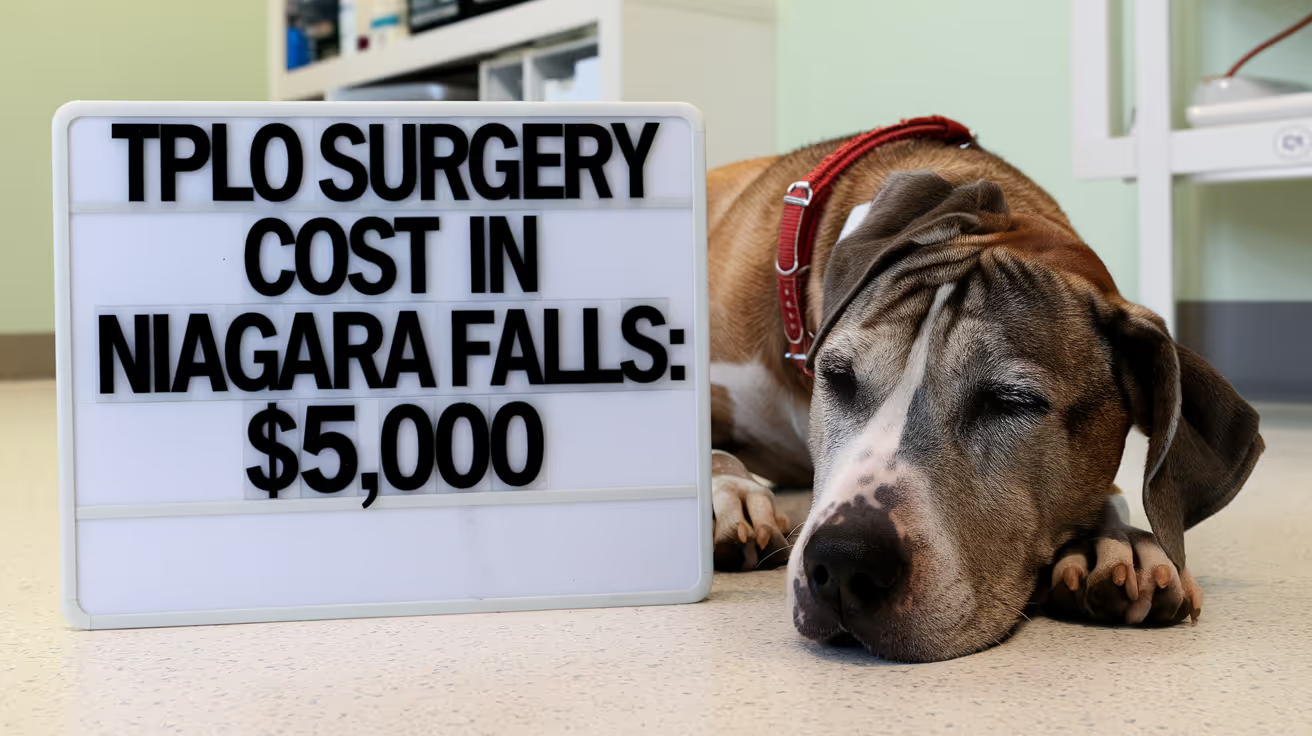
TPLO surgery is a specialized procedure to repair a torn cranial cruciate ligament (CCL) in dogs. This surgery stabilizes the knee joint, helping dogs regain mobility and reduce pain. Understanding the cost is important for pet owners facing this decision.
Costs vary by city, surgeon experience, diagnostic tests, dog size, implants, and rehabilitation needs. In Niagara Falls, we explore typical price ranges, what is included or excluded, major cost drivers, and tips for owners planning for TPLO surgery.
Typical TPLO Surgery Cost in Niagara Falls
Pricing for TPLO surgery in Niagara Falls varies depending on the clinic, surgeon expertise, and your dog's size. Each factor influences the final cost you will encounter.
- Low estimate in Niagara Falls — Some clinics offer TPLO surgery at lower prices, often between $3,000 and $4,000. These may be general veterinary practices with less specialized equipment or less experienced surgeons. While more affordable, lower-cost options might compromise on advanced diagnostics or post-op care.
- Average cost range in Niagara Falls — Most pet owners pay between $4,500 and $6,000 for TPLO surgery. This range reflects clinics with experienced surgeons, standard implants, and typical post-operative care. It is considered the standard pricing for quality treatment in the area.
- High-end TPLO specialists in Niagara Falls — Premium clinics with board-certified surgeons and advanced surgical technology may charge $6,500 or more. These facilities often provide comprehensive diagnostic testing, premium implants like titanium plates, and extensive rehabilitation services.
What the Cost Usually Covers
TPLO surgery packages generally include several essential components that contribute to the overall price. Understanding these helps owners know what to expect.
- Surgery itself — The core procedure involves cutting and rotating the tibia to stabilize the knee. This complex surgery requires specialized training and equipment, which is reflected in the cost.
- Anaesthesia + monitoring — Safe anesthesia and continuous monitoring during surgery are critical. Skilled anesthetists and advanced monitoring equipment ensure your dog’s safety, adding to the overall expense.
- Implants/plates — Stainless steel or titanium plates and screws are used to secure the bone. Titanium implants cost more but offer better biocompatibility and durability, influencing the price.
- Post-op care and follow-up exams — Initial recovery care, including pain management and follow-up visits, is usually included. These visits ensure proper healing and address any complications early.
What Might Not Be Included
Some costs are often overlooked by owners when budgeting for TPLO surgery. These additional expenses can add up significantly.
- Pre-surgical diagnostics — X-rays, blood tests, and other diagnostics before surgery may be billed separately. These tests are important to assess your dog’s overall health and surgical suitability.
- Post-surgical rehab therapy — Physical therapy or hydrotherapy after surgery is often not included. Rehab improves recovery but can be an extra cost depending on the clinic.
- Medications beyond standard pain control — Additional medications for infection prevention or inflammation might be extra. These costs vary based on your dog’s needs.
- Additional cost if both legs need surgery — If your dog requires TPLO on both knees, expect roughly double the cost, though some clinics offer package deals.
Key Cost Drivers in Niagara Falls
Even within Niagara Falls, TPLO surgery prices can vary widely due to several local factors. Understanding these helps explain pricing differences.
- Dog size/weight — Larger dogs require bigger implants and longer surgery time, increasing costs. Smaller dogs may have lower fees due to simpler procedures.
- General vet vs board-certified surgeon — Board-certified surgeons charge more for their advanced expertise and outcomes. General practitioners may offer lower prices but with different experience levels.
- City living costs + overhead in Niagara Falls — Higher rent, staff wages, and equipment costs in Niagara Falls clinics influence surgery prices.
- Implant brand and surgical technology used — Premium implant brands and newer surgical tools increase costs but may improve recovery and durability.
- Complication or infection risk — If complications arise, additional treatments and longer hospital stays increase total expenses.
Tips for Pet Owners in Niagara Falls
Careful financial planning can ease the burden of TPLO surgery costs. Here are some practical tips for owners in Niagara Falls.
- Ask for a detailed itemised estimate — Request a full breakdown of all expected costs to avoid surprises. This helps you understand what you are paying for and compare clinics.
- Clarify if quote is for one leg or both — Some dogs need surgery on both knees. Confirm if the estimate covers one or both legs to plan your budget accurately.
- Explore pet insurance or financing options — Pet insurance may cover part of the surgery cost. Financing plans can spread payments over time, making treatment more affordable.
- Compare multiple clinics and ask about success rates — Don’t settle for the first quote. Comparing clinics helps find the best balance of cost and quality. Ask about surgeon experience and outcomes.
- Ask about rehab or physiotherapy packages — Post-op rehab is vital for recovery. Some clinics offer bundled packages that include therapy sessions, which can be cost-effective.
Conclusion
TPLO surgery is a significant financial commitment for dog owners in Niagara Falls. Costs vary widely based on clinic, surgeon, and dog-specific factors. Planning ahead and understanding pricing details helps prevent unexpected expenses.
Comparing quotes and confirming what is included before choosing a clinic ensures you get the best care for your dog at a fair price. Proper preparation supports your pet’s successful recovery and wellbeing.
Frequently Asked Questions
How much does TPLO surgery cost in Niagara Falls?
TPLO surgery in Niagara Falls typically costs between $3,000 and $6,500. Prices depend on the clinic, surgeon experience, dog size, and included services. Premium clinics may charge more for advanced care and implants.
Is TPLO worth the cost for dogs with CCL tears?
Yes, TPLO surgery is often worth the investment as it restores knee stability and mobility. It reduces arthritis risk and improves quality of life compared to conservative treatments.
Can pet insurance cover TPLO surgery in Niagara Falls?
Many pet insurance plans cover TPLO surgery, but coverage varies. Check your policy details and pre-authorization requirements to understand your benefits fully.
How do I know if a TPLO quote is reasonable?
A reasonable TPLO quote includes surgery, anesthesia, implants, and post-op care. Compare multiple estimates and ask for itemized costs to ensure transparency and fair pricing.

Get a Free Poster
Enhance your workspace with a high-quality radiographs reference poster, designed for veterinary professionals. This free physical poster will be shipped directly to you—just fill out the form to request your copy.









Taking Great TPLO Radiographs
Click Below to Watch Live Video Demos


We'll send you a Free Wall Poster with all the steps
Step #1
Getting Ready
Ensuring a clean surgical field starts with proper skin preparation. This video demonstrates the best practices for:
- Shaving the patient – Achieving a close, even shave while minimizing skin irritation
- The Dirty Scrub – The initial skin prep step to remove surface debris and reduce bacterial load before the sterile scrub.
Following these techniques helps reduce infection risk and improve surgical outcomes. Watch the video to see how it’s done effectively!


Step #2
Reduce Your Risks
Many surgeons are shocked to find out that their patients are not protected from biofilms and resistant bacteria when they use saline and post-op antibiotics.
That’s Where Simini Comes In.
Why leave these risks and unmanaged? Just apply Simini Protect Lavage for one minute. Biofilms and resistant bacteria can be removed, and you can reduce two significant sources of infection.
Step #3
Take the Course
Preventing surgical infections is critical for patient safety and successful outcomes. This course covers:
- Aseptic techniques – Best practices to maintain a sterile field.
- Skin prep & draping – Proper methods to minimize contamination.
- Antibiotic stewardship – When and how to use perioperative antibiotics effectively.
Stay up to date with the latest evidence-based protocols. Click the link to start learning and earn CE credits!

Things to know

Lameness After TPLO Surgery in Dogs
Learn about causes, diagnosis, and treatment of lameness after TPLO surgery in dogs to help your pet recover fully.
Lameness after TPLO surgery in dogs is a common concern for pet owners. TPLO, or Tibial Plateau Leveling Osteotomy, is a surgical procedure to stabilize the knee after a cranial cruciate ligament rupture. Sometimes, dogs show limping or difficulty walking after this surgery, which can worry owners.
This article explains why lameness happens after TPLO surgery, how veterinarians diagnose it, and what treatments help dogs recover. You will learn what signs to watch for and how to support your dog’s healing process effectively.
What causes lameness after TPLO surgery in dogs?
Lameness after TPLO surgery can arise from several factors. Understanding these causes helps you recognize if your dog’s limping is normal or needs veterinary attention. Some causes are related to surgery recovery, while others may indicate complications.
- Postoperative pain: Pain from surgery and inflammation can cause limping during the first weeks, which usually improves with pain management and rest.
- Soft tissue swelling: Swelling around the knee joint after surgery can limit movement and cause discomfort, leading to temporary lameness.
- Implant irritation: The metal plate and screws used in TPLO can sometimes irritate surrounding tissues, causing discomfort and limping.
- Infection risk: Surgical site infections can cause pain, swelling, and lameness, requiring prompt veterinary care.
Other causes include meniscal injury, implant failure, or improper bone healing. Monitoring your dog closely after surgery helps detect these issues early.
How do veterinarians diagnose lameness after TPLO surgery?
Diagnosing the cause of lameness after TPLO involves a thorough physical exam and diagnostic tests. Your veterinarian will assess your dog’s gait, pain level, and surgical site condition.
- Physical examination: Checking the operated leg for swelling, heat, pain, and range of motion helps identify inflammation or injury.
- Gait analysis: Observing how your dog walks or stands can reveal the severity and pattern of lameness.
- Radiographs (X-rays): X-rays evaluate bone healing, implant position, and detect complications like fractures or loosening.
- Joint fluid analysis: In some cases, sampling joint fluid helps detect infection or inflammation inside the knee.
These diagnostic steps guide the veterinarian in choosing the best treatment plan for your dog’s recovery.
What treatments help dogs with lameness after TPLO surgery?
Treatment depends on the cause and severity of lameness. Most dogs improve with conservative care, but some need additional interventions.
- Pain management: Using prescribed pain medications and anti-inflammatories reduces discomfort and supports healing.
- Restricted activity: Limiting running, jumping, and rough play during recovery prevents stress on the surgical site.
- Physical therapy: Controlled exercises and rehabilitation improve muscle strength and joint mobility, aiding recovery.
- Surgical revision: In cases of implant failure, infection, or meniscal injury, additional surgery may be necessary to correct problems.
Following your veterinarian’s instructions closely ensures the best outcome for your dog’s lameness after TPLO surgery.
When is lameness after TPLO surgery normal versus a concern?
Some lameness is expected after TPLO surgery, especially in the first few weeks. However, persistent or worsening limping needs evaluation.
- Normal recovery lameness: Mild limping that improves gradually over 6 to 12 weeks with rest and medication is typical.
- Warning signs: Increasing pain, swelling, heat, or inability to bear weight on the leg indicates complications.
- Delayed healing: If lameness does not improve after 3 months, further diagnostics are needed to check bone healing.
- Infection symptoms: Fever, discharge from the surgical site, or foul odor require urgent veterinary attention.
Early communication with your veterinarian helps address concerns and prevents long-term problems.
How can you support your dog’s recovery after TPLO surgery?
Supporting your dog’s recovery involves careful home care and following veterinary advice. Your role is vital to reduce lameness and promote healing.
- Follow medication schedule: Administer all prescribed painkillers and antibiotics exactly as directed to control pain and prevent infection.
- Limit exercise: Keep your dog confined to a small area and avoid stairs or slippery floors to protect the surgical site.
- Use supportive devices: Consider harnesses or slings to help your dog walk safely during early recovery stages.
- Attend follow-ups: Regular veterinary visits allow monitoring of healing progress and timely intervention if needed.
Patience and consistency in care improve your dog’s comfort and speed recovery after TPLO surgery.
What are the long-term outcomes for dogs with lameness after TPLO surgery?
Most dogs regain good function after TPLO surgery despite initial lameness. Long-term success depends on proper healing and rehabilitation.
- Improved mobility: Successful TPLO surgery stabilizes the knee, allowing dogs to return to normal activity levels over time.
- Arthritis risk: Some dogs develop arthritis in the operated joint, which may cause mild chronic lameness later.
- Rehabilitation benefits: Physical therapy improves muscle strength and joint health, reducing long-term lameness risks.
- Owner vigilance: Monitoring for new limping or pain helps catch problems early and maintain quality of life.
With proper care, dogs can enjoy active lives after recovering from lameness post-TPLO surgery.
Conclusion
Lameness after TPLO surgery in dogs is common but often temporary. It usually results from pain, swelling, or normal healing processes. Understanding the causes and treatments helps you support your dog’s recovery effectively.
If lameness persists or worsens, prompt veterinary evaluation is essential to identify complications like infection or implant issues. Following your veterinarian’s advice on medication, activity restriction, and rehabilitation maximizes your dog’s chances for a full recovery and return to normal activity.
FAQs
How long does lameness last after TPLO surgery?
Lameness usually improves gradually over 6 to 12 weeks after surgery with proper care. Some dogs may take longer depending on individual healing rates.
When should I contact my vet about lameness after TPLO?
Contact your vet if lameness worsens, your dog cannot bear weight, or you notice swelling, heat, discharge, or fever around the surgical site.
Can physical therapy help with lameness after TPLO?
Yes, physical therapy strengthens muscles and improves joint mobility, which helps reduce lameness and supports faster recovery.
Is infection common after TPLO surgery?
Infection is a possible but uncommon complication. Signs include redness, swelling, discharge, and fever, requiring prompt veterinary treatment.
Will my dog fully recover normal use of the leg?
Most dogs regain good leg function after TPLO surgery, especially with proper care and rehabilitation, though some may have mild long-term arthritis.
Modified Maquet Procedure vs TPLO Surgery
Compare Modified Maquet Procedure and TPLO surgery for canine cruciate ligament rupture treatment, including benefits, risks, and recovery.
The Modified Maquet Procedure (MMP) is an evolution of the Tibial Tuberosity Advancement (TTA) that uses a titanium foam wedge instead of a cage to advance the tibial tuberosity.
It has been positioned as a less invasive, faster-to-perform alternative to TPLO for dogs with CCL rupture.
Published clinical evidence shows both procedures produce good outcomes, with TPLO demonstrating a slight advantage in objective gait analysis at 3 months.
Quick answer: A prospective randomized study found TPLO achieves 93.9% of normal peak vertical force vs 89.4% for MMP at 6 months — no significant difference in complications or OA progression. MMP is less invasive, faster, and generally less expensive. Both are appropriate for medium-to-large breed dogs.
Key takeaways
- TPLO achieves 93.9% of normal ground reaction force at 6 months vs 89.4% for MMP — numerically superior but not statistically significant
- No significant difference in major complications or OA progression was found between TPLO and MMP in the comparative study
- MMP is less invasive and faster to perform: a titanium foam wedge and partial osteotomy instead of TPLO's full proximal tibial cut
- MMP is generally less expensive than TPLO: shorter surgical time and different implant costs reduce the procedure price
- Early partial weight-bearing may occur sooner after MMP due to less invasive fixation and the partial osteotomy
- TPLO has a much larger evidence base: 25+ years of data vs limited MMP evidence
How each procedure works
TPLO (Tibial Plateau Leveling Osteotomy)
TPLO addresses CCL rupture by making a curved osteotomy through the proximal tibia and rotating the tibial plateau to approximately 5 degrees.
This changes joint biomechanics so the stifle is stable during weight-bearing without a functioning CCL. The osteotomy is held in place with a bone plate and screws.
Modified Maquet Procedure (MMP)
MMP is an adaptation of TTA in which the tibial tuberosity is advanced cranially by making a partial osteotomy in the tibial crest.
A porous titanium foam wedge is inserted into the gap and a fixation staple holds the construct in position.
The cranial advancement of the tuberosity repositions the patellar tendon to neutralize the cranial thrust that occurs in the CCL-deficient stifle the same biomechanical principle as TTA, with different implants.
Animal Works Veterinary Surgery describes MMP as using improved implants and surgical techniques designed to reduce operating time and minimize complications compared to standard TTA.
The titanium foam wedge promotes bone ingrowth and healing without the need for a cage or plate system. Bone healing in the MMP osteotomy site is typically complete at 90 days radiographically.
Clinical evidence: TPLO vs MMP
Primary comparative study
PubMed (prospective randomized controlled study, 61 dogs, 76 joints): dogs were treated with TPLO (n=30, 41 joints) or MMP (n=31, 35 joints) and compared with healthy controls.
Outcomes were assessed by clinical examination, radiography, and treadmill force plate gait analysis at 6 weeks, 3 months, and 6 months.
Results at 6 months:
- TPLO: 93.9% of normal peak vertical force (PVF), 85.9% of normal vertical impulse (VI)
- MMP: 89.4% of normal PVF, 79.9% of normal VI
At 3 months, significantly more TPLO patients were within the reference range for healthy dogs on peak vertical force. By 6 months, the difference was not statistically significant.
No significant difference was found in major complications or OA progression at any time point.
Conclusion from the study: "Although no significant differences were found between the surgical methods, TPLO patients showed superiority with regard to clinical outcome."
MMP standalone study
PMC (35 dogs, unilateral CCL rupture, MMP): significant improvement in ground reaction forces at all time intervals. At 90 days, 54.2% of patients had a Symmetry Index suggesting normal gait.
Complete bone healing on radiographs at 90 days. Major complication rate: 8.5% (3 of 35), minor complication rate: 2.8%.
Practical comparison
Which dogs are best suited to each?
MMP is often chosen for:
- Medium and large breed dogs where a less invasive approach is preferred
- Cases where surgical time is a clinical consideration
- Practices experienced in MMP technique
- Dogs where cost is a factor
TPLO is typically recommended for:
- Large and giant breed dogs with high joint loads
- Dogs with steep tibial plateau angles where TPLO provides more precise biomechanical correction
- Cases where the largest available evidence base is preferred
- Surgeons with established TPLO experience
Animal Hospital of Adel notes that both surgeries are effective, with MMP being less invasive, less expensive, and quicker to perform.
Walkerville Vet's evidence review concludes that TPLO gives slightly better objective results and that MMP is expected to outperform standard TTA, though more evidence is needed.
For the full TPLO pros and cons, see TPLO surgery pros and cons for dogs. For the full alternatives overview, see alternatives to TPLO surgery for dogs.
Frequently asked questions
Is MMP as effective as TPLO for large dogs?
The evidence suggests TPLO has a slight advantage at 3 months, with equivalent outcomes by 6 months in the primary comparative study.
Most surgeons still prefer TPLO for large and giant breeds due to the larger evidence base and slightly superior short-term objective results. MMP is appropriate for many large dogs in experienced hands.
How much cheaper is MMP than TPLO?
MMP is generally less expensive than TPLO due to shorter surgical time and different implant costs. The specific difference varies by practice, region, and surgeon.
Ask your veterinarian for a direct cost comparison for your dog's specific case.
What is the complication rate for MMP compared to TPLO?
The MMP standalone study reported an 8.5% major complication rate. TPLO complication rates across the literature range from 14 to 34%.
However, these figures come from different study populations and settings, making direct comparison difficult. Neither procedure is free of risk.
How long does MMP recovery take compared to TPLO?
Both procedures require 8 to 12 weeks of restricted activity, though MMP's less invasive partial osteotomy may allow earlier partial weight-bearing in some dogs.
Full activity return for both procedures is typically at 4 to 6 months.
Can a dog have TPLO if MMP fails?
Yes. TPLO can be performed as a revision if MMP results in ongoing instability or poor function. The converse is less common.
Discuss revision options with an orthopedic specialist if your dog is not progressing as expected after MMP.
Resources
- PubMed. Outcome after Tibial Plateau Levelling Osteotomy and Modified Maquet Procedure in Dogs with CCL Rupture. pubmed.ncbi.nlm.nih.gov
- PMC. Outcome after Modified Maquet Procedure in Dogs: Force Plate Gait Analysis. ncbi.nlm.nih.gov
- Animal Works Veterinary Surgery. MMP vs TPLO. animalworksvets.com
- Dog Knee Injury. Modified Maquet Procedure (MMP Surgery) for Dogs. dogkneeinjury.com
- Walkerville Vet. Which ACL Surgery Is Best for Dogs? walkervillevet.com.au

Post-Surgery Recovery After TPLO in Dogs
Guide to post-TPLO surgery recovery for dogs, focusing on aftercare, exercise, and managing swelling to help your pet heal successfully
TPLO recovery is a structured, staged process. The surgery corrects the mechanical cause of CCL instability, but the bone, soft tissue, and muscle need weeks to months to rebuild around that correction.
Understanding what is required at each stage -- and what signs require prompt veterinary contact -- is as important as the surgery itself.
Quick answer: Post-TPLO recovery requires 8 to 12 weeks of structured activity restriction for bone healing, followed by progressive rehabilitation. Key milestones: 2-week incision recheck; 6-week radiographic assessment; 12-week final radiograph and activity clearance. Warning signs requiring same-day contact: sudden non-weight bearing, spreading redness or discharge, fever, or worsening lameness.
Key takeaways
- The first 2 weeks are the most critical: the osteotomy has no mechanical strength; jumping, running, or slipping can displace the plate; crate rest with bathroom leash walks only is non-negotiable
- Most dogs begin toe-touching within 24 to 48 hours of surgery: early weight bearing maintains muscle mass and stimulates bone healing; it does not indicate readiness for more activity
- Cold therapy for the first 3 to 5 days significantly reduces swelling and pain: 10 to 15 minutes of wrapped ice pack applied 3 to 4 times daily is the most effective owner-administered early intervention
- The 6-week radiograph is the gate for activity increase: bone healing cannot be confirmed clinically; radiographic assessment is the only reliable confirmation of osteotomy progression
- Full muscle recovery takes 4 to 6 months: bone healing at 12 weeks and full functional recovery are different endpoints
- Reducing food intake by approximately 30% during recovery prevents weight gain that stresses the healing osteotomy; activity restriction rapidly leads to weight gain without dietary adjustment
Immediate post-operative period: the first 24 to 48 hours
Coming home
Most dogs are discharged 24 to 48 hours after TPLO, though same-day discharge protocols exist at some facilities.
The dog will be sedated, disoriented from anesthesia, and may have bandaging on the surgical leg. Expect:
- Grogginess and disorientation for 12 to 24 hours from anesthesia
- Some whining or restlessness (often anesthesia effect, not pain)
- Refusal to bear weight or toe-touching only
- Mild to moderate swelling around the incision, peaking at days 2 to 5
Setting up the recovery space
Before the dog arrives home, have in place:
- A correctly sized crate in the main living area
- Non-slip mats or yoga mats over all hard flooring
- Soft, washable bedding in the crate
- Water and food at floor level
- Baby gates blocking stairs
- Medications filled and ready
Medications: first day priorities
Give prescribed medications on the schedule provided at discharge. NSAIDs (meloxicam, carprofen) require food. Gabapentin causes sedation -- this is expected and helps with pain and anxiety in the first days.
Never skip doses or give extra without veterinary guidance.
Week-by-week recovery overview
Weeks 1 to 2: incision healing phase
Activity: crate rest except for bathroom leash walks. Maximum 5-minute walks, 3 to 5 times daily. No stairs, no furniture, no running, no off-leash time.
E-collar: must be worn at all times except supervised eating. One licking episode can introduce S. pseudintermedius from the oral cavity directly into the incision.
Cold therapy: wrap an ice pack in a thin cloth; apply to the incision for 10 to 15 minutes; 3 to 4 times daily; begin day 1 and continue through days 3 to 5.
Incision inspection: check the incision daily at a consistent time. Normal healing: redness fading from day 5, no discharge after day 3, clean approximated wound edges. Concerning: spreading redness, cloudy or malodorous discharge, wound dehiscence.
Weight management: Medcovet recommends reducing food intake by approximately 30% during the restriction period to prevent weight gain from inactivity.
2-week recheck: incision assessment, suture or staple removal if healing is confirmed, pain management review, early mobility assessment.
Weeks 3 to 6: progressive walking phase
Activity: leash walk duration increases -- by up to 5 minutes per week from the week 2 baseline. No off-leash, no running, no stairs without guidance.
Passive range-of-motion exercises: if the vet has approved, begin gentle flexion and extension of the stifle. 5 to 10 repetitions, 2 to 3 times daily. Prevents stiffness during the bone healing period.
Weight bearing: most dogs should be consistently bearing weight on the operated leg by weeks 3 to 4. Three-legged walking during activity is still common but should be decreasing.
Diet: maintain the reduced caloric intake until the vet clears increased activity.
Weeks 6 to 8: radiographic checkpoint
6-week radiograph: the single most important post-operative checkpoint. Images confirm whether the osteotomy is healing as expected. If healing is progressing, activity is increased. If healing is delayed, restrictions continue and the underlying cause is investigated.
After radiographic confirmation:
- Leash walks increase to 15 to 20 minutes
- Physiotherapy begins
- Controlled hill walking and balance work may begin
SustainableVet.org confirms: after the initial weeks of rest, swelling should decrease; gradual increase in leash walking should follow; physical therapy options include hydrotherapy, balance training, laser therapy, and massage.
Weeks 8 to 12: consolidation
10 to 12 week radiograph: confirms bone union. After radiographic confirmation of healing, activity restrictions are progressively lifted.
Return to activity: activity is reintroduced progressively over the following 4 to 6 weeks. No sudden full return to prior activity level.
Managing common post-operative issues
Swelling
Expected: peaks at days 2 to 5, resolves by 2 weeks. Ankle swelling from gravity-dependent fluid migration is normal at days 3 to 5.
Concerning: swelling that is not reducing after day 5, or that reappears after initial resolution.
Management: cold therapy in the first 3 to 5 days; elevation where possible; contact vet if swelling is not following the expected trajectory.
Pain and restlessness
Normal pain is controlled by the prescribed medication regimen and should consistently decrease over the first 2 weeks.
Uncontrolled pain (unable to settle, continuous crying, refusing all weight bearing beyond day 3) requires a vet call -- medication adjustment or a complication evaluation is needed.
Incision care
Do not clean the incision daily unless specifically instructed by your vet. Daily inspection is required; daily cleaning is not. If cleaning is needed, use only the vet-approved solution.
Constipation
Opioid pain medications commonly cause constipation in the first days. Discuss this with your vet at discharge -- they may recommend a stool softener if constipation becomes a concern.
Warning signs that require same-day veterinary contact
- Sudden complete non-weight bearing after a period of partial bearing
- Spreading redness beyond the incision margins
- Cloudy, yellow, green, or malodorous discharge from the incision
- Wound edges separating
- Fever (rectal temperature above 39.5 C / 103.1 F)
- Lameness worsening after a period of improvement (trajectory reversal)
- New swelling at the plate site (not the incision) after the second week
- Any systemic sign (lethargy, inappetence, fever) accompanying local wound changes
For the full recovery timeline overview, see what to expect after TPLO surgery in dogs. For confinement setup, see how to confine your dog after TPLO surgery.
For infection prevention, see TPLO incision infection: symptoms and prevention. For physical therapy timing, see when to start physical therapy after TPLO surgery.
Frequently asked questions
My dog is not using the leg at all 5 days after surgery. Is this normal?
Some dogs refuse to bear weight for the full first 2 weeks -- this is within the normal range.
If the dog was bearing some weight at days 2 to 3 and has now stopped completely, or shows signs of severe pain, contact your vet to rule out a complication.
Persistent non-weight bearing beyond 2 weeks warrants assessment.
When can my dog go back to sleeping in our bed?
Not during the restriction period. Jumping off the bed -- even once -- generates the same plate-failure risk as running.
The dog must sleep in the crate or on a floor-level dog bed for the full restriction period.
My dog is constantly trying to lick the incision. What can I do?
Ensure the e-collar is the correct size -- most dogs can reach their hind legs with a collar that is too small.
Try a longer cone or a recovery suit (medical pet shirt) as a supplement. Ask your vet about trazodone or gabapentin for anxiety driving the licking behavior.
Do not remove the e-collar to give the dog a break unless you are directly supervising and can prevent licking.
Can I give my dog human joint supplements during recovery?
Some human supplements (fish oil at appropriate doses) are safe. Others contain xylitol or other ingredients toxic to dogs. Never give a human supplement without explicit vet approval.
Veterinary-formulated joint supplements are the safer choice.
How do I know when recovery is complete?
Recovery is complete when: (a) the 12-week radiograph confirms bone union, (b) the vet clears full activity, and (c) the operated leg has regained near-symmetrical muscle mass (4 to 6 months).
Bone healing at 12 weeks is the legal clearance; full muscle recovery is the functional completion of recovery.
Resources
- SustainableVet. Post-Surgery Recovery After TPLO in Dogs. sustainablevet.org
- Medcovet. Essential Guide to Dog Recovery TPLO Surgery. medcovet.com
- TPLO Info. What to Expect After Your Dog's TPLO Surgery. tploinfo.com
- VCA Animal Hospitals. TPLO. vcahospitals.com
What to Expect After TPLO Surgery in Dogs
Learn what to expect after TPLO surgery, including pain, swelling, healing time, and care tips for your dog’s smooth recovery.
TPLO recovery is a structured 8 to 12 week process. The surgery takes 1.5 to 2 hours; the recovery takes months.
Understanding what is normal at each stage allows owners to support recovery confidently, recognize complications early, and avoid mistakes that extend recovery or cause setbacks.
Quick answer: After TPLO surgery, expect 8 to 12 weeks of graduated activity restriction. Weeks 1 to 2: crate rest, short walks, e-collar on. Weeks 3 to 8: progressive walks and range-of-motion exercises. Weeks 8 to 12: confirm bone healing and resume normal activity. Full muscle recovery takes 6 months.
Key takeaways
- The 8 to 12 week bone healing period is non-negotiable: the plate holds the osteotomy until new bone consolidates; premature high-impact activity before radiographic healing can cause plate failure
- Weeks 1 and 2 are highest-risk for infection and wound complications: the incision is healing; activity and wound management must be strictly controlled
- Most dogs begin partial weight bearing within the first few days: early weight bearing maintains muscle mass and supports bone healing per TPLO Info
- The 2-week recheck, 6-week radiograph, and 12-week radiograph are essential milestones: each has a specific purpose; missing them risks missing early complications
- Full muscle recovery takes up to 6 months after bone healing is confirmed; bone union and functional recovery are not the same endpoint
- The e-collar must stay on for 10 to 14 days without exception: licking is the leading owner-controlled cause of TPLO surgical site infection
Immediately after surgery: days 1 to 3
Coming home
Dogs are typically discharged 24 to 48 hours after TPLO surgery, or sometimes the same day at facilities with same-day discharge protocols.
The dog will be sedated, disoriented from anesthesia, and may have bandaging on the surgical leg.
Expect:
- Groggy, disoriented behavior for 12 to 24 hours from anesthesia
- Some whining or restlessness (normal -- from anesthesia, not necessarily pain)
- Refusal to bear weight on the operated leg
- Mild to moderate swelling around the incision, peaking at days 2 to 3
Pain management
Give prescribed medications on the exact schedule provided. Typical medications include NSAIDs (meloxicam, carprofen, or similar) and gabapentin. Give NSAIDs with food to reduce gastric irritation.
TPLO Info confirms: dogs may experience slight discomfort from surgical inflammation in the days following surgery; this should be managed with appropriate pain medications given on schedule.
Confinement
Strict crate rest or confinement in a small, non-slippery room. No stairs, no jumping, no access to furniture. Leash walks outdoors for bathroom purposes only, 3 to 5 minutes, multiple times daily.
Weeks 1 to 2: incision healing phase
This is the highest-risk period for wound complications and infection.
Incision care:
- E-collar must be on at all times except supervised eating and drinking
- Keep the incision dry -- no baths, no wet grass walks
- Inspect the incision daily for spreading redness, cloudy or malodorous discharge, or wound dehiscence
- Normal: a small amount of clear serum discharge in the first 2 to 3 days; mild redness at the incision line fading from day 5 onward
- Abnormal: spreading redness, cloudy discharge, increasing warmth, or wound edges separating -- contact your vet immediately
Activity:
- Leash walks only, 5 minutes maximum, multiple times daily
- No running, jumping, stairs, or playing with other pets
- No unsupervised time without the e-collar
Weight bearing:
- Many dogs begin toe-touching within the first few days
- Some dogs refuse weight bearing for the full two weeks -- this is also normal
- Encouraging gentle, slow walking on a leash helps maintain muscle mass
2-week recheck:SustainableVet.org confirms: the 2-week visit confirms incision healing, removes sutures or staples if healing is complete, and reviews pain management and early mobility status.
Weeks 3 to 6: progressive walking phase
The incision is closed; the focus shifts to controlled progressive activity increase and gentle range of motion.
Activity:
- Increase leash walk duration gradually -- TPLO Info recommends increasing by up to 5 minutes per week from the week 2 baseline
- No off-leash activity, no running, no jumping, no stairs without a ramp
- No playing with other pets
Range-of-motion exercises:
- Passive range-of-motion (PROM) exercises can begin in most dogs at weeks 2 to 4 if the vet approves
- Gentle flexion and extension of the stifle for 5 to 10 repetitions, 2 to 3 times daily
- Supports joint flexibility and prevents stiffness during the bone healing period
Weight bearing:
- By weeks 3 to 4, most dogs are consistently bearing weight on the operated leg
- Occasional toe-touching or three-legged walking during activity is still normal
What to watch for:
- Lameness that worsens after a period of improvement (trajectory reversal)
- New swelling at the plate site, separate from the healed incision
- Any discharge from the healed wound area
Weeks 6 to 8: early consolidation phase
6-week radiograph (critical milestone):SustainableVet.org confirms: the 6-week visit includes follow-up radiographs to evaluate bone alignment and early plate stability; if healing looks good, limited physical therapy or short walks may begin.
If the radiograph shows good progression of bone healing, activity is increased. If healing is delayed, restrictions continue with a re-radiograph at 8 weeks.
Activity (if healing is confirmed):
- Leash walks increasing to 15 to 20 minutes twice daily
- Rehabilitation exercises as directed
- Hydrotherapy (if available) is an excellent low-impact option for muscle building
Weeks 8 to 12: bone consolidation and return to activity
Follow-up radiograph at 8 to 10 weeks:Medcovet confirms: a follow-up radiograph is commonly performed at weeks 8 to 10 to assess bone healing; if healing is good, the vet may approve a gradual increase in activity.
12-week visit (major milestone):SustainableVet.org confirms: the 12-week visit includes final radiographs to confirm bone fusion and plate integrity; the vet may lift most activity restrictions at this stage.
Activity (if healing confirmed at 12 weeks):
- Progressive return to normal activity
- Running, jumping, and play can gradually resume over weeks 12 to 16
- Supervised play and controlled activity continue until full muscle recovery
Animal Outpatient Surgery confirms: full muscle recovery takes up to 6 months to restore full strength and coordination in the operated leg.
Medications and supplements
NSAIDs: given for 2 to 4 weeks post-surgery or as directed. Never exceed the prescribed dose; never use human NSAIDs (ibuprofen, aspirin) -- they are toxic to dogs.
Gabapentin: helps with pain and anxiety in the early recovery period; typically tapered off after 2 to 4 weeks.
Joint supplements: glucosamine and omega-3 fatty acids are commonly recommended for long-term joint health. Starting them at surgery is reasonable; discuss with your vet.
Signs requiring immediate veterinary contact
At any stage of recovery, contact your vet immediately if you see:
- Spreading redness or warmth at the incision or plate site
- Cloudy, yellow, green, or malodorous discharge from the wound
- Wound edges separating
- Severe worsening of lameness
- Fever, lethargy, or loss of appetite beyond the first 2 to 3 days
- Any draining tract opening near the surgical site
For the week-by-week rehabilitation exercises guide, see TPLO recovery exercises for dogs. For the infection prevention guide, see how can TPLO infections be prevented post-operatively?.
For the PROM exercises guide, see PROM exercises for dogs after TPLO surgery. For the earliest infection signs, see earliest signs of TPLO infection.
Frequently asked questions
When will my dog be back to normal after TPLO?
Bone healing is typically confirmed by radiograph at 8 to 12 weeks. Most activity restrictions are lifted at the 12-week mark.
Full muscle recovery and functional normalization takes up to 6 months from surgery.
TPLO has a high success rate (more than 90%) and most dogs return to their pre-injury activity level after full recovery.
My dog is not using the leg at all after surgery. Is that normal?
Some dogs refuse to bear weight for the full first 2 weeks. This is within normal range.
If the dog was bearing some weight and has now stopped completely after day 5, contact your vet to rule out a complication.
PROM exercises and gentle encouraged walking help prompt early weight bearing.
Can my dog go up stairs during recovery?
Not during weeks 1 to 6. Stairs generate impact and torsion on the healing osteotomy. Carry small dogs over stairs or use a ramp.
Larger dogs may need a sling or harness to assist navigating a small number of essential steps.
When can my dog swim or do hydrotherapy?
Hydrotherapy (underwater treadmill or controlled pool swimming) typically begins after incision healing is confirmed at 2 weeks. Check with your vet.
Swimming in open water (lakes, rivers) is not appropriate until the vet explicitly clears the dog, typically after the 12-week radiograph.
When should I be concerned about my dog's pain during recovery?
Increasing pain after initial improvement -- the dog more lame or more distressed today than yesterday -- is the key warning sign. Normal recovery pain decreases progressively.
Worsening pain warrants veterinary assessment to rule out infection, implant complication, or late meniscal injury.
Resources
- TPLO Info. What to Expect After Your Dog's TPLO Surgery. tploinfo.com
- Animal Outpatient Surgery. What to Expect After Your Dog's TPLO Surgery. animaloutpatientsurgery.com
- Medcovet. Essential Guide to Dog Recovery TPLO Surgery. medcovet.com
- VCA Animal Hospitals. Tibial Plateau Leveling Osteotomy (TPLO) in Dogs. vcahospitals.com
How Long Does TPLO Surgery Take?
Learn how long TPLO surgery takes, what to expect during the procedure, and recovery timelines for your dog's knee surgery.
"Failure rate" is used loosely when owners discuss TPLO, which can cause significant confusion. A complication is not the same as a failure.
Understanding what the published data actually shows and distinguishing minor complications from true surgical failures gives owners a much clearer picture of what to expect.
Quick answer: The overall TPLO complication rate is 10 to 34% across studies; most are minor. Major complications requiring reoperation occur in 2 to 7%. Infection is the most common major complication. Long-term good outcomes are reported in 90 to 93% of dogs.
Key takeaways
- Overall complication rate is 10 to 34% across published studies; most complications are minor and resolve without additional surgery
- Major complication rate requiring reoperation is 2 to 7%: a 1,000-dog study found 14.8% overall with 6.6% major complications
- SSI is the most common major complication: 2.9% to 25.9% across studies; giant breeds over 50 kg are at highest risk
- Small dogs under 15 kg have significantly lower complication rates: 4.44% in one 90-dog study, with no revisions
- Good to excellent long-term outcomes in 90 to 93% of dogs: the complication rate does not equal the failure rate
- Surgeon experience is the most modifiable risk factor: complication rates are consistently lower at high-volume specialty centers with board-certified surgeons
Defining "failure" vs. "complication"
This distinction is critical for interpreting the literature and for setting owner expectations accurately.
Complication: any deviation from the expected post-operative course. This includes minor findings like superficial wound dehiscence, mild swelling, or radiographic evidence of delayed osteotomy healing with no clinical signs. Many publications include these minor events in their complication rates.
Major complication: an event requiring additional surgical intervention or causing extended lameness. Major complications represent the subset of complications that meaningfully affect recovery and outcome.
Failure: the most restrictive definition surgery that did not achieve its goal of stifle stabilization, resulting in persistent instability and requiring revision with a different technique. True failure in this sense is uncommon after TPLO.
What published complication data shows
Overall complication rates
Vetamac confirms: complication rates following TPLO surgery range from 14% to 34%, with less than 10% of cases requiring a second surgery.
PMC (intraoperative bacterial culture study) confirms: the complication rate of TPLO varies between 10% and 34%, with 2 to 4% requiring surgical revision.
Today's Veterinary Practice reports a 14.8% complication rate in 1,000 TPLO patients (6.6% major — requiring repeat surgery or extended lameness), including 2.8% late meniscal injury and 6.6% infections.
Infection rates
Infection is the most common major complication and the one with the greatest variation by dog size and surgical setting.
PMC confirms: SSI rate after TPLO is reported to be 2.9% to 25.9% across studies, which is higher than other clean orthopedic surgeries (2.0 to 6.7%).
Surgical site infection rates of 21.3% to 25.9% have been reported specifically for giant-breed dogs weighing over 50 kg.
The implant removal rate due to infection is 3 to 7.4% per published literature (PMC PRP study; ResearchGate implant removal study).
Complication rates by dog size
Dog size is a consistent predictor of complication risk.
PLOS One retrospective (90 dogs under 15 kg): overall complication rate 4.44%, with no complications requiring surgical revision.
The study confirms: the complication rate in dogs under 15 kg is less than that historically reported in heavier dogs.
PubMed retrospective (small and medium dogs, 2.0 and 2.7 mm plates): overall complication rate 36%.
The most common complications were radiographic evidence of delayed healing (9%), patellar tendon thickening (8%), and tibial tuberosity fracture (6%). Only 7% of complications were major.
PLOS One confirms: the TPLO complication rates range from 10% to 34% and vary in severity from swelling and bruising to fractures and osteomyelitis.
Implant-related complications reportedly occur in under 10% of all TPLO procedures.
Long-term success rates
Complication rates must be interpreted alongside long-term success rates.
The retrospective cohort study comparing TPLO, Tightrope, and TTA found: function greater than 1 year after surgery was 93.1% for TPLO, 92.7% for Tightrope, and 89.2% for TTA.
SustainableVet.org confirms: good to excellent long-term outcomes are achieved in 90.4% of patients up to 6.8 years after TPLO surgery; 80 to 90% of owners are satisfied with their dog's long-term recovery.
A dog can have a complication even a significant one like an infection and still achieve a good long-term outcome after the complication is resolved.
The complication rate and the long-term success rate address different aspects of the outcome.
Factors that affect complication and failure rates
Surgeon experience and volume
This is the most consistently cited modifiable risk factor. High-volume specialty centers and board-certified surgeons consistently report lower complication rates than general practitioners performing occasional TPLO procedures.
Surgical efficiency, technique precision, and post-operative protocol standardization all contribute.
Dog size and body weight
Larger dogs generate higher joint forces, have larger dead space at the surgical site, and place more mechanical demand on the implant during healing.
These factors contribute to the higher complication rates seen in large and giant breeds.
Excessive tibial plateau angle (TPA)
Dogs with TPA above 35 degrees (excessive TPA, or eTPA) have higher complication rates.
Today's Veterinary Practice notes: owner-perceived outcome was superior for eTPA group dogs when TPLO resulted in TPA of 14 degrees or less compared to those with TPA greater than 14 degrees.
Postoperative complications were more common in dogs with eTPA.
Post-operative activity restriction compliance
Dogs that are over-active during recovery have higher rates of implant complications, seroma formation, and wound complications.
Strict adherence to the prescribed restriction protocol is the owner's primary contribution to reducing complication risk.
For the complications overview, see 15 common complications after TPLO surgery in dogs. For the infection signs guide, see TPLO plate infection signs and treatment.
For the long-term outcomes guide, see long-term outcomes of TPLO surgery. For the plate removal guide, see TPLO plate removal recovery guide.
Frequently asked questions
What is the TPLO failure rate?
Depends on how "failure" is defined. If failure means any complication: 10 to 34% across studies. If failure means major complications requiring surgery or causing extended lameness: 2 to 7%.
If failure means persistent instability requiring revision with a different technique: uncommon and not consistently reported across large series.
Is TPLO safe for large breed dogs?
Yes, but with a higher complication risk than small dogs. Vetamac confirms: for large breeds, TPLO is still the gold standard, providing better long-term stability than alternatives.
The higher complication rate in large dogs reflects the greater mechanical demands and surgical challenges, not a fundamental unsafety of the procedure.
What percentage of TPLO dogs need a second surgery?
Across published studies, 2 to 10% require a second surgical intervention. Most second surgeries address infection (requiring plate removal), late meniscal tears (requiring partial meniscectomy), or implant complications.
Does my dog's vet experience affect failure rate?
Yes, substantially. Surgeons performing fewer than a set number of TPLO procedures per year have higher complication rates than high-volume specialists.
This is one reason referral to a board-certified orthopedic surgeon (ACVS diplomate) is recommended for TPLO.
If my dog has a complication, does that mean the TPLO failed?
Not necessarily. Many dogs who develop complications including infections requiring plate removal still achieve good to excellent long-term function after the complication is resolved.
The complication rate and the long-term outcome are different measures.
Resources
- Today's Veterinary Practice. Canine Cranial Cruciate Disease: Evidence-Based Look at Current Treatment Modalities. todaysveterinarypractice.com
- PLOS One. Risk Factors for Short-Term Postoperative Complications in Dogs Weighing Less Than 15 kg. journals.plos.org
- PubMed. Short-Term Complications Associated With TPLO in Dogs Using 2.0 and 2.7 mm Plates. pubmed.ncbi.nlm.nih.gov
- PMC. Clinical Relevance of Positive Intraoperative Bacterial Culture in TPLO in Dogs. ncbi.nlm.nih.gov
- Vetamac. TPLO Surgery for Dogs: Success Rates and Alternative Options. vetamac.com
TPLO Bone Healing Time in Dogs Explained
Learn about TPLO bone healing time in dogs, factors affecting recovery, and how to support your pet's healing after surgery.
Tibial Plateau Leveling Osteotomy (TPLO) is a common surgical procedure used to treat cranial cruciate ligament (CCL) injuries in dogs. Understanding the bone healing time after TPLO surgery is important for pet owners to manage their dog's recovery effectively. This article explains the typical healing timeline, factors influencing bone healing, and how to support your dog during this critical period.
TPLO bone healing time in dogs usually ranges from 8 to 12 weeks, depending on various factors such as the dog's age, size, and overall health. This guide will help you learn what to expect during recovery, signs of proper healing, and tips to ensure your dog regains full mobility safely.
What is the typical bone healing time after TPLO surgery in dogs?
Bone healing after TPLO surgery is a gradual process that involves the formation of new bone tissue at the osteotomy site. Most dogs show significant healing within 8 to 12 weeks post-surgery. However, the exact time can vary based on individual factors.
- Healing duration range: Most dogs' bones heal sufficiently between 8 and 12 weeks after TPLO surgery, allowing gradual return to activity.
- Initial bone stability: The surgical plate and screws provide immediate stability, helping bones start healing without shifting.
- Radiographic confirmation: Veterinarians use X-rays around 8 weeks post-op to assess bone healing progress before increasing activity.
- Complete remodeling: Full bone remodeling and strength restoration can take several months beyond initial healing.
Understanding this timeline helps owners plan post-operative care and follow veterinary advice to avoid complications.
What factors influence TPLO bone healing time in dogs?
Several factors affect how quickly a dog's bone heals after TPLO surgery. Recognizing these can help you provide better care and anticipate recovery challenges.
- Dog's age: Younger dogs tend to heal faster due to better bone regeneration capacity compared to older dogs.
- Body weight and size: Larger or overweight dogs may experience slower healing because of increased stress on the surgical site.
- Overall health: Dogs with good nutrition and no underlying diseases generally heal more efficiently.
- Post-surgery activity level: Excessive movement or jumping can delay healing by stressing the osteotomy site.
By managing these factors, you can support your dog's recovery and reduce the risk of delayed healing or complications.
How can you support your dog's bone healing after TPLO surgery?
Proper care after TPLO surgery is crucial to promote bone healing and prevent setbacks. Owners should follow veterinary instructions closely and create a safe environment for recovery.
- Strict rest and confinement: Limit your dog's activity to prevent excessive strain on the healing bone during the first 8 weeks.
- Controlled leash walks: Short, slow walks help maintain muscle tone without risking injury to the surgical site.
- Balanced nutrition: Provide a diet rich in protein, calcium, and vitamins to support bone regeneration.
- Regular veterinary check-ups: Follow-up visits allow monitoring of healing progress and early detection of complications.
These steps help ensure your dog recovers safely and regains full function after TPLO surgery.
What signs indicate proper bone healing after TPLO surgery?
Monitoring your dog for signs of proper healing can reassure you that recovery is on track. Some clinical and radiographic signs are important to watch for.
- Decreased lameness: Gradual improvement in weight-bearing and reduced limping suggest healing progress.
- Reduced swelling and pain: Less inflammation around the surgical site indicates tissue recovery.
- Stable surgical site: No abnormal movement or instability when the leg is gently handled.
- Positive X-ray findings: Evidence of new bone formation bridging the osteotomy gap confirms healing.
If you notice worsening lameness or swelling, contact your veterinarian promptly as these may indicate complications.
What complications can affect TPLO bone healing time?
Some complications can delay or impair bone healing after TPLO surgery. Being aware helps you seek timely veterinary care if needed.
- Infection risk: Surgical site infections can slow healing and require antibiotics or further treatment.
- Implant failure: Loosening or breaking of plates and screws can destabilize the bone and delay healing.
- Delayed union or nonunion: Sometimes bones heal slowly or fail to unite, needing additional intervention.
- Excessive activity: Early or vigorous exercise can disrupt healing and cause complications.
Prompt veterinary attention for any concerns can prevent prolonged recovery and improve outcomes.
How long should activity be restricted after TPLO surgery?
Activity restriction is essential to protect the healing bone and surgical site. Most veterinarians recommend strict rest with limited movement for the first 8 weeks.
- First 2 weeks: Complete confinement with minimal movement, avoiding stairs and jumping.
- Weeks 3 to 8: Controlled leash walks only, gradually increasing duration based on healing progress.
- After 8 weeks: Veterinary assessment guides gradual return to normal activity if healing is adequate.
- Full recovery timeline: Most dogs resume normal activity by 12 to 16 weeks post-surgery after full bone remodeling.
Following these guidelines helps prevent re-injury and supports successful healing after TPLO surgery.
Conclusion
TPLO bone healing time in dogs typically ranges from 8 to 12 weeks, with full recovery taking several months. Understanding this timeline and the factors that influence healing helps owners provide the best care during their dog's recovery.
Strict activity restriction, proper nutrition, and regular veterinary follow-ups are key to ensuring your dog heals well after TPLO surgery. Watching for signs of proper healing and potential complications allows prompt action to support your pet's health and mobility.
FAQs
How long does it take for a dog's bone to heal after TPLO surgery?
Most dogs' bones heal sufficiently between 8 and 12 weeks after TPLO surgery, but full remodeling may take several months.
Can older dogs heal as well as younger dogs after TPLO?
Older dogs may heal more slowly due to reduced bone regeneration, but with proper care, they can still recover well after TPLO surgery.
When can my dog start walking normally after TPLO?
Controlled leash walks usually begin after 2 weeks, with gradual increase after 8 weeks based on veterinary assessment of healing.
What signs mean my dog is not healing properly after TPLO?
Signs like increased swelling, worsening lameness, or instability at the surgical site suggest complications and need veterinary evaluation.
Is physical therapy helpful during TPLO recovery?
Physical therapy can aid muscle strength and joint mobility but should only start after bone healing is confirmed by your veterinarian.
Arthritis After TPLO Surgery in Dogs
Learn about arthritis after TPLO surgery in dogs, its causes, symptoms, and management to help your pet recover comfortably.
TPLO surgery is not a cure for arthritis it is a mechanical correction that stabilizes the stifle and slows the rate at which arthritis progresses.
Understanding what happens to the joint long-term is one of the most important conversations an owner can have with their veterinarian.
Quick answer: All dogs develop some OA after CCL rupture, and it continues after TPLO. Research shows OA progresses more slowly after TPLO than after TTA or non-surgical management. Long-term management includes weight control, joint supplements, NSAIDs, and controlled exercise.
Key takeaways
- OA develops in all dogs with CCL rupture: TPLO stops instability that accelerates OA but does not eliminate existing arthritis
- TPLO slows OA progression: a PubMed study found OA progressed significantly more after TTA than TPLO (p=0.003)
- Radiographic OA scores increase significantly at 24 months post-TPLO in dogs with complete CCL rupture
- MedVet confirms: all dogs develop arthritis within weeks of ligament tearing, but knee stabilization slows the progression
- Weight management is the most impactful owner intervention: excess weight increases stifle load and accelerates cartilage wear
- Long-term NSAID use requires veterinary guidance: kidney and liver monitoring is required for dogs on chronic NSAID therapy
Why arthritis develops after TPLO
CCL rupture damages the joint before surgery even begins. The instability the tibia sliding forward under the femur with each step causes:
- Cartilage microtrauma from abnormal loading
- Synovial membrane inflammation, releasing enzymes that break down cartilage
- Medial meniscus injury (30 to 40% of CCL dogs have concurrent meniscal damage)
- Subchondral bone remodeling in response to abnormal forces
TPLO corrects the mechanical instability, but the cartilage damage already present does not reverse.
The joint has a permanently altered surface that is more susceptible to progressive OA than an intact, never-injured stifle.
Surgical trauma from the TPLO procedure itself also contributes.
The operation creates local inflammation that can accelerate cartilage breakdown in the first months, even as it creates the long-term stability that slows OA over years.
What research shows about OA progression after TPLO
Rate of progression
A prospective radiographic study (Rayward et al., 40 dogs, JSAP) found a significant increase in mean osteophyte score between the preoperative assessment and 6-month post-surgical examination.
However, in the majority of dogs in this study, there was no further radiographic progression of osteophytosis during the study period.
A larger long-term study (94 TPLO dogs, 133 stifles, followed to 3+ years) found OA progressed more after TTA (p=0.003) and in dogs with bilateral stifle surgery (p=0.022).
Dogs treated with TPLO had less pain and fewer mobility issues than TTA dogs at long-term follow-up, including better scores for stiffness, limping, jumping, climbing, and quality of life.
Functional outcomes vs. radiographic findings
Radiographic OA does not always correlate directly with clinical signs. Many dogs have significant osteophyte formation on radiographs but remain comfortable and functional with appropriate management.
Conversely, some dogs with relatively mild radiographic changes show significant clinical signs.
Early signs of arthritis after TPLO
Signs typically appear gradually rather than acutely. Watch for:
Morning stiffness: reluctance to get up or moving stiffly for the first few minutes after resting, improving with gentle activity.
Reduced activity: decreased willingness to run, jump, climb stairs, or sustain exercise at previous levels.
Lameness after exercise: the dog is comfortable on a short leash walk but noticeably lame after a longer walk or play session.
Behavioral changes: irritability, reluctance to be touched on the operated limb, reduced interaction with family members.
Muscle loss: loss of thigh muscle mass on the operated limb as the dog offloads it.
Joint swelling: persistent low-grade swelling around the stifle due to chronic synovial inflammation.
Long-term management of post-TPLO arthritis
Weight management
The most impactful single intervention. Every pound of excess body weight multiplies the compressive force on the stifle joint with each step.
Dogs at ideal body condition score 4 to 5 out of 9 consistently have better long-term joint outcomes than overweight dogs.
Controlled, low-impact exercise
Regular, low-impact exercise maintains muscle mass, supports joint fluid circulation, and prevents joint stiffness. Leash walks on flat terrain, swimming, and underwater treadmill work are ideal.
High-impact activities ball chasing, jumping, sustained running accelerate cartilage wear.
Joint supplements
Glucosamine and chondroitin sulfate support cartilage health and reduce inflammation. Omega-3 fatty acids (EPA and DHA) have anti-inflammatory properties with evidence for benefit in canine OA.
These are maintenance-level interventions appropriate for all post-TPLO dogs as lifelong support.
NSAIDs
Non-steroidal anti-inflammatory drugs (meloxicam, carprofen, grapiprant) are the most effective pharmaceutical interventions for OA pain.
They are used on a needs basis for dogs with intermittent discomfort, or continuously for dogs with chronic significant OA pain.
Kidney and liver function monitoring is required for dogs on long-term NSAID therapy.
Disease-modifying osteoarthritis agents
Librela (bedinvetmab), an anti-nerve growth factor monoclonal antibody approved for canine OA pain, is a newer option for dogs that do not respond adequately to NSAIDs or cannot tolerate them.
Discuss with your veterinarian if your dog's arthritis is not well-controlled with standard approaches.
Physical rehabilitation
Certified canine rehabilitation practitioners can provide individualized programs combining therapeutic exercises, hydrotherapy, laser therapy, and acupuncture to maintain muscle mass, joint mobility, and overall comfort.
For the full recovery guide that sets the foundation for arthritis prevention, see 10 essential TPLO recovery tips for pet owners. For the long-term outcomes data, see long-term outcomes of TPLO surgery.
For the complications overview including OA, see 15 long-term effects of TPLO surgery on dogs. For the lameness guide covering OA-related limping, see lameness after TPLO surgery in dogs.
Frequently asked questions
Does every dog get arthritis after TPLO?
Yes. All dogs that rupture a CCL develop some degree of OA in that stifle the process begins at the time of ligament injury and is not fully stopped by surgery.
TPLO significantly slows the rate of progression compared to no treatment or less effective surgeries, but it does not prevent OA entirely.
How quickly does arthritis progress after TPLO?
Research shows a significant increase in radiographic OA scores at 6 months post-TPLO, then a more gradual increase over the following 24 to 36 months.
In many dogs, radiographic progression stabilizes after 2 to 3 years. Clinical signs depend on individual pain tolerance and concurrent management.
Can I see signs of arthritis before X-rays show it?
Yes. Dogs show clinical signs (stiffness, reduced activity, gait changes) often before radiographic changes are apparent.
This is why monitoring behavior and function not just waiting for X-ray evidence is important for timely intervention.
Is arthritis the same as TPLO failure?
No. Arthritis progression is expected and does not constitute surgical failure. TPLO failure refers to mechanical problems implant complications, non-union, persistent instability.
OA progression is a separate, expected degenerative process that is managed over the dog's lifetime.
What is the single best thing I can do to slow arthritis after TPLO?
Maintain your dog at an ideal lean body weight.
This single factor has the greatest impact on the rate of cartilage wear, joint inflammation, and long-term comfort of any intervention within owner control.
Resources
- PubMed. Extended Long-Term Radiographic and Functional Comparison of TPLO vs TTA. pubmed.ncbi.nlm.nih.gov
- PubMed. Progression of Osteoarthritis Following TPLO Surgery: A Prospective Radiographic Study of 40 Dogs. pubmed.ncbi.nlm.nih.gov
- MedVet. Dogs and Knee Surgery: Understanding TPLO Surgery. medvet.com
- ACVS. Cranial Cruciate Ligament Disease. acvs.org
- VCA Animal Hospitals. Tibial Plateau Leveling Osteotomy (TPLO) in Dogs. vcahospitals.com

Dog Meniscus Tear After TPLO: Symptoms and Solutions
Learn the causes, symptoms, and treatment options for dog meniscus tears after TPLO surgery. Find out how to aid recovery and prevent complications
A meniscal tear after TPLO surgery is one of the most recognized post-operative complications.
The medial meniscus is at risk both at the time of CCL rupture and after surgery, when residual instability or degenerative changes can damage tissue that appeared normal during the original procedure.
Recognizing the signs early significantly improves outcomes.
Quick answer: Post-TPLO meniscal tears present as sudden lameness return in a previously improving dog, often with a meniscal click. Late tears occur in 2 to 22% of TPLO cases (RCVS). PubMed found 5.6% late meniscal tear incidence. Treatment is partial meniscectomy; all dogs treated returned to peak limb function per PubMed.
Key takeaways
- Late meniscal tears occur in 2 to 22% of post-TPLO dogs: RCVS confirms this range; a PubMed TPLO arthroscopy study found a 5.6% late meniscal tear incidence
- The hallmark sign is sudden lameness regression in a previously improving dog: RCVS confirms affected dogs display good mobility and then go suddenly lame; this trajectory reversal distinguishes meniscal injury
- The meniscal click is audible but not always present: the absence of a click does not rule out meniscal injury
- The meniscus does not heal on its own: limited blood supply prevents natural regeneration; small tears may be managed conservatively but most require partial meniscectomy
- Partial meniscectomy produces excellent outcomes: all dogs treated by partial meniscectomy returned to peak limb function (PubMed); outcomes at 6 months are comparable to dogs with intact menisci
- Concurrent meniscal tears do not worsen long-term outcomes: AVMA research found similar midterm outcomes for TPLO plus meniscectomy vs TPLO alone, despite more severe arthritis at surgery
The medial meniscus: what it is and why it is at risk
The medial meniscus is a crescent-shaped fibrocartilage structure on the inner surface of the stifle joint. It distributes joint load, provides shock absorption, and stabilizes the joint during weight bearing.
Each stifle has two menisci. The medial is injured far more frequently because it is firmly attached to the tibia and cannot shift away from the abnormal tibial movement during CCL rupture.
SustainableVet.org confirms: the medial meniscus is more prone to injury because it is firmly attached to the tibia. When the tibia slides forward, it is compressed by the femoral condyle.
Why meniscal tears occur after TPLO
Latent tears missed at surgery
At the time of TPLO, the surgeon examines the meniscus through a small arthrotomy or arthroscopy and removes any clearly damaged tissue. However, not all tears are visible at surgery.
Small partial-thickness tears or areas of early degeneration may not be identifiable intraoperatively but progress to complete tears in the weeks or months after surgery.
PMC confirms: post-surgical meniscal pathology may be due to failure of diagnosis at the time of surgery (latent tears) or a result of residual joint instability (post-liminary tears).
Residual joint instability after TPLO
TPLO eliminates the cranial shear force that destabilized the joint. However, the stifle undergoes significant remodeling in the weeks after surgery, and some residual instability may persist during this period.
This can subject a structurally weakened meniscus to loading forces that produce tearing.
SustainableVet.org confirms: meniscal tears after TPLO can occur due to ongoing joint instability before surgery, direct trauma, or degenerative changes.
Progressive degeneration
Older dogs are at higher risk for meniscal tears because the meniscus undergoes age-related degeneration -- loss of collagen fiber organization, reduced cell density, and decreased water content.
PMC confirms: increasing age is a risk factor for medial meniscal tear; the meniscus experiences oxidative stress and abnormal matrix organization that can lead to injury under normal loading forces.
Concurrent vs. late meniscal tears
Concurrent (primary) tears
These are meniscal tears present at the time of TPLO and treated during the original surgery. PubMed data found a concurrent meniscal tear prevalence of 32.2% in dogs undergoing TPLO.
These are removed at the time of the procedure via arthrotomy or arthroscopy.
Late (secondary) tears
These are meniscal tears that develop after TPLO in a previously intact or adequately treated meniscus. The PubMed TPLO arthroscopy study found a late meniscal tear incidence of 5.6%.
RCVS Canine Cruciate Registry confirms late meniscal tears are seen in 2 to 22% of cases.
SustainableVet.org confirms: a secondary meniscus tear often happens weeks or months after the initial procedure and results in immediate pain, limping, and reluctance to move.
Symptoms of a post-TPLO meniscal tear
Sudden lameness regression: the most characteristic sign. A dog making steady progress suddenly becomes lame on the operated leg. This is distinct from the gradual variability of normal TPLO recovery.
Audible or palpable meniscal click: a clicking or popping sound during stifle flexion and extension. SustainableVet.org confirms the knee may produce a clicking sound when moving. The click is heard when the torn meniscal flap is displaced by the femoral condyle.
Pain on stifle manipulation: the dog flinches, vocalizes, or resists when the stifle is flexed through its range. This distinguishes pain from benign mechanical clicking.
Stifle swelling: joint effusion may increase from the baseline level. The joint feels fuller and may be warmer than the contralateral stifle.
Reluctance to bear weight: the dog shifts weight off the operated leg, holds the leg up, or toe-touches only.
SustainableVet.org confirms: symptoms include a sudden return of lameness, difficulty bearing weight, or a clicking or popping sound when the knee moves; dogs may yelp when standing or walking.
Diagnosis
Veterinary evaluation includes:
Physical examination: stifle manipulation to assess pain, range of motion, joint effusion, and presence of a palpable meniscal click. The McMurray-type maneuver and medial meniscal compression test are used to localize meniscal pain.
Radiographs: assess joint effusion (fat pad displacement), osteotomy healing, and implant position. Radiographs do not directly image the meniscus but rule out implant complications as the cause of lameness.
Arthroscopy or arthrotomy: definitive diagnosis. Direct visualization of the meniscus under anesthesia identifies the location, type, and severity of the tear.
Treatment
Conservative management
Small or partial-thickness tears without significant clinical signs can be managed conservatively with:
- NSAIDs for 4 to 8 weeks
- Strict activity restriction
- Joint supplements (omega-3 fatty acids, glucosamine, chondroitin)
- Reassessment if signs do not resolve
SustainableVet.org confirms: small tears may be managed with rest, NSAIDs, and joint supplements; but severe cases often require surgical intervention.
Partial meniscectomy
The definitive treatment for complete or symptomatic meniscal tears. The surgeon removes the damaged portion of the meniscus arthroscopically or via a small arthrotomy, leaving the undamaged portion intact.
The outcomes of partial meniscectomy are excellent. PubMed confirms: all dogs with late meniscal tears treated by partial meniscectomy returned to peak postoperative limb function based on client-assessed outcomes.
AVMA research confirms: treatment for meniscal tear results in significant improvement in lameness, with postoperative outcomes at 6 months comparable to dogs with intact menisci.
RCVS confirms: meniscal tears are treated by removing the torn portion. Dogs with long-term meniscal tears have a bit more osteoarthritis but generally maintain a good quality of life.
Post-meniscectomy recovery
Recovery after partial meniscectomy is typically faster than the original TPLO recovery. The osteotomy is already healed; the additional recovery is for the joint to settle after the meniscectomy.
Most dogs return to normal activity within 4 to 8 weeks.
For the clicking guide, see why is my dog's leg clicking after TPLO surgery?. For the lameness guide, see lameness after TPLO surgery in dogs.
For the infection signs guide, see earliest signs of TPLO infection. For the TPLO complications guide, see 15 common complications after TPLO surgery.
Frequently asked questions
How do I know if it is a meniscal tear or normal recovery variability?
The key is trajectory. Normal recovery shows week-over-week improvement with occasional minor setbacks. A meniscal tear produces a clear regression: the dog was improving, then suddenly lame.
If your dog has been consistently improving and then becomes acutely lame, contact your vet the same day.
Can a meniscal tear be seen on X-ray?
No. Radiographs cannot image cartilage. X-rays assess bone, implant, and joint effusion. A suspected meniscal tear requires arthroscopy or an MRI (less common in veterinary practice) for definitive diagnosis.
Will my dog need another general anesthetic for the meniscectomy?
Yes. Arthroscopy or arthrotomy for partial meniscectomy requires general anesthesia. The procedure is typically shorter than the original TPLO and recovery is faster because the plate and osteotomy are already healed.
Is there anything that could have been done to prevent this?
Not reliably. The risk of late meniscal tears is partly structural (inherent joint instability during healing), partly degenerative (pre-existing meniscal weakness), and partly age-related.
Strict activity restriction during recovery reduces the risk by minimizing the abnormal joint loading that can damage a weakened meniscus, but it cannot eliminate risk entirely.
My dog had a concurrent meniscal tear treated at the time of TPLO. Is the outcome worse?
No.
AVMA research confirms similar midterm functional outcomes for TPLO plus meniscectomy vs TPLO alone in dogs with intact menisci.
Resources
- RCVS Canine Cruciate Registry. Meniscal Tears. ccr.rcvsknowledge.org
- PubMed. Incidence of Medial Meniscal Tears After Arthroscopic Assisted TPLO. pubmed.ncbi.nlm.nih.gov
- AVMA Journals. Concurrent Bucket Handle Meniscal Tear Treated with Arthroscopic Partial Meniscectomy Does Not Influence Midterm Outcomes After TPLO. avmajournals.avma.org
- PMC. Associations Between Meniscal Tears and Osteoarthritis Among Dogs Undergoing TPLO. pmc.ncbi.nlm.nih.gov
Common Causes of Limping in Dogs Post-TPLO Surgery
Discover common causes of dog limping post-TPLO surgery and explore solutions for regaining your dog's comfort and mobility a year later
Some degree of lameness after TPLO surgery is expected. The surgery involves a bone cut and plate fixation, and the dog's leg needs weeks to heal.
The clinical challenge for owners is distinguishing between normal post-surgical lameness (which requires patience) and lameness that indicates a complication (which requires prompt veterinary attention).
The answer depends heavily on timing, trajectory, and accompanying signs.
Quick answer: Normal post-TPLO lameness should show consistent week-over-week improvement. The most common pathological causes are: surgical site infection, late meniscal tear, implant loosening, muscle atrophy, delayed bone healing, and progressive osteoarthritis. The key signal is trajectory reversal -- lameness worsening after improvement or failing to improve for 2 or more weeks.
Key takeaways
- Some lameness is normal throughout the first 8 to 12 weeks of TPLO recovery: mild limping that improves gradually over 6 to 12 weeks is typical; the key variable is trajectory
- Trajectory reversal is the key warning sign: lameness that worsens after improvement, or fails to improve for 2 or more consecutive weeks, warrants veterinary evaluation before the next appointment
- Late meniscal tear is a recognized cause of sudden lameness regression: recurrence of lameness after initial resolution can indicate meniscal injury; it occurs in 2 to 22% of TPLO cases
- Muscle atrophy is a commonly underappreciated cause of persistent lameness: the affected leg loses muscle mass during restriction; inadequate rehabilitation leaves an asymmetric gait
- Progressive osteoarthritis is the most common cause of chronic mild lameness starting months after surgery; TPLO slows but does not stop this process
- Implant failure and infection must be ruled out for lameness that is worsening or not responding to conservative management; radiographs and culture are required for diagnosis
Normal post-surgical lameness: what to expect
Week 1 to 2
Most dogs are significantly lame in the first 1 to 2 weeks. They may toe-touch only or hold the leg off the ground entirely.
This is the acute post-surgical inflammatory phase combined with the effects of anesthesia wearing off.
SustainableVet.org confirms: some lameness is expected after TPLO surgery, especially in the first few weeks; normal recovery lameness is mild limping that improves gradually over 6 to 12 weeks.
Week 2 to 6
Consistent improvement should be visible week over week. By week 4, most dogs should be bearing significant weight on the operated leg during slow walking.
Three-legged walking during activity is still common but should be decreasing.
Week 6 to 12
Most dogs should be consistently weight-bearing on the operated leg. By week 12, most are nearly normal for household activities.
Radiographic confirmation of bone healing at weeks 6 to 8 and 12 guides when activity can increase.
Pathological causes of post-TPLO lameness
1. Surgical site infection (SSI)
Timing: most commonly weeks 1 to 4, but can occur at any stage (including months later for deep implant-associated infections).
Mechanism: bacterial contamination of the incision or implant causes inflammation and pain at the plate site, which produces or worsens lameness.
Signs accompanying lameness: redness, warmth, swelling, or discharge at the incision or plate site.
Action required: same-day veterinary contact for any infection signs alongside lameness.
2. Late meniscal tear
Timing: typically weeks 4 to 12 post-surgery, though it can occur months later.
Mechanism: the meniscus, which may have been structurally weakened before surgery or had a small tear not detected at surgery, fails under load during the recovery period.
Signs accompanying lameness: audible or palpable meniscal click; pain on stifle manipulation; sudden lameness regression in a dog that had been improving.
Animal Outpatient Surgery confirms: if lameness resolves after TPLO and recurs at a later time, this can be an indication of meniscal injury.
Action required: veterinary evaluation within 24 to 48 hours; arthroscopy or arthrotomy for diagnosis and partial meniscectomy for treatment.
3. Implant loosening or failure
Timing: most common in the first 6 to 12 weeks when the osteotomy is still healing and the plate bears the full load. Can also occur later from chronic infection or late trauma.
Mechanism: excessive activity before the osteotomy heals applies forces that exceed the plate's tolerance; screws pull out or the plate bends.
Signs accompanying lameness: sudden severe lameness; pain at the plate site; sometimes audible clicking or grinding; radiographic evidence of screw loosening or plate migration.
SustainableVet.org confirms: signs of implant failure include ongoing limping, pain, swelling around the implant site, and unusual clicking or grinding sounds from the joint.
Action required: same-day emergency veterinary contact for sudden severe lameness; radiographs urgently required.
4. Muscle atrophy and weakness
Timing: most prominent from weeks 4 to 12; persists for months if rehabilitation is inadequate.
Mechanism: during activity restriction, the operated leg muscles (quadriceps, hamstrings, hip extensors) atrophy rapidly. Asymmetric muscle mass leads to asymmetric weight distribution and abnormal gait patterns that present as persistent limping.
Vetplayas confirms: limited mobility during recovery leads to muscle loss and decreased strength. This imbalance results in abnormal gait patterns and subsequent limping.
Signs: visible muscle asymmetry (operated thigh smaller than opposite); lameness that worsens with activity and improves with rest; no accompanying warmth, redness, or plate-site changes.
Action required: rehabilitation assessment; physiotherapy to rebuild muscle mass.
5. Delayed bone healing
Timing: identified at the 6 to 8 week radiographic assessment.
Mechanism: the osteotomy is not showing expected callus formation and cortical bridging. Common causes include infection, excessive activity, poor blood supply, or systemic factors (NSAIDs at high dose for extended periods, nutritional deficiencies).
Signs: persistent lameness at a level that does not match the expected trajectory; confirmed radiographically.
Action required: veterinary investigation for underlying cause; extended activity restriction; sometimes additional diagnostics (culture to rule out occult infection).
6. Delayed union or non-union
Timing: identified at 12+ weeks when bone healing should be complete.
Mechanism: the osteotomy fails to heal. The plate is subject to continued cyclic loading without the protection of consolidated bone, increasing implant failure risk.
Action required: specialist reassessment; may require bone grafting, implant revision, or extended medical management.
7. Progressive osteoarthritis
Timing: typically becomes clinically apparent after 6 to 12 months.
Mechanism: CCL disease initiates an irreversible arthritis process in the stifle. TPLO reduces but does not eliminate arthritis progression. Over months and years, arthritis produces chronic mild lameness, particularly after rest and exercise.
Signs: stiffness that improves with movement; lameness worse in cold weather or after long periods of rest; gradual worsening over months; bilateral involvement common.
SustainableVet.org (failure symptoms article) confirms: limping 2 years post-TPLO may result from arthritis, implant irritation, meniscal damage, or muscle atrophy.
Action required: long-term management (joint supplements, weight management, NSAIDs for flares, hydrotherapy, physiotherapy).
8. Contralateral CCL rupture
Timing: any time during or after recovery from the first TPLO.
Mechanism: the contralateral CCL, subject to the same degenerative process and bearing extra load during recovery, may rupture. The dog appears to start limping on the opposite leg.
Signs: what appears to be recovery from one side suddenly accompanied by new lameness on the opposite side; the dog may be lame on a different leg or bilateral.
Action required: veterinary evaluation; bilateral CCL disease may require staged or simultaneous bilateral TPLO.
How to assess the trajectory at home
Create a simple weekly log: note the leg-use pattern (full bearing, toe-touching, three-legged) and the dog's willingness to walk at each prescribed walk time.
Compare week 4 to week 3, week 6 to week 5. If the pattern is consistently improving, continue the protocol. If it is static or worsening, contact your vet.
For the lameness guide, see lameness after TPLO surgery in dogs. For the TPLO failure signs guide, see signs of TPLO failure in dogs and when to see a vet.
For the meniscal tear guide, see dog meniscus tear after TPLO surgery. For the infection guide, see earliest signs of TPLO infection.
Frequently asked questions
My dog was progressing well at week 4 but is limping more at week 5. What do I do?
A single week of regression after a period of progress is not necessarily pathological -- increased activity, weather changes, or an off day can cause temporary setbacks.
But if the worsening persists for 2 weeks, or is accompanied by any infection signs, contact your vet.
Monitor closely and reduce activity to the week 2 level for 24 to 48 hours to see if the leg settles.
My dog is still limping 4 months after TPLO surgery. Is this normal?
Mild residual lameness can persist to 4 months, particularly in older dogs or those with significant muscle atrophy.
However, lameness at 4 months that is not showing week-over-week improvement warrants a veterinary assessment.
A radiograph will confirm bone healing status; physical examination will assess muscle mass and stifle range of motion.
My dog is limping on the opposite leg during TPLO recovery. What does that mean?
This raises concern for contralateral CCL disease. The opposite leg is bearing extra load during recovery and may have already been compromised.
A new limp on the opposite leg during recovery warrants veterinary evaluation, including assessment and radiographs of the contralateral stifle.
Can physiotherapy reduce long-term limping?
Yes, significantly. Rebuilding the atrophied quadriceps and hip extensor muscles through controlled hydrotherapy, cavaletti exercises, and progressive strength work reduces the compensatory gait patterns that produce chronic post-TPLO lameness.
Weight management is equally important -- every additional kilogram of body weight increases stifle load.
When is limping after TPLO an emergency?
Sudden complete non-weight bearing (holding the leg entirely off the ground) after a period of normal improvement is an emergency call. Same-day emergency veterinary contact is appropriate for this presentation.
Gradual worsening that does not resolve within 24 to 48 hours is a next-day call.
Resources
- SustainableVet. Common Causes of Limping in Dogs Post-TPLO Surgery. sustainablevet.org
- Animal Outpatient Surgery. What Are the Most Common Complications of TPLO Surgery in Dogs? animaloutpatientsurgery.com
- SustainableVet. Lameness After TPLO Surgery in Dogs. sustainablevet.org
- Laveen Vet Center. Dog Limping 1 Year After TPLO Surgery. laveenvetcenter.com
TPLO Surgery for Older Dogs: Is It a Worthwhile Option?
Considering TPLO surgery for your old dog? Learn the benefits, risks, and alternatives to ensure the best decision for their joint health
Age alone does not disqualify a dog from TPLO surgery.
The decision for an older or senior dog depends on overall health status, concurrent conditions, quality of life goals, and individual assessment -- not a chronological cutoff.
Many senior dogs benefit substantially from TPLO, while some older dogs are better managed conservatively. Understanding how to approach this decision is essential.
Quick answer: TPLO is viable for most older dogs with CCL rupture who are medically suitable for anesthesia. Published data estimates 85 to 90% of senior dogs regain near-normal or improved limb function. Age increases anesthetic risk and slows recovery -- manageable factors, not contraindications. Pre-surgical bloodwork and cardiac evaluation reduce risk.
Key takeaways
- Age alone is not a contraindication for TPLO: a comprehensive veterinary assessment is essential; the decision is based on health status, not chronological age
- 85 to 90% of senior dogs regain near-normal or improved limb function: comparable to the 90 to 95% general TPLO population; older dogs achieve similar success with appropriate post-operative care
- The primary risk factors for senior dogs are anesthetic risk and comorbidities: older dogs are more likely to have heart disease, kidney disease, or arthritis complicating anesthesia; pre-surgical screening manages these risks
- Recovery takes longer in older dogs: senior dogs need a longer recovery with extra monitoring and rehabilitation; timelines should be extended and expectations adjusted
- Conservative management is appropriate for some older dogs: very elderly dogs with limited activity needs, multiple health concerns, or advanced concurrent arthritis may benefit more from conservative management
- The quality of life cost of not operating is significant: untreated CCL rupture means chronic joint pain, progressive arthritis, and severe mobility impairment; TPLO offers a better quality of remaining life for many senior dogs
What changes with age in TPLO candidates
Anesthetic risk
General anesthesia in older dogs carries higher risk than in young adults. The primary reasons:
Cardiovascular function: cardiac output typically decreases with age. Dogs with occult cardiomyopathy, valve disease, or arrhythmias have reduced ability to compensate for the cardiovascular demands of general anesthesia. Pre-surgical cardiac evaluation (auscultation, chest radiographs, echocardiography if indicated) identifies and quantifies this risk.
Renal function: anesthesia and NSAIDs both affect renal perfusion. Dogs with reduced GFR are at risk for acute kidney injury. Pre-surgical blood chemistry (BUN, creatinine, SDMA) establishes baseline renal function and guides anesthetic protocol choices.
Hepatic function: the liver metabolizes most anesthetic agents. Hepatic insufficiency prolongs drug effect and increases toxicity risk. Pre-surgical liver enzyme panel and bile acids test if enzymes are elevated.
Thermoregulation: older dogs lose body heat more quickly during anesthesia. Active warming protocols (circulating warm water blankets, warm IV fluids, warm recovery environment) are particularly important.
Healing and regeneration
Bone healing takes longer in older dogs. The osteotomy that consolidates in 8 weeks in a 3-year-old Labrador may take 10 to 14 weeks in a 10-year-old dog.
Radiographic confirmation of healing before lifting restrictions is therefore even more critical in senior dogs.
Muscle rebuilding is also slower. Full muscle recovery may take 6 to 9 months rather than 4 to 6 months in older dogs.
Pre-existing arthritis
Most older dogs with CCL disease have concurrent arthritis in the affected stifle at the time of presentation.
This does not prevent TPLO from providing benefit, but it affects the baseline from which the dog recovers.
Upland Animal Hospital confirms: dogs with advanced degenerative joint disease may not be ideal candidates; existing joint damage could limit improvement in mobility.
The realistic expectation is not a return to young-dog mobility, but elimination of instability pain and slowing of further arthritis progression -- both of which meaningfully improve quality of life.
Pre-surgical assessment for older dogs
The pre-surgical workup for a senior dog should include:
Complete blood count: rule out anemia, infection, and thrombocytopenia.
Blood chemistry panel: kidney function (BUN, creatinine, SDMA), liver function (ALT, ALP, GGT), albumin, glucose.
Urinalysis: assess renal concentrating ability and rule out urinary tract infection (a source of bacteremia that can seed the implant).
Chest radiographs: assess cardiac silhouette and pulmonary fields for occult cardiac disease or pulmonary abnormalities.
Electrocardiography: if cardiac auscultation reveals arrhythmia or murmur.
Echocardiography: if the cardiac evaluation suggests significant structural disease; quantifies severity and guides anesthetic protocol.
Blood pressure: hypertension is common in older dogs and affects anesthetic management.
Companion Animal Hospital confirms: older patients are more likely to have heart disease, kidney problems, or arthritis complicating anesthesia and recovery. Each patient is evaluated thoroughly to weigh complications against expected benefits.
When TPLO is appropriate for older dogs
TPLO is generally appropriate when:
- Pre-surgical assessment confirms the dog is medically suitable for general anesthesia
- The dog has a good quality of life before the CCL rupture
- The owner is committed to the post-operative care demands
- Life expectancy is at least 1 to 2 years (enough time to benefit from the recovery period)
- Pain from CCL instability is significantly reducing the dog's quality of life
SustainableVet.org confirms: 85 to 90% of senior dogs regain near-normal or improved limb function. Older dogs achieve similar success rates when conditions like arthritis are managed well.
When conservative management may be more appropriate
Conservative management (strict rest, NSAIDs, physical therapy, weight management) may be more appropriate when:
- The dog has severe concurrent cardiac, renal, or hepatic disease that significantly elevates anesthetic mortality risk
- Pre-existing arthritis is so advanced that functional improvement from TPLO is unlikely
- The dog has very limited mobility needs (sedentary older dog in minimal pain before the CCL event)
- Life expectancy is significantly limited by a concurrent condition
Chewy confirms: TPLO can be performed in dogs of any age, but your veterinarian will consider overall health in senior dogs.
Upland Animal Hospital confirms: very elderly dogs might benefit more from conservative management if they have limited activity needs and multiple health concerns.
Adjusting expectations and the recovery plan for older dogs
For older dogs undergoing TPLO:
- The restriction period is the same (8 to 12 weeks) but radiographic healing may take longer; follow-up imaging should be extended if healing is not confirmed at the standard 6 and 12 week timepoints
- Recovery plans should include additional physiotherapy support, hydrotherapy, and pain management beyond the standard protocol
- Concurrent arthritis management (joint supplements, periodic NSAIDs, hydrotherapy) continues long-term after recovery
- Body condition monitoring is critical -- older dogs are more likely to gain weight during restriction
SustainableVet.org confirms: senior dogs need a longer recovery with extra monitoring and rehabilitation. Physical therapy helps, but patience and adjusted expectations are essential.
For the surgery overview, see what is TPLO surgery in dogs?. For recovery, see post-surgery recovery after TPLO in dogs. For long-term outcomes, see long-term outcomes of TPLO surgery.
For anesthesia protocol, see TPLO anesthesia protocol in dogs.
Frequently asked questions
My dog is 11 years old with a torn CCL. Should I get TPLO?
Age 11 is not a contraindication. The decision depends on your dog's overall health. Schedule a thorough pre-surgical assessment including bloodwork, urinalysis, and chest radiographs.
If your dog is medically suitable for anesthesia and has a reasonable life expectancy, TPLO will likely provide a better quality of remaining life than conservative management of an unstable stifle.
Does TPLO take longer to heal in older dogs?
Yes. Bone healing in older dogs typically takes 2 to 4 weeks longer than in young adults.
Muscle recovery also takes longer -- expect 6 to 9 months rather than 4 to 6 months. Radiographic follow-up should reflect this extended timeline.
Is the anesthetic risk for TPLO too high in senior dogs?
This depends entirely on the individual dog's health status. Pre-surgical assessment quantifies anesthetic risk. Many senior dogs in good health tolerate TPLO anesthesia well.
Dogs with significant cardiac or renal disease have elevated risk that must be weighed against the benefit of surgical stabilization. There is no population-level answer -- only individual assessments.
Can conservative management work for an older dog with CCL rupture?
For some older dogs, yes.
For most medium and large dogs over 15 kg with complete CCL rupture, conservative management does not restore normal joint stability, and chronic pain with progressive OA is the expected outcome.
Whether conservative management is appropriate depends on the dog's baseline activity level, severity of rupture, concurrent health status, and owner goals.
What is the recovery quality like for older dogs after TPLO?
With appropriate rehabilitation and arthritis management, most older dogs achieve meaningful improvement in mobility and pain control after TPLO.
The realistic goal is not the function of a young adult dog but rather elimination of the pain of joint instability and a return to comfortable daily activity.
SustainableVet.org confirms: when combined with weight management and physical therapy, TPLO offers lasting relief, often keeping dogs active well into their senior years.
Resources
- SustainableVet. TPLO Surgery for Older Dogs. sustainablevet.org
- Companion Animal Hospital Maize. Senior Dogs and TPLO. maizevet.com
- Upland Animal Hospital. What Is TPLO Surgery in Dogs? uplandanimalhospital.com
- ACVS. Cranial Cruciate Ligament Disease. acvs.org
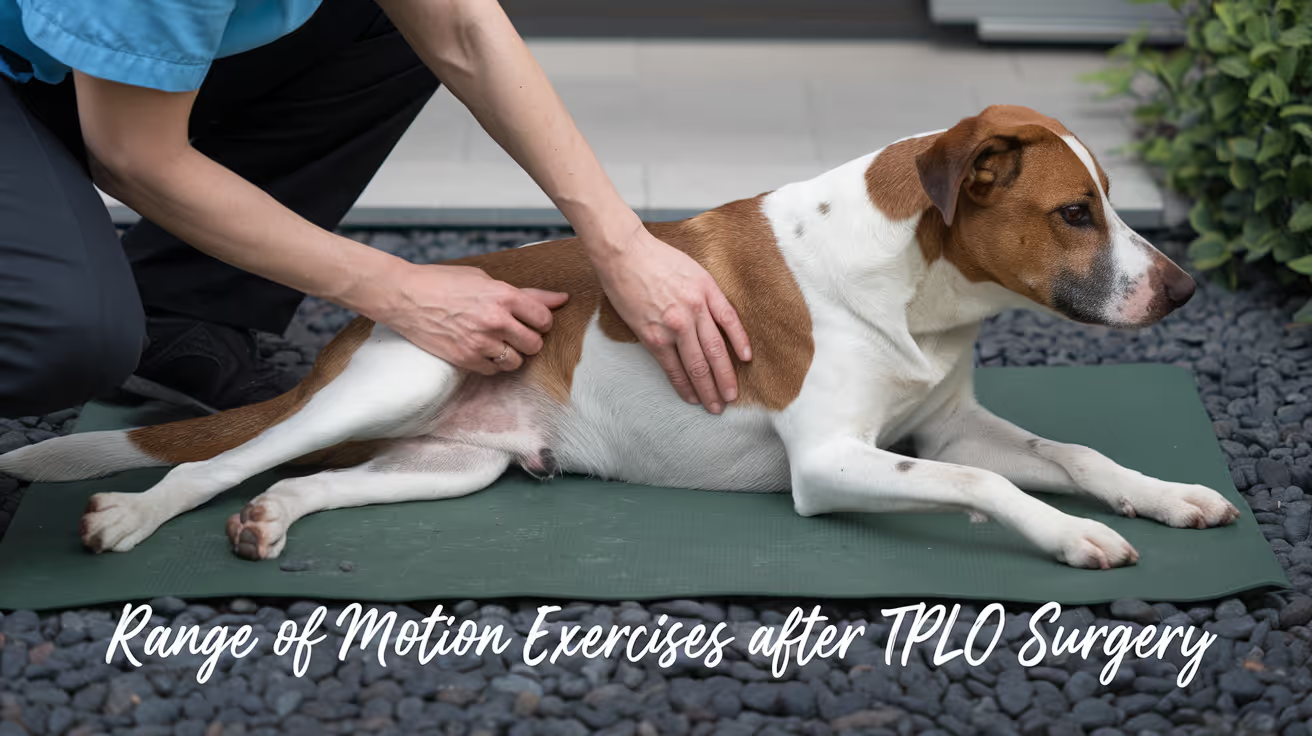
TPLO Range of Motion Exercises for Dogs
Learn effective TPLO range of motion exercises to help your dog recover safely and regain mobility after surgery.
Range of motion (ROM) exercises are one of the earliest and most consistently prescribed rehabilitation interventions after TPLO surgery.
They prevent joint stiffness, reduce scar tissue adhesion, and maintain the joint mobility that ultimately determines how well the dog walks and bears weight long-term.
A key research finding from a study of 412 TPLO patients: loss of stifle extension greater than 10 degrees was associated with significantly greater long-term lameness.
Quick answer: TPLO ROM exercises involve gently flexing and extending the stifle for 10 repetitions, 2 to 3 times daily, beginning 2 to 5 days post-surgery. Extension is critical: loss of more than 10 degrees is strongly linked to long-term lameness.
Key takeaways
- ROM exercises begin at 2 to 5 days post-TPLO: early initiation prevents scar tissue formation that progressively limits joint mobility
- Extension is more critical than flexion: loss of more than 10 degrees is strongly associated with increased long-term lameness
- Normal stifle ROM: extension 158 to 162 degrees, flexion 41 to 45 degrees; loss of more than 10 degrees warrants intervention
- Hydrotherapy significantly improves stifle ROM: 122 vs 105 degrees at week 12 in a randomized controlled trial
- Goniometry is the clinical tool: a goniometer measures joint angles and tracks ROM improvement at each rehabilitation assessment
- 10 repetitions, 2 to 3 times daily is the standard passive ROM protocol; stop if the dog vocalizes or tenses
What range of motion means after TPLO
Range of motion is the arc through which a joint can move from maximum flexion (the most bent position) to maximum extension (the most straight position).
In the stifle (knee), this is measured in degrees using a goniometer, a protractor-like device placed over the joint.
After TPLO surgery, the stifle is swollen, painful, and surrounded by muscles that have contracted to protect the injury.
Without regular movement, periarticular muscles tighten and scar tissue forms between tissue planes.
Clinical research confirms: dogs with normal stifle extension have greater weight-bearing on the operated limb at trot than those with restricted extension. ROM restoration is directly linked to functional outcome.
Normal stifle ROM values in dogs
Understanding what "normal" looks like helps set realistic goals for rehabilitation:
Extension: approximately 158 to 162 degrees (near full straightening of the joint)Flexion: approximately 41 to 45 degrees (the most bent position)
Loss of extension or flexion greater than 10 degrees from these reference values is clinically significant and associated with increased lameness (Veterian Key, 412-dog TPLO study).
Extension loss is worse than flexion loss: it is less tolerable, less amenable to rehabilitation, and more strongly correlated with osteoarthritis.
TPLO ROM exercise technique
Passive ROM (PROM) weeks 1 to 6
Passive ROM means you move the joint; the dog's muscles are relaxed.
Setup: dog lying on their side, operated leg facing up. Support the leg above and below the stifle with both hands.
Movement: gently flex the stifle (bring the lower leg toward the body), then extend it back toward neutral. Slow, smooth, continuous bicycle motion. Stay within the comfortable range do not push past resistance.
Repetitions: 10 per session, 2 to 3 sessions daily.
After: apply a cold pack for 5 to 10 minutes to reduce post-exercise inflammation.
This is identical to the PROM technique described in PROM exercises for dogs after TPLO surgery.
Active-assisted ROM weeks 4 to 8
As the dog begins bearing weight, active-assisted ROM incorporates the dog's own muscle activation:
Sit-to-stand: the dog moves from sit to stand repeatedly. Each sit flexes the stifle; each rise extends it. Begin with 5 to 10 repetitions, 2 to 3 times daily. This is one of the most effective active ROM exercises because the dog controls the movement within their own comfortable range.
Slow leash walks: controlled leash walking through a full gait cycle moves the stifle through its functional ROM repeatedly. Walking pace and surface affect how much ROM is required slow walks on level ground are most appropriate in early recovery.
Warm pack before exercise: from day 5 onward, apply a warm pack for 5 minutes before ROM sessions to relax the periarticular muscles and improve the range achieved.
Facilitated ROM weeks 6 to 12
As strength and confidence improve, exercises that challenge and expand ROM are introduced:
Cavaletti poles: stepping over poles at shoulder height (approximately 10 to 15 cm) requires active stifle flexion beyond normal walking ROM. Begin with 2 to 4 passes over 4 to 5 poles, increasing as strength improves.
Incline walking: walking up a gentle slope increases hindlimb extension demand; walking down increases flexion demand. Progress from 1 to 3 minutes per session at weeks 6 to 8 onward.
Passive stretching: gentle end-range holding of flexion and extension, 10 to 30 seconds per position, introduced at weeks 6 to 8 to address persistent stiffness. Do not force the joint; hold at comfortable resistance only.
The role of hydrotherapy in ROM recovery
A randomized controlled trial comparing hydrotherapy vs. land-based physiotherapy in post-TPLO dogs found that by week 12, hydrotherapy dogs achieved stifle ROM of 122 degrees compared to 105 degrees in land-only controls.
This is a clinically and statistically significant difference.
The underwater treadmill protocol involved twice-weekly sessions from week 3 onward, water at the level of the greater trochanter, 15 to 30 minute sessions.
Water buoyancy reduces joint load while the resistance and natural gait pattern in water challenge ROM more effectively than many land exercises at the same stage.
PMC (UWTM pilot study, 50 dogs): after 10 sessions, significant ROM improvement occurred in all joints including the stifle.
When to be concerned about ROM
Contact your veterinarian or rehabilitation therapist if:
- The dog resists or vocalizes during ROM exercises that were previously comfortable
- You notice a hard end-point to ROM (hard stop rather than soft resistance) suggesting joint capsule contracture
- ROM appears to be decreasing rather than improving at the 4- or 8-week recheck
- The dog is significantly lame and the stifle will not flex or extend near normal range
For the full PROM technique guide, see PROM exercises for dogs after TPLO surgery. For the complete rehab program that ROM fits into, see TPLO rehab exercises for dogs.
For the physical therapy guide, see when to start physical therapy after TPLO surgery. For the recovery exercises guide, see TPLO recovery exercises for dogs.
Frequently asked questions
How do I know if I'm achieving enough range of motion during home exercises?
Normal stifle flexion is approximately 41 to 45 degrees; normal extension is approximately 158 to 162 degrees.
If you are performing PROM correctly, you should feel gentle resistance at the end of each range not a hard stop, not complete looseness.
A rehabilitation practitioner can demonstrate the correct technique and measure your dog's current ROM with a goniometer at their first session.
My dog gets stiff after rest. Is this related to ROM?
Yes. Post-rest stiffness is one of the earliest signs of reduced ROM following TPLO. The joint has developed some adhesion and scar tissue that resolves partially with movement.
This is a signal to increase the frequency of ROM sessions and to ensure warm-up before walks.
If stiffness does not improve with ROM exercises over 1 to 2 weeks, contact your vet.
How long should ROM exercises continue after TPLO?
Passive ROM (PROM) is typically discontinued around weeks 6 to 8 when the dog achieves near-normal active ROM.
Active ROM exercises sit-to-stand, leash walks, cavaletti continue through weeks 8 to 16 and beyond until full function is restored. Ongoing ROM maintenance through normal activity continues for the dog's lifetime.
Can I use a goniometer at home to track progress?
Yes, but training is needed to use it accurately. Goniometers are inexpensive and available from physiotherapy suppliers. Your rehabilitation therapist can demonstrate the correct placement for the stifle joint.
Accurate home tracking provides useful objective data for your veterinarian alongside clinical assessments.
Does every TPLO dog need formal ROM therapy?
Home-based PROM performed 2 to 3 times daily produces good results for most dogs when performed correctly. Formal rehabilitation sessions add goniometric tracking, professional technique guidance, and modalities like hydrotherapy and laser.
Dogs that enter surgery with significant pre-surgical muscle atrophy or stiffness, or those not progressing at expected milestones, particularly benefit from formal rehabilitation.
Resources
- Veterian Key. Range-of-Motion and Stretching Exercises. veteriankey.com
- ScienceDirect. How Does CCL Rupture Treatment Affect Range of Motion in Dogs? sciencedirect.com
- PMC. Pilot Study on the Effects of UWTM on Canine Joint Range of Motion. ncbi.nlm.nih.gov
- TPLO Info. Rehab for Dogs After TPLO Surgery. tploinfo.com
- WM Referrals. Post-Operative Rehabilitation After TPLO. wm-referrals.com
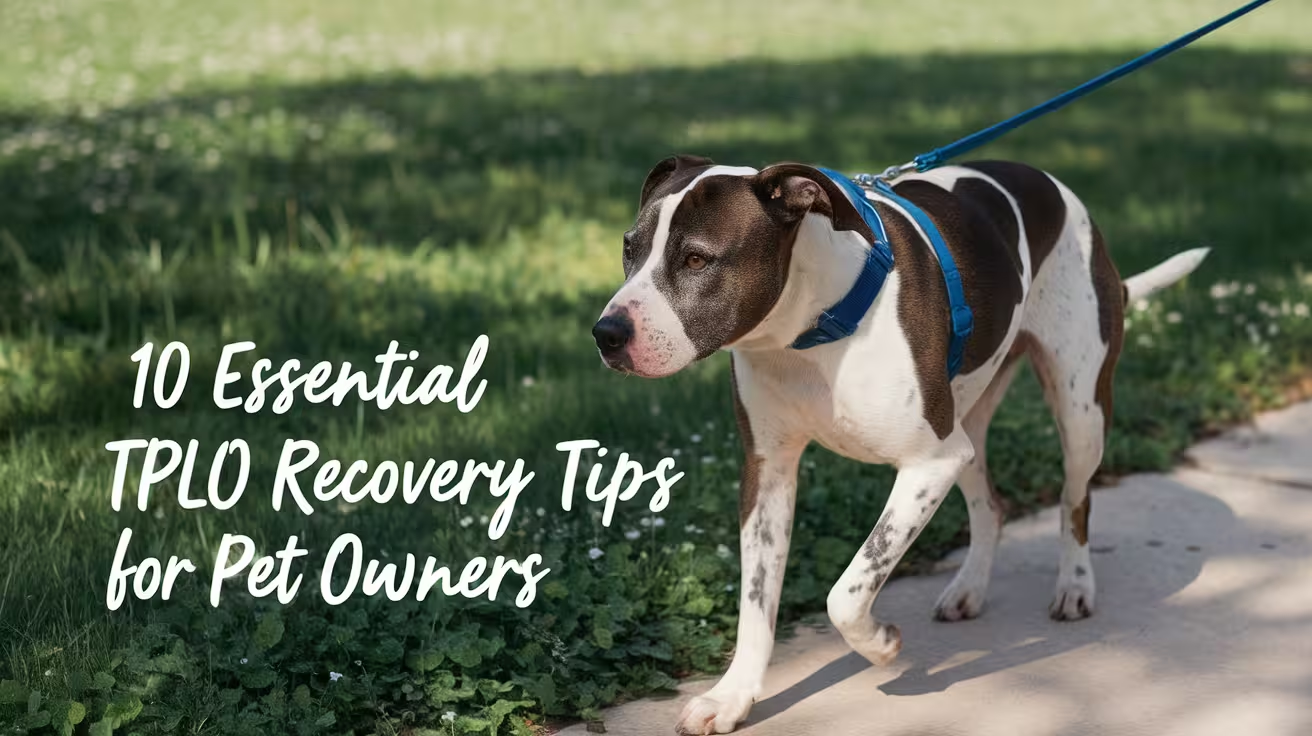
10 Essential TPLO Recovery Tips for Pet Owners
Help your dog heal faster after TPLO surgery with these 10 simple, vet-approved recovery tips every pet owner should know
TPLO recovery takes 8 to 12 weeks of structured care. Most owners know the broad requirements -- rest, medications, vet visits -- but the specific actions that protect recovery are less obvious.
These 10 tips translate the key principles of TPLO recovery into concrete, actionable guidance.
Quick answer: The 10 most essential TPLO recovery tips: keep the e-collar on; give medications on schedule; confine in weeks 1 to 2; inspect the incision daily; apply cold therapy for 3 to 5 days; use a leash indoors; provide mental stimulation; clean bedding weekly; attend check-ups; call the vet early if something looks wrong.
Key takeaways
- E-collar compliance is the highest-priority single action: VetSurgInfo confirms most TPLO incision infections are caused by licking; the e-collar must stay on at all times for 10 to 14 days
- Medication timing matters as much as compliance: giving NSAIDs and gabapentin at the exact scheduled intervals maintains therapeutic blood levels; gaps allow pain to break through
- Strict confinement in weeks 1 to 2 prevents plate failure: jumping, slipping, or running applies forces to the plate that risk displacement before the osteotomy heals
- Daily incision inspection detects infection before it becomes deep: the window between superficial and deep infection is days; daily inspection closes that window
- Cold therapy in the first 72 hours is the most underused home tool: 10 to 15 minutes, 3 to 4 times daily, reduces swelling and pain in the acute phase
- Mental stimulation replaces physical activity: a bored dog becomes restless and moves; food puzzles, lick mats, and scent games provide neural reward without mechanical risk
Tip 1: Keep the e-collar on without exception
The e-collar is not a suggestion.
A single licking episode can inoculate the incision with S. pseudintermedius from the dog's oral cavity, introducing infection that may require antibiotics or, in the worst case, plate removal.
VetSurgInfo confirms: most incision infections are due to licking; the cone is the mainstay for avoiding incision infections.
The best test: place peanut butter on the dog's leg before surgery and check whether they can reach it with the collar on. If they can, the collar is not effective.
The e-collar must stay on during sleep, during unsupervised periods, and any time the dog is not under direct visual supervision. Remove only for supervised eating and drinking, then immediately replace it.
Tip 2: Give all medications on schedule
Pain medications work through consistent blood levels. An NSAID given 2 hours late allows a pain gap that makes the dog uncomfortable.
Discomfort leads to restlessness, inability to settle, and -- critically -- attempts to move around or adjust position that stress the plate.
Medcovet confirms: a strong TPLO surgery recovery plan includes pain management with prescribed pain medication to ensure comfort during the initial recovery phase.
Practical guidance:
- Set phone alarms for each medication
- Give NSAIDs with food to reduce gastric irritation
- Never double dose if a dose is missed -- contact your vet for guidance
- Time gabapentin/trazodone about 30 minutes before anticipated stressful periods (vet visits, times when other family members arrive home)
Tip 3: Confine strictly in weeks 1 to 2
The first 14 days are the highest-risk period for plate displacement.
The osteotomy site has the least mechanical strength at this stage and cannot tolerate the forces generated by running, jumping, or sudden twisting.
SustainableVet.org confirms: dogs typically need 6 to 8 weeks of restricted activity; strict confinement ensures the bone plate stabilizes and heals properly.
Confinement means:
- Crate or exercise pen at all times when not supervised
- Bathroom leash walks of 5 minutes maximum, 3 to 5 times daily
- No stairs, no furniture access, no running
- All other pets separated from the recovering dog
Tip 4: Inspect the incision daily
A 30-second daily inspection at the same time each day catches early infection before it progresses. Normal healing shows consistently fading redness, no discharge, and a healing incision line.
Early infection shows spreading redness, cloudy or malodorous discharge, or increasing warmth.
Medcovet confirms: a strong recovery plan includes wound care and close monitoring of the surgical site.
What to look for:
- Redness: fading daily from day 5 onward is normal; spreading is not
- Discharge: clear serum only in the first 2 to 3 days is normal; anything cloudy or malodorous at any stage is not
- Warmth: mild for the first week; increasing after day 5 is a warning sign
Tip 5: Do cold therapy in the first 3 to 5 days
Cold therapy reduces swelling, pain, and inflammation during the acute post-surgical phase. It is the most effective home intervention for managing early post-TPLO swelling and the least frequently done consistently.
SustainableVet.org confirms: cold therapy, like applying an ice pack wrapped in a towel for 10 to 15 minutes several times a day during the first 72 hours, helps reduce inflammation.
Wrap an ice pack in a thin cloth. Apply to the incision for 10 to 15 minutes, 3 to 4 times daily. Begin day 1 and continue through day 5.
Never place ice directly on skin.
Tip 6: Leash the dog indoors
A house leash held by the owner prevents sudden movements that cause plate failure: slipping, running to the door, or startling at a noise.
Every uncontrolled moment indoors is a risk. The house leash gives the owner instant control.
Tip 7: Provide mental stimulation instead of physical exercise
A dog with no cognitive engagement will self-stimulate physically. Mental stimulation provides the same dopamine reward as physical activity without mechanical impact on the healing plate.
SustainableVet.org confirms: redirect energy through mental stimulation like puzzle feeders or scent games; a mentally stimulated dog is less likely to feel the physical restrictions.
Effective options:
- Frozen Kong: stuffed with wet food or peanut butter (xylitol-free) and frozen
- Lick mat: spread wet food or peanut butter on a textured mat
- Scatter feeding: spread kibble across a towel or crate mat
- Sniff games: hide treats in a muffin tin covered with tennis balls
Tip 8: Keep bedding clean weekly
Dirty bedding accumulates S. pseudintermedius and other bacteria from the dog's skin. The healing incision is in close proximity to bedding throughout recovery.
Contaminated bedding is a low-grade but continuous source of bacteria that can reach the incision.
TPLO Info confirms: dogs do not like dirty bedding; wash crate items at least once a week to keep them clean and free of dog fur.
Wash bedding in hot water with laundry detergent. Air dry or use a hot dryer cycle. Replace immediately with clean bedding.
Tip 9: Attend all scheduled vet appointments
The 2-week, 6-week, and 12-week checkpoints each have a specific clinical purpose. Missing them means missing the opportunity to catch complications before they become serious.
Texas A&M VetMed confirms: complications are easier to manage when caught early; minor issues may be resolved with oral medications and rest, but evaluation and X-rays may still be needed.
What happens at each visit:
- 2-week: incision assessment, suture removal, pain management review
- 6-week: radiograph of osteotomy, activity level adjustment based on healing
- 12-week: final radiograph, clearance for return to full activity
Tip 10: Call the vet early, not late
The most common mistake owners make is waiting to see if something resolves on its own.
A sign that is concerning today and is still concerning tomorrow warrants a call -- not continued observation.
Texas A&M VetMed confirms: if anything seems off during recovery, it is always best to contact the surgical team immediately rather than waiting.
Call same day or immediately if:
- Any cloudy, yellow, green, or malodorous wound discharge
- Redness spreading beyond the incision line
- Fever, lethargy, or loss of appetite
- Lameness worsening after prior improvement
- Wound edges separating
For the full recovery timeline, see what to expect after TPLO surgery in dogs. For confinement setup, see how to confine your dog after TPLO surgery.
For keeping the dog calm, see how to keep a dog calm after TPLO surgery. For the infection prevention guide, see post-operative care mistakes that increase TPLO infection risk.
Frequently asked questions
How strict does the activity restriction need to be?
Very strict in weeks 1 to 2. The dog cannot run, jump, use stairs, or play with other pets. Leash walks of 5 minutes for bathroom purposes only.
This is not an exaggeration -- a single running episode in the first 2 weeks can displace the plate and require revision surgery.
My dog seems completely fine by week 2. Can I relax the restrictions?
No. Clinical improvement (the dog appears comfortable and energetic) does not mean the osteotomy is healed.
The plate holds the rotated tibial plateau in position while new bone grows across the cut -- a process that takes 8 to 12 weeks regardless of how well the dog appears.
Radiographic confirmation of healing is required before any restriction is relaxed.
Which medication side effects should I watch for?
NSAIDs: vomiting, diarrhea, reduced appetite, dark stools (suggests GI bleeding). Gabapentin: sedation (which is expected), unsteadiness (monitor and report if severe). Trazodone: sedation (expected), vomiting in some dogs.
Contact your vet if any medication appears to be causing significant side effects -- alternatives are usually available.
Can I give my dog human supplements like fish oil or turmeric during recovery?
Fish oil (omega-3 fatty acids) is generally considered safe and potentially beneficial for joint health.
However, do not add any supplement without discussing with your vet first -- some supplements interact with NSAIDs or affect bleeding. Turmeric in high doses has similar concerns. When in doubt, ask.
My dog is crying or whining a lot. Should I give extra pain medication?
No -- never give extra medication beyond what is prescribed without vet guidance. Contact your vet and describe the pain signs.
They may adjust the dosing schedule, add a medication, or ask you to bring the dog in.
Whining can also reflect anesthesia effects, anxiety, or opioid dysphoria rather than uncontrolled pain -- your vet can help distinguish these.
Resources
- VetSurgInfo. TPLO Recovery Tips. vetsurginfo.com
- Medcovet. Essential Guide to Dog Recovery TPLO Surgery. medcovet.com
- Texas A&M VetMed. TPLO Recovery: Setting Pets Up for Success. vetmed.tamu.edu
- SustainableVet. 10 Essential TPLO Recovery Tips for Pet Owners. sustainablevet.org

