

Can a TPLO Incision Look Healed but Still Be Infected?
Learn whether a TPLO incision can look healed but still be infected, hidden warning signs, delayed symptoms, and when further testing is needed.

This article is for informational purposes only and is not a substitute for professional veterinary advice. Every case is unique, so always consult your veterinarian for guidance specific to your pet.
This content is intended for veterinary professionals for educational purposes. It does not replace clinical judgment or tailored advice. Always rely on your training, expertise, and the specific context of your patients.
Yes, absolutely. A healed surface wound does not exclude active infection in the tissue layers beneath it or on the implant surface.
This is one of the most important concepts in TPLO infection management, and one owners consistently find counterintuitive. A clean, closed incision line is not equivalent to a resolved infection.
Quick answer: Yes. A healed surface incision does not exclude active infection in deeper tissue or on the implant. Biofilm bacteria produce no visible surface signs. Key indicators: persistent lameness where improvement was expected, plate-site swelling or pain, and a draining tract.
Key takeaways
- Surface incision healing and deep infection resolution are separate processes: skin heals in 10 to 14 days; biofilm bacteria on the plate can be active for months with no surface signs
- Biofilm is the primary reason infections can be invisible at the surface: it produces chronic smoldering inflammation, not the acute response that creates visible wound signs
- SustainableVet.org confirms: implants may reduce visible inflammation, making infections less obvious; altered clinical signs in implant infections require careful assessment
- A draining tract near the plate site is characteristic of hidden deep infection: a sinus tract develops between the plate and skin, often weeks or months after the incision appears healed
- Persistent lameness regression after the wound looks healed is the most actionable sign: a dog improving then worsening should be assessed for deep infection
- Diagnosis requires radiographs and deep sampling: surface swabs of the healed incision are inadequate; aspiration or tissue biopsy near the plate provides accurate samples
Why the surface can look healed despite active deep infection
Wound healing is independent of deep infection
The skin and subcutaneous tissue heal from the outside in.
When the incision edges are held together by sutures or staples, epithelial cells migrate across the wound surface, and the incision line closes.
This process is driven by growth factors in the local tissue environment and proceeds independently of what is happening at the plate surface millimeters deeper.
A plate that has biofilm on its surface does not produce signals that reach the skin surface reliably.
The biofilm is encased in a polysaccharide matrix, the bacteria are metabolically quiescent, and the local inflammatory response is chronic and low-grade rather than acute and obvious.
Biofilm does not produce visible surface signs
Acute bacterial infections in soft tissue produce the classic signs of inflammation: redness, warmth, swelling, discharge. This is because the bacteria are actively multiplying, triggering an acute immune response, and damaging tissue.
Biofilm bacteria behave differently. They are protected from the immune system by the matrix, they do not multiply rapidly, and they produce a chronic smoldering inflammation rather than an acute response.
This chronic inflammation does not reliably produce visible surface signs. The dog may have a biofilm-infected plate with a perfectly healed skin surface.
SustainableVet.org confirms: implants can obscure clinical signs of infection, delaying diagnosis and complicating treatment decisions.
Biofilm formation protects bacteria from antibiotics and immune responses, which complicates infection control and makes infections less clinically obvious.
Late-onset presentation pattern
The typical scenario for a healed-surface but still-infected TPLO:
- Weeks 1 to 14: wound appears to heal normally; sutures removed at day 14; incision looks clean
- Weeks 4 to 8: dog has lameness that is not improving as expected; plate site becomes mildly swollen
- Weeks 6 to 12: draining tract opens near the plate site; serosanguinous or purulent discharge from a site that is not the original incision
- Or alternatively: months later, after apparent complete recovery, new lameness with swelling over the plate site
SustainableVet.org confirms: late infections often occur because bacteria form biofilms on plates or screws. The skin may look normal, but infection exists deeper around the implant or bone.
This is why imaging and culture testing are often needed for diagnosis.
Signs that indicate hidden deep infection
Because surface signs are absent or minimal, the clinical indicators of hidden deep infection are functional and structural, not cosmetic.
Lameness that does not improve or regresses
A dog recovering from TPLO shows consistent improvement in lameness week by week.
A dog with a hidden deep infection may show initial improvement during the incision healing phase, followed by a plateau or worsening of lameness that does not fit the expected recovery trajectory.
SustainableVet.org confirms: persistent lameness or regression beyond expected healing time suggests possible infection interfering with bone or soft tissue recovery.
Swelling or firmness over the plate site (not the incision)
The plate site is on the medial aspect of the proximal tibia, beneath the skin and muscle.
New or persistent focal swelling directly over the plate, separate from the incision area, reflects inflammation around the implant rather than around the wound.
This swelling is often firmer than normal post-surgical edema, may be mildly warm, and is specifically located over the plate rather than diffuse.
Pain on palpation of the plate site
Direct palpation over the plate produces a pain response -- the dog pulls the limb back, tenses, or vocalizes.
Pain on direct plate palpation in a dog with a healed incision is a highly specific indicator of deep infection around the implant.
A draining tract opening near the incision
A draining sinus (fistula) opening through the skin near the original incision -- but not at the incision line -- is the clearest sign of deep implant infection with a surface communication.
The tract runs from the plate surface through the tissue to the skin.
SustainableVet.org confirms: infections around implants often present subtly; a sinus tract or persistent drainage near the plate site is a characteristic delayed sign of deep implant infection.
Systemic signs without wound changes
Fever, intermittent lethargy, or reduced appetite in a dog with a healed TPLO incision may reflect systemic effects of ongoing deep infection without any localizing surface sign.
How hidden deep infection is diagnosed
Standard wound swabs of the healed incision surface are not appropriate for diagnosing deep infection -- they will not reach the infected tissue.
Radiographs: peri-implant bone lysis (radiolucent halos around screws), periosteal reaction, and osteotomy gap changes on radiographs indicate deep infection with bone involvement.
Fluid aspiration: if fluid is detectable near the plate site on palpation or ultrasound, fine-needle aspiration provides diagnostic material for culture.
Deep tissue biopsy: the most accurate sample; collected either surgically or under ultrasound guidance.
Ultrasound: useful for identifying fluid collections, soft tissue changes, and guiding aspiration near the plate site when the area is not obviously fluctuant on palpation.
For the infection signs overview, see TPLO plate infection signs and treatment. For timing of infections, see when do TPLO infections usually start after surgery?.
For the diagnosis guide, see how is a TPLO infection diagnosed?. For late infections, see can a TPLO infection appear months or years later?.
Frequently asked questions
My vet said the incision looks healed at 14 days. Does that mean no infection?
A healed incision at 14 days means the skin has closed. It does not mean the deep tissue and implant surface are infection-free.
Continue to monitor for lameness regression, plate-site swelling, and any draining tract opening near the original incision through the full 8-week osteotomy healing period.
How can bacteria be living on the plate if there is no sign of infection on the surface?
Biofilm bacteria are metabolically quiescent and protected by their matrix. They produce a chronic, low-grade local inflammation that does not reliably reach the skin surface as visible redness, swelling, or discharge.
The infection is real but subclinical at the surface level. Functional signs (lameness, plate-site pain) rather than cosmetic signs are the key indicators.
If the incision is healed but my dog is still limping, should I be worried about infection?
Persistent lameness at a stage when improvement was expected warrants veterinary assessment. Deep infection is one possible cause; others include late meniscal tear, implant complications, and inadequate pain control.
All of these have different management, so veterinary examination and likely radiographs are needed to distinguish between them.
Can ultrasound or radiographs detect hidden deep infection?
Radiographs can detect bone changes (peri-implant lysis, periosteal reaction) that indicate deep infection with bone involvement. Ultrasound can identify fluid collections and soft tissue changes near the plate.
Neither is as sensitive as bacterial culture from a deep sample, but both guide whether further diagnostic work-up is needed.
Is a draining tract always a sign of deep infection?
Yes. A sinus tract draining from beneath the skin near a TPLO plate is nearly always caused by deep implant-associated infection.
It should prompt same-day or next-day veterinary contact, radiographs, and culture sampling.
Resources
- SustainableVet. Can a TPLO Incision Look Healed but Still Be Infected? sustainablevet.org
- SustainableVet. Can a TPLO Infection Appear Months or Years Later? sustainablevet.org
- PMC. Orthopaedic Biofilm Infections. Zimmerli W. APMIS 2017. onlinelibrary.wiley.com
- VCA Animal Hospitals. Tibial Plateau Leveling Osteotomy (TPLO) in Dogs. vcahospitals.com

Get a Free Poster
Enhance your workspace with a high-quality radiographs reference poster, designed for veterinary professionals. This free physical poster will be shipped directly to you—just fill out the form to request your copy.




Taking Great TPLO Radiographs
Click Below to Watch Live Video Demos


We'll send you a Free Wall Poster with all the steps
Step #1
Getting Ready
Ensuring a clean surgical field starts with proper skin preparation. This video demonstrates the best practices for:
- Shaving the patient – Achieving a close, even shave while minimizing skin irritation
- The Dirty Scrub – The initial skin prep step to remove surface debris and reduce bacterial load before the sterile scrub.
Following these techniques helps reduce infection risk and improve surgical outcomes. Watch the video to see how it’s done effectively!


Step #2
Reduce Your Risks
Many surgeons are shocked to find out that their patients are not protected from biofilms and resistant bacteria when they use saline and post-op antibiotics.
That’s Where Simini Comes In.
Why leave these risks and unmanaged? Just apply Simini Protect Lavage for one minute. Biofilms and resistant bacteria can be removed, and you can reduce two significant sources of infection.
Step #3
Take the Course
Preventing surgical infections is critical for patient safety and successful outcomes. This course covers:
- Aseptic techniques – Best practices to maintain a sterile field.
- Skin prep & draping – Proper methods to minimize contamination.
- Antibiotic stewardship – When and how to use perioperative antibiotics effectively.
Stay up to date with the latest evidence-based protocols. Click the link to start learning and earn CE credits!

Things to know
Infected Dog Wound Healing Stages Explained Clearly
Learn the 4 infected dog wound healing stages, signs of infection, and when to call the vet. Simple, clear, and vet-approved guide
A wound infection does not simply resolve on its own. It follows a biological progression that takes longer than normal healing, requires intervention at specific points, and can stall or regress if care lapses.
Understanding the stages gives you a framework. Instead of checking a wound and not knowing what you are seeing, you know exactly what should be happening and whether it is.
Quick answer: Infected dog wounds go through four healing stages: inflammation, debridement, repair, and maturation. In infected wounds, every stage takes longer than in clean wounds. Inflammation is exaggerated and prolonged. Debridement requires the body to clear bacteria alongside dead tissue. Repair is slower and more fragile. Maturation can take weeks to months. Monitoring what you see at each stage tells you whether healing is progressing or whether veterinary re-evaluation is needed.
Key takeaways
- Infected wounds follow the same four stages as clean wounds: Inflammation, debridement, repair, and maturation. Infection extends the time spent in each stage.
- Pus production is part of stage two: It signals the body is fighting bacteria, but it also means bacteria are still present and actively infecting tissue.
- The repair stage produces granulation tissue: Pink, slightly bumpy tissue in the wound bed is a positive sign. Dark, grey, or black tissue is not.
- Maturation takes far longer in infected wounds: Scars from infected wounds may take months to fully mature, and tensile strength builds slowly.
- The trend matters at every stage: A wound should progress forward through stages, not stall or regress.
- Licking or chewing resets the clock: Every episode of licking reintroduces bacteria and disrupts fragile healing tissue.
How infection changes the healing process
A clean wound heals through the four stages efficiently. The immune response is proportionate to the bacterial load, tissues heal in a predictable sequence, and the wound closes within days to two weeks.
An infected wound is different in every stage. The bacterial load is higher, the immune response is more intense and sustained, tissue damage extends beyond the original injury, and the body must work simultaneously to fight infection and rebuild tissue.
These two processes, fighting infection and repairing tissue, partially compete with each other. The inflammatory resources needed to kill bacteria are the same resources that would otherwise support tissue repair. This is why infected wounds heal more slowly, more painfully, and with a higher risk of complications at every stage.
Stage 1: Inflammation
Normal duration in clean wounds: 1 to 3 daysTypical duration in infected wounds: 5 to 10 days or longer
Inflammation is the body's immediate response to injury. Blood vessels dilate, fluid rushes into the area, and white blood cells flood the wound to attack bacteria and begin clearing debris.
What you see in an infected wound during this stage:
- Significant redness that may spread beyond the wound margin
- Marked swelling, possibly firm or hot to the touch
- Pain when the area is examined
- Yellow, cream, or green discharge if bacterial levels are high
- Possible fever or behavioral changes in your dog
In a clean wound, this stage resolves within a few days as the bacterial load is brought under control. In an infected wound, inflammation persists and intensifies as the immune system battles a bacterial population that keeps growing.
The key monitoring signal in this stage: is redness and swelling reducing from day to day, or is it expanding?
If the redness is spreading and the swelling is growing, the infection is not being controlled. This requires veterinary attention.
For a clear guide on how to tell a healing wound from an infected one during this early stage, that comparison guide walks through every sign in detail.
Stage 2: Debridement
Normal duration in clean wounds: 2 to 5 daysTypical duration in infected wounds: 5 to 14 days, sometimes longer
Debridement is the body's cleanup phase. Specialized cells called macrophages move into the wound and begin digesting dead tissue, debris, and bacteria.
What you see in an infected wound during debridement:
- Pus: the yellowish, cream, or green discharge is composed of dead white blood cells, bacterial remains, and damaged tissue
- Possible scab formation over areas where the infection is contained
- The wound may look worse before it looks better as the cleanup progresses
- Gradually reducing discharge if treatment is working
Pus during this phase means the immune system is doing its job. But it also means bacteria are still present. This is the stage where antibiotics are most critical, providing systemic backup to what the immune response is attempting to do.
Some wounds, particularly deep bite wounds and abscesses, require surgical debridement, where the veterinarian physically removes dead and infected tissue that the body's own cleanup mechanisms cannot reach efficiently.
For understanding treatment at each healing stage, including what cleaning protocols and antibiotic approaches are appropriate during debridement, that guide covers every treatment decision clearly.
Stage 3: Repair (Proliferation)
Normal duration in clean wounds: 3 to 14 daysTypical duration in infected wounds: 2 to 6 weeks or longer
Once the bacterial load is under control, the body begins rebuilding. New blood vessels form in the wound bed, and fibroblasts start producing collagen to rebuild the structural tissue.
What you see in an infected wound during repair:
- Pink, slightly raised, bumpy tissue filling the wound bed: this is granulation tissue, and it is a positive sign
- Wound edges beginning to contract inward
- Reducing discharge, becoming clearer and then absent
- The wound appearing to shrink day by day as tissue fills in
Warning signs that the repair stage is not progressing:
- Tissue in the wound bed that is dark red, purple, grey, or black: this suggests necrotic (dead) tissue and requires veterinary debridement
- Excessive exuberant granulation tissue (also called proud flesh): pinkish tissue that overgrows above the wound edge can impede epithelialization
- Discharge returning or worsening after improving: infection may have re-established, often from licking or inadequate antibiotic coverage
For understanding how infection affects the healing timeline in wounds that cannot be closed primarily and must heal from the inside out, the secondary intention healing guide covers this specific trajectory in detail.
Stage 4: Maturation
Normal duration in clean wounds: Weeks to monthsTypical duration in infected wounds: Months, occasionally longer
Maturation is the final stage, where newly formed tissue strengthens and reorganizes into proper scar tissue.
What you see during maturation:
- The wound is fully closed
- New scar tissue initially appears pink, raised, and firm
- Over weeks to months, the scar flattens, fades, and becomes less noticeable
- Tensile strength builds gradually: new scar tissue starts at approximately 20% of normal skin strength and reaches a maximum of about 80% at maturity
In infected wounds, maturation takes longer because the tissue quality laid down during the repair phase is initially lower. The inflammatory damage also means more collagen remodeling is required.
For understanding how to prevent wound breakdown during healing in the maturation phase, particularly for sutured surgical wounds where tension on the scar is a risk, that guide covers dehiscence prevention at every stage.
Stage-by-stage monitoring guide
What slows or stops healing at any stage
Several factors can arrest progression through the healing stages or cause regression to an earlier stage.
Licking and chewing: Every episode introduces oral bacteria, disrupts forming tissue, and can physically remove sutures or scabs. Activity that stalls the repair stage, particularly in cats, can set healing back by days. Consistent E-collar use is essential throughout all stages.
Inadequate antibiotic coverage: Stopping antibiotics early because the wound looks better often means bacteria are reduced but not eliminated. They can re-establish rapidly and restart the inflammatory cycle.
Underlying health conditions: Diabetes, immune suppression, poor nutrition, and obesity all slow wound healing significantly. Dogs with these conditions may require extended treatment timelines.
Wound moisture and contamination: Wounds that are too wet (from licking or bandages that trap moisture) or that are exposed to dirt and debris are harder to progress through the repair stage.
Frequently asked questions
How long does an infected dog wound take to heal?
Timeline varies significantly by wound depth, infection severity, and individual dog health. Minor surface infections can resolve in two to three weeks. Deep infections, bite wounds, or abscesses may take four to eight weeks or longer. Maturation of the scar continues for months beyond wound closure.
What does healthy granulation tissue look like?
Healthy granulation tissue is pink or bright red, slightly bumpy, and moist. It fills the wound bed and bleeds easily when touched, which is normal as it is highly vascular. If the tissue in the wound bed is dark red, brownish, grey, or black, it is likely necrotic and should be assessed by a veterinarian.
My dog's wound looks worse after a few days of treatment. Is that normal?
During the debridement stage, wounds can temporarily look worse before they look better as the body expels bacterial material and dead tissue. If discharge is reducing and systemic signs like fever or lethargy are improving, this is expected. If the wound is clearly expanding or your dog is worsening overall, contact your vet.
Can an infected wound heal without closing (secondary intention)?
Yes. Many infected wounds heal by secondary intention, where the wound fills in from the bottom up rather than closing edge to edge. This is slower and produces more scar tissue but is appropriate when the wound is too infected to suture or too large to close primarily.
Why does my dog keep licking the wound even with a cone?
Cones must extend at least two inches past the nose to be effective. This is the most common fitting error. If your dog is still accessing the wound, measure the cone extension and adjust. A recovery suit is an alternative for trunk wounds. Consistent use is essential, including overnight when you cannot supervise.
Knowing the healing stages of an infected dog wound transforms monitoring from guesswork into something systematic. At each stage, you know what you should be seeing, what the warning signs look like, and when to escalate care. Most infected wounds, given the right treatment and consistent licking prevention, progress steadily through each stage to full closure.
Resources
The following sources were used as reference and background for this article:
- Vetericyn. The Healing Stages of a Dog Wound. vetericyn.com
- Kainer Veterinary. Understanding the Stages of Your Dog's Infected Wound Healing. kainervet.com
- Zarasyl. Understanding a Dog's Wound Healing Phases. zarasyl.com
- PetPlace. Infected Dog Wound: Signs, Healing Stages, and Home Care Tips. petplace.com
- Animal Hospital at Babcock Ranch. Dog Wound Care and Healing Stages. animalhospitalbabcockranch.com
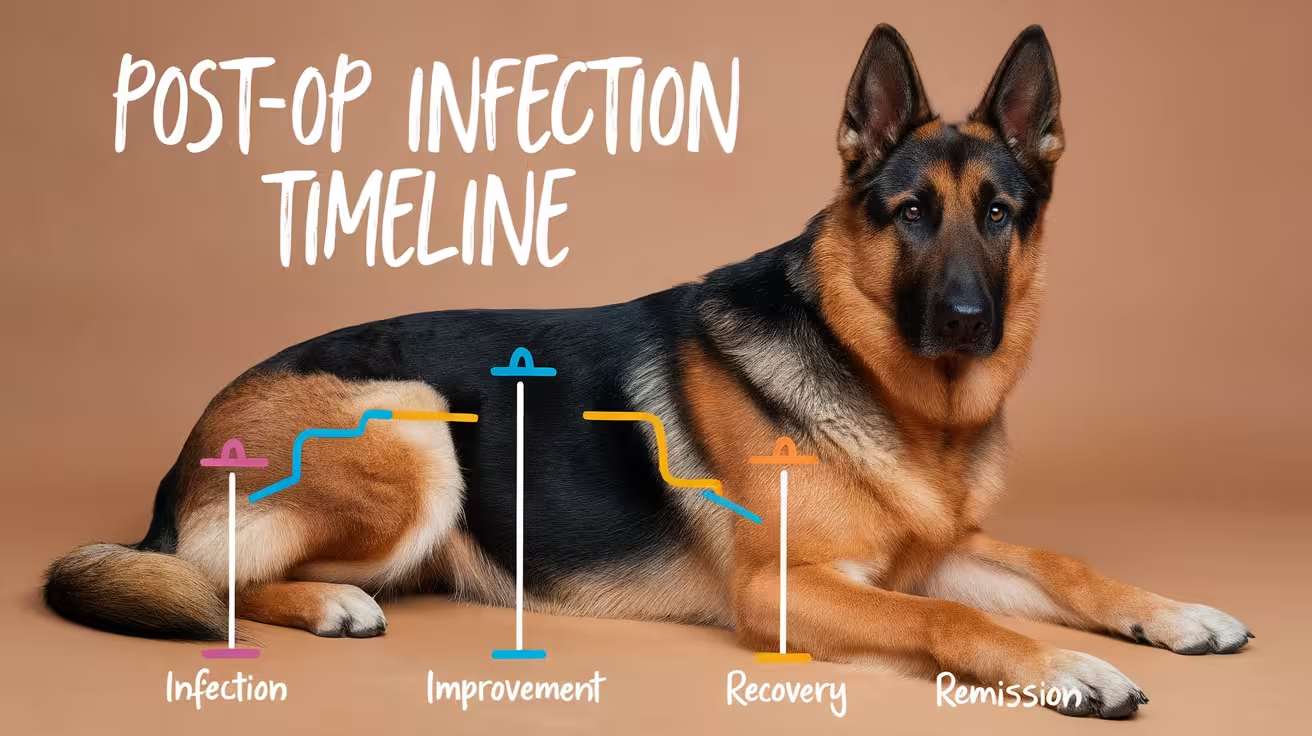
Post-Op Infection Timeline: When to Expect Warning Signs
Know when post-op infections start, key symptoms by day, and what warning signs to watch for after surgery
Post-surgical infections don't follow a rigid schedule. Some appear in the first week. Others stay hidden for 3 to 4 weeks while the surface appears healed. A few, particularly those involving implants, can emerge months after a surgery that appeared completely successful.
Knowing the typical windows helps you monitor with the right intensity at the right times.
Quick answer: Most surface and superficial post-surgical infections become visible within 3 to 14 days after surgery. Deep tissue infections often appear between weeks 2 and 6. Implant-associated infections can develop up to 1 year after surgery (CDC classification). The most important monitoring window is days 5 to 14, when most superficial SSIs become apparent. Daily photograph tracking of the incision is the most practical home monitoring tool.
Key takeaways
- Days 1 to 2 post-surgery: normal inflammation (redness, swelling, warmth) expected and not infection.
- Days 3 to 14: highest-risk window for superficial SSI detection: monitor daily.
- Most SSIs appear within 3 to 7 days per published post-op infection data.
- Failure to improve by day 7 to 10 warrants same-day vet contact.
- Deep and implant-associated infections can appear weeks to months after apparent surface healing.
- CDC defines implant SSIs as occurring within 1 year of implant placement.
The four stages of normal wound healing
Understanding normal healing gives you the baseline that infection interrupts.
Infection interrupts this sequence. Instead of swelling reducing on day 3, it increases. Instead of discharge clearing, it turns yellow or green. Instead of the dog becoming more comfortable, they become more focused on the wound.
Timeline by post-operative period
Days 1 to 2: normal inflammation window
Immediately after surgery, the inflammatory phase begins. Normal signs at this stage:
- Mild redness along the wound edge (not spreading beyond it)
- Slight puffiness around the incision
- Possible clear or slightly blood-tinged fluid (not dripping)
- Mild bruising, especially after orthopedic or deep tissue surgery
- Reduced energy, appetite, and activity from anesthesia and pain medication
What isn't normal even in hours 1 to 48:
- Yellow or green discharge at any point
- Wound already opening or sutures separating
- Active bleeding not stopped within 5 minutes
- Foul odor from the wound site
Days 3 to 7: first infection window
This is the highest-risk window for superficial SSI. Published data confirms most post-surgical infections become apparent in days 3 to 7.
The inflammatory phase should be resolving. Redness should be fading, not intensifying. Swelling should be decreasing, not increasing.
Infection signals in this window:
- Redness spreading outward beyond the wound margin
- Discharge changing from clear to cloudy, yellow, or green
- Swelling increasing after day 3 (not decreasing)
- New or intensifying odor
- Dog more focused on the wound than on day 2
The single most useful behavior: take a clear photograph of the wound every day, same lighting, same angle. Changes that feel dramatic in memory often look subtle in photos. Changes that look mild in memory often look significant. The photo sequence is your most objective monitoring record.
For what these signs mean clinically, see distinguishing healing from infection in detail.
Days 7 to 14: continued high-risk window
Infections that missed the earlier window often become apparent here. This is also when licking, activity violations (jumping), or seroma formation may disrupt a wound that was initially progressing well.
Signs warranting same-day vet contact in this window:
- No improvement in redness, swelling, or discharge despite treatment
- Wound edges separating (dehiscence)
- Dog developing systemic signs (fever, lethargy, reduced appetite) at this stage
- Return of swelling after it appeared to be resolving
Signs warranting emergency assessment:
- Wound significantly opened with visible underlying tissue
- Rapid redness spreading across a large skin area
- Dog unable to bear weight on the operated limb (orthopedic cases) combined with wound changes
Days 14 to 30: late superficial and early deep infection window
Surface wounds may look healed (epithelialized), but deep tissue healing continues for weeks. Deep infections in this window often present with:
- Return of swelling, heat, or pain at an apparently healed wound site
- New drainage beginning from a previously dry wound
- Persistent or worsening lameness (orthopedic cases) despite apparent surface healing
- Systemic signs (lethargy, fever) appearing weeks after surface healing
The CDC's 30-day SSI classification applies here: infections presenting up to 30 days post-surgery (without implants) are classified as SSIs. This window is relevant for owner monitoring, not just clinical classification.
For distinguishing normal vs. concerning signs at this stage, see normal vs. concerning signs after surgery.
Weeks 4 to 12: deep tissue and implant window
For dogs who received orthopedic implants (bone plates, screws, joint prostheses), the infection window extends well beyond 30 days. Implant-associated infections often:
- Develop after the surface wound appears completely healed
- Present as gradual return of lameness, localized swelling over the implant site, and low-grade pain
- Are caused by biofilm establishing on the implant surface during a period of subclinical colonization
- Require imaging to assess implant stability and bone integration
This delayed presentation confuses owners and sometimes veterinarians. A dog who had a smooth early recovery is not immune to late-onset implant infection.
For the specific MRSP post-surgical infection pattern, see MRSP post-surgical infection timeline.
Beyond 3 months: implant-associated late infection
The CDC classifies SSIs as occurring within 1 year of surgery when an implant is present. Infections presenting at 3, 6, or even 9 months after orthopedic surgery are within the recognized SSI window.
Late implant infection sources include:
- Hematogenous seeding (bacteria from a distant infection (dental disease, skin infection), or UTI, reaching the implant through the bloodstream
- Persister cells from a subclinical early infection resuming growth as immune suppression temporarily reduces
- New bacterial exposure from a wound or skin infection near the implant site
For the causes underlying these late infections, see causes of post-surgical infections.
Signs by infection depth and timing
Owner monitoring schedule
For any surgery involving skin incision:
Days 1 to 14 (highest vigilance):
- Check the wound twice daily
- Photograph once daily (same time, same lighting)
- Note: redness direction (fading or spreading?), discharge color, any odor, wound edge position
Days 14 to 30:
- Daily wound check, photograph every 2 days
- Monitor dog's behavior, appetite, and activity level
- In orthopedic cases: observe weight-bearing and gait
Days 30 to 90 (implant cases):
- Check weekly at minimum
- Note any swelling developing over the implant site
- Report any return of lameness to vet promptly, even if the surface wound looks healed
Beyond 3 months (implant cases):
- Inform vet of any new swelling, lameness, or drainage near the surgical site regardless of how long ago surgery was
- Any dental procedure, skin infection, or UTI in a dog with a joint implant or bone plate should prompt a vet discussion about implant risk
For the full guide on what post-op symptoms are normal versus concerning, see post-op symptoms guide.
Frequently asked questions
My dog had surgery 5 days ago and the wound looks fine. Can I relax my monitoring?
Days 5 to 14 is actually the highest-risk window for superficial SSIs, not the time to reduce vigilance. A wound that looks good on day 5 can develop infection signs by day 8 or 9. Continue daily monitoring through day 14 at minimum, and continue twice-weekly checks through day 30.
My dog had a TPLO 6 weeks ago and now there's a firm lump forming near the plate. Is that normal?
No. A new firm swelling developing over a bone plate 6 weeks after apparent healing is a significant concern for implant-associated infection. Contact your vet the same day: don't wait to see if it resolves. Expect radiographs and possibly wound culture.
What does infection look like on day 10 if the dog has been on antibiotics since surgery?
Prophylactic antibiotics used perioperatively do not prevent all infections: they reduce risk during the highest-vulnerability window. If infection has established despite peri-operative antibiotics, the wound changes (increased discharge, redness, odor) are the same as without antibiotics. The antibiotic may have delayed onset but does not mask the signs once infection is established.
Post-surgical infections follow recognizable patterns. Superficial ones announce themselves in the first two weeks. Deep ones appear later, often after the surface looks healed. Implant infections can emerge months later. Monitoring at the right intensity for each window: highest vigilance in the first two weeks, sustained attention through the first month, and periodic checking indefinitely for implant cases. That's how you catch these at the stage where they're most manageable.
Resources
- CDC. Surgical Site Infection (SSI) Event Protocol. cdc.gov
- Johns Hopkins Medicine. Surgical Site Infections. hopkinsmedicine.org
- PetMD. Dog Surgery Aftercare: What's Normal & When To Call the Vet. petmd.com
How to Prevent Surgical Site Infections in Dogs
Ensure your dog's safe surgical recovery by preventing infections with advanced strategies, expert tips, and effective post-op care
Surgical site infections (SSIs) in dogs occur in approximately 2.8% of surgical procedures, rising to 8 to 17% in TPLO cases. Most are preventable. Prevention operates on three fronts: what the veterinary team does before and during surgery, what happens intraoperatively, and what the owner does at home.
Quick answer: SSI prevention requires aseptic technique, perioperative antibiotics within 60 minutes of incision, chlorhexidine-alcohol skin prep, sterile instrument handling, and wound irrigation. At home, E-collar compliance to prevent licking is the most effective owner action.
Key takeaways
- SSIs occur in approximately 2.8% of canine surgeries overall; TPLO rates of 8 to 17% are reported in some studies
- Endogenous skin flora is the most common SSI source: the patient's own bacteria, not airborne contaminants
- Perioperative antibiotics given within 60 minutes before incision; extending post-operatively does not reduce SSI rates in clean cases
- Chlorhexidine-alcohol skin prep is the preferred two-step method for most surgical sites
- Wound irrigation during surgery removes debris and bacteria; non-antibiotic lavage solutions also reduce biofilm
- E-collar compliance is the most important owner-controlled variable; licking introduces oral bacteria directly into the healing wound
Who causes most SSIs?
The Veterinary Nurse: "Translocation of endogenous microbial flora is the most common route of surgical site infection. Skin preparation and aseptic techniques aim to reduce or eliminate the growth of resident and transient flora at the wound site."
The dog's own skin bacteria -- primarily Staphylococcus pseudintermedius, Escherichia coli, and Pseudomonas species -- dominate as SSI sources. They enter the wound during surgery or in the post-operative period. The surgical team controls intraoperative contamination; the owner controls much of the post-operative contamination risk.
Pre-operative prevention: patient preparation
Skin clipping
The surgical site is clipped in a preparation area, not in the operating room, to prevent clipper-derived debris from contaminating the sterile field. Clipper blades should be cleaned between patients; microabrasions from dull blades increase bacterial load.
Skin antisepsis
SustainableVet: "A two-step method -- scrubbing with antiseptic soap followed by an alcohol-based solution -- has been shown to be very effective in reducing microbes."
Chlorhexidine gluconate: broad-spectrum, residual activity, superior to povidone-iodine for gram-positive organism reduction. Two percent chlorhexidine in 70% alcohol is the most effective preparation.
Povidone-iodine: effective against gram-positive and gram-negative bacteria, fungi, and some viruses. Less sustained residual activity than chlorhexidine.
NCBi (skin asepsis study): "Most samples collected at the post-asepsis did not present bacterial growth, both for the animals subjected to the povidone-iodine (74%) or to the chlorhexidine (70%) protocols" -- both are effective when applied correctly.
Application technique: antiseptic applied in expanding circles from the incision site outward; two alternating applications of antiseptic and alcohol.
Patient-level risk factors
Acta Veterinaria Scandinavica identified SSI risk factors: "More people present in the operating room, prolonged duration of anesthesia and surgery, presence of a drain, concurrent endocrinopathy, and the use of propofol."
For elective surgery: address concurrent infections, achieve healthy body weight, treat uncontrolled endocrine disease, and screen for skin disease that elevates surface bacterial load.
Intraoperative prevention: aseptic technique and irrigation
Aseptic technique
SustainableVet (asepsis checklist): the team must perform a surgical scrub before gowning and gloving, wear sterile gowns, gloves, masks, and caps, use sterile gloving technique, and avoid unnecessary movement and talking in the operating room.
AVMA Journal (student aseptic breach study): "At least 1 aseptic protocol breach was noted in 46.3% of the 96 procedures observed" -- highlighting how frequently technique lapses occur even in supervised settings.
Wound irrigation
SustainableVet: "Irrigation is essential for preventing SSIs, as it helps remove bacteria, debris, and dead cells from the surgical site."
Saline: mechanically removes debris through lavage volume and pressure. Does not actively kill bacteria or disrupt biofilm.
Dilute chlorhexidine: topical antiseptic activity; must be used at correct dilution -- concentrated chlorhexidine is tissue-toxic.
Non-antibiotic lavage: SustainableVet: "Advanced tools, such as non-antibiotic lavage solutions, can greatly reduce the risk of SSIs by reducing bacterial load and biofilm without antibiotic resistance concerns."
Perioperative antibiotics: what the evidence says
SustainableVet: "Prophylactic antibiotics are essential in high-risk surgeries such as TPLO or gastrointestinal surgery. Clear guidelines suggest giving antibiotics within 60 minutes before the first incision and stopping them within 24 hours unless there are signs of infection."
NCBi (TPLO antibiotic study): "Results showed no difference in SSI rates" between perioperative-only and peri-and-post-operative antibiotic groups. "Eliminating postoperative antibiotic medication in a clean orthopedic procedure helps to reduce antibiotic resistance and is in line with antimicrobial stewardship."
Acta Veterinaria Scandinavica: "Even complete omission of antimicrobials was not associated with increased risk for SSI" in clean orthopedic and neurosurgeries at the Helsinki teaching hospital.
Post-operative prevention: the owner's role
E-collar at all times: the single most impactful owner action. Dog saliva contains high concentrations of oral bacteria. Even brief licking can deliver sufficient bacterial inoculum to establish infection.
Keep the wound dry: moisture promotes bacterial proliferation. No bathing, swimming, or rain exposure until vet clearance at the recheck.
Complete the full antibiotic course: when prescribed for contaminated or dirty cases. Partial courses select for resistance.
Daily incision monitoring: twice-daily visual checks; photograph daily. Call the vet same-day for increasing redness after day 3, yellow or green discharge, or wound odor.
For the wound care protocol during recovery, see wound care after surgery. For signs of developing SSI, see dog incision infection signs causes and treatment. For the complications guide, see signs of complications after soft tissue surgery.
Frequently asked questions
Do all dogs need antibiotics before surgery?
No. Antibiotics are indicated for clean-contaminated and contaminated surgeries, orthopedic implant procedures, and immunocompromised patients. Routine clean soft tissue procedures (simple mass removal, spay/neuter) do not always require prophylactic antibiotics.
Does bathing my dog before surgery help prevent SSI?
Yes, with caveats. Bathing 1 to 2 days before surgery reduces skin bacterial load. Bathing on the day of surgery is not recommended; wet skin delays veterinary prep. Confirm with your clinic.
Can my dog get an SSI even if the surgical team did everything correctly?
Yes. SSI rates of 2 to 17% occur even with optimal technique. The dog's own flora, systemic health factors, and post-operative events all contribute. Perfect technique reduces but does not eliminate risk.
Why should antibiotics stop within 24 hours when there is no sign of infection?
Extending antibiotics without infection evidence provides no additional protection and promotes resistant organism selection. This is standard antimicrobial stewardship.
What is biofilm and why does it matter for SSI prevention?
Biofilm is a structured bacterial community 100 to 1,000 times more resistant to antibiotics than planktonic bacteria. Once established, it is extremely difficult to treat. Preventing biofilm through debridement and lavage is far more effective than treating it.
My dog had surgery but the vet did not prescribe antibiotics. Is that normal?
Yes, for clean elective soft tissue surgery. Acta Veterinaria Scandinavica found no increased SSI risk even in dogs not receiving perioperative antibiotics in clean orthopedic cases. Routine antibiotic overuse promotes resistance; your vet follows antimicrobial stewardship guidelines.
Resources
- Veterinary Nurse. Surgical Site Infections: Preparation, Technique and Perioperative Prevention. theveterinarynurse.com
- SustainableVet. How to Prevent Surgical Site Infections in Dogs. sustainablevet.org
- NCBi. Comparison of SSI Rates in Dogs Undergoing TPLO. ncbi.nlm.nih.gov
- Acta Veterinaria Scandinavica. Antimicrobial Prophylaxis in Clean Orthopaedic and Neurosurgeries in Dogs. springer.com
How Dogs Get Enterococcus faecalis
Learn how dogs acquire Enterococcus faecalis, its transmission routes, risk factors, and prevention methods to protect your pet from infections
Enterococcus faecalis is a normal inhabitant of your dog's gastrointestinal tract. In healthy dogs, it causes no problems. The trouble starts when this opportunistic bacterium moves from where it belongs into tissue where it does not urinary tracts, wounds, surgical sites, and bloodstream.
What makes E. faecalis clinically significant is not just where it ends up, but how resistant it is once it gets there.
Quick answer: Dogs get Enterococcus faecalis from their own gut flora, spreading to the urinary tract or wounds via fecal contamination. It is the top Enterococcus in canine UTIs and is highly antibiotic resistant. Culture testing is essential.
Key takeaways
- E. faecalis is a normal gut commensal; infections occur when it migrates to the urinary tract, wounds, or bloodstream
- Fecal contamination is the primary route: UTI-causing E. faecalis originates from the dog's own stool microflora
- E. faecalis is the most common Enterococcus in canine UTIs: one study found it in 68% of canine Enterococcus isolates
- High antibiotic resistance is the defining clinical challenge: 74.5% resistant to enrofloxacin, 84.3% to clindamycin
- Dogs can transmit resistant E. faecalis to humans; immunocompromised owners are particularly at risk
- Culture and sensitivity testing is essential: empirical antibiotic treatment without testing frequently fails
What is Enterococcus faecalis?
Enterococcus faecalis is a Gram-positive, facultatively anaerobic bacterium that naturally colonizes the gastrointestinal tracts of most mammals, including dogs and humans. Veterian Key (Sykes): "In healthy dogs and cats, enterococci can be found on the skin and within the oral cavity, nasal cavity, and gastrointestinal tract."
It belongs to a group of bacteria once called "Group D Streptococci" and is now classified separately. Enterococci are remarkably resilient: they tolerate a wide range of temperatures, salt concentrations, and pH levels, allowing them to persist on surfaces and in environments where most bacteria cannot survive.
E. faecalis vs. E. faecium: Both are common in dogs, but they are not equivalent. The peer-reviewed UTI study (MDPI Animals, 2021) found: "E. faecalis predominated among UTI isolates... E. faecalis seems to be more virulent than E. faecium, justifying its more frequent involvement in urinary tract infections." E. faecalis carries more virulence genes, including those enabling biofilm formation.
How dogs acquire E. faecalis infections
From their own gut flora
The most common route. The MDPI study confirmed: "Our data confirm that enterococci inhabitant of the gut flora probably represent the main source of UTI in dogs."
When E. faecalis from fecal matter contacts the urethral opening, the bacteria can ascend into the bladder. This is particularly common in:
- Female dogs: shorter urethra provides a shorter path for bacteria to ascend
- Dogs that groom after defecation: licking the perineal area transfers gut bacteria to nearby surfaces
- Dogs with incontinence or urinary retention: stagnant urine is a bacterial growth medium
Environmental exposure
E. faecalis survives in soil, water, and on surfaces for extended periods. Kennels, veterinary clinics, dog parks, shared water bowls, and poorly sanitized equipment can all harbor the organism. Veterian Key: "Mode of transmission: direct contact. Organisms are usually commensals that invade opportunistically."
Nosocomial (hospital-acquired) infections are a documented concern: dogs recovering from surgery in veterinary hospitals can acquire E. faecalis from contaminated surfaces or instruments.
Surgical sites and wound infections
Any break in the skin or mucosal surface is a potential entry point. Post-surgical wound infections with E. faecalis occur when fecal or environmental bacteria contaminate the surgical site during recovery most commonly abdominal surgeries where the gastrointestinal tract is opened, or perineal surgeries near the rectum.
Veterian Key lists the full spectrum of clinical presentations: "Major clinical signs include neonatal septicemia, urinary tract infections, postoperative incision or wound infections, otitis externa, bacteremia and endocarditis."
Which dogs are most at risk?
Dogs with existing urinary tract disease
Clinician's Brief (UTI study): "55% of dogs infected with Enterococcus spp in the urinary tract were presented with LUT signs... up to 45% of cases may have been subclinical." Dogs with structural urinary abnormalities, bladder stones, or indwelling catheters have significantly elevated risk.
Immunocompromised dogs
Dogs on long-term corticosteroids, chemotherapy, or with conditions like Cushing's disease or diabetes have impaired immune defenses that allow normally harmless gut commensals to establish infection.
Post-surgical patients
Any surgery involving the abdomen, perineal area, or urinary tract creates pathways for E. faecalis to access normally sterile tissue. Dogs with urinary catheters are at particular risk.
Dogs on prior antibiotics
Prior antibiotic treatment eliminates susceptible bacteria and creates ecological space for resistant E. faecalis to proliferate. This is one reason E. faecalis is disproportionately found in dogs that have received previous antibiotic courses.
Where E. faecalis causes infection in dogs
Urinary tract infections (UTIs)
The most common clinical presentation. Dogs with E. faecalis UTI may show:
- Frequent urination (pollakiuria)
- Straining to urinate (stranguria)
- Blood in urine (hematuria)
- Genital licking
- Accidents in the house
- Sometimes no signs at all (subclinical bacteriuria)
Clinician's Brief: "Enterococcus spp bacteriuria could serve as a marker of underlying LUT inflammation."
Wound and surgical site infections
Recognized by: poor wound healing, increasing discharge, redness extending from the wound, pain at the site, and odor.
Bacteremia and endocarditis
Severe systemic infection when E. faecalis enters the bloodstream. Associated with fever, lethargy, and in the case of endocarditis, heart murmur development. Veterian Key confirms this clinical spectrum in dogs.
For how E. faecalis contributes to severe wound infections including necrotizing fasciitis, see Enterococcus in severe wound infections.
The antibiotic resistance challenge
This is the defining clinical concern with E. faecalis. The MDPI 2021 study of canine isolates found alarming resistance rates:
- Enrofloxacin (fluoroquinolone): 74.5% resistant
- Clindamycin: 84.3% resistant
- Tetracycline: 78.4% resistant
- Ampicillin: 64.7% resistant (MIC ≥ 64 µg/mL in 47.1% of isolates)
E. faecalis has intrinsic resistance to cephalosporins, lincosamides, and low-level resistance to aminoglycosides. It can also acquire high-level resistance to aminoglycosides (HLAR phenotype) found in 47.1% of isolates in the study.
What this means in practice: empirical antibiotic treatment (prescribing without culture results) for E. faecalis infections has a high probability of failure. Culture and sensitivity testing is not optional it is essential for selecting an antibiotic with a reasonable chance of working.
Effective options (subject to susceptibility results) include nitrofurantoin (for uncomplicated UTI), linezolid, or ampicillin when susceptibility is confirmed. Vancomycin resistance was not detected in the MDPI study this is an important distinction from some human E. faecalis strains.
Zoonotic risk: can E. faecalis pass from dogs to humans?
Yes. The Korean resistance study confirmed: "Companion animals treated with antibiotics in an intensive care unit were a source for the zoonotic transmission of MDR Enterococcus." The MDPI study: "Infected dogs may be a source of Enterococcus spp. for their owners who, mainly in case of immunocompromised persons, can develop severe pathologies."
Practical guidance:
- Wash hands after handling a dog with a known E. faecalis infection
- Clean and disinfect wound dressings and surfaces that contact discharge
- Immunocompromised household members (chemotherapy patients, transplant recipients, those with HIV) should discuss additional precautions with their physician
- There is no need to remove a dog from the home in most circumstances, but hygiene is essential
For how resistant organisms like Pseudomonas relate to the same clinical picture of treatment-resistant infections, see other resistant organisms alongside Enterococcus. For how antimicrobial prophylaxis relates to Enterococcus in surgical patients, see antimicrobial prophylaxis against Enterococcus.
Diagnosis and treatment
Diagnosis: urine culture with colony count (for UTI); wound swab culture for wound infections. Sensitivity testing is required for every case.
Treatment:
- Antibiotic selection guided entirely by culture and sensitivity results
- Duration: typically 4 to 6 weeks for UTI; longer for systemic infection
- Recurrent UTI requires investigation for underlying structural, hormonal, or immune causes
- Wound infections require drainage, debridement, and wound care alongside antibiotics
Prevention:
- Prompt treatment of any wound or surgical site
- Post-surgical monitoring for early infection signs
- Judicious antibiotic use (avoiding unnecessary courses that select for resistance)
- Hygiene in multi-dog environments and kennels
Frequently asked questions
Is Enterococcus faecalis in a dog's urine always an infection?
Not necessarily. Subclinical bacteriuria (bacteria in urine without clinical signs) exists. Clinician's Brief: up to 45% of dogs with enterococcal bacteriuria may have no lower urinary tract signs. Whether to treat depends on the dog's clinical presentation, the species identified, and whether underlying disease predisposes to ascending infection. Your vet will interpret the culture result in the context of the full clinical picture.
My dog was prescribed a fluoroquinolone for an E. faecalis UTI. Is that appropriate?
Potentially problematic. The MDPI study found 74.5% of canine E. faecalis isolates were resistant to enrofloxacin. A fluoroquinolone should only be used if the sensitivity test shows susceptibility. If your dog was prescribed one empirically (before culture results), follow up with your vet when results are available and ask whether the antibiotic needs to be changed.
Can E. faecalis cause a UTI to keep coming back?
Yes. Recurrent E. faecalis UTIs occur for several reasons: antibiotic treatment that did not fully clear the infection, structural abnormalities (bladder stones, ectopic ureters, tumors) that maintain bacterial colonization, inadequate treatment duration, or reinfection from the dog's own gut flora. A full urological workup (imaging, repeat culture) is appropriate for any dog with more than two UTIs per year.
How long does E. faecalis survive on surfaces?
Enterococci are notably hardy. They can survive on environmental surfaces for days to weeks. This is why shared water bowls, bedding, and poorly sanitized kennel runs can serve as transmission sources. Regular cleaning with disinfectants effective against Gram-positive bacteria reduces this risk.
My dog has no symptoms but E. faecalis was found in a urine sample. What should I do?
Discuss with your vet whether treatment is indicated. In dogs without clinical signs and no predisposing conditions, subclinical bacteriuria may not require antibiotic treatment treating asymptomatic bacteriuria can select for resistance without clinical benefit. Your vet will weigh the evidence for your dog specifically.
Is there a vaccine against E. faecalis for dogs?
No vaccine currently exists for E. faecalis in dogs. Prevention relies on hygiene management, judicious antibiotic use, prompt wound treatment, and monitoring for early infection signs in high-risk dogs.
Resources
- MDPI Animals (2021). Characterization and Comparison of Enterococcus spp. Isolates from Feces of Healthy Dogs and Urine of Dogs with UTIs. mdpi.com
- Veterian Key (Sykes). Streptococcal and Enterococcal Infections. veteriankey.com
- Clinician's Brief. Risk Factors for Enterococcal Bacteriuria in Dogs. cliniciansbrief.com
- PMC (2021). Antimicrobial Resistance Profiles of E. faecium and E. faecalis from Healthy Dogs and Cats. ncbi.nlm.nih.gov

Antibiotics for Surgery Wound Infection: What Vets Should Know
Discover top antibiotics for treating post-surgical wound infections in dogs, learn how to choose the right drug, and see how Simini Protect Lavage enhances infection control
Not all surgical wound infections respond to the same antibiotic. Which drug works, how long to give it, and whether oral or injectable delivery is needed all depend on what bacteria is causing the infection, how deep it is, and what the sensitivity test shows.
Starting the wrong antibiotic in a resistant infection wastes time, delays healing, and selects for more resistance. Getting it right from the start requires a culture result.
Quick answer: Antibiotic selection for surgical wound infections in dogs must be guided by bacterial culture and sensitivity testing, not empiric choice based on appearance. For susceptible S. pseudintermedius infections, first-line options include cephalexin or amoxicillin-clavulanate. For MRSP infections, options shift to chloramphenicol, potentiated sulfonamides, rifampicin (always in combination), or amikacin based on the sensitivity panel. Treatment continues at minimum 21 days or one week past clinical resolution per DVM360 surgical guidance.
Key takeaways
- Culture and sensitivity testing before antibiotics is the non-negotiable first step for any wound that isn't responding to treatment.
- Beta-lactams (amoxicillin, cephalexin) are appropriate for susceptible staph: not for MRSP, where they are always ineffective.
- MRSP shifts options to chloramphenicol, potentiated sulfonamides, rifampicin, or amikacin based on sensitivity.
- DVM360 surgical guidance: systemic antimicrobials given at least one week beyond clinical remission, minimum 21 days.
- Deep wound infections and bone involvement require IV or injectable antibiotics for adequate tissue penetration.
- Topical antiseptic wound care is not optional: it's the foundation of wound infection management alongside any antibiotic.
Why culture always comes first
The cost of guessing wrong
A surgical wound infection that doesn't respond to the antibiotic prescribed is not just a treatment failure: it's an active delay in a dog's recovery, and it applies selection pressure that drives bacteria toward more resistance.
DVM360's surgical wound infection guidance (Dr. Karen Tobias, ACVS) is direct: "Repeated antimicrobial exposure at subtherapeutic concentrations or inappropriately short duration may select for resistance." Starting the wrong antibiotic and then adjusting later means the wrong antibiotic was applied for the time it took to recognize failure.
What culture provides that appearance cannot
A wound that looks infected tells you: infection is present. It tells you nothing about which bacteria is causing it or which antibiotics will work against it.
Culture and sensitivity testing provides:
- Species identification (is this S. pseudintermedius, E. coli, Pseudomonas, or another organism?)
- Methicillin resistance status (is it MRSP or susceptible staph?)
- Full susceptibility panel (which specific antibiotics retain activity against this isolate)
Without this, antibiotic selection is a guess. For susceptible staph, the guess is sometimes right. For MRSP, it is almost always wrong.
Antibiotic options for susceptible surgical wound infections
First-line oral options (susceptible S. pseudintermedius)
For deep or severe susceptible infections (injectable)
Treatment duration for susceptible infections
- Superficial wound infection: 3 to 4 weeks minimum; 7 to 10 days past clinical resolution
- Deep wound infection: 6 to 8 weeks; continue until 2 weeks past complete resolution
- Minimum surgical guidance: 21 days with at least one week past remission of clinical disease (DVM360 / Dr. Karen Tobias)
Antibiotic options for MRSP surgical wound infections
Beta-lactam antibiotics are always ineffective against MRSP. This includes cephalexin, amoxicillin, amoxicillin-clavulanate, cefpodoxime, and all other penicillins and cephalosporins.
DVM360 (Dr. Karen Tobias) data from clinical practice: MRSP is usually susceptible to chloramphenicol (100%) or aminoglycosides (97%).
Culture-guided MRSP options
Duration for MRSP wound infections
- Superficial MRSP wound: minimum 3 to 4 weeks; topical therapy throughout
- Deep MRSP wound: 8 to 12 weeks; continue 2 weeks past complete clinical resolution
- Implant-associated MRSP: indefinite suppression or surgical removal; antibiotics alone rarely cure biofilm infection
For full MRSP-specific antibiotic guidance, see full MRSP antibiotic guidance. For how MRSP resistance makes these decisions necessary, see resistance mechanism behind these choices.
When IV antibiotics are needed
Injectable or IV antibiotics are appropriate when:
- The dog is systemically ill (fever, severe lethargy, inappetence beyond 48 hours post-surgery)
- Deep tissue infection with bone involvement (osteomyelitis)
- Oral antibiotics cannot achieve adequate tissue concentrations
- The dog cannot take oral medications reliably
The SustainableVet antibiotics reference confirms: "In more serious infections, such as deep tissue abscesses, bone involvement, or systemic signs: IV antibiotics are required for faster and stronger action."
Common IV options for severe surgical wound infections:
- Cefazolin: first-choice IV beta-lactam for susceptible infections
- Carbapenems (imipenem): last-resort option for resistant hospital-acquired mixed infections
- Enrofloxacin (IV or injectable): gram-negative coverage; not for MRSP
Topical treatment alongside antibiotics
Antibiotics address systemic or deep bacterial load. Topical antiseptic treatment addresses surface bacterial load and biofilm, a separate and essential component of wound management.
During active MRSP wound infection:
- Wound lavage with dilute chlorhexidine (0.05%) or sterile saline: once to twice daily
- Chlorhexidine-impregnated dressings between lavage sessions
- Mupirocin ointment for localized wound margins
- Silver-based dressings for biofilm-prone or chronic wounds
DVM360 guidance from Dr. Tobias: "In some patients, topical wound therapy is sufficient to clear the infection", and in others it is the essential companion to systemic treatment.
For post-surgical infection context, see post-surgical infections and antibiotic role.
Monitoring during antibiotic treatment
Clinical monitoring
- Wound appearance should improve within 5 to 7 days of starting an appropriate antibiotic
- No improvement at 7 to 10 days is the indication to reassess and culture if not already done
- Improvement then relapse suggests too-short a course, premature antibiotic discontinuation, or biofilm involvement
Laboratory monitoring
- Culture recheck: repeat culture during treatment if progress is unexpectedly slow; repeat 2 weeks after completing antibiotics to confirm microbiological clearance
- Blood work for long-course antibiotics: renal function monitoring for amikacin; bone marrow assessment for long chloramphenicol courses
For how to recognize when infections are progressing or resolving after surgery, see signs of resolving vs. worsening infection.
Common antibiotic mistakes in surgical wound infections
Starting antibiotics before culturing
If the wound is infected, culture before starting antibiotics whenever possible. Post-antibiotic cultures are harder to interpret. If antibiotics must be started urgently (systemically ill dog), culture the wound before the first dose is given.
Using beta-lactams empirically for suspected MRSP
If a dog has received multiple prior antibiotic courses, has a history of MRSP, or the infection isn't responding to a beta-lactam already, do not add another beta-lactam. Culture first.
Stopping antibiotics when the wound "looks better"
Wounds look better before they are microbiologically clear. The bacteria below the visible surface level still need to be eliminated. Stopping at apparent visual resolution is the most common cause of relapse.
Using rifampicin as monotherapy
Rifampicin resistance develops rapidly when used alone. It must always be combined with another antibiotic that the organism is susceptible to, per sensitivity results.
For the broader MRSP treatment strategy, see MRSP treatment strategy. For how biofilm affects antibiotic effectiveness in wounds, see biofilm and antibiotic effectiveness.
Frequently asked questions
My dog's wound infection isn't getting better after 10 days of cephalexin. What now?
Request a culture and sensitivity test before any antibiotic change. If MRSP is confirmed, cephalexin has zero effect: every additional day of ineffective treatment allows the infection to progress while also applying selection pressure. If culture was not done at the start of treatment, now is the time.
My dog needs long-term chloramphenicol for MRSP. Is that safe?
Chloramphenicol carries a risk of dose-dependent bone marrow suppression with prolonged use. Your vet should monitor a complete blood count (CBC) at intervals during treatment, typically every 2 to 3 weeks. The risk-benefit calculation favors use in MRSP cases where other options are unavailable, but monitoring is not optional for extended courses.
Can I give my dog human antibiotics from the pharmacy for a wound infection?
No. Several human antibiotic formulations contain ingredients (xylitol in some liquids, for example) that are toxic to dogs. Veterinary formulations are dosed differently than human preparations. Most critically, you cannot know which antibiotic is appropriate without a culture result. Using the wrong antibiotic, whether from a pharmacy or leftover from a prior prescription, delays appropriate treatment.
Antibiotic selection for surgical wound infections is not a guessing game. The pathogen determines which drugs work, and only culture testing identifies the pathogen reliably. Getting that result first, selecting based on it, running the full course, and pairing systemic treatment with topical wound care is the complete approach.
Resources
- DVM360 (Dr. Karen Tobias, ACVS). Surgery STAT: Managing methicillin-resistant wound infections. dvm360.com
- Clinician's Brief. Clinical Suite: MRSP Infections in Dogs & Cats. cliniciansbrief.com
- ISCAID. Antimicrobial use guidelines for canine pyoderma. PMC, 2025. ncbi.nlm.nih.gov
Best Povidone Iodine Alternative for Veterinary Surgery
Discover the best povidone iodine alternative for veterinary surgery. Simini Protect Lavage reduces biofilms and resistant bacteria for safer surgical outcomes
Povidone-iodine (PI) has been the dominant veterinary surgical antiseptic for decades. It is broad-spectrum, affordable, and familiar.
But it has real limitations: it is inactivated by organic matter, it has minimal residual activity once dry, and it can be cytotoxic above 0.1% concentration when applied directly to wounds.
These limitations have driven interest in alternatives. Several are now well-established; others are emerging.
Quick answer: Alcoholic chlorhexidine gluconate (CHG) is the strongest evidence-based alternative to povidone-iodine for surgical skin prep. For wound irrigation, 0.05% chlorhexidine or polyhexanide (PHMB) are preferred. Hydrogen peroxide must never be used for wound irrigation.
Key takeaways
- Alcoholic CHG outperforms povidone-iodine for skin prep: a 2021 meta-analysis found CHG had a lower positive culture rate (RR 0.53)
- Povidone-iodine is inactivated by organic matter: blood, pus, and necrotic tissue neutralize its effect; chlorhexidine retains activity
- Chlorhexidine has residual activity: it binds to skin proteins and continues working after rinsing
- For wound irrigation: 0.05% chlorhexidine or PHMB are supported by evidence; scrub formulations must never be used in wounds
- Polyhexanide (PHMB) has broad-spectrum activity including biofilm organisms and no known resistance; it also enhances wound healing
- Hydrogen peroxide is not safe for wound use: it destroys granulation tissue and fibroblasts regardless of dilution
Why consider alternatives to povidone-iodine?
MSD Veterinary Manual: "Povidone-iodine is an effective antiseptic; however, it has minimal residual activity and may be inactivated by purulent debris."
SustainableVet: "Biofilms and resistant bacteria are increasingly common challenges in veterinary surgery. These bacteria form protective layers that make infections harder to treat and can survive traditional antiseptics like povidone-iodine or chlorhexidine."
The key limitations of povidone-iodine:
- Inactivated by organic matter (blood, protein, necrotic tissue)
- No sustained residual antimicrobial activity after rinsing
- Narrow concentration window: effective at 0.1 to 1% but cytotoxic to healing tissue at higher concentrations when used as a wound lavage
- Poor activity against some biofilm-embedded organisms
- Does not bind to skin or tissue surfaces
Chlorhexidine gluconate (CHG): the primary alternative
Evidence for surgical skin prep
NCBi (2021 orthopedic meta-analysis): "The results of the meta-analysis demonstrate a significantly lower positive culture rate in the chlorhexidine group than in the povidone-iodine group (RR = 0.53).
The present data show the superiority of chlorhexidine in reducing the normal bacterial flora compared to povidone-iodine in clean orthopedic surgery."
PMC (veterinary systematic review): a meta-analysis comparing chlorhexidine vs. povidone-iodine skin asepsis protocols in veterinary surgery found evidence supporting chlorhexidine-based protocols, particularly when combined with alcohol (alcoholic formulation).
Alcoholic chlorhexidine provides two mechanisms: alcohol gives rapid surface kill, while chlorhexidine binds to skin proteins for sustained residual activity after the initial application.
Residual activity advantage
Unlike povidone-iodine, chlorhexidine persists on the skin surface after application. This residual activity lasts for several hours, providing continued reduction of bacterial regrowth during the surgical procedure.
PubMed (canine external ear canal preparation study): "Both antiseptic groups showed a significant reduction in bacterial growth score between pre- and post-antiseptic use (chlorhexidine diacetate p=0.009, povidone-iodine p=0.005)."
Both were effective, but chlorhexidine's residual activity is a meaningful clinical advantage for longer procedures.
Limitations of chlorhexidine
SustainableVet: "Chlorhexidine can irritate tissues if used too strongly, while Simini is gentle and safe for delicate tissues during surgery.
Careful dilution and application are important to balance antimicrobial benefits with tissue safety."
MSD Veterinary Manual: "Stronger solutions of chlorhexidine are toxic to healing tissue." The correct concentration for wound irrigation is 0.05% a 1:100 dilution of 5% concentrate.
Full-strength or scrub formulations (which contain detergent) must never be applied directly to wounds.
MSD Veterinary Manual: "Chlorhexidine should not be used in wounds that may connect with the meninges as it may result in seizure activity."
Polyhexanide (PHMB): the biofilm-active alternative
Polyhexanide (polyhexamethylene biguanide, PHMB) is an antimicrobial agent with properties that make it particularly suitable for wound irrigation in veterinary surgery.
ScienceDirect (dog bite wound study): "PHMB shows broad-spectrum antimicrobial activity against gram-positive and gram-negative bacteria, biofilm-forming bacteria, and fungi.
Studies show that wound lavage with PHMB significantly reduces wound bioburden compared to sterile saline. No allergenic or mutagenic properties and no resistance to PHMB have been demonstrated.
PHMB may enhance wound healing by improving microcirculation, angiogenesis, epithelialization, and promoting earlier wound closure."
Wiley (equine ophthalmology study): a comparison of 0.2% povidone-iodine and 0.1% PHMB as preoperative antiseptics found "a tendency toward a difference between the two disinfectants, with PHMB being more effective."
Key advantages of PHMB:
- Active against biofilm-embedded bacteria
- No known resistance development
- Tissue-compatible at recommended concentrations
- Evidence for enhancement of wound healing biology
- Does not require dilution calibration concerns at recommended concentrations
Hypochlorous acid (HOCl): the emerging alternative
SustainableVet: "Hypochlorous acid is a naturally occurring antimicrobial agent with broad-spectrum activity against bacteria, viruses, and fungi. It is gentle on tissues, making it suitable for sensitive wounds and surgical sites.
However, hypochlorous acid solutions can be unstable and may lose effectiveness quickly if not stored properly. While promising, they are still gaining acceptance in veterinary surgery."
NCBi (in vitro biofilm study): compared various chlorine-based and PHMB-based irrigation solutions. PHMB (octenidine and PHMB formulations) generally showed stronger anti-biofilm efficacy than HOCl-based solutions in vitro.
HOCl is produced naturally by neutrophils during the immune response. Commercial HOCl solutions replicate this, but stability varies significantly between products.
Refrigerated storage and short shelf life after opening are important practical considerations.
What to avoid: hydrogen peroxide
MSD Veterinary Manual: "Although an effective antiseptic, hydrogen peroxide is toxic to healthy tissue and should not be used for lavage of wounds."
Hydrogen peroxide destroys granulation tissue and fibroblasts regardless of dilution. Despite historical use, it is universally contraindicated for surgical wound irrigation and wound care in modern veterinary and human medicine.
Comparison summary
For the surgical irrigation solutions guide that covers all lavage options in depth, see surgical irrigation solutions for dogs.
For the SSI prevention framework, see how to prevent surgical site infections in dogs. For the antimicrobial prophylaxis guide, see surgical antimicrobial prophylaxis guide for vet surgeons.
Frequently asked questions
Is chlorhexidine always better than povidone-iodine for skin prep?
Alcoholic chlorhexidine is supported by stronger evidence for most skin prep situations. But specific sites (mucous membranes, near the meninges) have chlorhexidine contraindications, making PI the better choice there.
Can I use regular chlorhexidine scrub for wound irrigation?
No. Scrub formulations contain detergents that are cytotoxic to wound tissue regardless of the chlorhexidine concentration. Only aqueous (non-scrub) chlorhexidine solutions at 0.05% should be used for wound irrigation.
Is polyhexanide available in veterinary practice?
PHMB-based wound irrigation solutions are commercially available (e.g., Lavanox, Prontosan) and are used in both human and veterinary medicine. Availability varies by country and distributor.
Ask your veterinary distributor about PHMB irrigation products.
Why doesn't povidone-iodine work as well in contaminated wounds?
Organic material (blood, pus, tissue debris) binds and inactivates free iodine before it reaches bacteria.
In contaminated wounds, a large portion of PI is consumed by organic load. Chlorhexidine and PHMB are more resistant to this inactivation.
Can povidone-iodine be used full-strength in a wound?
No. Full-strength (10%) povidone-iodine is cytotoxic to wound tissue. MSD Veterinary Manual recommends 0.1% for wound use. At this dilution, residual activity is minimal; 0.05% chlorhexidine or PHMB are generally preferred.
Should I be concerned if my clinic uses povidone-iodine instead of chlorhexidine for skin prep?
Not necessarily. Povidone-iodine remains effective and widely used. The chlorhexidine evidence is stronger on average, but both are appropriate for skin prep when applied correctly with the standard two-step technique.
Resources
- MSD Veterinary Manual. Initial Wound Management in Small Animals. msdvetmanual.com
- NCBi. Meta-analysis of the Efficacy of Preoperative Skin Preparation with Alcoholic Chlorhexidine Compared to Povidone Iodine in Orthopedic Surgery. ncbi.nlm.nih.gov
- PMC. Preoperative Skin Asepsis Protocols Using Chlorhexidine vs. Povidone-Iodine in Veterinary Surgery: A Systematic Review and Meta-analysis. ncbi.nlm.nih.gov
- ScienceDirect. Dog-to-Dog Bite Wound Management: PHMB Comparison. sciencedirect.com
- Wiley. Efficacy of Povidone-Iodine and PHMB as Preoperative Antiseptics in Equine Ophthalmic Procedures. onlinelibrary.wiley.com
MRSP Infection in Dogs: Causes and Symptoms
MRSP infection in dogs is a drug-resistant bacterial infection causing skin issues and wounds. Learn its causes, symptoms, and the best treatment options
MRSP stands for methicillin-resistant Staphylococcus pseudintermedius. That's a mouthful, but the practical reality is simpler: it's a resistant form of a bacteria that already lives on most dogs' skin, one that has become harder to kill because the antibiotics most vets reach for first no longer work against it.
This guide covers what MRSP is, how dogs get it, what it looks like, how it's confirmed, and what treatment actually requires.
Quick answer: MRSP is a resistant form of Staphylococcus pseudintermedius, the most common bacteria on dog skin. It develops resistance through repeated antibiotic exposure. It causes skin infections, ear infections, and post-surgical wound infections that don't respond to standard antibiotics like amoxicillin or cephalexin. Diagnosis requires bacterial culture and sensitivity testing. Treatment centers on topical chlorhexidine for skin infections and sensitivity-guided systemic antibiotics for deep infections.
Key takeaways
- MRSP is S. pseudintermedius that has become antibiotic-resistant most commonly through prior antibiotic exposure.
- MRSP is different from MRSA MRSP is dog-adapted; MRSA comes from humans.
- Skin infections, ear infections, and surgical wound infections are the most common presentations.
- The key clinical clue is failure to respond to standard antibiotics after 7 to 10 days.
- Culture and sensitivity testing is mandatory there is no other way to confirm MRSP.
- Most dogs with MRSP recover with correct treatment and underlying disease management.
What is MRSP?
Staphylococcus pseudintermedius is a coagulase-positive staph bacterium that colonizes approximately 50% of healthy dogs as normal skin flora. Under normal circumstances it causes no disease. When the skin barrier is damaged (by allergy, wounds, or surgery) or the immune system is reduced, it can establish infection.
MRSP is the methicillin-resistant form of this bacteria. It carries the mecA gene, which produces a modified penicillin-binding protein (PBP2a) that prevents beta-lactam antibiotics from binding to it. This makes all penicillins and cephalosporins ineffective and most MRSP isolates carry additional resistance genes making them resistant to multiple other antibiotic classes as well.
MRSP vs. MRSA:
For a complete comparison, see MRSP and MRSA compared.
How dogs get MRSP
From their own bacteria (most common)
The bacteria responsible for MRSP is already on the dog's skin. Repeated antibiotic courses apply selection pressure, shifting the bacterial population toward resistant organisms. A dog who has had multiple courses of amoxicillin or cephalexin over their lifetime has progressively higher risk of MRSP.
From hospital and kennel environments
Veterinary hospitals, ICUs, and kennels concentrate MRSP from multiple dogs. A Portuguese ICU study found 21.6% of admitted dogs had MRSP, with documented acquisition during hospitalization.
From direct contact with MRSP-positive dogs
Contact with active lesions or contaminated bedding can transfer bacteria between dogs, particularly when the receiving dog has compromised skin.
For the full transmission picture, see how dogs acquire MRSP.
Symptoms of MRSP infection
Skin infections (most common)
MRSP skin infections look identical to routine staph infections initially. The distinguishing feature emerges over time: the infection doesn't improve with standard antibiotics.
What to watch for:
- Pustules (pimple-like bumps) at hair follicle bases
- Epidermal collarettes (circular crusty rings where pustules have burst)
- Patchy hair loss over affected areas
- Redness and mild swelling
- Skin odor that persists or worsens despite treatment
- Persistent itching, licking, or scratching in the affected area
Deeper infections additionally show:
- Painful, firm nodules under the skin
- Draining tracts releasing pus or blood-tinged fluid
- Significant hair loss and skin discoloration
Ear infections
MRSP otitis externa presents with the same signs as routine ear infection head shaking, pawing at ears, ear odor, brown or yellow discharge but does not respond to standard ear medications. Culture of ear discharge is required before treatment.
Post-surgical wound infections
MRSP post-surgical infections typically present between days 5 and 14 after surgery, though implant-associated infections can emerge weeks to months later. Signs include discharge not clearing, wound failing to close, and returning lameness in orthopedic cases.
For MRSP after surgery specifically, see MRSP after surgery.
Systemic signs (serious infection)
If infection spreads beyond skin or wound:
- Fever above 103°F
- Significant lethargy
- Loss of appetite beyond 48 hours
- Vomiting
Systemic signs alongside wound changes require same-day emergency assessment.
Which dogs are most at risk
Higher-risk dogs:
- Dogs with atopic dermatitis, hypothyroidism, or Cushing's disease
- Dogs with prior antibiotic exposure in the past 12 months
- Dogs that have had recent surgery, particularly orthopedic procedures
- Dogs with a history of MRSP infection
- Dogs that visit veterinary hospitals or kennels frequently
- Puppies and elderly dogs with immature or reduced immunity
For immunocompromised dogs specifically, see MRSP in immunocompromised dogs.
Diagnosis
Culture and sensitivity testing
There is no way to diagnose MRSP visually. A wound or skin infection looks the same whether it's caused by susceptible or resistant staph.
Culture and sensitivity testing:
- Identifies the species (S. pseudintermedius vs. others)
- Confirms methicillin resistance
- Identifies which antibiotics retain activity against this isolate
Sample collection:
- Intact pustule: swab the contents directly
- Epidermal collarette: swab under the active edge
- Deep pyoderma: punch biopsy for tissue culture
- Ear: swab otic discharge
When to suspect MRSP
- No improvement after 7 to 10 days on an appropriate antibiotic
- Infection returning within weeks of completing a course
- History of MRSP diagnosis
- Multiple antibiotic courses in the past year
MedVet confirms: "Most pets with MRSP infection are treated successfully."
Treatment
Topical chlorhexidine: the foundation
For all skin infections, topical chlorhexidine shampoo 2 to 4% is the first-line treatment. It is effective regardless of antibiotic resistance because it works through physical membrane disruption, not through binding to cellular targets bacteria can mutate around.
- 5 to 10-minute contact time before rinsing
- 2 to 3 times weekly during active infection
- Once weekly for maintenance in recurrence-prone dogs
Published research: 65.4% of MRSP pyoderma cases resolved with topical therapy alone (PMC4204846).
Systemic antibiotics (when needed)
Added for deep infections, widespread disease, or failure of topical-only therapy. Always based on sensitivity results.
Never for MRSP: amoxicillin, Clavamox, cephalexin, cefpodoxime, or any beta-lactam.
Potentially active options (sensitivity result determines which):
- Chloramphenicol
- Potentiated sulfonamides
- Rifampicin (always in combination)
- Doxycycline (variable activity)
- Amikacin (injectable; severe cases)
For full treatment detail, see how to treat MRSP in dogs.
Managing the underlying cause
Recurrent MRSP without atopy, endocrine disease, or skin fold management will keep returning. Treatment of each infection episode must be paired with management of the trigger.
Prognosis
MedVet: "Most pets with MRSP infection are treated successfully."
The resistance makes treatment more complex but not untreatable. The key factors determining prognosis:
- Whether the underlying disease can be managed
- Whether the sensitivity result identifies an active antibiotic
- Whether the full treatment course is completed
- For post-surgical cases: whether implant removal is feasible if needed
Frequently asked questions
Can my dog spread MRSP to my other dog or to me?
Dog-to-dog spread is possible through direct wound contact but uncommon. Human infection from MRSP is documented but rare for healthy adults; immunocompromised household members are at higher risk. Standard hygiene (handwashing, wound avoidance, gloves during wound care) reduces household risk. Full quarantine is not typically necessary.
My dog was diagnosed with MRSP once. Will every future skin infection also be MRSP?
Not necessarily, but MRSP carrier status can persist for months after infection. Future infections may be MRSP or susceptible staph which is why culture and sensitivity testing before each systemic antibiotic course is important rather than assuming.
Is MRSP the same thing as a "superbug"?
MRSP is resistant to multiple antibiotic classes, which is what earns it the "resistant" label. It is not inherently more virulent than susceptible staph the clinical danger comes from the narrow treatment options, not from the bacteria being biologically more aggressive.
MRSP is a manageable infection with the right approach. Culture before antibiotics. Topical antiseptic as the foundation. Sensitivity-guided systemic treatment when needed. Full course completed past visible healing. Underlying disease addressed. That's the framework.
Resources
- MedVet. Methicillin-Resistant Staphylococcus Pseudintermedius (MRSP) in Dogs and Cats. medvet.com
- Animal Friends Dermatology. MRSP in Dogs and Cats. animalfriendsdermatology.com
- Clinician's Brief. Staphylococcus pseudintermedius: An Overview. cliniciansbrief.com
What Is Staph Aureus in Dogs?
Learn what Staph aureus infection means for dogs, how it spreads, symptoms to watch, and treatment options to protect your pet's health
Staphylococcus aureus is not a dog's bacteria. It's a human bacteria that dogs occasionally acquire from close contact with people who carry it.
This distinction from S. pseudintermedius, the far more common canine staph, explains almost everything about how dogs get S. aureus infections, who is most at risk, and how the infections behave.
Quick answer: Staphylococcus aureus is a bacterium primarily found on human skin and in human nasal passages. It can infect dogs through close contact with human carriers, but it is far less common in dogs than S. pseudintermedius. When it becomes methicillin-resistant (MRSA), it cannot be treated with standard beta-lactam antibiotics. Most dogs with MRSA either clear it without symptoms or develop skin, wound, or ear infections similar in appearance to MRSP. Culture and sensitivity testing is required for diagnosis and treatment guidance.
Key takeaways
- S. aureus is not normal dog flora: it colonizes humans, not dogs, and reaches dogs via human contact.
- MRSA in dogs is uncommon: S. pseudintermedius causes the majority of resistant canine staph infections.
- Therapy dogs and dogs in healthcare households have the highest MRSA exposure risk.
- MRSA symptoms in dogs are identical to MRSP: culture is the only way to distinguish them.
- Both MRSA and susceptible S. aureus can clear spontaneously in healthy dogs without causing infection.
- Treatment requires culture-guided antibiotic selection: same principle as MRSP.
S. aureus vs S. pseudintermedius: the fundamental difference
The two most clinically relevant staph species in dogs are Staphylococcus pseudintermedius and Staphylococcus aureus. They are related but biologically distinct, with very different host preferences.
Texas A&M Veterinary Medical Teaching Hospital confirms: "S. aureus (and thus MRSA) primarily causes bacterial infections in people, while S. pseudintermedius (and thus MRSP) is predominantly a bacterial pathogen of dogs and cats."
How dogs get S. aureus
Because S. aureus is not part of normal dog skin flora, dogs don't develop it independently. They acquire it from human sources.
Primary transmission routes:
- Direct contact with a human carrier or infected person: approximately 33% of healthy humans carry S. aureus in their nasal passages; of those, approximately 2% carry MRSA. Petting, hugging, or sharing sleeping spaces with a colonized person transfers bacteria.
- Healthcare-associated exposure: therapy dogs that visit hospitals, nursing homes, or rehabilitation centers are directly exposed to environments with high MRSA concentrations. WagWalking confirms: "Therapy dogs that visit hospitals and nursing homes are at a higher risk of being exposed to MRSA."
- Household healthcare workers: dogs whose owners work in hospitals, nursing homes, or clinical settings have elevated MRSA exposure through the owner's occupational carriage.
- Contaminated environments: bedding, surfaces, and objects contaminated by MRSA-positive humans can transfer bacteria to dogs.
PetMD confirms: "Dogs more commonly get methicillin-resistant S. pseudintermedius (MRSP). MRSA in dogs is rare. MRSA is much more common in people."
What S. aureus infection looks like in dogs
Colonized dogs (no symptoms)
Many dogs who acquire S. aureus from human contacts never develop clinical infection. Their immune system and skin barrier prevent the bacteria from establishing disease. These dogs are "colonized" carriers.
PetMD: "When dogs have MRSA, they may not show signs of illness. Their immune system may readily clear the bacteria without any issues. Dogs that carry the bacteria on their skin without any symptoms of infection are referred to as 'colonized.'"
Infected dogs
When S. aureus does cause clinical infection, the signs are identical to S. pseudintermedius infection:
- Non-healing or slow-healing wounds or skin lesions
- Redness, swelling, and warmth at the wound or lesion site
- Pus-like or yellow-green discharge
- Wound not improving despite antibiotic treatment
- Foul odor from the affected area
WagWalking notes: "S. aureus commonly affects the skin and other soft tissues, resulting in abscesses or skin infections. It rarely affects the joints, eyes, ears, or urinary tract."
Signs requiring emergency assessment:
- Lethargy, loss of appetite, and fever together (signs of sepsis)
- Rapid spreading of redness or swelling
- Dog is immunocompromised and any of the above
Which dogs are most at risk
Immunocompromised dogs
PetMD: "Pets who become sick from MRSA are usually those who are immunocompromised, meaning they are either very young, very old, or have underlying disease, wounds, or a recent surgery."
Healthy dogs with intact skin and functional immunity routinely clear S. aureus exposure without developing infection. The risk of clinical infection rises sharply when immune defenses are reduced.
Higher-risk groups:
- Puppies (immature immunity)
- Senior dogs (reduced immune function)
- Dogs with recent surgery or open wounds
- Dogs with diabetes, Cushing's, or chronic skin disease
- Dogs on long-term immunosuppressive medications
Dogs with human exposure routes
- Therapy dogs with regular hospital visits
- Dogs in households where someone has an active S. aureus or MRSA infection
- Dogs in households where someone works in healthcare
For the broader context of how resistant staph infections compare in dogs, see resistant staph comparison.
Diagnosis
You cannot distinguish S. aureus infection from S. pseudintermedius infection by looking at the wound or lesion. Both present identically.
Definitive diagnosis requires:
- Bacterial culture of the wound, lesion, ear canal, or skin swab
- Species identification (speciation confirms aureus vs. pseudintermedius: this requires the lab to speciate; request it specifically if not automatic)
- Methicillin resistance testing (confirms MRSA status)
- Full sensitivity panel (identifies which drugs retain activity)
For how resistant staph is diagnosed in general, see resistant staph diagnosis.
Treatment
For susceptible S. aureus
Susceptible S. aureus responds to standard beta-lactam antibiotics:
- Cephalexin
- Amoxicillin-clavulanate
- Cefpodoxime
These first-line options work well for non-resistant S. aureus skin and wound infections.
For MRSA
MRSA is resistant to all beta-lactam antibiotics. Treatment options based on sensitivity results:
- Trimethoprim-sulfonamides: often active against MRSA
- Doxycycline: commonly active; sensitivity must be confirmed
- Clindamycin: if sensitive and no inducible macrolide resistance
- Rifampicin: in combination with another active drug only
- Chloramphenicol: less commonly used for MRSA vs. MRSP but may be active
PetMD specifies options: "rifampin, clindamycin, sulfa trimethoprim, marbofloxacin, vancomycin, amikacin, chloramphenicol, and doxycycline are all examples of systemic antibiotics that may be prescribed based on culture results."
Vancomycin is a last-resort human antibiotic occasionally used in MRSA cases; its use requires infectious disease consultation.
For early-stage staph identification before speciation, see early-stage staph overview. For how dogs typically get staph infections, see how dogs get staph.
Household management when a dog has MRSA
Because MRSA is a human-adapted organism with documented bidirectional transmission, household management is particularly important.
Household precautions:
- Wash hands after every contact with the dog or wound
- Wear gloves during wound care or topical treatment
- Keep infected dogs away from young children, elderly, and immunocompromised household members
- Don't allow the dog to lick faces or open skin
- Disinfect shared surfaces and wash bedding frequently
Texas A&M Vet Hospital guidance: "Keep young children and immunocompromised people (cancer patients, HIV/AIDS, patients receiving immunosuppressive drugs) away from the affected pet."
If MRSA is confirmed, inform any household member's physician, particularly if they are immunocompromised or healthcare workers who may have contributed to transmission.
For zoonotic risk in detail, see zoonotic risk from resistant staph.
Frequently asked questions
How do I know if my dog has MRSA or MRSP?
You cannot tell from appearance alone. Both cause identical skin, wound, and ear infections. Only a bacterial culture with species identification and methicillin resistance testing confirms which organism is present. If your vet only ran cytology (looking at cells under the microscope), culture has not been performed. Ask your vet explicitly about culture and speciation if resistance is suspected.
My dog was diagnosed with MRSA. Does someone in my house have it?
Almost certainly, someone in the household or the dog's regular environment carries S. aureus, possibly MRSA. The dog received the bacteria from a human source, not from another dog or the environment independently. It may be worth discussing with your physician whether household members should be tested, particularly if any of them have had recent skin or wound infections.
Can my dog give MRSA back to me?
Yes. Bidirectional MRSA transmission between dogs and humans is documented. Dogs infected through human contact can shed MRSA back into the household through direct contact or contaminated surfaces. Standard hygiene precautions (handwashing, wound avoidance, gloves for wound care) reduce this risk substantially.
S. aureus in dogs is fundamentally a human story: a human bacterium that reaches dogs through human contact, causes identical-looking infection to S. pseudintermedius, and in its MRSA form creates the same antibiotic resistance challenge. The clinical management is parallel to MRSP: culture, sensitivity testing, targeted antibiotics, topical wound care. What differs is the source, the transmission pattern, and the household implications.*
Resources
- PetMD. Methicillin-Resistant Staphylococcus Aureus in Dogs. petmd.com
- Texas A&M Veterinary Medical Teaching Hospital. MRSA. vetmed.tamu.edu
- WagWalking. Methicillin-Resistant Staphylococcus Aureus in Dogs. wagwalking.com
- MedVet. Methicillin-Resistant Staphylococcus Pseudintermedius (MRSP) in Dogs and Cats. medvet.com
Why Do Dogs Lick Infected Wounds?
Find out why dogs lick infected wounds, the risks it causes, and how to stop it before it worsens your dog’s healing
It looks like care. It feels like instinct. But when a dog licks an infected wound, they are almost always making it worse.
Understanding why dogs do it, and what actually happens to the wound when they do, is the foundation for preventing it effectively.
Quick answer: Dogs lick wounds because of deep-rooted instinct tied to pain relief, self-cleaning, and the mild antibacterial properties of saliva. But dog saliva also contains Pasteurella, Staphylococcus, and other bacteria that worsen infections, cause tissue damage, and can reopen healing wounds. For infected wounds especially, licking is harmful and must be prevented consistently.
Key takeaways
- Licking is instinctive, not deliberate harm: Dogs are not doing something wrong. The behavior is hardwired.
- Dog saliva has mild antibacterial properties: But those properties are no match for an established wound infection.
- Dog saliva also contains harmful bacteria: Pasteurella, Staphylococcus, and E. coli are all common in dog mouths.
- Licking causes physical damage to healing tissue: The tongue is abrasive. Repeated licking reopens wounds, removes scabs, and pulls out sutures.
- Licking infected wounds spreads bacteria: To adjacent healthy skin, and in some cases, to humans.
- Prevention must be consistent: Brief unsupervised moments are all it takes to undo days of healing.
Why dogs lick wounds: the real reasons
1. Instinct and evolution
Dogs evolved to lick wounds long before veterinary care existed.
In the wild, licking removed debris from wounds and reduced surface bacterial contamination enough to prevent immediate worsening. The behavior was reinforced because it sometimes worked.
That evolutionary programming remains intact. A dog that feels pain or discomfort in any part of their body will try to reach it with their tongue.
2. Pain relief
Licking temporarily numbs the wound area.
The act of licking overstimulates sensory nerves, which can briefly override pain signals sent to the brain. It is the same mechanism behind rubbing a bruise: the sensation of the rub drowns out the pain signal.
This is why dogs with infected wounds are particularly persistent lickers. Infection causes real discomfort, and licking provides short-term relief. The problem is that each episode of relief worsens the underlying problem.
3. Scent detection
Dogs have an extraordinarily powerful sense of smell.
An infected wound produces strong, distinct odors from bacterial metabolic activity and tissue breakdown. Dogs are drawn to investigate and respond to these odors instinctively.
The worse the infection smells, the more attracted the dog is likely to be.
4. Cleaning behavior
Dogs use their mouths to groom and clean themselves and others.
Mothers lick puppies from birth. Dogs lick each other as a social bonding behavior. Licking a wound is a natural extension of this cleaning instinct.
The problem is that a dog's mouth, while somewhat self-regulating, is far from sterile.
The truth about dog saliva and wound healing
What saliva can do
Dog saliva does contain compounds with genuine antibacterial effects:
- Lysozyme: An enzyme that can damage bacterial cell walls
- Lactoferrin: A protein with mild antimicrobial properties
- Defensins: Small proteins involved in immune defense
Some studies have confirmed limited antibacterial activity against specific bacteria. Ancient cultures, including the Egyptians and Greeks, believed dog saliva had healing properties, and there was some biological basis for that belief.
What saliva cannot do
These mild antibacterial properties cannot:
- Clear an established wound infection
- Outpace the bacteria being continuously re-introduced with each lick
- Replace saline cleaning, antiseptics, or antibiotics
And critically, dog saliva also contains a long list of bacteria that can cause infection, not just fight it.
The bacteria in a dog's mouth
A dog's oral cavity contains hundreds of bacterial species. Several are particularly concerning for wound health:
Every time a dog licks an infected wound, these bacteria are deposited directly onto already-compromised tissue.
In an infected wound, the skin barrier is partially broken. Bacteria gain access not just to the surface but to deeper tissue layers.
What licking actually does to a wound
The physical and biological effects of licking on a wound:
Physically:
- The tongue is rough and abrasive, disrupting fragile granulation tissue
- Repeated licking reopens healing tissue and scabs
- Sutures can be pulled loose or removed entirely
- Wound edges that were closing are separated again
Biologically:
- New bacteria are introduced with every lick
- Moisture from saliva creates a favorable environment for bacterial growth
- The inflammatory response is repeatedly re-triggered
- Healing tissue does not progress past the early repair stage
A wound that a dog is allowed to lick does not heal. It cycles repeatedly through injury and early inflammation without ever reaching the repair stage.
The particular risk with infected wounds
A wound that is already infected has a partially disrupted skin barrier. Bacteria from the dog's saliva have a direct pathway into deeper tissue.
This matters because:
- An existing infection makes tissue more vulnerable to secondary bacterial colonization
- Different bacterial species from the mouth can establish alongside the original infection
- Antibiotic-resistant bacteria from the dog's skin and mouth, including MRSP, can be introduced
- Repeated licking prevents the immune system from getting the wound under control
The result: A wound that might have responded to a standard antibiotic course becomes polymicrobial and harder to treat.
Why licking prevention is non-negotiable
Owners sometimes underestimate how much damage a single licking session causes, or rationalize that a little licking is fine.
It is not fine on an infected wound. Here is what brief unsupervised access can do:
- Remove two to three days of granulation tissue growth
- Reopen a wound that was beginning to close
- Pull out a suture, creating an entry point for deeper infection
- Shift a manageable localized infection toward a spreading one
For proper wound treatment instead of licking, including the correct cleaning products, step-by-step home care protocol, and when to escalate to veterinary treatment, that guide covers every treatment decision clearly.
How to stop a dog from licking wounds
E-collar (cone)
The most reliable tool when fitted and used correctly.
Fitting requirements:
- Must extend at least 2 inches past the tip of the nose
- Shorter cones allow flexible dogs to still access wounds
- Must be worn at all times, including overnight
Recovery suits and body wraps
For trunk and abdominal wounds, a well-fitted recovery suit covers the wound without pressure.
Some dogs tolerate suits better than cones. The key requirement is that the suit actually prevents access. Test it by observing whether your dog can reach the wound when wearing it.
Soft recovery collars
Inflatable or padded collars are more comfortable for many dogs than rigid plastic cones.
Confirm the soft collar prevents your specific dog from accessing the specific wound. Flexibility varies by dog size and wound location.
What does not work reliably
For how to tell if a wound is infected before deciding how aggressively to prevent licking, knowing the severity of infection helps you understand the urgency of prevention.
When licking has already caused damage
Signs that licking has disrupted healing:
- Wound appears larger, rawer, or more inflamed than the previous day
- Scabbing that was forming has been removed
- Sutures appear loosened, pulled, or missing
- Discharge has returned or increased after improving
- A previously healing wound shows spreading redness
If licking has caused visible wound damage, contact your veterinarian. Depending on the extent, you may need suture repair, wound re-evaluation, or an adjusted antibiotic plan.
For understanding how licking delays wound healing stages and which healing phase is most disrupted by licking activity, that guide explains how each stage is specifically affected.
Frequently asked questions
Is it true that dog saliva heals wounds?
Partially true but significantly overstated. Dog saliva contains some antibacterial compounds. However, it also contains bacteria that cause infection, and the physical action of licking causes tissue damage. For infected wounds, the harms far outweigh any modest antibacterial benefit.
My dog seems to be licking to soothe pain. Should I let them?
No. The temporary pain relief from licking comes at the cost of worsening infection and delayed healing. Address the underlying pain through your veterinarian: appropriate pain medication manages discomfort more effectively and safely than licking.
Can my dog's licking infect me?
Yes, in some circumstances. Several bacteria common in dog saliva, including Pasteurella and Capnocytophaga, can infect humans. The risk is highest for immunocompromised individuals, elderly people, and anyone with open wounds. Avoid allowing a dog to lick open wounds on your skin.
How long does the E-collar need to stay on?
Until your veterinarian confirms at the follow-up appointment that the wound is sufficiently healed. For infected wounds, this is typically longer than for clean surgical wounds. When in doubt, leave it on.
My dog keeps removing the cone. What can I do?
Try a different style: soft inflatable collars or recovery suits are often tolerated better. If your dog is genuinely distressed by all barriers, ask your vet about mild short-term sedation for the recovery period in severe cases.
For safe alternatives to licking and what you can apply to wounds instead that genuinely supports healing, that guide covers what evidence-based home wound care actually looks like.
The instinct to lick a wound is one of the oldest behaviors in dogs. The problem is that it evolved for a world without established wound infections and without the bacterial loads modern dogs carry. On an infected wound, licking is one of the most consistent causes of prolonged healing and treatment failure. Stopping it is not optional.
Resources
The following sources were used as reference and background for this article:
- PetMD. Why Dogs Lick Their Wounds and How to Stop Them. petmd.com
- American Kennel Club. Should Dogs Lick Wounds? How Saliva Affects Wound Healing. akc.org
- AskAVet. Why Do Dogs Lick Wounds? Vet Insights and Safety Tips. askavet.com
- The Kennel Club. Why Do Dogs Lick Their Wounds? royalkennelclub.com
- Adopt A Pet. Why Does My Dog Lick My Wounds? adoptapet.com
Pseudomonas in Dogs: Symptoms, Causes & Treatment
Learn about Pseudomonas in dogs—common symptoms, causes, diagnosis, and treatment options to help your dog recover and prevent reinfection
Pseudomonas aeruginosa is one of the most challenging bacterial pathogens in veterinary medicine. It is everywhere in the environment soil, water, and surfaces but normally causes no problems in healthy dogs. When it establishes infection in the ear, a wound, or damaged skin, it is extraordinarily difficult to eliminate.
The challenge is not just that P. aeruginosa is resistant to many antibiotics. It also forms biofilm a protective matrix that shields bacteria from both antibiotics and the immune system. This combination makes Pseudomonas infections among the hardest infections to treat successfully.
Quick answer: Pseudomonas aeruginosa causes resistant infections in dogs, most commonly in the ear canal, skin, and wounds. Standard antibiotics often fail due to biofilm and intrinsic resistance. Culture testing is essential before treatment.
Key takeaways
- P. aeruginosa is an environmental opportunist: infects dogs when ear, skin, or wound defenses are compromised
- Ear infections are the most common presentation: floppy-eared and swimming breeds are most affected
- Biofilm formation makes P. aeruginosa infections far more resistant to treatment than planktonic (free-floating) bacteria
- 80 to 90% of Pseudomonas otitis cases are difficult to treat with standard antibiotic approaches per published data
- Culture and sensitivity testing is mandatory: empirical antibiotic selection without testing leads to treatment failure
- Fluoroquinolones (marbofloxacin) at high dosing are often the systemic antibiotic of choice when susceptibility testing supports it
What is Pseudomonas aeruginosa?
P. aeruginosa is a Gram-negative, aerobic rod-shaped bacterium that inhabits soil, water, and moist environments. VetInfo: "Pseudomonas aeruginosa are a gram-negative bacteria with the ability to survive in many unexpected situations. They generally thrive in oxygen-rich environments but can also survive and reproduce in anaerobic conditions."
It is ubiquitous but not part of the normal canine ear canal microbiome. MDPI (2023): "P. aeruginosa is not an obligate pathogen, and studies investigating the source of these infections often highlight environmental sources particularly water, although nosocomial infections in veterinary surgery are possible."
Two properties make P. aeruginosa uniquely difficult:
1. Intrinsic antibiotic resistance: P. aeruginosa is naturally resistant to many antibiotic classes, including most penicillins, most cephalosporins, macrolides, tetracyclines, and chloramphenicol. This leaves a narrow therapeutic window even before acquired resistance develops.
2. Biofilm formation: VetCareNews: "P. aeruginosa possesses the ability to create a biofilm a congregation of multiple organisms that adheres to the surface and is protected by a layer." Bacteria within biofilm can be up to 1,000 times more resistant to antibiotics than free-floating bacteria. Biofilm forms in chronic ear infections, on catheter surfaces, and in chronic wounds.
How dogs get Pseudomonas infections
Chronic ear disease and allergy
The most common pathway. Allergic otitis externa creates a chronically inflamed, moist ear canal environment. Normal ear canal bacteria are disrupted, and P. aeruginosa introduced from water or the environment colonizes the damaged tissue.
MDPI (2023, Pseudomonas OE review): "Dysbiosis often makes dogs more vulnerable to ear infections with Pseudomonas, particularly when accompanied by other factors, such as neglect." Allergy is the most common primary factor driving the conditions that allow P. aeruginosa to establish itself.
DVM360: "P. aeruginosa is ubiquitous in the environment but an uncommon inhabitant of the normal external ear canal and middle ear of dogs."
Water exposure
Swimming dogs are at elevated risk. P. aeruginosa thrives in water. Dogs that swim regularly introduce the organism into the ear canal repeatedly, and if the ear canal is already predisposed by allergy or conformation, infection can establish.
Wounds and surgical sites
Damaged skin and surgical incisions particularly those healing slowly or in contaminated environments can be colonized by environmental P. aeruginosa. Hospital-acquired (nosocomial) Pseudomonas wound infections occur in veterinary settings.
Compromised immune system
Dogs on immunosuppressive therapy, with diabetes, or with severe metabolic disease have impaired local and systemic defenses that allow P. aeruginosa to cause infection in sites it would normally not colonize.
Symptoms by infection type
Ear infections (otitis externa and media)
The most common and most recognizable presentation. DVM360: "Animals with P. aeruginosa ear infections typically exhibit one or more of the following clinical signs." VetCareNews lists the range: "depending on the severity, signs can range from discharge, foul odor, or head shaking to severe neurological signs such as head tilt, balance issues, or loss of hearing."
Key distinguishing features of Pseudomonas otitis:
- Extremely foul-smelling discharge often described as one of the most distinctive odors in veterinary medicine (VetInfo: "One of the leading symptoms is a strong odor. Pseudomonas ear infections are extremely smelly with lots of drainage or pus.")
- Green or blue-green discharge (P. aeruginosa can produce pyocyanin, a blue-green pigment)
- Severe pain dogs resist examination; may vocalize when the ear is touched
- Erythema and ulceration of the ear canal lining
- Progressive: if untreated, progresses to otitis media (middle ear) and potentially neurological signs
Breed predisposition: Cocker Spaniels, Basset Hounds, Labrador Retrievers, Golden Retrievers, and other drop-eared or swimming breeds. MDPI: "Certain breeds are predisposed due to factors such as long, pendulous, hairy, or V-shaped drop pinna."
Skin infections (pyoderma)
P. aeruginosa is an uncommon cause of primary pyoderma but a recognized secondary invader in damaged skin. Signs: intensely red, inflamed skin; oozing discharge; foul odor; pain. It often accompanies other bacterial infections (polymicrobial infection).
Wound infections
Post-surgical or traumatic wound infections with P. aeruginosa cause chronic, non-healing wounds with profuse purulent discharge, often with a characteristic odor.
Urinary tract infections
Less common than ear infections. Signs mirror other bacterial UTIs: pollakiuria, stranguria, hematuria. P. aeruginosa UTI typically occurs in dogs with urinary catheters, structural abnormalities, or prior antibiotic use.
Corneal ulcers
Rapid, aggressive progression distinguishes Pseudomonas corneal ulcers from other causes. The ulcer can progress to perforation within hours to days if P. aeruginosa is involved. This is an ophthalmic emergency.
Diagnosis
Ear: cytology (examining discharge under a microscope) confirms bacterial infection and Gram-negative rods suggestive of Pseudomonas. Culture and sensitivity confirms the species and guides treatment.
Wounds and skin: swab culture with sensitivity. Surface swabs may miss the true pathogen in biofilm; deep samples or tissue biopsy may be needed.
Urine: culture with sensitivity from a cystocentesis sample (directly from the bladder).
Critical principle: DVM360: "Make sure your veterinarian runs a culture to check for pseudomonas aeruginosa. If the culture is positive, expect a different treatment plan." Pseudomonas cannot be treated empirically with standard protocols.
Treatment
Why standard antibiotics fail
P. aeruginosa resists most commonly used veterinary antibiotics through multiple mechanisms: outer membrane impermeability (limits drug entry), efflux pumps (actively expel antibiotics from the cell), and beta-lactamase production (destroys beta-lactam antibiotics). Acquired resistance through mutation or gene transfer adds additional layers.
MDPI (otitis study): "The eradication of P. aeruginosa has become increasingly difficult... nearly 24% of treatments of otitis externa cases in dogs are unsuccessful and this is more pronounced if P. aeruginosa is the causative agent, as in these cases, 80 to 90% of cases are untreatable."
Systemic antibiotics
Fluoroquinolones are the primary systemic option when susceptibility is confirmed. DVM360: "I most commonly use marbofloxacin for systemic treatment of Pseudomonas otitis when susceptibility testing indicates susceptibility. I prescribe at the high end of the flexible dosing range 5.5 mg/kg once daily."
Marbofloxacin has pharmacokinetic advantages over other fluoroquinolones for Pseudomonas treatment. Ciprofloxacin has activity but poor oral bioavailability in dogs. Aminoglycosides (gentamicin, tobramycin) are effective but typically used topically due to systemic toxicity concerns.
Topical treatment for otitis
Topical aminoglycosides (gentamicin, tobramycin), polymyxin B, and topical fluoroquinolones are used directly in the ear canal. Achieving therapeutic concentrations topically is generally more feasible than systemically. Thorough ear cleaning before topical application is essential to remove biofilm and pus that would otherwise prevent drug penetration.
Biofilm disruption
Biofilm significantly impairs antibiotic efficacy. N-acetylcysteine, EDTA, and tris-EDTA are ear flush components that help disrupt biofilm structure, allowing antibiotics better access. Regular, thorough ear cleaning is not optional it is a core component of Pseudomonas otitis treatment.
Surgery: total ear canal ablation (TECA)
DVM360: "At this point, the best option is a total ear canal ablation and bulla osteotomy. Thankfully, this is rarely necessary if veterinarians pursue an aggressive diagnostic and therapeutic approach." TECA is reserved for chronic, treatment-resistant cases where the ear canal is severely damaged and stenotic.
For how Pseudomonas contributes to severe wound infections, see irrigation solutions active against Pseudomonas. For how Pseudomonas contributes alongside other resistant organisms in serious infections, see other resistant organisms alongside Pseudomonas. For how antiseptics active against Pseudomonas compare, see antiseptics effective against Pseudomonas. For how Pseudomonas features in severe deep tissue infections, see Pseudomonas in severe infections.
Prevention
- Dry ears thoroughly after swimming or bathing: moisture is the primary environmental setup for P. aeruginosa colonization
- Manage allergies aggressively: allergy is the most common underlying driver of the chronic otitis that predisposes to Pseudomonas
- Regular ear examinations for predisposed breeds before chronic damage is established
- Avoid unnecessary antibiotic use: broad-spectrum antibiotics without culture select for resistant organisms
- Prompt treatment of early otitis: shallow infections before biofilm establishes are far easier to treat than chronic, deep infections
Frequently asked questions
My dog has been treated for ear infections many times and they keep coming back. Could it be Pseudomonas?
Very possibly. Recurring ear infections that do not respond to standard antibiotics, or that initially improve but always return, are a classic Pseudomonas pattern. Ask your vet to perform cytology and culture on the next flare rather than prescribing empirically. Identifying Pseudomonas and getting susceptibility results changes the entire treatment approach.
Can Pseudomonas spread from my dog to me?
Yes, though transmission to immunocompetent adults is uncommon. MDPI (otitis study): "Multidrug-resistant P. aeruginosa can be transmitted from the pet to the owner and cause human infections in the ears, eyes, or respiratory or urinary tracts." Immunocompromised people, young children, and elderly individuals are at higher risk. Standard hygiene (handwashing after handling ear discharge, not sharing towels) significantly reduces risk.
Why does my dog's Pseudomonas ear infection smell so bad?
P. aeruginosa produces pyocyanin (a blue-green pigment with a characteristic chemical odor) and enzymes that break down tissue. The combination of pus, dying tissue, and bacterial metabolic products creates the distinctive smell. The intensity of the odor correlates with the severity of the infection and the degree of tissue destruction.
How long does Pseudomonas otitis treatment take?
Significantly longer than simple bacterial ear infections. Effective Pseudomonas otitis treatment typically requires 6 to 12 weeks of consistent topical treatment, regular ear cleaning, and often systemic antibiotics. The allergy underlying the chronic otitis must also be managed if the allergic inflammation is not controlled, the infection will recur regardless of antibiotic treatment.
Can I use human ear drops for my dog's Pseudomonas ear infection?
No. Human ear formulations are not designed for canine ear anatomy, do not achieve appropriate drug concentrations in the deeper canine ear canal, and are not labeled for veterinary use. More importantly, using any antibiotic-containing product without culture confirmation wastes time and may select for resistance. Always use veterinary-prescribed products based on culture results.
Is Pseudomonas in a dog's ear an emergency?
Not typically for uncomplicated otitis externa. However, if your dog is in severe pain, cannot open its mouth, has neurological signs (head tilt, falling, circling), or if the discharge has suddenly increased dramatically, seek same-day veterinary assessment. These signs suggest spread to the middle or inner ear (otitis media or interna), which is a more serious situation.
Resources
- DVM360. Treatment of Pseudomonas Otitis in the Dog. dvm360.com
- MDPI Microorganisms (2023). Pseudomonas spp. in Canine Otitis Externa. mdpi.com
- VetCareNews. Pseudomonas Ear Infection in Dogs: Symptoms and Treatment. vetcarenews.com
- VetInfo. Pseudomonas Infection in Dogs. vetinfo.com
- PMC (2021). Characterization of Canine Otitis Externa Pseudomonas aeruginosa Isolates. ncbi.nlm.nih.gov
Dog Wound Infection Signs: How to Spot Early
Learn the early and serious signs of dog wound infection. Spot redness, swelling, discharge, and more before it gets worse
A healing wound and an infected wound can look remarkably similar in the first 48 hours. The difference emerges in what happens next: the healing wound improves every day, and the infected wound doesn't.
Knowing each sign, what it means, and which combination warrants urgent action is what separates a caught-early, treated-simply infection from one that escalates.
Quick answer: Signs of wound infection in dogs include redness spreading beyond the wound margin, yellow or green discharge, foul odor, increasing warmth or swelling after day 3, wound edges separating, and the dog becoming increasingly focused on the wound. Systemic signs (fever above 103°F, lethargy, appetite loss) indicate the infection is spreading and require same-day veterinary assessment. Mild redness and clear fluid in the first 48 hours are normal healing, not infection.
Key takeaways
- Mild redness and clear fluid in the first 48 hours are normal healing, not infection.
- Redness spreading outward from the wound margin after day 3 is the earliest reliable visual infection sign.
- Yellow, green, or cloudy discharge is always abnormal at any stage of healing.
- Foul odor at any stage is a red flag regardless of other signs.
- Fever above 103°F combined with wound changes requires same-day emergency assessment.
- Daily photos of the wound are the most practical monitoring tool for detecting change.
The seven infection signs explained
Sign 1: Redness spreading beyond the wound margin
Normal: mild pink or red color directly at the wound edge, fading within 3 to 5 days.
Infection: redness expanding outward from the wound boundary into surrounding skin. The infected tissue may have a brighter, "angrier" red appearance compared to normal healing pink. In more advanced cases, redness may extend centimeters from the wound or appear as red streaks tracking along the skin (lymphangitis, a sign of spreading bacterial infection requiring urgent care).
The Pet Vet: "Infected wounds often develop a hot, angry-looking halo of inflammation around them. If it grows or moves outward from the wound, it may signal infection."
Sign 2: Discharge character and color
This is one of the most diagnostic signs. Discharge character tells you a great deal about what's happening in the wound.
The Pet Vet: "Thick, yellow, green, or foul-smelling discharge is a classic sign of bacterial infection. Clear or slightly cloudy fluid in the first day or two is often normal."
Sign 3: Foul odor
A healing wound has minimal odor. Any wound that develops a noticeable smell, whether sour, sweet-rotten, or foul, has bacteria producing metabolic byproducts in the tissue.
Odor alone, even with an otherwise clean-looking wound, warrants a vet call. The odor often precedes visible discharge or color changes.
Sign 4: Increasing warmth or heat
All fresh wounds are slightly warm because of inflammation. In normal healing, wound-site warmth decreases over the first 3 to 5 days.
Infection signal: the wound becomes warmer over time rather than cooler. The skin around the wound feels noticeably hot compared to adjacent tissue.
The Kainer Veterinary Hospital: "A healing wound should appear pink or light red, indicating healthy tissue regeneration. Dark or black coloring could indicate dead tissue, while yellow or greenish discharge may suggest infection."
Sign 5: Swelling increasing after day 3
Post-operative or wound-related swelling peaks in the first 24 to 72 hours and then begins to decline.
Infection signal: swelling that increases after day 3, or swelling that returned after an initial decrease. Infected tissue fluid is different from inflammatory edema: it may feel firmer, and the skin over it may appear tense or shiny.
Cuddlytails: "If it's after hours, ask about emergency clinic options or try a telehealth consultation... Seek emergency care for heavy bleeding, strong odor, significant wound opening."
Sign 6: Wound edges separating (dehiscence)
A closed wound should stay closed. Wound edges separating, even partially, indicating that either healing tissue isn't strong enough to maintain closure (often because infection has damaged it) or physical forces (licking, activity) have pulled the edges apart.
Any dehiscence warrants same-day vet contact. Small gaps may be monitored; gaps over a quarter inch, tissue visible beneath the wound, or any dehiscence with concurrent discharge requires urgent care.
Sign 7: Dog behavior around the wound
Dogs with infected wounds often signal the problem through behavior before visual signs become obvious.
Behavioral signs of infection:
- Constant or increased licking, biting, or pawing at the wound site
- Vocalizing or flinching when the wound area is touched
- Guarding the wound (refusing to let the area be examined)
- Restlessness or inability to settle comfortably
- Reduced activity beyond what's expected from normal post-procedure recovery
The SustainableVet wound signs resource: "Stop if you see pus, deep gaps, bleeding that won't stop, or red streaks on the skin. In any of these cases, call your vet immediately."
Systemic signs: infection spreading beyond the wound
When bacteria enter the bloodstream or spread beyond the local wound, the dog shows systemic signs alongside the wound changes.
Systemic infection signs:
- Fever above 103°F (39.4°C): measure with with rectal thermometer for accuracy
- Significant lethargy unrelated to pain medication
- Loss of appetite beyond 48 hours post-surgery or injury
- Vomiting or gastrointestinal upset
- Rapid breathing or elevated heart rate
In orthopedic cases specifically:
- Lameness returning or worsening after an initial period of improvement
- Non-weight-bearing on the operated limb
Any systemic signs combined with wound changes require same-day veterinary assessment or emergency care.
For how post-surgical infections develop and when they typically appear, see post-op infection timeline.
How to examine a wound at home
SustainableVet wound examination guidance: "Start by calming your dog with a soft voice or treats. Wash your hands, then gently part the fur around the wound. Look for redness, swelling, discharge, or bad odor. Use clean gauze or tissue: never touch the wound directly with bare hands."
The home examination checklist:
- Wash hands before touching anything near the wound
- Gently move fur aside to see the full wound area
- Check the wound edges: are they together or separating?
- Assess redness: is it at the wound edge only, or spreading?
- Check for discharge: what color, how much?
- Note any odor when you're close to the wound
- Check the surrounding skin: is it warm or hot to the touch?
- Observe your dog's reaction: do they react to gentle pressure near the wound?
What not to do:
- Don't apply hydrogen peroxide or alcohol (damages healing tissue)
- Don't press or squeeze the wound to assess if it's infected
- Don't attempt to remove crusts or discharge without vet guidance
- Don't apply human antibiotic ointments without veterinary approval
For the broader context of healing vs. infection distinctions, see healing vs infection explained. For what's normal after surgery vs. what's concerning, see normal vs concerning signs after surgery.
When to call the vet: urgency tiers
Same-day call (not emergency, but don't wait)
- Redness spreading beyond wound margin
- Yellow or green discharge at any stage
- Foul odor from wound site
- Wound edges separating more than a few millimeters
- Swelling increasing after day 3
- Dog showing increased pain or guarding the wound
Emergency (go now, don't wait for morning)
- Red streaks radiating from the wound (lymphangitis)
- Wound significantly opened with visible underlying tissue
- Fever and severe lethargy together
- Bleeding not stopping within 5 minutes
- Dog collapsed or unable to stand
- Rapid spreading redness across a large skin area
- Signs of sepsis (fever, lethargy, vomiting, weakness together)
For early-stage staph infection signs specifically, see early staph infection signs. For ways to prevent wound infections from developing, see preventing wound infections.
Frequently asked questions
The wound looks fine but my dog keeps licking it obsessively. Should I be concerned?
Yes. Dogs often detect infection before the visual signs appear. Their licking behavior is driven partly by the smell and sensation of the wound, which changes with bacterial activity before pus or visible discharge appears. If licking is increasing rather than decreasing as healing progresses, treat it as an early signal and do a close examination. Consider calling your vet if other signs are present.
Is there any discharge from a wound that's always an emergency?
Red streaks radiating from the wound site (lymphangitis) paired with any discharge are a veterinary emergency. Otherwise, the color and character of discharge guide urgency: clear is normal, cloudy warrants a same-day call, yellow or green warrants same-day urgent assessment, and any discharge combined with systemic signs (fever, lethargy) warrants emergency care.
My dog's wound has a scab on it. Is that healing or infection?
A dry, brown scab that is stable and shrinking is a healing sign. A moist, yellow-crusted surface that has discharge underneath it, or a crust that is expanding rather than resolving, is an infected wound sign. Gently check what the skin looks like under the crust if your dog will allow it: pink, dry skin underneath means healing; moist, reddened, or oozing skin underneath means assess for infection.
Wound infection signs follow a recognizable pattern. The first three days are the window of normal inflammatory healing. After that, every wound should be improving, not worsening. Redness fading, discharge clearing, swelling reducing: that's healing. Redness spreading, discharge thickening, swelling growing: that's infection. Acting on the pattern, not on any single sign in isolation, gets you the right response at the right time.
Resources
- The Pet Vet. Pet Wound Infection Signs: 7 Critical Symptoms to Watch. thepetvet.com
- Cuddlytails. Dog Surgical Wound Looks Infected? Signs, Treatment, and When to See a Vet. cuddlytails.com
- Kainer Veterinary Hospital. Understanding the Stages of Your Dog's Infected Wound Healing. kainervet.com
- PetMD. Dog Surgery Aftercare: What's Normal & When To Call the Vet. petmd.com
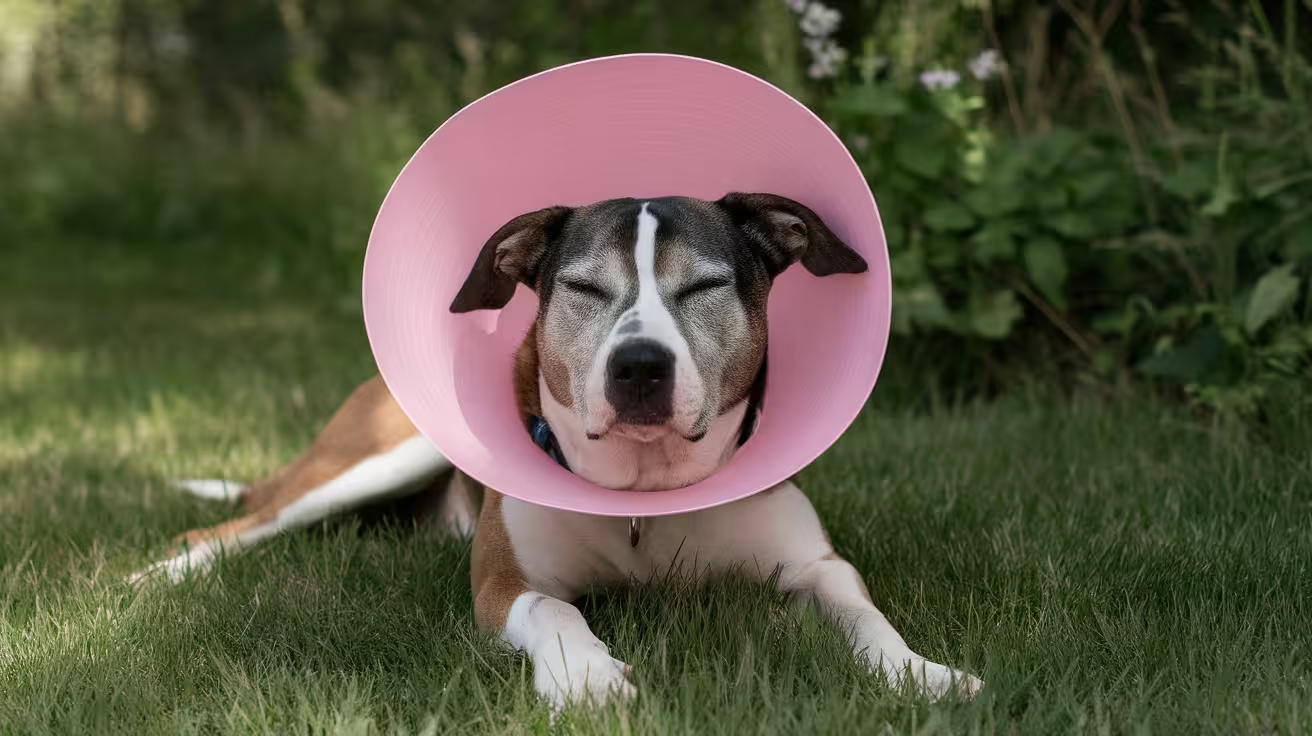
Post-Operative Infection in Dogs: Symptoms and Solutions
Learn about symptoms and solutions for post-operative infections in dogs to ensure a smooth and healthy recovery after surgery
Post-operative infections are among the most common complications after surgery in dogs. The Pet Vet reports they affect approximately 5 to 10% of surgical patients. Most are preventable. When they do develop, the difference between a minor setback and a serious crisis is usually how quickly they are caught.
This guide covers the full picture: symptoms, causes, treatment, and prevention with specific guidance on what owners control versus what the vet team manages.
Quick answer: Symptoms of post-operative infection include redness after day 3, yellow or green discharge, warmth, swelling not improving, foul odor, and worsening pain. Systemic signs including fever need urgent care. Call the vet same-day.
Key takeaways
- 5 to 10% of surgical patients develop a post-operative infection despite appropriate veterinary care
- Early signs appear 3 to 5 days post-surgery: redness increasing, warmth, discharge becoming cloudy or colored
- Licking is the most common preventable cause: saliva deposits bacteria directly into the healing wound
- Surface infections respond to antibiotics and wound care; deep infections may require surgical debridement
- Complete the full antibiotic course: stopping early when the dog looks better is a leading cause of recurrent infection
- Call the vet same-day for yellow or green discharge, foul odor, increasing swelling, or systemic signs
Why post-operative infections occur
Surgery creates a wound. Even under ideal sterile conditions, some bacteria are always present on the skin surface and in the air. The immune system normally clears this low-level contamination. Infection develops when bacterial load overwhelms the local defenses either because too many bacteria entered, the wound environment favors bacterial growth, or the dog's immune response is impaired.
The Pet Vet: "When bacteria enter the surgical site, they can multiply rapidly, causing inflammation, pain, and potentially life-threatening complications if left untreated."
Key pathways:
- Self-trauma: licking introduces oral bacteria directly into the wound
- Moisture: wet wound environments dramatically accelerate bacterial multiplication
- Contaminated environment: contact with dirty bedding, soil, or other animals
- Systemic factors: hypoalbuminemia, obesity, immunosuppression, allergic skin disease, and poor perfusion all reduce wound healing capacity
Symptoms of post-operative infection
Normal healing baseline (to compare against)
- Days 1 to 2: mild redness and swelling at incision edges; possibly a small amount of clear or slightly pink serum discharge
- Days 3 to 5: redness fading, swelling reducing, discharge stopped
- Days 5 to 10: wound edges fully closed; no discharge; no odor
Early signs of infection (days 3 to 7)
Redness that is increasing rather than decreasing after day 3 is the primary early signal. Other early indicators:
- Warmth at the incision site not present or not improving in the first 3 days
- Swelling increasing after the expected peak at days 1 to 2
- Discharge changing from clear to cloudy or milky
Preventing post-op infections article (SustainableVet): "Early detection of redness, swelling, or discharge allows prompt treatment before biofilms develop extensively."
Established infection signs
- Yellow or green pus discharge from the incision at any time
- Foul or rotten odor
- Swelling clearly larger than the post-surgical baseline
- Pain increasing rather than decreasing (dog guarding more, licking more intensely despite E-collar)
- Wound edges beginning to separate (early dehiscence from infection undermining the suture line)
Systemic signs (serious requires urgent care)
The Pet Vet: "Post-surgical infection in dogs is a serious complication. If left untreated, they can cause inflammation, pain, and potentially life-threatening complications."
- Fever (rectal temperature above 103.5 degrees Fahrenheit)
- Lethargy that is worsening rather than improving after day 2 to 3
- Complete loss of appetite at day 2 or beyond
- Increased thirst and urination (can indicate systemic inflammation)
- Pale gums
These systemic signs indicate the infection may have entered the bloodstream. This requires same-day or emergency veterinary contact.
Solutions: treatment options
Local wound care and antibiotics
For superficial infections involving the skin and immediate subcutaneous tissue: the vet will prescribe systemic antibiotics (ideally culture-guided) and may direct gentle wound cleaning with dilute chlorhexidine.
SustainableVet: "Keep the incision site clean and dry at all times. Do not apply creams, ointments, or disinfectants to the incision unless specifically instructed."
The Pet Vet identifies five medication categories used in managing post-surgical infections:
- Antibiotics: to eliminate the causative bacteria; always culture-guided when available
- NSAIDs: to reduce inflammation at the infection site
- Pain medications: to maintain comfort, eating, and rest during treatment
- Topical treatments: directed antiseptic cleaning as instructed
- Immune support: nutritional support to maintain immune function during recovery
Surgical debridement
For infections extending into deeper tissue layers, forming abscesses, or failing to respond to antibiotic therapy: surgical debridement removes infected and necrotic tissue to allow healing from a clean base. Drain placement may accompany debridement.
Hospitalization
When systemic signs are present: intravenous antibiotics, intravenous fluid support, and monitoring for septic deterioration. This is intensive care territory, not outpatient management.
Prevention: the owner's role
The Pet Vet: "Proper incision care at home is perhaps the most important preventive measure."
E-collar compliance: wear at all times, including during sleep and eating, until suture removal and vet clearance. One sustained licking episode can establish infection.
Keep the wound dry: no bathing, swimming, or exposure to rain until the vet confirms healing is complete.
Complete the full antibiotic course: even if the dog appears completely well.
Daily wound checks: twice daily at minimum. Photograph the incision to track subtle changes. Call the vet for any change trending toward the infection signs described above.
Clean bedding: wash bedding before the dog returns home; prevent contact with soil, water, or other animals during recovery.
SustainableVet: "Owners and veterinary staff must work together to maintain clean wounds and detect early signs of infection."
For the full wound care protocol, see how to care for a dog wound after surgery. For the broader complications guide, see signs of complications after soft tissue surgery. For detail on infection signs and causes specifically, see dog incision infection signs causes and treatment.
Frequently asked questions
How quickly do post-operative infections develop after dog surgery?
Early signs typically appear between days 3 and 7. Bacterial growth in wound tissue takes 24 to 72 hours after contamination; visible signs follow as the immune response escalates.
Can I treat my dog's post-operative infection at home without seeing a vet?
No. Antibiotics require a prescription. Incorrect wound care can worsen the infection. Any suspected infection needs veterinary assessment to determine the depth, causative organism, and appropriate treatment.
My dog's wound was fine at day 5 but now at day 9 it looks infected. Is that possible?
Yes. Late infections can occur even after apparent initial healing. Causes include retained suture material acting as a nidus for bacteria, failure of a deep tissue layer, or a delayed E-collar compliance breach. Call the vet for assessment.
How do I know if the infection is superficial or deep?
Superficial infections affect only the skin and immediately below it; the incision edges remain intact. Deep infections cause more significant swelling, significant pain, systemic signs, and often wound breakdown. The vet uses palpation, culture, and imaging to assess depth.
What happens if a post-operative infection goes untreated?
Untreated infection progresses from localized to deep tissue, then to systemic (bloodstream). Sepsis, a life-threatening systemic inflammatory response to infection, can develop rapidly. In orthopedic cases, infection can spread to bone (osteomyelitis) or implants, requiring hardware removal.
Will a post-operative infection affect my dog's long-term recovery?
Superficial infections caught early typically resolve without lasting impact. Deep infections, osteomyelitis, or sepsis can delay recovery significantly. Early detection and prompt treatment matter for prognosis, not just comfort.
Resources
- The Pet Vet. Post-Surgical Infection in Dogs: 5 Vital Medications for Recovery. thepetvet.com
- SustainableVet. Post-Operative Infection in Dogs: Symptoms and Solutions. sustainablevet.org
- SustainableVet. Preventing Post-Operative Infections in Dogs. sustainablevet.org
- Veterinary Practice News. Exploring Surgical Site Infections. veterinarypracticenews.com

